
How to Sleep With Locs Without Damaging Them
Disclosure: Some of the links in this post are affiliate links. This means if you click on the link and purchase an item, I will receive an affiliate commission at no extra cost to you. All opinions remain my own. I only recommend products or services I believe will add value to my readers.
There is nothing quite as frustrating as spending time caring for your locs, only to wake up the next morning and notice that they look flattened, frizzy, dry, or completely different from how they looked before bed.
You may even find yourself wondering if the way you sleep is slowly undoing all the effort you put into maintaining healthy locs. The truth is, nighttime care matters more than many people realize.

Your hair spends several hours rubbing against your pillow, absorbing moisture from the fabric, and being pushed in different directions as you move throughout the night.
Over time, this repeated friction can contribute to frizz, dryness, lint buildup, and unnecessary stress on your locs.
If you are still learning the basics of healthy loc maintenance, understanding [how to care for your locs the right way] can give you a stronger foundation before adding a nighttime routine.
Your sleeping habits should work together with your everyday care routine, not against it. This becomes even more important if your locs are new, delicate, long, or prone to dryness.
The good news is that protecting your hair at night does not have to involve a complicated routine or a bathroom full of products.
With the right sleeping position, a suitable bonnet or scarf, proper moisture balance, and a few simple habits, you can wake up with your locs looking and feeling much better.
In this guide, we will walk through exactly How to Sleep With Locs Without Damaging Them, including the mistakes that may be causing nighttime damage and the simple changes that can help protect your locs while you sleep.
If you have ever gone to bed with neat locs and woken up wondering what happened, this guide is for you.
How to Sleep With Locs Without Damaging Them
1. Always Cover Your Locs Before Bed
One of the easiest ways to protect your locs at night is to cover them before your head hits the pillow. Leaving your locs uncovered allows them to rub against cotton bedding for hours, which can contribute to frizz, dryness, and lint buildup.
A satin or silk bonnet can create a smoother barrier between your hair and the fabric, helping your locs retain moisture and reducing unnecessary friction while you move around during sleep.

Choose a bonnet that is large enough to comfortably hold all of your locs without squeezing them tightly. If your locs are long or thick, a small bonnet may compress them or put pressure on your roots.
Look for a roomy option that allows your hair to sit naturally inside. If you are interested in other ways to protect your hair, Protective Styles You Can Do With Locs can give you more ideas for keeping your locs protected during different activities.
2. Try a Satin or Silk Pillowcase
Sometimes your bonnet slips off during the night. If that happens, your pillowcase becomes your second line of defense.
A satin or silk pillowcase creates less friction than rougher fabrics, so your locs are less likely to catch and rub against the surface as you turn in your sleep.

This is particularly helpful if you dislike wearing a bonnet or simply want additional protection. A smooth pillowcase can also help reduce the amount of lint that transfers into your locs.
You do not necessarily need an elaborate nighttime setup; combining a comfortable bonnet with a smooth pillowcase can make your bedtime routine much easier.
3. Make Sure Your Locs Are Completely Dry
Going to bed with wet or damp locs is one habit worth avoiding. Locs are dense, so moisture can remain trapped inside them for much longer than you might expect.
Sleeping on damp locs can leave them smelling musty and may create an uncomfortable environment for your scalp.
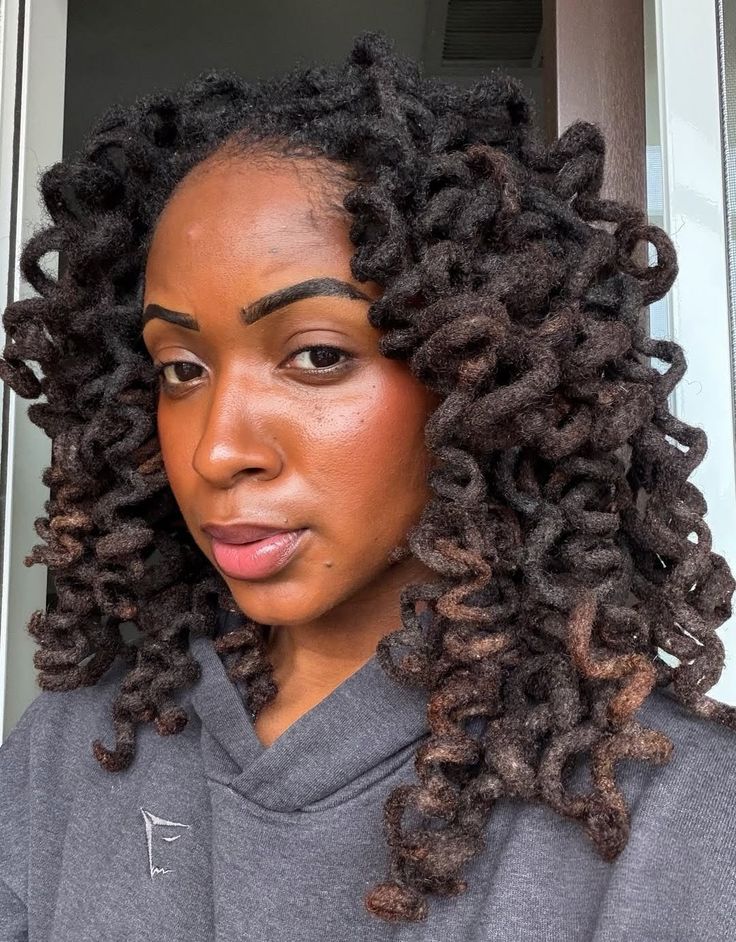
If you wash your hair in the evening, give your locs plenty of time to dry before covering them for bed. Gently squeeze out excess water with a clean towel and allow your hair to air-dry or use an appropriate drying method when necessary.
For more washing guidance, How to Wash Starter Locs Without Unravelling Them (Step by Step Guide) is worth reading, especially if your locs are still new.
4. Avoid Sleeping With Tight Styles
A beautiful loc style is not always a good bedtime style. Tight ponytails, buns, or heavily pulled-up styles can place unnecessary tension on your roots while you sleep.
Because you may spend six to eight hours in the same position, even a style that feels comfortable initially can become stressful on your scalp overnight.
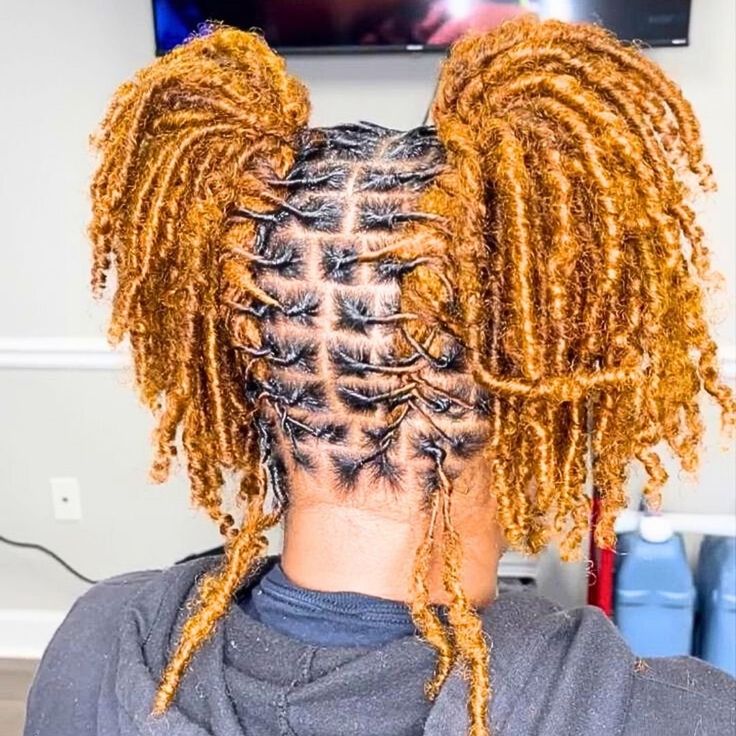
Before bed, loosen anything that feels tight and allow your locs to rest naturally. This is especially important if you have recently had a retwist.
Your roots may already be under some tension, so adding a tight nighttime style can make them feel even more uncomfortable. If you frequently wear protective styles, Low Tension Loc Styles That Protect Your Hairline can help you choose gentler options.
5. Protect Your Locs From Lint
Have you ever discovered tiny pieces of fuzz trapped inside your locs after sleeping? Cotton bedding, blankets, towels, and clothing can all contribute to lint buildup.
Once lint becomes deeply embedded, removing it can be frustrating and may require careful attention to avoid disturbing the loc itself.
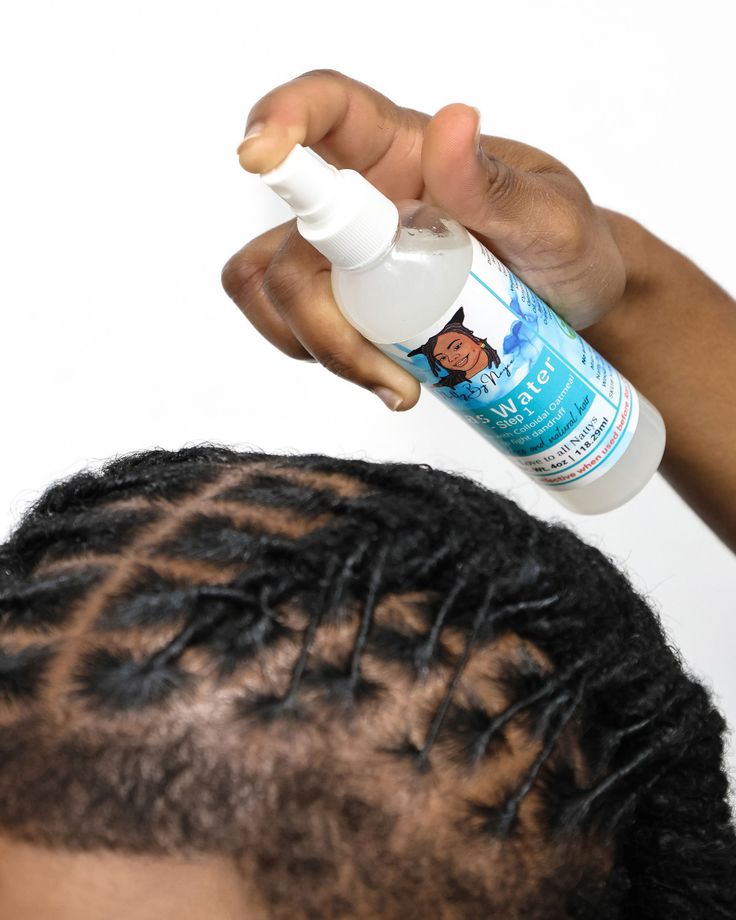
Your nighttime routine can help prevent this problem. Cover your locs before sleeping and keep fuzzy blankets away from your head. You should also avoid using rough towels directly on your locs.
If you already struggle with buildup, How to Get Rid of Lints in Locs (Without Damaging Them) can help you approach the problem more carefully.
6. Give Your Locs Room to Breathe
Protecting your locs does not mean squeezing them into a tight bonnet or wrapping them so firmly that your scalp feels restricted. Your hair should have enough room to sit comfortably.
Gather longer locs loosely or arrange them inside a spacious bonnet without forcing them into a compact shape.
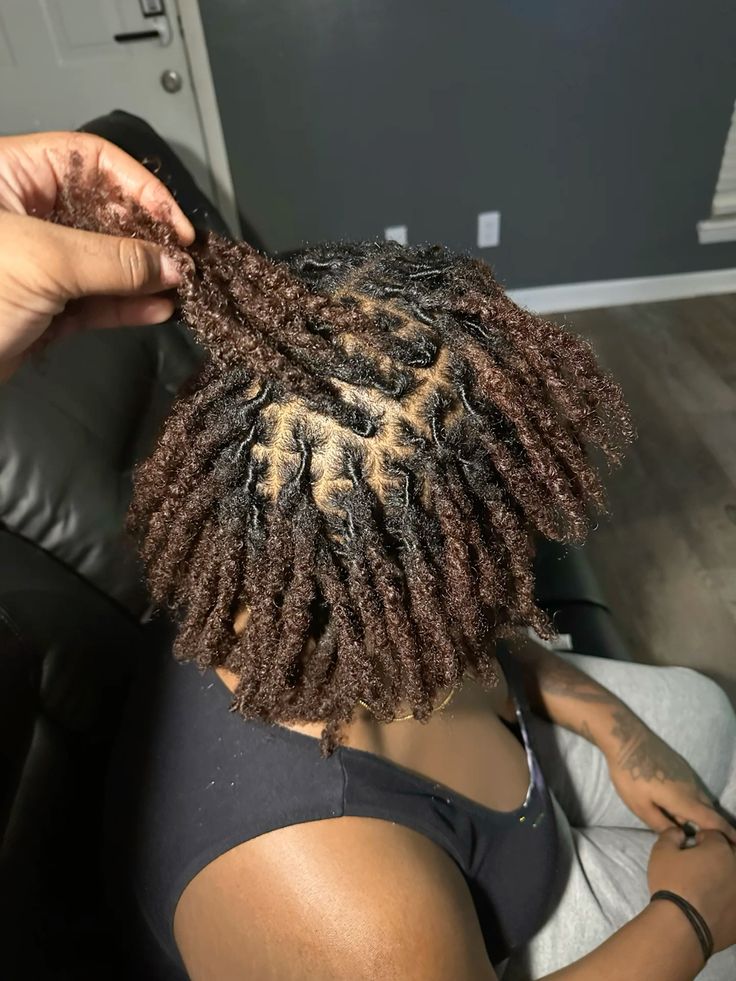
This becomes even more important as your locs grow longer and heavier. Instead of pulling everything tightly toward one direction, experiment with a loose arrangement that distributes the weight comfortably.
For more guidance on caring for longer hair, How to Maintain Very Long Locs can help you think beyond your nighttime routine and protect your locs throughout the day.
7. Be Careful With Moisture Before Bed
Your locs need moisture, but nighttime is not the best time to heavily wet them and immediately cover them.
Too much moisture trapped under a bonnet can leave your locs damp for hours, especially if they are thick or mature. Instead, keep your evening routine light and focus on maintaining a healthy balance rather than soaking your hair.

If your locs feel dry, use a lightweight moisturizing method that works for your hair and allow enough time for your locs to dry before covering them.
Avoid piling multiple heavy products onto your hair simply because it feels dry. For more guidance on finding the right moisture routine, How Often Should You Moisturize Locs? can help you understand how to keep your locs hydrated without overdoing it.
8. Keep Your Scalp Comfortable
Your scalp deserves attention when creating a nighttime routine.
If your bonnet has a tight elastic band or your locs are pulled firmly in one direction, you may wake up with tenderness around your hairline or roots. That discomfort is a sign that your nighttime setup needs adjusting.

Choose a covering that feels secure without digging into your forehead or pulling your hair. If your scalp feels sore after wearing a style or retwist, give it a break rather than adding more tension.
You can also explore How to Maintain Your Locs Between Retightening for additional ideas on keeping your locs and scalp comfortable between maintenance sessions.
9. Arrange Long Locs Before You Lie Down
Long locs can be beautiful, but bedtime becomes a little more challenging when your hair can easily get trapped underneath your neck or shoulders.
Tossing and turning can pull on the locs or create uncomfortable pressure. Before lying down, gently gather your locs and place them where they are least likely to become trapped.
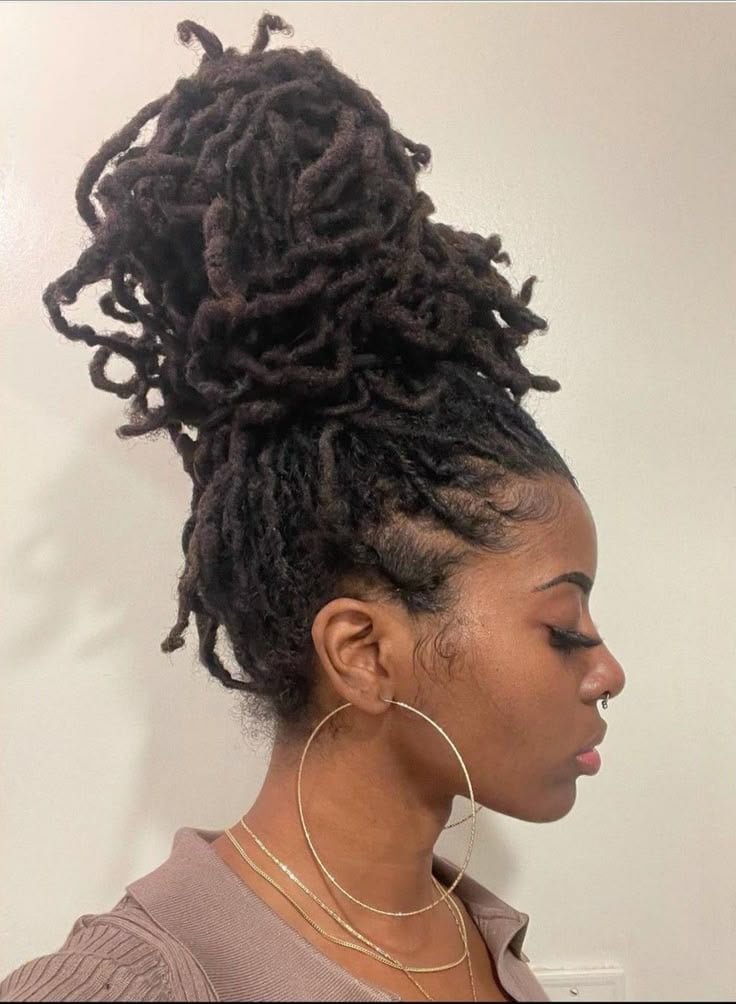
A loose high arrangement, gentle wrapping, or simply positioning your locs above your shoulders can make sleeping much more comfortable.
Avoid tightly twisting or securing them just to keep them out of the way. If you are looking for more ways to manage growing length, How to Grow Your Locs Faster Naturally can complement your overall loc-care routine.
10. Avoid Going to Bed With Accessories That Pull
Hair jewelry, beads, clips, and decorative accessories can look beautiful during the day but may become uncomfortable or create pressure while you sleep. Some accessories can also catch on bedding and pull individual locs when you turn over.
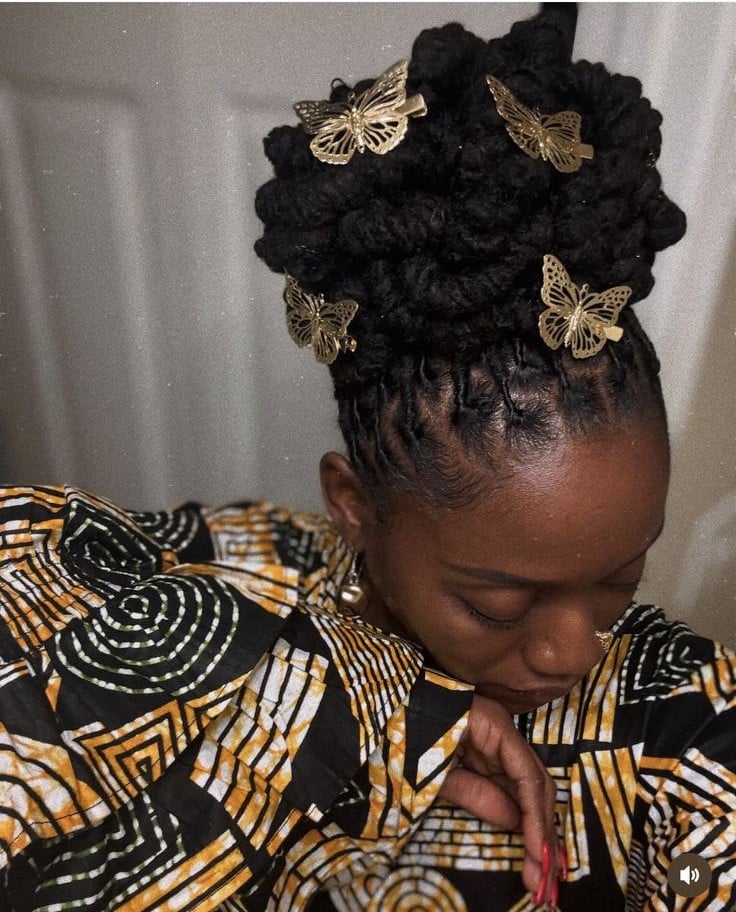
Before bed, remove anything that feels bulky, heavy, or restrictive. Give your locs a chance to rest naturally overnight.
Your goal is simple: less pulling, less friction, and more comfort. A gentle nighttime routine can help you wake up with locs that feel cared for rather than stressed.
11. Create a Simple Nighttime Loc Routine
The best nighttime routine is one you can actually maintain. Before bed, gently check your locs for anything that may cause discomfort, remove unnecessary accessories, and make sure your hair is dry.

If your scalp needs attention, handle it gently rather than scratching or applying too many products. Then gather your locs loosely and cover them with a clean, comfortable bonnet.
Try to make the routine consistent instead of doing something different every night. Over time, these small habits become automatic, just like brushing your teeth before bed.
If you are still learning which habits support healthy locs, 23 Things You Should Never Do to Your Locs can help you identify common mistakes that may quietly interfere with your progress.
12. Be Extra Gentle With Starter Locs
Starter locs need particularly careful handling because they are still developing and may unravel or shift more easily than mature locs.
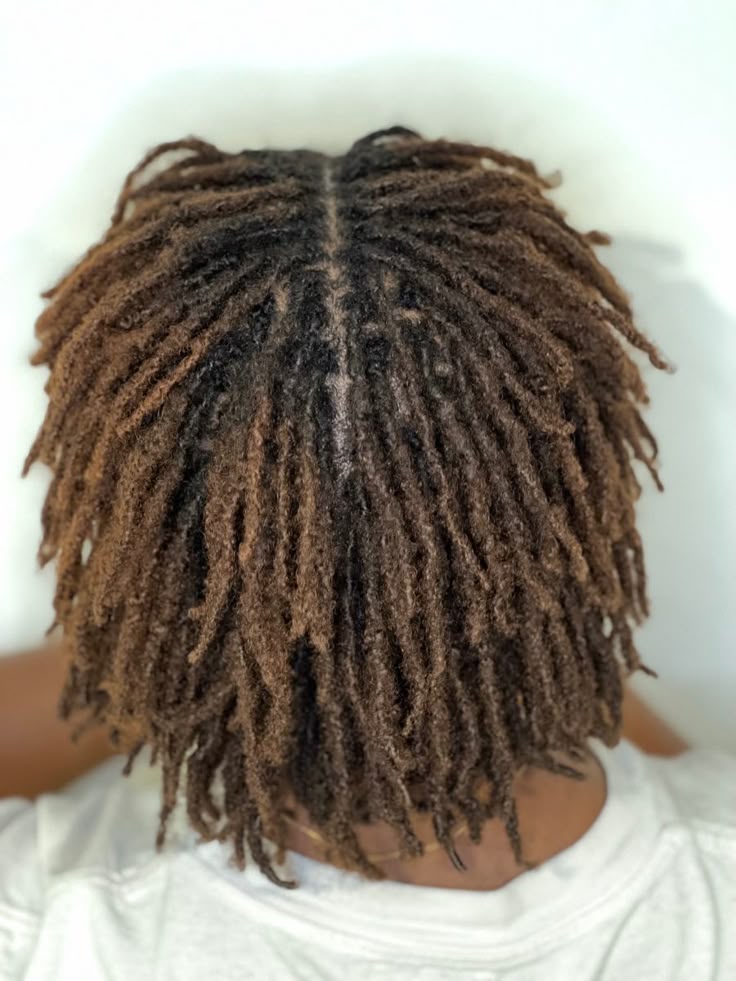
Avoid tossing them into tight styles before bed or repeatedly manipulating them to make them look neat in the morning. A loose bonnet and minimal handling can give them the opportunity to settle naturally while you sleep.
You may notice frizz, budding, or changes in your locs when you wake up, but that does not necessarily mean something is wrong.
Resist the urge to constantly retwist or rearrange them. If you are still in the early stages, Signs Your Locs Are Locking Properly (And When to Worry) can help you understand what changes are normal during your journey.
13. Clean Your Bonnet and Bedding Regularly
Your locs spend several hours in contact with your bonnet and pillow every night, so cleanliness matters. Oils, sweat, hair products, and skin cells can build up on fabric over time and transfer back onto your hair and scalp.
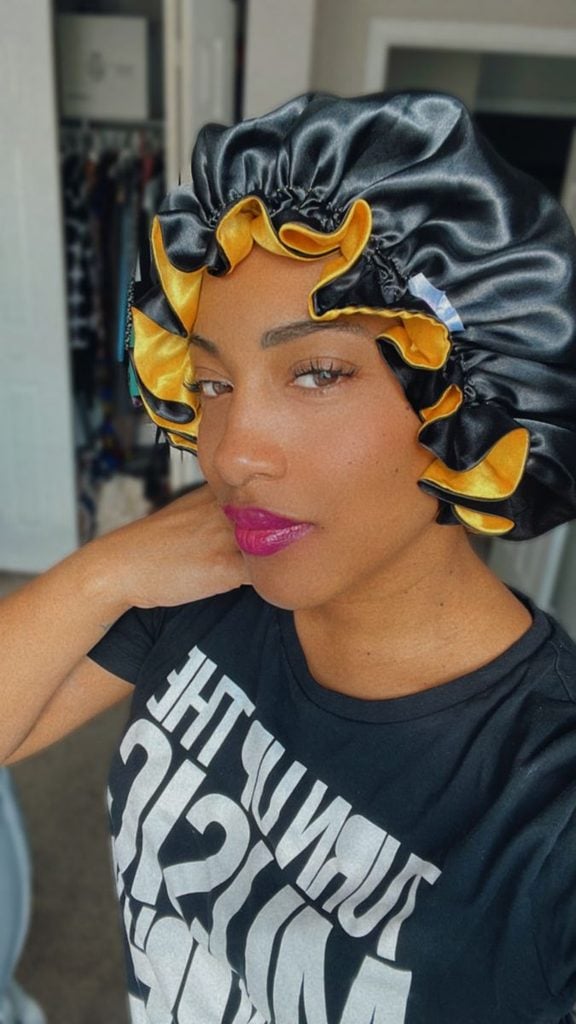
Make washing your bonnet and changing your pillowcase part of your regular hair-care routine.
If you use multiple bonnets, rotate them so you always have a clean one available. This simple habit can make your nighttime routine feel fresher and help prevent unnecessary buildup.
Remember, protecting your locs while sleeping is not just about what you wear on your head, it is also about keeping the things that touch your hair clean.
14. Choose the Right Sleeping Position
Your sleeping position can make a difference, especially when your locs become longer and heavier. If you sleep directly on top of your locs every night, your body weight can create pressure and cause them to become flattened or uncomfortable.
Try positioning your locs above your shoulders or loosely to the side before settling down.
There is no single sleeping position that works for everyone. The important thing is to find one that keeps your locs from being trapped underneath your head or pulled awkwardly while you move.
If you are looking for more low-maintenance ways to wear your hair, 15 Easy Ways to Style Your Locs – No Accessory Needed can give you ideas that do not require complicated manipulation.
15. Do Not Retwist Just Because Your Locs Look Messy
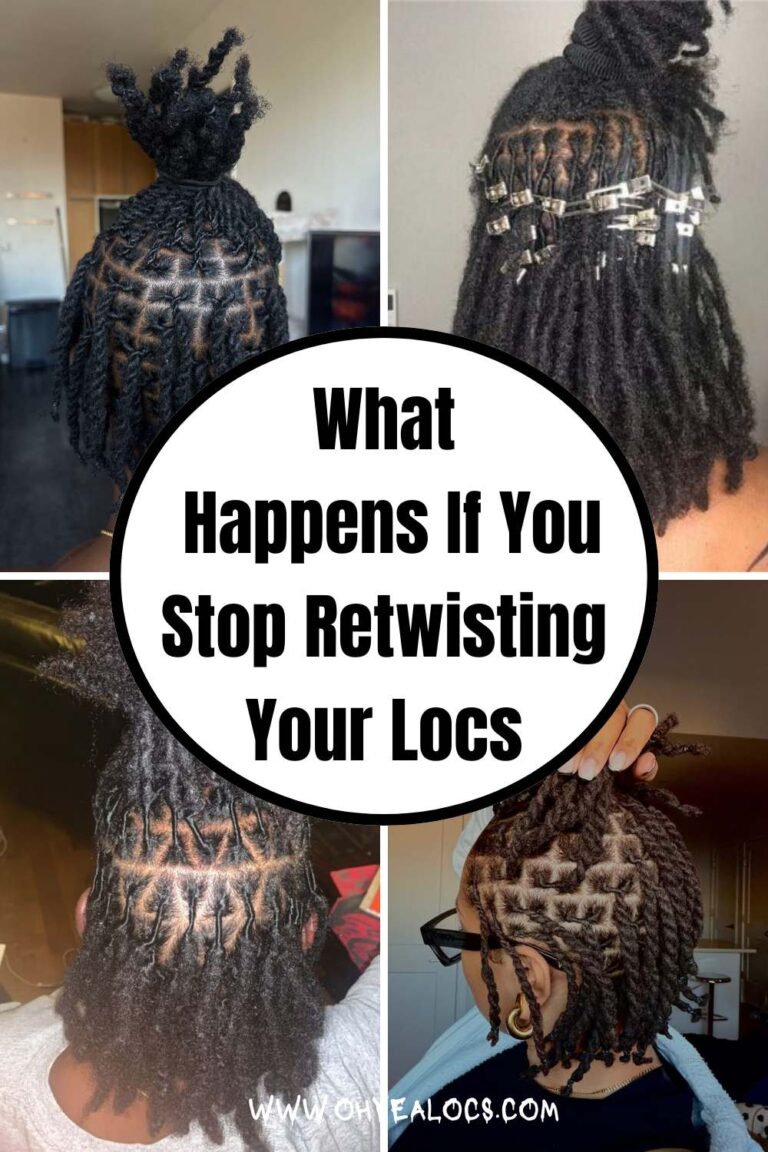
One of the easiest mistakes to make is waking up with frizzy or flattened locs and immediately deciding they need a retwist. Your locs do not have to look perfectly neat every morning.
Frequent retwisting can place unnecessary tension on your roots and may work against your goal of maintaining strong, healthy hair.
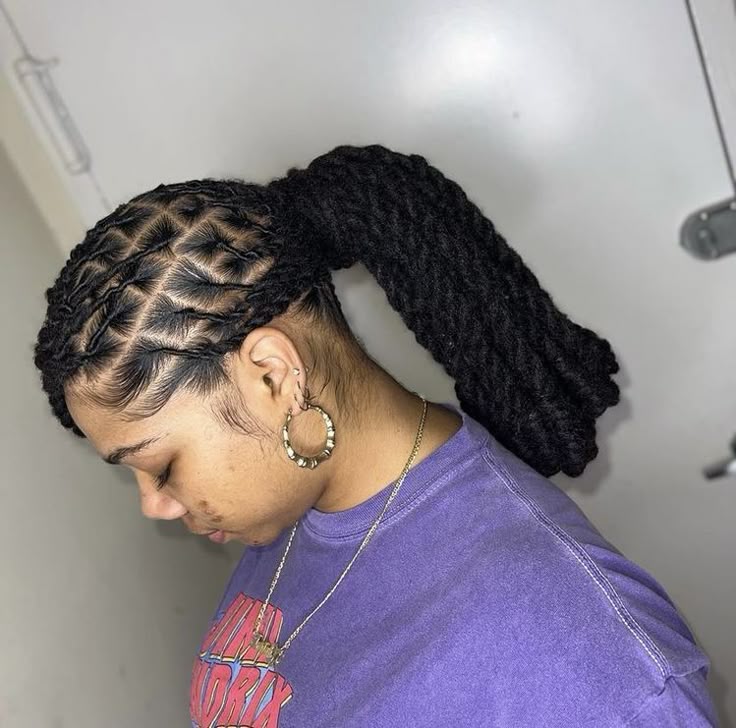
Instead, gently separate locs that have become tangled together and allow your hair to settle. Give your roots time between maintenance sessions rather than constantly trying to recreate a freshly retwisted appearance.
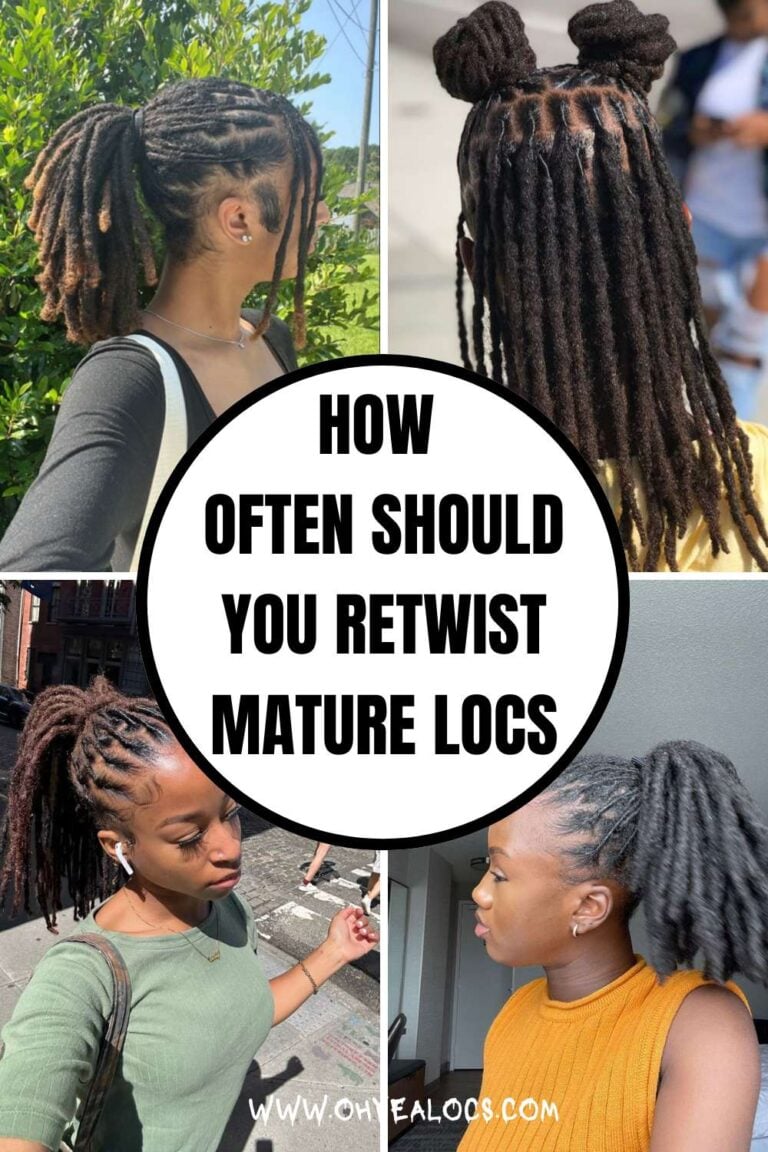
If you are unsure about your maintenance schedule, How Often Should You Retwist Mature Locs? can help you understand why spacing out retwists matters.
16. Listen to What Your Locs Are Telling You
Your locs can give you clues when your nighttime routine is not working. Persistent scalp tenderness, excessive breakage, thinning around the roots, or uncomfortable tension should not simply be ignored.
Pay attention to how your hair feels when you wake up and adjust your bonnet, sleeping position, or hairstyle if necessary.

Remember that How to Sleep With Locs Without Damaging Them is ultimately about creating less stress for your hair while you rest. You do not need a complicated ten-step routine.
Keep your locs dry, reduce friction, avoid excessive tension, and give your scalp and roots room to breathe. For additional guidance, How to Prevent Loc Breakage is a useful next read if breakage has become one of your concerns.
17. What to Do When You Wake Up With Messy Locs
Even with a good bedtime routine, your locs may not look perfect when you wake up. You might notice flattened sections, loose hairs, or a little frizz.
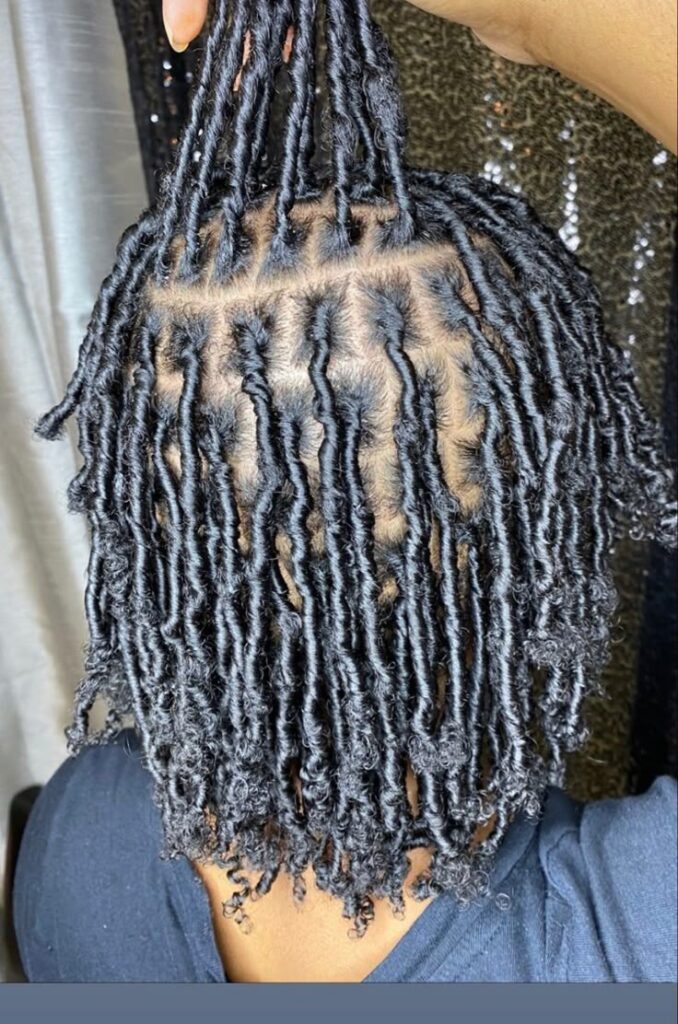
Do not immediately reach for a retwist or start pulling your locs into a tight style. Instead, gently separate any locs that have become tangled and allow your hair to return to its natural shape.
A few minutes of gentle morning care can be enough to refresh your appearance. Avoid excessive brushing, pulling, or manipulating your roots simply to make every loc look perfectly uniform.
Healthy locs do not have to look freshly styled every morning. If you want more ideas for maintaining a polished appearance with minimal effort, How to Make Your Locs Look Neat Always is a great next read.
18. Avoid These Common Bedtime Mistakes
Some nighttime habits can quietly cause problems over time. Sleeping with uncovered locs, going to bed with wet hair, wearing tight styles, using dirty bonnets, and allowing your locs to rub against rough bedding can all increase unnecessary friction or tension.

Another mistake is constantly adjusting your locs during the night because you are worried about how they will look in the morning.
The goal is not perfection; it is protection. Keep your routine simple enough that you can follow it consistently. If you notice thinning, excessive breakage, persistent scalp discomfort, or other changes that concern you, consider getting professional advice rather than trying to fix everything yourself.
You can also explore What Makes Locs Healthy vs Unhealthy to better understand the signs worth paying attention to.
Final Thoughts
Learning How to Sleep With Locs Without Damaging Them can completely change the way you approach nighttime hair care.
Your locs spend many hours against your pillow and bedding, so protecting them while you sleep is just as important as caring for them during the day.
A comfortable satin or silk covering, dry locs, loose positioning, clean bedding, and minimal tension can go a long way.
You do not need an elaborate routine to protect your locs. Start with one or two simple changes tonight and pay attention to how your hair and scalp feel when you wake up.
With consistency, those small habits can help reduce unnecessary friction, protect your roots, and keep your locs looking and feeling healthier.
Ready to give your locs a better night’s rest? Save this guide, share it with another loc wearer, and make your nighttime routine part of your overall loc-care journey.
For even more inspiration, check out How to Strengthen Weak Locs and keep building habits that support your locs for the long run.



8 Comments