
How Often Should Men Retwist Their Locs? A Beginner’s Guide
Disclosure: Some of the links in this post are affiliate links. This means if you click on the link and purchase an item, I will receive an affiliate commission at no extra cost to you. All opinions remain my own. I only recommend products or services I believe will add value to my readers.
How often should men retwist their locs? It’s one of the biggest questions you’ll have when starting your loc journey.
You might love the clean, fresh look after leaving your loctician, but a few weeks later, new growth starts appearing around your roots.
Suddenly, you’re wondering if it’s time for another retwist or if waiting longer will affect your locs.
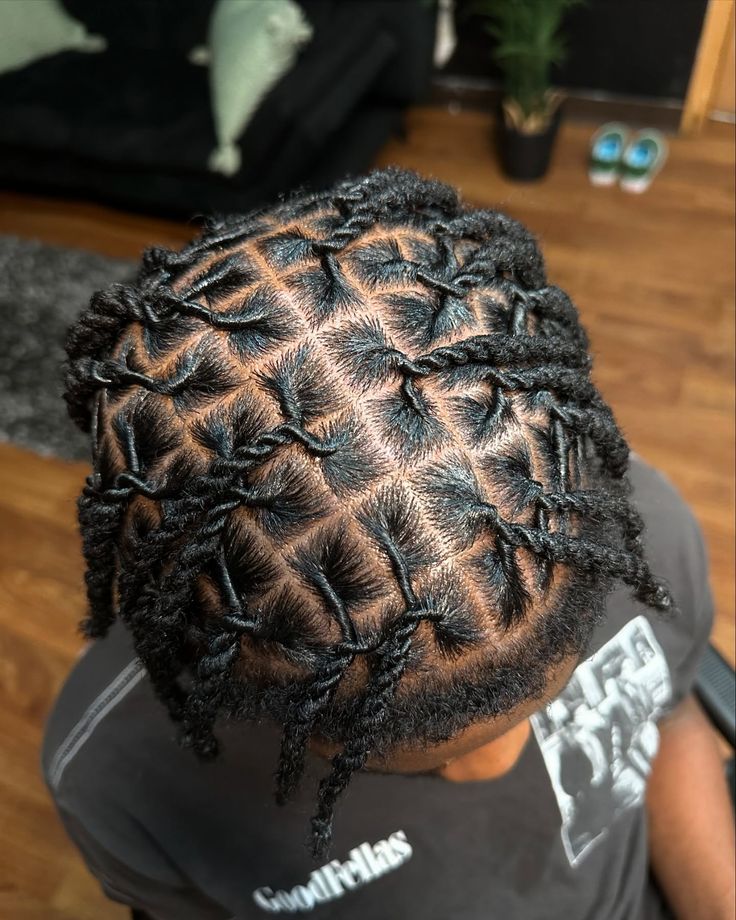
Imagine getting your first retwist and feeling confident about your new look. Your roots are neat, your locs look organized, and you’re excited to see your hair mature.
Then, you notice some frizz and loose hair around your scalp. You might think your locs are becoming messy, but that’s not always the case.
New growth and frizz are normal parts of the locking process. Retwisting too frequently can put unnecessary tension on your roots, potentially causing thinning and breakage over time.
On the other hand, understanding your hair’s needs helps you maintain your locs without constantly worrying about their appearance.
If you’re just beginning, start with How to Start Locs for Men: A Complete Beginner’s Guide to understand the foundation of your journey.
You should also explore Starter Locs Mistakes That Can Ruin Your Loc Journey to avoid habits that may affect your progress.
In this guide, you’ll learn how often men should retwist their locs, which factors influence your schedule, and how to recognize when your hair needs attention.
We’ll also cover common retwisting mistakes and simple ways to keep your roots healthy while your locs mature.
How Often Should Men Retwist Their Locs?
1. The General Retwist Schedule for Men
When learning how often men should retwist their locs, remember that there isn’t one schedule that works for everyone.
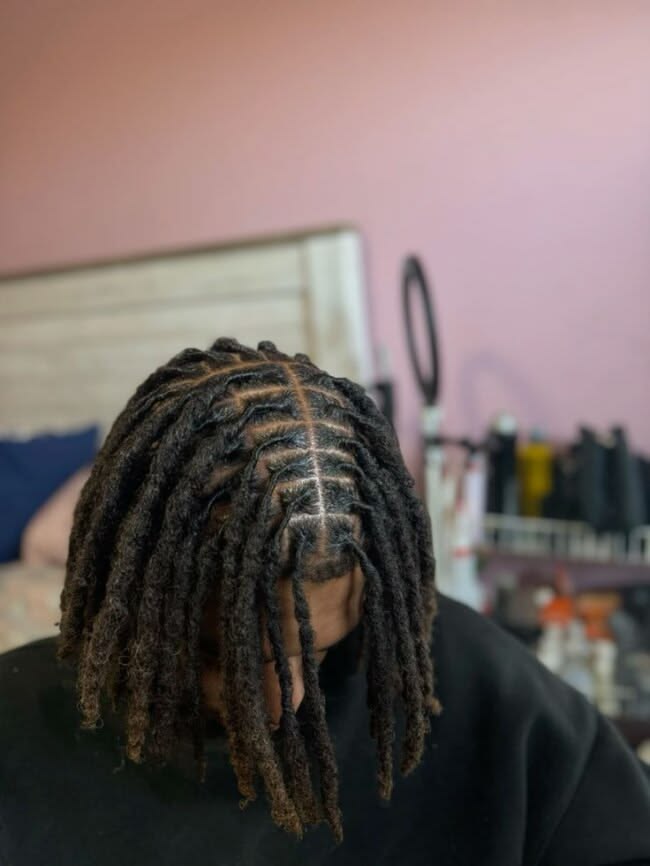
Your ideal timing depends on your loc maturity, hair texture, scalp health, and preferred appearance. Still, spacing your retwists appropriately can help protect your roots while allowing your locs to develop naturally.
For many men with established locs, retwisting every four to eight weeks can be a reasonable starting point.
Some men prefer longer intervals, especially when their locs are mature or they enjoy a more natural appearance. Meanwhile, starter locs may require a different approach because their structure is still developing.
Avoid booking another appointment simply because you notice frizz or new growth. These changes are normal and don’t automatically mean your locs need attention.
Instead, check if your roots remain healthy and your parts are manageable. You can read How to Retwist Your Locs Properly at Home to learn about gentle maintenance techniques.
The most important rule is to avoid excessive tension. A slightly less polished appearance between appointments is often preferable to putting unnecessary stress on your roots.
2. How Often Should Men Retwist Starter Locs?
Starter locs need special attention because the hair is still forming its locking structure.
During these early months, your locs may unravel, become frizzy, or develop loose hairs around the roots. These changes can make you feel tempted to retwist more frequently than necessary.
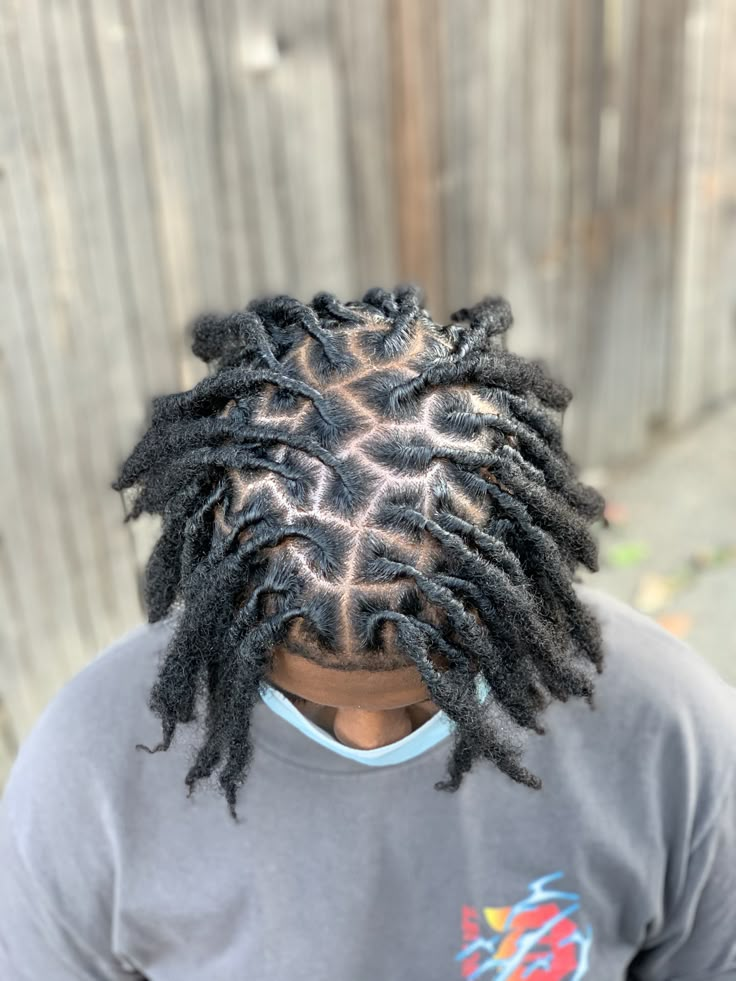
For many beginners, a retwist interval of approximately four to six weeks may work, depending on the installation method and hair condition.
Your loctician might recommend a different schedule if your locs unravel easily or your scalp needs more recovery time.
Avoid treating every loose strand as a problem. Some movement is expected during the locking process. Excessive manipulation can interfere with development and place unnecessary stress on delicate roots.
Your starting method also matters. Comb coils, two-strand twists, and interlocked locs can behave differently during the early stages. Consequently, the maintenance approach should match how your locs were installed.
Before your next appointment, read How Often Should You Retwist Starter Locs? for more guidance on early maintenance.
You can also explore Signs Your Starter Locs Are Locking Properly (And When to Worry) to understand which changes are normal.
Remember, patience is essential during the beginning of your loc journey. Give your hair enough time to develop instead of constantly trying to make every loc look perfectly neat.
3. How Often Should Men Retwist Mature Locs?
Mature locs generally offer more flexibility because their structure is better established. Still, this doesn’t mean you should retwist them every time new growth appears.
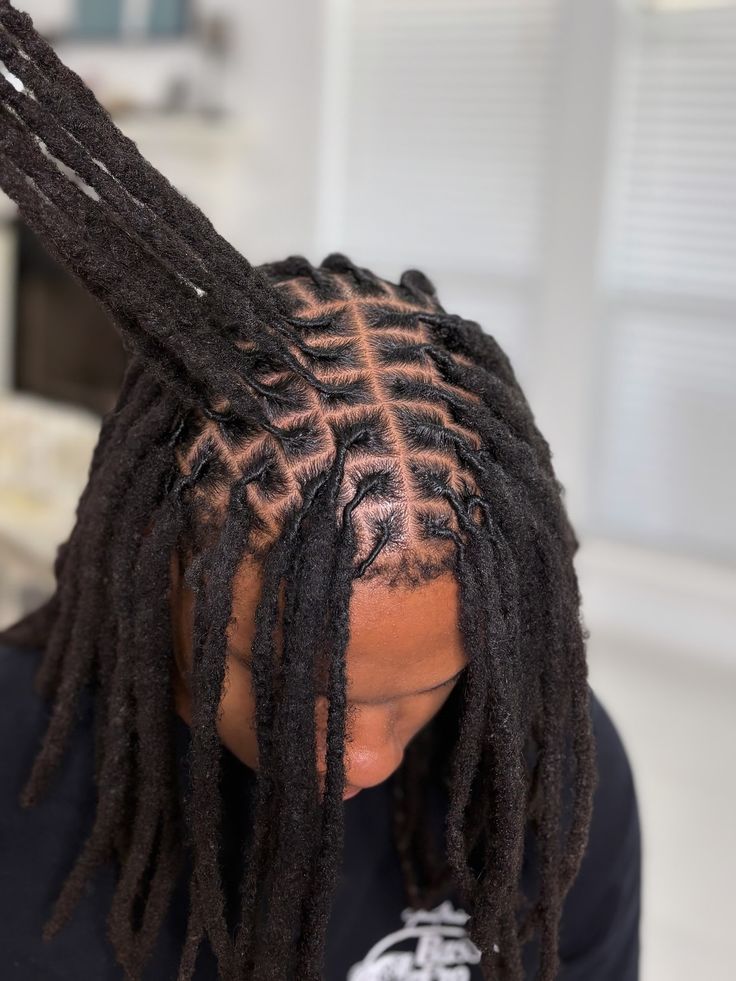
Your roots need room to grow, and excessive manipulation can gradually weaken vulnerable areas.
Many men with mature locs can begin by considering retwist intervals of six to eight weeks. Others may comfortably wait longer, depending on their hair growth, loc thickness, and preferred style.
The right schedule should support healthy roots rather than simply maintaining a freshly retwisted appearance.
Pay attention to how your locs behave between appointments. If your roots remain healthy and your hair is manageable, you might not need to shorten your interval.
On the other hand, excessive tangling at the roots may require guidance from your loctician.
Avoid allowing appearance alone to dictate your schedule. Some men prefer clearly defined parts, while others enjoy a softer, more natural look. Both preferences can work when maintenance doesn’t compromise hair health.
For more information, explore How Often Should You Retwist Mature Locs? to understand how mature locs may differ from starter locs.
You can also read How to Make Your Retwist Last Longer for practical ways to maintain your hairstyle between appointments.
A consistent but flexible schedule can help you avoid unnecessary appointments while keeping your locs comfortable and manageable.
4. Signs Your Locs May Need a Retwist
Knowing when your locs need maintenance is more useful than following a calendar blindly. Although your retwist schedule provides a helpful starting point, your roots can tell you when something needs attention.
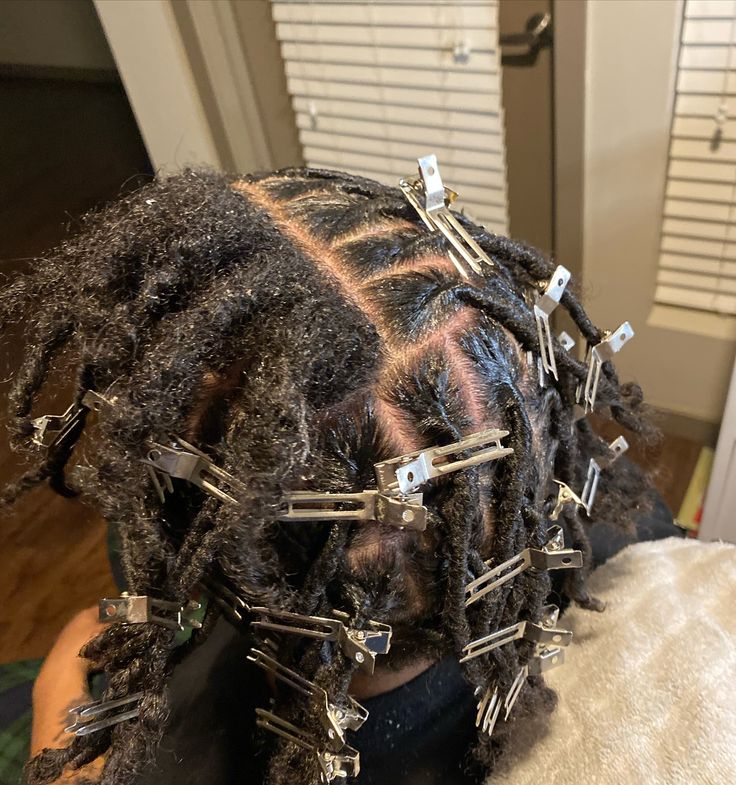
One sign is substantial new growth that makes your parts difficult to distinguish. Some new growth is normal, but excessive root tangling may require professional attention.
Your loctician can determine whether a retwist is appropriate or if another maintenance method would be better.
You might also notice that your preferred hairstyle becomes harder to achieve. For example, defined parts may become less visible as your roots grow. If you prefer a neat appearance, this may influence when you schedule your next appointment.
Still, don’t confuse frizz with damage. Loose hairs and soft roots can be normal, especially during the starter stage. Pain, thinning, and weak roots are different concerns that deserve closer attention.
Explore Signs You Are Not Retwisting Your Locs Enough to understand when your maintenance interval might need adjusting.
You can also read How to Make Your Locs Look Neat Always for practical ways to maintain a tidy appearance between retwists.
Most importantly, your scalp should never feel painfully tight after maintenance. If you experience soreness or notice thinning, discuss your routine with your loctician and consider consulting a dermatologist.
5. Signs You’re Retwisting Your Locs Too Often
Retwisting too frequently can create problems that aren’t always obvious at first. You might enjoy the clean appearance immediately after an appointment, but repeated tension can weaken your roots over time.
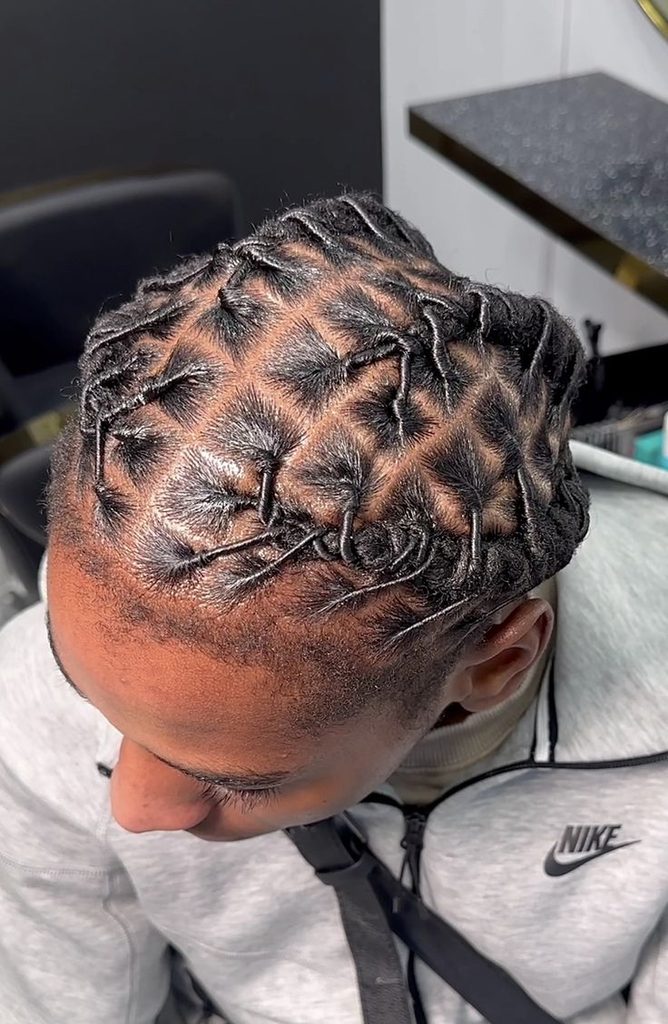
One warning sign is thinning around your temples or hairline. If you regularly wear tight styles or request tightly twisted roots, the repeated tension may contribute to traction-related hair loss.
Another concern is persistent soreness after appointments. Your scalp shouldn’t need to hurt for your retwist to look neat. Excessive tension can stress your follicles and make your roots more vulnerable to damage.
You may also notice that individual locs appear thinner near their roots. This can have several causes, including tension, breakage, or existing hair loss. Avoid attempting to solve the problem by retwisting more tightly.
Instead, allow your roots to recover and discuss a gentler maintenance approach with an experienced loctician. Depending on your situation, you may need longer intervals or less tension during appointments.
Read Signs You Are Retwisting Your Locs Too Often to learn more about warning signs. You can also explore How to Retwist Locs Without Causing Breakage How to Retwist Locs Without Causing Breakage for healthier maintenance practices.
Remember, healthy locs don’t need to look freshly retwisted all the time. Protecting your roots should always come before achieving an extremely tight or polished finish.
6. Factors That Affect Your Retwist Schedule
Your ideal retwist schedule depends on several factors, so comparing your routine with another man’s experience may be misleading. Understanding these differences can help you make better decisions for your own hair.
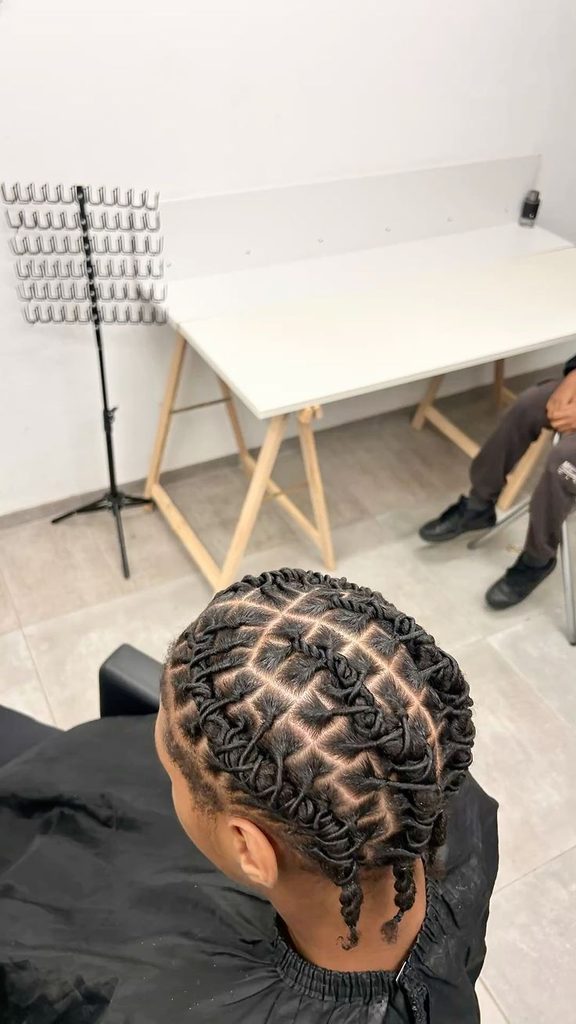
Your loc maturity: Starter locs often need different maintenance from mature locs. Early locs may unravel more easily, while established locs usually offer greater flexibility.
Your installation method: Comb coils, two-strand twists, braids, and interlocking can have different maintenance requirements.
The technique used to start your locs can influence how your roots behave between appointments.
Your hair growth: Some men notice visible new growth sooner than others. Faster visible growth doesn’t automatically mean you need a retwist sooner, especially when your roots remain healthy.
Your scalp condition: Irritation, tenderness, and thinning should influence your maintenance decisions. Avoid retwisting over an irritated scalp without understanding what’s causing the problem.
Your preferred appearance: If you enjoy clearly defined parts, you may prefer more frequent maintenance. If you like a natural look, longer intervals might suit you better.
Your lifestyle: Exercise, sweating, work demands, and styling preferences can affect your overall care routine. Still, frequent washing or physical activity doesn’t automatically mean you need more retwists.
For additional guidance, explore Retwist vs Interlocking: Which Is Better for Your Locs? to understand two common maintenance methods.
You can also read How Much Loc Maintenance Really Costs to plan your appointments and budget realistically.
7. How to Maintain Your Locs Between Retwists
Your loc care routine between appointments matters just as much as the retwist itself. Proper maintenance helps keep your scalp comfortable and your locs manageable without repeatedly manipulating your roots.
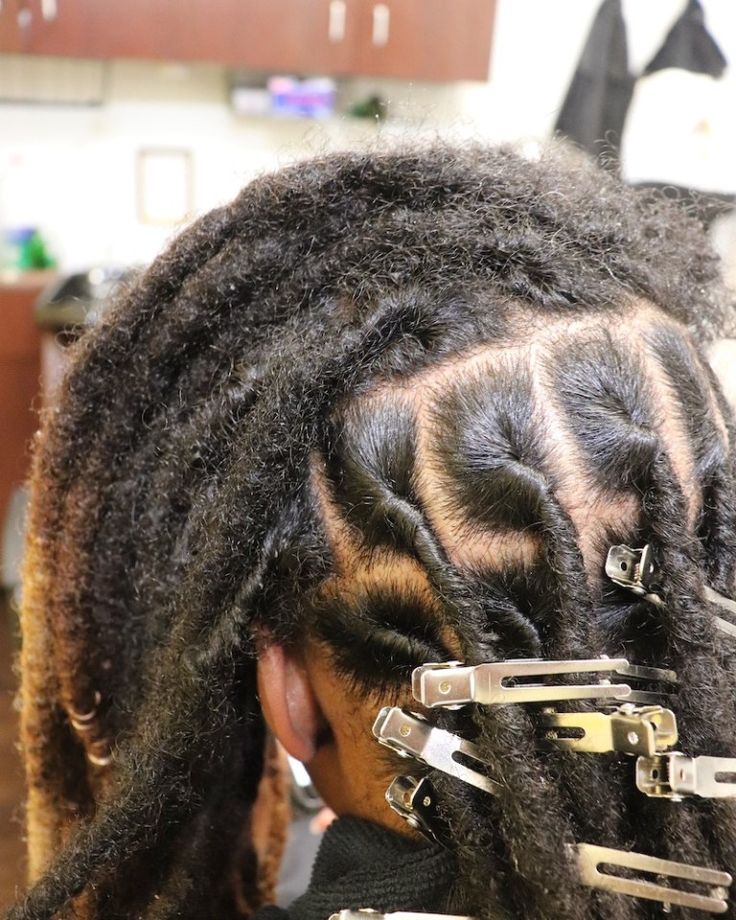
Start by washing your hair according to your scalp’s needs and your loc maturity. Use a suitable shampoo, rinse thoroughly, and allow your locs to dry completely. Avoid leaving damp roots unattended for extended periods.
Next, moisturize when necessary. A lightweight, water-based spray may help when your hair feels dry. Avoid layering heavy products because residue can accumulate inside your locs.
Protect your hair at night with a satin bonnet, durag, or pillowcase. This simple habit can reduce friction and help your locs remain manageable between appointments.
You should also avoid repeatedly twisting loose hairs back into place. Constant manipulation can weaken roots and interfere with healthy growth. If your roots become tangled or individual locs appear weak, ask your loctician for advice.
For a more complete routine, explore How to Maintain Locs for Men: A Simple Loc Care Routine.
You can also read How to Maintain Locs Without a Loctician to discover which maintenance tasks you can safely manage at home.
With consistent care, you can enjoy your locs between appointments without feeling pressured to retwist them constantly.
8. How to Make Your Retwist Last Longer
You don’t need to retwist your locs every few weeks simply to maintain a neat appearance. A few simple habits can help your hairstyle remain manageable while protecting your roots.
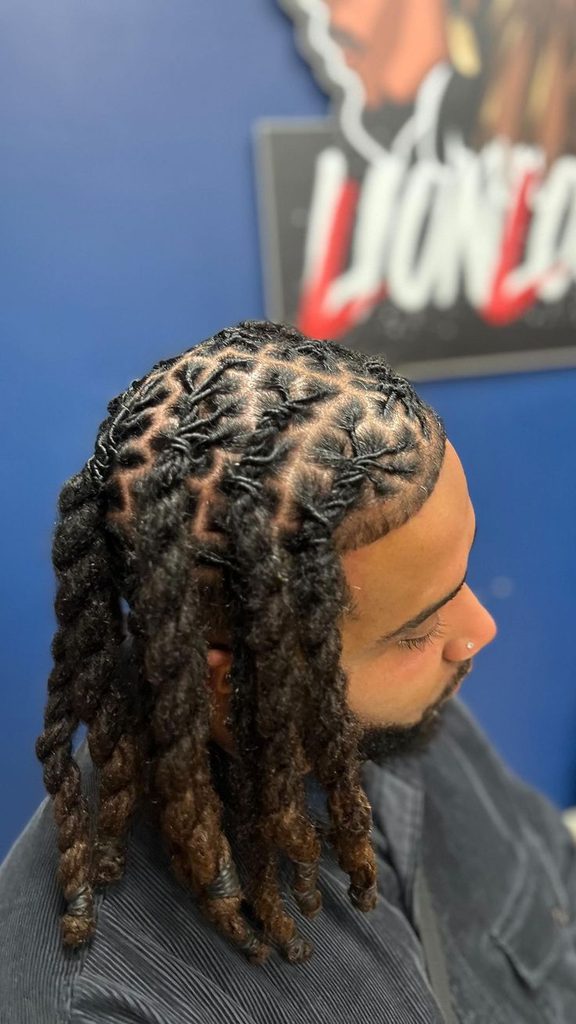
First, avoid excessive touching and twisting after your appointment. Constantly handling your roots can loosen the retwist and create unnecessary tension. Let your locs settle naturally instead.
Second, protect your hair while sleeping. Satin coverings reduce friction and can help preserve your hairstyle overnight. Choose a comfortable fit that doesn’t pull tightly around your hairline.
Third, avoid heavy styling products that leave buildup. Excess residue can make your scalp uncomfortable and may require more intensive cleansing. Lightweight products are often easier to manage.
You should also choose hairstyles that don’t pull excessively on your roots. Tight ponytails and buns can compromise the benefits of gentle maintenance, especially when worn repeatedly.
Finally, accept that some frizz and new growth will appear. Your locs are growing, and they don’t need to remain perfectly defined between appointments.
For additional tips, read How to Make Your Retwist Last Longer and How to Retwist Your Locs Properly at Home. Both topics can help you approach maintenance more confidently.
9. Common Retwisting Mistakes Men Should Avoid
Several mistakes can make loc maintenance more difficult than necessary. Fortunately, most can be avoided by understanding what your hair needs.
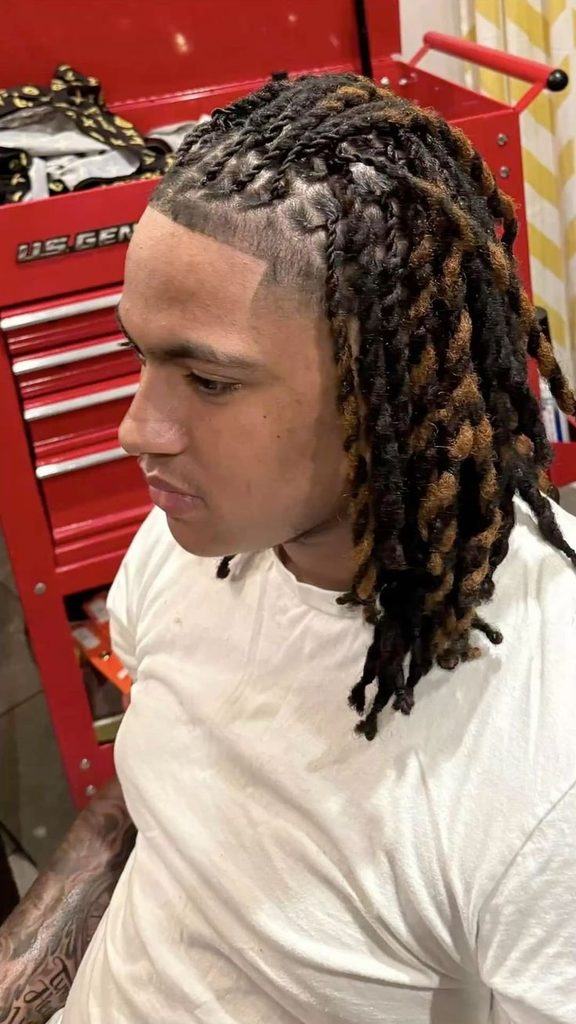
One common mistake is retwisting every two weeks simply because your roots look untidy. Frequent manipulation can stress your roots, especially when the twisting is tight.
Another mistake is comparing your retwist schedule with someone else’s. Their loc maturity, hair texture, installation method, and scalp condition may differ from yours. Build your schedule around your own needs instead.
Avoid requesting extremely tight retwists, too. A polished appearance isn’t worth persistent soreness or thinning around your hairline. Speak up if your appointment feels uncomfortable.
Don’t ignore your scalp between appointments. Persistent itching, redness, and tenderness deserve attention rather than another retwist. These symptoms can indicate irritation or an underlying scalp condition.
Finally, don’t assume that skipping a scheduled appointment will automatically damage your locs. Sometimes, extending the interval is appropriate, especially when your roots need a break. Ask your loctician if you’re unsure.
For more guidance, explore Common Locs Problems and How to Fix Them and 23 Things You Should Never Do to Your Locs. These resources can help you avoid habits that undermine your maintenance routine.
10. A Simple Retwist Schedule for Men
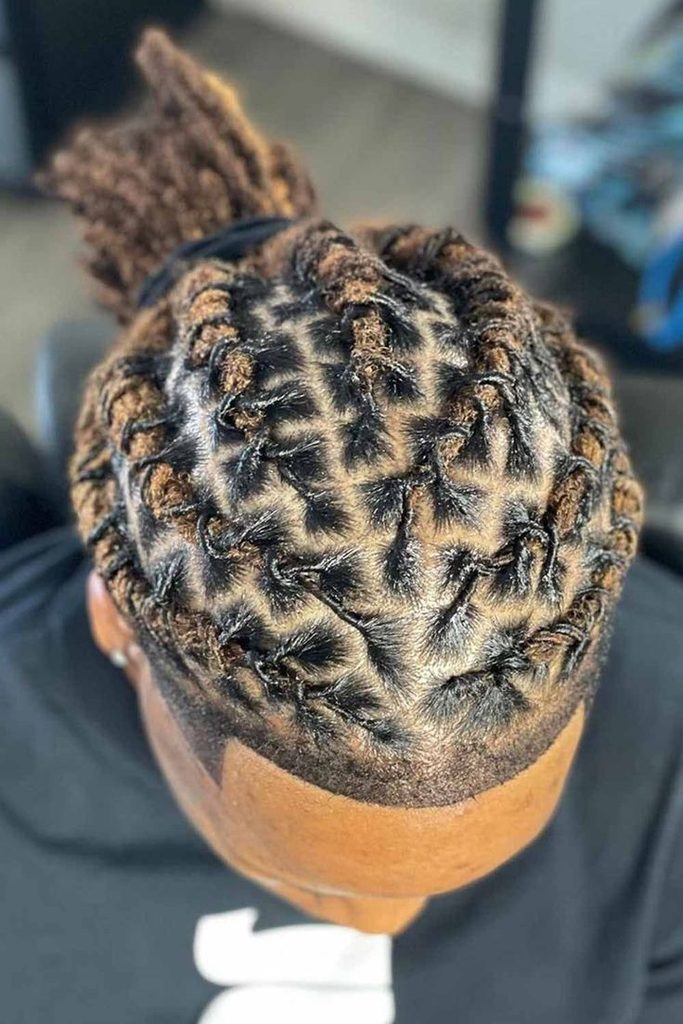
If you’re unsure where to begin, use the following schedule as a general guide. Your loctician may recommend different intervals depending on your loc type, installation method, and scalp health.
| Loc stage | Possible starting interval | What to consider |
|---|---|---|
| Starter locs | Around 4–6 weeks | Prevent unraveling while avoiding excessive manipulation |
| Developing locs | Around 4–8 weeks | Consider how securely the locs are forming |
| Mature locs | Around 6–8 weeks or longer | Prioritize healthy roots over perfectly defined parts |
These intervals are starting points, not strict rules. Interlocking and other maintenance techniques may follow different schedules. Your hair’s condition should guide the final decision.
Before each appointment, examine your roots and scalp. Ask yourself whether your parts are manageable, your roots feel healthy, and your preferred style still works. If everything feels comfortable, another retwist may not be necessary immediately.
You can also keep notes about your appointments and how your hair responds. Over time, this will help you identify a maintenance interval that suits your lifestyle.
Final Thoughts
Knowing how often men should retwist their locs can make your loc journey less stressful.
For many men, intervals of four to eight weeks provide a useful starting point, although starter locs and mature locs may need different approaches.
The most important thing is to avoid excessive tension and manipulation. Healthy roots matter more than perfectly neat parts, and some frizz is completely normal.
Build a simple routine around washing, moisturizing, nighttime protection, and gentle handling. Then adjust your retwist schedule according to your loc maturity and scalp condition.
If you notice thinning, persistent soreness, or unusual scalp changes, seek professional guidance instead of retwisting more frequently.
With patience and consistent care, you can maintain healthy locs while allowing them to mature naturally.





One Comment