
How to Make Your Retwist Last Longer
Disclosure: Some of the links in this post are affiliate links. This means if you click on the link and purchase an item, I will receive an affiliate commission at no extra cost to you. All opinions remain my own. I only recommend products or services I believe will add value to my readers.
How to Make Your Retwist Last Longer, because a fresh retwist deserves to stay that way.
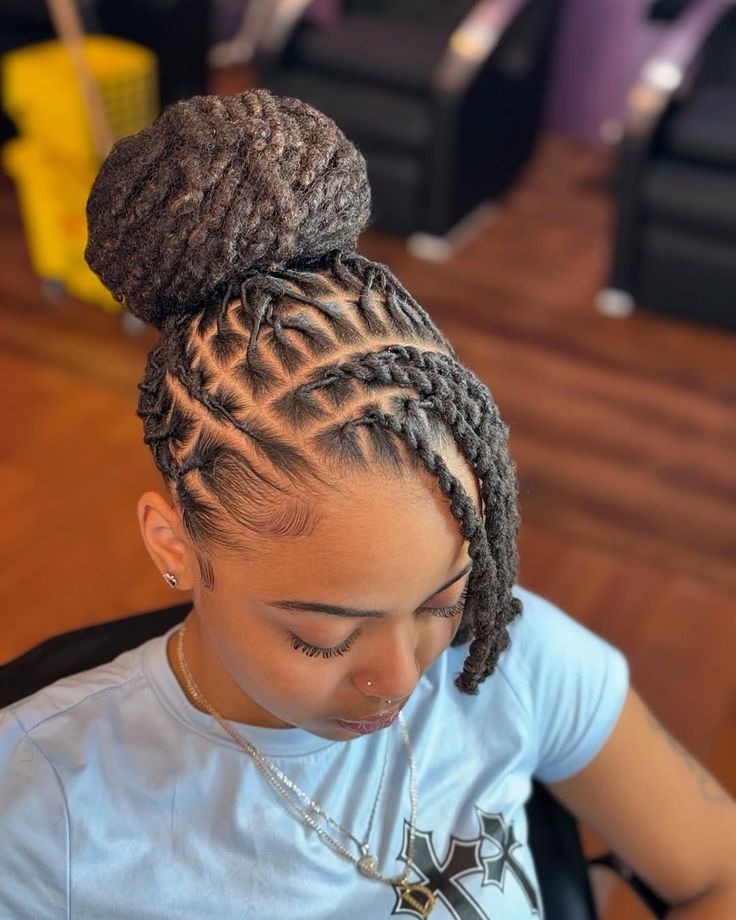
If you’ve ever retwisted your locs only to see them start frizzing, unraveling, or looking “old” within a few days, you’re definitely not alone. For many people on their loc journey, this is one of the most frustrating parts of maintenance. You spend hours in a salon chair or carefully retwist your hair at home, only for the neatness to disappear much faster than expected.
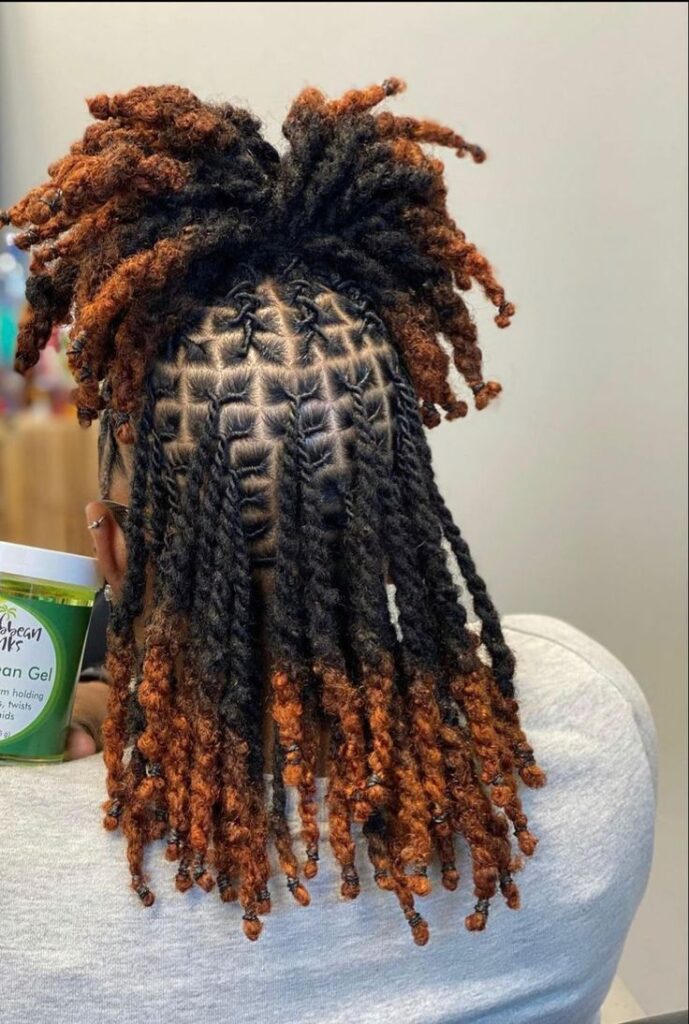
The truth is, it’s not just about how you retwist, it’s about everything surrounding the process. From your technique to your daily habits, several small factors can quietly shorten the lifespan of your retwist without you even realizing it. That’s why it can feel like your hair “never holds” no matter how often you redo it.
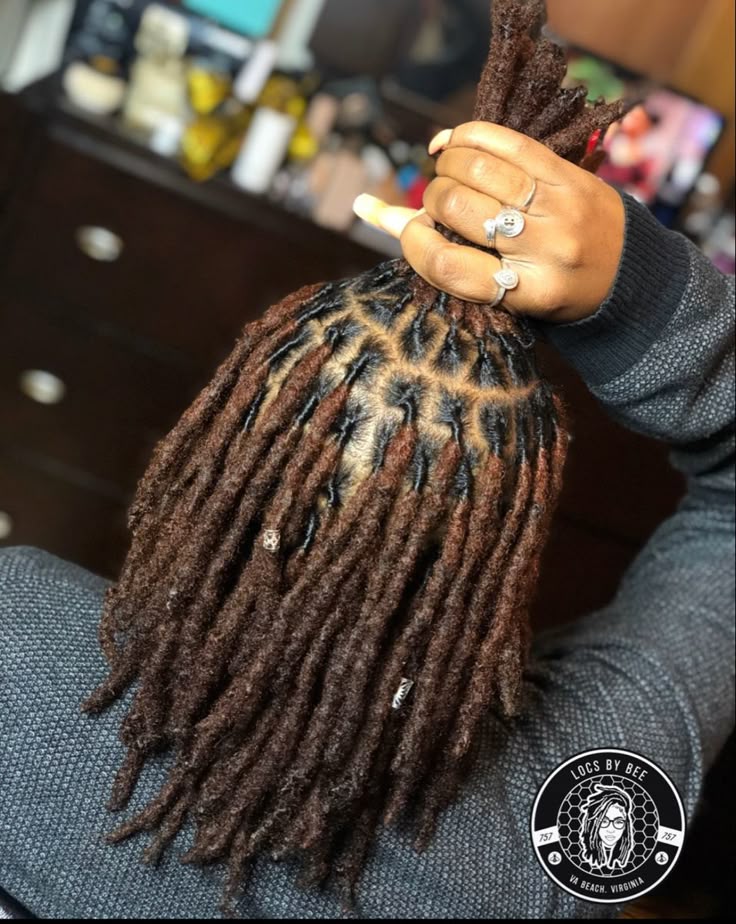
What most people really want when they say “I want my retwist to last longer” isn’t perfection, it’s consistency. A lasting retwist simply means your roots stay neat for longer, your parts remain visible, and frizz is controlled enough that your locs still look intentional and well-kept between maintenance sessions. It’s about extending that fresh, clean look not freezing your hair in place.
In this guide, you’ll learn practical, realistic strategies that actually help your retwist last longer without damaging your locs or forcing unrealistic routines. No confusion, no overload – just clear steps that work with your hair, not against it.
Common Reasons Your Retwist Doesn’t Last
Before you can fix the problem, it helps to understand why your retwist may be unraveling faster than you expect. In most cases, it’s not just one issue – it’s a combination of small habits and conditions that weaken the hold at your roots.
One major factor is hair type and texture, especially for people with tightly coiled or 4C hair. This texture naturally has more shrinkage and spring, which means the new growth can bounce back and loosen faster after a retwist. It doesn’t mean anything is wrong with your hair, it just means it needs the right technique and care to stay set.

Another common issue is product overload. When too much gel, wax, or heavy cream is applied, it can actually cause the hair to become slippery instead of secure. Instead of helping your retwist stay in place, it creates buildup that weakens the grip at the roots over time.
Technique also plays a big role. Retwisting too loosely or being inconsistent with direction can cause the roots to separate quickly. If the tension isn’t right or the method isn’t consistent across your head, some locs will unravel faster than others.
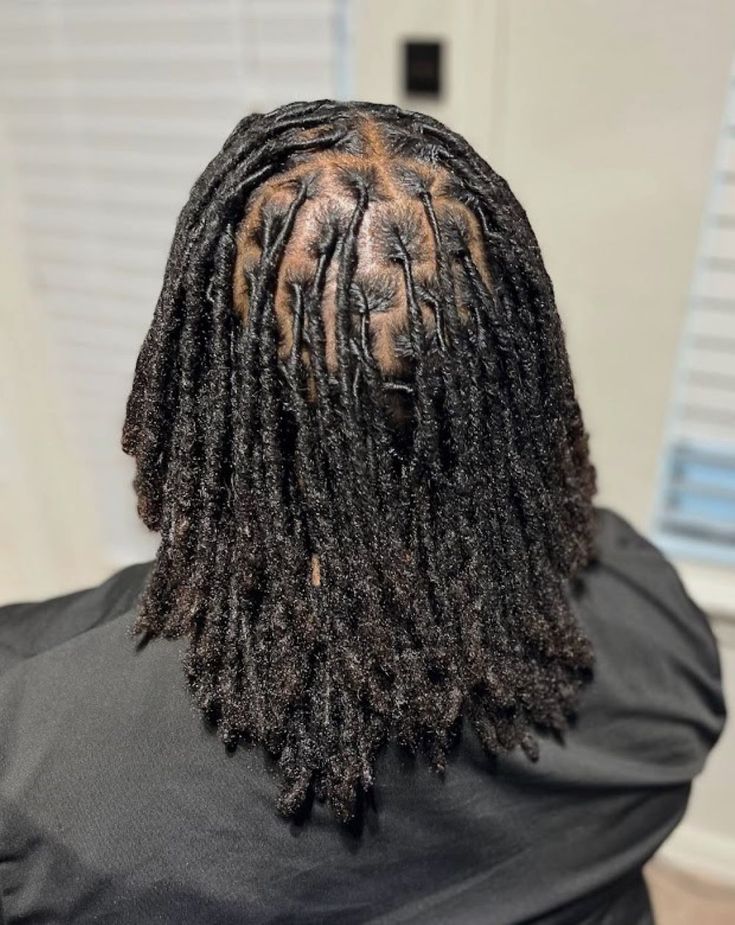
Then there’s drying time, which many people underestimate. Skipping proper drying or rushing the process means the roots never fully set. Even if your retwist looks neat at first, moisture trapped inside can cause it to loosen much sooner than expected.
Daily habits also matter more than most people realize. Constant touching, restyling too early, or repeatedly adjusting your locs weakens the freshly set roots. Your hair needs time to “lock in” the new shape, especially in the first few days.
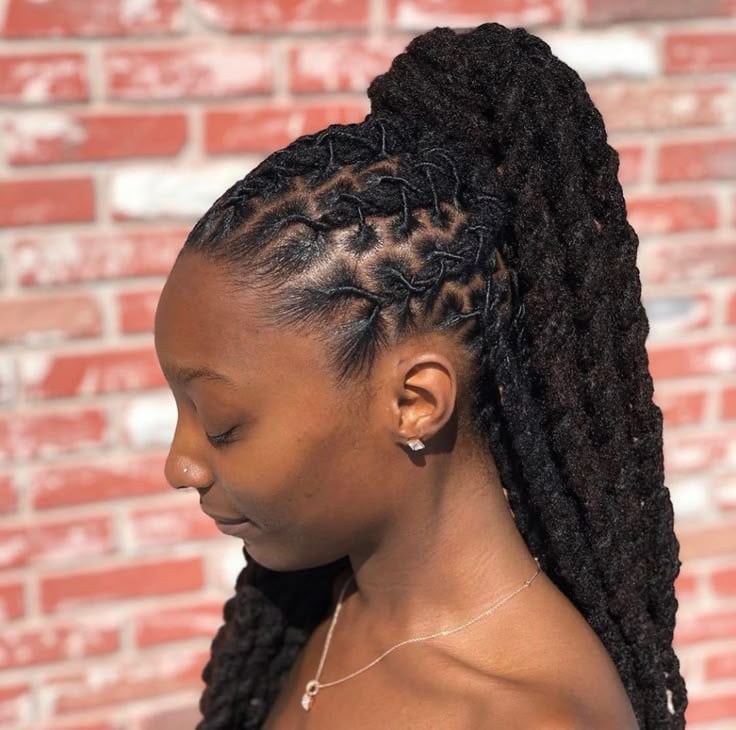
Finally, environmental factors like sweat, humidity, sleeping friction, and wearing hats or bonnets improperly can gradually break down your retwist. Even something as simple as your pillowcase material can affect how long your style stays neat.
Once you understand these causes, it becomes much easier to adjust your routine in a way that actually helps your retwist last longer instead of fighting against your hair’s natural behavior.
Prep Matters: How to Set Your Retwist Up for Success
A long-lasting retwist doesn’t start when you begin twisting, it starts before your hands even touch your hair. Proper preparation sets the foundation for how well your roots will hold and how long your style will stay neat.
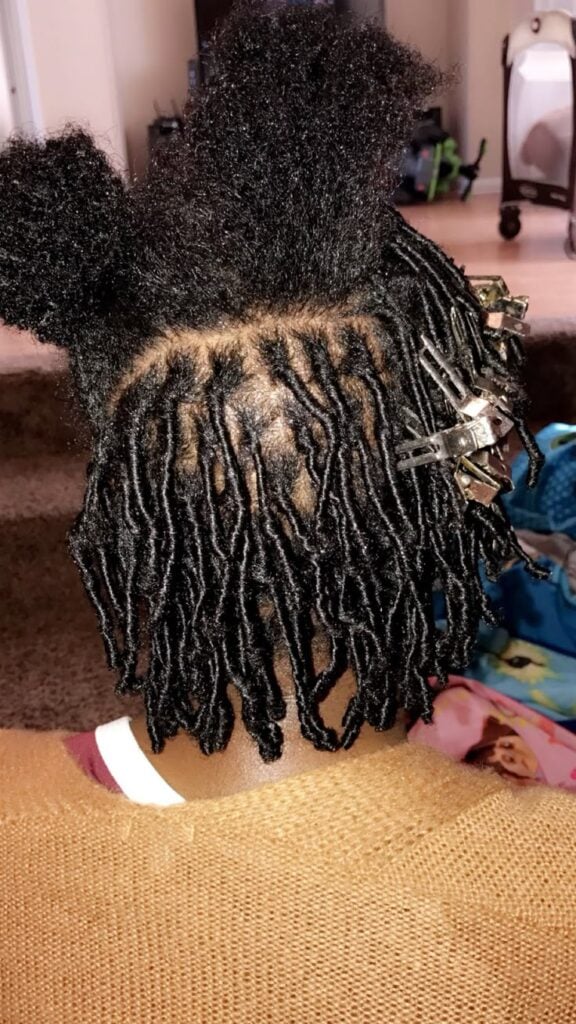
One of the most important steps is starting with a clean scalp. When there’s buildup from oils, sweat, or old products, the hair at the root becomes slippery and less likely to hold a retwist. A clean scalp allows your new growth to grip properly, helping your retwist last significantly longer without constant unraveling.
Next is understanding the difference between light moisturizing and heavy product layering. Many people assume more product equals better hold, but the opposite is often true. Heavy creams and thick gels can weigh the hair down and cause buildup, while light, well-balanced moisture helps maintain flexibility without reducing grip. The goal is hydrated hair not overloaded hair.
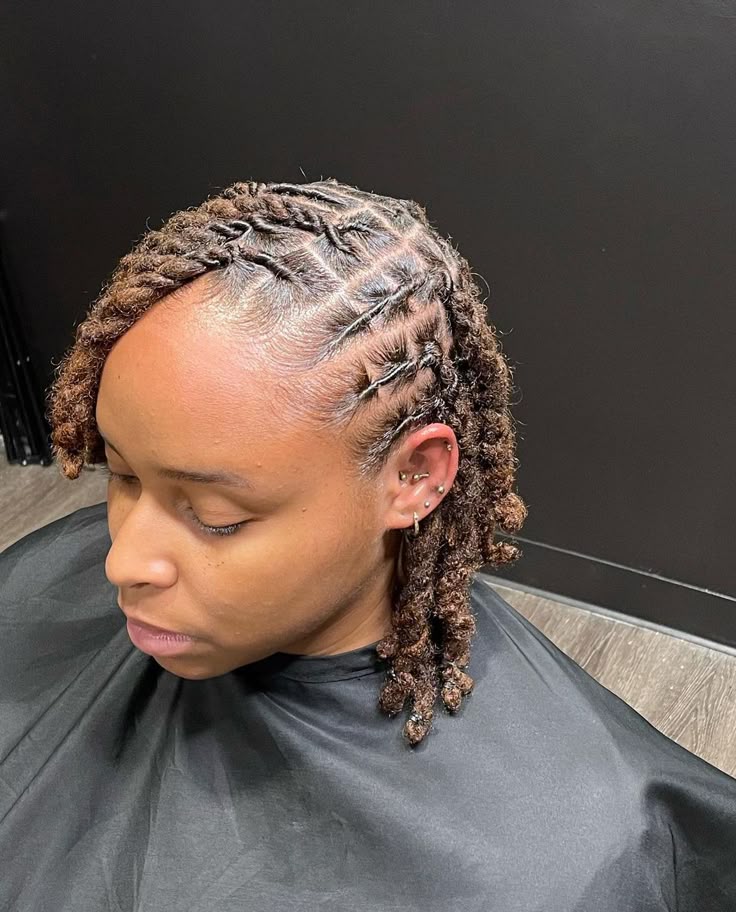
Another key step is detangling and section neatness before you retwist. If your new growth is tangled or your sections are messy, your retwist won’t sit properly at the roots. Clean, defined sections help maintain structure, making it easier for your locs to stay in place for longer periods.
Finally, choosing the right parting maintenance routine plays a big role in long-term neatness. Whether you follow grid, brick, or freeform-inspired parting, consistency helps your roots stay aligned. When parts are maintained properly over time, retwists look fresher for longer because the foundation underneath remains intact.
When you combine proper prep with the right technique, your retwist doesn’t just look better on day one – it stays neater, longer, and requires less frequent maintenance overall.

The Right Retwisting Technique (This Changes Everything)
Even with perfect prep, your retwist will only last as long as your technique allows. How you actually twist your locs at the roots plays a huge role in whether they stay neat for weeks or start unraveling within days.
One of the most important factors is tightness balance. A retwist that is too loose won’t hold the new growth in place, leading to quick frizz and separation. On the other hand, a retwist that is too tight can cause scalp pain, thinning edges, and even long-term tension damage. The goal is a firm but comfortable grip, tight enough to secure the roots, but gentle enough to avoid stress on your scalp.
Another key detail is direction consistency, especially keeping a uniform clockwise (or chosen directional) pattern. When retwisting, your roots should always follow the same direction throughout your head. Inconsistent twisting directions can cause locs to loosen faster because the hair is constantly being trained in different patterns. Over time, consistent direction helps your locs “remember” their shape, making each retwist last longer.
When it comes to method, many people wonder about interlocking vs palm rolling. Interlocking generally lasts longer because the hair is looped through itself, creating a more secure hold at the root. It’s especially useful for people with very soft or resistant hair textures that tend to unravel quickly. However, it can sometimes create tighter roots and requires careful technique to avoid stress.
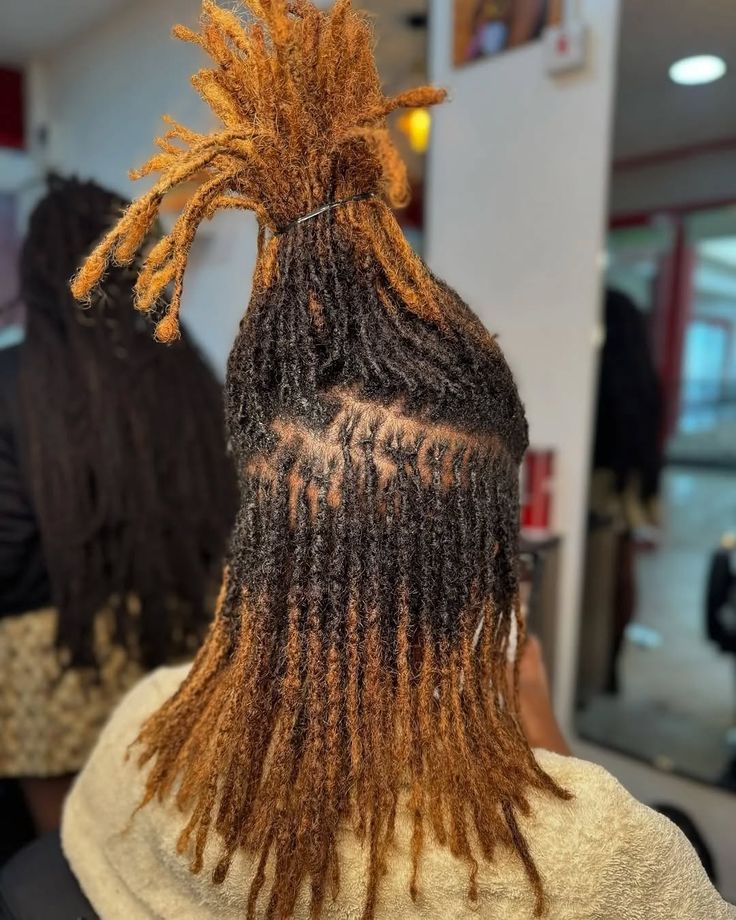
Palm rolling, on the other hand, gives a smoother, more natural-looking finish and is often gentler on the scalp. It may not last as long as interlocking for some hair types, but when done correctly and combined with good maintenance habits, it can still produce a neat, long-lasting result. The best method depends on your hair type, lifestyle, and how often you’re willing to maintain your locs.
Finally, securing the ends properly is often overlooked. If the base of your retwist is neat but the ends are loose, unraveling can travel upward and affect the entire loc. However, securing should never create unnecessary tension at the root. The key is to allow the roots to stay firm while the length remains flexible and healthy.
When your technique is consistent, gentle, and intentional, your retwist naturally holds better without needing excessive products or constant maintenance.
Product Choices That Help Your Retwist Last Longer
The products you use during a retwist can either support long-lasting results or quietly work against you. Many people unknowingly shorten their retwist lifespan by using products that create buildup or reduce grip at the roots.
A major decision is choosing between lightweight locking gels and heavy waxes. Lightweight gels are designed to provide hold without overwhelming the hair. They help set the roots while still allowing movement and breathability. Heavy waxes, however, tend to coat the hair and can lead to buildup over time, making locs feel sticky and causing new growth to slip out more easily instead of locking in place.
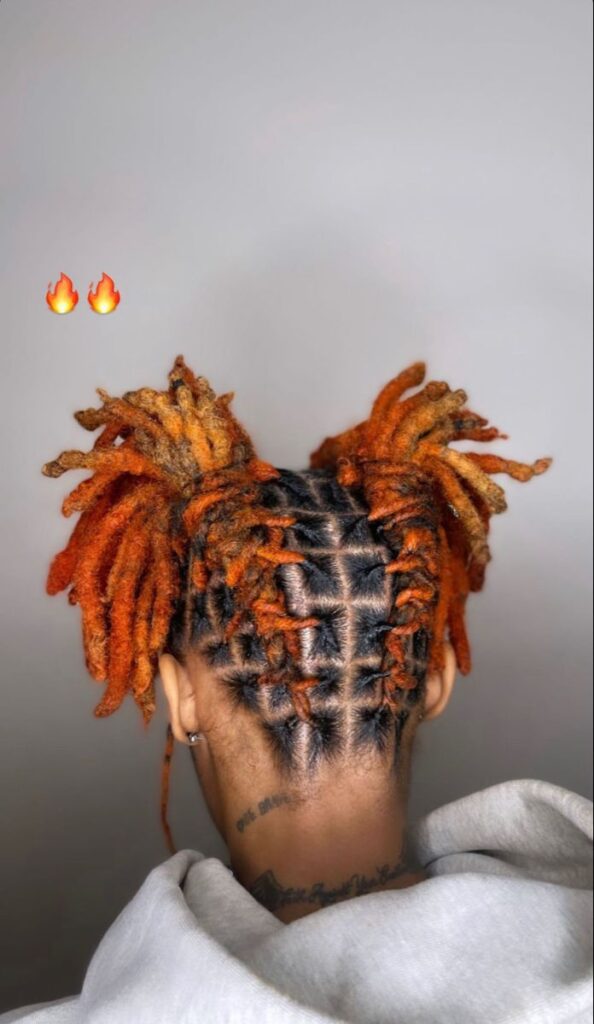
This leads to one of the biggest hidden problems: buildup. When too many heavy products are layered over time, they sit on the hair instead of absorbing properly. This buildup creates a slippery coating at the roots, which weakens the hold of each retwist. Even if your technique is perfect, buildup can cause your locs to unravel faster and lose definition much sooner than expected.
Oils also need to be used strategically, not excessively. Oils are great for scalp nourishment and shine, but too much oil right before or after a retwist can make the roots too soft to hold properly. It’s best to apply oils sparingly and focus on scalp health rather than saturating the entire length right before retwisting. In some cases, oils are better used after the retwist has fully set rather than during the styling process.
The ideal approach is maintaining a balanced moisture level. Your hair should be hydrated enough to stay flexible and healthy, but not so heavily moisturized that it loses grip. A clean, lightly moisturized scalp paired with minimal, intentional product use creates the perfect environment for a retwist that stays neat longer and builds strength over time.
Drying Is Non-Negotiable
If there is one step that determines whether your retwist lasts days or weeks, it is drying. Many people underestimate this stage, but improper drying is one of the fastest ways to ruin a freshly retwisted style.
One of the biggest mistakes is assuming that air-drying alone is always enough. While air-drying can work in some cases, it often doesn’t fully set the roots, especially for thicker or denser locs. When the roots remain slightly damp, they stay soft and flexible for longer, which makes them more likely to unravel or lose shape within a short time.

This is where tools like a hooded dryer or bonnet dryer become extremely helpful. These methods provide consistent, even heat that helps lock the retwist in place from the inside out. Instead of only drying the surface, they ensure the roots are fully set, which significantly improves how long your style lasts.
Another important step is making sure your roots are completely dry before styling or covering your hair tightly. Even if your locs feel dry on the outside, trapped moisture at the base can slowly weaken the retwist over time. Fully drying the roots helps “seal” the new pattern so it holds its shape for longer.
When you retwist without proper drying, several things can happen: your roots may loosen quickly, frizz appears much earlier, and your parts may lose definition faster than expected. In some cases, damp roots can even lead to an itchy or uncomfortable scalp because moisture gets trapped for too long.
Simply put, drying is not optional, it’s the final step that determines whether all your effort actually lasts.
Aftercare: What You Do in the First 48 Hours Matters Most
The first 48 hours after a retwist are more important than most people realize. This is when your roots are still “setting,” meaning the style is still forming its hold. What you do during this short window can either help your retwist last weeks or cause it to loosen within days.
One of the biggest rules is avoiding manipulation right after retwist. Constant touching, separating locs, or adjusting parts too soon disrupts the freshly set pattern. Even if your hair looks perfect, it still needs time to settle and lock into its new shape. The more you leave it alone, the better it holds.
Another essential step is sleep protection. Your pillow is one of the biggest sources of friction that causes early frizz and unraveling. Using a satin bonnet, satin scarf, or even a satin pillowcase reduces friction and helps your retwist stay intact overnight. This simple habit alone can significantly extend how neat your roots look.
You should also avoid heavy sweating and water exposure during this period. Activities like intense workouts, steam, or getting your hair wet too soon can weaken the hold at the roots before it fully sets. Moisture reactivates products and loosens the structure, which shortens the lifespan of your retwist.
As for restyling, it’s best to wait at least a couple of days before doing anything that involves pulling, tying, or manipulating your locs. In most cases, it’s safe to lightly style or adjust after the first 48–72 hours, once your roots are fully set and dry.
Daily Habits That Make or Break Your Retwist
Even after a perfect retwist, your daily habits will determine how long it stays neat. Small, repeated actions can either preserve your style or break it down much faster than expected.
One of the biggest issues is over-styling and constant pulling. Frequently putting your locs into tight buns, ponytails, or protective styles right after a retwist creates tension at the roots. This tension loosens the new growth and leads to faster unraveling, especially around the front and edges.
Another important habit is sleep protection, or lack of it. Going to bed without a satin bonnet or scarf causes friction between your hair and pillowcase. Over time, this friction leads to frizz, fuzziness, and weakened roots. Even one or two nights of poor protection can affect how fresh your retwist looks.
Frequent rewetting or over-moisturizing is also a common mistake. While moisture is important for healthy locs, too much water or product in the days immediately after a retwist can soften the roots and reduce hold. This often leads to early loosening and a less defined look.
Finally, many people don’t realize how much touching their roots unconsciously affects their retwist. Constantly running your fingers through your hair, adjusting locs, or checking parts may seem harmless, but it gradually disrupts the newly set pattern. This is one of the fastest ways to increase frizz without even noticing it.
When these habits are controlled, your retwist naturally stays neater, longer, and requires far less maintenance between appointments.
How Long Should a Retwist Actually Last? (Realistic Expectations)
One of the most common frustrations with loc maintenance is expecting a retwist to last the same amount of time for everyone. In reality, there is no universal timeline – how long your retwist lasts depends on several personal factors.

Your hair type, loc texture, and maintenance method all play a major role. Tighter coils and softer hair textures may experience faster unraveling, while thicker or more mature locs tend to hold a retwist for longer periods. Similarly, interlocking often lasts longer than palm rolling, but each method behaves differently depending on the individual’s hair.
The stage of your loc journey is also very important. Starter locs are naturally more fragile and prone to unraveling because the hair is still forming its structure. At this stage, it’s normal for retwists to loosen faster. Mature locs, on the other hand, are more stable and tend to hold retwists for longer periods with less effort.
So what is actually “normal”? For many people, a retwist can last anywhere from one to four weeks, depending on the factors above. Starter locs may look fresh for a shorter time, while mature locs can maintain neat roots for longer between sessions.
However, if your retwist is unraveling within just a few days despite proper technique and care, that often signals an issue with method, product use, or aftercare rather than your hair itself. Understanding this difference helps you set realistic expectations and identify what actually needs adjusting in your routine.
Expert Tips to Make Your Retwist Last Even Longer
Once you understand the basics, the real difference in how long your retwist lasts comes from long-term habits and smart maintenance decisions. These expert-level strategies help extend the freshness of your locs without overworking your hair.
One of the most important habits is schedule consistency without over-retwisting. It can be tempting to redo your roots as soon as you see a little frizz, but retwisting too often actually weakens the hair over time. Constant manipulation can lead to thinning at the roots and faster unraveling in the long run. Instead, aim for a balanced schedule that gives your hair time to settle and mature between sessions.
Another helpful strategy is protective styling between wash days. Styles like loose buns, updos, or simple wrapping can help reduce daily friction and keep your roots from being exposed to constant movement. The key is to keep styles gentle, nothing too tight that puts stress on freshly retwisted roots. When done correctly, protective styling helps maintain neatness without disturbing your retwist.
You can also extend your retwist life by using light root refresh methods instead of doing a full retwist every time. This might include gently palm rolling a few frizzy roots, re-tucking a few loose locs, or lightly refreshing only the front or perimeter instead of your entire head. These small touch-ups help maintain a neat look without resetting the whole process too often.
Finally, choosing the right loctician or maintenance method for your hair type makes a huge difference. Not all techniques work the same for every head of hair. A skilled loctician who understands your texture, density, and loc stage can tailor the retwist method to improve longevity. Whether it’s interlocking, palm rolling, or a combination approach, the right method will always support better retention and healthier locs over time.
At the end of the day, there is no single trick that guarantees a long-lasting retwist. It’s not just about one product, one method, or one technique, it’s the combination of proper technique, smart product use, and consistent habits working together.
Small adjustments can make a surprisingly big difference. Something as simple as drying properly, reducing product buildup, or protecting your hair at night can extend the life of your retwist by days or even weeks. Over time, these small changes add up and completely transform how your locs look and behave between maintenance sessions.
The most important thing to remember is that your loc journey is personal. What works for someone else may not work exactly the same for you, and that’s okay. The goal is to experiment, observe your hair, and build a routine that supports both the health of your locs and the look you want to achieve.
With patience and consistency, you’ll find the balance that keeps your retwists looking fresher, longer, and healthier without unnecessary stress.




3 Comments