What Happens If You Stop Retwisting Your Locs
Disclosure: Some of the links in this post are affiliate links. This means if you click on the link and purchase an item, I will receive an affiliate commission at no extra cost to you. All opinions remain my own. I only recommend products or services I believe will add value to my readers.
You are about to explore what happens if you stop retwisting your locs.
For many people with locs, the idea of skipping retwists can feel like you’re doing something “wrong.” There’s a common fear that if you don’t retwist regularly, your locs will suddenly fall apart, lose shape, or stop looking presentable altogether. This worry is especially strong for those still in the early stages of their loc journey, where everything feels delicate and highly “maintenance dependent.”
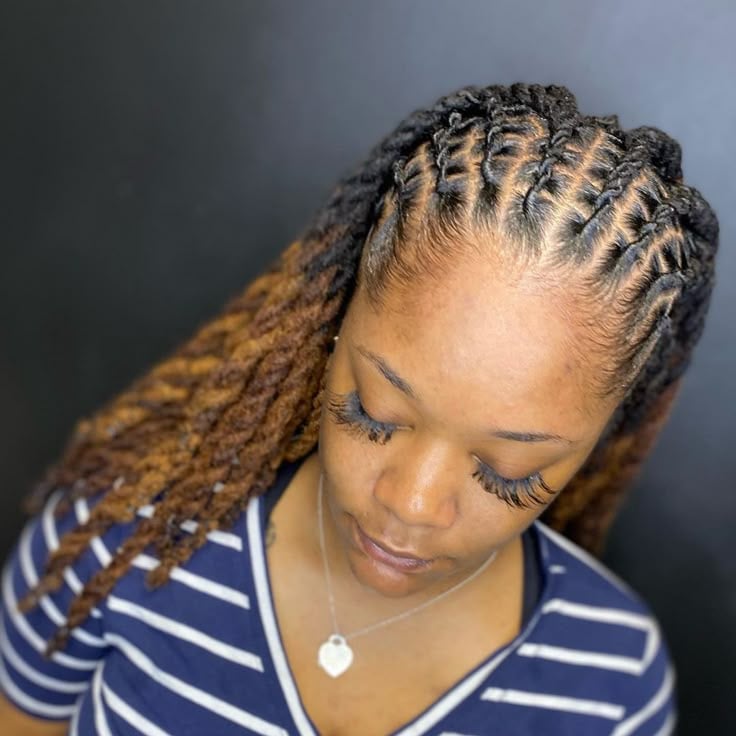
Behind that concern are the quiet questions many people don’t always say out loud: Will my locs unravel if I don’t retwist? Will my parts disappear forever? Will my hair start to look messy or unprofessional? These doubts are completely normal, especially in a world where neatness is often linked to beauty and confidence.
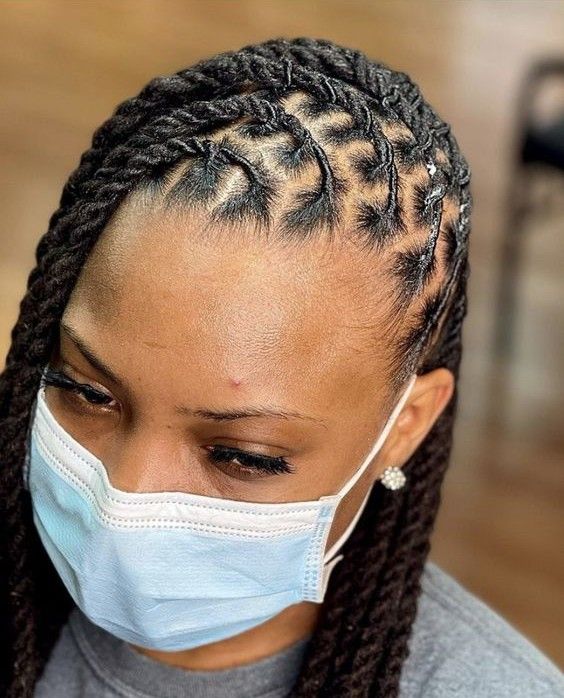
The truth is, what actually happens when you stop retwisting depends on several things—your loc stage, your hair texture, and how you maintain your scalp and overall routine. Locs are not one-size-fits-all, and the effects of skipping retwists can look very different from one person to another.
What Retwisting Actually Does (Quick Breakdown)
To understand what happens when you stop retwisting, it helps to first understand what retwisting is actually doing in the first place. Retwisting is not just about making your hair look neat, it serves a few key functions, especially in the earlier stages of loc development.
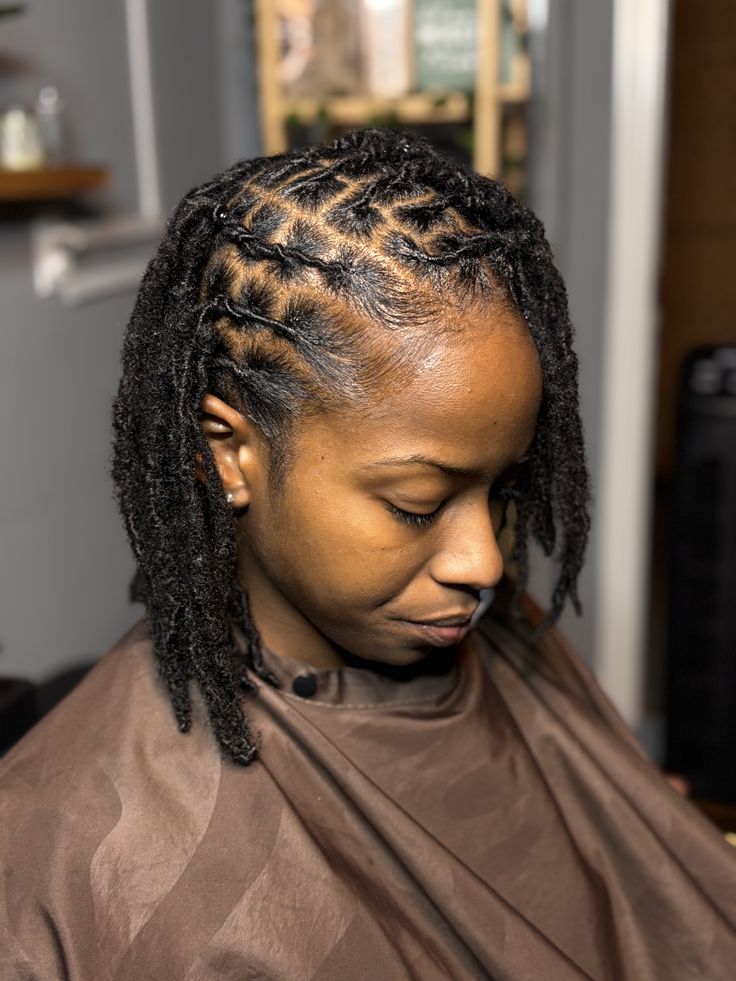
First, retwisting helps guide new growth back into the loc, keeping the roots aligned with the section it belongs to. This is important in starter locs, where the hair is still learning to lock and needs gentle direction to stay organized.
It also helps maintain your parting system and overall structure. Clean parts give locs a more defined, intentional look, and retwisting helps preserve that pattern as your hair grows.
On top of that, retwisting creates that “fresh” and polished appearance many people associate with well-maintained locs. It gives the roots a neat, tightened look that can boost confidence and help your style feel put together.
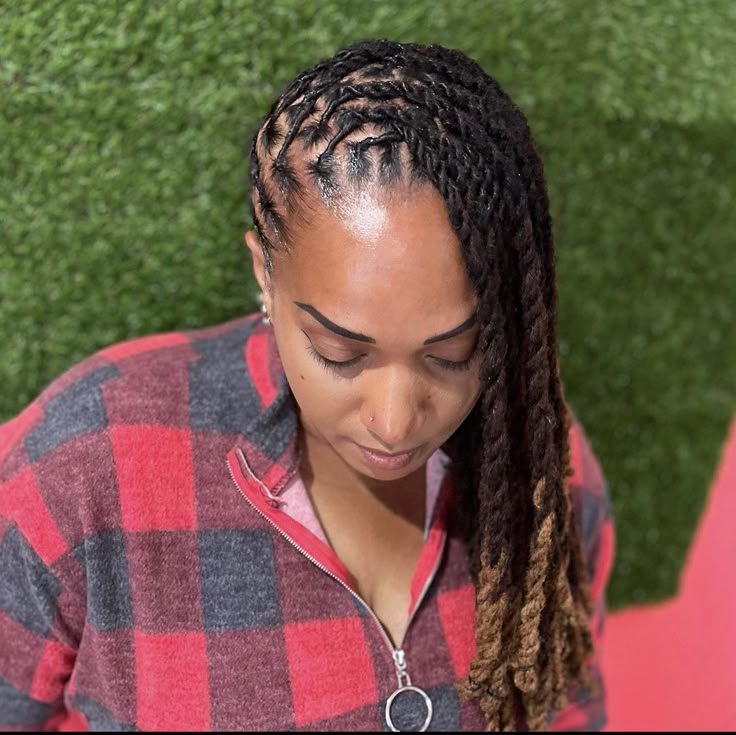
Finally, in the early stages especially, retwisting helps prevent excessive tangling at the roots, where loose hairs might otherwise start joining the wrong sections. This is why beginners are often encouraged to maintain a consistent retwist routine while their locs are still forming.
What Happens If You Stop Retwisting (The Real Effects)
Stopping retwists doesn’t automatically “damage” your locs, but it does change how they look, feel, and develop over time. The effects can be subtle or very noticeable depending on how long you go without maintenance and what stage your locs are in.
A. Your Roots Will Start to Look Freeform
One of the first changes you’ll notice is at the roots. Without retwisting, new growth is no longer being guided back into a defined pattern, so it begins to grow outward more freely.
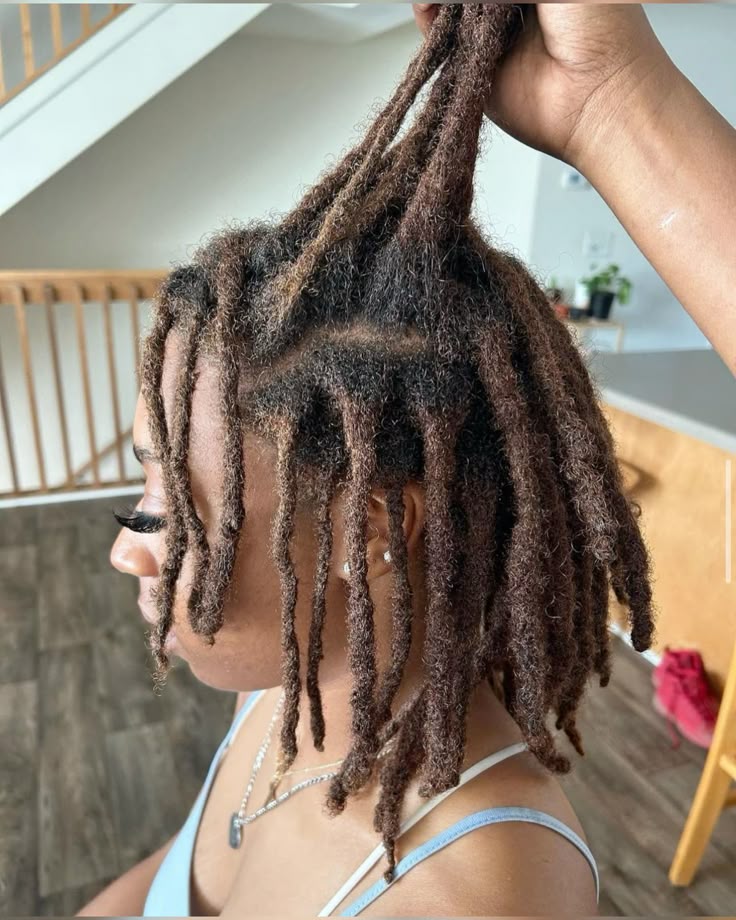
Over time, your once-clean parts may start to soften or become less visible. This doesn’t mean your locs are falling apart—it simply means they are no longer being “trained” into a structured pattern. For some people, this creates a more natural, organic look, while for others it can feel like they are losing definition.
B. Increased Budding and Thickening
When you stop retwisting, your roots are left to do their own thing, which often leads to more budding. This is when the hair starts to swell and clump together as it matures into a loc.

In the starter phase especially, this can make your locs appear thicker at the roots. In some cases, this is a positive change that leads to fuller, stronger locs. However, it can also create uneven sections if some locs bud faster than others, which may affect overall uniformity.
C. More Frizz (But Not Always a Bad Thing)
Frizz is one of the most noticeable changes when retwisting stops. Loose hairs are no longer being smoothed into the loc, so they begin to stand out more.

At first, this can feel like your hair is “messy,” but frizz is actually a normal and even necessary part of the loc journey. Over time, those loose strands help strengthen the loc and contribute to a more mature, locked structure. In many cases, frizz is simply part of the process, not a problem to fix.
D. Potential Matting Between Locs
Without regular retwists or separation, locs that are close together, especially smaller sections, can start to merge at the roots.
This can lead to unwanted combining if the hair is not occasionally separated or maintained. While some people prefer thicker merged locs, others may find it changes their original parting or styling goals. Paying attention to root spacing becomes important if you decide to reduce retwisting.
E. Scalp and Buildup Changes
One positive effect of skipping retwists is that your scalp may experience less tension and manipulation, which can feel healthier and less irritated for some people.
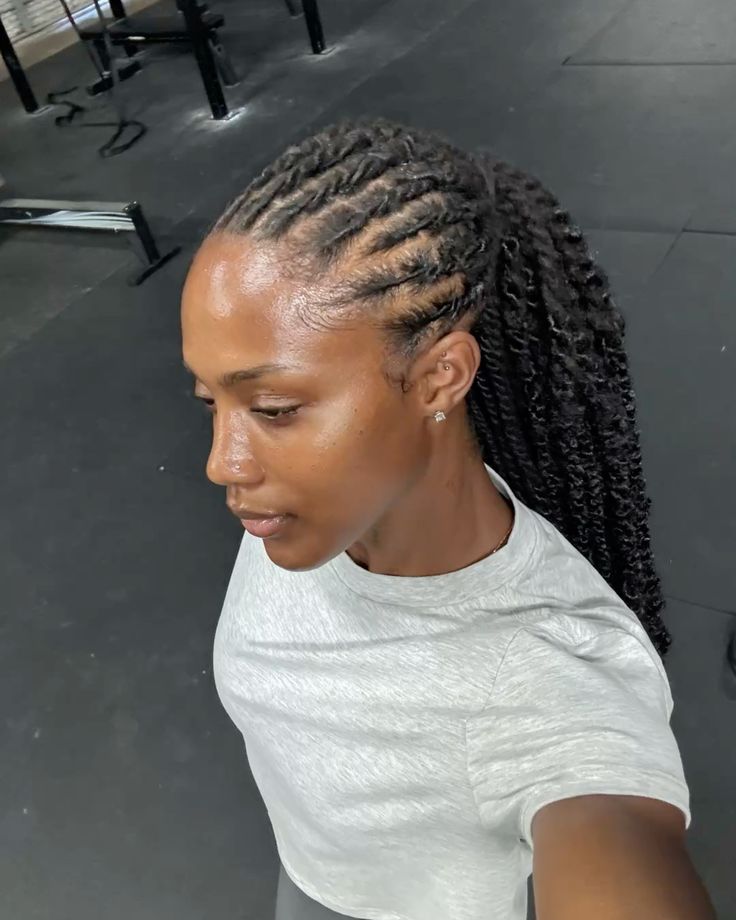
However, there is also a trade-off. Without regular maintenance, product buildup, lint, and residue can become more noticeable at the roots, especially if your cleansing routine isn’t consistent. This is why scalp care still matters even when you’re not retwisting.
The Stage of Your Locs Matters A LOT
How your locs respond to skipping retwists depends heavily on where you are in your loc journey. What looks like “progress” in one stage can look like “damage” in another, so timing is everything.
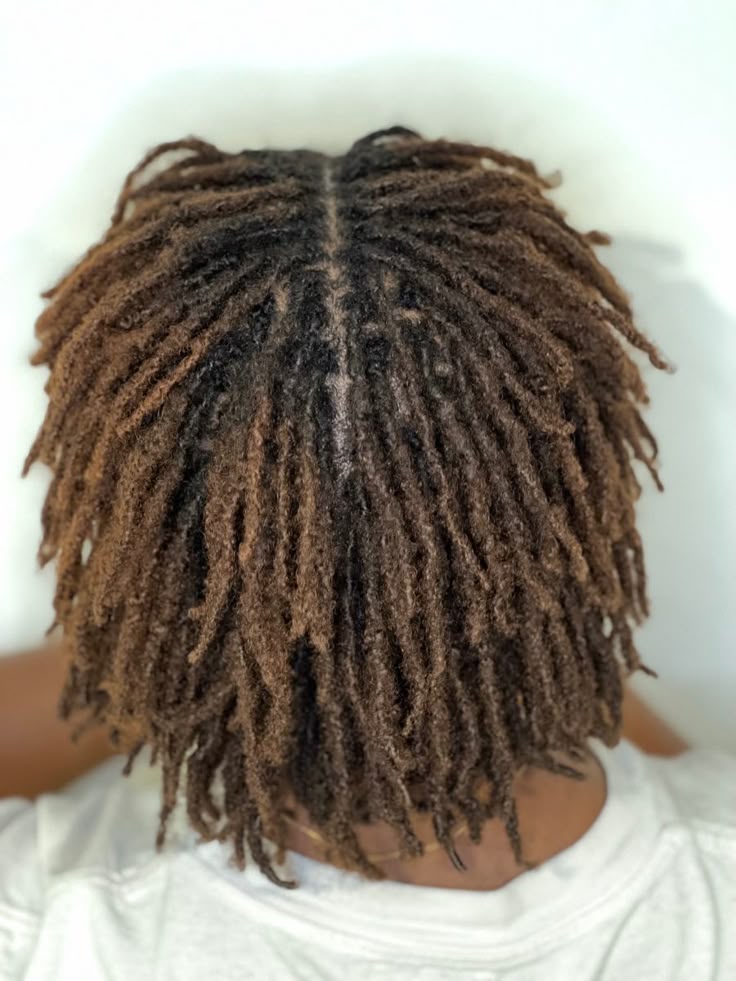
Starter Locs
This is the most delicate stage. If you stop retwisting too early, there’s a higher risk of:
- Locs unraveling at the roots or ends
- Losing clean parting and structure
- Sections blending together unintentionally
Starter locs still rely on guidance, so maintenance is usually more important here.
Teen Locs
At this stage, your locs are more established but still developing. If you skip retwists, you may notice:
- More frizz and visible new growth
- Increased budding and swelling
- Shrinkage and uneven shapes
This stage is where locs start forming their personality, so a bit of “messiness” is normal.
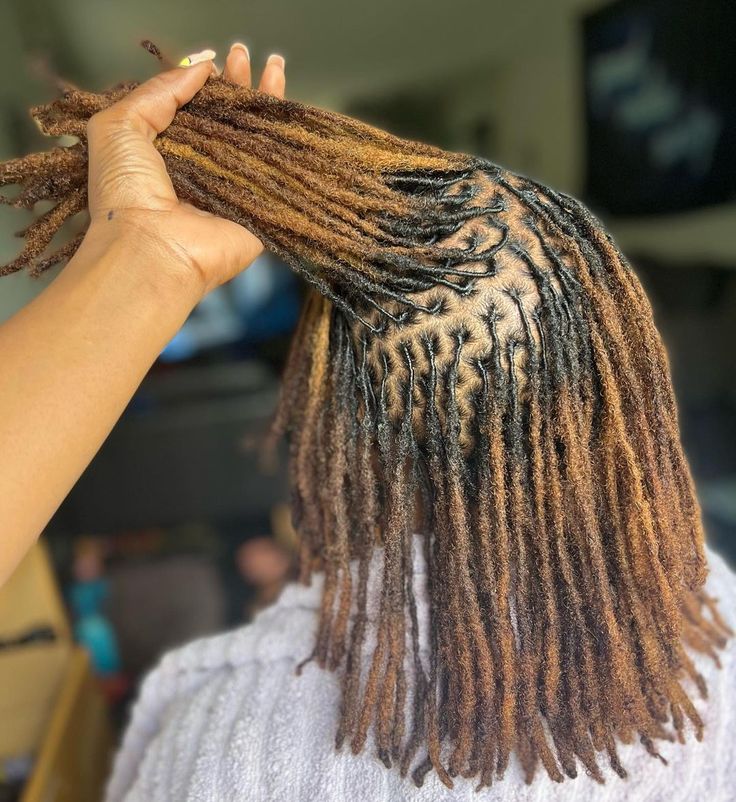
Mature Locs
Once locs are fully mature, skipping retwists has less structural impact. Instead, you’ll mostly notice:
- Changes in neatness at the roots
- More natural, grown-out appearance
- Less emphasis on perfect parting
At this stage, maintenance becomes more about preference than necessity.
Freeform Locs
Freeform locs are intentionally created without regular retwisting or manipulation. In this case:
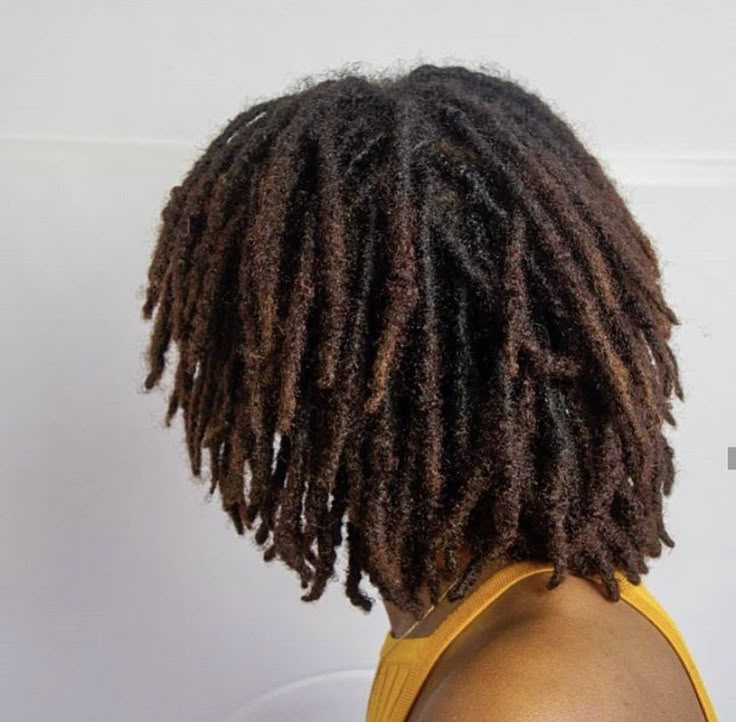
- Growth is completely natural and unstructured
- Parting is often absent or minimal
- The look is organic, thick, and highly individualized
This is a deliberate method, not a result of neglect, and follows a different philosophy of loc maintenance.
Benefits of Not Retwisting (What Most People Don’t Expect)
While retwisting is often seen as essential for maintaining neat locs, reducing or temporarily stopping it can actually come with some surprising benefits, especially when it’s done intentionally and not due to neglect.
One of the biggest benefits is a healthier scalp from less tension. Frequent retwisting can sometimes put stress on the roots, especially if done too tightly. Giving your hair a break allows your scalp to breathe and reduces the risk of irritation or thinning along the hairline.
You may also notice less breakage from manipulation. Every time hair is retwisted, there is some level of handling involved. By reducing how often you retwist, you also reduce the chances of unnecessary tension or snapping at the roots.
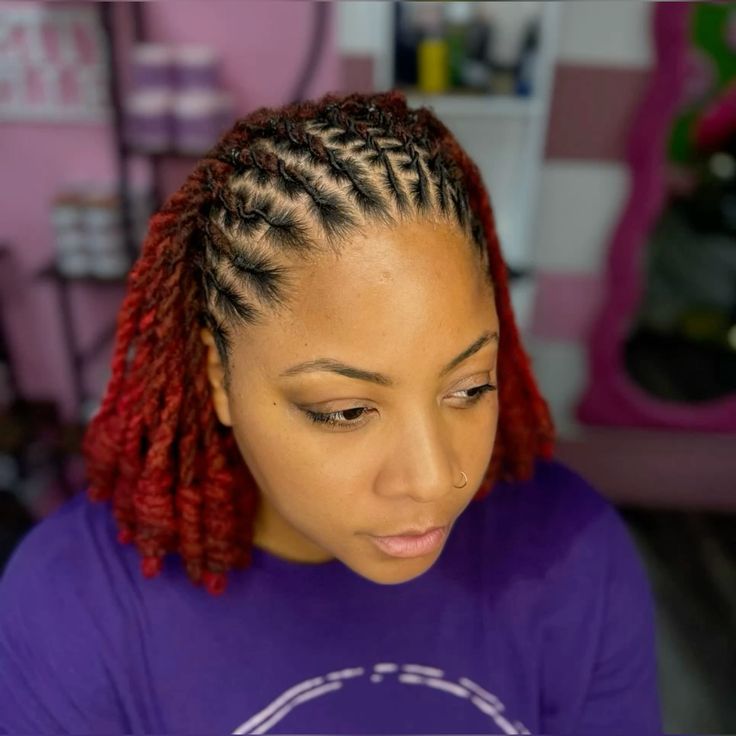
Another unexpected benefit is more natural, organic loc formation. When hair is allowed to grow without constant retwisting, it begins to form in a more free-flowing, textured way. This can create a fuller, more natural-looking loc pattern over time.
There’s also the practical side, time and cost saving. Retwisting can be time-consuming and, for those who go to locticians, expensive. Stretching out the time between retwists can significantly reduce both effort and maintenance costs.
Finally, for some people, not retwisting as often can even lead to thicker locs over time, as more loose hairs and new growth are allowed to naturally integrate into the loc instead of being tightly controlled.
The Downsides You Should Be Prepared For
Even though there are benefits, it’s important to be honest about the challenges that can come with skipping retwists. One of the first changes you’ll notice is a less neat or “polished” appearance. The roots will look more grown-out, which can feel messy if you’re used to a clean, maintained look.
You may also experience a possible loss of clean parting system. Over time, without regular maintenance, parts can blur or shift, especially in the early stages where the locs are still forming and adapting.
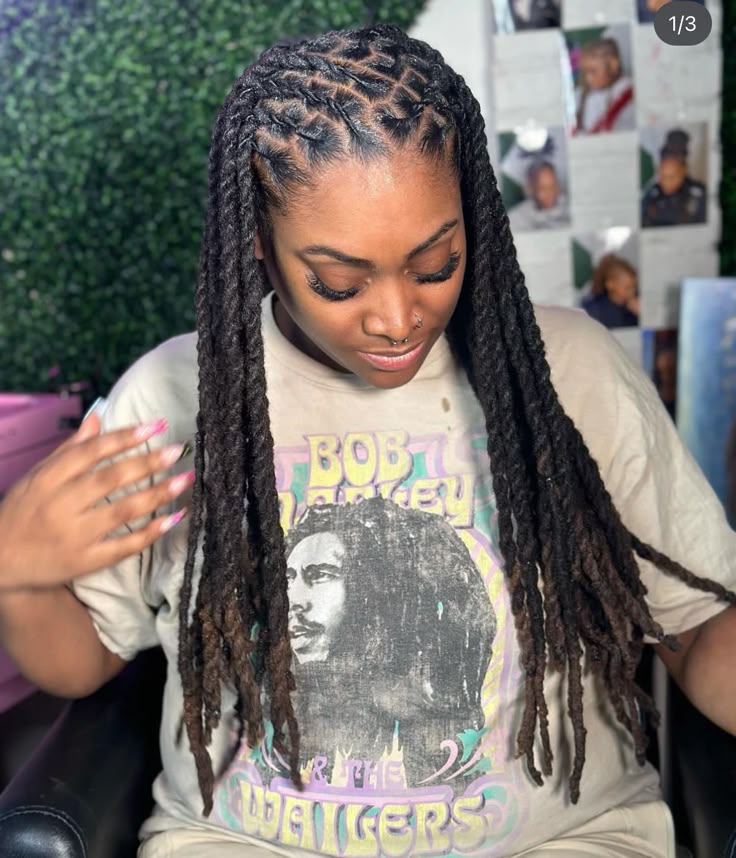
Another concern is increased maintenance later if matting occurs. When new growth is left unattended for too long, locs can start to merge or tangle at the roots, which may require extra work to separate or correct.
There can also be social pressure or judgment about “messy” locs. Unfortunately, not everyone understands the full loc journey, and some people may associate grown-out roots with being unkempt, even when it’s a natural part of healthy loc development.
How Long Can You Safely Go Without Retwisting?
There is no strict rule that applies to everyone, but there are general guidelines based on the stage of your locs and how fast your hair grows.
For starter locs, it’s usually recommended to go about 4–6 weeks max without retwisting. This stage is still delicate, so keeping some level of structure helps prevent unraveling and excessive merging.

For teen locs, you can often stretch it to around 6–10 weeks, depending on your hair type, growth rate, and how well you maintain separation and scalp care. At this stage, your locs are more stable, but still developing their final shape.
For mature locs, timing becomes much more flexible. Some people retwist every few weeks, while others go much longer based on personal preference and desired look. At this stage, it’s less about structure and more about aesthetics and comfort.
The most important thing to understand is that there is no universal rule for retwisting. What works for one person may not work for another. Your ideal timing depends on your hair’s behavior, your loc goals, and how you want your locs to look and feel over time.
Alternatives to Full Retwisting
If you’re not ready to commit to a full retwist or you simply want to stretch out your maintenance routine- there are several effective alternatives that can help you keep your locs looking neat without constant retwisting.
One popular option is palm rolling. This involves rolling the loc between your palms to help maintain its shape and encourage new growth to stay aligned. It’s often seen as a gentler method compared to retwisting, especially for those who want less tension on their roots.

Another common method is interlocking, which involves pulling the new growth through the base of the loc. This technique tends to last longer than traditional retwisting, making it a good option for people who prefer a more low-maintenance routine or want to go longer between salon visits.
For those dealing with frizz, crochet maintenance can be very effective. A crochet needle is used to pull loose hairs back into the loc, helping to tighten and smooth the overall appearance without completely restructuring the roots.
You can also choose to retwist only the front or edges. This is a simple way to keep your most visible areas looking neat while allowing the rest of your hair to grow more freely. It’s a balanced approach for people who want a polished look without full maintenance sessions.
Signs You’ve Waited Too Long to Retwist
While skipping retwists can be beneficial, waiting too long without any form of maintenance can lead to issues that are harder to manage later. Knowing the warning signs can help you avoid unnecessary stress on your locs.

One of the clearest signs is excessive root matting. When new growth becomes too tangled at the base, it can start forming tight knots that are difficult to separate or control.
You may also notice locs beginning to merge together. This happens when neighboring sections are not maintained or separated, causing them to combine unintentionally at the roots.
Another sign is very unclear parting. If your original grid or parting system has become difficult to see, it may indicate that your new growth has not been properly guided for a while.
You might also experience uneven tension or buildup at the roots, where some locs feel tighter, heavier, or more congested than others. This can affect both the appearance and comfort of your scalp.
Finally, a major red flag is difficulty separating sections. If your fingers or comb can no longer easily move between locs at the roots, it may be time to intervene with maintenance before the hair fully locks together in unwanted ways.
Expert Tip Section: Finding Your Balance
When it comes to retwisting, one of the biggest misconceptions is that your locs must always look freshly done to be healthy. In reality, healthy locs are not defined by perfect neatness—they are defined by consistency, care, and understanding your hair’s needs.
You don’t need perfect retwists to have healthy locs. In fact, chasing perfection too often can sometimes lead to unnecessary tension or over-manipulation. What matters more is finding a rhythm that supports growth without stressing your scalp or interrupting your loc journey.
Consistency matters more than perfection. Whether you retwist every few weeks or stretch it out longer, the key is being intentional and not neglecting your hair completely. Locs thrive on balance, not extremes.
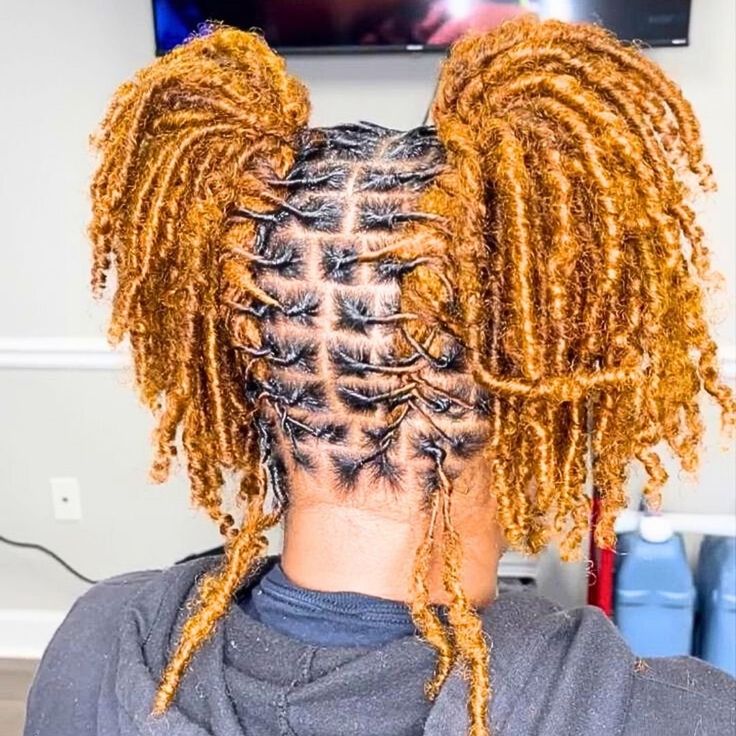
It’s also important to choose a routine based on your lifestyle, not pressure. If you have a busy schedule, prefer low maintenance, or enjoy a more natural look, your routine can reflect that. Your loc journey should fit into your life not the other way around.
And finally, remember this: healthy locs can still be slightly messy. Frizz, grown-out roots, and soft parts don’t automatically mean something is wrong. Often, they are just signs of natural growth and maturity.
The truth about skipping retwists is simple, it does not automatically damage your locs. Instead, it changes how your locs look, feel, and develop over time.
When you stop or reduce retwisting, you may notice shifts in appearance, structure, and maintenance needs. Your roots may look more freeform, your locs may become fuller or frizzier, and your overall routine may become less rigid. None of these changes are inherently bad, they are just different stages of the loc journey.
The most important thing to understand is that everything comes down to your loc stage and your hair’s individual needs. Starter locs require more guidance, teen locs need balance, and mature locs offer more flexibility and freedom.
Once you understand that, you stop seeing retwisting as a rule and start seeing it as a tool you can adjust to support your own unique loc journey.