
How to Part Your Hair Properly for Starter Locs (Beginner-Friendly Guide)
Disclosure: Some of the links in this post are affiliate links. This means if you click on the link and purchase an item, I will receive an affiliate commission at no extra cost to you. All opinions remain my own. I only recommend products or services I believe will add value to my readers.
Starting your loc journey is an exciting and deeply personal decision. Whether you’re drawn to locs for their beauty, cultural significance, or low-maintenance appeal, one thing is certain – how you begin matters. And one of the most overlooked yet critical steps is proper hair parting.
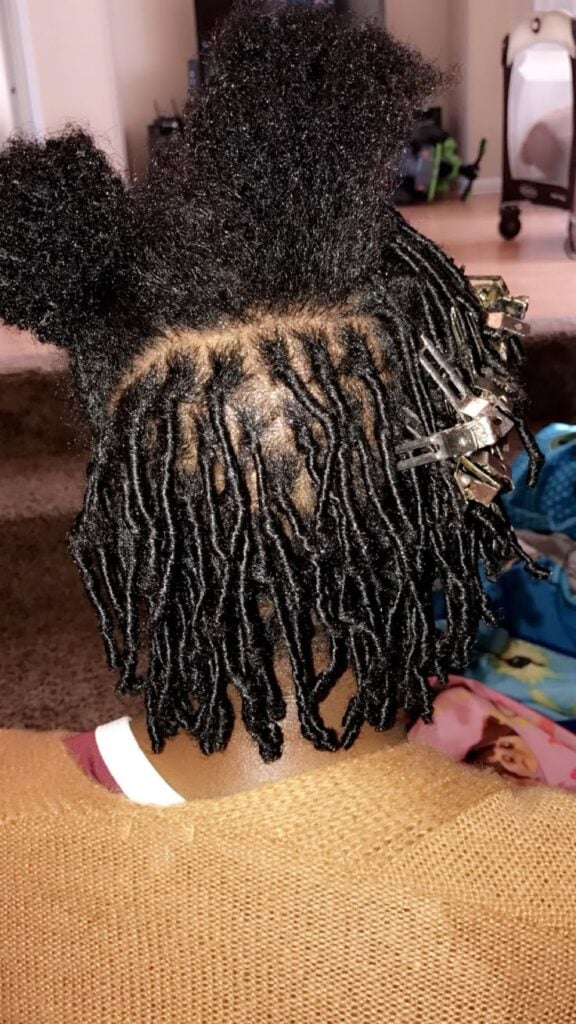
Getting your parting right from the starter stage is very crucial because it sets the tone for how your locs will look, grow, and behave over time. Clean, well-thought-out parts can make your locs look neat and full, while poor parting can lead to uneven sizes, thinning roots, and styling limitations later on.
In this guide, you’ll learn exactly how to part your hair properly for starter locs, even if you’re a complete beginner.
What Does Hair Parting Mean for Starter Locs?
Hair parting refers to the process of dividing your hair into sections before forming locs. Each section becomes the foundation for a single loc.
However, it’s important to understand that parting is not just about creating lines on your scalp. It determines:
– The size of each loc
– The overall fullness of your hair
– How easy your locs will be to maintain
Many beginners confuse parting with sectioning, but they’re slightly different. Sectioning is simply dividing hair into portions, while parting involves creating clean, defined lines that guide the structure of your locs.
Learn more here: How to prepare your hair before locking
Good parting ensures that each loc has a clear “home” on your scalp, which helps prevent merging, breakage, and uneven growth.
Benefits of Proper Hair Parting for Locs
Taking your time to part your hair properly comes with long-term benefits you’ll appreciate throughout your loc journey. You may not see the effect at first but as your locs mature, you will be glad you chose the right pattern.
Here are a few benefits:
First, it creates uniform and neat locs. Even if you prefer a natural look, starting with clean parts gives your locs a polished foundation and helps them grow in a more balanced and predictable way over time.
Another benefit is that it makes maintenance easier. When your parts are clear, retwisting or interlocking becomes more straightforward because you can easily follow your original sections without confusion or unnecessary manipulation.
Save this guide: How to maintain your locs between retightening
Proper parting also helps prevent thinning. Uneven parts can place too much tension on certain areas of your scalp, leading to weak roots over time and possible breakage if not corrected early.
What more? Proper parting enhances styling versatility. Whether you want to wear updos, braids, or simple styles, neat parts make everything look more intentional, structured, and beautifully put together.
Things to Consider Before Parting Your Hair
Before you pick up a comb, take a moment to think about the outcome you want. Your decisions at this stage will shape your locs for years.
This guide is for you: How to start locs yourself at home without a loctician
Here are a few things to consider:
The first thing is to start with the loc size. Do you want small, medium, or large locs? Smaller parts often result in thinner locs, while larger parts create thicker locs.
Next is your hair density. If your hair is thick, you may need smaller parts to avoid bulky locs. If it’s fine, slightly larger parts can help create fullness.
Read this: Starter locs method that last the longest
Also, consider your lifestyle. Smaller locs often require more time for installation and maintenance, while larger locs are quicker and easier to manage.
Your long-term style preference is equally important. Do you want a structured, grid-like appearance or a more natural, freeform look? Your answer will guide your parting pattern.
Tools You Need for Clean and Precise Parting
One beautiful thing about parting your hair for Locs is that you don’t need fancy tools. However, having the right ones will make the process smoother and more accurate.
A rat-tail comb is essential for creating clean, straight lines. The pointed end helps you define precise parts.
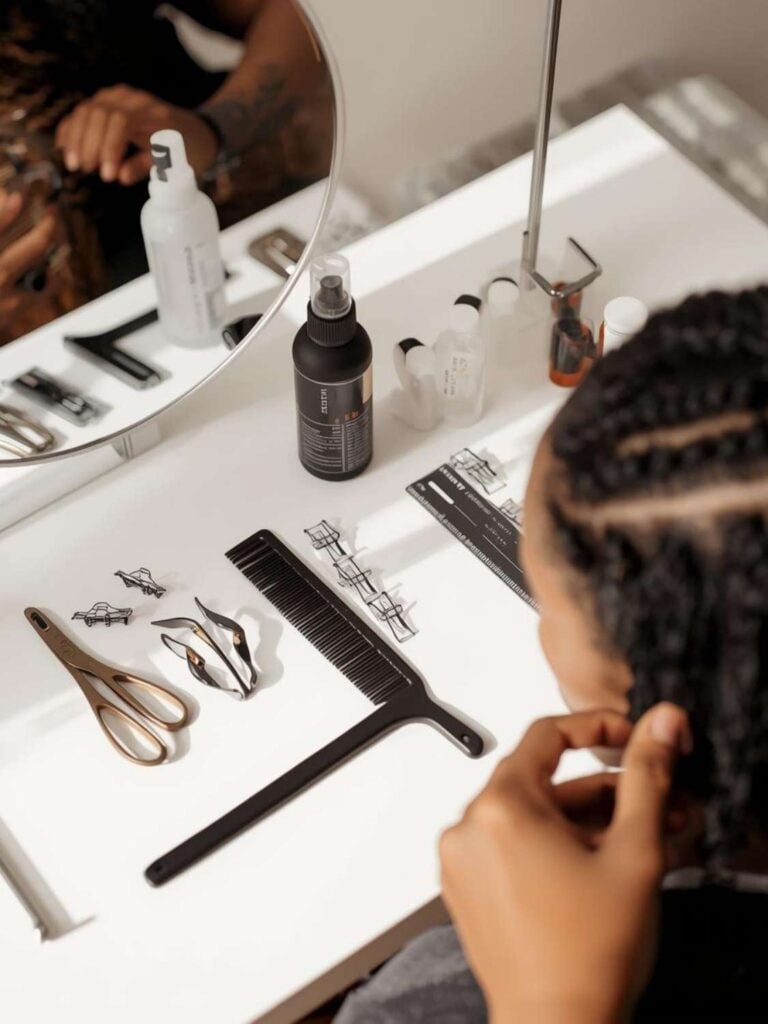
Hair clips or sectioning clamps will help you hold sections in place so your parts stay neat as you work.
A spray bottle filled with water or leave-in conditioner is useful for keeping your hair slightly damp. Damp hair is easier to part and manage.
Save this: Best starter locs method for soft hair
You’ll also need a mirror setup. Ideally, use two mirrors so you can see the back of your head clearly.
Good lighting is equally important. Natural light or a bright room helps you see your parts clearly and avoid mistakes.
Popular Parting Patterns for Starter Locs
There’s no single “best” pattern. Your choice depends on the look you want. Here are some parting styles:
Square or box parts are the most common. They create a neat, grid-like pattern and are beginner-friendly. This is a great choice if you want a clean and uniform look.
Brick pattern parts are similar to square parts but slightly offset. This creates a fuller appearance and reduces visible scalp lines.
Pin and come back later: Different methods of starting locs
Triangle parts offer a more stylish and less uniform look. They’re perfect if you want something unique and less structured.
Diamond parts are more intricate and visually interesting. They require more precision but can give your locs a standout appearance.
Freeform or organic parting involves little to no defined pattern. This is ideal if you want a natural, effortless look without strict lines.
How to Part Your Hair Properly for Starter Locs (Step-by-Step Guide)
First, start with clean, detangled hair. Wash your hair thoroughly and remove any knots or tangles. This ensures smooth and accurate parting.
Next is to divide your hair into large sections. This makes the process less overwhelming and helps you stay organized. Begin from the back (nape area). Starting from the back allows you to build upward in a structured way.
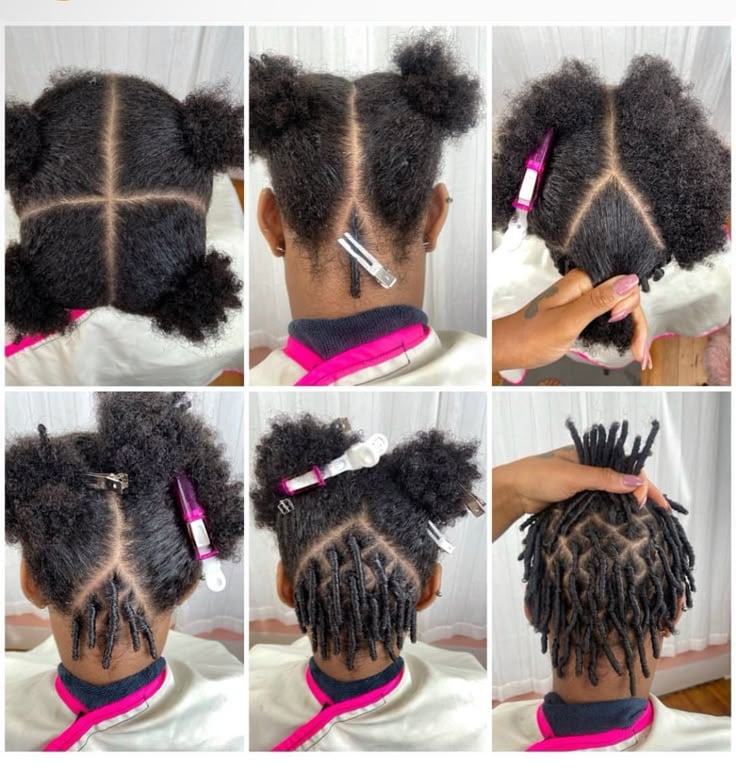
Use the rat-tail comb to create your first part. Take your time to make it straight and even. Clip away the rest of the hair as this prevents interference and keeps your workspace neat.
This is worth saving: Signs your locs are locking properly
Continue parting row by row. Work your way up gradually, ensuring each section is similar in size. Check your work frequently and use mirrors to confirm that your parts are straight and consistent.
Adjust when necessary. Don’t hesitate to redo a part if it doesn’t look right. It’s easier and better to fix now than later.
Tips for Getting Even and Consistent Parts
Consistency is key when parting your hair for locs. One helpful trick is to use your fingers as a guide. Once you determine your preferred size, use that measurement consistently across your head.
Work slowly and patiently. Rushing often leads to uneven parts that are difficult to correct later.
Keep your hair slightly damp. This gives you better control and helps create cleaner lines.
Take breaks if needed. Parting your entire head can take time, especially for beginners.
Avoid this: Worst starter locs method for beginners
And most importantly, don’t aim for perfection. Aim for neatness and progress instead.
Common Mistakes to Avoid When Parting Your Hair For Starter Locs
One common mistake to avoid is choosing the wrong part size. Many people go too small or too large without considering how it will affect their final look.
Another mistake is uneven spacing. Crooked or inconsistent parts can make your locs look unbalanced.
Ignoring your hairline is also a problem. Your edges are delicate, so parts around this area should be gentle and well-spaced.
Skipping detangling can lead to messy sections and inaccurate parts.
Parting dry, brittle hair is another issue. It makes the process harder and increases the chance of breakage.
Bookmark this: How to start locs on short hair
How Parting Affects the Final Look of Your Locs
Your parting pattern plays a huge role in how your locs will look over time.
Smaller parts lead to thinner locs, while larger parts create thicker ones. This affects not just appearance but also weight and maintenance.
Patterns like brick or triangle parts can make your locs look thicker and fuller by reducing the visible scalp.
Your parting also influences how your locs fall and move. Neat parts often result in more controlled and uniform growth.
Mark this for your locs journey: 10 things I wish I knew before starting locs
Over time, your locs will mature and expand, but the foundation created by your parts will always remain.
Should You DIY or Visit a Loctician?
Deciding whether to part your hair yourself or visit a professional depends on your confidence and budget.
Doing it yourself can save money and give you full control over your loc journey. However, it requires patience and attention to detail.
Keep this handy: How to start locs yourself at home without a loctician
A professional loctician brings experience and precision. They can help you choose the best parting pattern and ensure everything is even.
If you’re unsure or want a very polished look, visiting a loctician may be worth the investment.
Maintenance Tips to Preserve Your Parts
Once your locs are installed, maintaining your parts is essential. Here are a few things to do:
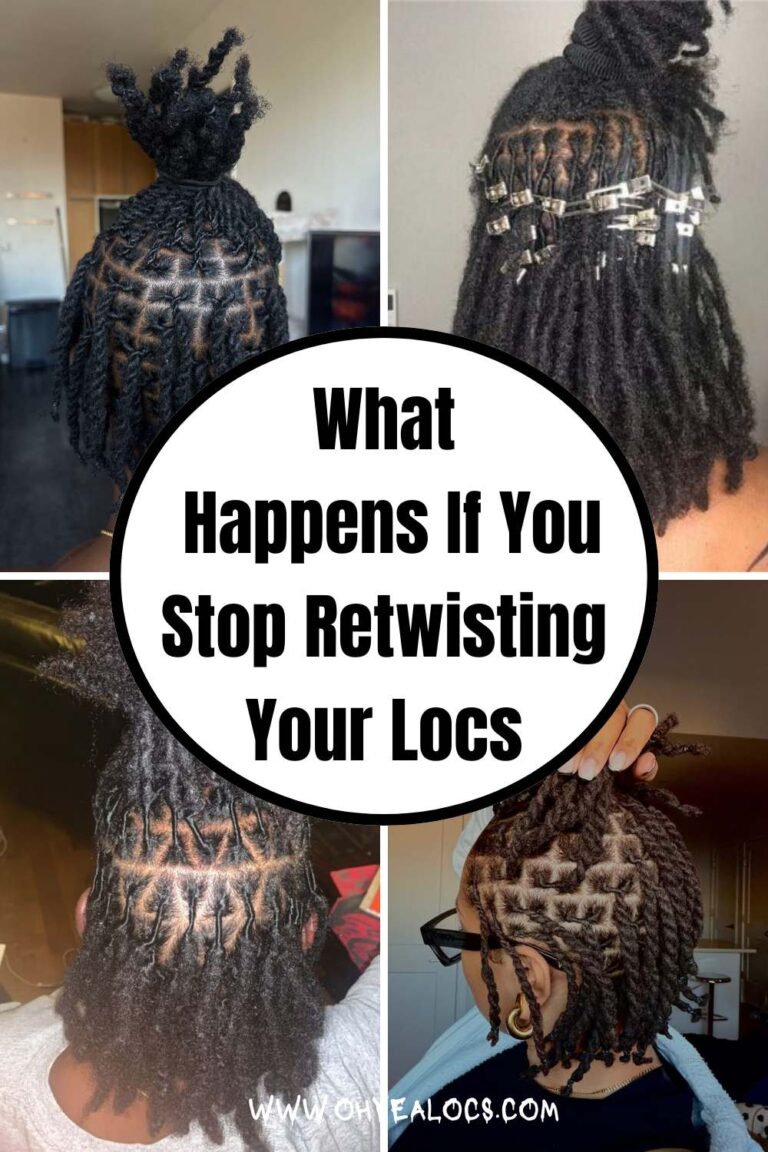
-Always retwist or maintain your locs along the original part lines. This keeps your sections defined.
-Avoid excessive manipulation, as it can cause parts to blur or locs to merge.
-Protect your hair at night with a satin bonnet or scarf. This reduces friction and preserves your style.
-Keep your scalp clean and moisturized. Healthy hair starts at the roots.
Final Thoughts
Starting your loc journey is an exciting chapter, and how you part your hair at the beginning can make a lasting difference. Proper parting isn’t just about aesthetics. It lays the groundwork for healthy, uniform, and manageable locs.
Taking the time to plan your sections, choose the right parting pattern, and work carefully ensures that your locs grow beautifully and maintain their shape over time.
Remember, neat parts lead to easier maintenance, better styling options, and a foundation that supports the natural growth of your hair. Whether you choose to DIY or seek the expertise of a loctician, patience and consistency are key. Mistakes can happen, but with practice, each parting session will become smoother, and your confidence in handling your hair will grow.
Ultimately, starter locs are the beginning of a personal journey. A journey that reflects your style, patience, and self-expression. Approach it with care, embrace the process, and enjoy watching your locs flourish from the foundation you’ve thoughtfully created.
Frequently Asked Questions
1. How often should I redo my parts after starting locs?
You don’t need to redo parts frequently. Focus on maintaining the original part lines during retwists or interlocks to prevent merging and thinning. Touch-ups are typically every 4–6 weeks, depending on hair growth.
2. Can I change my parting pattern after starting locs?
Minor adjustments are possible, but major changes can be tricky and may cause thinning or merging. It’s best to choose a pattern you love from the start.
3. Do different hair textures require different parting techniques?
Yes. Coarser or curlier hair may need smaller, tighter sections for neat locs, while finer hair can handle slightly larger parts. Always consider your hair density and curl pattern.
4. Will parting hurt my scalp?
If done gently, parting should not hurt. Avoid pulling or tugging, especially around the hairline, and always detangle your hair first to reduce tension.
5. Can I use natural oils or creams when parting?
Yes. Light oils or leave-in conditioners can help keep hair moisturized and make parting easier. Avoid heavy products that can cause buildup.
6. Are there any patterns better for thin hair?
Brick or triangle patterns can make thin hair appear fuller by reducing the visible scalp. Avoid overly large square parts, which may make locs look sparse.
7. How long does it take to part hair for starter locs?
Depending on hair length, thickness, and the parting pattern, it can take anywhere from 1–3 hours. Take your time; accuracy is more important than speed.
8. Is it okay to part my hair when it’s dry?
Slightly damp hair is best for clean, precise parts. Dry hair can be more prone to frizz and breakage, while soaking hair is unnecessary and can be messy.
9. Do I need special tools for parting?
A rat-tail comb, clips, a spray bottle for dampening, and good lighting are usually sufficient. Professional tools can help but aren’t required for beginners.
10. Can parting affect how my locs grow over time?
Absolutely. Neat, consistent parts support uniform growth and prevent locs from merging or thinning. Poor parting may lead to uneven loc sizes and maintenance challenges down the line.


3 Comments