
How to Grow Your Locs Faster Naturally
Disclosure: Some of the links in this post are affiliate links. This means if you click on the link and purchase an item, I will receive an affiliate commission at no extra cost to you. All opinions remain my own. I only recommend products or services I believe will add value to my readers.
Are you asking how to grow your locs faster naturally?
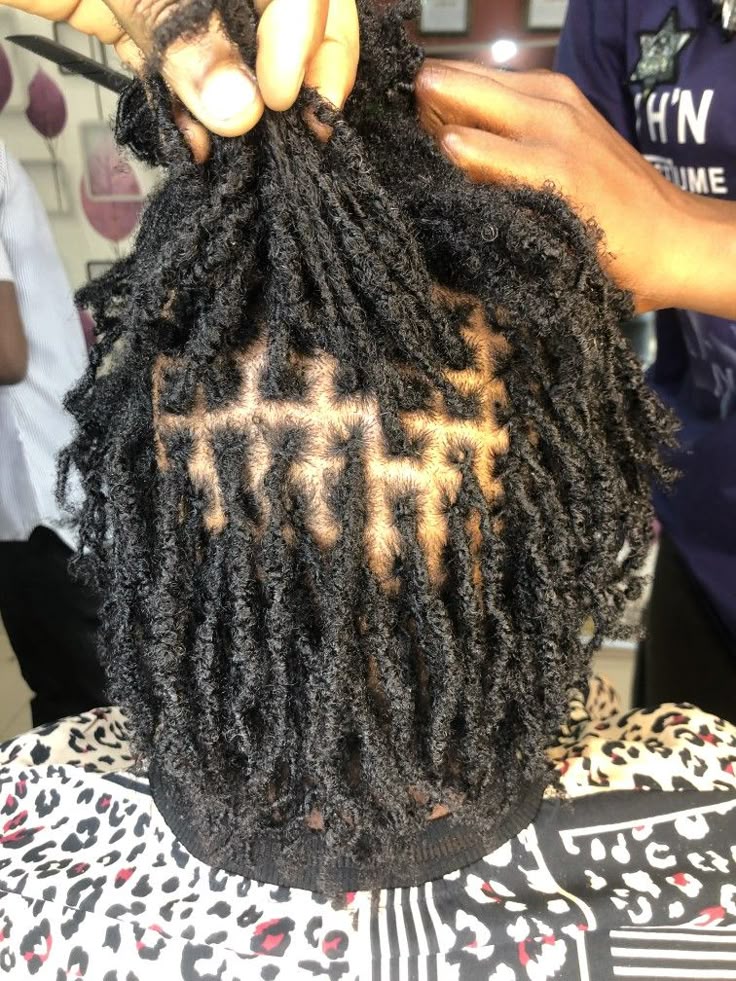
Stacey started her loc journey excited and patient. She imagined full, long locs flowing effortlessly after just a few months. But six months in, she found herself doing something she never expected: constantly checking the mirror, pulling her locs forward, and wondering why they didn’t look “longer like Pinterest photos.”
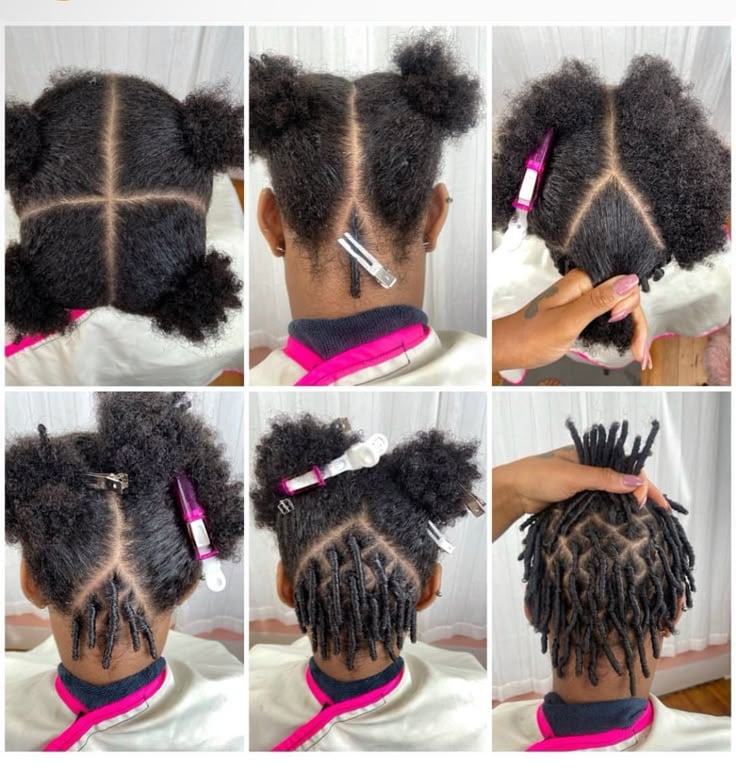
What Stacey didn’t realize was simple but powerful: her hair was growing. The issue wasn’t growth, it was retention. Small habits she didn’t even think about, like over-manipulating her roots, skipping proper moisture, and retwisting too tightly, were slowly affecting how much length she was actually keeping.
If you’ve ever asked yourself this questions like Stacey while staring at your locs in the mirror, you’re not alone. It’s one of the most common frustrations people experience on their loc journey. You start out excited, committed, and hopeful but somewhere along the way, it begins to feel like nothing is changing.
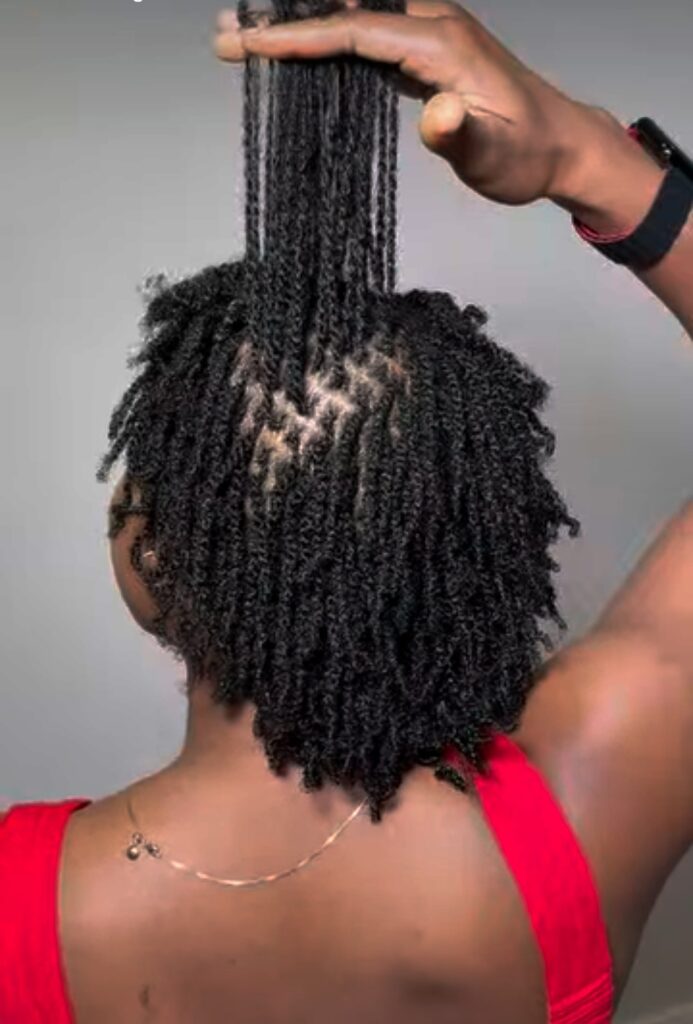
You’re moisturizing and retwisting. You’re trying protective styles. Yet your locs still seem stuck at the same length, your ends feel uneven, and maybe your edges even feel a little thinner than before. It can be discouraging, especially when you’re constantly seeing long, perfect locs on Pinterest or social media that seem to grow overnight.
But here’s the truth most people don’t hear early enough: your locs are growing – what you’re struggling with is retention, not growth.
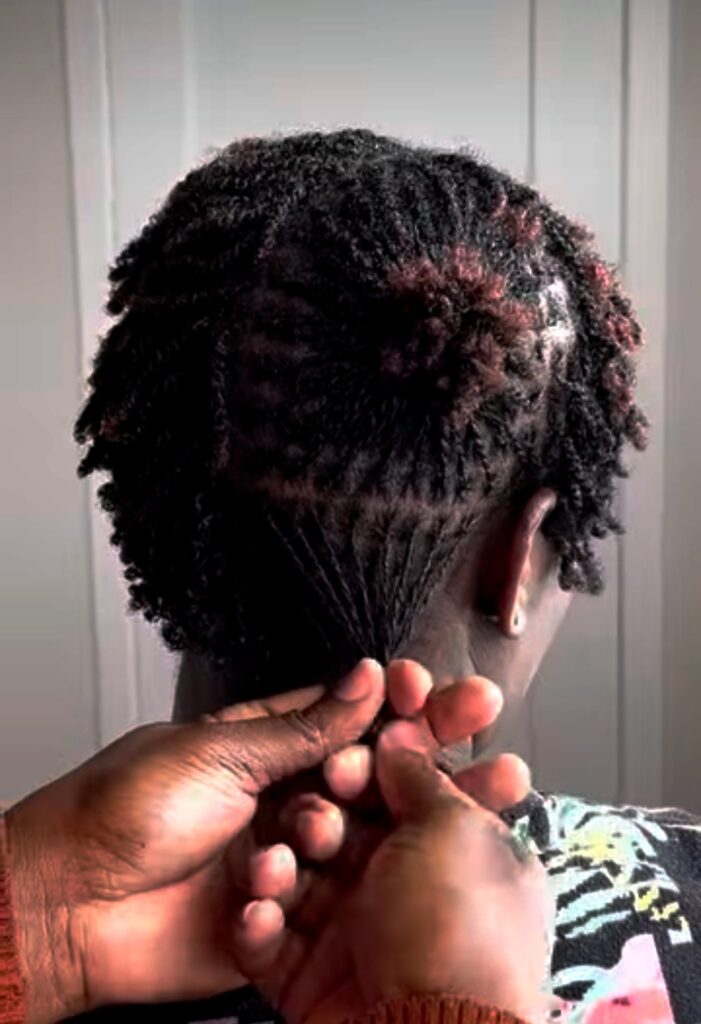
Hair naturally grows from the scalp at a steady rate, but whether you see that growth depends on how well your hair is held, protected, and maintained over time. Breakage, dryness, tight styling, and even small daily habits can quietly steal your length without you realizing it.
In this post, we’re going to break it all down in a real, practical way. No unrealistic promises. No miracle products. Just natural, realistic methods that actually support healthy loc growth and help you finally see the progress you’ve been waiting for.
Understanding Loc Growth (The Truth Most People Miss)
Before you can fix “slow growth,” you have to understand what’s actually happening beneath the surface, because loc growth doesn’t always look the way people expect it to.
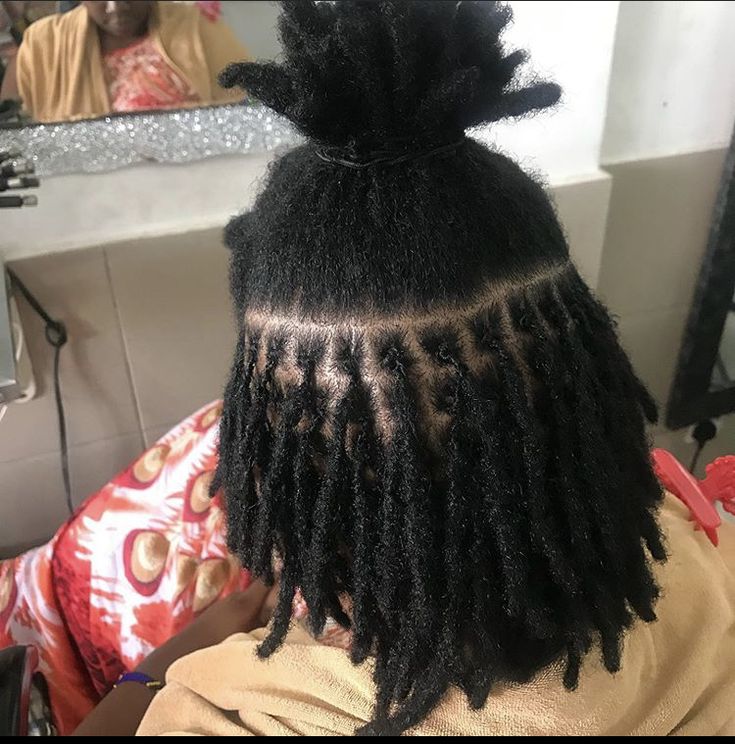
First, here’s something that surprises a lot of people: your hair grows from your scalp, not from the loc itself.
That means the new growth is happening at the root, while the loc is simply the formed structure holding your hair together. So even when your locs look “stuck,” your scalp is still doing its job.
On average, hair grows about half an inch per month. That may not sound like much, but over time it adds up. The real issue is that this growth doesn’t always show clearly in locs the way it does with loose natural hair.
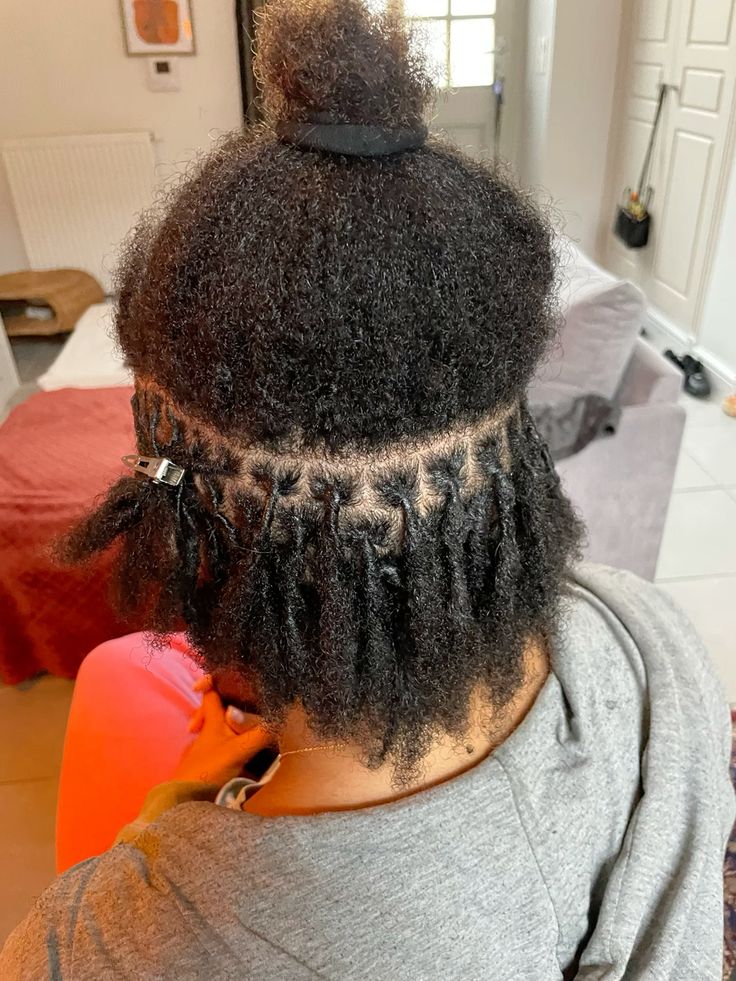
So why do locs sometimes feel like they’re not growing at all?
One major reason is shrinkage and tightening phases. Early and mature locs often contract as they form and mature, which can make them look shorter even when they’re actually growing. On top of that, frizz at the roots or along the shaft can blur the visual progress, making length harder to notice.
There’s also the “visual illusion” factor. As your locs thicken and mature, they become denser and more compact, which can make length gains less obvious unless you’re tracking progress over time.
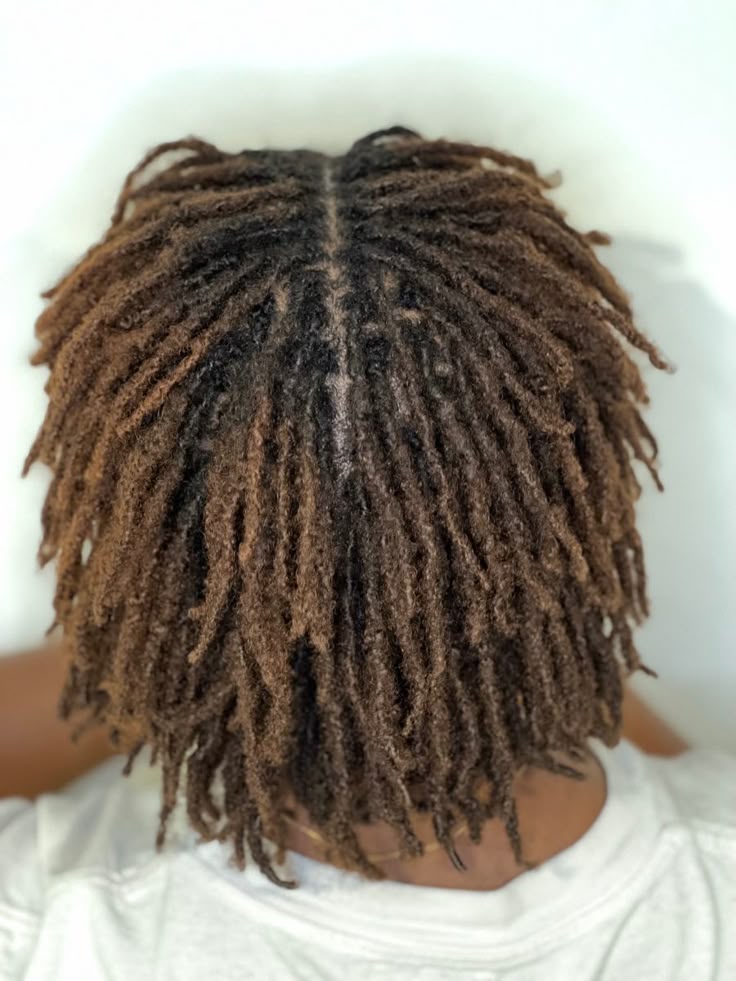
In simple terms: your hair may be growing consistently, but several natural processes are hiding the evidence.
Why Your Locs Feel Like They’re Not Growing
If your locs feel stuck at the same length, it’s rarely because your hair isn’t growing, it’s usually because something is interfering with retention and overall health.
Let’s break down the most common culprits.
One of the biggest issues is breakage at the roots or ends. When hair is weak or dry, it doesn’t hold onto length. Instead of retaining growth, small pieces snap off over time, canceling out the progress you’re making at the scalp.
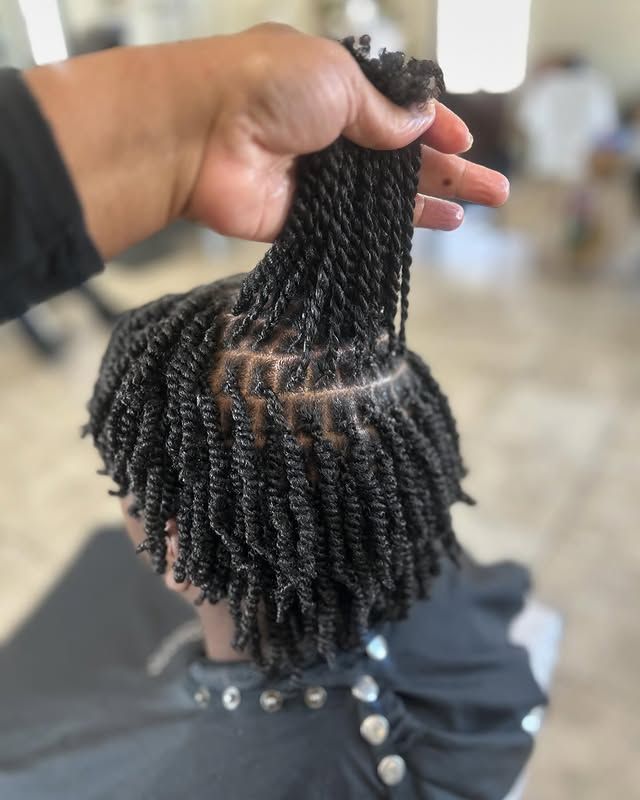
Another major factor is over-retwisting or too much tension. It might feel like you’re “keeping your locs neat,” but tight retwisting can actually weaken the roots and cause stress on the hair over time. In some cases, it can even lead to thinning edges or traction damage.
Then there’s dry scalp and lack of moisture. Locs that are constantly dry become brittle and more prone to breakage. Without proper hydration, your hair loses flexibility, which makes it harder to retain length.
We also can’t ignore product buildup blocking healthy growth. Heavy creams, waxes, or frequent product layering can clog the scalp and weigh down your locs. This buildup can suffocate the hair environment, leading to dullness and slowed healthy development.
Finally, protective styles that are too tight or worn too long can quietly work against you. While protective styling is meant to help growth, excessive tension or extended wear can weaken the hairline and stress the locs, doing more harm than good.
The truth is, most “slow growth” problems come down to small, repeated habits not your hair’s ability to grow. Once you understand that, you can start correcting the things that are holding your loc journey back.
Natural Ways to Grow Your Locs Faster (That Actually Work)
If you want your locs to grow longer and healthier, the goal isn’t to “force” growth – it’s to create the right environment for your hair to thrive and retain length. These natural methods focus on exactly that.
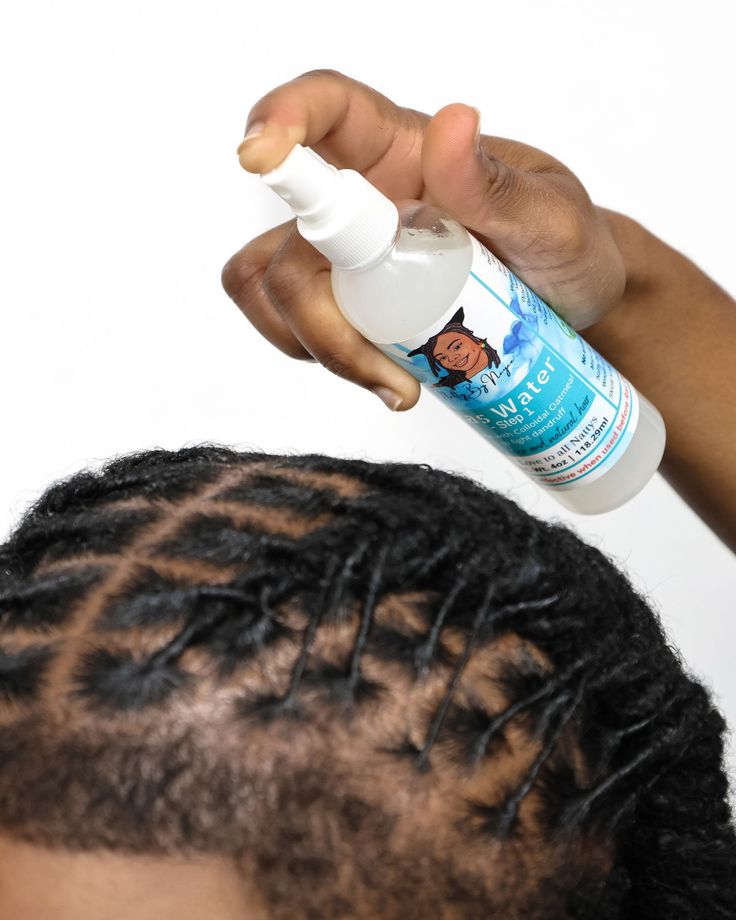
A. Keep Your Scalp Healthy First
Your scalp is the foundation of your loc journey. If it’s not healthy, growth will always feel slow or inconsistent.
Start with regular scalp cleansing that removes dirt and buildup without stripping your natural oils. A clean scalp allows new growth to flourish without blockage.
Then support your scalp with lightweight natural oils like jojoba, coconut, or castor oil, but in moderation. The key is nourishment, not overload. Too much oil can clog your scalp and attract buildup.
Finally, don’t underestimate scalp massages. Just a few minutes a few times a week can improve blood circulation, which helps deliver nutrients to your hair follicles and supports healthier growth over time.
B. Moisture is Everything
Dry locs break easily and broken hair can’t retain length.
Build a simple hydration routine using water-based sprays to keep your locs soft and flexible. Moisture helps prevent brittleness, which is one of the biggest causes of breakage.
After moisturizing, make sure you seal it properly without heavy buildup. The goal is to lock in hydration, not suffocate your locs with thick products.
When your locs stay hydrated, they become stronger, more elastic, and far less likely to snap.
C. Stop Over-Manipulating Your Locs
One of the fastest ways to slow your progress is constant manipulation.
Avoid frequent retwisting, especially when it’s not necessary. Your roots need time to rest and mature naturally.
Instead of always styling or touching your hair, give your locs space to settle. This helps reduce tension and allows your hair to strengthen at the root.
Also be mindful of your edges, protect them from tight styles that pull or strain the hairline. Healthy edges are essential for overall loc fullness.
D. Product Minimalism
When it comes to locs, less is often more.
Stick to a minimal product approach and avoid layering too many heavy creams or oils. These products can build up over time and slow down your scalp’s health.
Be especially careful with waxes and greasy buildup products, which can clog locs and make them harder to maintain long-term.
Instead, make it a habit to clarify occasionally to reset your scalp and remove buildup. A clean foundation helps everything else work better.
E. Protect Your Hair While Sleeping
Nighttime care is often overlooked, but it plays a big role in length retention.
Always sleep with a satin bonnet or satin pillowcase to reduce friction while you rest. Cotton fabrics can pull moisture from your hair and cause breakage over time.
This simple step helps prevent friction breakage, especially at the ends and roots where locs are most vulnerable.
A quick nighttime routine, loosely covering your hair and ensuring it’s not being pulled or compressed – goes a long way in protecting your progress.
Habits That Are Secretly Slowing Your Growth
Sometimes it’s not what you’re doing once, it’s what you’re doing consistently without realizing the impact.
- Tight retwists or tight styling that put stress on your roots
- Constant pulling, styling, or touching your locs throughout the day
- Skipping wash days out of fear your locs will unravel or frizz
- Ignoring scalp issues like dandruff, itchiness, or buildup
These habits may seem harmless in the moment, but over time they can lead to breakage, thinning, and stalled length retention.
What “Fast Growth” Actually Looks Like (Real Expectations)
A lot of frustration comes from unrealistic expectations shaped by social media. Real loc growth is slower, but more sustainable than it looks online.
Instead of chasing “fast growth,” focus on healthy growth vs unrealistic expectations. True progress is not just about length, it’s about strength.
In fact, retention is more important than speed. If your hair grows but breaks off just as fast, you won’t see progress.
Here are real signs your locs are thriving:
- Thickening locs over time
- Less breakage during styling or washing
- Stronger, more stable roots
- Visible length retention over months, not days
Simple Weekly Loc Growth Routine (Beginner-Friendly)
Consistency is what brings results, not complicated routines.
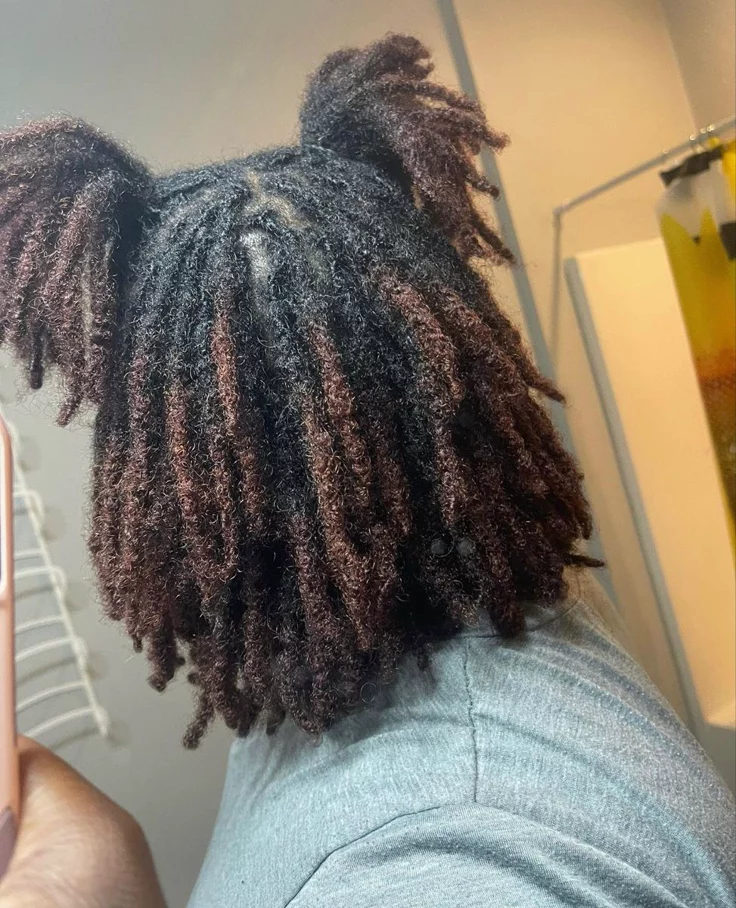
A simple weekly structure could look like this:
- Wash day (once a week or every 1–2 weeks) depending on your scalp needs
- Moisturizing routine (2–3 times a week) using a light water-based spray
- Scalp care day with gentle massage and light oiling
- Balanced protective styling (not too tight, not too constant)
- Rest days with no manipulation to let your hair breathe and strengthen
This routine keeps your scalp clean, your locs hydrated, and your hair protected without overdoing anything.
When to Be Concerned (And What to Do)
While most loc concerns are manageable, some signs shouldn’t be ignored.
Watch out for:
- Excessive thinning in certain areas or throughout your locs
- Constant breakage even with gentle care
- Scalp pain, tightness, or discomfort after styling
If you notice these signs, it may be time to adjust your routine or seek help from a professional loctician. Early correction can prevent long-term damage and help restore healthy growth patterns.
Your Hair Is Not “Stuck”
If there’s one thing to take away from this journey, it’s this: your hair is not stuck—it’s simply in progress.
It’s easy to feel discouraged when you don’t see immediate length, especially when you’re putting in effort and still comparing your progress to perfectly styled locs online. But loc growth doesn’t work on a fast, visible timeline. It works in quiet consistency, small improvements, and healthy habits that build up over time.
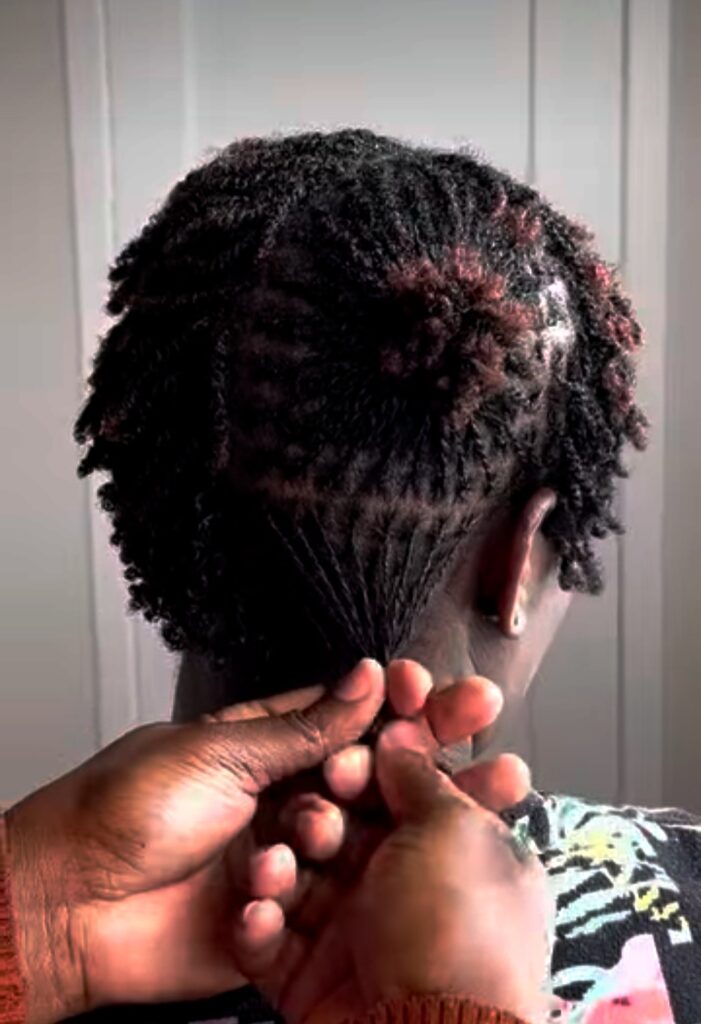
The truth is, your locs are always growing. What changes everything is how much of that growth you actually retain. Once you shift your focus from “How fast is my hair growing?” to “How well am I caring for what’s already growing?”, everything starts to make more sense.
Healthy locs take time. Not shortcuts. Not quick fixes. Not miracle products. Just patience, care, and consistency – even on the days when it feels like nothing is happening.
And often, the biggest transformation doesn’t come from adding more to your routine… it comes from doing less, but doing it rig
Stacey didn’t realize her biggest breakthrough wasn’t a new product, it was when she stopped over-twisting and started leaving her hair alone. Three months later, her locs didn’t just grow longer, they looked healthier, fuller, and stronger.
And that’s the real goal, not rushed growth, but real, lasting progress you can actually see and feel over time.




2 Comments