
How Often Should You Retwist Mature Locs
Disclosure: Some of the links in this post are affiliate links. This means if you click on the link and purchase an item, I will receive an affiliate commission at no extra cost to you. All opinions remain my own. I only recommend products or services I believe will add value to my readers.
One of the most common concerns people with locs have, especially as their hair matures, figuring out How Often Should You Retwist Mature Locs. It sounds like a simple question, but in reality, it’s one of the most confusing parts of loc maintenance.
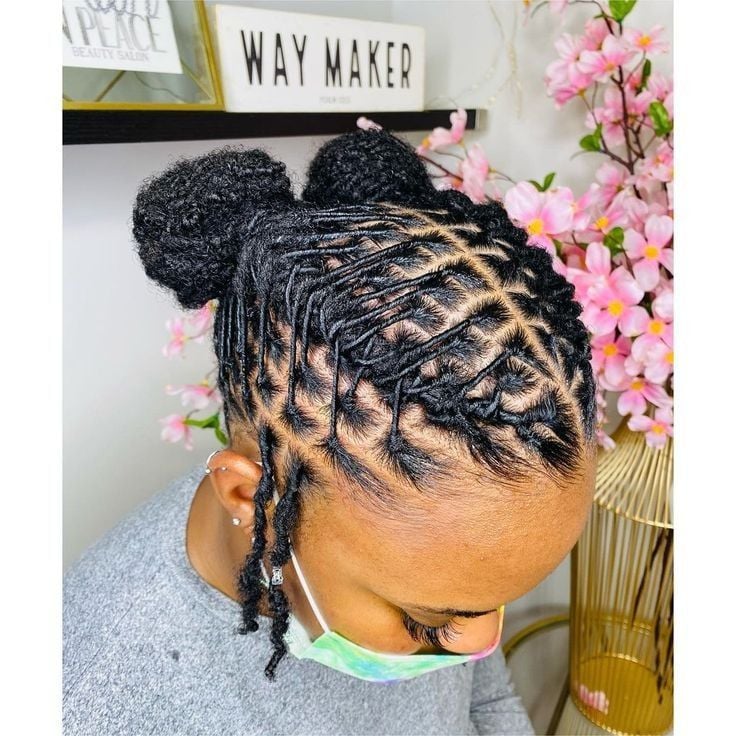
Some people worry they’re retwisting too often, while others feel like they’re not doing it enough. This uncertainty usually comes from conflicting advice online, different stylist recommendations, and the pressure to keep locs looking “fresh” all the time.
On top of that, there’s a deeper fear: What if I’m damaging my locs without realizing it? Many people worry that frequent retwisting could lead to thinning at the roots, breakage, or even slow down the overall maturity and locking process. On the flip side, waiting too long can make locs look messy or harder to manage, which creates even more confusion.
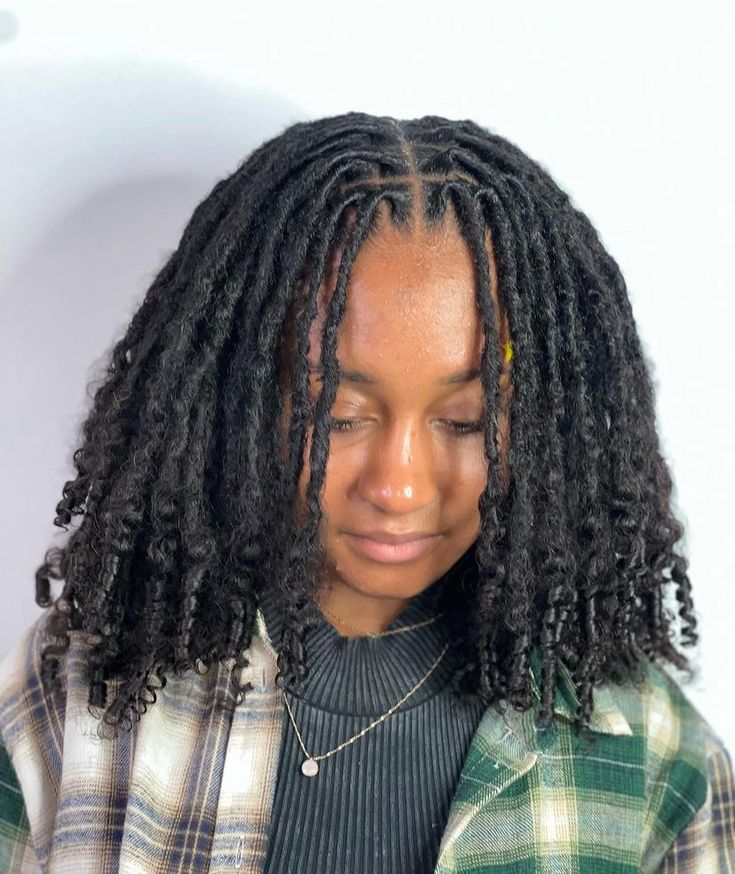
You will need to see this: Low Tension Loc Styles That Protect Your Hairline
The truth is simple but reassuring: there is no one-size-fits-all retwist schedule for mature locs. What works for someone else may not work for you, because locs behave differently depending on hair type, lifestyle, and maintenance habits.
This guide is here to take the guesswork out of it. You’ll learn how often mature locs actually need retwisting, what signs to look for, and how to build a routine that keeps your locs healthy without over-manipulating them.
What “Mature Locs” Actually Means
Before deciding how often to retwist, it’s important to understand what “mature locs” really are. Locs go through several stages: the starter stage, the budding stage, and finally the mature stage.
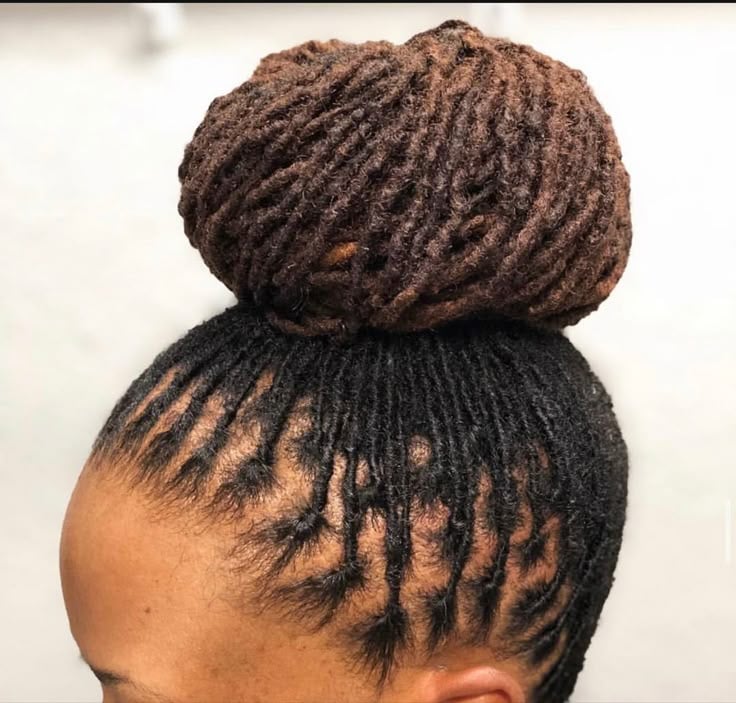
Mature locs are the stage where your hair has fully locked and settled. The structure is more defined, and the locs have gone through the early phases of unraveling, puffiness, and frequent changes in shape.
At this stage, several things begin to change:
• Less unraveling
Unlike starter locs that easily loosen or frizz, mature locs tend to hold their structure much better. You no longer need constant retwisting to keep them intact.
• More stability at the root
The base of the loc becomes stronger and more secure. While new growth still appears, it doesn’t disrupt the entire loc the way it used to in earlier stages.
• Slower visible new growth changes
New growth is still happening, but it blends more naturally over time instead of dramatically changing the look of your locs week to week.

Because of these changes, your retwist routine also needs to shift. In the early stages, retwisting is often about training the hair to lock. But with mature locs, retwisting becomes more about maintenance and neatness, not forcing or shaping the locs.
This is why mature locs don’t need as much manipulation. Over-retwisting at this stage can actually do more harm than good, making it important to adjust your routine to match your locs’ development.
The Big Question: So, How Often Should You Retwist Mature Locs?
This is where most people want a clear, exact answer, but mature locs don’t work on a strict calendar.
As a general guideline, mature locs are typically retwisted every 4–8 weeks. This is a big shift from the starter phase, where retwisting can feel more frequent and necessary. Once locs are fully formed, they don’t require constant maintenance to stay intact.
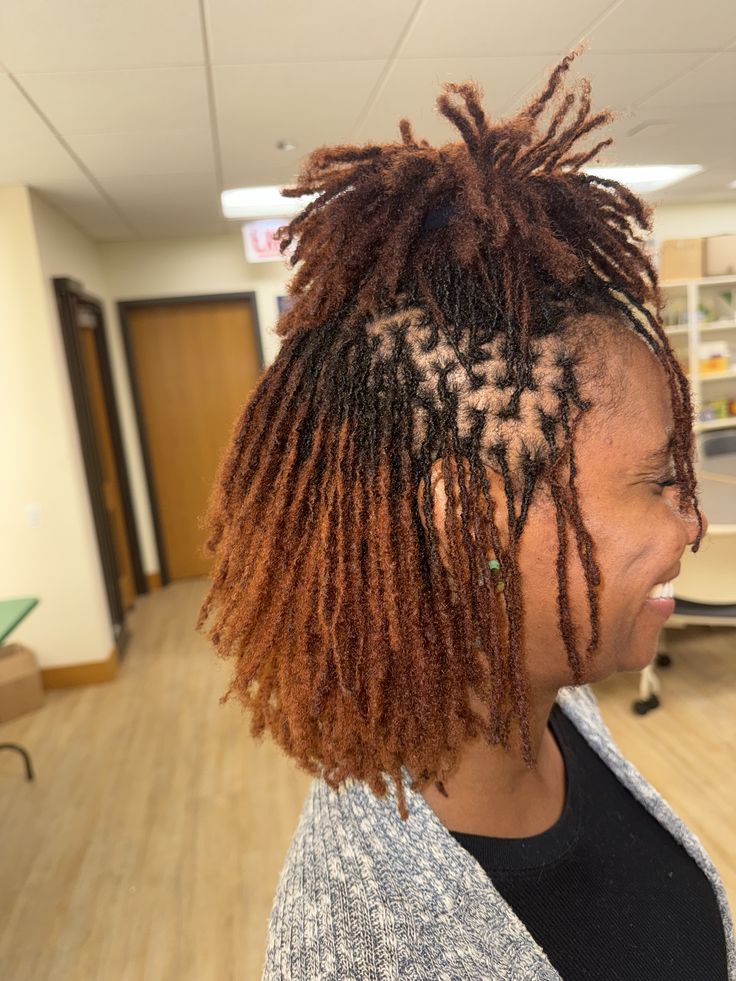
In fact, retwisting weekly or even biweekly is usually unnecessary at this stage and can lead to problems like thinning at the roots, scalp tension, or over-manipulation of already stable locs.
Mature locs don’t unravel the same way starter locs do, so the goal is no longer “forcing them to lock,” but simply keeping the roots neat enough for comfort and appearance.
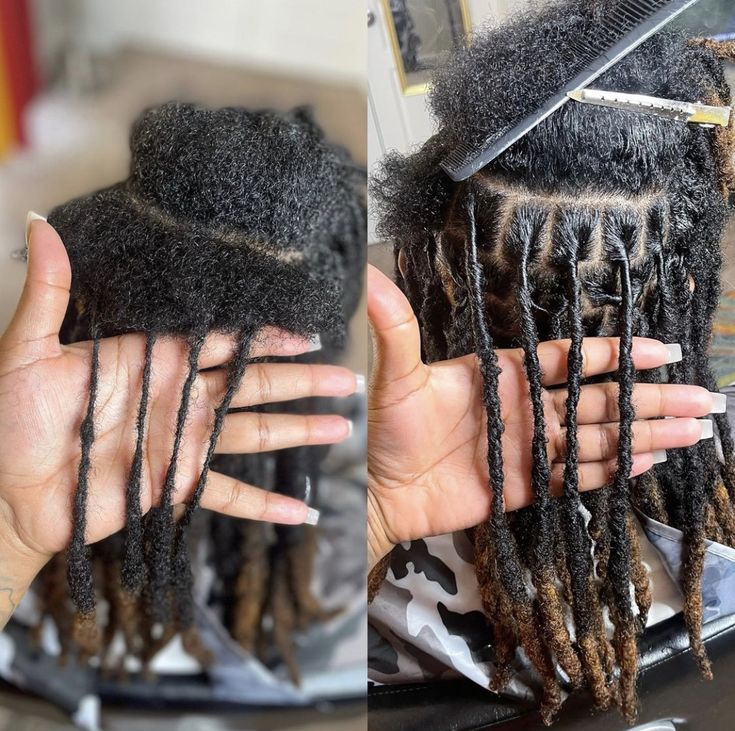
However, there’s an important truth to understand: your ideal retwist frequency is personal. It depends on your lifestyle, hair type, and how your scalp behaves over time. Some people can comfortably stretch to 6–8 weeks, while others may prefer a neater look every 4–5 weeks.
The key is balance, keeping your locs healthy without overdoing maintenance.
Key Factors That Affect Your Retwist Schedule
There is no universal retwist schedule because several personal factors influence how quickly your roots need attention.
• Hair texture and density (fine locs vs thick locs)
Finer locs may show new growth and looseness faster, while thicker, denser locs tend to hold their structure longer between retwists.

• Scalp oil production (dry vs oily scalp)
If your scalp produces more oil, buildup and visible new growth may appear sooner. A drier scalp may allow you to stretch retwists longer without discomfort.

This will guide you on this: How Often Should You Moisturize Your Locs?
• Lifestyle (gym, sweating, outdoor exposure)
Frequent sweating, workouts, or exposure to humidity can cause quicker root frizz and may make retwisting feel necessary more often.
• Loc size and parting pattern
Smaller locs often show new growth more quickly, while larger locs may stay neater for longer periods. Neat, structured parting can also affect how noticeable regrowth appears.
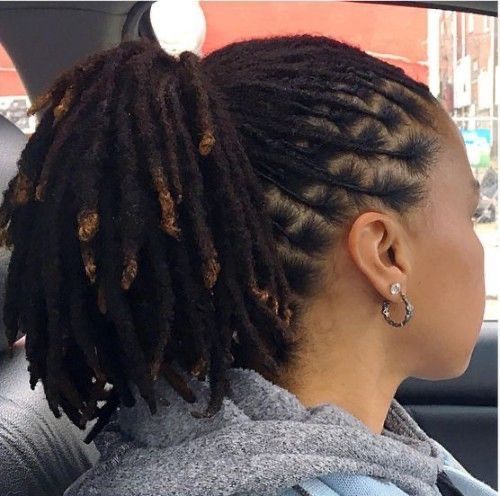
• Desired look (neat vs freeform aesthetic)
Some people prefer a consistently polished, retwisted look, while others are comfortable with a more natural, slightly grown-out appearance. Your styling preference plays a big role in timing.
Signs It’s Time for a Retwist
Instead of relying only on the calendar, your locs will usually give you clear signals when a retwist is needed.
• New growth is visibly separating from the loc
You’ll notice a clear gap or loose section at the root where the new growth is no longer blending smoothly.
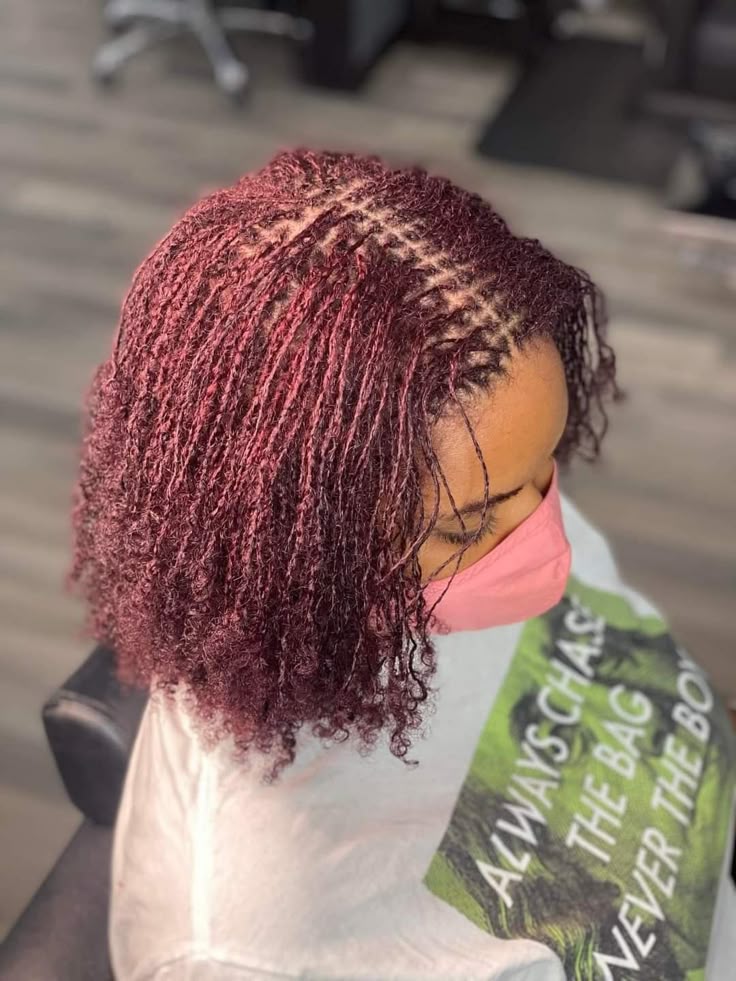
• Roots look frizzy (not just soft or textured)
Some frizz is normal, but when the roots start looking overly loose or messy, it may be time to tidy them up.
• Locs are starting to mat together at the roots
If neighboring locs begin sticking or tangling at the base, it’s a sign your sections need refreshing.
• Style is no longer holding properly
Updos, ponytails, or simple styling become harder to maintain because the roots are too loose or uneven.
I recommend this: Signs Your Locs Are Locking Properly (And When to Worry)
• You feel buildup or heaviness at the base
Product buildup, lint, or dirt can collect over time, making the roots feel heavy or less clean, signaling that a maintenance session is needed.
Signs You’re Retwisting Too Often (Important Warning Section)
It’s easy to assume that keeping your locs “fresh” means retwisting frequently, but with mature locs, too much maintenance can quietly cause damage over time. Many people don’t notice the effects until they start seeing changes they didn’t intend.
Here are key signs you may be retwisting too often:
• Thinning at the roots or weak spots
If your locs are starting to feel thinner at the base or you notice weak points where hair seems fragile, frequent retwisting may be putting too much stress on the roots.
This may interest you: Faux Sisterlocks Crochet Styles That Are Lightweight and Protective
• Excessive scalp tension or soreness
Retwisting should never leave your scalp feeling consistently tight or sore. Ongoing discomfort is a sign your hair is being manipulated too often or too tightly.

Please check this guide: Low Tension Loc Styles That Protect Your Hairline
• Hairline recession or breakage
Constant tension around the edges can lead to thinning edges or a receding hairline over time. This is one of the most important warning signs to take seriously.
• Locs becoming overly tight and small over time
If your locs appear to be shrinking in thickness or feeling unusually tight, over-retwisting may be causing excessive tightening and reducing natural fullness.
• Slow loc maturity because of constant manipulation
Ironically, too much retwisting can slow down the natural settling process of mature locs, keeping them in a “maintenance cycle” instead of allowing them to fully stabilize.
Check this out too: Starter Loc Methods that Last the Longest
What Happens If You Retwist Too Infrequently?
While over-retwisting can cause damage, not retwisting enough also comes with its own set of challenges. The goal is balance not extremes.
• Excessive matting between locs
Without occasional maintenance, loose hairs can start interlocking with nearby locs, making separation harder over time.
• Uncontrolled merging or bunching
Locs may begin to combine at the roots unintentionally, especially if sections are not well maintained.
• Uneven loc appearance
Some locs may look more grown out than others, creating an unbalanced or messy overall look.
• Harder maintenance over time (more work later)
When retwists are delayed for too long, the eventual maintenance session can take longer, feel more intense, and require more effort to restore neatness.
This is worth a look: Cute and Low Maintenance Short Sisterlocks Hairstyles
Finding Your Personal Retwist Rhythm
The truth about mature loc maintenance is that the “perfect schedule” doesn’t exist, it has to be discovered through your own hair.
A good starting point is to begin with a 4–6 week retwist cycle. This gives you enough time to observe how your locs behave without over-manipulating them.
From there, you can adjust based on how your hair responds. If your roots stay neat and your scalp feels healthy, you may be able to stretch the time longer. If your locs start matting or feeling heavy sooner, you may need a slightly shorter cycle.
One helpful but optional habit is keeping a simple maintenance journal. You can note when you retwist, how your scalp feels, and how your locs look before the next session. Over time, patterns will become clear.
See more ideas in this post: How to get rid of dandruff in your Locs
Ultimately, the goal is to learn how to balance neatness with hair health. Mature locs thrive when they are maintained gently, not controlled excessively. Once you find your rhythm, retwisting stops being confusing and becomes a natural, stress-free part of your routine.
Best Practices for Retwisting Mature Locs
Once your locs are mature, the way you retwist matters just as much as how often you do it. At this stage, the goal is maintenance, not control, so your technique should support hair health, not stress it.
• Use light products (avoid heavy gels and waxes)
Mature locs don’t need heavy buildup to stay in place. Thick gels and waxes can accumulate at the roots, cause buildup, and make locs feel stiff or weighed down over time. Lightweight gels, natural oils, or even water-based products are usually enough.
• Don’t retwist too tightly
Tight retwisting is one of the fastest ways to cause thinning, scalp pain, and long-term stress on the roots. A firm but gentle tension is enough to keep your roots neat without pulling on the hair follicle.
• Focus on scalp health, not perfection
It’s easy to get caught up in wanting perfectly neat parts and ultra-slick roots, but mature locs are not meant to look freshly installed all the time. A healthy scalp and strong roots matter more than flawless neatness.
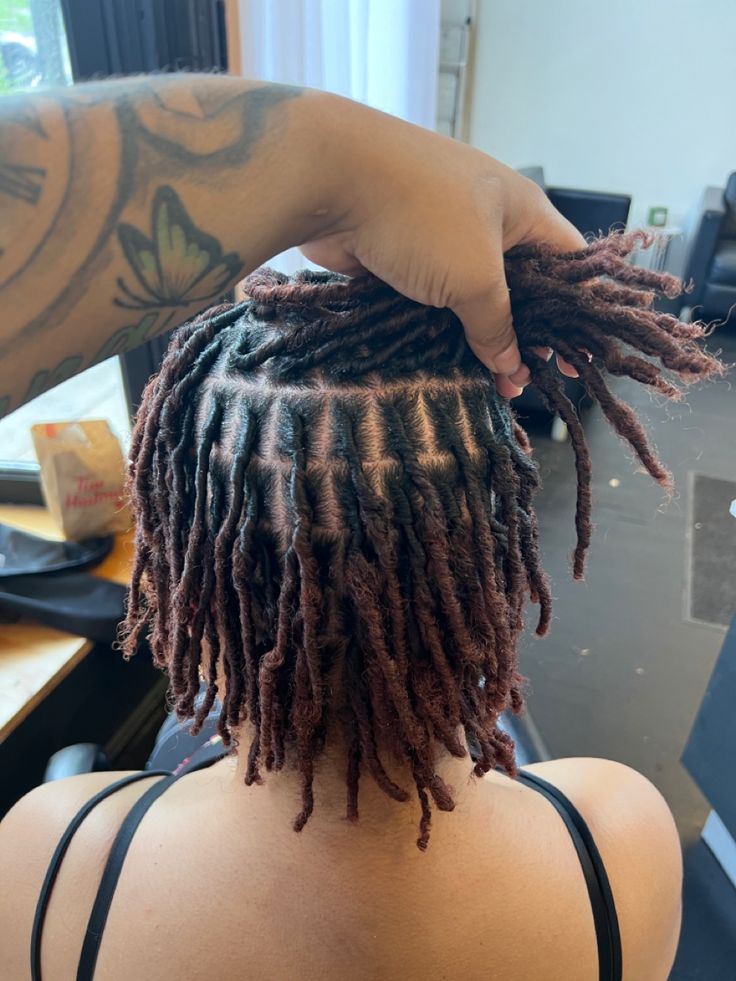
• Let hair breathe between sessions
Constant styling and manipulation can restrict your scalp and weaken your locs over time. Giving your hair space between retwists allows it to settle naturally and maintain strength.
• Consider palm rolling vs. comb twisting depending on your loc type
Different methods work better for different loc structures. Palm rolling is often gentler and better for maintaining mature locs, while comb twisting may be more suitable for certain textures or tighter maintenance needs. The key is choosing what causes the least stress on your roots.
Final Thoughts: Healthy Locs Over Perfect Schedules
At the mature stage, loc care becomes less about strict routines and more about understanding your hair. The truth is that healthy mature locs thrive on low manipulation, not constant maintenance.
There’s often pressure to keep locs looking freshly retwisted at all times, but that standard doesn’t always support long-term hair health. Mature locs are meant to settle, grow, and strengthen with time not be constantly reshaped.
Instead of chasing perfection, the focus should shift toward listening to your hair and scalp. When your locs feel strong, your scalp feels comfortable, and your maintenance routine feels sustainable, you’ve found what works for you.
Confidence in your own routine is what truly defines healthy loc care. Once you stop trying to follow rigid rules and start responding to your hair’s actual needs, maintaining mature locs becomes simpler, healthier, and much more enjoyable.





One Comment