
Signs You Are Retwisting Your Locs Too Often
Disclosure: Some of the links in this post are affiliate links. This means if you click on the link and purchase an item, I will receive an affiliate commission at no extra cost to you. All opinions remain my own. I only recommend products or services I believe will add value to my readers.
Signs you are retwisting your locs too often is a post everyone should read. Many people unknowingly retwist their locs too often because they believe neat roots automatically mean healthy locs. In today’s beauty culture, perfectly polished locs are constantly showcased on social media, making frizz and new growth seem like something to “fix” immediately. As a result, many people end up scheduling retwists far more frequently than their hair and scalp can safely handle.
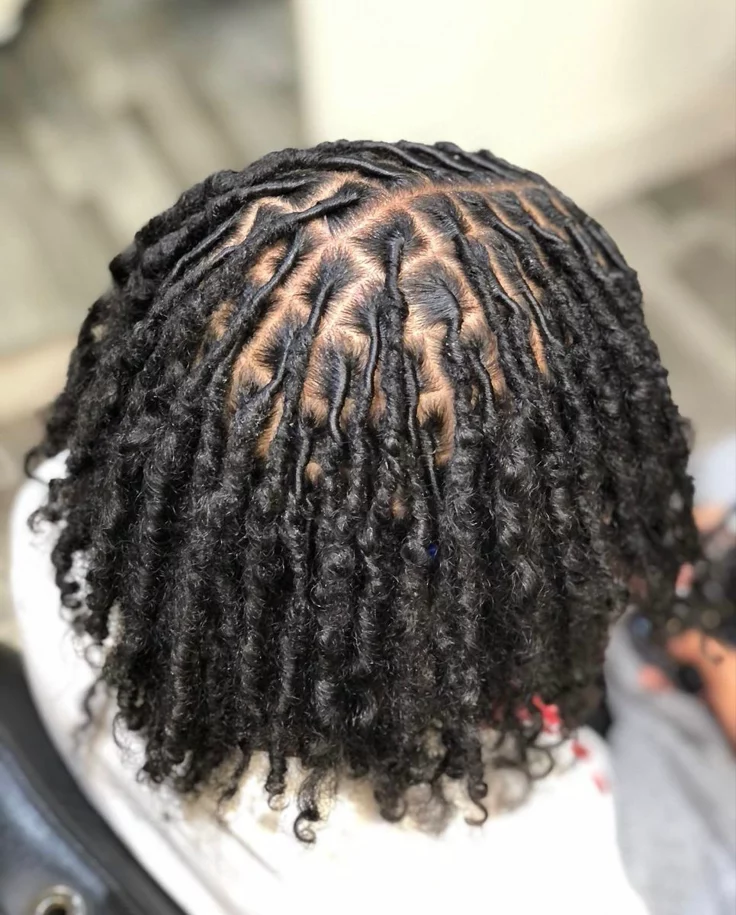
Save this for later: How to Retwist Your Locs Properly at Home
The pressure to keep locs looking freshly done all the time can lead to unhealthy habits. While a clean retwist can make locs look sleek and defined, constantly manipulating the roots places repeated tension on the scalp. Over time, this can weaken your hairline, thin your roots, and even cause breakage that may take months or years to repair.
I recommend this: Low Tension Loc Styles That Protect Your Hairline
One of the biggest problems with over-retwisting is that the damage often happens slowly and quietly. At first, your locs may still look neat and healthy on the outside. But underneath, your scalp could already be experiencing stress, inflammation, and weakening around the roots. Many people do not realize there is a problem until they begin noticing thinning edges, sore spots, or locs that feel weaker than before.
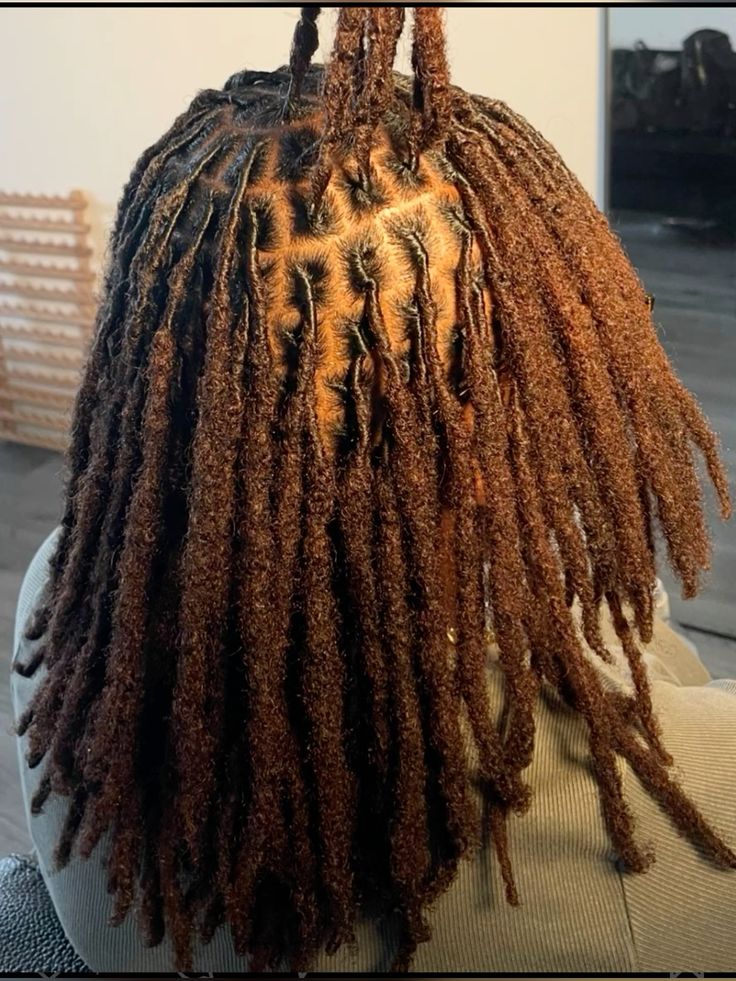
The good news is that your locs do not need constant retwisting to thrive. In fact, healthy locs naturally go through periods of frizz, puffiness, and new growth. Learning to give your hair enough time between retwists can help your locs become fuller, stronger, and healthier in the long run.
In this post, you will learn:
- The most common warning signs that you may be retwisting your locs too often
- How often you should safely retwist your locs based on your stage and hair type
- Simple ways to keep your locs looking neat without causing thinning, tension, or breakage
- Healthy loc maintenance habits that protect your scalp and support long-term growth
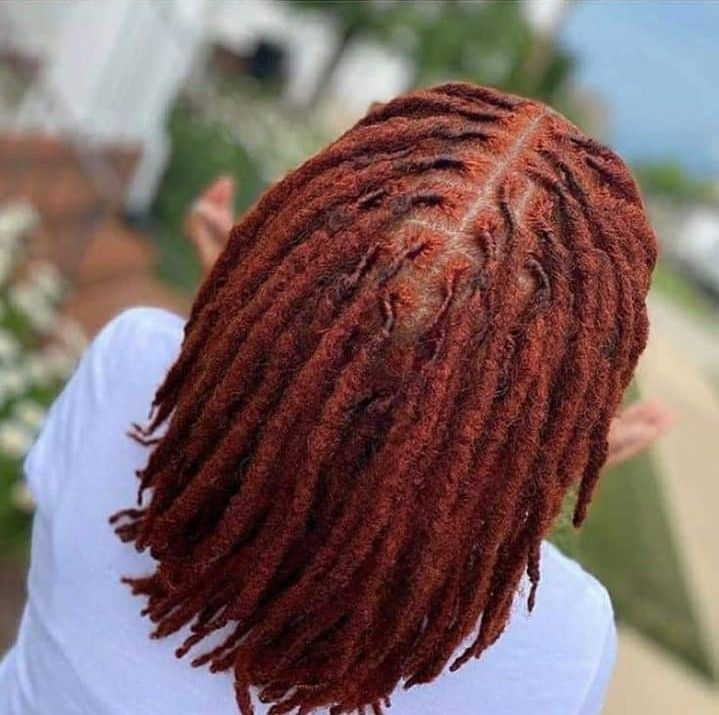
If you have been wondering whether your retwist routine is helping or hurting your locs, this guide will help you recognize the signs before serious damage happens.
Why People Retwist Their Locs Too Frequently
Many people over-retwist their locs with good intentions. They want their hair to look clean, polished, and maintained. However, constantly retwisting can slowly damage the health of your locs and scalp. Understanding why this happens can help you build a healthier loc routine that supports long-term growth instead of temporary neatness.
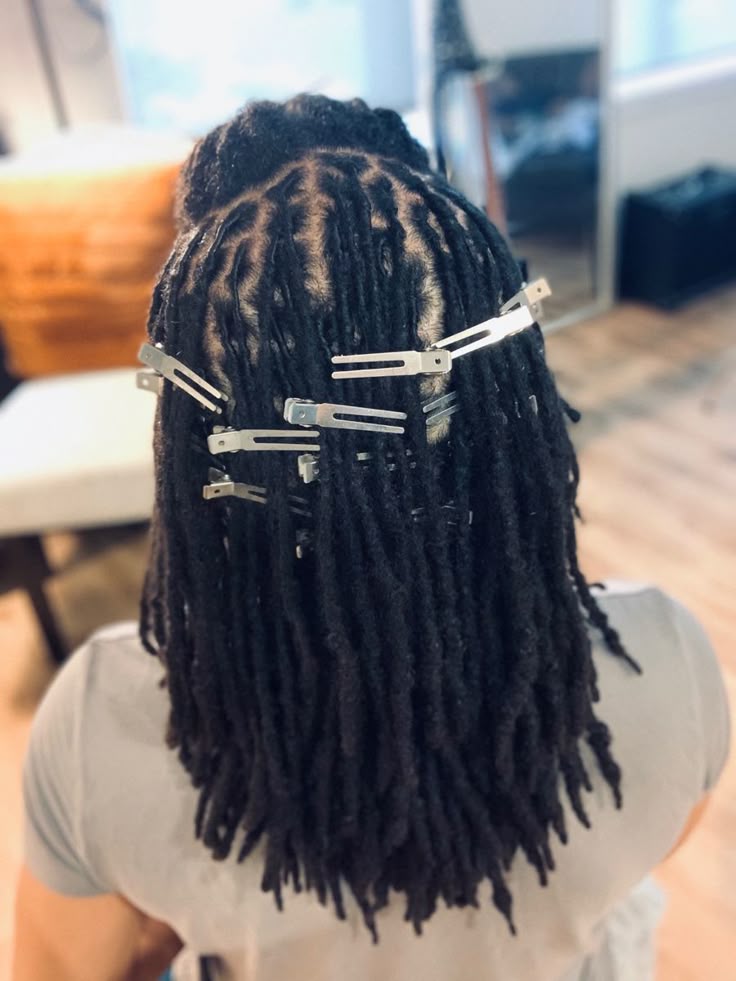
Save this idea for your next hair appointment: Starter Loc Methods that Last the Longest
Wanting a Constantly Neat Look
One of the biggest reasons people retwist too often is the desire to keep their locs looking freshly done at all times. A new retwist gives the roots a smooth, clean appearance that many people love. It can make locs look more defined, organized, and styled.
However, locs are not supposed to stay perfectly neat every day. New growth, puffiness, and frizz are completely normal parts of the loc journey. Trying to maintain that “just retwisted” appearance week after week often leads to excessive manipulation of the roots.

Many people begin to associate healthy locs with constantly sleek roots, when in reality, healthy locs usually have some natural texture and fullness between retwists.
Social Media Pressure and Unrealistic Expectations
Social media has heavily influenced how people view locs. Platforms like Pinterest, Instagram, and TikTok are filled with perfectly groomed loc styles that often show hair immediately after a fresh retwist. What many people do not see is that these styles are temporary.
Because of this constant exposure, some people start believing their locs should always look flawless with no frizz or new growth. This unrealistic expectation can create pressure to retwist too frequently just to maintain a picture-perfect appearance.

Save this before your next retwist: Can You Start Locs With Relaxed Hair?
In reality, healthy locs are lived-in. Even the healthiest locs will experience frizz, swelling, and loose hairs over time. Comparing your everyday locs to freshly styled social media photos can lead to unhealthy maintenance habits.
Fear of Frizz or Loose Roots
Frizz is one of the most misunderstood parts of having locs. Many people panic as soon as they notice fuzzy roots or loose hairs, assuming they urgently need another retwist.
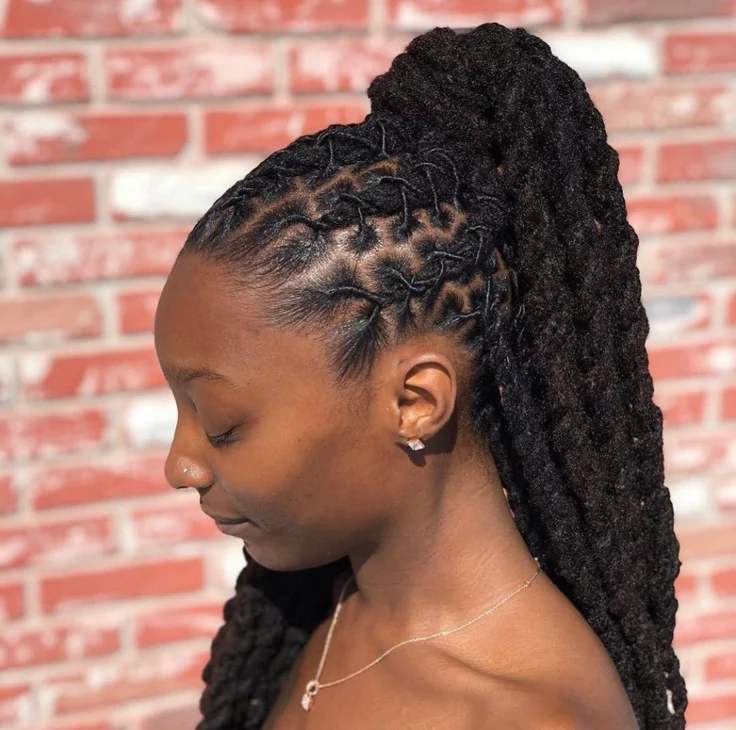
The truth is that frizz is normal and often necessary during the locking process. It helps the hair mesh together and form stronger locs over time. Constantly retwisting to eliminate frizz can interrupt your hair’s natural locking pattern and place unnecessary stress on your roots.
This is the guide everyone needs: How to Wash Starter Locs Without Unraveling Them (Step-by-Step Guide)
Loose roots are also common, especially as your hair grows. Growth at the roots does not mean your locs are messy or unhealthy. It simply means your hair is doing what it is supposed to do.
Going to Locticians Too Often
Some people develop the habit of booking appointments too frequently, especially when they enjoy the fresh look and confidence that comes after a retwist. While regular maintenance is important, overdoing it can weaken the roots over time.

I recommend you try this instead: Temporary and Fake Sisterlocks Styles That Look Real
In some cases, locticians may retwist too tightly or recommend appointments too close together, especially if the focus is more on appearance than long-term loc health. Frequent tension combined with tight styling can increase the risk of thinning edges and traction alopecia.
A healthy loc routine should prioritize scalp health and hair strength, not just neatness.
Misunderstanding What Healthy Locs Should Look Like
Many people simply have the wrong idea about what healthy locs are supposed to look like. Healthy locs are not always perfectly smooth or freshly retwisted. In fact, some degree of frizz and fullness is often a sign that your locs are growing and maturing properly.
Locs naturally change over time. They expand, soften, frizz, and develop character as they mature. Constantly forcing them into a sleek appearance can weaken their structure and reduce their fullness.
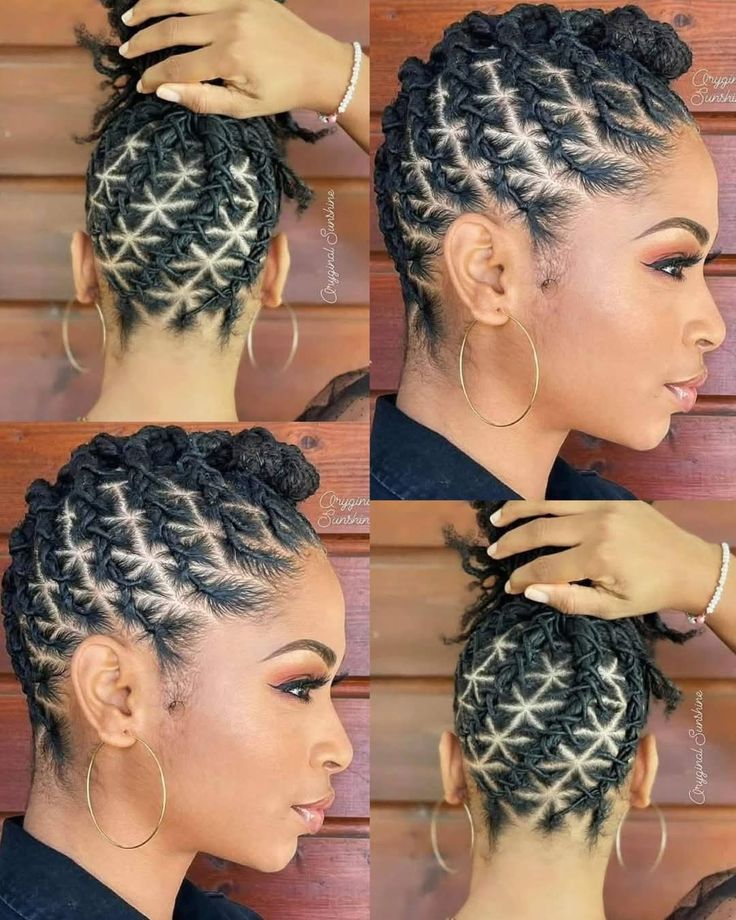
Once you understand that healthy locs do not need to look “fresh” every day, it becomes much easier to give your scalp and roots the rest they need.
How Often Should You Really Retwist Your Locs?
There is no single retwist schedule that works for everyone. The right timing depends on your stage of loc development, hair texture, lifestyle, and overall scalp health. However, one thing is certain: most people do not need to retwist as often as they think.
Trust me, you’ll want this saved to your hair board: Signs Your Locs Are Locking Properly (And When to Worry)
Giving your roots enough time between retwists helps reduce tension, maintain thickness, and support healthier long-term growth.
Recommended Retwist Schedule for Starter Locs
Starter locs usually require slightly more maintenance because the hair is still learning to lock and hold its shape. During the early stages, your roots may loosen faster, especially after washing or sweating.
Most locticians recommend retwisting starter locs every 4 to 6 weeks. This gives the hair enough time to begin matting properly without placing constant stress on the roots.

Retwisting too often during the starter phase can slow down the locking process and weaken fragile new locs. Patience is important during this stage because frizz and unraveling are completely normal.
Recommended Retwist Schedule for Mature Locs
Once your locs are mature and fully formed, they usually need far less maintenance. Mature locs are stronger, more stable, and better able to hold their shape without frequent twisting.
For most people, retwisting every 6 to 8 weeks is enough. Some people with thicker or slower-growing locs may even stretch their retwists longer without any problems.
The goal is not to eliminate all new growth. The goal is to maintain healthy roots while allowing your scalp enough time to rest between sessions.
Factors That Affect Retwist Frequency
Not everyone’s loc routine will look the same. Several factors influence how often you may need maintenance.
Hair Texture
Softer or looser curl patterns may unravel more quickly and sometimes require slightly more frequent maintenance. Tighter textures often hold loc patterns longer and may not need retwisting as often.
Active Lifestyle
If you exercise frequently, sweat heavily, or swim often, your roots may loosen faster. However, this still does not mean you should constantly retwist. Instead, focus on scalp care and protective styling between appointments.
Climate and Humidity
Humid weather can cause roots to swell and frizz more quickly. Dry climates may also affect how your scalp and locs behave. Weather conditions can influence how long your retwist lasts, but frequent retwisting is still not the healthiest solution.
Loc Size
Smaller locs and microlocs may need more regular maintenance because the sections are finer and more delicate. Larger locs often hold their structure longer and can usually go more time between retwists.
Why Your Scalp Needs Recovery Time
Your scalp and roots need time to recover after every retwist. Retwisting places tension on the hair follicles, especially when done tightly. Constantly pulling the roots before they have fully relaxed can weaken the hair over time.
Recovery time allows:
- The scalp to relax
- Hair follicles to reduce stress
- Roots to regain strength
- Natural oils to nourish the scalp
- Locs to thicken naturally
Without enough recovery time, repeated tension can eventually lead to thinning edges, weak roots, soreness, and breakage.
Healthy locs are built through patience, balance, and gentle maintenance. Allowing your scalp to rest is one of the best things you can do for stronger, fuller locs in the future.
15 Signs You Are Retwisting Your Locs Too Often
Over-retwisting does not usually damage your locs overnight. In many cases, the signs appear slowly over time, which makes them easy to ignore at first. Paying attention to these warning signs early can help you prevent long-term thinning, scalp damage, and breakage.
1. Your Locs Are Becoming Thin at the Roots
One of the clearest signs of over-retwisting is thinning near the roots. Repeated twisting places constant tension on the same areas of hair over and over again. Eventually, the roots begin to weaken because the follicles are under stress too frequently.
At first, you may notice that some locs look smaller near the scalp than they used to. The roots may also appear stretched, fragile, or less dense. If ignored, the thinning can become severe enough for locs to break off completely.
2. Your Scalp Feels Sore After Every Retwist
Healthy retwists should not leave your scalp feeling stressed for days. If your scalp hurts every time you get a retwist, your hair follicles are likely experiencing excessive tension.
Over time, repeated tight retwists can inflame the scalp and weaken the roots, increasing the risk of thinning and breakage.
3. You Notice Excessive Hair Shedding
Some shedding is natural with any hairstyle, but excessive shedding after retwisting is often a warning sign of over-manipulation.
Frequent retwisting repeatedly disturbs the roots before they have time to recover. This constant handling can loosen hairs prematurely and reduce overall hair retention.
4. Your Edges Are Starting to Thin
Your edges are some of the most delicate hairs on your head. Frequent retwisting combined with tight styles like ponytails, buns, or barrel twists can slowly damage the hairline.
At first, the edges may simply appear less full than before. Over time, bald spots, weak corners, or a receding hairline may begin to dev
5. Your Scalp Looks Red or Irritated
A healthy scalp should not look inflamed after maintenance. Redness, bumps, tenderness, or irritation are signs that your scalp is under stress.
This irritation can happen when:
- Retwists are done too tightly
- Products are overused
- The scalp is manipulated too often
- Hair follicles are constantly pulled
Ignoring scalp inflammation can eventually lead to long-term sensitivity and weakened follicles.
6. Your Locs Feel Weak or Fragile
Healthy locs should feel strong and stable. If your locs suddenly feel unusually soft, weak, or fragile near the roots, over-retwisting may be damaging their structure.
Constant manipulation prevents the roots from maintaining their natural strength. Instead of becoming thicker and stronger over time, the locs may gradually weaken from repeated tension.
7. You See Breakage Near the Roots
Breakage near the root area is a serious sign that your locs are under too much stress. When roots are repeatedly twisted tightly, the hair shaft weakens at its most vulnerable point.
Eventually, some locs may:
- Snap at the base
- Become dangerously thin
- Separate from the root
- Hang by a few strands
This type of damage often takes a long time to repair and may require combining or reattaching locs.
8. Your Locs Look Extremely Flat or Stiff
Healthy locs naturally have some body and texture. Constantly forcing them into a sleek shape can reduce their volume and make them look unnaturally thin over time.
Locs should not feel hard, lifeless, or overly compacted from constant maintenance.
9. Your Scalp Is Constantly Itchy
Persistent itchiness may be a sign that your scalp is irritated from too much manipulation or heavy product use.
Frequent retwisting often involves gels, creams, and edge-control products that can build up on the scalp over time. Combined with tension, this buildup may trigger itching, flaking, or discomfort.
10. Your Locs Are Thinning Unevenly
Uneven thinning is usually a sign that your scalp is struggling to handle the amount of stress being placed on it.
11. You Depend on Retwists for Your Locs to Look “Good”
If you feel uncomfortable with your locs unless they are freshly retwisted, you may be relying too heavily on constant maintenance. Locs do not have to look freshly done every day to be healthy and beautiful.
12. Your Hairline Keeps Moving Back
A receding hairline is one of the most serious warning signs of over-retwisting. Constant tension on the front of the scalp can slowly damage the follicles and lead to traction alopecia.
13. Your Locs Feel Dry All the Time
Frequent retwisting can leave locs feeling dry and brittle. Constant manipulation, heavy gels, and repeated exposure to heat during drying may strip moisture from the hair.
Healthy locs need moisture, balance, and minimal stress to thrive.
14. You Retwist Every 1–2 Weeks
For most people, retwisting every week or every two weeks is simply too frequent. Your scalp and roots rarely have enough time to recover between sessions.
In most cases, stretching retwists farther apart leads to healthier and fuller locs long term.
15. Your Loctician Has Warned You About Thinning
Professional locticians often recognize early signs of damage before clients do. Ignoring warnings about over-retwisting can allow the problem to worsen over time.
A good loctician prioritizes the health of your locs over keeping them constantly sleek.
What Happens If You Keep Retwisting Too Often?
Over-retwisting may seem harmless at first, but repeated tension can create serious long-term problems for both your scalp and your locs.
Traction Alopecia
Traction alopecia is hair loss caused by repeated pulling and tension on the hair follicles. Tight retwists, especially when combined with tight styling, can gradually weaken the follicles until they stop producing healthy hair.
This condition commonly affects:
- Edges
- Temples
- Crown areas
- Hairline regions
If caught early, some regrowth may be possible. However, severe cases can become permanent.
Permanent Thinning
Constant stress on the roots can permanently reduce hair density over time. Once follicles become severely damaged, they may not fully recover.
This can leave locs looking:
- Sparse
- Uneven
- Smaller than before
- Weak near the scalp
Preventing thinning is much easier than trying to reverse it later.
Weak Loc Structure
Healthy locs become stronger as they mature. But excessive retwisting can interfere with that process by weakening the roots and over-compressing the hair.
Weak locs may:
- Snap easily
- Become thin at the base
- Lose fullness
- Struggle to support their own weight
Strong locs require balance between maintenance and rest.
Scalp Sensitivity
A scalp that is constantly manipulated can become overly sensitive and irritated. Over time, you may notice:
- Tenderness
- Burning sensations
- Chronic itching
- Increased inflammation
Scalp health plays a major role in healthy hair growth, so constant irritation should never be ignored.
Breakage That Takes Years to Recover From
Loc damage can take a very long time to repair because locs grow gradually and require patience. Severe thinning or breakage may take years to improve, especially if entire locs break off at the root.
In some cases, people may need:
- Loc repairs
- Reattachments
- Combining weakened locs
- Extended recovery periods
This is why prevention is so important. Giving your roots enough time to rest now can save you from major damage later.
FAQs
Can retwisting too often cause thinning?
Yes, retwisting too often can absolutely cause thinning. Constantly twisting the roots places repeated tension on the hair follicles, especially around the hairline and crown. Over time, this stress can weaken the roots, cause breakage, and even lead to traction alopecia. If you notice your locs becoming thinner near the scalp, it may be a sign that your retwist routine is too frequent or too tight.
How long should I wait between retwists?
For most people, waiting about 4–6 weeks for starter locs and 6–8 weeks for mature locs is a healthier schedule. However, the exact timing depends on your hair texture, loc size, lifestyle, and scalp condition. The goal is to give your roots enough time to recover between sessions rather than constantly keeping them freshly twisted.
Is frizz a sign that I need a retwist?
Not always. Frizz is a completely normal part of having locs, especially during the early and middle stages of the loc journey. New growth and fuzzy roots do not automatically mean you need another retwist. In many cases, frizz simply means your hair is growing and locking naturally.
hould starter locs be retwisted more often?
Starter locs may need slightly more frequent maintenance because the hair is still learning to lock. However, that does not mean retwisting every week or two is healthy. Most starter locs do well with retwists every 4–6 weeks. Retwisting too often during the starter phase can actually weaken the roots and slow down the locking process.
Does frequent retwisting help locs grow faster?
No, frequent retwisting does not make locs grow faster. Hair growth happens from the scalp and is influenced by genetics, health, diet, and scalp care – not by how often you retwist. In fact, excessive retwisting can damage the follicles and reduce hair retention, making your locs appear thinner over time. Healthy locs do not require constant retwisting to thrive. While fresh retwists can look sleek and polished, overdoing them can slowly weaken your roots, irritate your scalp, and lead to long-term thinning or breakage. Learning to balance neatness with proper scalp care is one of the most important parts of maintaining strong, beautiful locs.
It is also important to remember that frizz, puffiness, and new growth are completely normal parts of the loc journey. Your locs are not supposed to look freshly done every single day. In fact, some natural texture is often a sign that your hair is growing and locking properly.
Check this out next: How Often Should You Moisturize Your Locs?
Prioritizing scalp health over constant neatness can help your locs become thicker, fuller, and stronger over time. Giving your roots enough rest between retwists allows your follicles to recover and reduces the risk of traction damage.
At the end of the day, healthy locs are built through patience, gentle maintenance, and realistic expectations. If you suspect you have been retwisting too often, now is the perfect time to adopt a healthier routine that protects both your scalp and your long-term loc growth.





9 Comments