
How Often Should You Retwist Starter Locs?
Disclosure: Some of the links in this post are affiliate links. This means if you click on the link and purchase an item, I will receive an affiliate commission at no extra cost to you. All opinions remain my own. I only recommend products or services I believe will add value to my readers.
Are you wondering How Often Should You Retwist Starter Locs? Starter locs are the beginning stage of loc journey where the hair is sectioned and encouraged to naturally mat and lock over time. Whether they’re started with comb coils, two-strand twists, braids, or interlocking, this stage is all about shaping the foundation of mature locs. Because the hair is still loose and forming its structure, maintenance plays a very important role, and that’s where retwisting comes in.
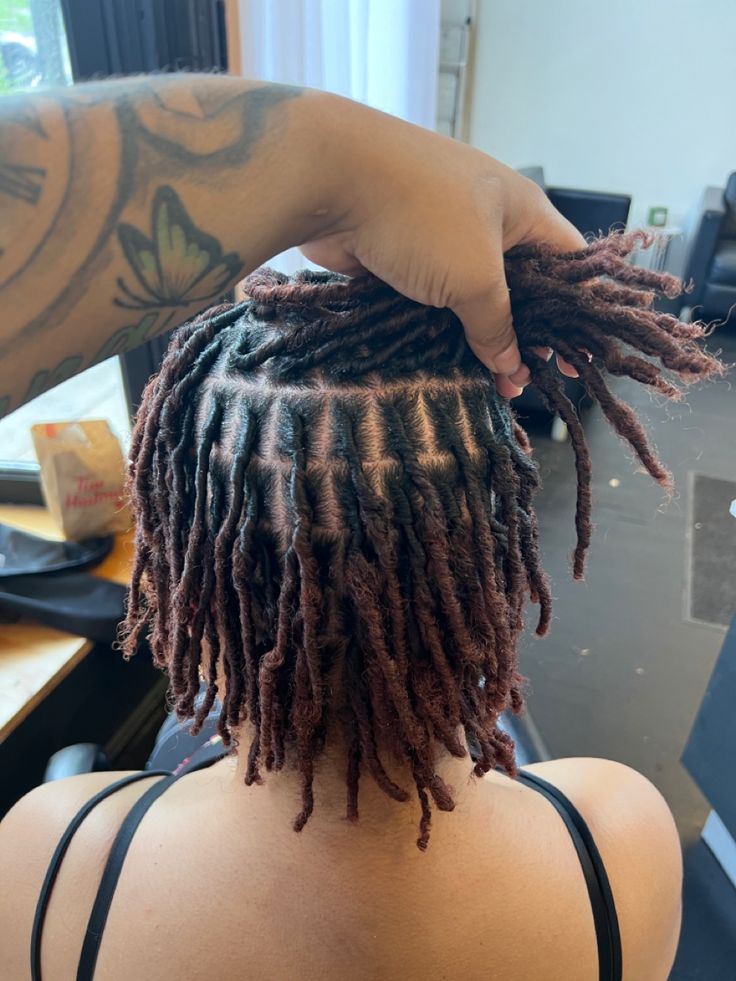
I recommend this: How Often Should You Retwist Mature Locs
Retwisting helps train the new growth to lock into the existing pattern, keeping the roots neat and helping each loc develop cleanly and evenly. But while it sounds simple, this is often where many beginners start to feel unsure. How often is “too often”? And what if you don’t retwist enough?
The truth is, this is one of the most common questions people ask when starting their loc journey: “Am I retwisting too often or not often enough?” The confusion is completely normal, especially with so many different opinions floating around online and from locticians.
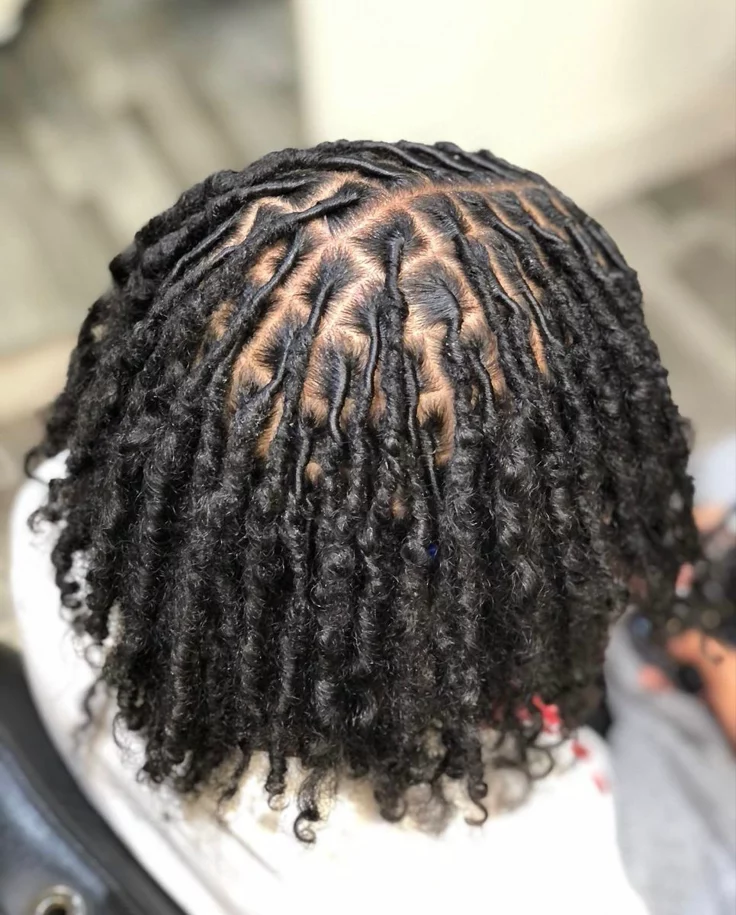
You will love this: How to Start Locs Yourself at Home Without a Loctician
What most people don’t realize at the beginning is that there is no universal retwist schedule that works for everyone. Your hair type, texture, lifestyle, and even the method used to start your locs all play a role in how often you should retwist. That’s why understanding the “why” behind retwisting is just as important as knowing the “how often.”
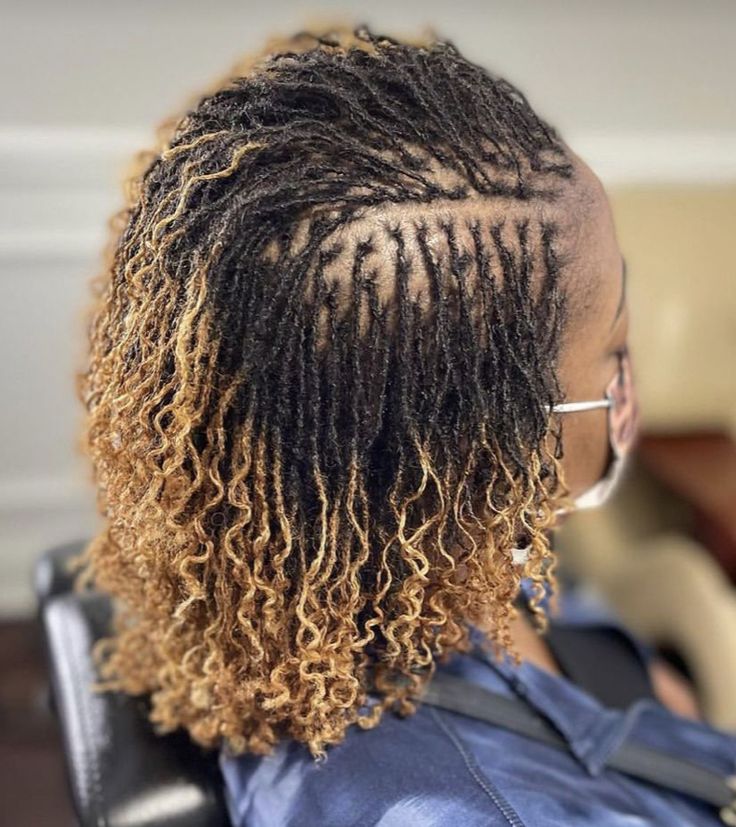
Why People Are Confused About Retwisting Frequency?
One of the biggest challenges for beginners is figuring out the right balance with retwisting, and this confusion usually comes from a mix of fear, pressure, and mixed information.
A major concern is the fear of causing thinning or breakage. Many people hear that retwisting too often can weaken the roots, especially if it’s done too tightly, so they become overly cautious and unsure about what’s actually safe.

At the same time, there’s constant tension between wanting neatness versus healthy growth. On one hand, people want their starter locs to look clean and presentable. On the other hand, they’re told that over-manipulating the hair can slow down or damage the locking process. This creates a lot of second-guessing.
Read this if you’re serious about your loc journey: Starter Loc Methods that Last the Longest
There is also social pressure to keep locs looking fresh. In a world where neat, polished locs are often seen as the standard, many beginners feel uncomfortable letting their roots get fuzzy or frizzy, even though that’s a natural part of the locking process.
To make things even more confusing, there are conflicting opinions from locticians and online sources. One person may recommend retwisting every two weeks, while another suggests waiting six to eight weeks. This inconsistency makes it hard to know what actually applies to your own hair.

Finally, many beginners worry that not retwisting often enough will slow down the locking process or cause their locs to combine or look messy. This fear often leads to over-maintenance or hesitation, both of which can interfere with the natural progression of starter locs.
All of these concerns combine to make retwisting frequency one of the most confusing parts of starting locs but understanding these worries is the first step to finding a routine that actually works for your hair.
What Retwisting Actually Does for Starter Locs
Retwisting is often seen as just a way to make your locs look neat, but it actually plays a deeper role in how your starter locs develop over time.
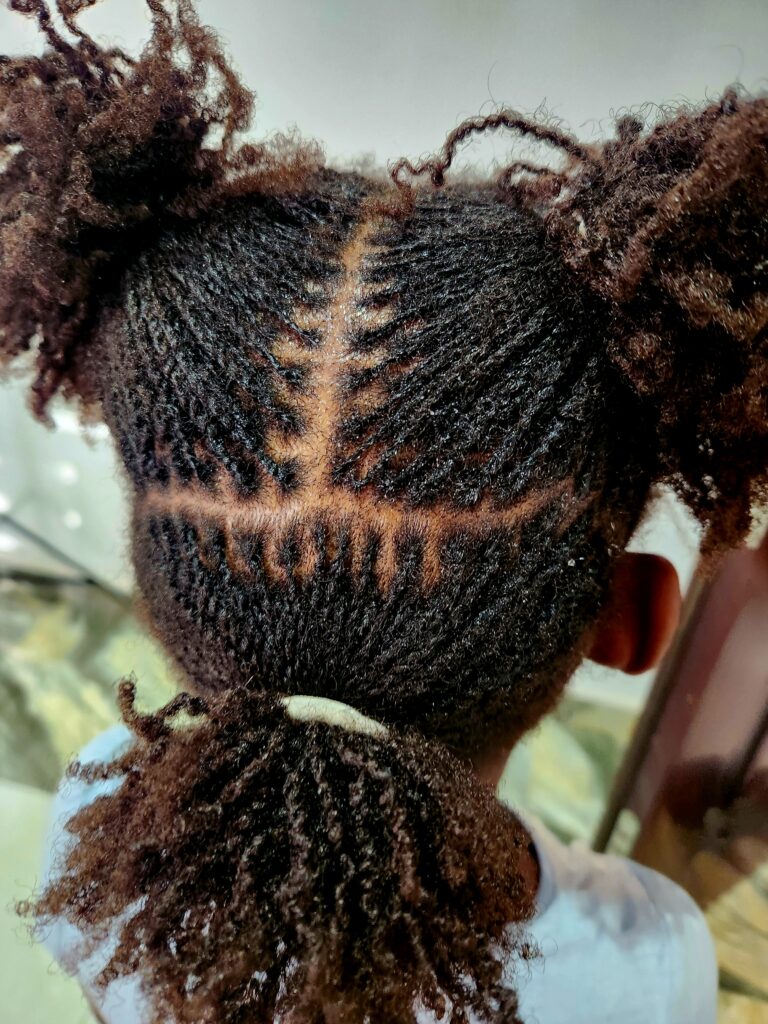
First, it keeps new growth organized. As your hair grows, the roots begin to loosen and expand. Retwisting helps guide that new growth back into its original section, preventing it from spreading into neighboring locs or creating uneven parts.
It also helps locs form and mature properly. During the starter phase, your hair is still learning the pattern of locking. By gently retwisting, you’re encouraging the strands to follow a consistent direction, which supports a more uniform and well-formed loc as it matures.
Another important benefit is that it prevents excessive matting at the roots. Without occasional maintenance, new growth can tangle in random ways, making it harder to separate locs later on. Retwisting helps maintain clean sections and reduces the chances of locs unintentionally combining.
However, this is where balance becomes important. While retwisting is helpful, over-retwisting can do more harm than good. Constant manipulation, especially if done too tightly or too frequently, can stress the roots, weaken the hair shaft, and eventually lead to thinning or breakage. Healthy locs are not just about neatness; they’re about maintaining strong roots over time.
How Often Should You Retwist Starter Locs?
The honest answer is that retwist frequency isn’t the same for everyone, but there are reliable guidelines you can follow based on your hair type and lifestyle.
For most people, a good starting point is every 4–6 weeks. This gives your hair enough time to grow and begin locking naturally, while still keeping your parts manageable and your locs structured.

If you have fine or soft hair, you may find that your roots loosen more quickly. In this case, retwisting every 3–4 weeks can help maintain control and keep your locs from unraveling too much in the early stages.
On the other hand, if you have coarse or 4C hair, your texture tends to hold patterns better and lock faster. You can usually stretch your retwist schedule to every 5–8 weeks, allowing your locs to mature with less frequent manipulation.
Your daily routine also matters. If you live an active lifestyle or sweat frequently, your roots may loosen faster due to moisture and movement. In this situation, you might need slightly more frequent maintenance, but it’s still important not to overdo it or retwist too tightly.
The key takeaway is this: retwisting should support your loc journey, not control it. Sticking within these ranges while paying attention to how your hair responds will help you find the rhythm that works best for you.
Signs You’re Retwisting Too Often
It’s easy to think that frequent retwisting will keep your locs looking neat and help them form faster, but overdoing it can actually slow your progress and damage your hair. One of the clearest signs is thinning at the roots. If you notice your locs looking smaller or weaker near the base, it may be a result of too much tension from constant manipulation.

Another red flag is excessive scalp tension or pain. Retwisting should never feel uncomfortable or sore for days. If your scalp feels tight, tender, or irritated after each retwist, it’s a sign that your hair is being stressed too often or too tightly.
I recommend this: Signs Your Locs Are Locking Properly (And When to Worry)
You may also start to see breakage around the hairline, which is one of the most delicate areas of your scalp. Frequent retwisting can weaken these edges over time, leading to thinning or even permanent damage if not addressed early.
Interestingly, over-retwisting can also lead to slower locking progress. When you constantly manipulate your hair, you interrupt the natural matting process that helps locs form. Instead of allowing your hair to settle and lock, you’re repeatedly resetting it, which can delay maturity.
Signs You’re Waiting Too Long
On the flip side, waiting too long between retwists can create its own set of challenges, especially during the starter phase when your locs are still forming.
One major sign is severe matting between locs. While some frizz and tangling are normal, excessive matting at the roots can make it harder to maintain clean sections and may require extra time (or even professional help) to fix.
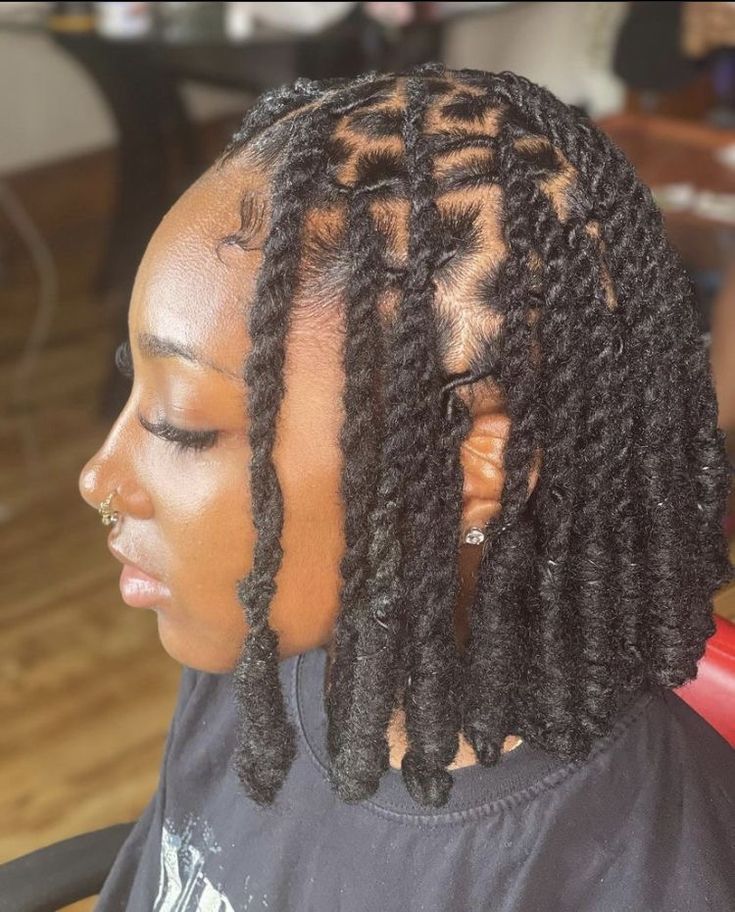
You might also notice locs combining unintentionally. When new growth isn’t separated regularly, neighboring locs can start to merge at the roots, which can change your parting and overall loc size.
Another issue is difficulty separating new growth. The longer you wait, the more intertwined the hair becomes, making maintenance more painful and time-consuming when you finally do retwist.
Finally, there’s uncontrolled frizz or overly messy roots beyond the normal starter stage. While frizz is expected early on, there’s a difference between natural budding and complete loss of structure. If your locs are losing their defined sections entirely, it may be a sign that you’ve stretched your retwist schedule too far.
Finding the right balance is key. Both extremes, too often or not enough, can interfere with healthy loc development. Learning to recognize these signs early helps you adjust your routine before small issues turn into long-term problems.
Factors That Affect Your Retwist Schedule
Your ideal retwist routine isn’t random, it’s shaped by a few key factors that determine how your hair behaves during the starter phase.
Hair texture plays a big role. If you have tightly coiled hair like 4C, your locs tend to hold their shape longer and lock faster, which means you can usually go longer between retwists. Looser curl patterns, on the other hand, may unravel more easily and need more frequent maintenance to stay defined.
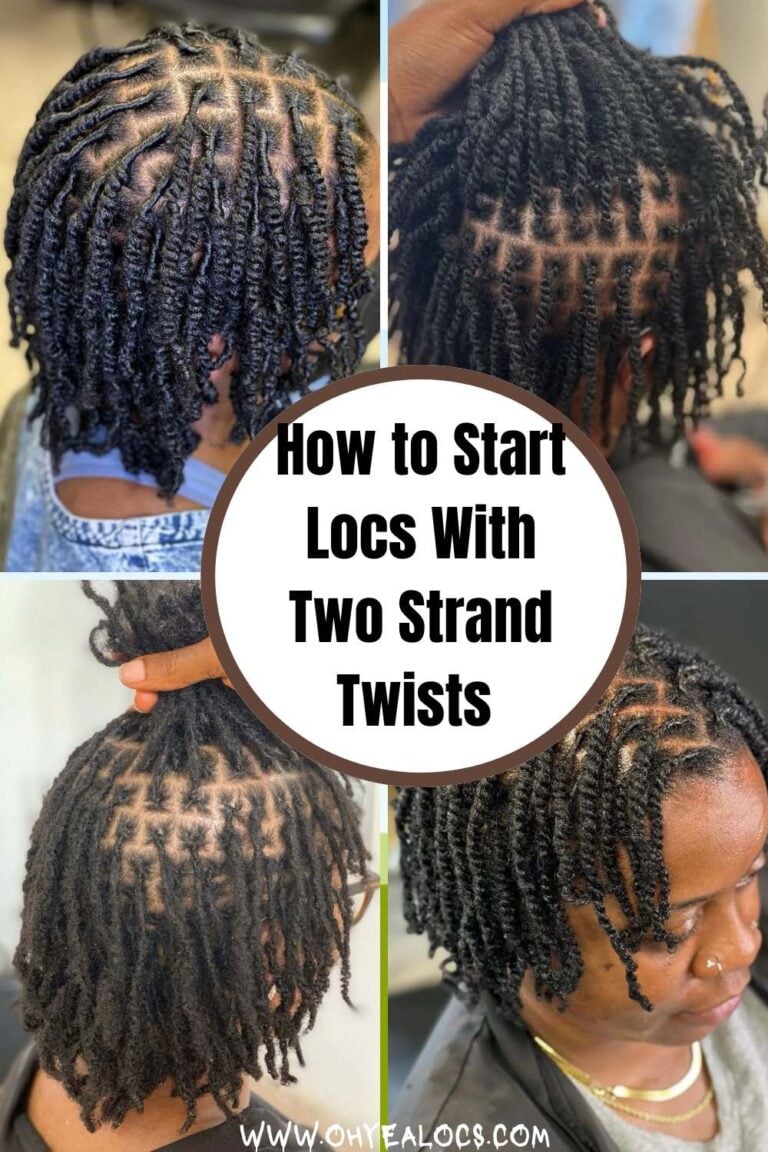
Your starter loc method also matters. Two-strand twists and braids generally hold up longer, while comb coils may unravel quicker and need earlier maintenance. Interlocking is different because it knots the hair at the root, often allowing for longer gaps between sessions.
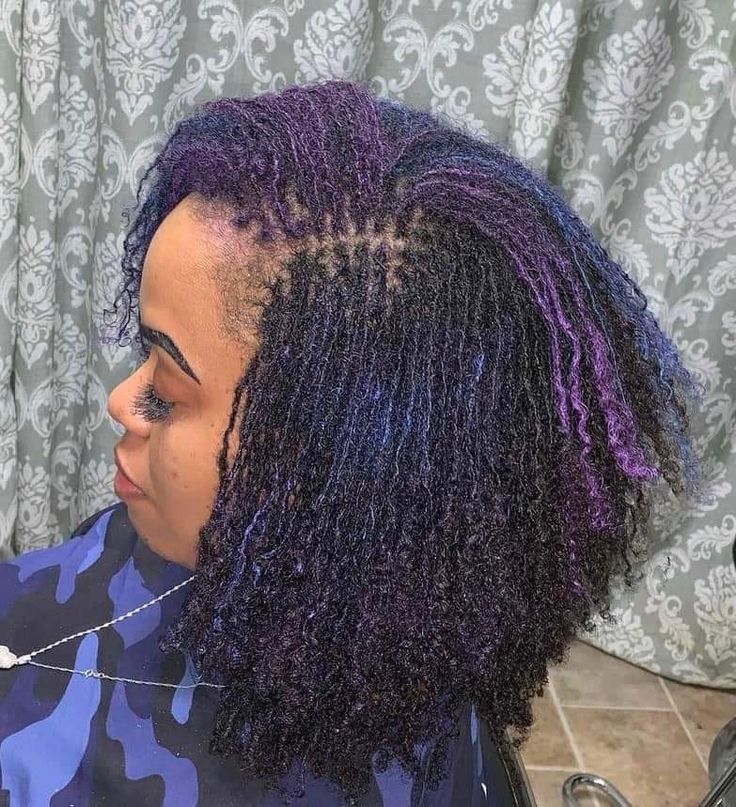
Another factor is product usage and buildup. Heavy gels, waxes, or creams can weigh your locs down and cause buildup at the roots, which may interfere with how often (and how well) you retwist. Keeping products light and minimal helps maintain a healthier schedule.
Your lifestyle is just as important. If you sweat often from workouts or live in a humid environment, your roots may loosen faster, making you feel like you need more frequent retwists. The key is adjusting without over-manipulating.
Finally, consider your desired look. If you prefer a consistently neat, polished appearance, you may retwist more often. If you’re comfortable with a more natural or semi-freeform look, you can stretch your schedule and allow your locs to develop with less interference.
How to Maintain Starter Locs Between Retwists
What you do between retwists is just as important as the retwist itself. Proper maintenance helps your locs stay healthy without needing constant manipulation.
Start with a simple scalp care routine. Keeping your scalp clean is essential, but avoid over-washing, especially in the early stages when your locs can unravel easily. Find a balance that keeps your scalp fresh without disrupting your progress.
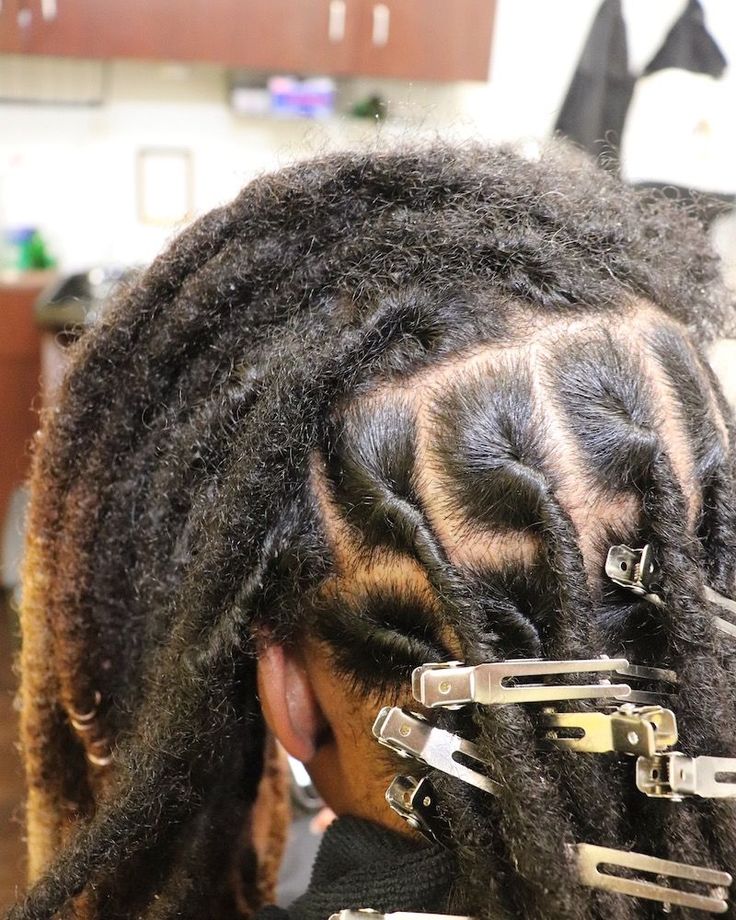
When it comes to moisturizing, less is more. Use light, water-based products or natural oils to keep your hair hydrated without causing buildup. Heavy products can clog the roots and make future retwists less effective.
Night protection is a game changer. Sleeping with a satin or silk bonnet, scarf, or pillowcase helps reduce friction, prevent frizz, and keep your locs from unraveling while you sleep.
Most importantly, avoid constant manipulation. Twisting, pulling, or restyling your locs too often can weaken them over time. Let your hair rest and do what it naturally needs to do -lock.
Professional vs DIY Retwisting: What You Should Know
Deciding whether to retwist your locs yourself or visit a professional depends on your experience, budget, and comfort level.
A professional loctician brings expertise and consistency. They understand proper tension, parting, and technique, which can help prevent damage and keep your locs uniform. This is especially helpful in the early stages when your foundation is being set. However, regular salon visits can be costly and may not always fit your schedule.
On the other hand, DIY retwisting gives you flexibility and saves money. It allows you to learn your hair and maintain it on your own terms. The downside is that without proper technique, it’s easy to retwist too tightly, create uneven parts, or over-manipulate your roots.
You should consider seeing a loctician if you’re unsure about your technique, noticing thinning, or struggling with parting and maintenance. Getting professional guidance early can prevent long-term issues.
One of the biggest risks of retwisting at home is applying too much tension. Tight retwists may look neat at first, but they can stress your scalp and lead to thinning over time. Whether you go professional or DIY, gentle handling is always the priority.
Common Mistakes Beginners Make
Many starter loc challenges come down to a few common mistakes that are easy to avoid once you’re aware of them.
One of the biggest is retwisting too tightly. While a sleek look might be tempting, excessive tension can damage your roots and lead to long-term thinning.
Another frequent mistake is retwisting too often. Constantly manipulating your hair interrupts the locking process and can weaken your locs instead of helping them form.
Using heavy products that cause buildup is also a common issue. Waxes, thick gels, and creamy products can sit in your locs, making them harder to maintain and slowing down the locking process.
Save this for later: How Often Should You Moisturize Your Locs?
Lastly, many beginners end up ignoring scalp health. A dry, itchy, or irritated scalp can affect how your locs grow and feel overall. Healthy locs start with a healthy scalp, so regular care and attention are essential.
Understanding these factors and avoiding these mistakes will help you build a routine that supports strong, healthy locs without unnecessary stress or confusion.
Expert Tip Section
When it comes to starter locs, one of the most valuable lessons you can learn early is this: less is more. It might feel like constant retwisting, styling, and product use will speed things up or keep your locs looking their best, but in reality, overdoing it often slows progress and puts unnecessary stress on your hair.
Healthy locs thrive with minimal manipulation. Giving your hair time to settle, tangle, and naturally form is what allows strong, well-structured locs to develop from the inside out.
Another important mindset shift is letting go of the need for constant neatness. Starter locs are not meant to look perfect all the time. Frizz, puffiness, and loose roots are all part of the process. Trying to force a polished look too early can lead to over-retwisting, which may weaken your roots over time.
Most importantly, you have to trust the locking process. Locs take time to mature, and no amount of frequent retwisting can replace patience. Each stage, no matter how messy it may seem is contributing to the final result. The more you allow your hair to evolve naturally, the stronger and healthier your locs will be in the long run.
So, how often should you retwist starter locs? For most people, the ideal range falls around every 4–6 weeks, but as you’ve seen, this can vary depending on your hair texture, lifestyle, and personal preferences.
The key is not to follow a rigid schedule, but to pay attention to what your hair actually needs. Trends, opinions, and even well-meaning advice won’t always apply to your unique hair journey.
If your roots feel stressed, it may be time to slow down. If your locs are becoming difficult to manage, it might be time for maintenance. Learning to read these signs will help you find your perfect rhythm.
Save this for later: How to Start Locs on Damaged Hair Safely
Above all, remember this: starter locs are a journey, not a phase that needs to look perfect. There will be frizz, there will be growth, and there will be moments where things feel uncertain, but that’s all part of the process. With patience, consistency, and gentle care, your locs will develop into exactly what they’re meant to be.





2 Comments