How to Start Locs With the Interlocking Method (Step-by-Step Beginner Guide)
Disclosure: Some of the links in this post are affiliate links. This means if you click on the link and purchase an item, I will receive an affiliate commission at no extra cost to you. All opinions remain my own. I only recommend products or services I believe will add value to my readers.
Starting locs is an exciting step in a natural hair journey. For many people, locs represent patience, self-expression, and a commitment to embracing their natural hair texture. However, choosing the right starter method can sometimes feel overwhelming, especially for beginners.
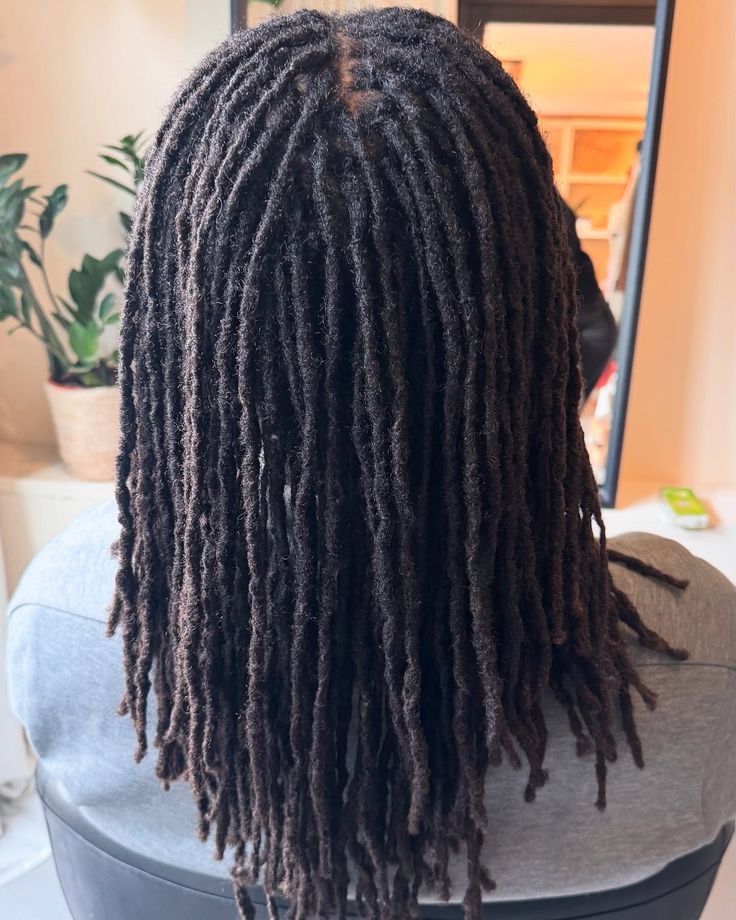
One popular method many people choose is the interlocking method. This technique creates a secure foundation for locs and works well for different hair types and lifestyles. If you are considering starting your loc journey, learning how the interlocking method works can help you decide if it is the right choice for you.
In this guide, you will learn what the interlocking method is, how to start locs using this technique, and how to maintain healthy interlocked locs as they grow.
Let’s get into it real quick!
What Is the Interlocking Method for Locs?
The interlocking method is a technique used to start or maintain locs by pulling the end of the hair through the base of the loc. Instead of twisting the hair around itself, a special tool or fingers are used to loop the hair through the root in a specific pattern.
This method essentially knots the hair at the base, helping the loc stay secure as it grows. Because the hair is looped through itself, interlocking can hold the loc firmly in place even after washing.
Open this guide: Different methods of starting locs
Many locticians use a small tool called an interlocking needle or latch hook, though some people prefer to interlock using their fingers. The result is a neat and long-lasting loc foundation that requires less frequent maintenance compared to some other methods.
Benefits of Starting Locs With the Interlocking Method
There are several reasons why many people choose the interlocking method to begin their loc journey. One major benefit is durability. Interlocked locs are tightly secured at the root, which means they are less likely to unravel after washing.
Another advantage is low maintenance. Because the locs are firmly locked into place, you may not need to retighten them as often as other starter methods.
Read this: Starter locs method that last the longest
Interlocking also works well for people with active lifestyles. If you exercise frequently, swim, or wash your hair often, interlocked locs tend to hold their structure better.
What more? The method is suitable for different hair textures, including softer curl patterns that may struggle to stay twisted using other techniques.
Who Should Start Locs With the Interlocking Method?
While the interlocking method can work for many people, it is especially beneficial for certain individuals.
People with loose curl patterns or fine hair may find that traditional twisting methods unravel quickly. Interlocking helps secure the hair so the locs stay intact.
This guide is for you: 10 things i wis i knew before starting locs
It is also a good option for those who wash their hair frequently. Since the locs are knotted at the root, they are less likely to come undone during washing.
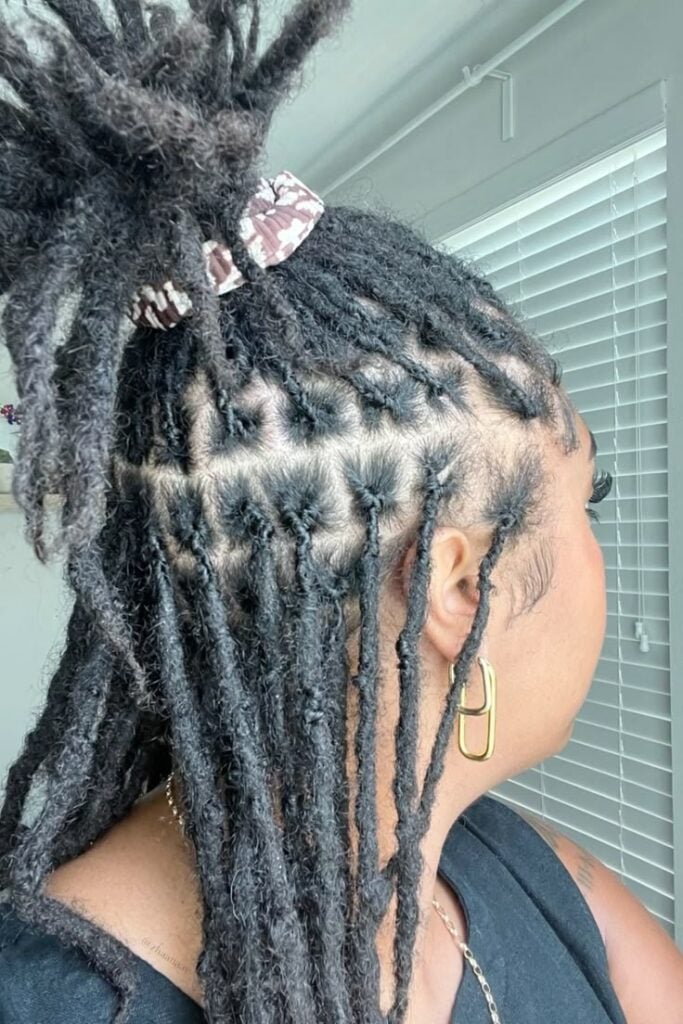
If you prefer a longer gap between maintenance sessions, interlocking can be helpful because the roots stay neat for longer.
However, individuals who prefer a very soft and fluffy loc appearance may prefer other methods, since interlocking can create a tighter structure.
Interlocking vs Palm Rolling – What’s the Difference?
Palm rolling and interlocking are two common methods used to maintain locs, but they work very differently. Palm rolling involves rolling the loc between your palms to encourage the hair strands to tangle and form a loc. This method creates a more natural and rounded look, but the roots may unravel easily when exposed to water.
Interlocking, on the other hand, involves pulling the end of the loc through the root in different directions to tighten it. This method creates a firm knot at the base that holds the loc securely.
Save this: Best starter locs method for soft hair
While palm rolling often requires more frequent maintenance, interlocking usually lasts longer between retightening sessions.
Both methods can produce beautiful locs, but the best choice often depends on your hair texture, lifestyle, and personal preference.
Save this for later: Two strand twist vs comb coils: which is better
What Hair Type Works Best for Interlocking Locs?
Interlocking works well on a wide range of hair textures, but it is particularly helpful for certain hair types.
People with loose curls or wavy hair often benefit from this method because their hair naturally holds twists for long.
Those with fine or silky hair strands may also find that interlocking helps the locs stay intact during the early stages.
Even individuals with tightly coiled hair can use the interlocking method successfully. In fact, many people with type 4 hair choose interlocking for its durability and neat appearance.
Regardless of hair type, patience is still required because locs develop gradually over time.
Pin this: Worst starter locs method for beginners
What You Need Before Starting Interlocked Locs
Before starting locs with the interlocking method, it is helpful to gather a few basic tools and products.
Common items include:
• A rat-tail comb for sectioning the hair
• Hair clips to hold sections in place
• An interlocking tool or latch hook
• Moisturising spray or leave-in conditioner
• Gentle shampoo for washing the hair
You may also want to decide how you want your locs parted, since the parting pattern will influence the final appearance of your locs.
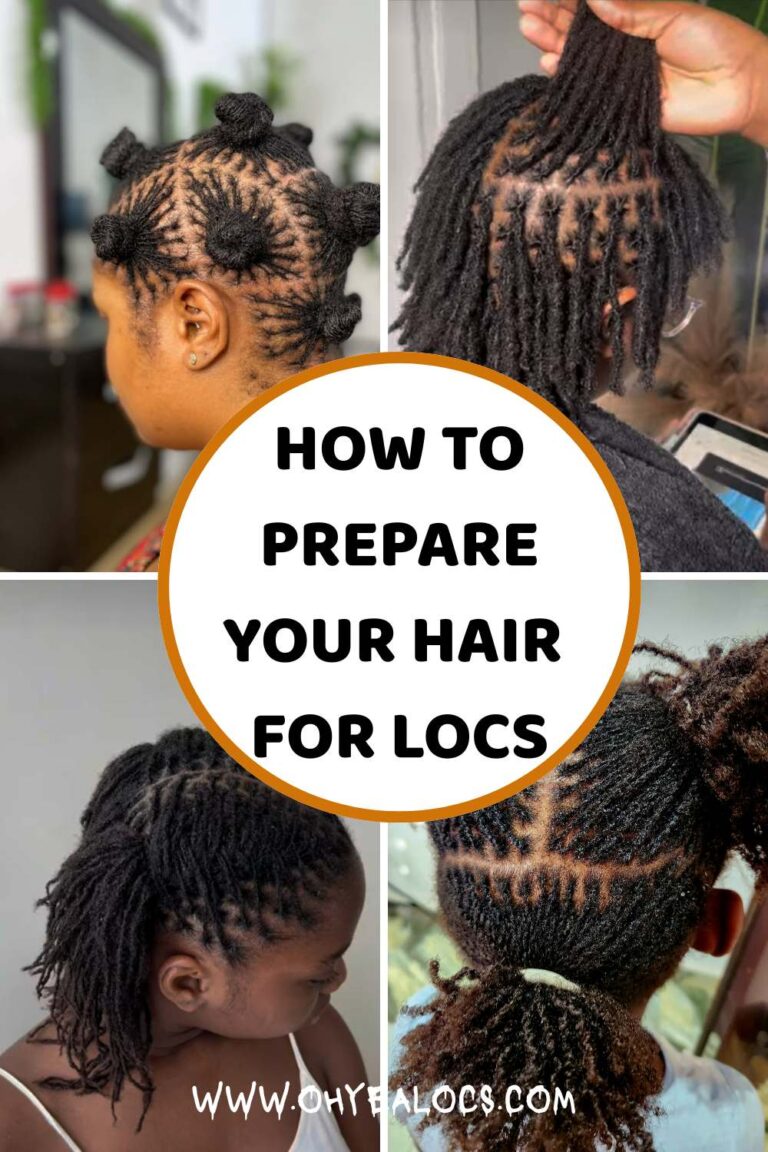
How to Prepare Your Hair Before Interlocking
Proper preparation can make the interlocking process smoother and more successful. Here are some prep tips:
Start by washing your hair with a clarifying shampoo to remove any product buildup. Clean hair allows the locs to form more easily.
Next, detangle your hair gently to remove knots that could interfere with sectioning.
This guide will help you: How to prepare your hair before locs
After washing, allow the hair to dry completely or become slightly damp before beginning the interlocking process.
Finally, divide the hair into even sections based on the size you want your locs to be. Smaller sections create thinner locs, while larger sections produce thicker locs.
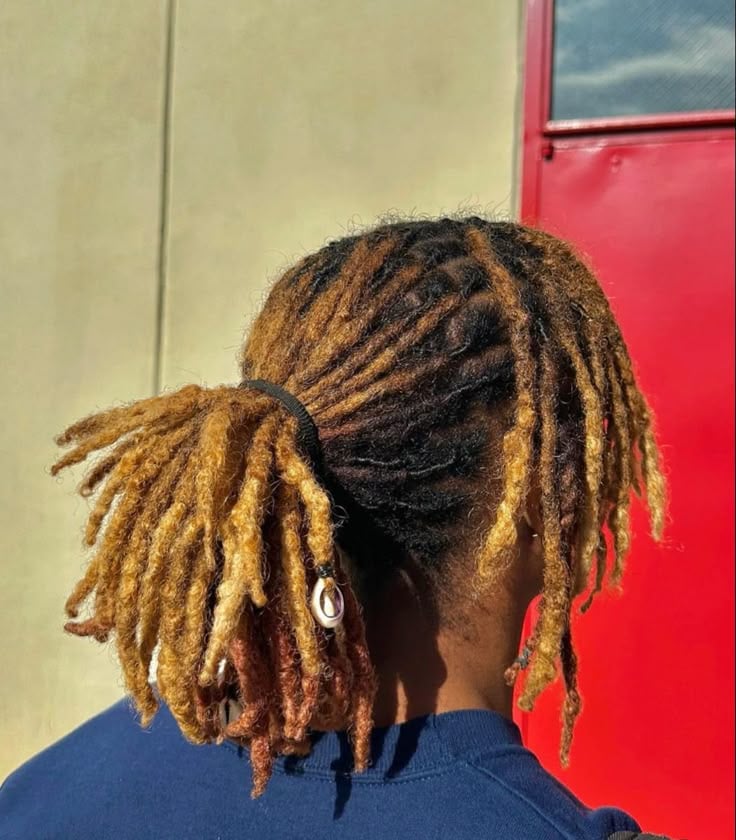
How to Start Locs With the Interlocking Method
Starting locs with interlocking requires patience and careful sectioning. Here’s a step-by-step guide on how to go about it:
First, part the hair into your desired sections and secure each section with clips.
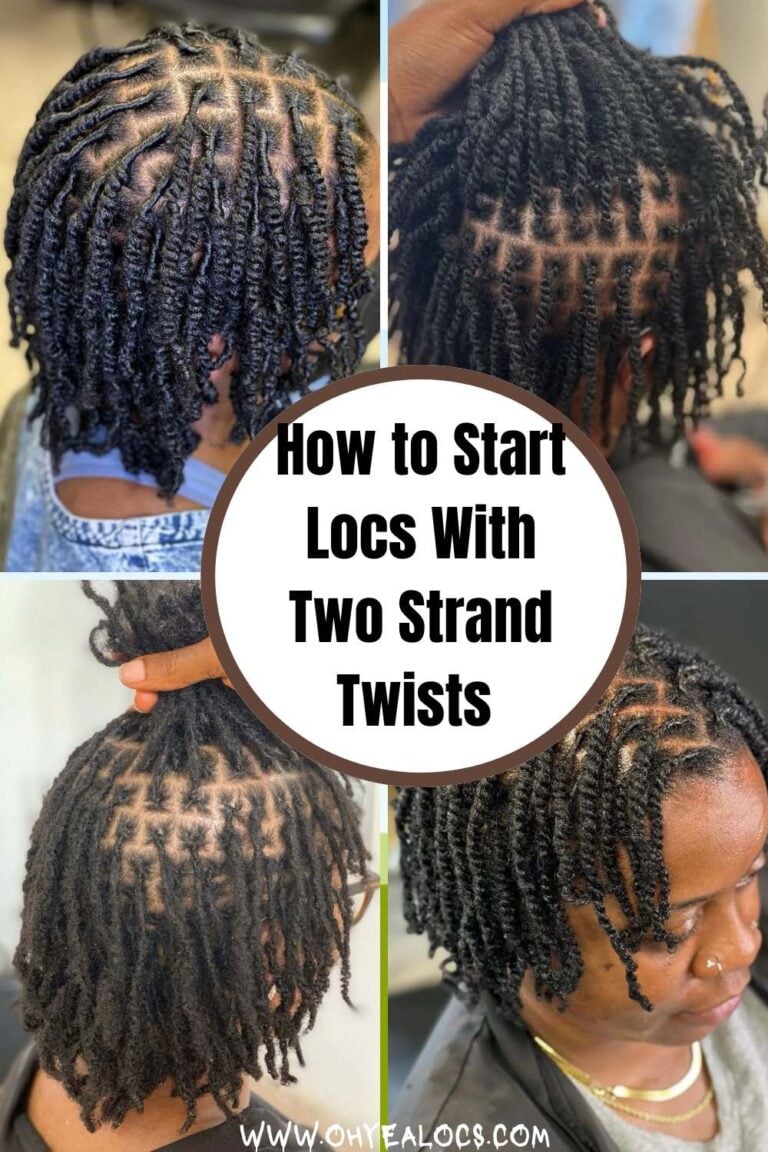
Next, take one section of hair and begin forming a small starter loc. Some people start with a two-strand twist or small coil before interlocking.
You might need this: How to start sisterlocks on short 4c
Insert the interlocking tool through the base of the loc near the scalp. Then pull the end of the loc through the root from different directions, typically north, south, east, and west. This creates a tight knot that secures the loc.
Repeat this process for each section until your entire head is completed. If you are new to interlocking, you may consider visiting a professional loctician to ensure the technique is done correctly.
How Long Does It Take for Interlocked Locs to Form?
Locs do not form overnight. Even with the interlocking method, the locking process takes time. Most starter locs go through several stages, including the starter stage, budding stage, and mature stage.
For many people, locs begin to mature within 6 to 12 months, though the timeline can vary depending on hair texture, maintenance routine, and lifestyle.
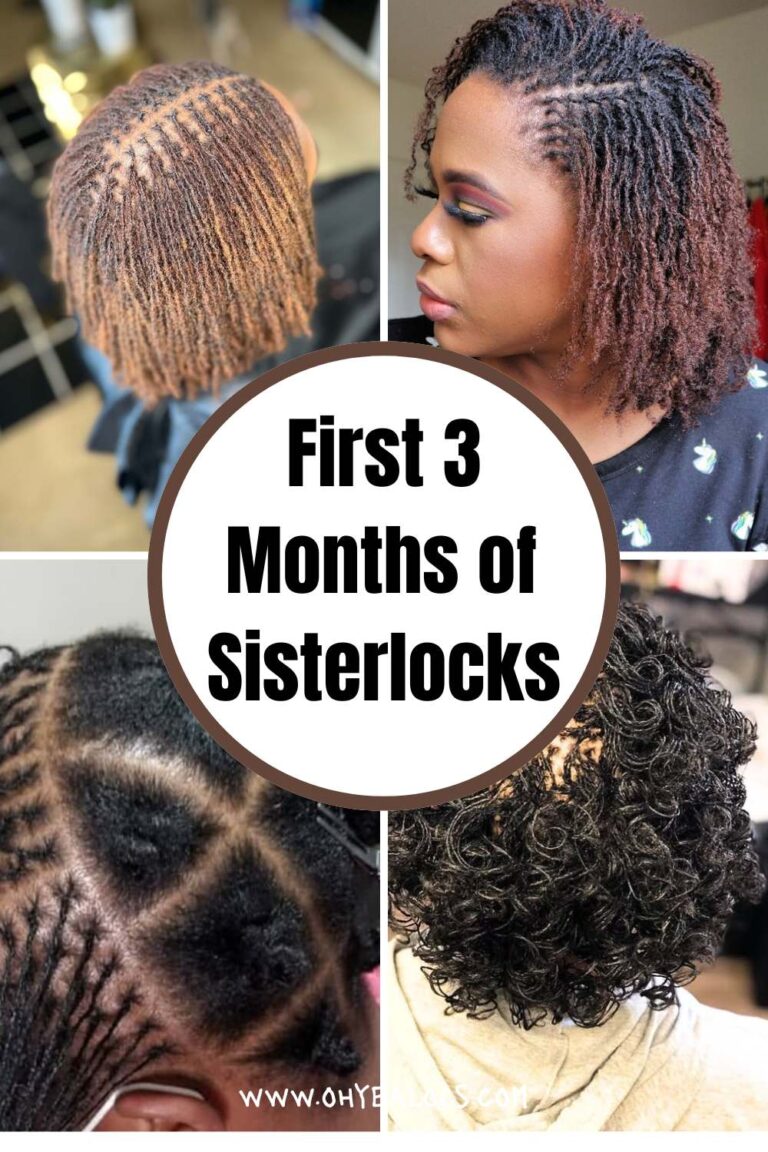
See this: What happens in the first 3 months of locs hair journey
During this time, the locs may appear frizzy or uneven. This is a normal part of the locking process. Patience is essential because locs gradually tighten and strengthen over time.
How Often Should You Interlock Your Locs?
Maintenance frequency depends on how fast your hair grows and your personal preference. Many people choose to interlock every 6 to 8 weeks to keep the roots neat.
Loc care tips here: How to maintain your locs between retigtening
Interlocking too frequently can place tension on the scalp and weaken the hair, so it is important to allow enough time between sessions. Some individuals prefer to wait longer between maintenance appointments to avoid unnecessary stress on the hair.
Tips to Maintain Healthy Interlocked Locs
Maintaining healthy locs involves more than just retightening the roots. Here are a few maintenance tips:
-Regularly moisturise your hair and scalp using water-based sprays or natural oils.
Check this out: How to care for your locs the right way
-Keep your scalp clean by washing your locs regularly with a gentle shampoo.
-Protect your hair at night by wearing a satin or silk bonnet or using a satin pillowcase.
-You should also avoid excessive pulling or tight styling, as this can damage the roots over time.
Common Mistakes to Avoid When Interlocking Locs
One common mistake to avoid is interlocking too tightly. Excessive tension can cause scalp discomfort and hair breakage.
Another mistake is retightening too frequently, which can weaken the hair strands.
Some beginners also create uneven parting, which may lead to irregular loc sizes.
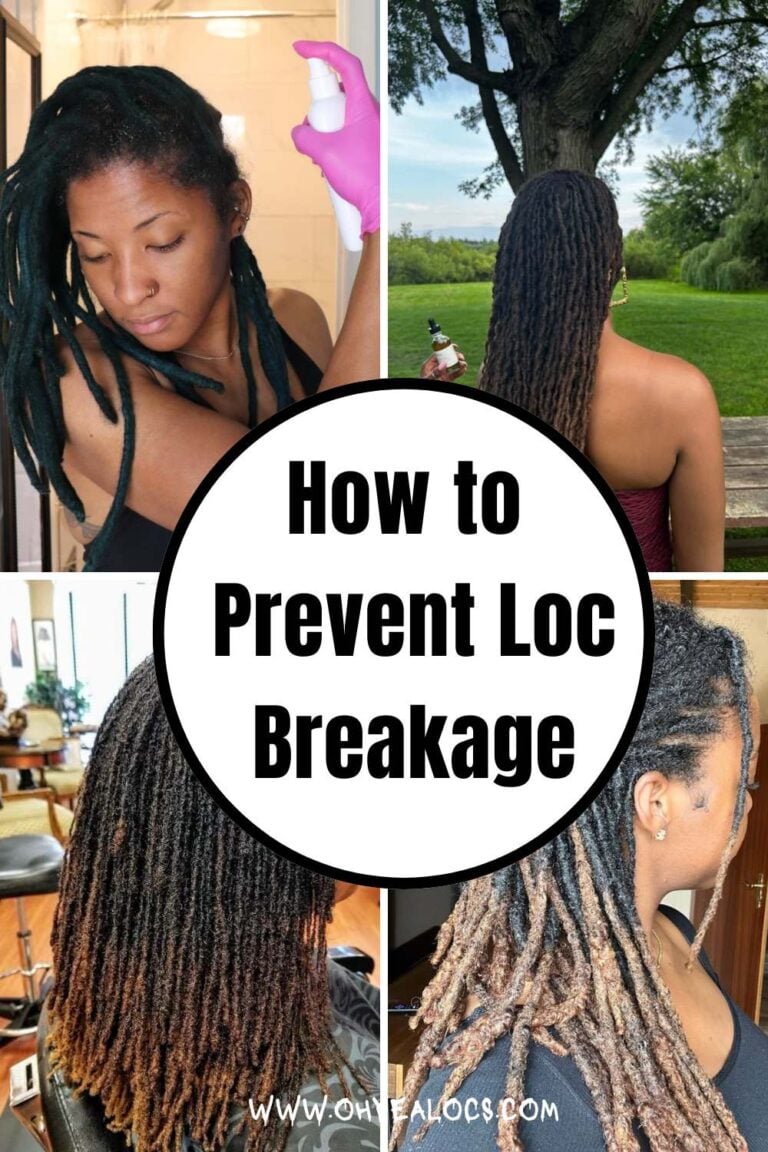
Keep this page open: Starter locs mistakes that ruin your locs journey
It is also important to avoid using heavy products that can cause buildup inside the locs.
Being gentle with your hair and following a consistent routine can help your locs thrive.
Can You Start Interlocking Locs on Short Hair?
Yes, it is possible to start locs with interlocking even if your hair is relatively short.
Many people begin their loc journey with as little as 2 to 3 inches of hair. However, shorter hair may require extra patience during the early stages because the locs need time to develop and mature.
As the hair grows, the locs will gradually become thicker and more defined.
Does Interlocking Damage Hair?
When done correctly, interlocking does not damage the hair. However, problems can occur if the technique is done incorrectly or too often.
Over-tightening the roots can lead to tension on the scalp, which may cause thinning or breakage over time.
This is why it is important to learn the proper technique or seek help from a trained loctician.
How to Wash Interlocked Starter Locs
Washing your locs is an important part of maintaining a healthy scalp. Here’s how to wash correctly:
-Use residue-free shampoo to prevent buildup inside the locs.
Learn more here: How to wash your starter locs without unravelling
-Gently massage your scalp while washing, rather than rubbing the locs aggressively.
-After rinsing, allow your locs to dry completely to prevent mildew or odour.
Regular washing keeps your scalp clean and promotes healthy hair growth.
Pros and Cons of the Interlocking Method
Like any other loc method, interlocking has both advantages and disadvantages.
Pros include long-lasting maintenance, resistance to unravelling, and suitability for various hair textures.
On the other hand, the method can create tighter roots, which may feel uncomfortable if done incorrectly.
Another issue is that improper interlocking can sometimes cause thinning at the base of the loc.
Understanding these pros and cons can help you decide if the method aligns with your goals.
Interlocking Locs Maintenance Routine
A simple maintenance routine can keep your locs healthy and neat. Here are a few tips to help:
-Wash your locs regularly, moisturise your scalp, and schedule interlocking sessions every few weeks as needed.
-Avoid excessive styling that pulls on the roots.
-You should also monitor your locs for signs of thinning or breakage and adjust your routine if necessary.
Consistency is key when caring for locs.
Final Thoughts
Starting locs with the interlocking method can be a great option for beginners who want a neat, secure, and long-lasting foundation for their loc journey. Because this technique helps prevent unravelling, it works especially well for people who wash their hair frequently, have active lifestyles, or have hair textures that struggle to hold traditional twists.
However, like every loc method, success with interlocking requires patience, proper technique, and consistent care. Locs develop gradually, and the early stages may not always look perfect. With time, gentle maintenance, and healthy hair practices, your locs will continue to mature and take on their unique shape.
If you are unsure about doing it yourself, working with an experienced loctician can help ensure the process is done correctly and safely. Ultimately, the best loc method is the one that suits your hair type, lifestyle, and personal preference.
Remember that the loc journey is not just about the final look; it is also about embracing patience, growth, and exuding confidence rocking your natural hair unapologetically.
Frequently Asked Questions
1. Can one switch from palm rolling to interlocking later?
Yes, it is possible to switch from palm rolling to interlocking. Many people begin their loc journey with twists or palm rolling and later choose interlocking for easier maintenance. However, it is best to have a professional loctician handle the transition to maintain consistency in the loc structure.
2. Can interlocked locs become thinner over time?
They can if the technique is done incorrectly or too tightly. Over-tightening the roots repeatedly may cause thinning at the base of the loc. Proper spacing between maintenance sessions helps prevent this problem.
3. Do interlocked locs grow faster than other loc methods?
Interlocking does not make hair grow faster. Hair growth depends on factors such as genetics, nutrition, and overall hair care. Interlocking simply keeps the roots neat and secure while the hcolourrows.
4. Can you colour interlocked locs?
Yes, interlocked locs can be colored just like other types of locs. However, it is best to wait until the locs are more mature before applying chemical dyes to reduce the risk of dryness or breakage.
5. Will interlocking make my locs look different from other locs?
Interlocked locs may appear slightly tighter at the roots compared to palm-rolled locs. Over time, however, the locs usually soften and develop a more natural appearance as they mature.
6. Can you undo interlocked starter locs?
Yes, starter locs that were created using the interlocking method can sometimes be combed out, especially in the early stages. The process can be time-consuming and requires patience, conditioning, and careful detangling.
7. How long does it take to interlock a full head of starter locs?
The time varies depending on the length, thickness, and number of locs. For many people, the process can take anywhere from 3 to 6 hours when done professionally.
8. Can interlocking cause scalp pain?
Interlocking should not be painful when done correctly. However, if the locs are tightened too much or maintained too frequently, it can cause scalp discomfort or tension.
9. Is interlocking suitable for children
Yes, some parents choose the interlocking method for children because it lasts longer between maintenance sessions. However, the technique should always be done gently to avoid unnecessary tension on the scalp.
10. Can you combine interlocking with other loc maintenance methods?
Yes, some people combine methods. For example, they may interlock the roots for stability while palm rolling the length of the locs to maintain shape and smoothness.