How to Start Locs With Braids (Beginner-Friendly Guide)
Disclosure: Some of the links in this post are affiliate links. This means if you click on the link and purchase an item, I will receive an affiliate commission at no extra cost to you. All opinions remain my own. I only recommend products or services I believe will add value to my readers.
Starting locs is such an exciting step in a natural hair journey. For many people, locs represent more than just a hairstyle; they reflect identity, self-acceptance, and a commitment to embracing natural hair texture. However, choosing the right starter method can feel overwhelming, especially for beginners.
One popular and beginner-friendly option is starting locs with braids. This method provides a strong foundation for loc formation and works especially well for people whose hair tends to unravel easily.
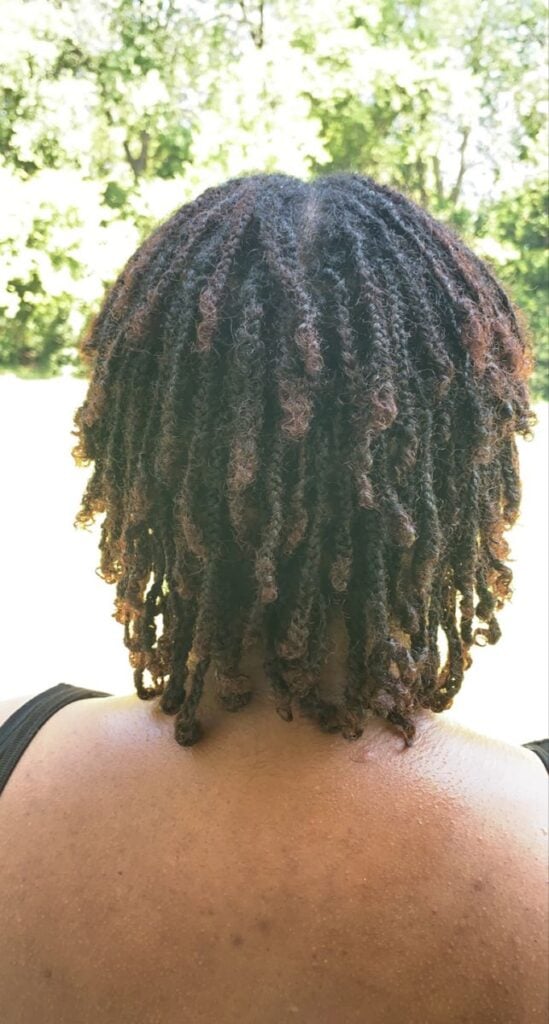
Braid starter locs are simple to create, require relatively low maintenance, and ideal for those who want a neat, structured starting point for their loc journey.
In this article, you will learn what braid starter locs are, step by step guide on how to start locs with braids, the pros and cons of this method, and how to properly maintain them as they mature.
What Are Braid Starter Locs?
Braid starter locs are created by dividing the hair into sections and braiding each section from the root down. Over time, the braided hair gradually begins to mat and form locs.
Unlike comb coils or twists, braids create a firm structure that holds the hair together as the locking process begins. As the months pass, the braided pattern slowly fades as the hair begins to swell, bud, and mature into full locs.
This method is commonly recommended for beginners because braids are less likely to unravel, especially for people with softer curl patterns or loose hair textures.
Braid starter locs can be installed at home or by a professional loctician, depending on personal preference.
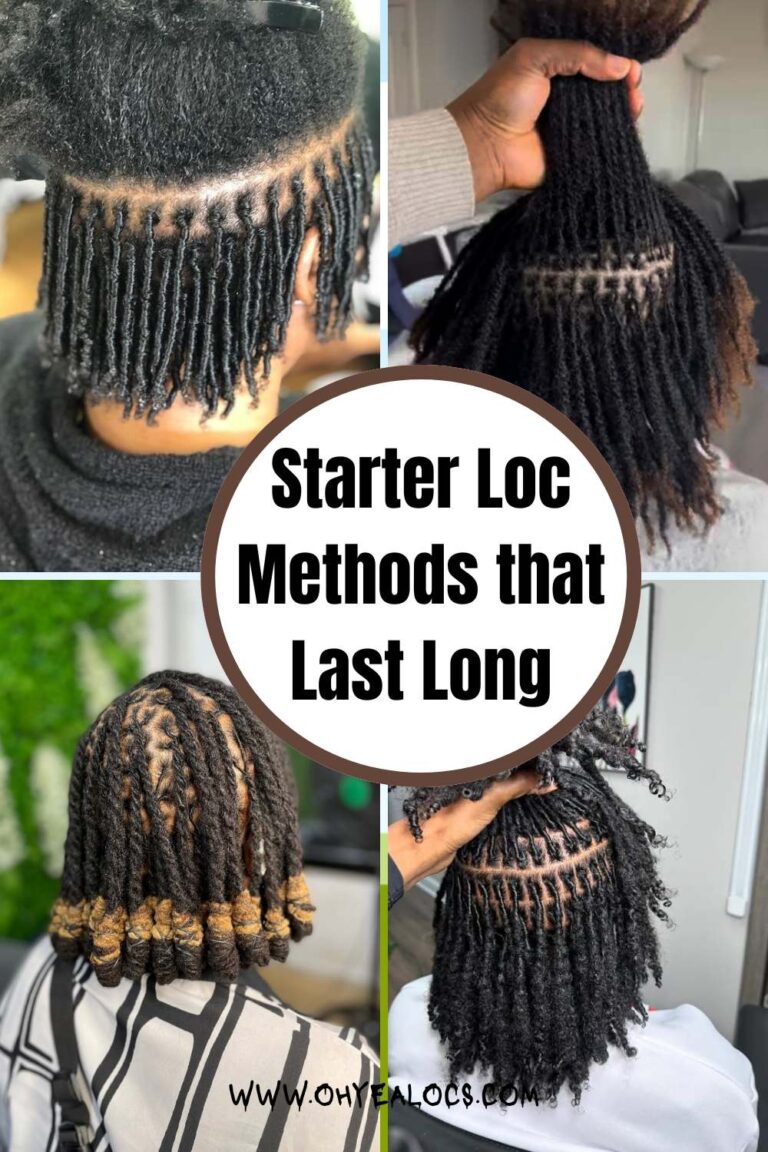
Bookmark this: Starter locs methods that last the longest
Why Start Locs With Braids?
Starting locs with braids offers several advantages that make the method appealing, particularly for beginners.
One major benefit is that braids are very secure. Because the hair is interwoven, the sections hold together firmly and are less likely to unravel compared to other starter methods like comb coils.
Braids also work well for people with loose curl patterns or silky hair textures. These hair types sometimes struggle to maintain twists or coils, making braids a more reliable starting option.
Learn more here: Different methods of starting locs
Another reason many people choose braid starter locs is the clean and uniform appearance they create. The sections remain neat and structured, which helps the locs develop evenly over time.
What more? Braid starter locs are generally low maintenance during the early stages. Since they hold together well, you may not need to retwist as frequently as with other starter methods.
Braid Starter Locs vs Other Starter Methods
There are several ways to start locs, and each method has its own advantages. Understanding the differences can help you decide if braid starter locs are right for you.
Two strand twists are one of the most common starter methods. Twists are easy to create and provide a natural-looking foundation for locs. However, they can unravel easily, especially in softer hair textures.
Comb coils are another popular option. This method involves twisting small sections of hair with a comb to form coils. Comb coils often produce smoother locs, but they require careful maintenance because they can unravel when exposed to water or excessive manipulation.
Interlocking is another common technique that involves using a tool to pull the hair through itself, creating tight knots that eventually form locs. This method is very secure but can create a tighter, more structured appearance that some people may not prefer.
Compared to these other methods, braid starter locs provide a balance between security and simplicity, making them a practical choice for many beginners.
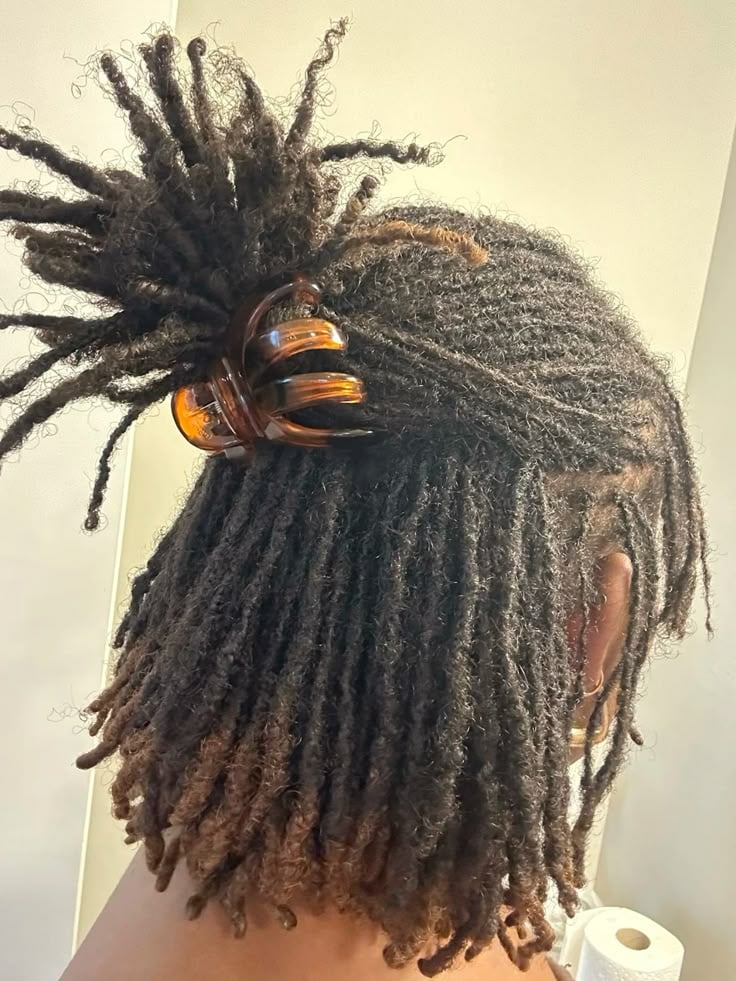
Hair Types That Work Best for Braid Starter Locs
Braid starter locs can work on a wide range of hair types, but they are particularly beneficial for certain textures.
People with type 4 hair often find that braids hold well and transition smoothly into locs. The natural curl pattern helps the hair lock over time.
Those with type 3 hair textures may also benefit from the braid method because it prevents excessive unraveling during the early stages.
Braids are also helpful for people with soft or fine hair textures that struggle to maintain twists or coils.
Regardless of hair type, patience is important. The locking process may vary depending on hair texture, density, and maintenance routine.
What You Need to Start Locs With Braids
Before starting your braid starter locs, it is important to gather a few basic tools and products.
You will need a wide tooth comb to detangle the hair and remove knots, a rat-tail comb for creating clean, even parts when sectioning the hair, hair clips or bands to help keep sections separated while you work through the hair.
Moisturizing spray or water is also important to keep the hair hydrated while braiding. Dry hair can lead to breakage and discomfort.
You will also need to apply a lightweight oil to your scalp to maintain moisture and promote healthy hair growth.
Some people also use a light locking gel for extra hold at the roots, although this step is optional.
Now, let’s get into the process of installing braids starter locs.
How to Start Locs With Braids (Step-by-Step)
Starting locs with braids is a straightforward process that can be done at home with patience and attention to detail.
The first step is to wash and condition your hair thoroughly. Clean hair helps the locking process begin properly and prevents product buildup.
Next, detangle the hair carefully using a wide tooth comb. Removing knots makes it easier to create smooth and consistent braids.
Once the hair is detangled, divide it into sections. The size of each section will determine the thickness of your locs. Some people prefer a grid pattern with clean square parts, while others choose a more organic look.
After sectioning the hair, begin braiding each section from the root. Make sure the braids are firm but not too tight, as excessive tension can damage the scalp.
Continue braiding down the length of each section.
Some people choose to braid most of the hair and leave a small coil or twist at the end to help the loc form more easily.
Once all sections are braided, your starter locs are complete. From this point forward, the hair will gradually begin the locking process.
How Long Does Braid Starter Locs Take to Lock?
Locs develop in several stages, and braid starter locs are no exception. The starter stage usually lasts the first few months. During this time, the braids remain visible and the hair may appear similar to traditional braids.
The budding stage follows as the hair begins to swell and form small knots within each braid. This is a sign that the locking process has started.
Next is the teenage stage, where the locs may look uneven or frizzy. This stage can feel frustrating, but it is a natural part of the journey.
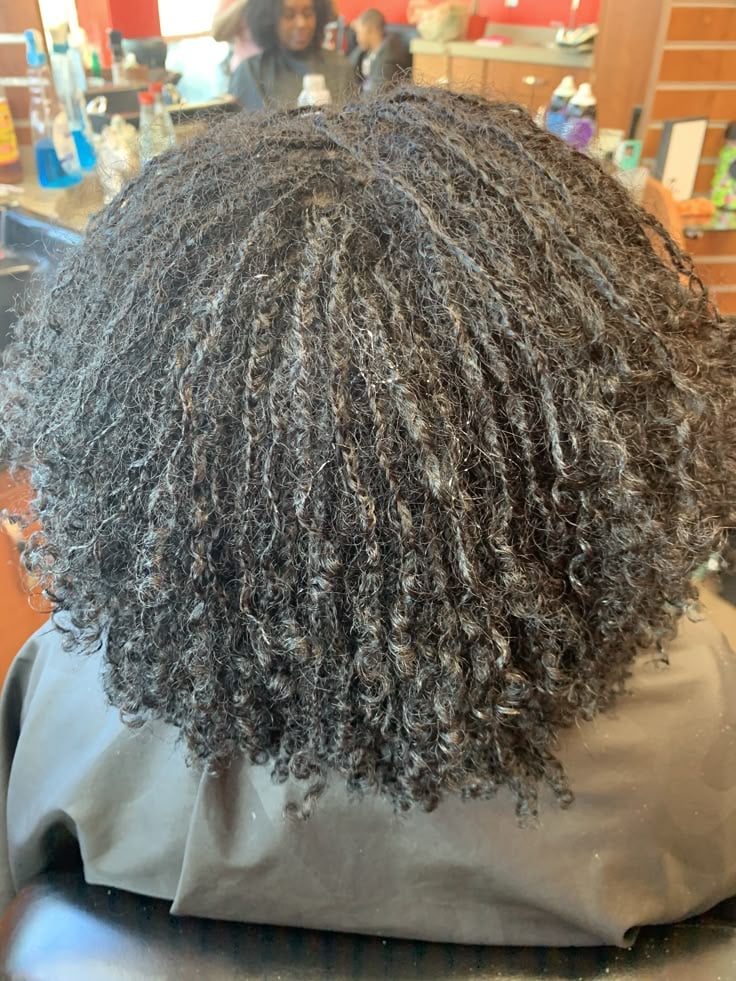
Finally, the mature stage occurs when the locs become fully formed and more uniform in shape.
For most people, the entire process takes anywhere from six months to eighteen months, depending on hair type and maintenance habits.
Pros and Cons of Starting Locs With Braids
Like every other loc method, braid starter locs have both advantages and disadvantages.
One of the biggest advantages is the reduced risk of unraveling. Because braids are tightly woven, they stay intact during washing and daily activities.
They are also beginner-friendly and easy to install at home, making them accessible for people who want to start their loc journey independently.
Braid starter locs can also handle active lifestyles well since the sections remain secure.
However, as with other loc starter methods, there are a few potential downsides.
Learn from this guide: Best starter locs method for soft hair
One common concern is that the braided pattern may take time to disappear completely as the locs mature.
Apart from that, braid starter locs sometimes take slightly longer to fully lock compared to other methods.
Despite these drawbacks, many people find the braid method reliable and easy to maintain.
How to Maintain Braid Starter Locs
Proper maintenance plays a major role in the success of your loc journey. Here are few maintenance tips:
•Wash your hair regularly – this is important for keeping the scalp healthy. Contrary to common myths, starter locs can be washed as long as they are handled gently.
•Moisturize the hair and scalp – this is also necessary because dry hair can slow down the locking process and lead to breakage.
Read this: How often should you moisturize your locs?
•Retwist regularly – retwist your locs every four to six weeks to maintain neat parts and encourage uniform growth. This frequency works for many loc wearers.
•Protect your hair at night – this is another important thing to do to maintain your locs. Sleeping with a satin bonnet or using a satin pillowcase helps reduce friction and preserve the locs.
Common Mistakes to Avoid When Starting Locs With Braids
Beginners often make some common mistakes when starting braid starter locs. Let’s talk about a few of them:
One mistake is braiding the hair too tightly. Excessive tension can cause scalp pain and lead to hair loss over time.
Another mistake is using heavy products that create buildup within the locs. Lightweight products are usually the best choice during the starter phase.
Over-retwisting is also a common issue. Retwisting too frequently can weaken the hair and slow down the locking process.
Finally, many people compare their loc journey to others forgetting that every head of hair is different, and locs develop at different speeds.
Come back to this: Starter locs mistakes that can ruin your loc journey
How to Make Braid Starter Locs Look Neat
Starter locs sometimes go through messy stages, but here are some ways to keep them looking neat:
Regular retwisting can help maintain clean parts and reduce frizz around the roots.
Simple styles like loc buns, head wraps, or scarves can also enhance the appearance of starter locs.
Keeping the scalp moisturized often and the hair clean will also improve https://amzn.to/4B5Tqh9the overall look of your locs.
Remember that the early stages of locs are temporary, and patience is part of the process.
Now, let’s tackle this one commonly asked question:
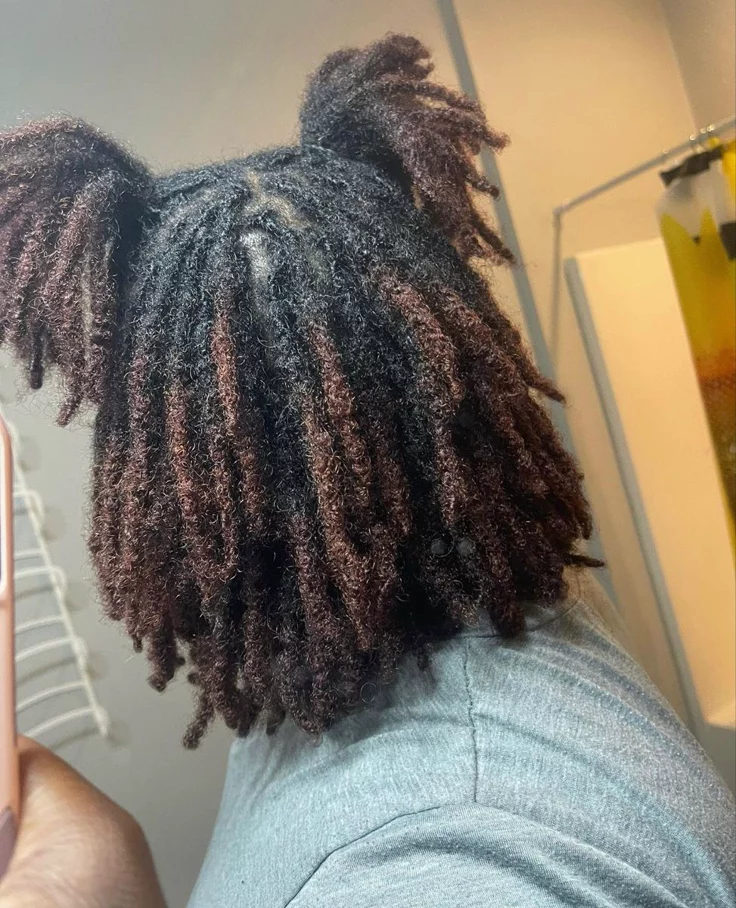
Can You Start Locs With Braids on Short Hair?
Yes, it is possible to start locs with braids on short hair, although you need a considerable hair length for braids to form.
Most locticians recommend having at least three to five inches of hair before attempting braid starter locs.
If the hair is too short, the braids may not hold properly and could unravel easily.
Check this guide: How to start locs on short hair
For very short hair, comb coils or finger coils may be a better starting method until the hair grows longer.
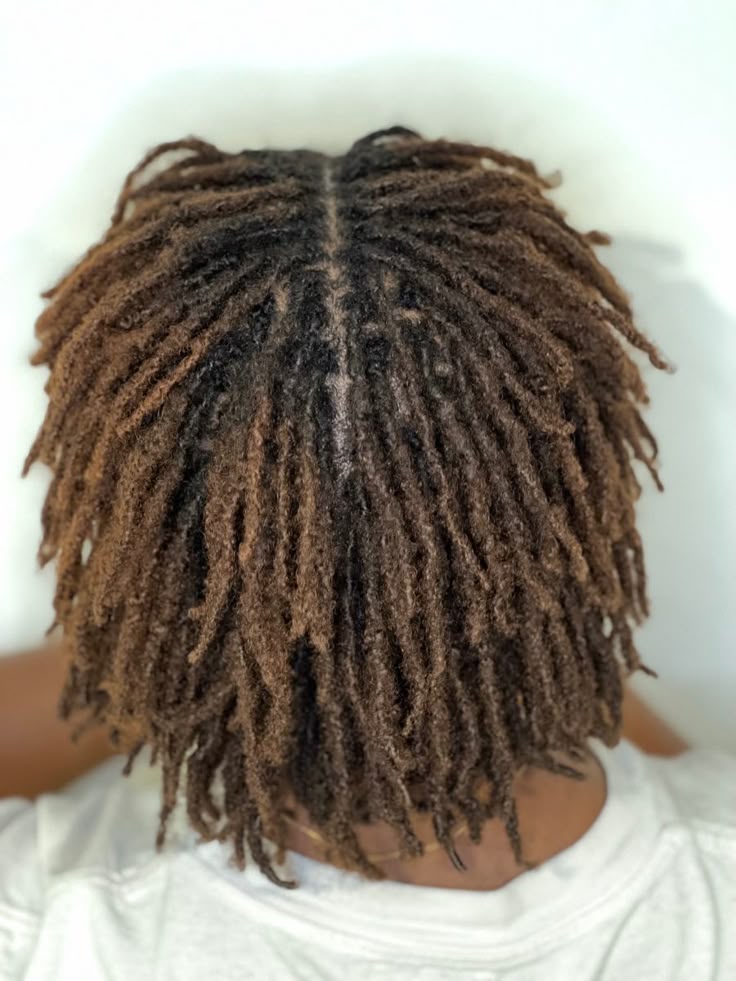
Styling Ideas for Braid Starter Locs
Even during the starter phase, braid starter locs can be styled in simple and creative ways.
Some people prefer wearing their locs in loose ponytails or half-up styles. Others enjoy simple buns that keep the hair away from the face.
See this: 15 ways to style your locs – no accessories needed
Head wraps, scarves, and headbands are also popular accessories during the early stages of the loc journey.
However, it is best to avoid very tight styles that place excessive tension on the roots.
When to Retwist Braid Starter Locs
Retwisting helps maintain the structure of your locs as they develop. Most people retwist their starter locs every four to six weeks. This schedule allows the hair to grow while keeping the parts neat.
However, some people prefer less frequent retwisting to encourage faster locking. This also helps.
Save this: How to maintain locs between retightening
The key is to find a routine that keeps your scalp healthy without over-manipulating the hair.
Final Thoughts
How to start locs with braids is a simple, reliable, and beginner-friendly way to begin your loc journey. The braided structure provides a secure foundation that helps your hair stay intact while the locking process gradually develops.
As helpful as this method may be, it doesn’t produce mature locks overnight. The braid patterns may remain visible for a while and the locking process could take time. That’s when you need patience.
However, with proper care, consistent maintenance, and gentle handling, your braid starter locs will gradually transform into beautiful, mature locs that reflect both your personal style and your unique natural hair journey. Enjoy every bit of the process!