
How to Start Freeform Locs Naturally
Disclosure: Some of the links in this post are affiliate links. This means if you click on the link and purchase an item, I will receive an affiliate commission at no extra cost to you. All opinions remain my own. I only recommend products or services I believe will add value to my readers.
Freeform locs are one of the most natural and low-maintenance ways to begin a loc journey. Unlike traditional loc methods that require twisting, braiding, or regular retwisting, freeform locs develop on their own with minimal manipulation.
For many people, freeform locs represent far more than just a hairstyle. They are often seen as a symbol of freedom – the freedom to step away from rigid beauty standards and allow hair to grow and form naturally. They celebrate the beauty of tightly coiled and textured hair exactly as it grows from the scalp – without manipulation.
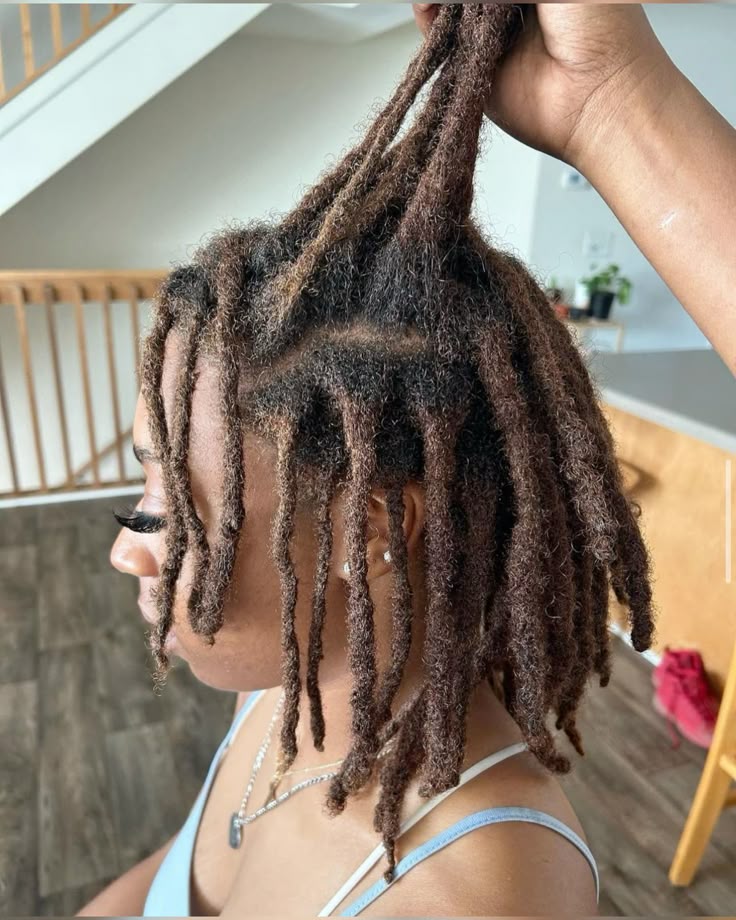
If you are interested in embracing a natural loc journey without strict styling routines, learning how to start freeform locs naturally can be a great place to begin.
This guide explains what freeform locs are, how to start them naturally, how to maintain them, and what to expect throughout the journey.
Let’s jump right in!
What Are Freeform Locs?
Freeform locs are locs that form naturally without intentional sectioning, twisting, or regular retwisting. Instead of creating uniform parts, the hair gradually tangles and locks together on its own.
Over time, the hair separates into natural sections and begins to form locs of different sizes and shapes. This creates a unique and organic look that reflects the natural growth pattern of the hair.
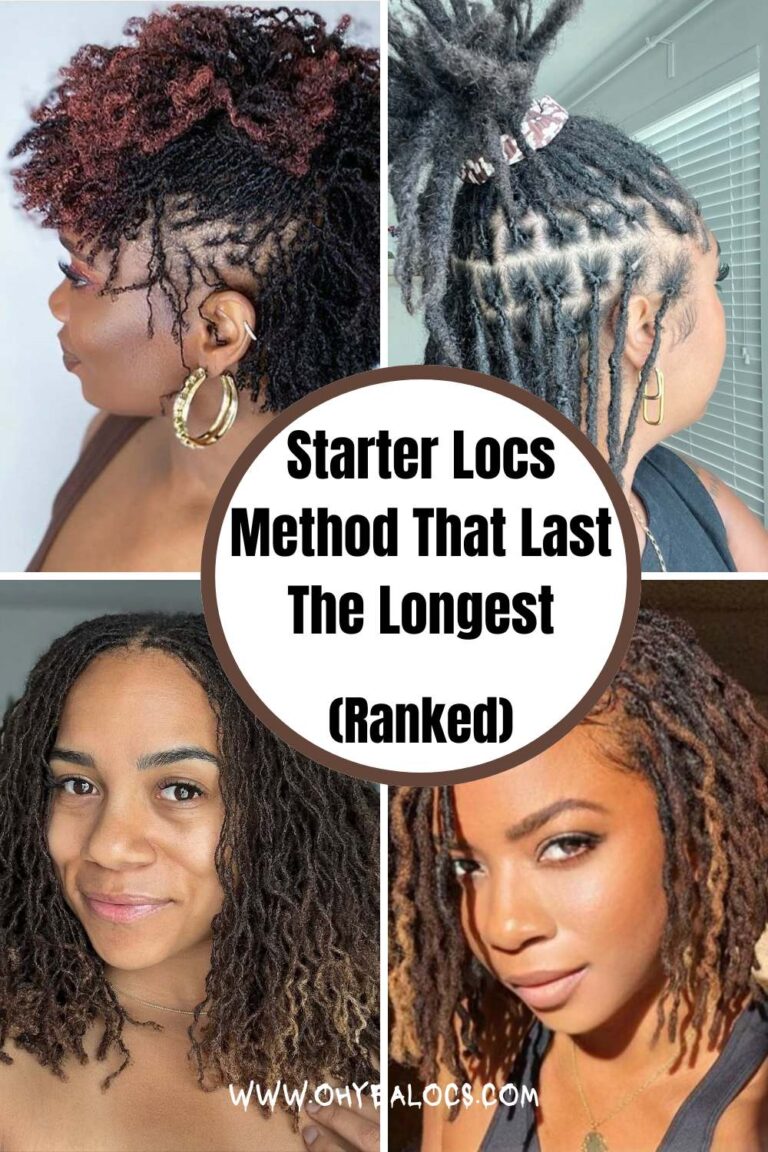
Pin this: How to start locs with the interlocking method
Because there is little manipulation involved, freeform locs often vary in thickness and structure. Some locs may be thin while others may grow thicker, depending on how the hair naturally groups together.
Freeform locs are often seen as one of the most authentic ways to wear locs because the process allows the hair to develop naturally.
What Does It Mean to Start Freeform Locs Naturally?
Starting freeform locs naturally simply means allowing your hair to lock without using structured starter methods such as comb coils, two strand twists, braids, or interlocking.
Instead of styling the hair into sections, you focus on basic hair care practices such as washing, moisturizing, and protecting the hair. As the hair grows and sheds naturally, the strands begin to intertwine and create knots. Over time, these knots develop into locs.
See this: Different methods of starting locs
However, this process requires patience because the locs form gradually rather than instantly. The beautiful thing is that many people enjoy the simplicity and freedom that comes with this method.
Why Do People Choose Freeform Locs?
Many people choose freeform locs because of the simplicity and minimal maintenance involved. If you want a starter loc method that guarantees minimal maintenance, this is for you. Call it “the lazy man’s route to growing locs”.
Unlike traditional locs that may need frequent retwisting or styling, freeform locs develop naturally without constant maintenance or manipulation.
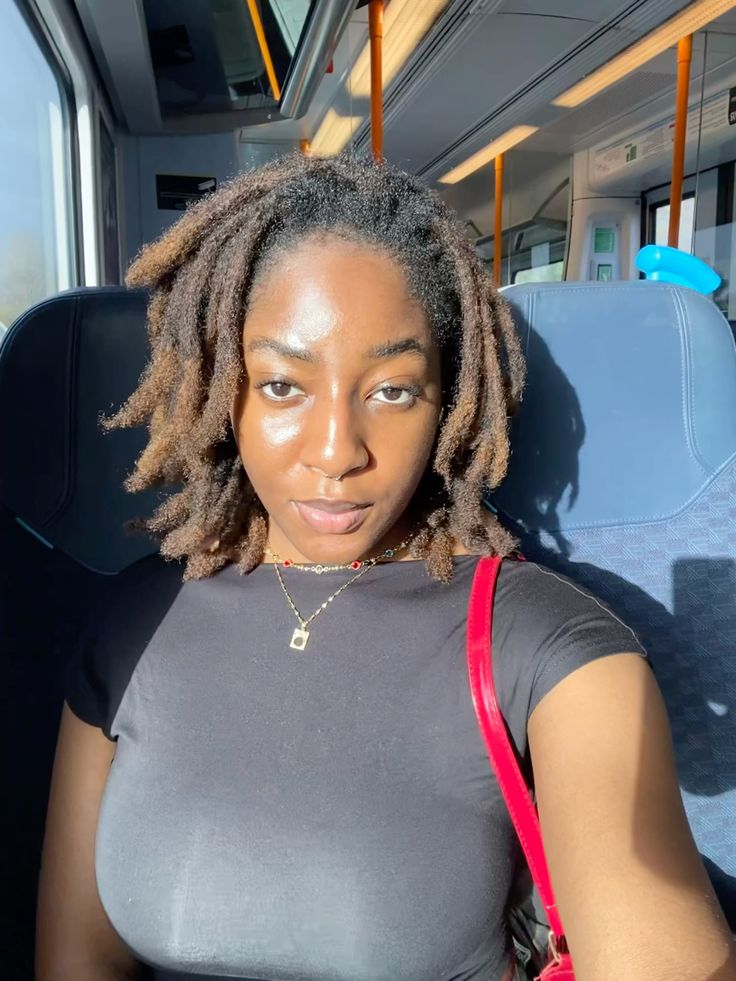
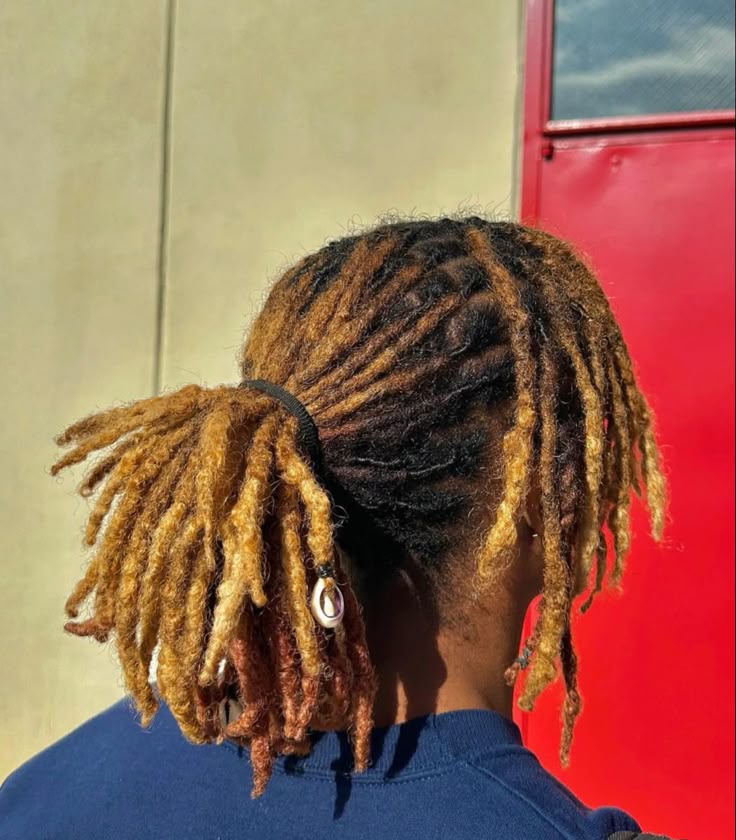
Another reason people choose this method is the unique appearance it creates. No two heads of freeform locs look the same. Each loc develops differently, giving the hairstyle a distinctive and organic look.
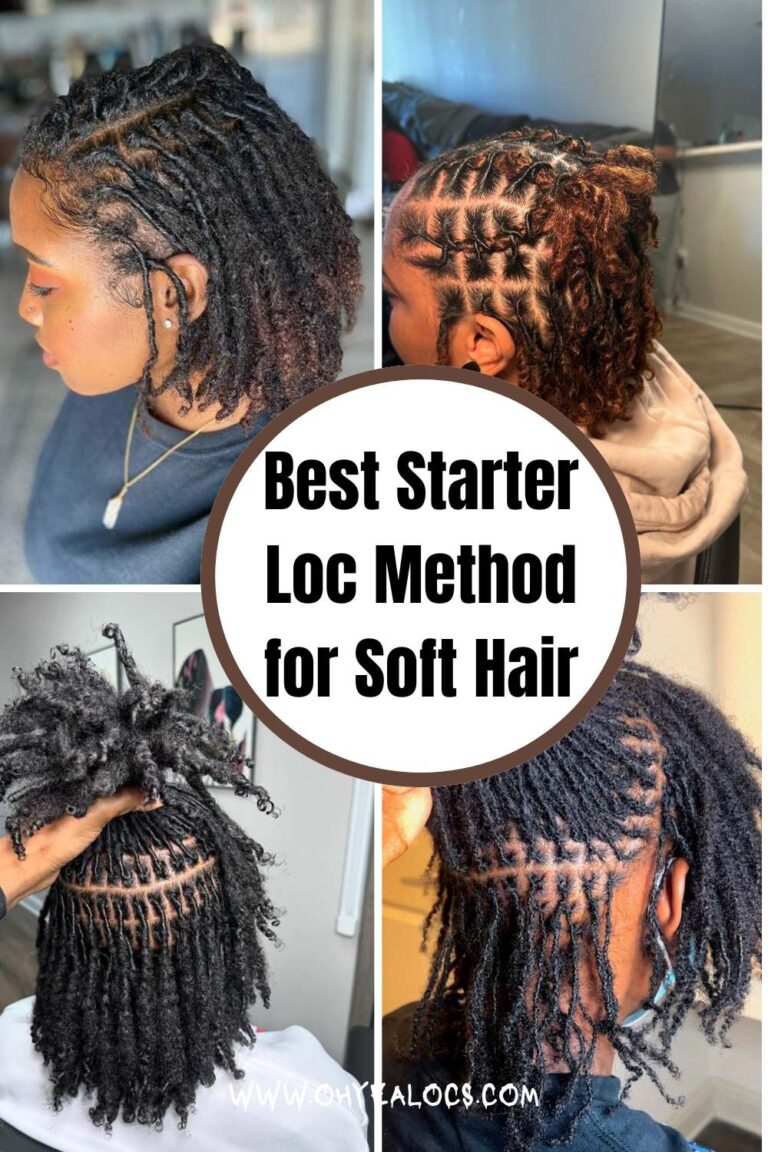
Before choosing starter locs, see this: Worst starter locs method for beginners
Freeform locs also allow individuals to embrace their natural hair texture fully. Rather than trying to control or shape the hair, the focus shifts to caring for the hair as it grows.
For many people, the freeform loc journey is also a personal or cultural expression that reflects patience, self-acceptance, and individuality.
Freeform Locs vs Semi-Freeform Locs
Freeform locs and semi-freeform locs are similar, but there are important differences between the two methods.
Freeform locs involve allowing the hair to grow and lock completely on its own without separating or maintaining specific sections.
Semi-freeform locs, on the other hand, involve a small amount of guidance. People with semi-freeform locs may occasionally separate locs with their fingers to prevent them from merging too much.
Semi-freeform locs offer a balance between structure and freedom. They still develop naturally but allow for some control over the size and direction of the locs.
Both approaches are valid choices, and the decision often depends on personal preference.
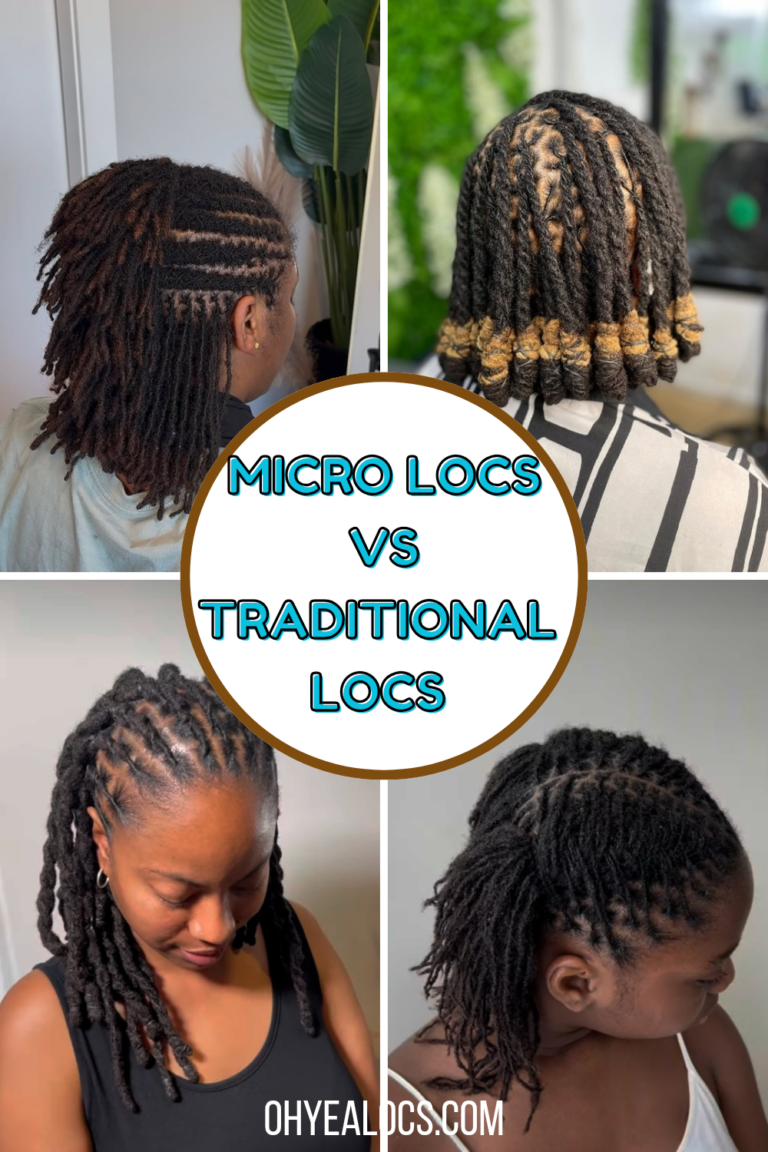
Locs guide for you: Microlocs vs sisterlocks: Differences, cost and, and maintenance explained.
Hair Types That Work Best for Freeform Locs
Freeform locs can work on many hair textures, but certain hair types tend to form locs more easily.
People with tightly coiled hair textures, often referred to as type 4 hair, typically experience faster loc formation because the natural curl pattern encourages the strands to intertwine.
Type 3 hair textures can also form freeform locs, although the process may take longer because the curls are looser.
Hair density and thickness also play a role. Thicker hair often forms locs more quickly, while finer hair may require more patience.
Regardless of hair type, consistency in hair care will support healthy loc development over time.
How to Start Freeform Locs Naturally
Starting freeform locs is surprisingly simple because the process focuses on allowing the hair to develop naturally on its own.
The first step is to stop detangling the hair with combs or brushes. Constant detangling prevents the hair from forming the knots that eventually develop into locs.
Next, maintain a regular washing routine to keep the scalp clean and healthy. Clean hair actually encourages the locking process because it allows the strands to move freely.
Pin this guide: How to prepare your hair before locking
Moisturizing the hair and scalp is also important. Hydrated hair is less likely to break and more likely to develop strong locs.
As your hair grows, the strands will begin to group together and form natural sections. Over time, these sections will tighten and develop into locs.
The key to starting freeform locs naturally is patience. The process cannot be rushed, and each person’s hair will develop differently.
Do You Need to Cut Your Hair to Start Freeform Locs?
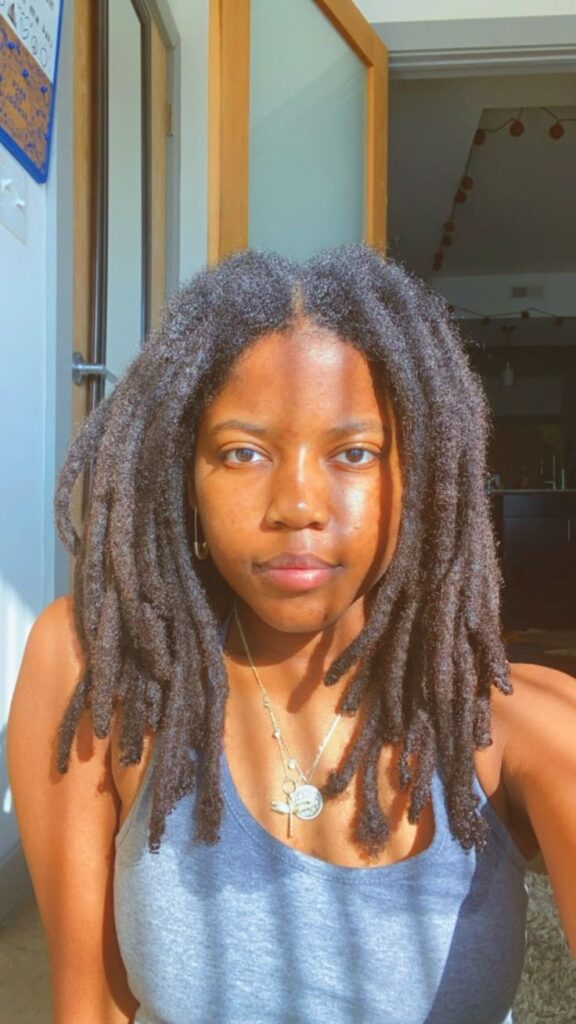
You do not need to cut your hair to begin freeform locs. Many people start freeform locs with their existing natural hair length. As long as the hair is not constantly detangled, it can gradually begin forming locs.
However, some people choose to start with shorter hair or even a fresh haircut because it allows them to experience the entire loc journey from the beginning.
Whether you start with long or short hair, freeform locs can develop successfully with proper care and patience.
The Stages of Freeform Locs
Like other loc methods, freeform locs develop through several stages.
The first stage is the starter stage. During this time, the hair may simply appear like natural, uncombed hair with small tangles forming throughout.
Next is the budding stage. The hair begins to form knots and small clumps that will eventually become locs.
The teenage stage follows as the locs continue to grow and tighten. At this stage, the hair may appear uneven or frizzy, which is completely normal.
Finally, the mature stage sets in when the locs become fully formed and more stable in shape.
Don’t skip this guide: What to know about the first three months of your loc journe
Each stage is an important part of the loc journey and should be embraced with patience.
How Long Does Freeform Locs Take to Form?
The timeline for freeform locs varies depending on hair type, hair care habits, and natural hair growth patterns. For many people with tightly coiled hair, visible loc formation may begin within several months.
However, fully mature freeform locs can take anywhere from one to two years to develop completely. Because the process is natural and unstructured, the timeline may vary widely between individuals.
Whichever way, patience is essential throughout the freeform loc journey.
Keep this opem. Do locs get thicker or thinner overtime?
How to Maintain Freeform Locs
Although freeform locs require less manipulation than traditional locs, they still need proper care. Here are a few tips to help:
Regular washing helps maintain a healthy scalp and prevents buildup. Contrary to common myths, clean hair supports the locking process.
Moisturizing the scalp with lightweight oils or sprays helps keep the hair hydrated and prevents dryness.
Some people also separate their locs occasionally to prevent them from combining into larger locs if they prefer smaller locs.
In a nutshell, freeform loc maintenance focuses on scalp health rather than styling.
Check this out: How to maintain locs between retightening
How Often Should You Wash Freeform Locs?
Keeping the scalp clean is an important part of maintaining freeform locs. Many people wash their freeform locs every one to two weeks, depending on personal preference and lifestyle.
Those who exercise frequently or live in hot climates may choose to wash their hair more often.
Open this: How Often Should You Moisturize Locs
Using a gentle shampoo and rinsing thoroughly can help keep the scalp healthy without interfering with the natural locking process.
Best Products for Freeform Locs
Freeform locs do not require heavy products or styling gels. In fact, using too many products can create buildup that becomes trapped inside the locs.
Instead, focus on lightweight and natural products that promote scalp health.
You will like this: Best oils and moisturizers for starter locs
Moisturizing sprays, lightweight oils, and gentle shampoos are usually enough to support the loc journey.
Keeping the routine simple helps maintain healthy hair and scalp conditions.
Common Mistakes to Avoid When Starting Freeform Locs
One common mistake to avoid is constantly separating or manipulating the hair. Excessive manipulation can slow down the natural locking process.
Another mistake is using heavy products that cause buildup inside the developing locs.
Some people also become discouraged during the early stages when the hair looks messy or uneven. This stage is normal and temporary.
Comparing your loc journey to someone else’s can also create unrealistic expectations. Every head of hair develops differently.
Now, let’s tackle this commonly asked question:
Can You Start Freeform Locs on Short Hair?
Yes, freeform locs can be started on short hair. In fact, many people begin their freeform journey shortly after cutting their hair. Short hair will gradually form small knots and clusters as it grows, eventually developing into locs.
Starting with short hair may allow you to experience the entire process from the beginning, but longer hair can also form freeform locs successfully.
How to Sleep With Freeform Locs
Protecting your hair at night helps maintain healthy freeform locs. Sleep with a satin or silk bonnet to reduce friction between the hair and pillow.
Satin pillowcases can also help protect the hair if you prefer not to wear a bonnet.
Nighttime protection is as important as your daytime care as it helps prevent dryness and breakage while supporting healthy hair growth.
Pros and Cons of Freeform Locs
Even though freeform locs offer many benefits, they may not suit everyone.
One major advantage is the low maintenance routine. Because the hair develops naturally, there is no need for frequent retwisting or styling.
Freeform locs also create a unique and natural appearance that reflects the hair’s natural pattern.
However, the lack of structure may not appeal to people who prefer neat and uniform locs.
Also, the early stages of freeform locs can appear messy or unpredictable, which requires patience and confidence.
Freeform Locs vs Traditional Locs
Traditional locs typically involve structured starter methods such as twists, coils, or braids. These methods create uniform sections and often require regular retwisting to maintain neatness.
Freeform locs, on the other hand, allow the hair to develop naturally without strict maintenance routines. The result is a more organic appearance with locs that vary in size and shape.
Choosing between these methods depends on personal style preferences and how much maintenance you want to commit to.
Tips for a Healthy Freeform Loc Journey
Maintaining healthy hair and scalp habits will support a successful freeform loc journey. Here are a few things to bear in mind:
-Focus on keeping your scalp clean, moisturizing regularly, and avoiding excessive manipulation.
-Be patient with the process and allow your hair to develop at its own pace.
This will help you: How to tell if your starter locs are healthy
-Embrace the natural stages of loc development. This will help you enjoy the journey rather than rushing the results.
Final Thoughts
Starting freeform locs naturally is one of the simplest and most authentic ways to begin a loc journey. Instead of relying on strict styling routines or constant manipulation, you allow your hair to grow, knot, and form locs in its own unique pattern.
This method reflects patience and individuality. No two sets of freeform locs will ever look exactly the same; each loc forms according to your hair’s natural texture, density, and growth pattern. And that exactly makes them beautiful!
While the early stages may feel uncertain or even messy, it’s important you trust the process. With proper scalp care, regular washing, and minimal manipulation, your hair will gradually transform into healthy, mature locs over time.
The journey may take time, but for many people, the simplicity and authenticity of freeform locs make the experience truly worthwhile.


2 Comments