Can You Start Locs With Relaxed Hair?
Disclosure: Some of the links in this post are affiliate links. This means if you click on the link and purchase an item, I will receive an affiliate commission at no extra cost to you. All opinions remain my own. I only recommend products or services I believe will add value to my readers.
Many people with relaxed hair reach a point where they begin to crave a more natural, low-maintenance, and expressive hairstyle like locs. However, one of the biggest uncertainties that comes up is whether it’s actually possible to start locs on relaxed hair. If you’ve been asking yourself this question, you’re definitely not alone.
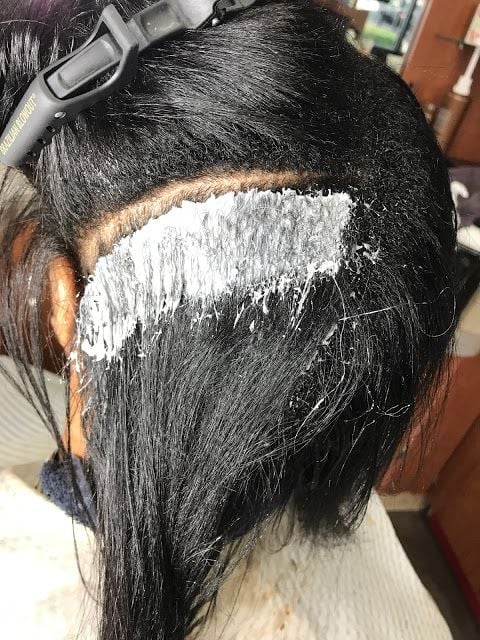
A common concern is the impact of relaxers on hair health when asking, “Can You Start Locs With Relaxed Hair?” Since relaxed hair has been chemically treated to alter its natural texture, it is often perceived as weaker or more prone to damage. This leads to worries about whether locs will form properly, how long the process might take, and whether the hair could break or thin during the journey. Many people also wonder if their relaxed ends will blend well with new growth or if they’ll face complications along the way.
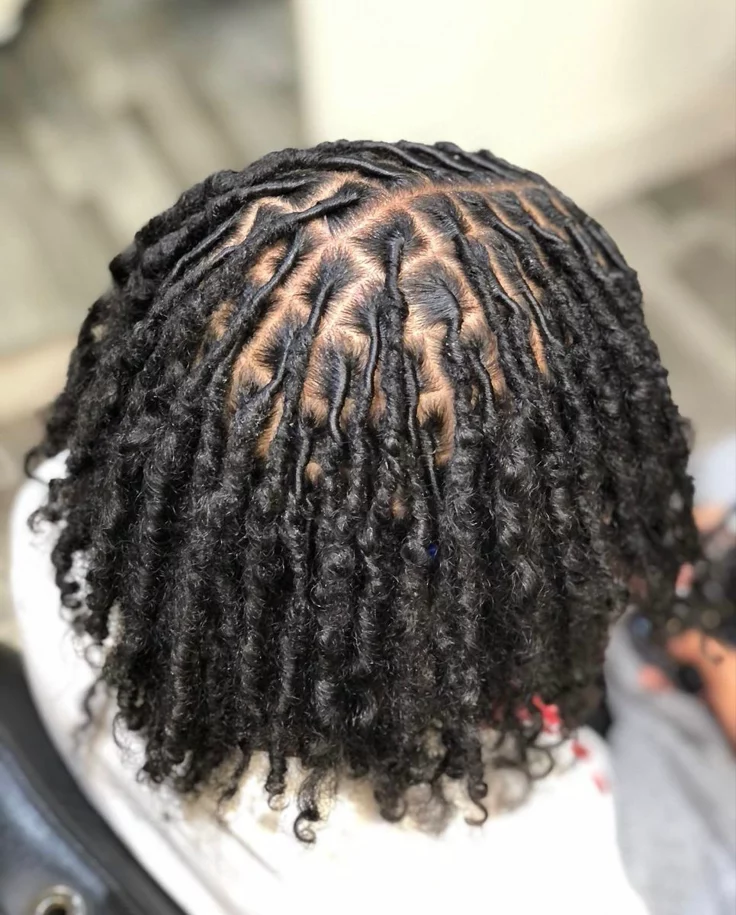
The good news is that starting locs with relaxed hair is possible. With the right approach, proper preparation, and consistent maintenance, you can successfully begin and grow locs even if your hair has been relaxed. While the journey may require a bit more care and patience compared to starting with fully natural hair, it is absolutely achievable.
In this guide, you’ll learn the different methods for starting locs on relaxed hair, how to transition safely, the pros and cons to consider, and the best practices for maintaining healthy locs over time. By the end, you’ll have a clear understanding of what to expect and how to confidently begin your loc journey.
If you are wondering if you should cut your relaxed hair before starting locs, you need to see this: Should You Cut Your Hair Before Starting Locs?
Can You Start Locs With Relaxed Hair?
Yes, you can start locs with relaxed hair. Locs form through a natural process where the hair strands tangle, mat, and lock over time, regardless of whether the hair has been chemically treated. What matters most is the condition of your hair and how you care for it during the early stages of the loc journey.
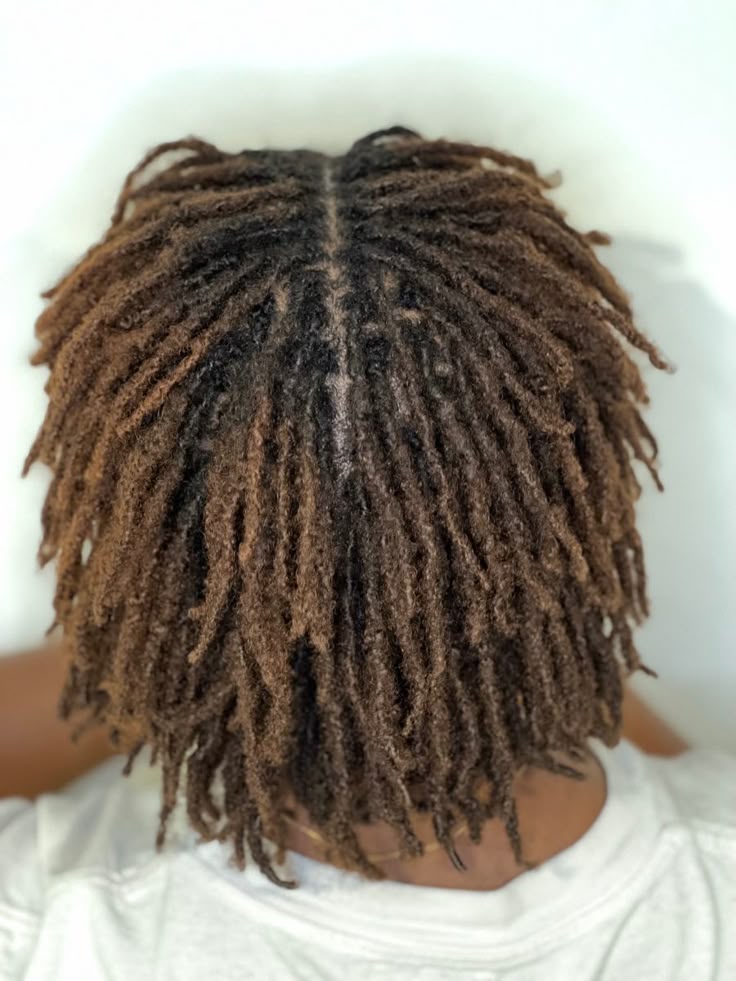
Because relaxed hair has been chemically straightened, it may not have the same texture as natural hair. This means that while locs can still form, your hair may require a transition period depending on its health and how much new growth you have. Some people choose to allow their natural hair to grow out for a while before starting locs, while others begin the loc process directly on relaxed hair and gradually transition over time.
Ultimately, there is no single “correct” approach. Your decision will depend on your hair goals, patience level, and how comfortable you are managing the differences between relaxed hair and new natural growth.
I recommend this: How Long Should Your Hair Be Before Starting Locs
Challenges of Starting Locs on Relaxed Hair
Starting locs on relaxed hair is absolutely possible, but it does come with a few challenges that are important to understand before you begin. Being aware of these helps you set realistic expectations and care for your hair properly throughout the process.
Hair Weakness and Breakage
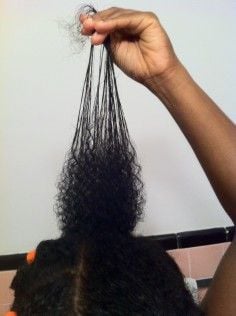
Relaxed hair has been chemically processed, which can make it more fragile than untreated natural hair. This means it may be more prone to breakage, especially if it has been over-processed or not properly maintained. Since locs require patience and consistent handling, it’s important to ensure your hair is as healthy as possible before starting.
Slow Locking Process
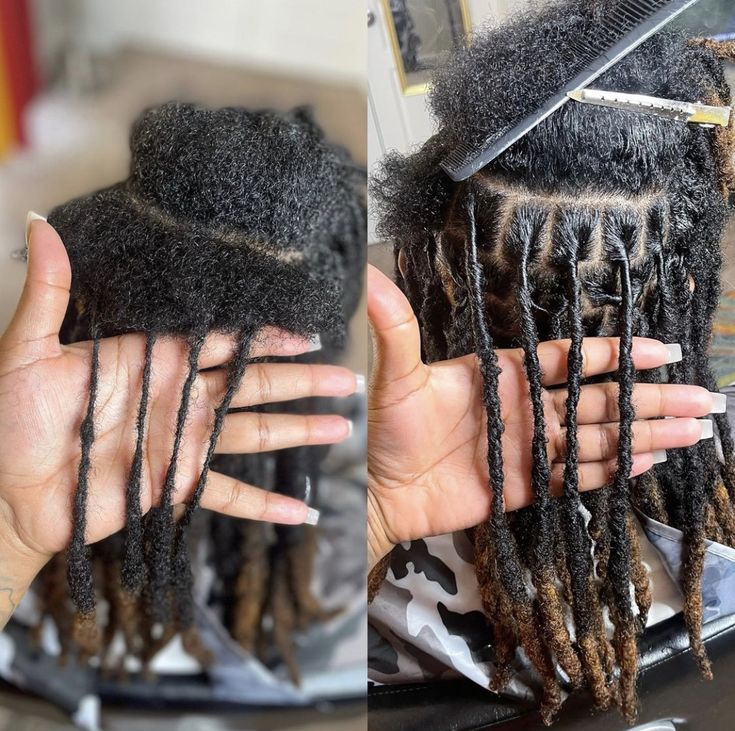
Straightened strands do not naturally tangle as easily as textured hair. As a result, relaxed hair may take longer to begin the locking process. You may notice that your locs take more time to form and may require additional maintenance in the early stages to encourage proper matting.
Thinning at the Roots
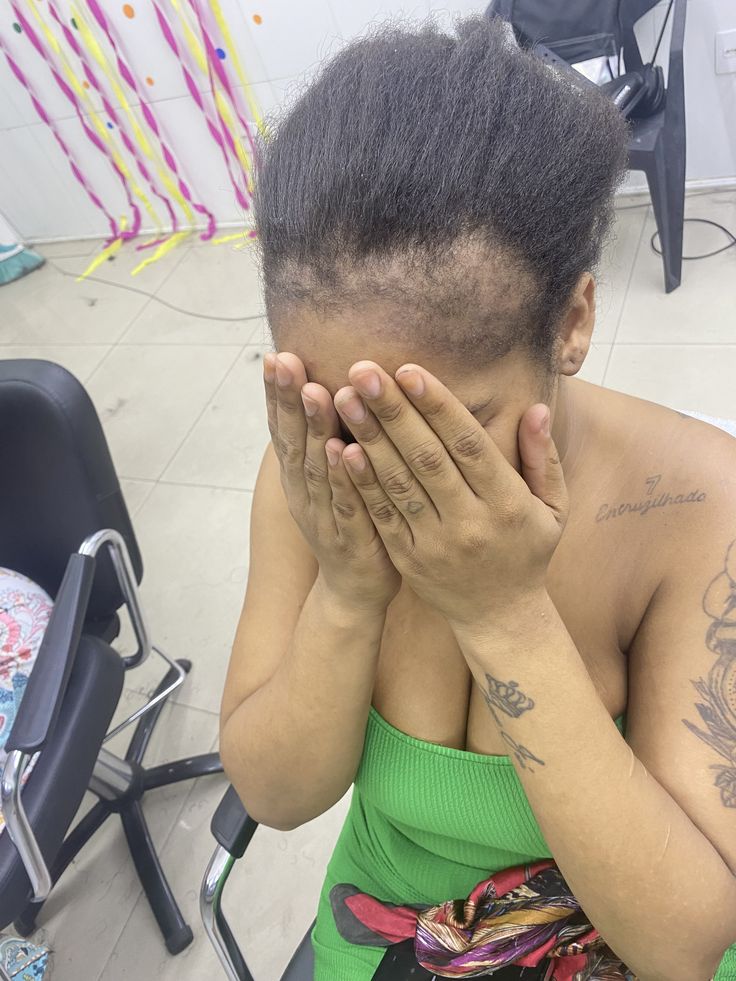
One common challenge is the difference between relaxed ends and new growth. As your natural hair grows in, the roots will have a different texture compared to the relaxed lengths. This mismatch can sometimes lead to uneven tension or thinning if not properly managed.
Different Texture Between Roots and Ends
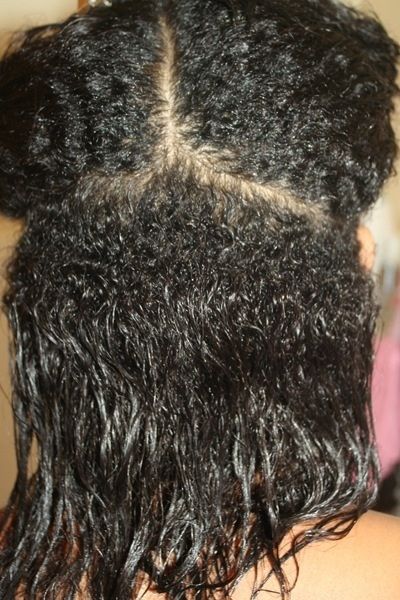
Having two distinct textures – relaxed hair at the ends and natural regrowth at the roots- can make maintenance more complex. The natural hair tends to lock faster, while the relaxed portions may lag behind. This can create inconsistencies in how your locs form and may require techniques that help blend or manage both textures effectively.
Should You Transition Before Starting Locs?
Deciding whether to transition before starting locs is a personal choice, and both approaches are valid. Some people prefer to transition their hair to natural first, while others begin the loc process immediately and allow their hair to grow and adjust over time.
If you choose to transition, you’ll be allowing your natural hair to grow out gradually while trimming or managing the relaxed ends. This can make the loc process smoother since your hair will have more uniform texture by the time you fully commit to locs.
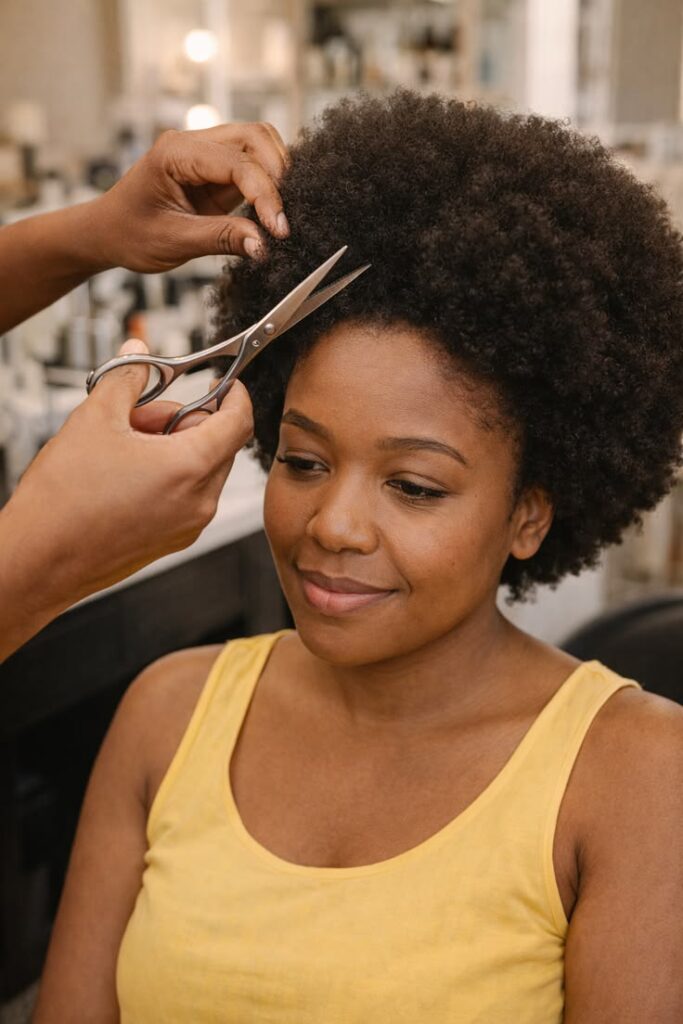
Another option is the big chop, where you cut off all relaxed ends and start locs on fully natural hair. This method gives you a clean slate but may feel like a drastic change if you’re not ready for shorter hair.
Alternatively, you can start locs without transitioning fully, working with both relaxed hair and new growth. Over time, as your natural hair grows, you can trim away the relaxed ends or let them gradually grow out.
When deciding which path to take, consider the following factors:
- Hair health: Is your hair strong enough to handle the loc process?
- Patience level: Are you comfortable with a slower or more gradual transition?
- Desired loc size and method: Some loc methods work better with certain hair textures and lengths
Ultimately, the best approach is the one that aligns with your comfort, lifestyle, and long-term hair goals.
Best Methods to Start Locs on Relaxed Hair
Choosing the right starting method is key when beginning locs on relaxed hair. Since relaxed hair has a smoother texture, some methods work better than others in encouraging your hair to tangle, hold, and eventually lock. Below are some of the most effective and beginner-friendly techniques to consider.
Two-Strand Twists

Two-strand twists are one of the most popular and beginner-friendly ways to start locs, especially if you have some natural regrowth. This method involves dividing the hair into sections and twisting two strands around each other from root to tip. Over time, these twists begin to mat and form locs naturally.
Why it works:
- Easy to install and maintain
- Works well for areas with new growth that can grip and lock
- Allows you to start locs without complex techniques
This method is ideal if you’re transitioning, as the natural regrowth helps the locing process begin more effectively than relaxed ends alone.
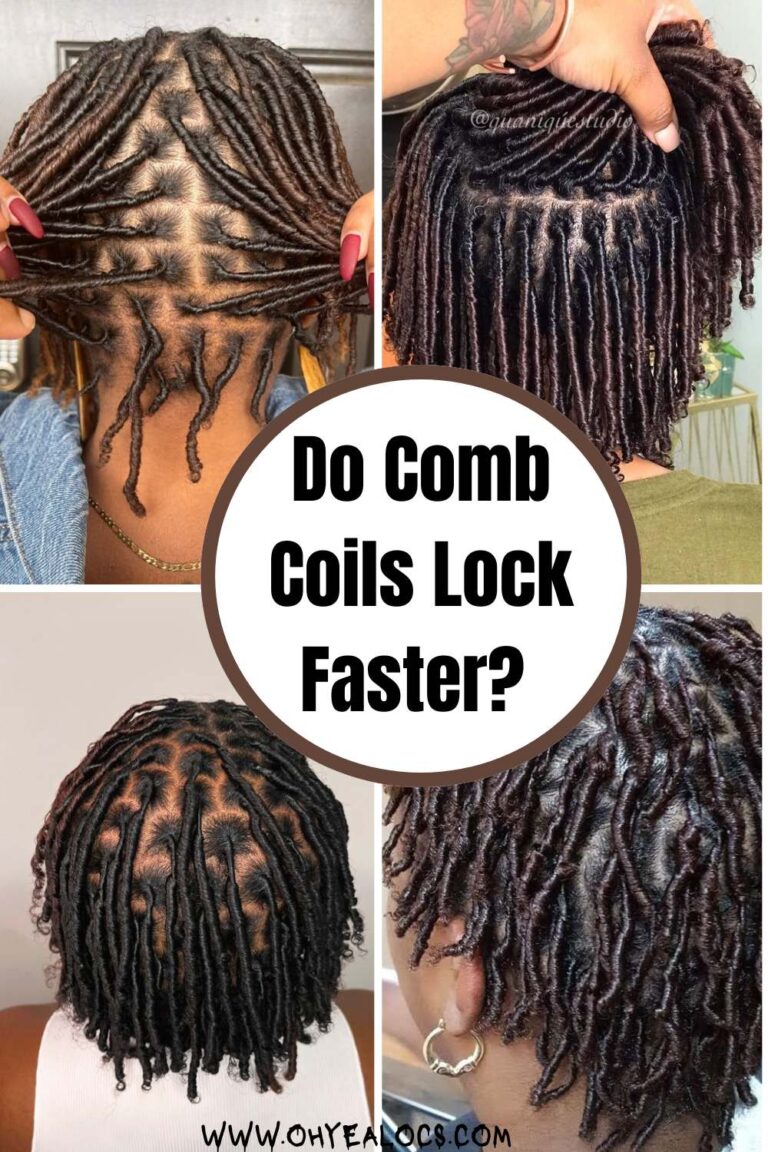
Comb Coils
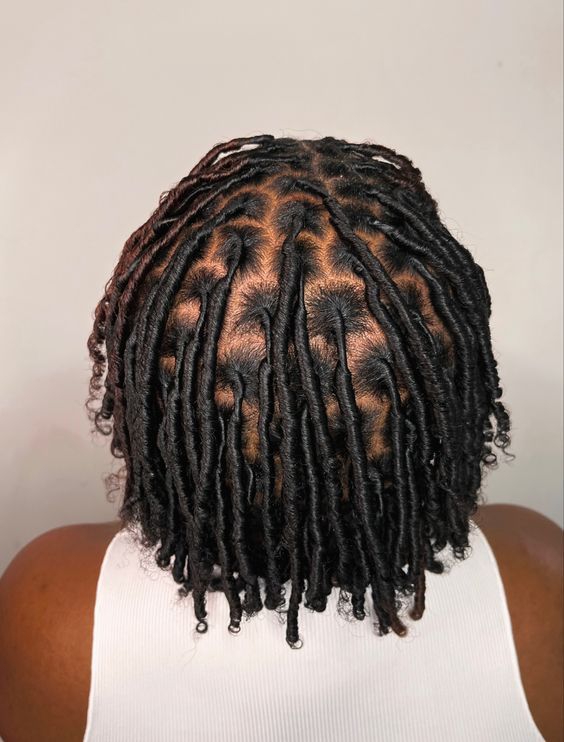
Comb coils are created by using a fine-tooth comb to twist small sections of hair into tight coils. This method is especially suitable for shorter hair and works best when there is enough texture (natural regrowth) to hold the coils in place.
Why it works:
- Helps define neat, uniform sections from the beginning
- Great for shorter lengths
- Provides a clean and structured foundation for loc formation
Comb coils may unravel more easily on fully relaxed hair, so they are often more effective when there is a mix of natural growth and relaxed strands.
Backcombing
Backcombing is a technique that involves combing the hair toward the roots in sections to create tangles, which are then secured to form locs. This method is particularly useful for relaxed hair because it helps create the friction needed for straighter strands to begin locking.
Why it works:
- Encourages immediate tangling in straight hair
- Helps create structure where texture is lacking
- Can be used to start locs on longer relaxed ends
Backcombing is often combined with other methods or maintained over time to help the locs mature properly.
Interlocking
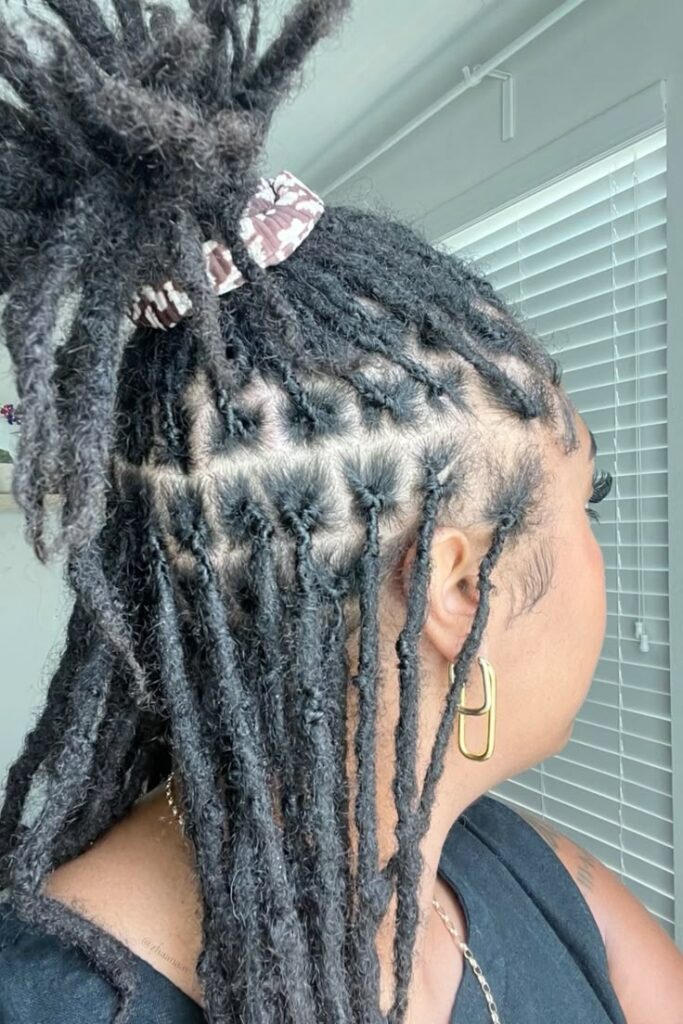
Interlocking involves using a tool or your fingers to pull the end of the loc through the root, tightening the base of the loc.
Why it works:
- Helps maintain tight, well-structured roots
- Reduces unraveling, especially in the early stages
- Useful for keeping locs neat as new growth appears
This method is especially helpful for people who want a low-maintenance root area and more control over how their locs develop.
How to Prepare Relaxed Hair Before Starting Locs
Proper preparation is essential if you want your loc journey to start on the right foot. Taking the time to prepare your hair can reduce breakage and help your locs form more evenly.
- Trim damaged or overly processed ends: Removing weak or split ends helps prevent breakage during the loc process.
- Ensure your hair is healthy and moisturized: Well-hydrated hair is more flexible and less prone to snapping.
- Avoid recent chemical processing: Give your hair time to recover from relaxers before starting locs.
- Allow some natural regrowth if possible: Having a bit of new growth provides texture that helps the hair begin locking more easily.
Starting with healthy hair increases your chances of a smoother transition and stronger loc formation over time.
How to Maintain Locs Started on Relaxed Hair
Once your locs are started, proper maintenance becomes the key to keeping them healthy and encouraging the locking process.
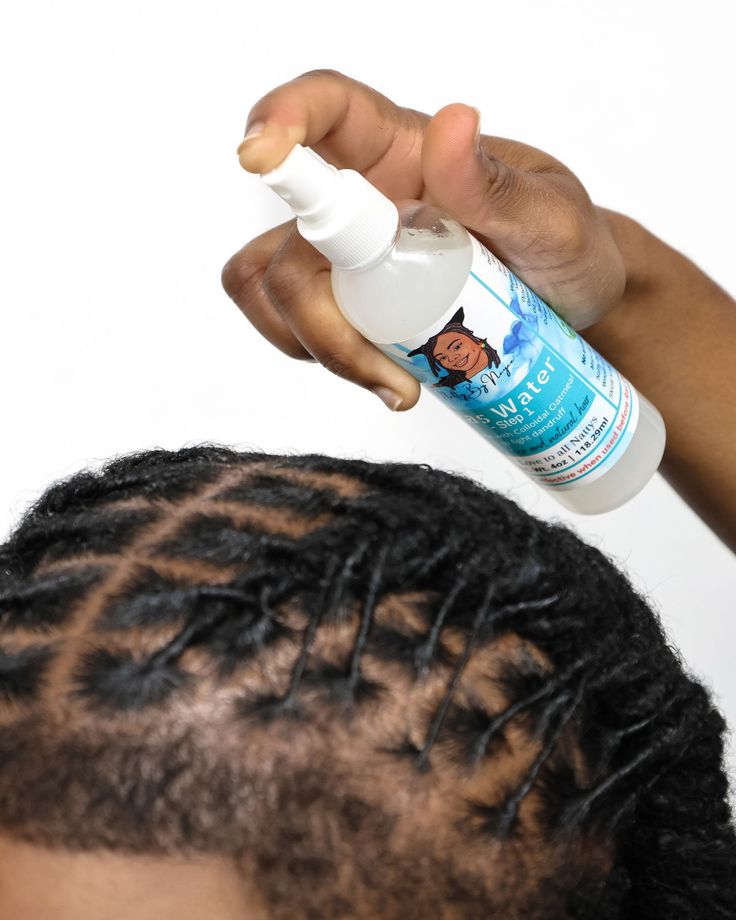
- Keep hair moisturized (using lightweight products): Use sprays, oils, or leave-ins that hydrate without causing buildup.
- Regular maintenance (retwisting or interlocking): Keep your roots neat and encourage consistent loc formation.
- Protect your roots and edges: Avoid styles that pull too tightly, and be gentle when styling your hairline.
- Be patient with the locking process: Locs take time to mature, especially when starting from relaxed hair.
- Avoid excessive manipulation: Constant styling or touching can lead to frizz, weakening, or breakage.
Consistency and patience are essential. Over time, your locs will continue to mature, blend textures, and develop into a fully formed, cohesive style that reflects your natural hair journey.
Pros and Cons of Starting Locs on Relaxed Hair
Before starting locs on relaxed hair, it’s important to weigh the advantages and disadvantages. Understanding both sides will help you make a confident, informed decision that aligns with your hair goals and lifestyle.
Pros
No need for immediate big chop: One of the biggest advantages is that you don’t have to cut off your relaxed hair right away. You can begin your loc journey while still keeping your length, which makes the transition feel less drastic for many people.
Easier transition for some people: Starting locs on relaxed hair allows you to gradually move into your natural hair journey. As your new growth comes in, you can slowly adjust without making a sudden change to your look or routine.
Flexibility in styling during early stages: In the beginning, your locs may still have enough flexibility to allow for simple styling options. This can make it easier to experiment with different looks while your locs are still forming and maturing.
Cons
Potential breakage: Because relaxed hair has been chemically processed, it can be more fragile. Without proper care, there is a higher risk of breakage, especially if the hair is over-processed or not well-maintained.
Slower locking process: Relaxed hair does not have the same natural texture as untreated hair, which means it may take longer for the strands to tangle and lock. Patience is required as your locs gradually begin to form.
Requires careful maintenance: Starting locs on relaxed hair demands consistent care. You’ll need to pay close attention to moisturizing, retwisting or interlocking, and overall hair health to ensure your locs develop properly over time.
Common Mistakes to Avoid
When starting locs on relaxed hair, avoiding certain mistakes can make a significant difference in the success of your loc journey. Here are some common pitfalls to watch out for:
- Starting with damaged or weak hair: Beginning your loc journey with unhealthy hair increases the risk of breakage. It’s best to ensure your hair is in good condition before you start.
- Using heavy products that cause buildup; Thick creams and heavy oils can clog your locs and slow down the locking process. Opt for lightweight, water-based products instead.
- Skipping maintenance: Neglecting regular upkeep such as retwisting or interlocking can lead to messy, uneven locs and slower development.
- Over-manipulating locs: Constant styling, pulling, or touching can weaken your locs and cause frizz or breakage. Try to keep manipulation to a minimum, especially in the early stages.
- Not trimming relaxed ends when needed: If your relaxed ends remain too long or damaged, they may not lock properly. Trimming them over time can help your locs form more uniformly and reduce issues with uneven texture.
By understanding the pros, cons, and common mistakes, you can approach your loc journey with clarity and confidence, setting yourself up for healthier, stronger locs over time.
FAQs About Starting Locs With Relaxed Hair
Can relaxed hair lock without transitioning? Yes, relaxed hair can still lock. While natural texture tends to lock more easily, relaxed hair can form locs over time with the right method, care, and consistency.
How long does it take for relaxed hair to lock? It varies depending on hair health, method used, and maintenance routine. On average, it may take longer than natural hair – anywhere from several months to a year or more for noticeable locking to begin.
Do I need to cut off relaxed ends first? No, it’s not required to cut them off immediately. Some people choose to trim gradually over time, while others wait until their natural hair grows out more before removing relaxed ends.
Will relaxed hair affect loc thickness? It can influence how your locs form, especially in the early stages. As your natural hair grows in, it will play a bigger role in determining the final thickness and fullness of your locs.
What happens if I mix relaxed and natural hair? This is very common during the transition phase. The two textures may behave differently, with natural hair locking faster than relaxed ends. With proper maintenance, they can still form cohesive locs over time.
Is it better to transition before starting locs? It depends on your preference and hair condition. Transitioning can make the process smoother, but it’s not mandatory. Some people start immediately, while others prefer to grow out their natural hair first.
Can I wash my hair after starting locs on relaxed hair? Yes, you can and should wash your locs. Just be gentle, use residue-free products, and ensure your locs are properly maintained to avoid unraveling or buildup.
Will my locs look different if started on relaxed hair? They may have slight differences in the early stages due to texture variation. However, over time, as your natural hair grows in and your locs mature, they will become more uniform.
How often should I retwist or maintain locs? Maintenance typically depends on your hair type and method, but many people retwist or interlock every 4–8 weeks. The goal is to keep roots neat without causing tension or over-manipulation.
Can damaged relaxed hair still form locs? It’s possible, but not ideal. Damaged hair is more prone to breakage. It’s best to trim damaged sections and focus on improving hair health before or during the loc journey.
Starting locs on relaxed hair is absolutely possible, and many people successfully begin and grow beautiful locs from this starting point. While the journey may come with a few challenges, it is manageable with the right knowledge, care, and approach.
Ultimately, success depends on a combination of hair health, the method you choose, and your level of patience. Locs are a long-term commitment, and allowing your hair the time it needs to transition and mature will make a significant difference in the final outcome. As you move forward, focus on making informed decisions that align with your personal hair goals and lifestyle. Whether you choose to transition first or start immediately, what matters most is consistency and proper care.
If you’re unsure where to begin, consider consulting a professional stylist, starting with a small section, or easing into your transition gradually. With the right steps and mindset, you can begin your loc journey with confidence and set yourself up for healthy, well-formed locs over time.