Why Some Locs Grow Faster Than Others
Disclosure: Some of the links in this post are affiliate links. This means if you click on the link and purchase an item, I will receive an affiliate commission at no extra cost to you. All opinions remain my own. I only recommend products or services I believe will add value to my readers.
Have you ever looked at your locs and wondered why one side seems longer than the other? Or maybe you started your loc journey with a friend, but their locs appear to be growing much faster than yours. If you’ve been asking Why Some Locs Grow Faster Than Others, you’re definitely not alone.
It’s one of the most common questions among people with locs. When growth seems slow, it’s easy to assume something is wrong or that you need another product. In reality, loc growth depends on several factors, and understanding them is the first step toward healthier, longer locs.
If you’re just beginning your journey, be sure to check out How to Start Locs on Short Hair (Step-by-Step Beginner Guide) to build a strong foundation for healthy growth.
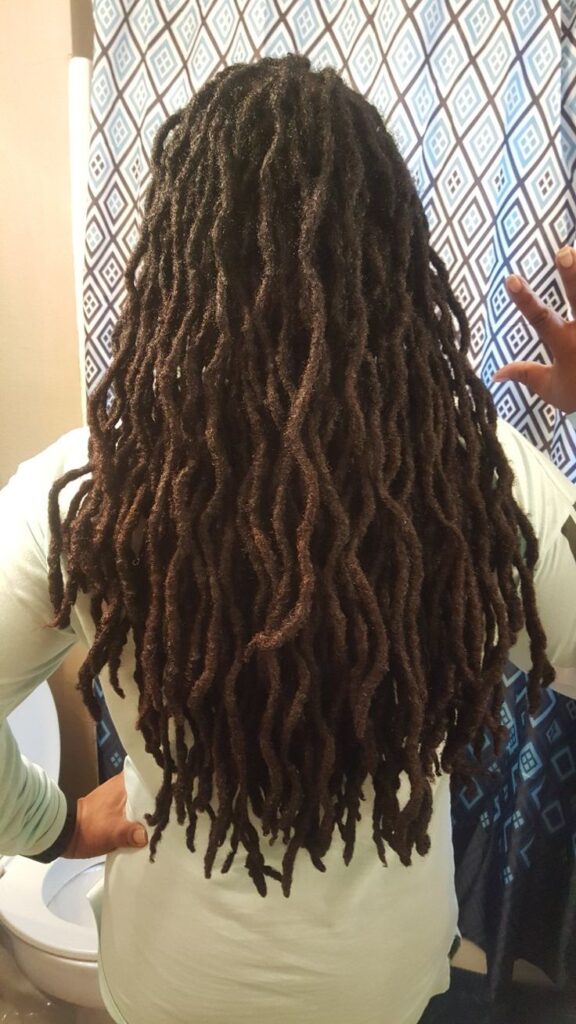
I remember talking to two friends who started their locs around the same time. They followed similar routines, visited the same loctician, and cared for their hair consistently. Yet after a year, one person’s locs looked noticeably longer than the other’s. The friend with slower growth became discouraged and started buying every “miracle” growth product she found online.
Instead of helping, the constant product changes caused buildup and made her routine more complicated. It wasn’t until she simplified her routine and focused on healthy habits that she finally began seeing real progress. If you’re wondering whether your maintenance routine could be affecting your growth, don’t miss Signs You Are Not Retwisting Enough for helpful tips.
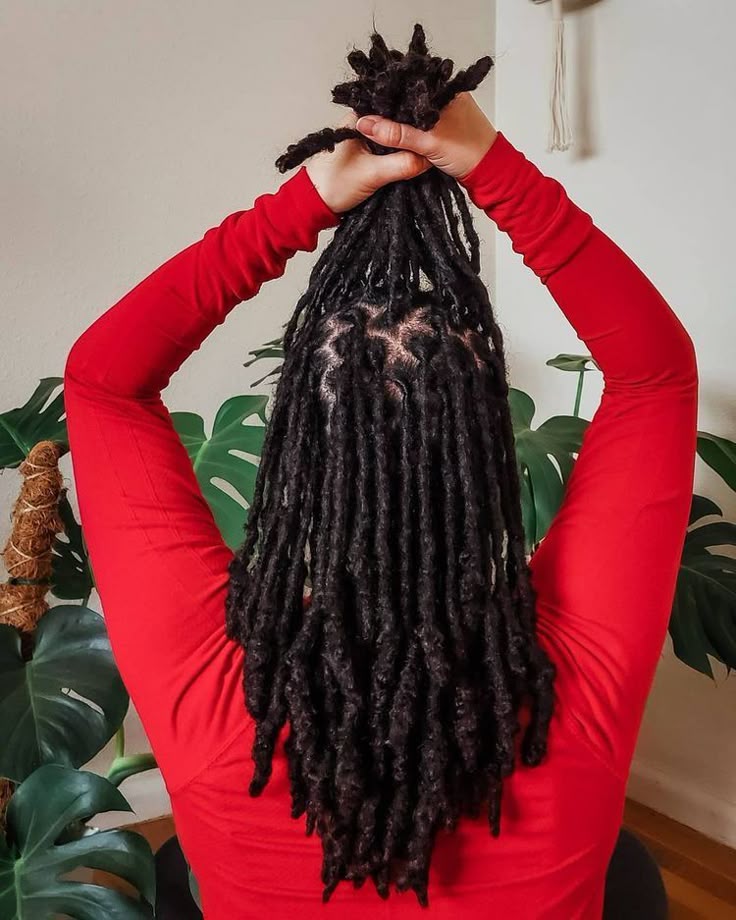
The truth is that every loc journey is unique. Genetics, scalp health, hair texture, nutrition, stress, and daily hair care all influence how quickly your locs grow and retain length. Comparing your progress to someone else’s often leads to unnecessary frustration because no two heads of hair behave exactly the same.
In this guide, we’ll explain Why Some Locs Grow Faster Than Others, separate myths from facts, and share practical tips to help you support healthy, consistent growth so you can enjoy your own loc journey with confidence.
Why Some Locs Grow Faster Than Others
1. Everyone’s Hair Growth Cycle Is Different
One of the biggest reasons Why Some Locs Grow Faster Than Others is something you can’t see – the natural hair growth cycle.
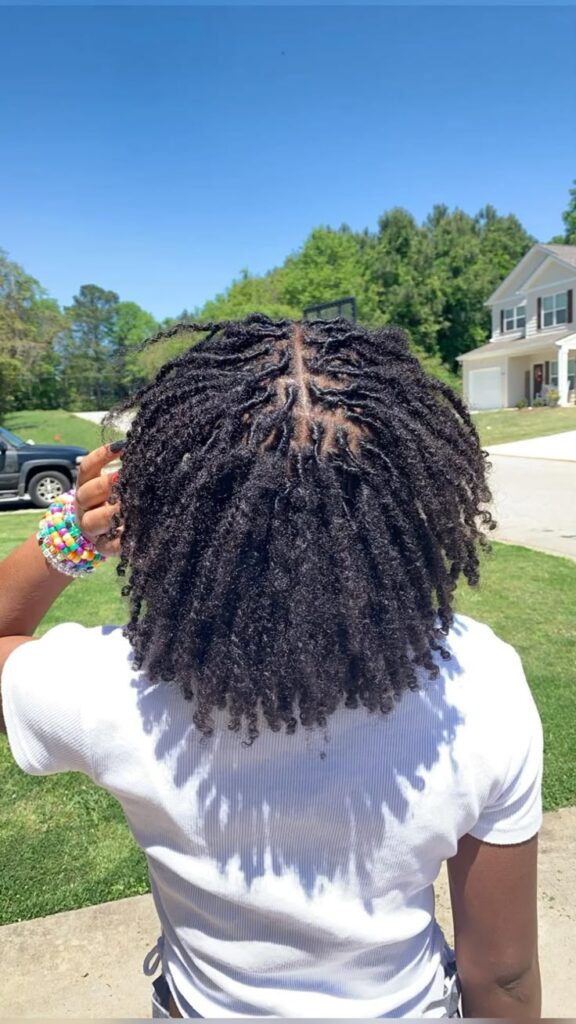
Every strand of hair goes through three stages: growing, resting, and shedding. While everyone’s hair follows this cycle, the length of each stage differs from person to person. Some people naturally stay in the growth phase longer, allowing their hair to gain more length before it sheds. Others have a shorter growth phase, so their hair appears to grow more slowly.
This is why comparing your locs to someone else’s can be misleading. Two people can follow the exact same routine and still experience different growth rates simply because of their biology.
Instead of measuring your progress against others, take monthly photos. You’ll often notice gradual growth that isn’t obvious when you look in the mirror every day.
If you’re just beginning your loc journey, you’ll love How to Start Freeform Locs Naturally. It explains common beginner habits that can affect healthy loc development.
2. Genetics Play a Bigger Role Than You Think
While good hair care is important, genetics has a significant influence on how fast your locs grow. Your DNA largely determines your average hair growth rate, hair density, strand thickness, and even how long your hair stays in its growing phase.
This doesn’t mean you’re stuck with slow-growing locs forever. It simply means your natural growth rate may differ from someone else’s.
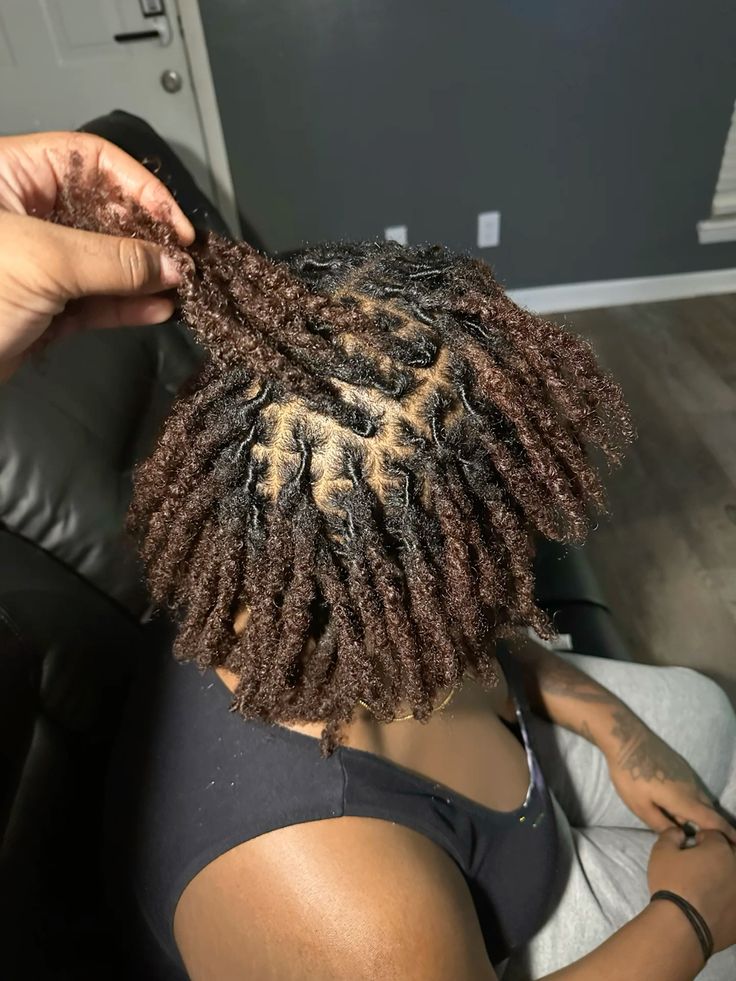
Many people become discouraged after watching influencers whose locs seem to grow several inches within months. Remember that social media rarely tells the whole story. Lighting, styling, shrinkage, and even hair extensions can create unrealistic expectations.
The goal shouldn’t be growing your locs as fast as someone else’s – it should be growing the healthiest locs possible.
Want to know whether your loc routine is helping or hurting? Read Retwist vs. Interlocking: Which Is Better for Your Locs? before deciding on your maintenance method.
3. Healthy Scalp, Healthy Growth
Think of your scalp as the soil where your locs grow. Even the strongest plant struggles in unhealthy soil. The same principle applies to your hair.
A clean, balanced scalp allows hair follicles to function properly. Excess product buildup, clogged follicles, excessive scratching, or untreated dandruff can interfere with healthy hair growth.
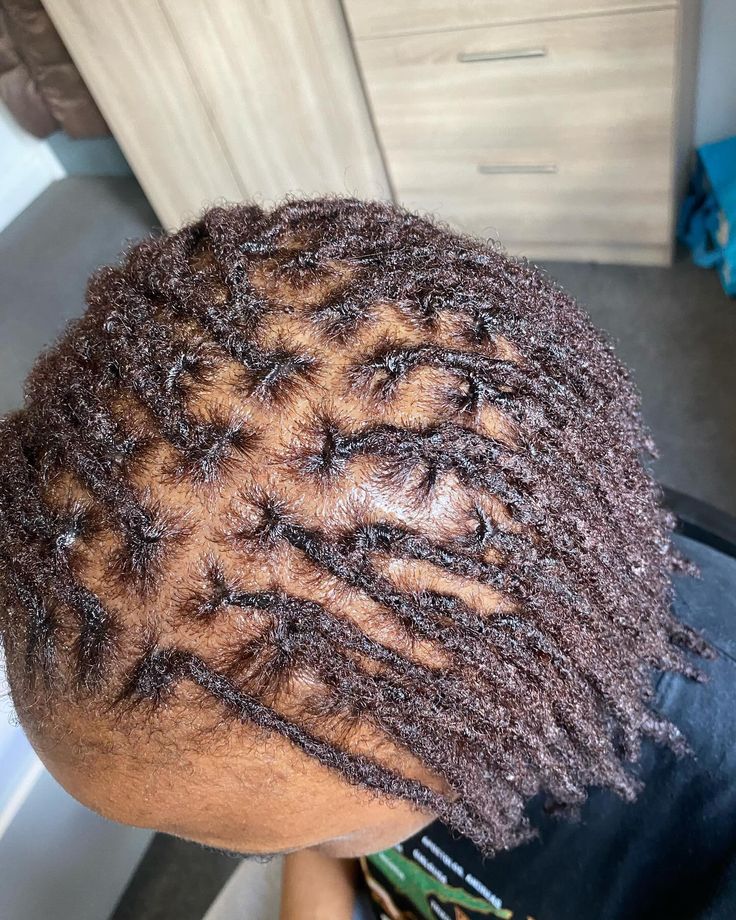
Washing your locs regularly with a residue-free shampoo helps remove sweat, oils, and dirt without stripping away essential moisture.
Massaging your scalp for a few minutes several times a week may also improve blood circulation, helping nutrients reach your hair follicles more efficiently.
If your scalp often feels dry, you’ll enjoy Best Oils and Moisturizers for Starter Locs (What Actually Works), where you’ll learn simple ways to keep both your scalp and locs hydrated.
4. Hair Texture Affects How Growth Looks
One of the biggest misconceptions is that tightly coiled hair grows more slowly. In reality, tightly textured hair grows from the scalp just like any other hair type. The difference is that curls and coils naturally shrink, making growth appear less noticeable.
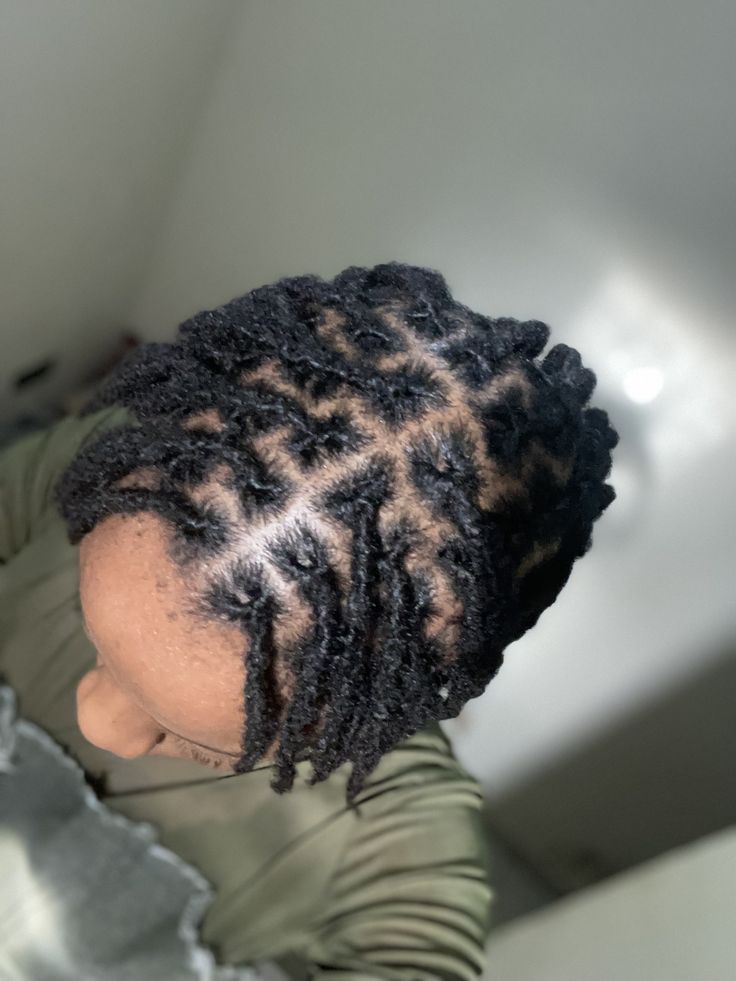
As your locs mature, some of that shrinkage gradually decreases, making your length easier to see. This is why someone with straighter hair may appear to gain length more quickly, even if both people experience similar monthly growth.
Patience becomes especially important during the early stages of loc development because much of your progress is hidden by natural shrinkage.
If you’re curious about different loc types, check out Are Microlocs Worth It? Pros, Cons & Who Should Avoid Them? to learn how loc size can affect appearance and maintenance.
5. Retaining Length Is Just as Important as Growing Hair
Many people believe their locs aren’t growing when the real problem is length retention. Hair grows from the scalp, but if your ends constantly break, your overall length won’t change much.
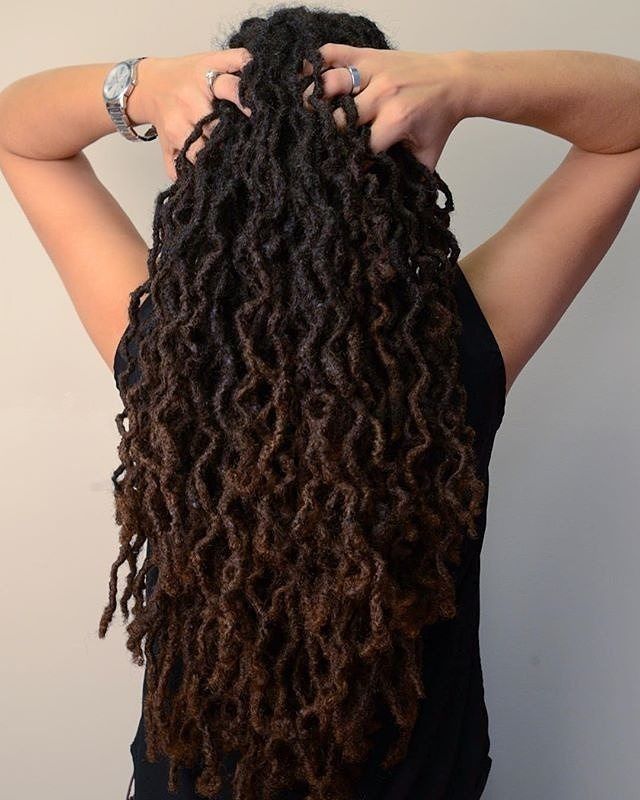
Things like excessive tension, rough handling, sleeping without a satin bonnet, and frequent manipulation can all contribute to breakage.
Healthy loc growth isn’t just about producing new hair – it’s about keeping the hair you’ve already grown. Protecting your locs at night, avoiding overly tight styles, and moisturizing consistently all help preserve your hard-earned length.
For more gentle styling inspiration, explore Low Tension Loc Styles That Protect Your Hairline, especially if you frequently wear buns or ponytails.
6. Nutrition Matters More Than Most People Realize
Your hair relies on the nutrients you consume every day. If your body lacks essential vitamins, minerals, protein, or healthy fats, it naturally prioritizes vital organs over hair growth.
A balanced diet rich in leafy greens, lean proteins, fruits, nuts, seeds, and plenty of water supports healthier hair from the inside out.

While supplements can be helpful for some people, they aren’t magic solutions. They’re most effective when they fill genuine nutritional gaps rather than replace healthy eating habits.
Hydration is equally important. Dehydrated hair often becomes dry and brittle, making breakage more likely even if your roots are producing new growth.
If you’re preparing for warmer weather, don’t miss 15 Ways to Protect Your Locs in Summer, where you’ll learn how seasonal changes affect moisture retention.
7. Stress Can Slow Healthy Hair Growth
Life gets busy, and stress is something most of us deal with. However, many people don’t realize that ongoing stress can affect the health of their hair.
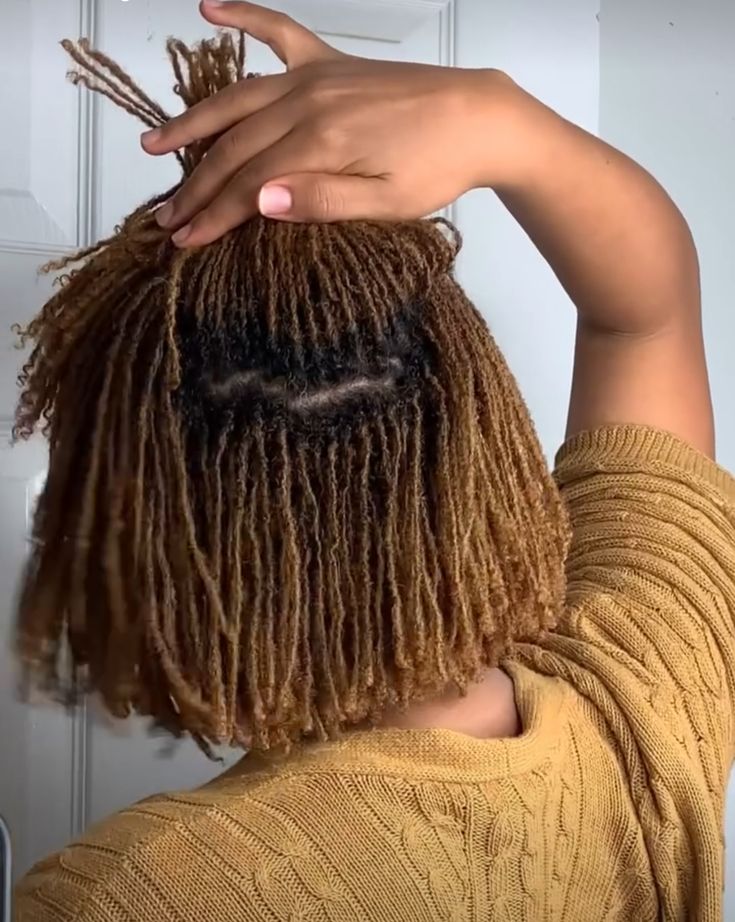
High stress levels may disrupt your body’s normal hair growth cycle. In some cases, it can even lead to increased shedding or slower growth over time. While a stressful week won’t suddenly stop your locs from growing, long-term stress can make it harder for your hair to thrive.
Finding healthy ways to manage stress, such as exercising, getting enough sleep, staying active, or practicing mindfulness, benefits both your overall health and your locs. Remember, healthy hair starts with a healthy body.
If you’re looking for protective styles that require very little daily effort, you’ll love Beginner-Friendly Loc Styles for Work and School, which are perfect for reducing daily styling stress.
8. Over-Manipulating Your Locs Can Slow Progress
It’s tempting to constantly touch your locs, especially during the starter stage. Many people check their growth every day, retwist too often, or experiment with new styles every week.
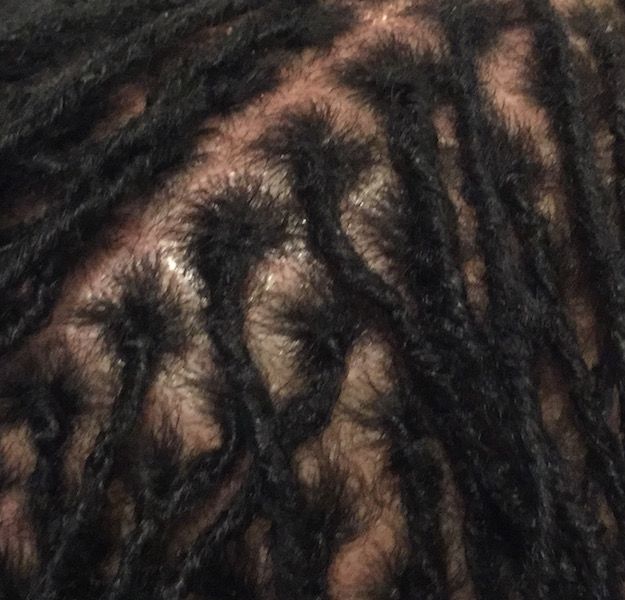
Unfortunately, too much manipulation can weaken your hair and place unnecessary tension on your roots. Your locs need time to mature naturally. Constant twisting, pulling, or restyling may lead to thinning edges, breakage, or unnecessary stress on your scalp.
Instead, keep styling simple and allow your locs time to rest between maintenance sessions.
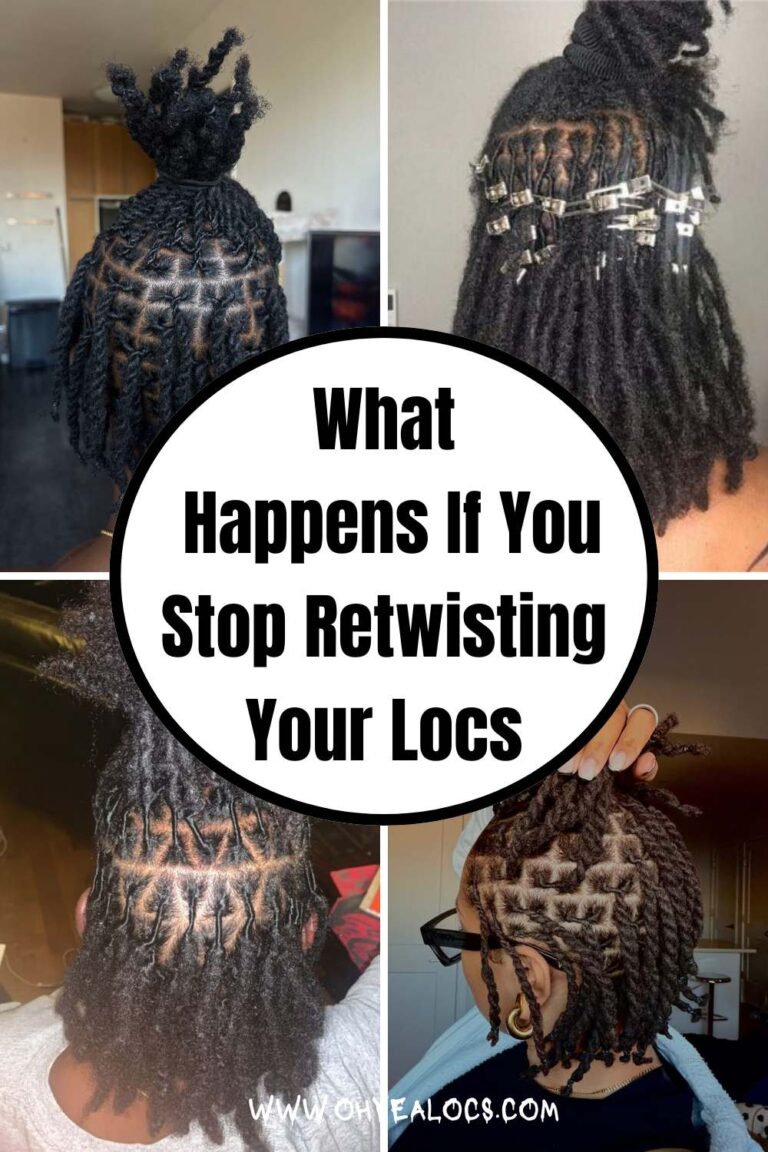
If you’re unsure how often your locs should be maintained, read How Often Should You Retwist Starter Locs? for a beginner-friendly maintenance schedule.
9. Product Build-Up Can Affect Scalp Health
Using more products doesn’t always mean healthier locs.
Heavy creams, waxes, and thick oils can build up inside your locs over time. This buildup traps dirt, blocks moisture from penetrating your hair, and can leave your scalp feeling itchy or irritated.
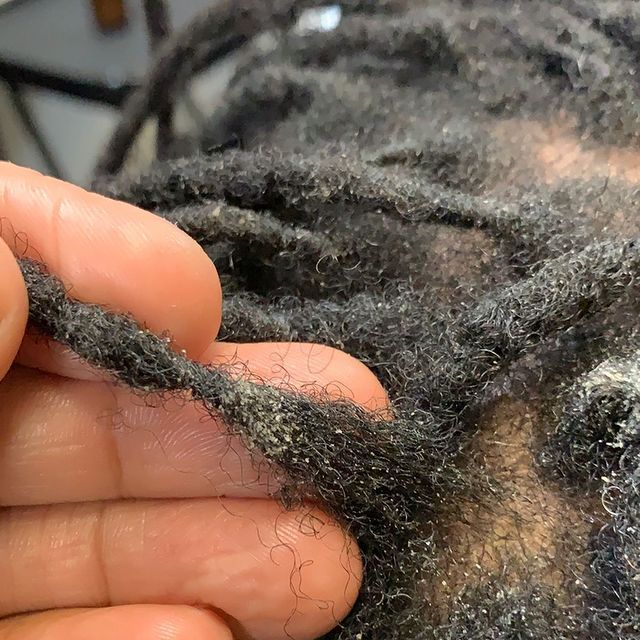
Rather than layering multiple products, choose a simple routine with lightweight oils and water-based moisturizers. Regular cleansing helps remove buildup before it becomes a problem and keeps your scalp in the best condition for healthy hair growth.
If you’re planning a vacation soon, you’ll also enjoy Vacation Loc Hairstyles That Look Effortlessly Beautiful, where you’ll find easy styles that require minimal product while traveling.
10. Your Daily Habits Matter More Than You Think
Small habits repeated every day often have a bigger impact than expensive hair products. Sleeping without a satin bonnet, skipping wash days, wearing tight hairstyles too often, or forgetting to moisturize your locs can gradually affect their health.

On the other hand, simple habits like drinking enough water, protecting your locs at night, eating nutritious foods, and maintaining a clean scalp create the ideal environment for long-term growth.
Consistency almost always produces better results than constantly changing routines. Healthy locs are built through small daily choices rather than overnight transformations.
11. Patience Is One of the Biggest Growth Factors
This may not be the answer people want to hear, but patience truly plays a huge role in every loc journey.
Hair grows gradually. For most people, growth happens at a relatively steady pace, but because you see your own hair every day, the changes can be difficult to notice.
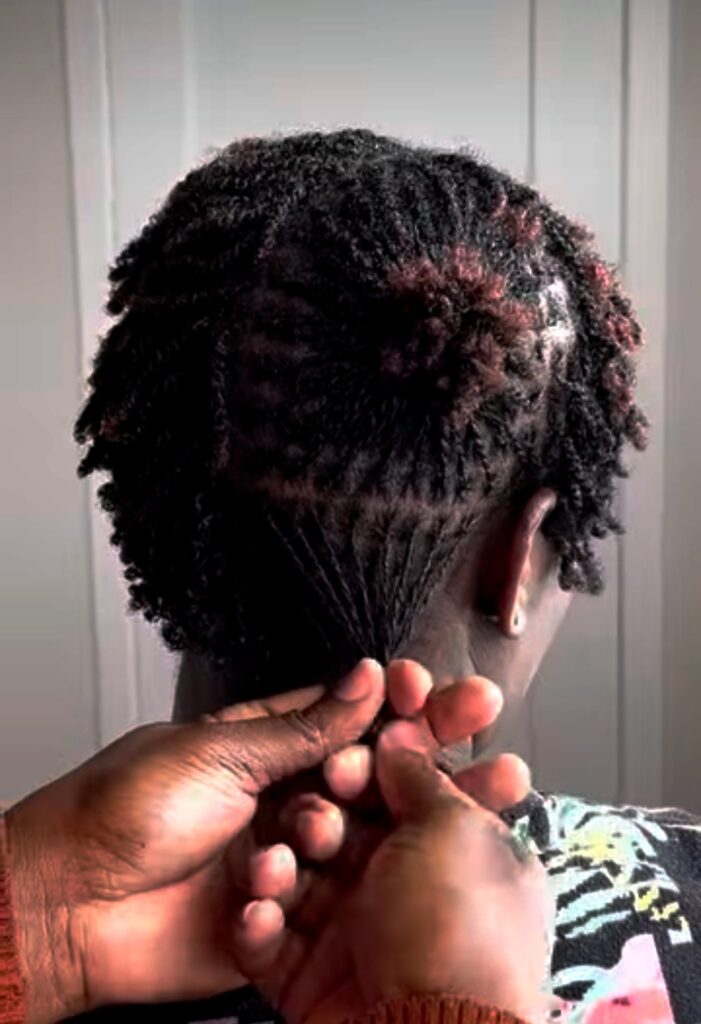
Constantly measuring your locs or comparing them with others can make your progress feel slower than it really is.
Instead, celebrate small milestones. Take monthly photos, keep a simple hair journal, and appreciate how much healthier your locs become over time. You’ll often discover that your locs have grown much more than you realized.
Common Myths About Loc Growth
There are plenty of myths surrounding locs, and believing them can lead to frustration or unrealistic expectations. Let’s clear up a few of the most common ones.
Myth 1: Locs Stop Growing
This is one of the biggest misconceptions. Locs continue to grow from the scalp just like loose natural hair. The difference is that shrinkage and the locking process can make growth less noticeable, especially during the early stages.
Myth 2: Expensive Oils Guarantee Faster Growth
No oil can change your genetic growth rate. While some oils help keep your scalp moisturized and healthy, they don’t force your hair to grow faster.
Myth 3: Retwisting More Often Makes Locs Grow Faster
Frequent retwisting doesn’t speed up growth. In fact, excessive retwisting can weaken your roots and increase the risk of thinning.
Myth 4: Cutting Your Locs Makes Them Grow Faster
Hair growth begins at the scalp, not at the ends. Trimming damaged ends may improve the appearance of your locs, but it doesn’t increase your growth rate.
If you’re interested in keeping your styles fresh while protecting your hair, be sure to read 15 Ways to Style Your Locs in Summer, which combines style with healthy maintenance.
Final Thoughts
Understanding Why Some Locs Grow Faster Than Others can help you stop comparing your journey to everyone else’s. While genetics influence your natural growth rate, many other factors including scalp health, nutrition, stress, maintenance habits, and length retention, also play important roles. The good news is that you have control over many of these daily habits, and small, consistent improvements can make a noticeable difference over time.
Instead of chasing overnight results or trying every trending product, focus on building a routine that keeps your scalp clean, your locs moisturized, and your hair protected. Healthy locs aren’t created through shortcuts – they’re built through patience, consistency, and proper care. Trust your journey, celebrate every milestone, and remember that the strongest, healthiest locs are the ones nurtured with time and intention.
If your goal is long, healthy locs, keep learning, stay consistent, and give your hair the care it deserves. Before you know it, you’ll be looking back at old photos and realizing just how far your loc journey has come.

One Comment