
Retwist vs Interlocking: Which Is Better for Your Locs
Disclosure: Some of the links in this post are affiliate links. This means if you click on the link and purchase an item, I will receive an affiliate commission at no extra cost to you. All opinions remain my own. I only recommend products or services I believe will add value to my readers.
If you have locs or you’re just starting your journey, there’s a good chance you’ve asked yourself one of the most confusing questions in loc maintenance: Should I retwist or interlock my locs? With so many different opinions online and from locticians, it’s easy to feel unsure about which method is actually right for your hair.
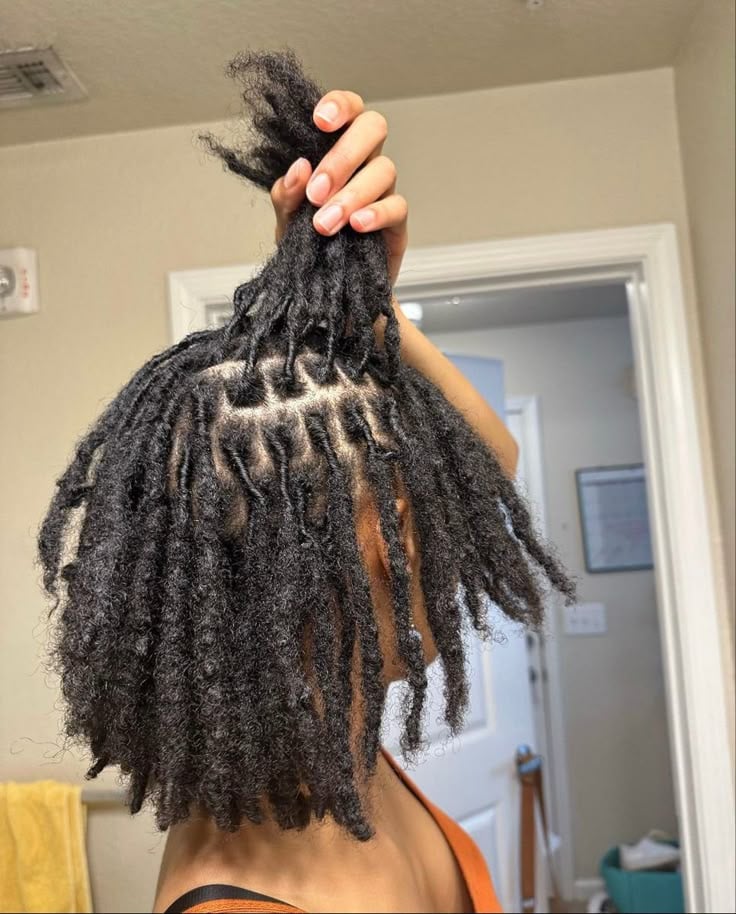
This confusion often comes with real worries. Many people quietly wonder, “Am I damaging my locs with the wrong method?” or “Why do my roots unravel so fast no matter what I do?” These concerns are valid, especially when you’re trying to grow healthy, well-formed locs without causing unnecessary tension or setbacks.
The truth is, both retwisting and interlocking are effective maintenance methods, but they serve different purposes and work better for different hair types, lifestyles, and loc goals. One is not automatically better than the other; it’s about understanding what your hair actually needs.
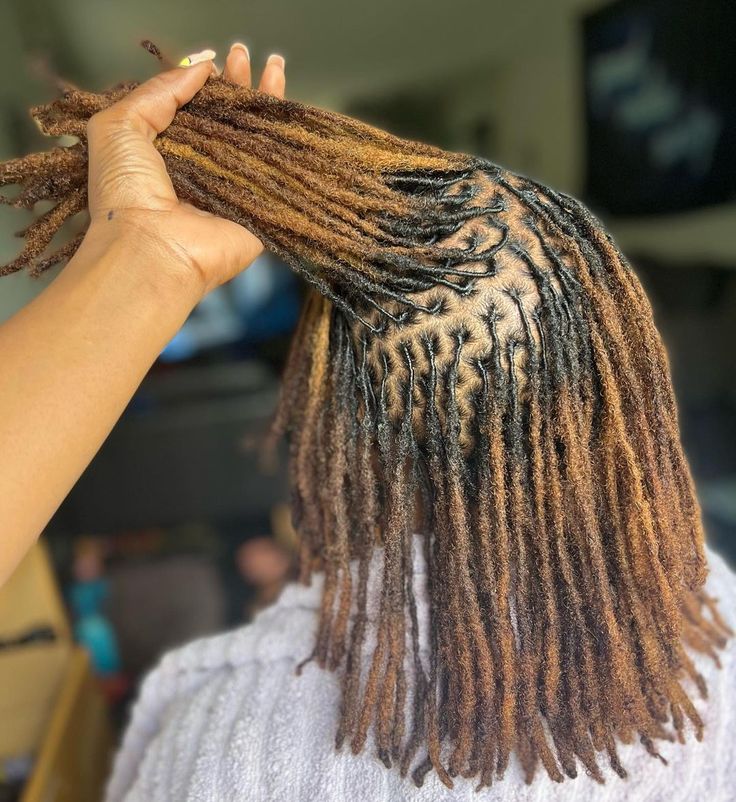
In this guide, you’ll get a clear, side-by-side breakdown between retwist vs interlocking: which is better for your locs, so you can finally understand how they work and confidently choose the best option for your loc journey.
What Is Retwisting? (And How It Works)
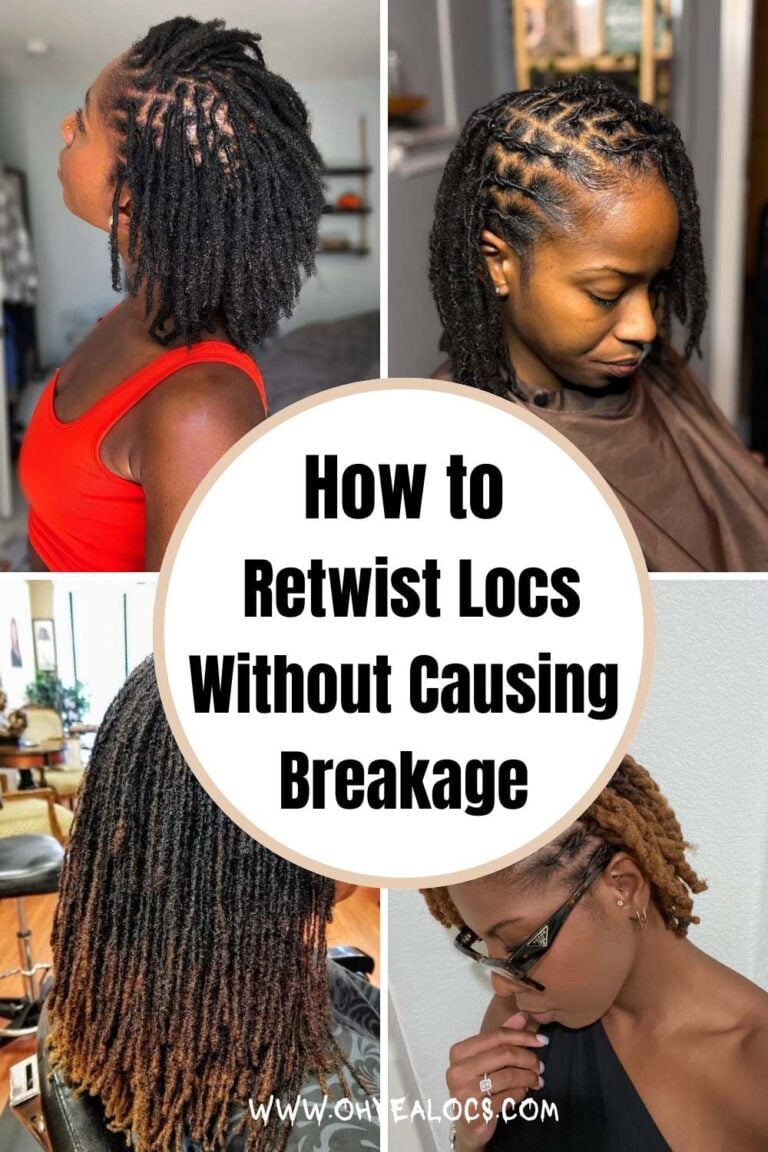
Retwisting is one of the most common loc maintenance methods used to keep locs neat and defined. It involves gently twisting the new growth at the root and wrapping it around the base of the existing loc to help maintain structure.
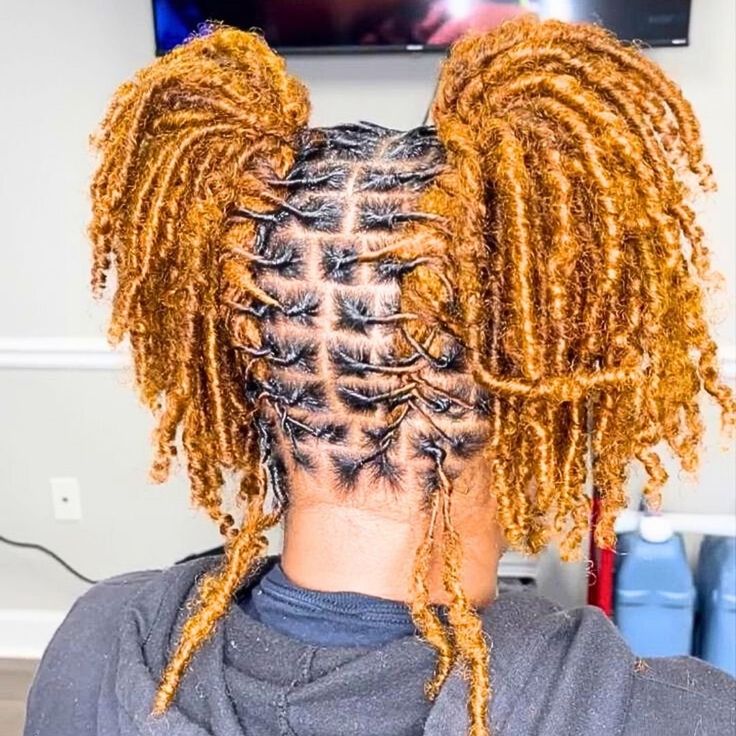
The process is fairly simple: the new growth is sectioned, then twisted in the direction of the loc pattern using fingers or a comb, often secured with clips or light styling products to help it hold in place.
Retwisting is most commonly used for people who want a clean, polished, and well-defined look, especially during the starter and early mature stages of locs. It helps maintain visible parts and gives the roots a neat, uniform appearance.
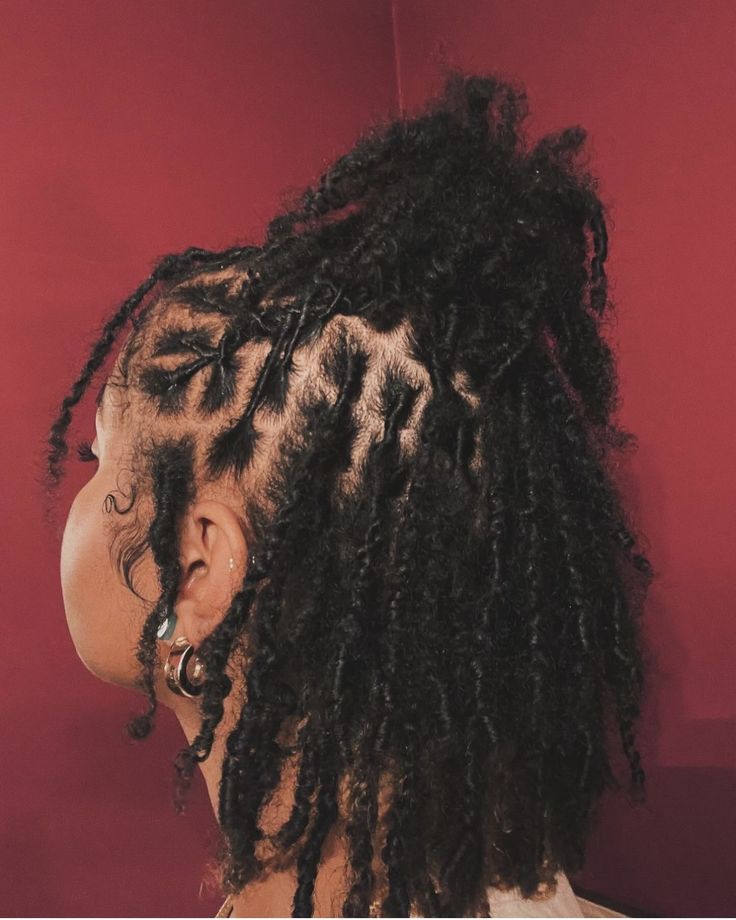
At its core, the main purpose of retwisting is neatness and visual definition, making the locs look fresh and intentionally styled.
What Is Interlocking? (And How It Works)
Interlocking is another popular maintenance technique, but it works very differently from retwisting. Instead of twisting the hair around the root, interlocking involves pulling the new growth through the base of the loc using a tool or fingers to “lock” it in place.
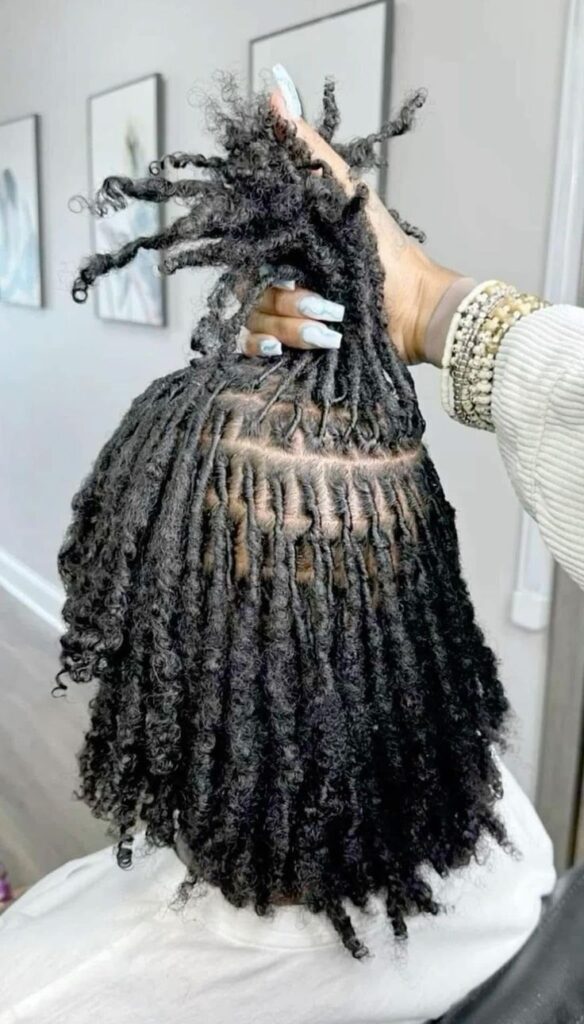
This creates a tighter, more secured root that is less likely to unravel over time. Because of this structure, interlocking tends to last longer between maintenance sessions compared to retwisting.
It is commonly used for starter locs that need strong structure, people with active lifestyles (sports, sweating, frequent washing), or those who prefer low-frequency maintenance routines.
The main purpose of interlocking is long-lasting root maintenance, offering durability and structure rather than softness or visual looseness.
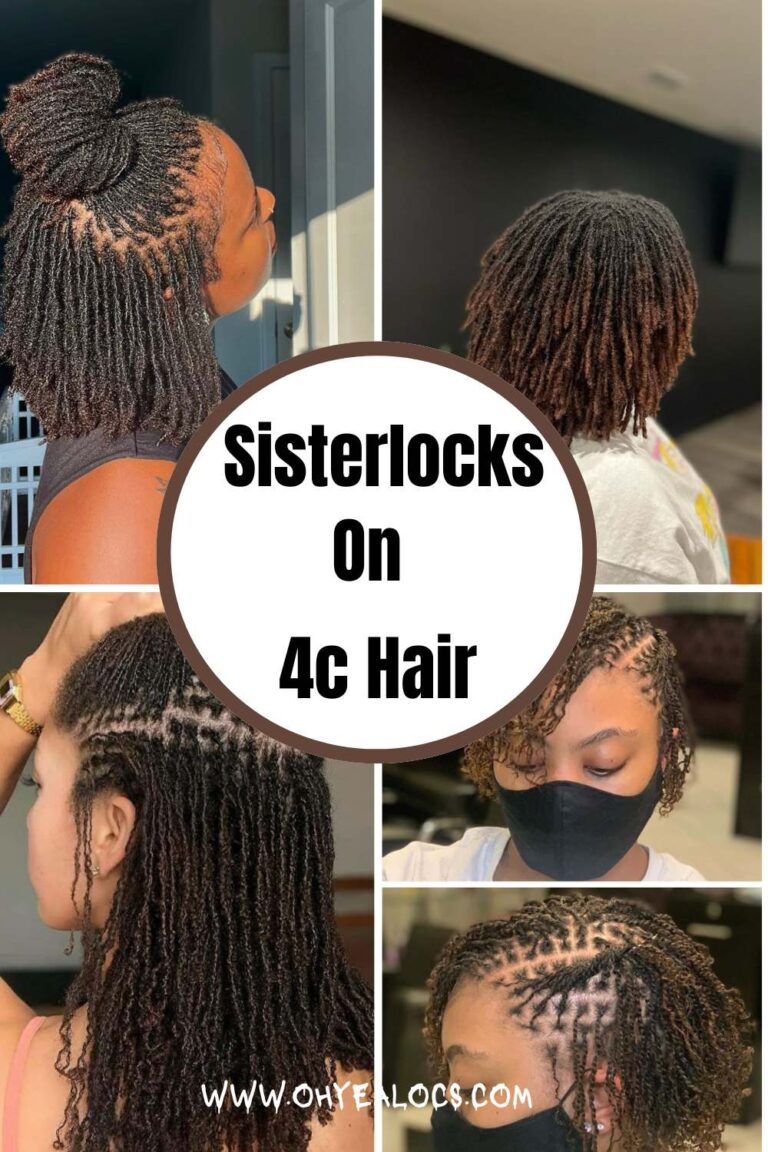
I recommend this: What Are Sisterlocks? Everything Beginners Need to Know
Retwist vs Interlocking – Key Differences
While both methods maintain locs, they create very different results and experiences.
In terms of appearance, retwisting produces a smoother, softer, and more natural-looking root, while interlocking creates a tighter, more structured root that can sometimes look grid-like when not done carefully.
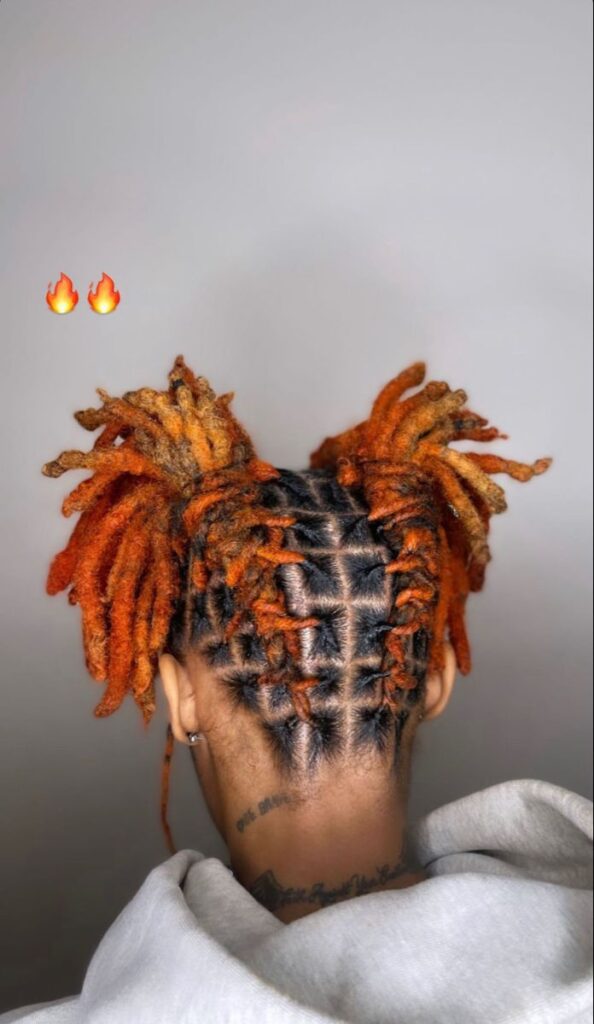
When it comes to maintenance duration, retwisting is shorter-lasting and typically requires more frequent upkeep, while interlocking holds for a longer period without unraveling.
There is also a difference in tension levels on the scalp. Retwisting is usually gentler when done correctly, while interlocking can feel tighter, especially if done too often or too firmly.
For hair texture suitability, retwisting is often preferred for looser curl patterns or those who want a softer aesthetic, while interlocking works well for tighter textures or people who need stronger hold.
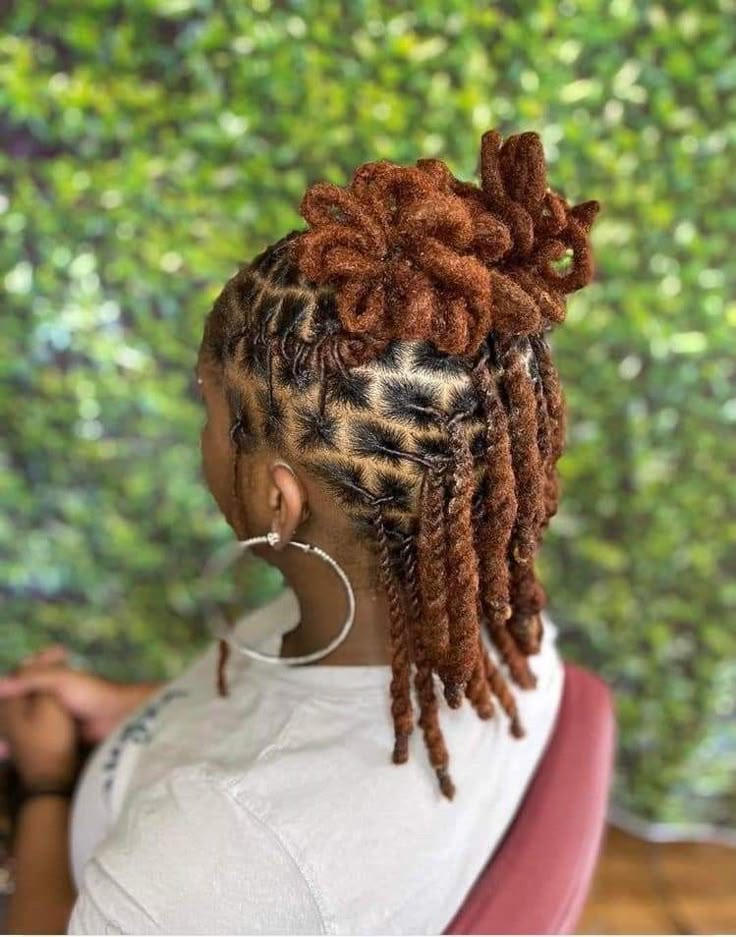
Finally, there is a risk factor to consider: both methods can cause buildup or thinning if done incorrectly. Retwisting too tightly or too often can lead to breakage, while improper interlocking can create stress points or weaken the loc over time.
Pros and Cons of Retwisting
Pros
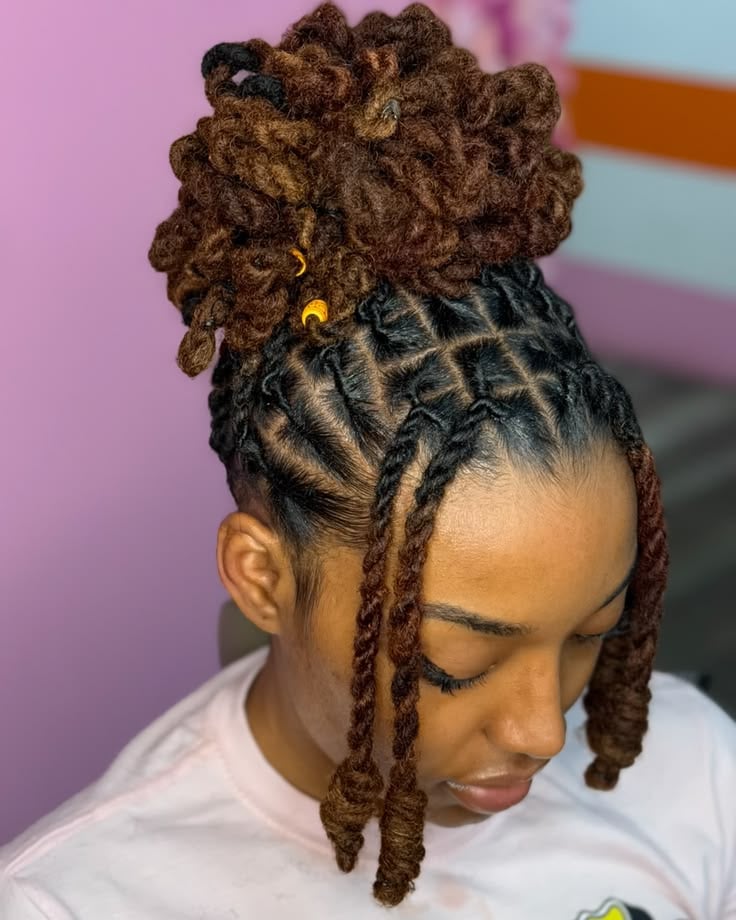
Retwisting offers a natural, softer appearance that blends seamlessly with most loc styles. It is also easier to do at home, making it a convenient option for many people. When done properly, it places less tension on the scalp, which can support healthier long-term growth. It also allows for greater styling versatility, especially for updos and neat, polished looks.
Cons
On the downside, retwisting does not last as long as interlocking, meaning you may need more frequent maintenance. It can also unravel quickly, especially for softer or looser hair textures. Because of this, it often requires a more consistent upkeep routine to maintain a neat appearance.
Pros and Cons of Interlocking
Pros
Interlocking is known for its longer-lasting results, making it ideal for people who don’t want to retouch their roots often. It works especially well for active lifestyles and sweaty environments, since the roots stay secure. It is also beneficial for starter locs that need structure and stability, and it requires less frequent maintenance overall compared to retwisting.
Cons
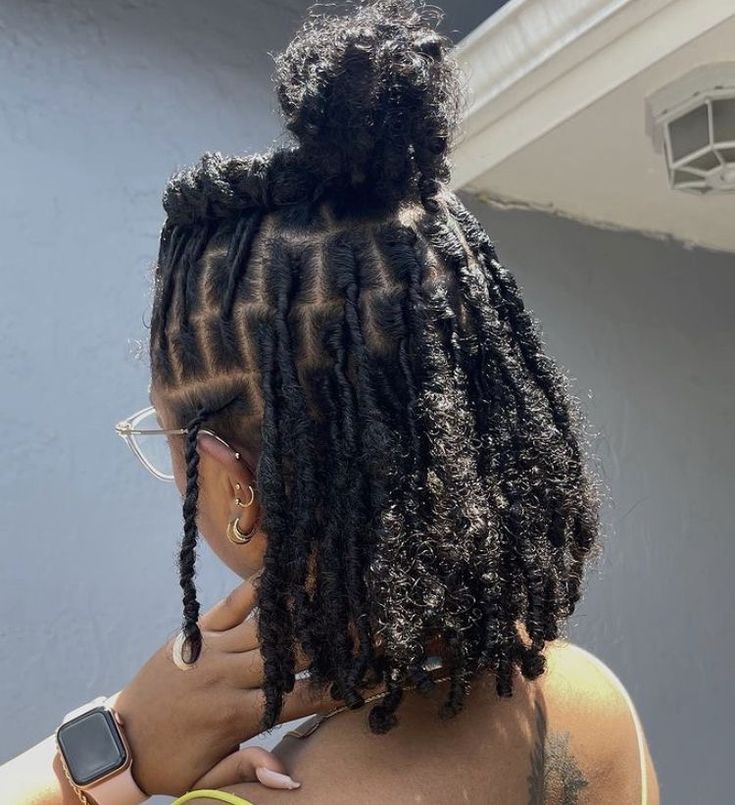
However, interlocking can sometimes feel tighter on the scalp if done incorrectly or too frequently, which may lead to discomfort. There is also a risk of thinning if it is overdone or done too tightly over time. Additionally, if the pattern is not varied, it can create a noticeable “grid-like” look, which some people may find less natural in appearance.
Which Method Is Better for Starter Locs?
Starter locs are the most delicate stage of the loc journey, so choosing the right maintenance method can make a big difference in how your locs develop over time.
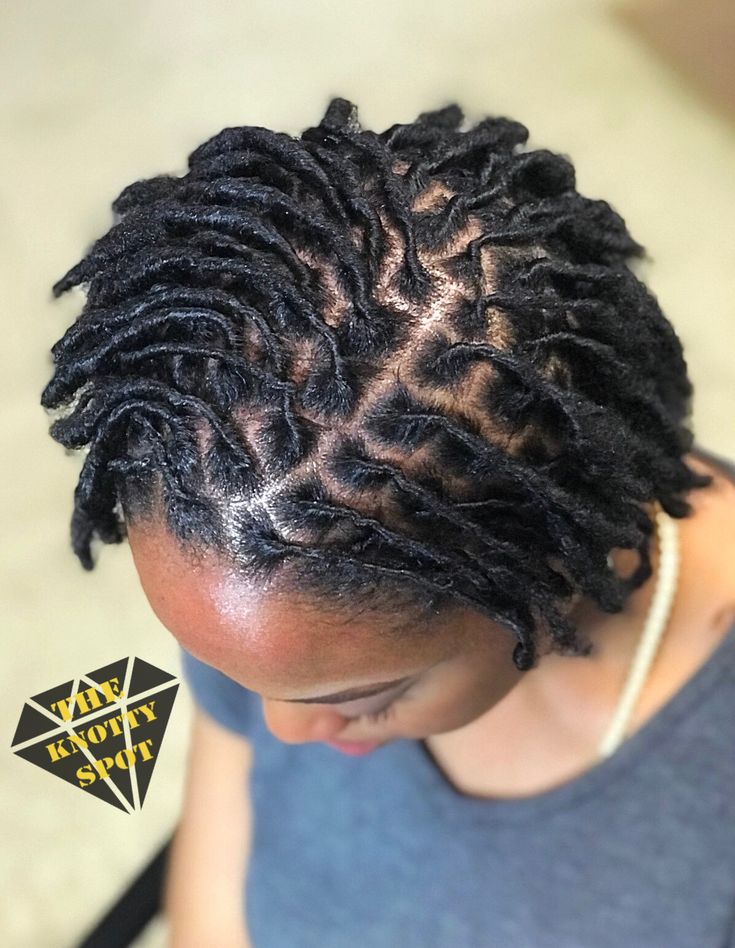
Retwisting is often preferred in the early stages because it helps create a soft, natural foundation while keeping sections neat and visually defined. It supports the “training” phase of loc formation, especially if you want a more organic-looking loc pattern as your hair begins to lock.
However, interlocking may be better for structure if your main concern is keeping the roots tightly secured and preventing unraveling. This is especially helpful for people whose starter locs loosen quickly after retwisting or who prefer longer-lasting maintenance.
Ultimately, hair texture and patience stage matter a lot. Tighter textures may hold retwists differently than looser curls, and your willingness to maintain frequent upkeep will also influence which method works best for you.
Which Method Is Better for Mature Locs?
Once locs are fully matured, the maintenance approach often shifts from “forming” to “maintaining.”
Retwisting is commonly used for styling and appearance at this stage. It helps keep the roots neat while allowing flexibility for different styles, especially for those who enjoy a softer, more natural look.
On the other hand, interlocking is useful for long-term maintenance, especially for people who want their roots to stay secure for longer periods without frequent touch-ups.
In many cases, a combination of both methods can also be used, depending on the individual’s loc goals, lifestyle, and how their hair responds to each technique.
Factors That Should Influence Your Choice
Choosing between retwisting and interlocking should not be random, it should be based on your personal hair needs and lifestyle.
Your hair texture (4C, curly, coily, etc.) plays a big role in how your locs hold and respond to each method.
Your lifestyle also matters. If you are very active, sweat often, or prefer a low-maintenance routine, interlocking may suit you better. If you work in a more professional or style-focused environment, retwisting may align more with your desired appearance.
Scalp sensitivity is another key factor. Some scalps respond better to softer retwisting, while others tolerate interlocking without discomfort.
You should also consider your desired loc look – soft and free-flowing versus structured and tight, as each method creates a very different finish.
Finally, think about your budget and maintenance frequency, since retwisting usually requires more frequent upkeep than interlocking.
Can You Combine Retwisting and Interlocking?
Yes, many people successfully use both methods in their loc journey.
Some people alternate methods depending on their needs, such as retwisting for styling periods and interlocking for longer-lasting hold when life gets busy.
Mixing can be beneficial when done intentionally, especially if you want flexibility without committing to just one approach.
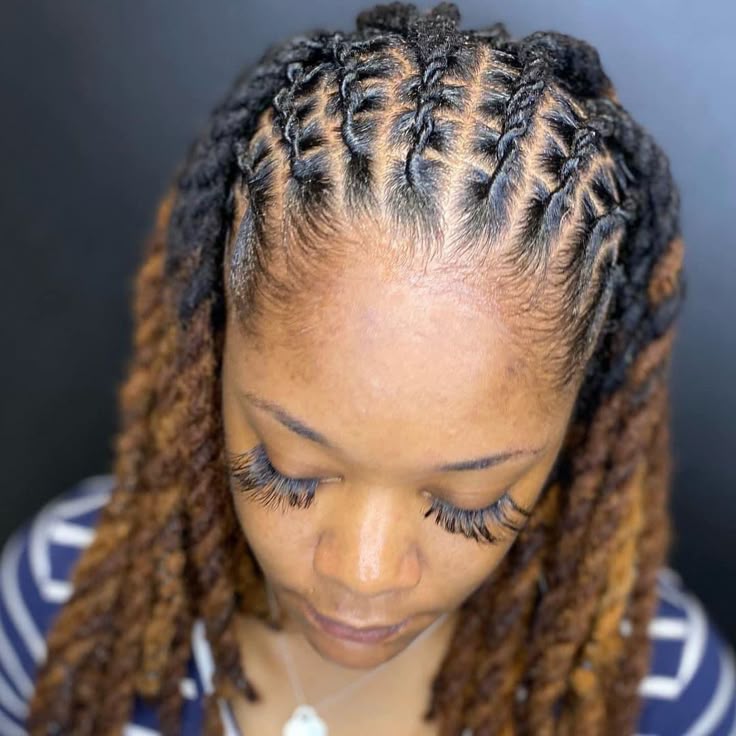
However, it can also cause problems when done without understanding the effects. Inconsistency, buildup, and tension can occur if methods are switched too frequently or applied without a clear maintenance plan.
Common Mistakes to Avoid
One of the most common mistakes is retwisting too tightly, which can lead to thinning edges and unnecessary scalp tension over time.
Another issue is interlocking too frequently, which can stress the roots and affect the natural loc formation process.
Many people also make the mistake of switching methods without understanding the results, leading to uneven loc patterns or confusion about progress.
Lastly, ignoring scalp health and tension signs can turn small issues into long-term damage if not addressed early.
Expert Tips for Healthy Loc Maintenance
Healthy locs thrive on consistency and care, not constant manipulation.
Try to keep a consistent maintenance schedule that works for your hair’s growth and your lifestyle.
Make sure to moisturize your scalp regularly, as a healthy scalp supports stronger, more resilient locs.
Avoid over-manipulation, whether through excessive retwisting, interlocking, or constant styling.
Most importantly, learn to take breaks between retwists and interlocks when needed, allowing your locs and scalp time to rest and stabilize.
There is no universal “better” method when it comes to retwisting versus interlocking, only what is better for you.
Retwisting offers a softer, more natural look that focuses on style and definition, while interlocking provides structure, strength, and long-lasting hold. Both methods can support healthy loc growth when used correctly.
Retwist vs interlocking: which is better for your locs is a question in the heart of many, but instead of following trends or opinions, the best choice comes from understanding your hair, your lifestyle, and your long-term loc goals. When your maintenance method aligns with your personal needs, your loc journey becomes not only easier but much more enjoyable.




3 Comments