
How to Maintain Locs Without a Loctician
Disclosure: Some of the links in this post are affiliate links. This means if you click on the link and purchase an item, I will receive an affiliate commission at no extra cost to you. All opinions remain my own. I only recommend products or services I believe will add value to my readers.
There comes a time in many loc journeys when visiting a loctician regularly is no longer possible. Maybe salon appointments have become too expensive, your schedule has changed, or you simply want to learn how to care for your own hair.
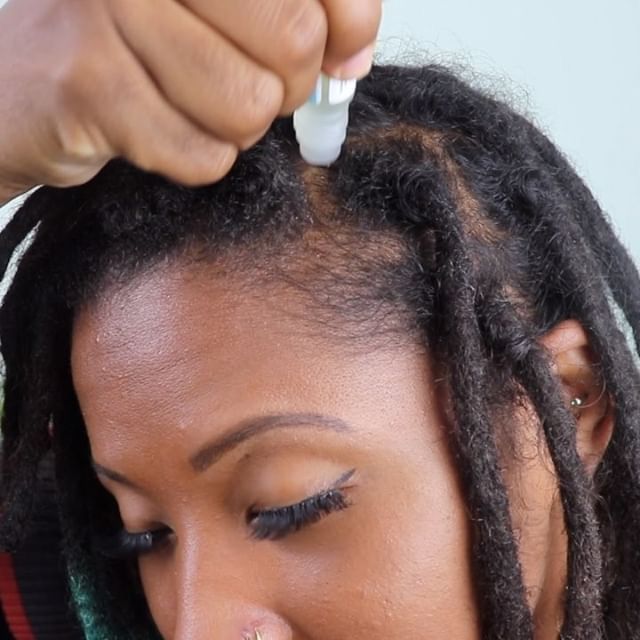
Whatever the reason, the thought of maintaining your locs yourself can feel intimidating. You may worry about damaging your roots, causing breakage, or making mistakes that affect your progress.
The good news is that learning How to Maintain Locs Without a Loctician is easier than most people think. With the right routine and a little patience, you can keep your locs healthy, clean, and beautiful. If you’re looking for a complete foundation, don’t miss How to Care for Your Locs the Right Way: A Complete Guide for Healthy, Long Lasting Hair before you begin.
One of the biggest concerns people have is whether they can achieve salon-quality results at home. While a professional can certainly help, healthy locs are built through consistent daily and weekly care rather than occasional appointments.
Knowing how to cleanse your scalp, moisturize your locs, manage new growth, and prevent buildup makes all the difference. Before starting your DIY routine, you’ll also want to read Common Locs Problems and How to Fix Them to learn how to avoid the most common mistakes that can slow your progress.
In this guide, you’ll discover practical, beginner-friendly tips for maintaining your locs without depending on a loctician. From washing and moisturizing to retwisting, protecting your hair while you sleep, and recognizing signs of healthy locs, every step is designed to help you feel confident caring for your hair.
By the end, you’ll have a simple maintenance routine that keeps your locs looking neat, strong, and thriving while saving both time and money.
The Essentials of Maintaining Locs Without a Loctician
Maintaining your own locs may seem overwhelming at first, but it becomes much easier once you establish a routine. Your goal is not to make your locs look perfect every day. Instead, focus on keeping them healthy, clean, moisturized, and protected. Healthy locs naturally become neater over time when they receive consistent care.
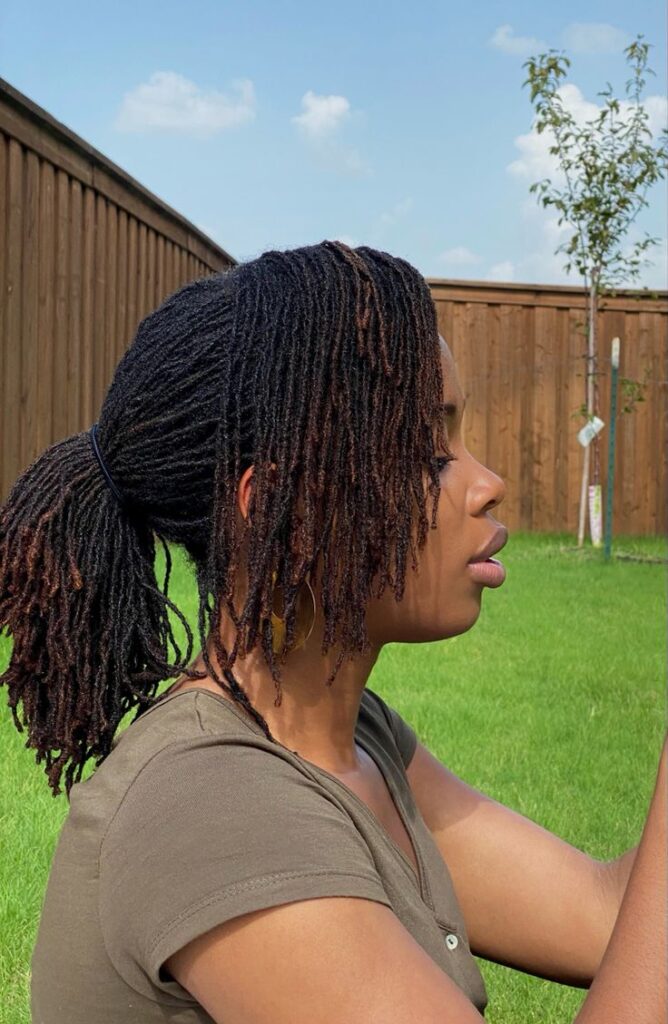
The best part about maintaining your locs at home is that you get to understand your hair better. You’ll notice changes early, solve small problems before they become major issues, and develop a routine that works specifically for your lifestyle.
Keep Your Scalp Clean
A healthy scalp is the foundation of healthy locs. It is the first necessity before asking how to maintain locs without a loctician.
Many people avoid washing their locs because they fear unraveling or frizz. Unfortunately, delaying wash days usually creates more problems. Dirt, sweat, oils, and product buildup clog your scalp and can lead to itching, dandruff, unpleasant odors, and slow hair growth.
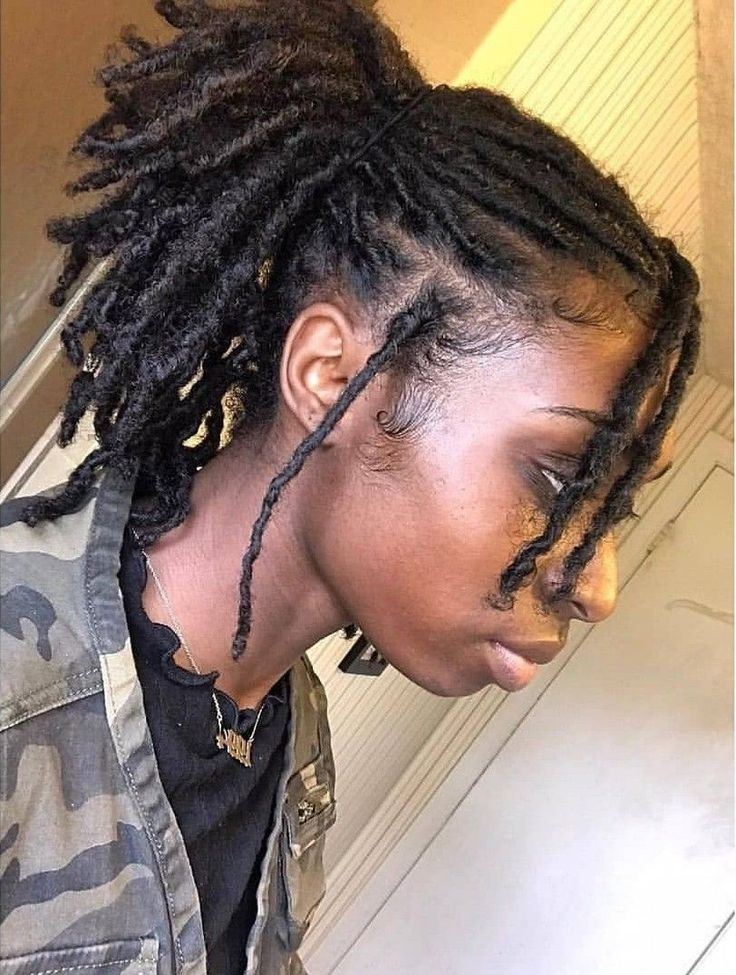
Wash your locs every two to four weeks using a residue-free shampoo. Massage your scalp gently with your fingertips instead of scratching with your nails. Rinse thoroughly to remove every trace of shampoo.
If your scalp flakes frequently, you’ll find practical solutions in How to Get Rid of Dandruff in Your Locs before the problem becomes harder to manage.
For those still in the early stages of their journey, don’t miss How to Wash Starter Locs Without Unravelling Them (Step-by-Step Guide) to protect your new locs during every wash.
Moisturize Your Locs Consistently
Dry locs become brittle. Brittle locs eventually lead to breakage, thinning, and split ends. That’s why moisture should become part of your weekly routine.
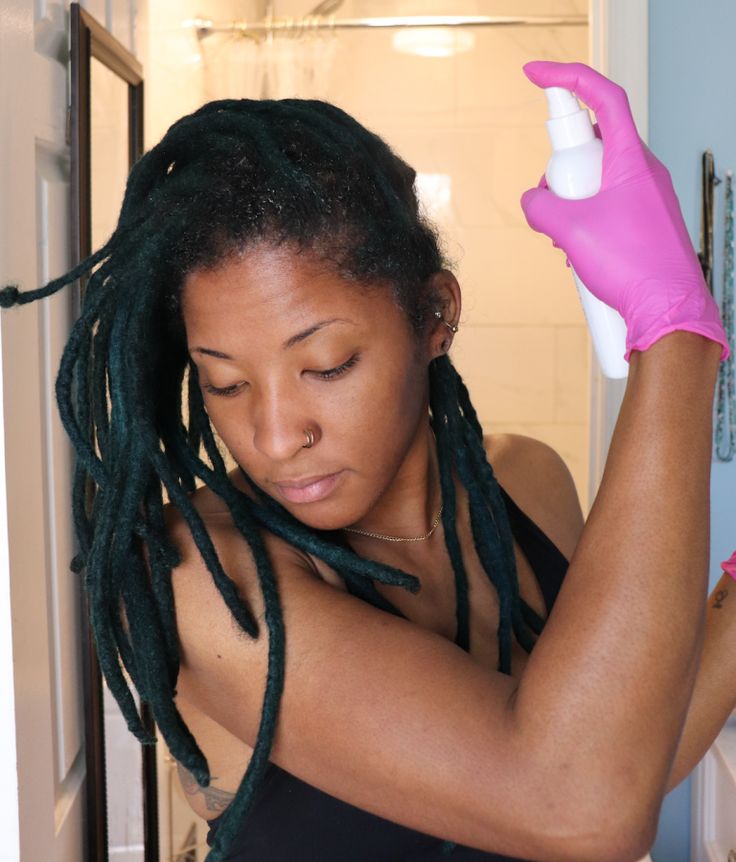
Start with clean water because hydration begins there. Lightly mist your locs before applying a natural oil to seal in the moisture. Avoid using heavy creams because they often leave behind residue that is difficult to remove.
Many beginners ask how often they should moisturize. The answer depends on your climate, hair texture, and lifestyle.
For a detailed schedule, read How Often Should You Moisturize Locs? You’ll learn how to recognize when your locs truly need hydration instead of adding unnecessary products.
Need product recommendations? You’ll also love Best Oils and Moisturizers for Starter Locs (What Actually Works) for ingredients that nourish your locs without causing buildup.
Avoid Product Buildup
One of the biggest mistakes people make at home is using too many products. Hair butters, thick gels, waxes, and creamy moisturizers often stay trapped inside mature locs. Over time they collect dust, lint, and dirt.
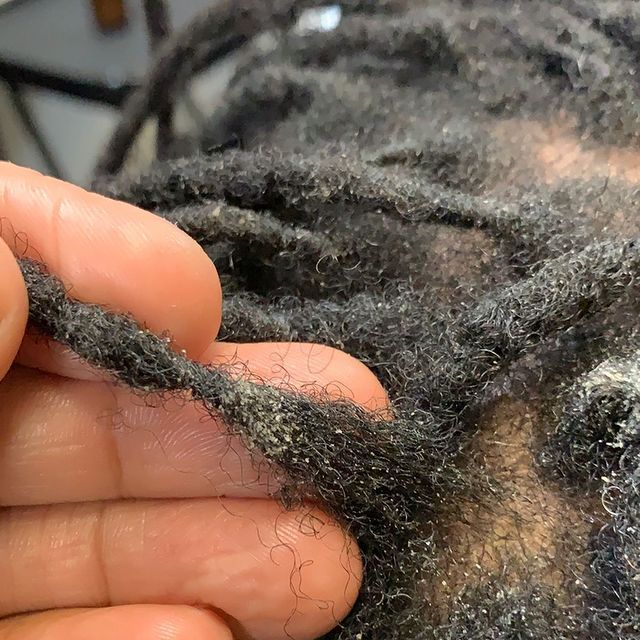
Instead, choose lightweight products with simple ingredient lists. Clarify your locs every few months if you notice heaviness or dullness. If white particles have already appeared inside your locs, check out How to Get Rid of Lint in Locs (Without Damaging Them) for safe removal techniques.
Learn Basic Retwisting Skills
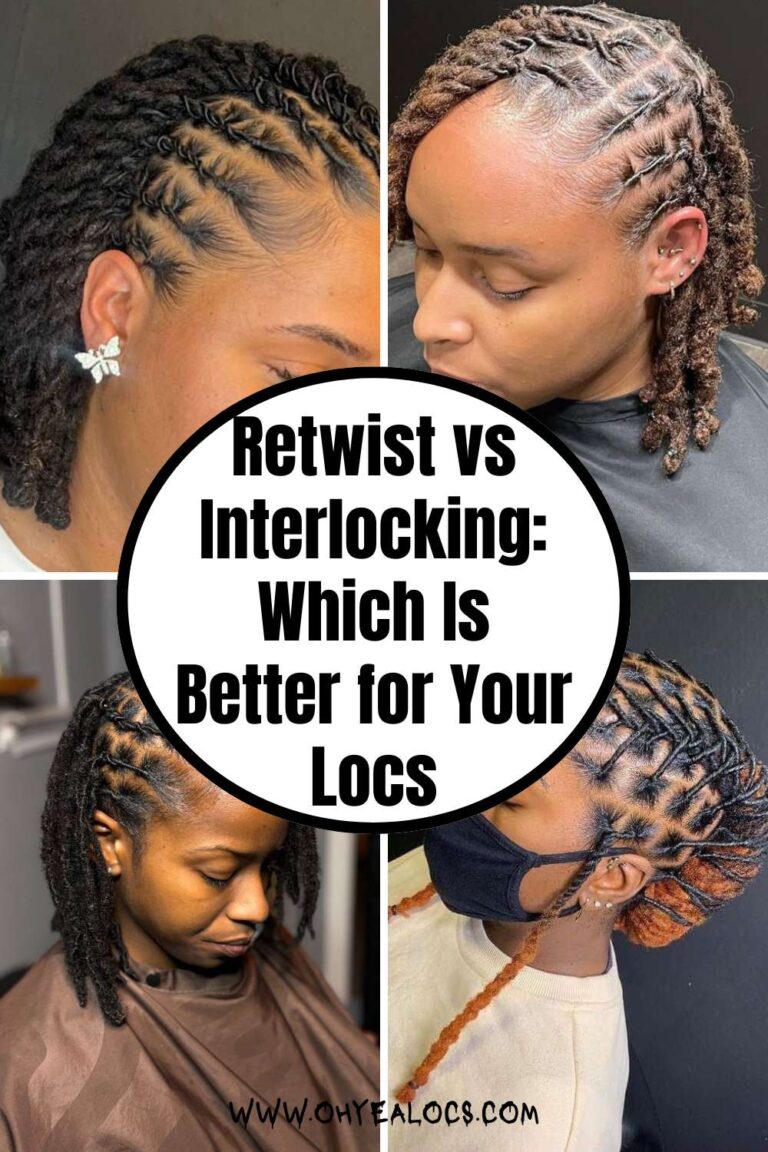
You don’t have to become an expert overnight. Learning a simple retwist technique allows you to maintain neat roots between professional appointments.
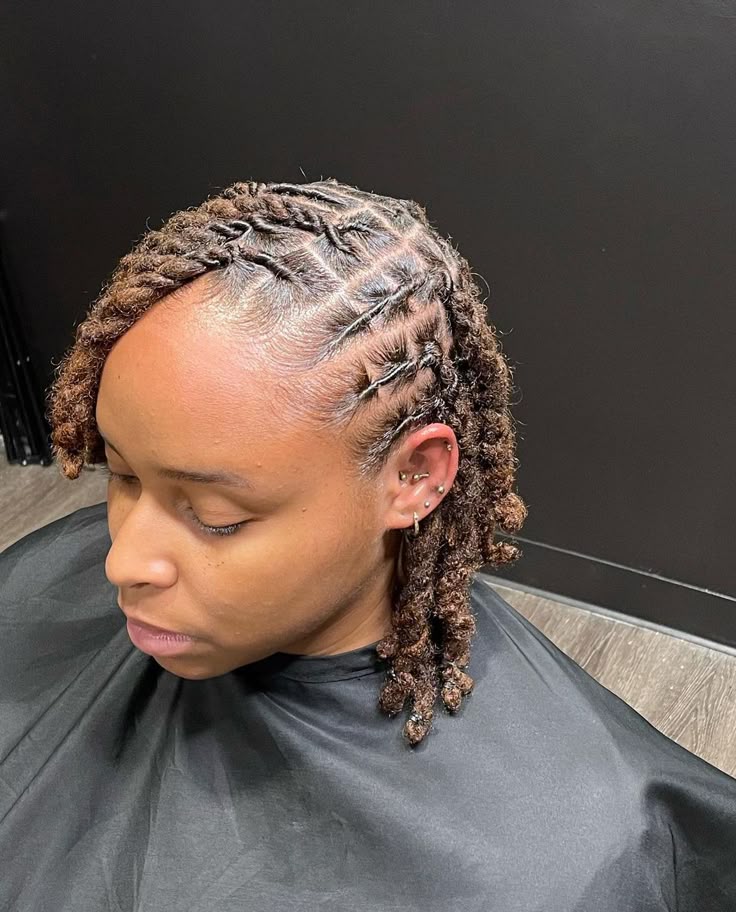
Always retwist damp hair instead of dry hair. Divide your sections carefully and avoid twisting too tightly because excessive tension weakens the roots.
If you’re unsure where to begin, follow Step-by-Step Beginner Guide to Retwisting Locs for an easy process you can confidently practice at home.
You should also read How to Retwist Your Locs Properly at Home, where you’ll discover common mistakes that cause thinning over time.
Don’t Retwist Too Often
Many people believe frequent retwists help locs grow faster. The opposite is usually true. Over-manipulating your roots places constant stress on your follicles. Eventually, your locs may begin thinning around the scalp.
Most mature locs only need retwisting every four to eight weeks, depending on your hair type and desired appearance.
If you’re unsure whether you’re overdoing it, read Signs You Are Retwisting Your Locs Too Often to protect your hairline before permanent damage occurs.
Wondering about timing? How Often Should You Retwist Mature Locs? explains exactly how to find the right schedule for your loc journey.
Protect Your Locs While Sleeping
Nighttime care matters more than many people realize. Sleeping directly on cotton pillowcases removes moisture from your locs and increases friction. Instead, wear a satin bonnet, silk scarf, or sleep on a satin pillowcase.
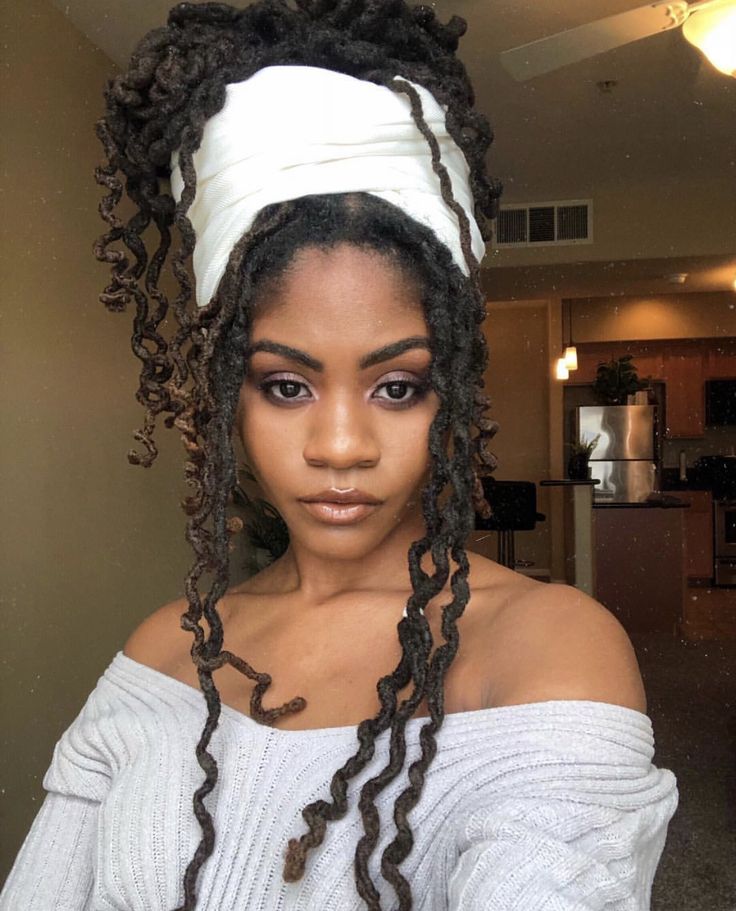
These simple changes reduce frizz, help preserve moisture, and allow your styles to last much longer.
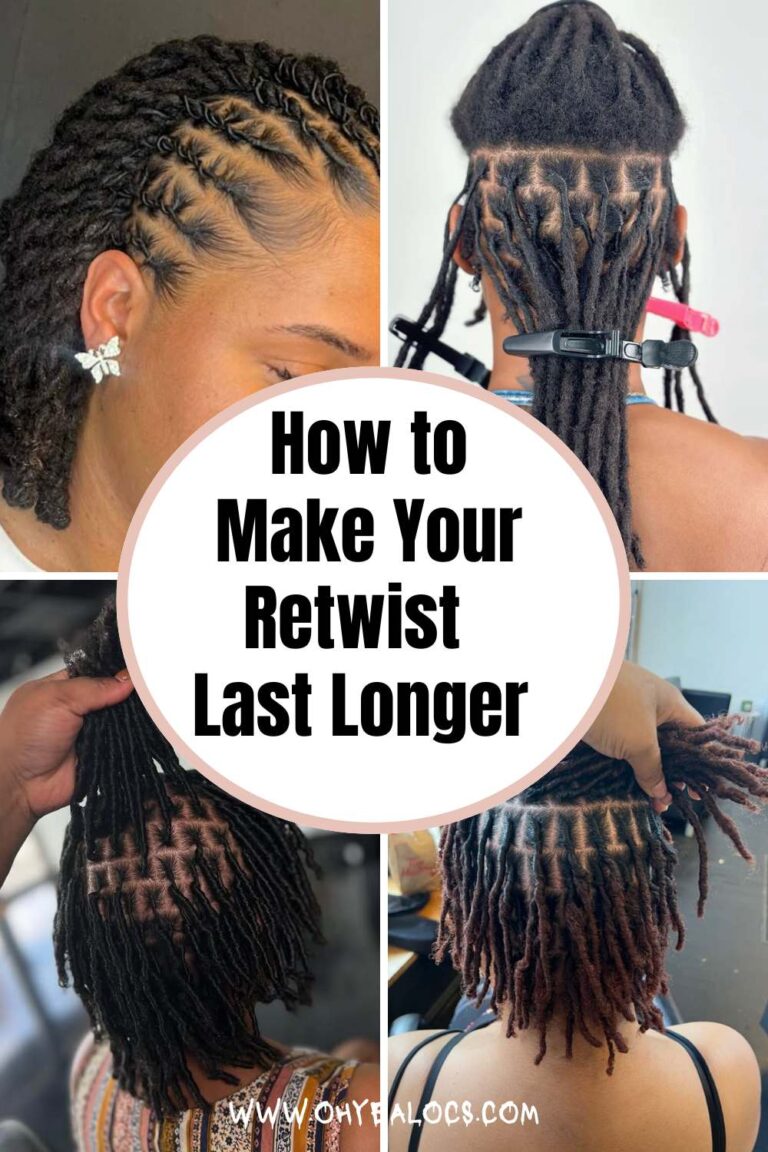
If you’re trying to keep fresh roots looking neat, don’t miss How to Make Your Retwist Last Longer, where you’ll learn simple habits that extend the life of every retwist.
Inspect Your Locs Regularly
One of the biggest advantages of maintaining your own locs is that you notice changes much sooner than someone who only sees your hair every few months.
Set aside a few minutes each week to inspect your locs. Look for thinning roots, loose hairs, lint, excessive dryness, weak spots, or product buildup. Catching these problems early makes them much easier to fix before they become serious.
Pay special attention to the front of your hairline and the nape of your neck. These areas experience the most tension and are often the first places where breakage begins.
If you’re unsure whether your locs are progressing well, read Signs Your Locs Are Locking Properly (And When to Worry). It explains what healthy locs should look like during every stage of your journey.
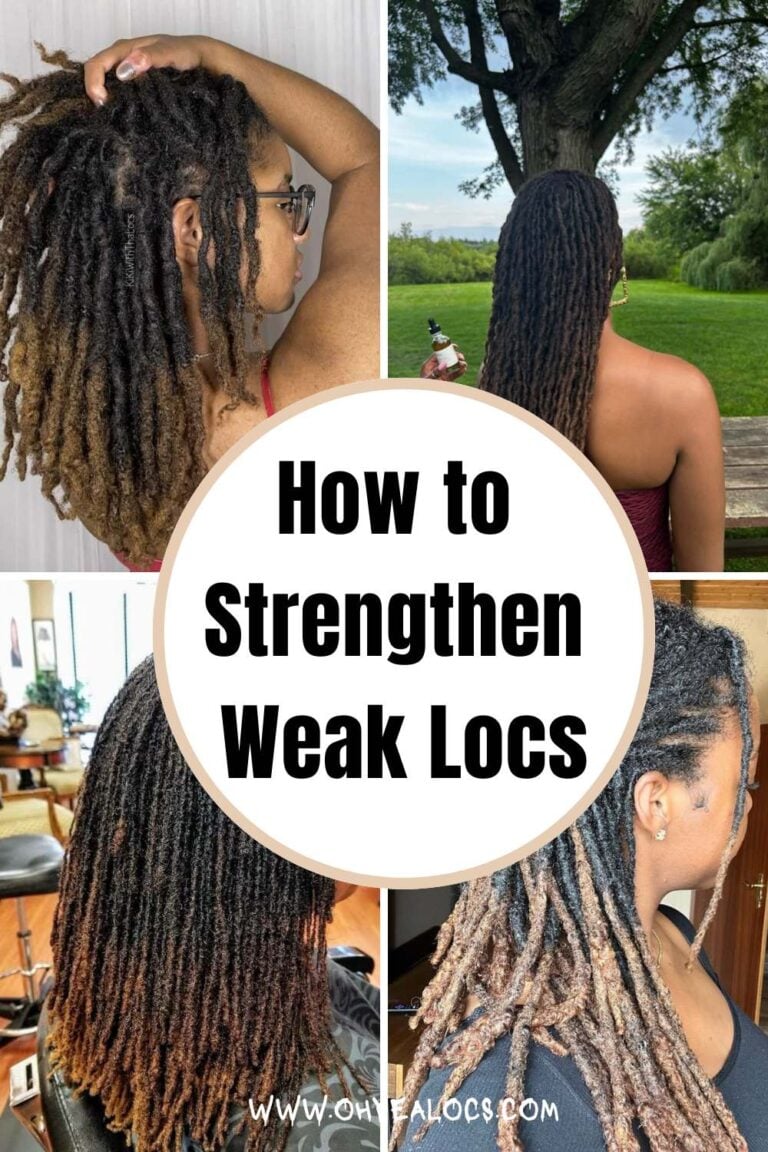
If you notice weak or thinning areas, don’t panic. How to Strengthen Weak Locs shares practical ways to restore strength before further damage occurs.
Keep Your Locs Protected from the Weather
Your locs face different challenges throughout the year.
Cold winter air often causes dryness, while summer heat increases sweat, frizz, and product buildup. Adjusting your routine with the seasons helps your locs remain healthy all year.

During winter, increase your moisturizing routine and protect your hair with satin-lined hats or scarves. Avoid leaving your locs exposed to freezing air for long periods.
Summer calls for more frequent cleansing, especially if you exercise, swim, or spend time outdoors. Sweat and sunscreen can build up quickly around your scalp.
For seasonal routines, don’t miss 15 Ways to Maintain Your Locs in Winter. When temperatures rise, 15 Ways to Protect Your Locs in Summer will help keep your locs healthy despite the heat.
Eat for Healthy Loc Growth
Healthy locs begin beneath your scalp.
Even the best hair products cannot replace proper nutrition. Your follicles rely on vitamins, minerals, protein, healthy fats, and water to produce strong strands.

Eat foods rich in iron, zinc, biotin, omega-3 fatty acids, and vitamins A, C, D, and E. Leafy greens, eggs, beans, fish, nuts, berries, and avocados all support healthy hair growth.
Staying hydrated is equally important. Drinking enough water helps prevent dry, brittle locs while supporting overall scalp health.
If your growth has slowed, explore Foods That Help Your Locs Grow Faster for hair-friendly meal ideas. You may also enjoy Vitamins That Help Loc Growth to understand which nutrients support stronger, healthier locs.
Know When Your Locs Need Professional Help
Maintaining your locs yourself doesn’t mean you should never visit a loctician.
Some situations require professional attention. Severe thinning, broken locs, large areas of mold or buildup, scalp infections, or major repairs are often best handled by an experienced loctician.
Think of home maintenance as preventive care. The better your routine, the less often you’ll need professional intervention.
If you’re experiencing breakage, read How to Prevent Loc Breakage to stop damage before it becomes irreversible.
For readers wondering why their locs seem stuck at the same length, Why Your Locs Are Not Growing (And How to Fix It) explains the most common causes and practical solutions.
Be Patient with the Process
One of the hardest parts of maintaining your own locs is resisting the urge to constantly manipulate them.
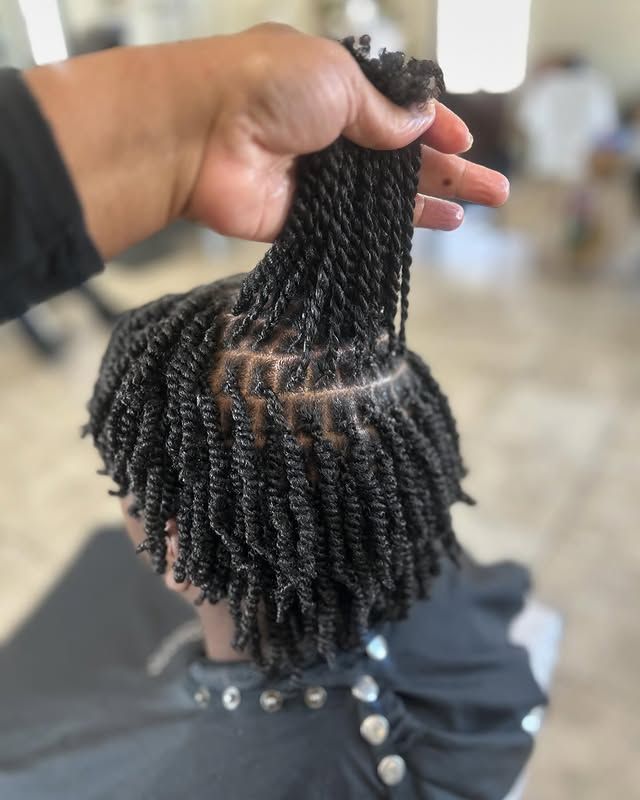
It’s tempting to retwist every loose root, separate every tiny frizz, or try a new product every week. Unfortunately, too much manipulation often causes more harm than good.
Healthy locs thrive when they are left alone between maintenance sessions. Trust the process and allow your hair time to mature naturally.
If you’re trying to improve fullness instead of constantly styling your hair, you’ll find helpful tips in Proven Ways to Make Your Locs Thicker. You can also read How to Grow Fuller Locs From the Root for habits that encourage stronger, denser growth over time.
Final Thoughts
Learning How to Maintain Locs Without a Loctician is one of the best investments you can make in your loc journey. While professional maintenance has its place, your everyday habits determine whether your locs remain healthy, strong, and beautiful.
By washing your scalp regularly, moisturizing consistently, limiting buildup, retwisting carefully, protecting your hair while you sleep, eating nutritious foods, and inspecting your locs often, you’ll create a routine that supports long-term hair health.
Most importantly, remember that no one’s loc journey is perfect. There will be days when your roots are messy or your style doesn’t look salon-fresh. That doesn’t mean you’re failing. Healthy locs are built through patience, consistency, and gentle care not perfection. Keep learning, listen to what your hair needs, and trust that every small step you take today is helping your locs become stronger tomorrow.




9 Comments