
How to Keep Your Scalp Healthy With Locs
Disclosure: Some of the links in this post are affiliate links. This means if you click on the link and purchase an item, I will receive an affiliate commission at no extra cost to you. All opinions remain my own. I only recommend products or services I believe will add value to my readers.
Having locs can simplify your hair routine, but your scalp still needs regular attention. Itching, dryness, flakes, buildup, and scalp tenderness can become frustrating when you are unsure what products to use or how often to cleanse.
How to Keep Your Scalp Healthy With Locs is especially important when you want comfortable roots without constantly manipulating your locs. Moreover, a healthy scalp provides a better foundation for your loc journey.
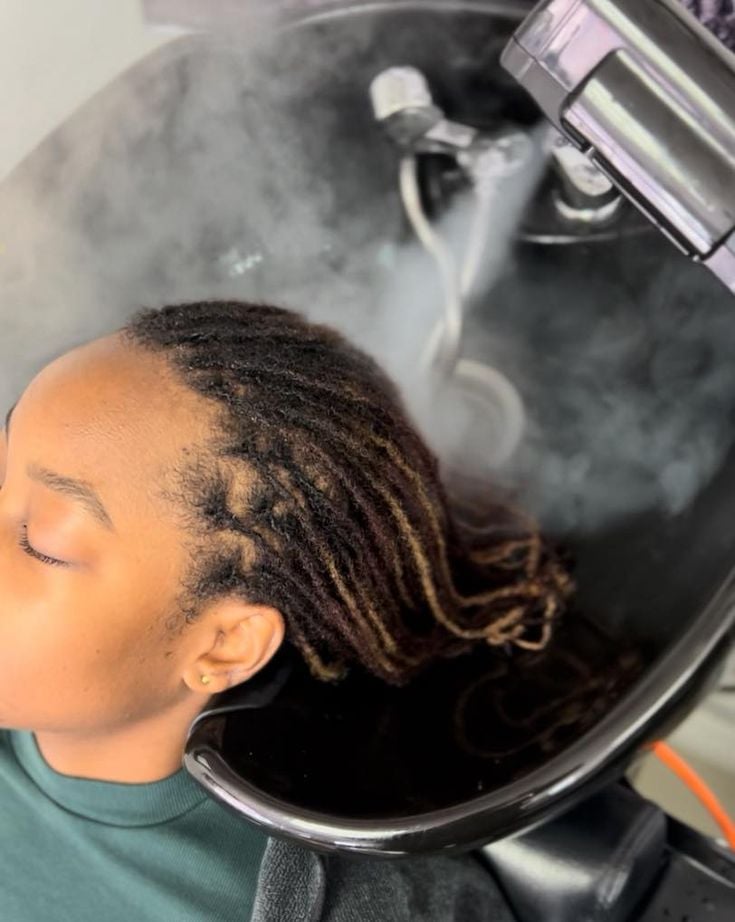
If you are still learning the basics, How to care for your locs the right way: A complete guide for healthy, long lasting hair can help you understand the foundation of proper loc maintenance.
However, keeping your scalp healthy does not mean washing your locs excessively or applying heavy oils every day. Instead, you need to understand what your scalp actually needs and create a routine around cleansing, moisture, and buildup control.
For example, knowing How Often Should You Moisturize Locs? can help you find a better balance between keeping your scalp hydrated and avoiding unnecessary product buildup.
Additionally, paying attention to how your scalp feels can help you recognize when your routine needs to change. A comfortable scalp should not constantly feel tight, excessively oily, itchy, or covered with visible flakes.
Most importantly, How to Keep Your Scalp Healthy With Locs starts with simple habits you can maintain consistently. Your scalp deserves just as much attention as the length of your locs, especially because problems at the roots can eventually affect the overall condition of your hair.
Therefore, focus on gentle cleansing, appropriate moisture, careful product selection, and avoiding unnecessary manipulation.
With the right routine, you can keep your scalp feeling clean and comfortable while supporting healthier-looking locs as they mature.
1. Cleanse Your Scalp Regularly
One of the most important parts of learning How to Keep Your Scalp Healthy With Locs is understanding the importance of cleansing. Your scalp naturally produces oil and sheds dead skin cells.
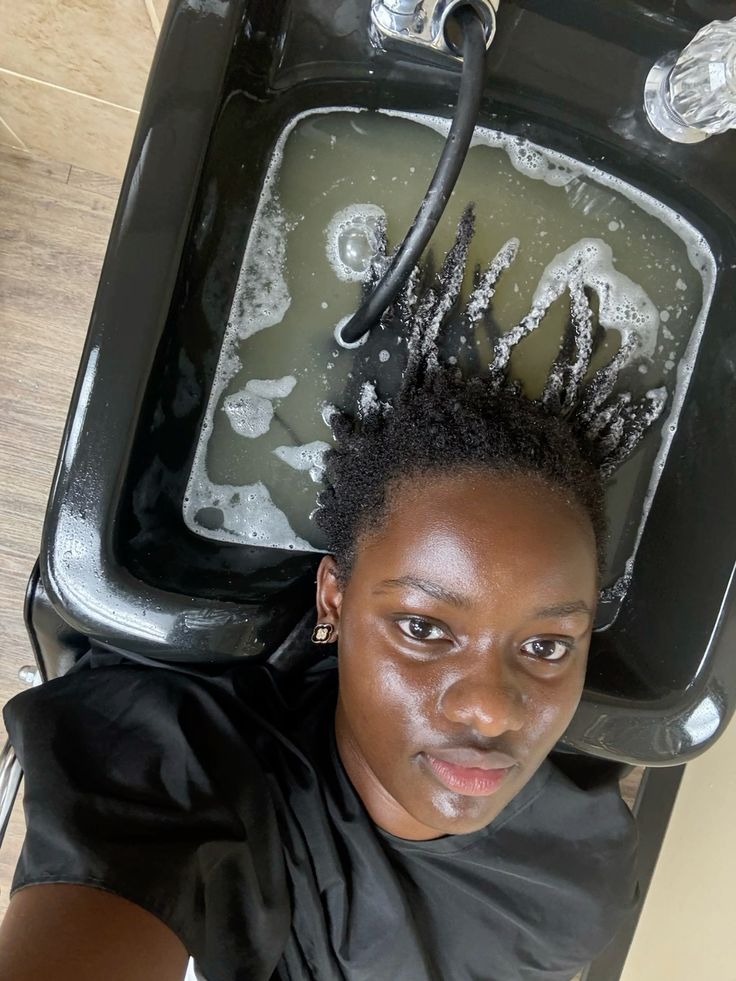
Additionally, sweat, dust, and hair products can accumulate around your roots over time. If you rarely cleanse your scalp, this buildup can contribute to itching, unpleasant odors, and an uncomfortable feeling around your roots.
However, washing your locs does not mean you need to scrub aggressively or constantly manipulate your hair. Instead, focus on getting the cleanser onto your scalp and gently working it through your roots.
Allow the shampoo to cleanse the scalp without rough scratching. Then, rinse thoroughly so that no cleanser remains behind.
If you have starter locs, you may feel nervous about washing because you do not want your locs to unravel. Fortunately, you can develop a gentle cleansing routine that works with your stage of the journey.
How to Wash Starter Locs Without Unravelling Them can provide additional guidance when you are still learning how to cleanse newer locs.
Moreover, how frequently you wash depends on your scalp, lifestyle, products, and activity level. Someone who exercises frequently may need to cleanse more often than someone with a less active routine. Therefore, pay attention to your scalp rather than following a rigid schedule.
Best Shampoo for your locs;
- Dollylocks Clarifying Liquid Shampoo: Cleanses without residue and helps locs tighten naturally.
- LOCssentials Clarifying Shampoo: Uses tea tree to lift away deep buildup and refresh the scalp.
- Lion Locs Shampoo Bar: A solid, residue-free bar that balances pH without heavy film.
- Jamaican Mango & Lime Tingle Shampoo: Soothes itchiness and removes styling wax during your wash.
2. Do Not Ignore an Itchy Scalp
An occasional itch does not automatically mean something is wrong. Nevertheless, persistent itching deserves attention. Constantly scratching your scalp can create irritation and may also transfer dirt and oils from your hands onto your roots.
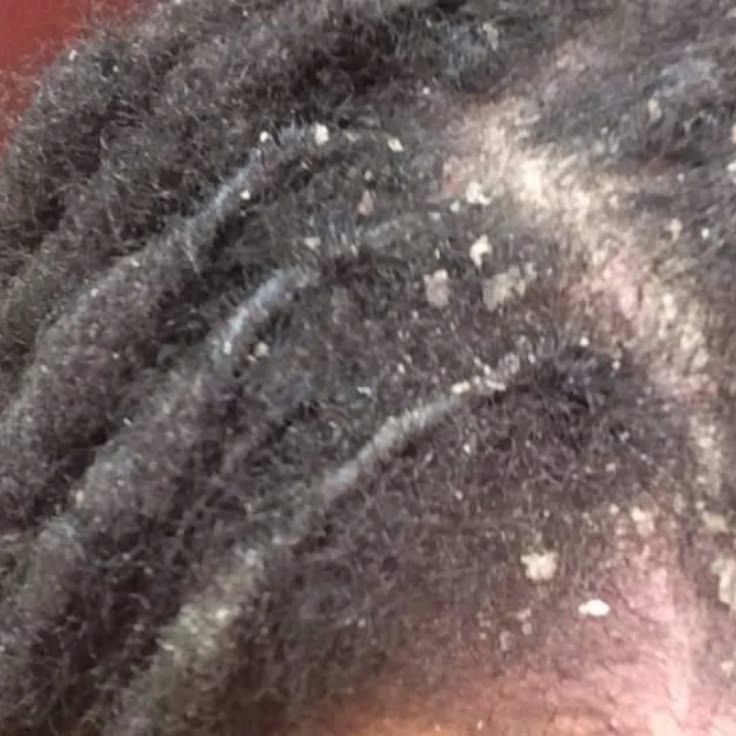
First, consider what changed before the itching started. Did you introduce a new oil, gel, shampoo, or styling product?
Did you recently have a retwist? Are you washing less frequently than usual? Identifying the possible trigger can help you adjust your routine.
Furthermore, avoid pouring multiple products onto an itchy scalp simply because it feels dry. Sometimes, the problem may involve buildup rather than a lack of moisture. Adding more oil can therefore make the situation worse.
If your scalp is persistently itchy, painful, inflamed, or developing unusual sores, consider speaking with a qualified healthcare professional. A persistent scalp condition may require treatment beyond a regular loc-care routine.
3. Keep Product Buildup Under Control
Product buildup is one of the biggest challenges for people learning How to Keep Your Scalp Healthy With Locs. Locs can hold onto products because their structure makes it easier for residue to remain trapped.
Consequently, using large amounts of oils, creams, gels, waxes, or heavy conditioners can eventually leave your hair and scalp feeling coated.
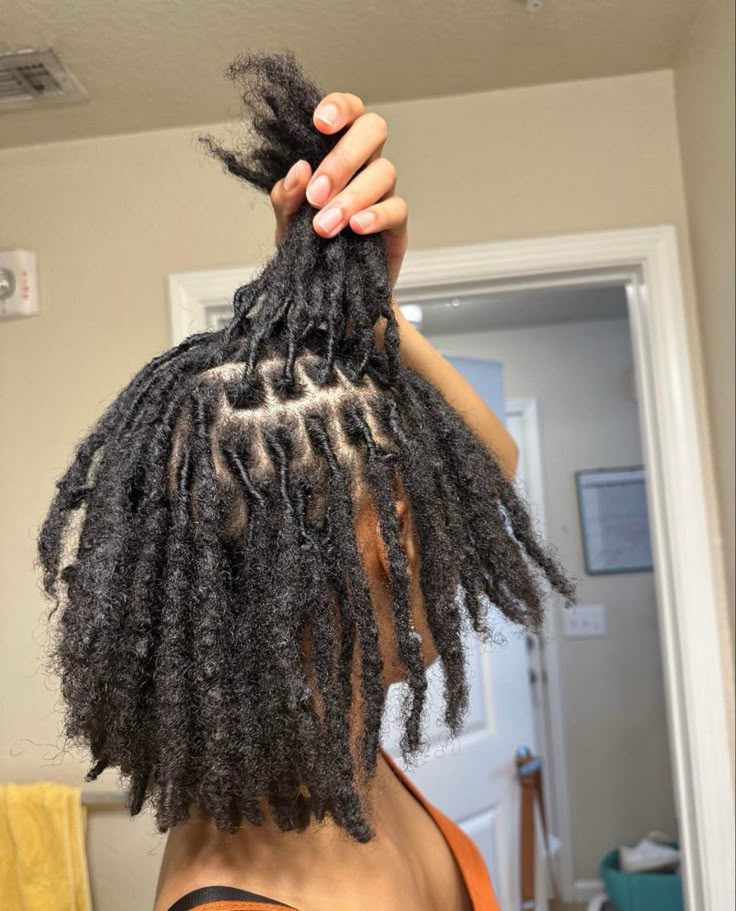
The solution is not necessarily to stop moisturizing. Instead, choose lightweight products and use smaller amounts. Apply products where they are actually needed rather than coating your entire head unnecessarily.
Additionally, pay attention to how your scalp feels after applying a product. If your roots feel greasy, sticky, heavy, or coated, you may be using too much.
Over time, you will learn which products work well with your hair and which ones create problems.
Regular cleansing also helps prevent buildup from becoming excessive. Nevertheless, deep cleansing should be approached carefully, particularly if your locs are delicate, mature, or prone to dryness.
4. Moisturize Without Overdoing It
A healthy scalp needs moisture, but more moisture does not always mean better moisture. This is where many loc wearers become confused.
A dry scalp may encourage someone to apply oil repeatedly, yet oil alone does not necessarily provide the hydration the scalp needs.
Instead, think about moisture as part of a balanced routine. Lightweight water-based products can be useful for hydration, while a small amount of suitable oil may help support the moisture routine.
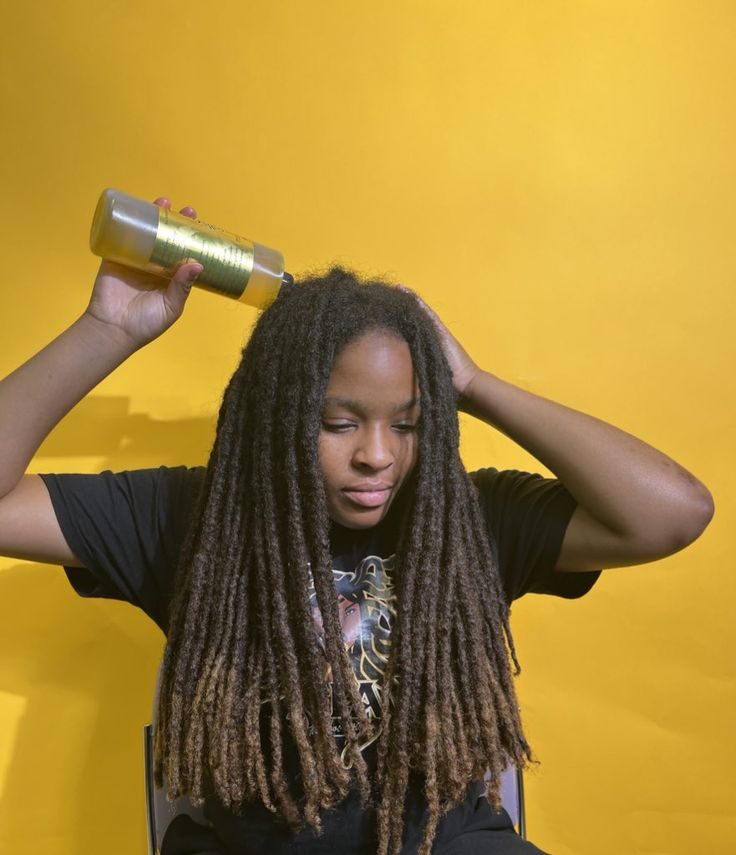
Therefore, avoid automatically reaching for thick products whenever your scalp feels uncomfortable.
Your personal routine should also consider how quickly your scalp becomes dry or oily. How Often Should You Moisturize Locs? is especially useful if you are unsure how frequently to moisturize without creating unnecessary buildup.
Furthermore, seasonal changes, indoor environments, exercise, and washing habits can affect how your scalp feels. As a result, you may need to adjust your routine rather than using exactly the same approach throughout the year.
5. Be Careful With Oils
Oils can be useful in a loc-care routine, but they should not become a substitute for cleansing or proper scalp care.
Applying oil repeatedly without cleansing can cause residue to accumulate. Additionally, some people may find that certain oils make their scalp feel heavier or more irritated.
Start with a small amount and observe how your scalp responds. You do not need to saturate your roots to benefit from an oil. Instead, use moderation and pay attention to how your scalp feels afterward.
If you have starter locs, choosing products can feel especially confusing. Best Oils and Moisturizers for Starter Locs can help you explore this topic more carefully while you develop a routine that works for your hair.
Most importantly, do not assume that a product is automatically suitable simply because it works for someone else. Hair and scalp needs vary considerably. Therefore, your own response should guide your routine.
6. Give Your Scalp a Break Between Retwists
Retwisting can make locs look neat and defined, but excessive manipulation can put unnecessary stress on your roots.
When your scalp feels tight or tender after a retwist, that is a sign that your roots may need more care and less tension.
Your locs do not need to look freshly retwisted at all times. In fact, allowing some new growth between appointments can give your scalp a break.
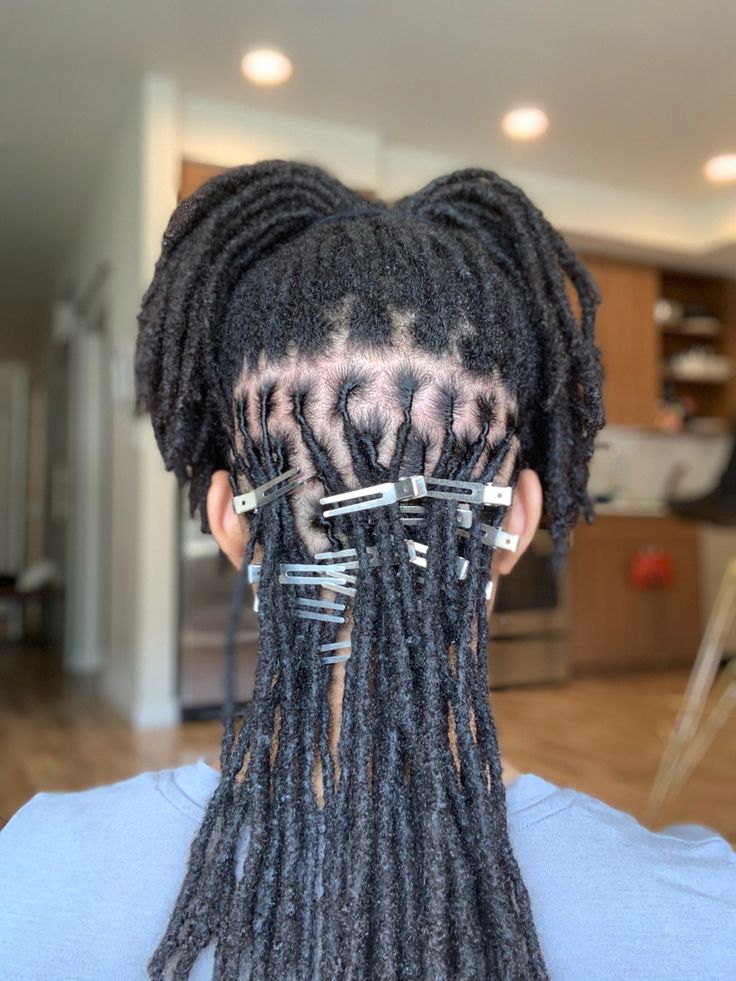
Moreover, constantly pulling the roots into tight sections can contribute to discomfort and may place stress on fragile areas.
If you frequently retwist your hair, learning the warning signs is important. Signs You Are Retwisting Your Locs Too Often can help you recognize when your maintenance routine may be becoming too aggressive.
Similarly, if you retwist at home, avoid repeatedly twisting the same section simply because it does not look perfectly neat. Your scalp health should come before achieving an extremely fresh appearance.
7. Avoid Tight Hairstyles
Styling your locs should not leave your scalp feeling painful or stretched. Tight ponytails, buns, updos, and other styles can place pressure on the roots, particularly when you wear them for extended periods.
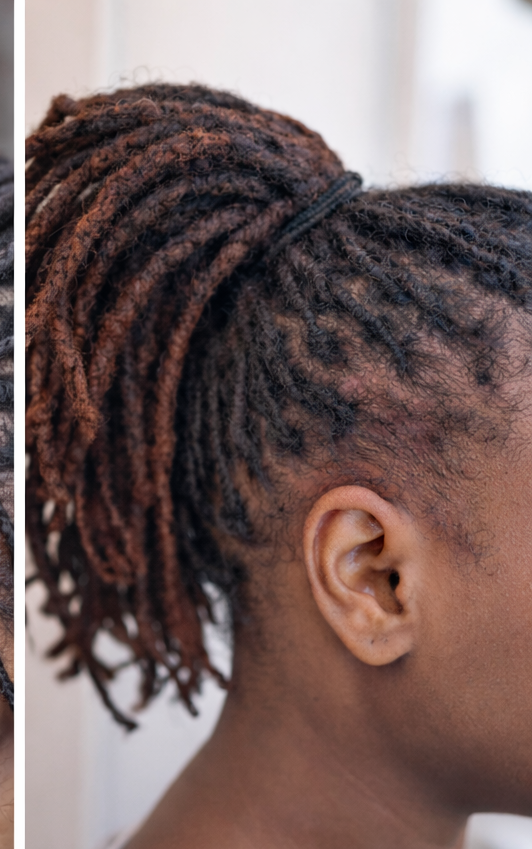
Therefore, alternate between loose and low-tension hairstyles whenever possible. If a style causes immediate discomfort, loosen it rather than trying to tolerate the pain.
Low Tension Loc Styles That Protect Your Hairline can also give you ideas for keeping your locs styled without constantly stressing your edges and roots.
Additionally, be mindful of accessories. Heavy beads, clips, extensions, or decorative pieces can add weight to individual locs. Over time, that extra weight may place unnecessary stress on the roots.
8. Keep Your Scalp Clean After Exercise
Sweating is normal, especially if you exercise regularly. However, leaving sweat sitting on your scalp for long periods can make your roots feel uncomfortable. Therefore, develop a simple post-workout routine.
You do not necessarily need to perform a complete wash after every workout. Instead, consider your activity level and how your scalp responds.
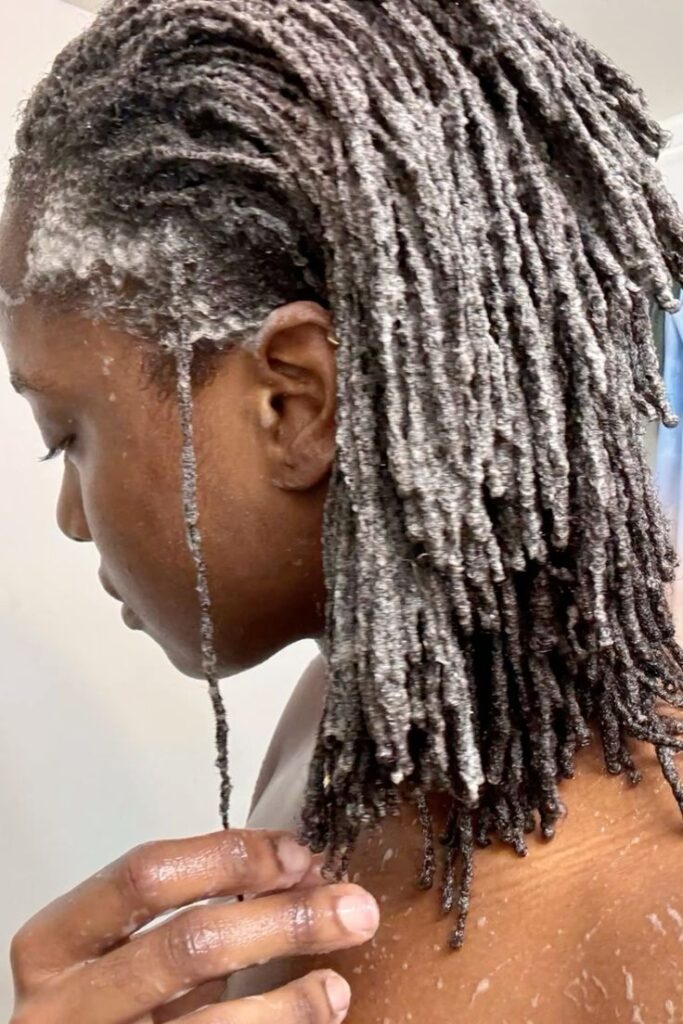
Allow your scalp and locs to dry properly, and cleanse when your scalp becomes sweaty, oily, or uncomfortable.
Furthermore, avoid immediately covering wet or heavily sweaty locs with a tight bonnet or scarf. Your scalp needs an opportunity to dry.
Proper drying is especially important because trapped moisture can contribute to an unpleasant scalp environment.
9. Dry Your Locs Properly After Washing
Washing is only part of maintaining a healthy scalp. Drying your locs properly afterward is equally important. Because locs can hold water for longer than loose hair, you should give them enough time to dry completely.
After washing, gently squeeze excess water from your locs rather than aggressively twisting or rubbing them. A clean towel can help remove additional moisture.
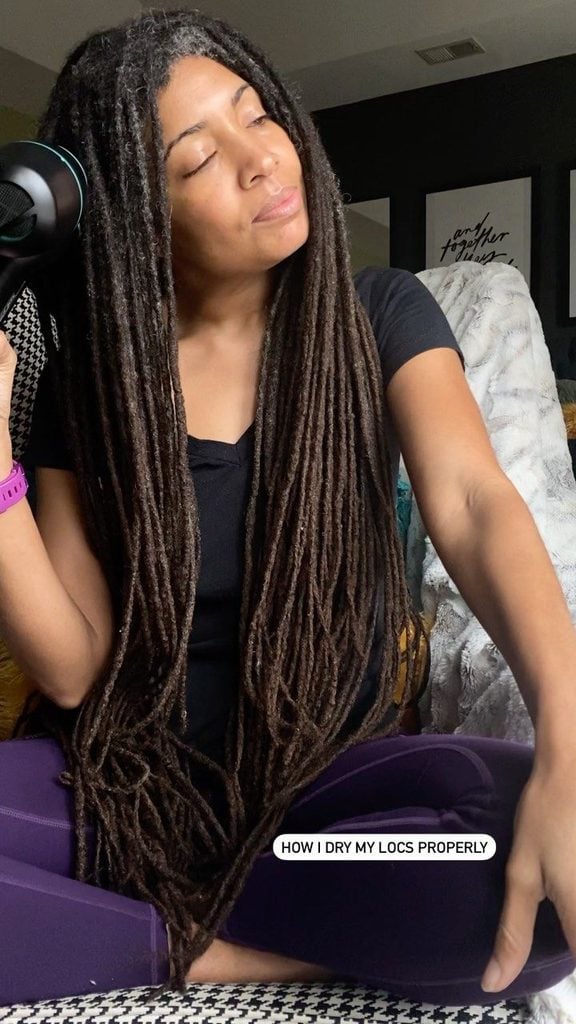
Then, allow your locs to dry thoroughly. Depending on your hair density and loc size, this may take considerable time. Therefore, avoid assuming that the outside of your locs is dry simply because the surface feels dry.
Proper drying also makes your overall routine more comfortable. If your scalp remains damp for an extended period, your roots may feel heavy or uncomfortable.
10. Protect Your Scalp While Sleeping
Your nighttime routine can affect scalp health more than you might realize. Cotton pillowcases can create friction against your hair and may also absorb moisture from your locs.

A satin or silk covering can help reduce friction while you sleep. Additionally, securing your locs comfortably can prevent excessive movement during the night.
However, avoid tying your locs too tightly before bed. Your nighttime routine should protect your hair without pulling on your roots.
If you struggle with flattened or uncomfortable locs in the morning, How to Sleep With Locs Without Damaging Them can help you build a better nighttime routine.
11. Pay Attention to Dandruff and Flaking
Flaking is another common concern when learning How to Keep Your Scalp Healthy With Locs. However, not every white flake has the same cause.
Dry skin, product residue, and scalp conditions can all look different, so it is important not to automatically assume that every flake means your scalp simply needs more oil.
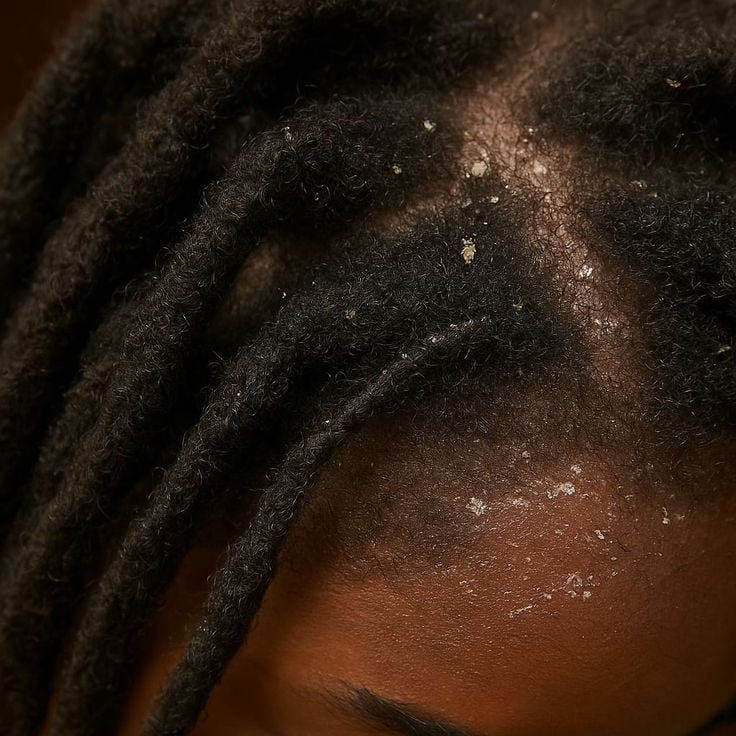
First, examine your routine. Are you cleansing regularly? Have you recently introduced a heavy product? Does your scalp feel dry, oily, itchy, or irritated?
Furthermore, avoid scratching flakes aggressively from your scalp. Scratching can irritate the skin and may make discomfort worse.
For more targeted information, How to get rid of dandruff in your Locs is a useful related topic to explore. If flaking is persistent or accompanied by significant irritation, professional medical advice is appropriate.
12. Avoid Heavy Products at the Roots
Heavy products can make loc maintenance more difficult. Waxes, thick creams, excessive gels, and layers of oil may become trapped around the roots and within the loc itself.
Instead, choose products based on your actual needs. If your scalp is already comfortable and your locs feel moisturized, you may not need to add another product.
Additionally, remember that a long product list does not necessarily equal a better routine. A simple routine that you can maintain consistently may work better than constantly switching between products.
As a result, keep your routine practical. Cleanse, moisturize when necessary, protect your roots, and observe how your scalp responds.
13. Be Gentle During Scalp Maintenance
Your scalp does not need aggressive treatment to stay healthy. Scrubbing too hard, scratching with your fingernails, pulling at flakes, or repeatedly manipulating your roots can create unnecessary irritation.
Instead, use your fingertips gently when cleansing. This approach allows you to clean the scalp without treating it harshly.
Likewise, avoid picking at buildup with sharp objects or your fingernails. If residue is difficult to remove, adjust your cleansing routine rather than trying to scrape it away.
Gentle maintenance becomes even more important if your locs are fragile or your roots are experiencing thinning. How to Prevent Loc Breakage provides useful information about protecting your hair from unnecessary stress.
14. Choose a Retwist Routine That Works for You
There is no universal retwist schedule that works perfectly for everyone. Your hair density, loc maturity, growth rate, styling preferences, and scalp sensitivity can all influence how often you choose to retwist.
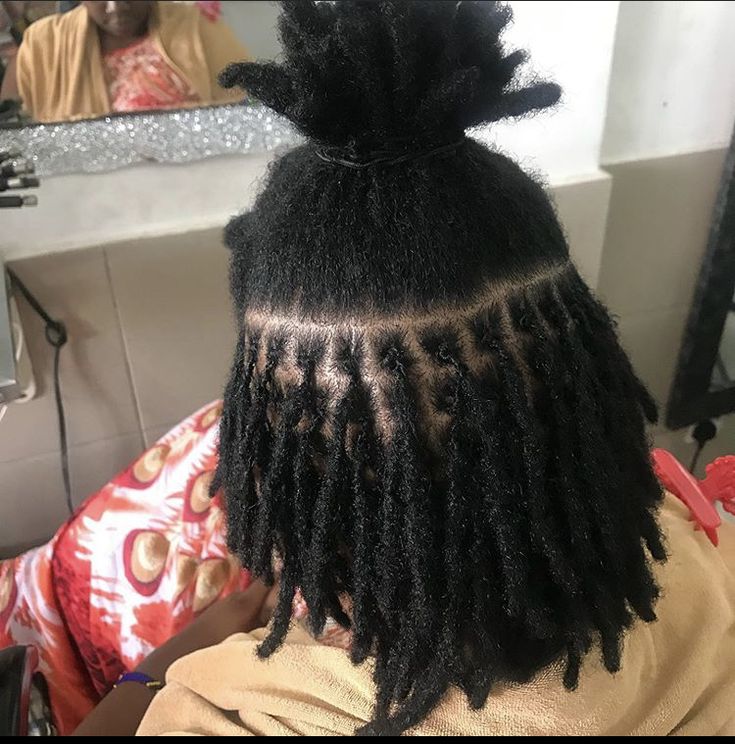
Nevertheless, more frequent retwisting is not automatically better. Your scalp needs time between manipulation sessions. If your roots repeatedly feel sore after maintenance, consider whether your technique or schedule needs adjusting.
Additionally, avoid allowing appearance alone to determine your maintenance routine. A little new growth is normal. In fact, your locs can continue developing beautifully without being constantly tightened.
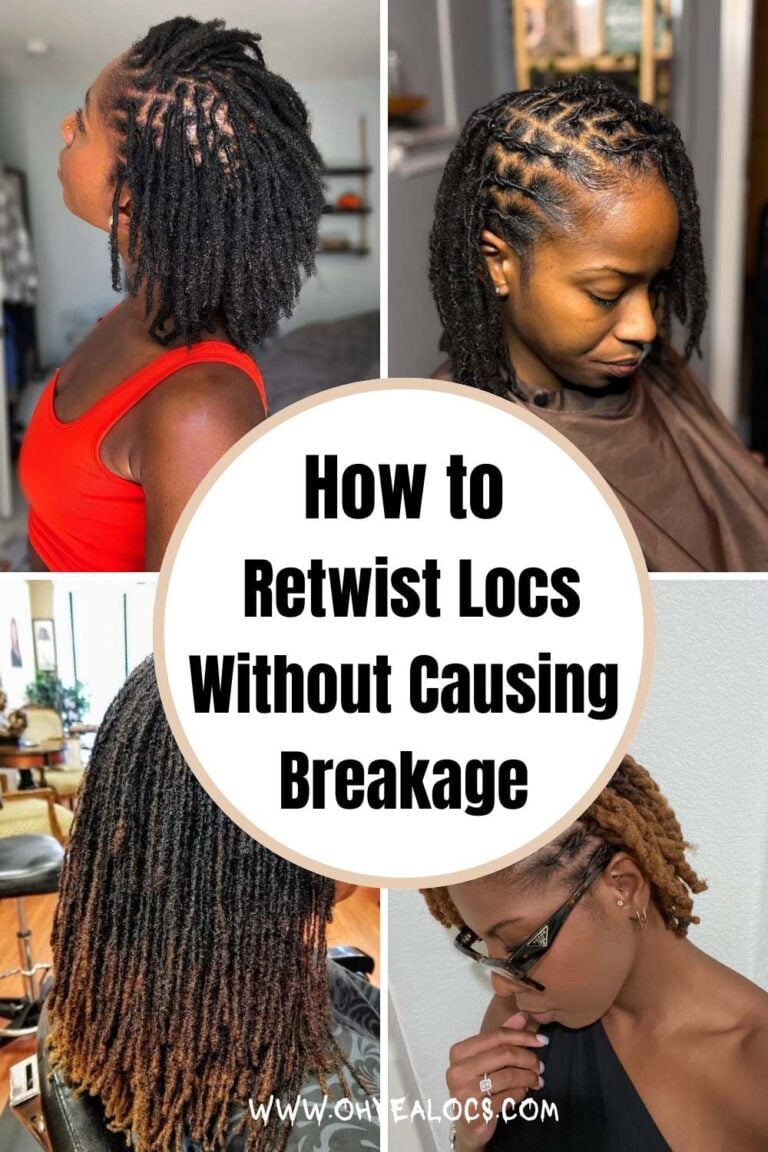
How to Retwist Locs Without Causing Breakage can help you understand how to approach retwisting more carefully, especially if you maintain your locs at home.
15. Know When Your Scalp Needs Professional Attention
Good loc care includes knowing when a problem goes beyond your normal routine.
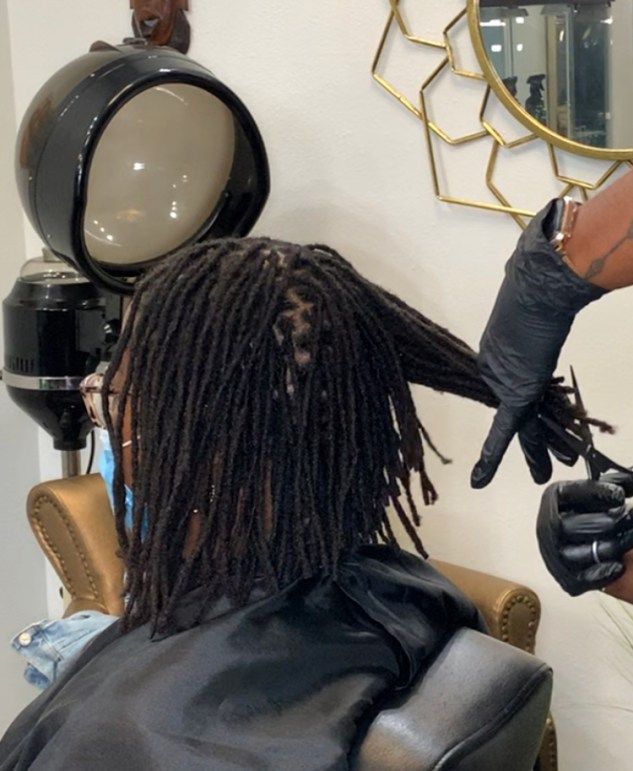
Persistent itching, severe flaking, sores, swelling, bleeding, significant tenderness, or noticeable changes in your scalp should not simply be covered with more products.
Instead, consider seeking advice from a qualified healthcare professional. A dermatologist can help identify scalp conditions that may require specific treatment.
Furthermore, do not assume that every scalp concern is caused by your locs. Sometimes, an underlying scalp condition can occur regardless of hairstyle. Therefore, professional guidance can be valuable when a problem continues despite improving your routine.
Your loctician can also help with hair-related concerns such as excessive tension, weak roots, or maintenance techniques. However, medical scalp concerns should be assessed by an appropriate healthcare professional.
16. Keep Your Loc Routine Simple
One of the easiest ways to improve How to Keep Your Scalp Healthy With Locs is to stop overcomplicating your routine. You do not need dozens of products or complicated steps.
Start with the basics: cleanse your scalp appropriately, moisturize when necessary, avoid excessive buildup, protect your roots, and maintain your locs gently. Then, observe how your scalp responds.
If something causes irritation, reconsider it. If a product creates buildup, reduce or replace it. If a hairstyle causes tension, choose a looser option. Similarly, if your scalp feels comfortable with a simple routine, there may be no reason to add unnecessary steps.
This approach can also make loc maintenance easier and less expensive. How to Maintain Locs Without a Loctician can provide additional ideas for creating a manageable routine at home while knowing when professional help is necessary.
17. Pay Attention to What Your Scalp Is Telling You
Your scalp can give you useful clues about whether your current routine is working. Tightness, persistent itching, excessive oiliness, flakes, tenderness, or unusual buildup may indicate that something needs to change.
Therefore, avoid copying another person’s routine without considering your own needs. What works beautifully for one loc wearer may not work the same way for another.
Keep track of the products you use and how your scalp responds. Over time, this makes it easier to identify patterns.
For example, you may discover that your scalp prefers lighter products, needs more frequent cleansing, or becomes uncomfortable after certain styling techniques.
Most importantly, give yourself time to learn your hair. Loc care is a process, and your routine may evolve as your locs mature.
Final Thoughts
Learning How to Keep Your Scalp Healthy With Locs does not have to involve an overwhelming routine. Instead, focus on the fundamentals that keep your scalp clean, comfortable, and free from unnecessary buildup.
Cleanse consistently, moisturize appropriately, limit heavy products, protect your roots, and avoid excessive tension.
Moreover, remember that healthy-looking locs begin with the scalp. Beautiful styles cannot compensate for constant irritation, painful roots, or poor maintenance habits.
Therefore, make scalp care part of your regular loc routine rather than waiting until a problem becomes uncomfortable.
Finally, give yourself permission to adjust your routine as your locs change. Your starter locs may need different care from mature locs, and your scalp may respond differently to products over time.
Ultimately, the goal is not perfection. It is creating simple, sustainable habits that help your scalp remain comfortable while your locs continue to grow and mature.


2 Comments