
How to Retwist Locs Without Causing Breakage
Disclosure: Some of the links in this post are affiliate links. This means if you click on the link and purchase an item, I will receive an affiliate commission at no extra cost to you. All opinions remain my own. I only recommend products or services I believe will add value to my readers.
You are about to find out how to retwist locs without causing breakage.
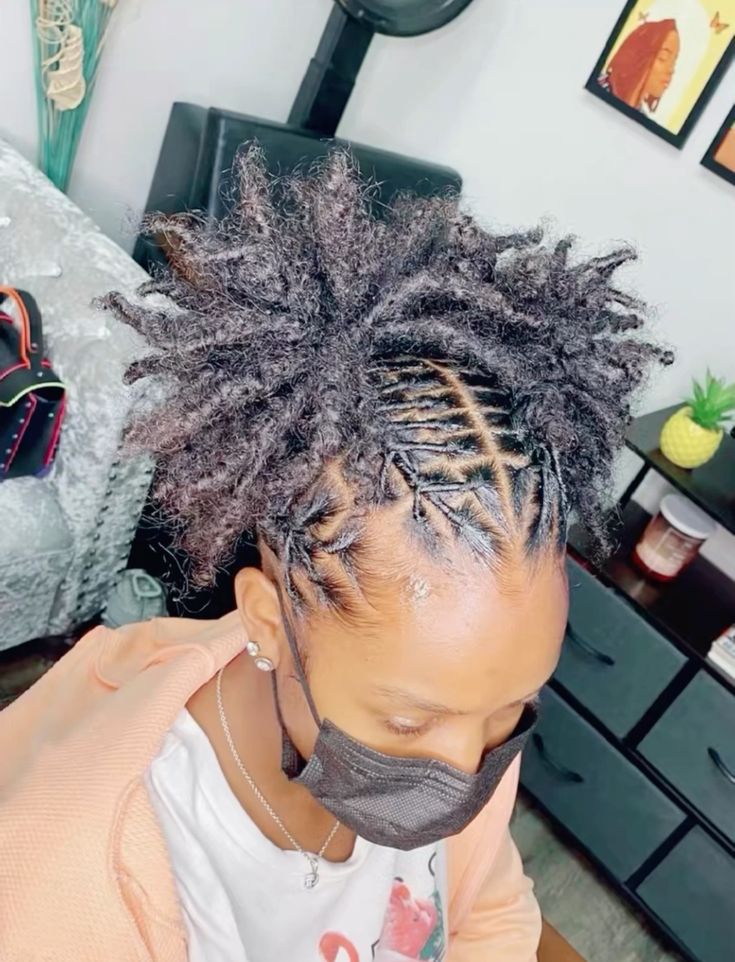
If you’ve ever looked in the mirror after a fresh retwist and secretly wondered, “Why do my roots look thinner every time?” you’re not alone. A lot of people start their loc journey excited about neat parts and clean roots, only to later notice weak spots, thinning edges, or even breakage near the scalp. For many, retwist day slowly becomes stressful instead of exciting.

The truth is, retwisting plays an important role in keeping locs healthy, organized, and easy to maintain. It helps train new growth, reduces excessive matting at the roots, and gives your locs that polished look many people love. But here’s what most people don’t realize early enough: healthy retwists are not about making your locs as tight as possible. In fact, too much tension is one of the fastest ways to damage your roots over time.
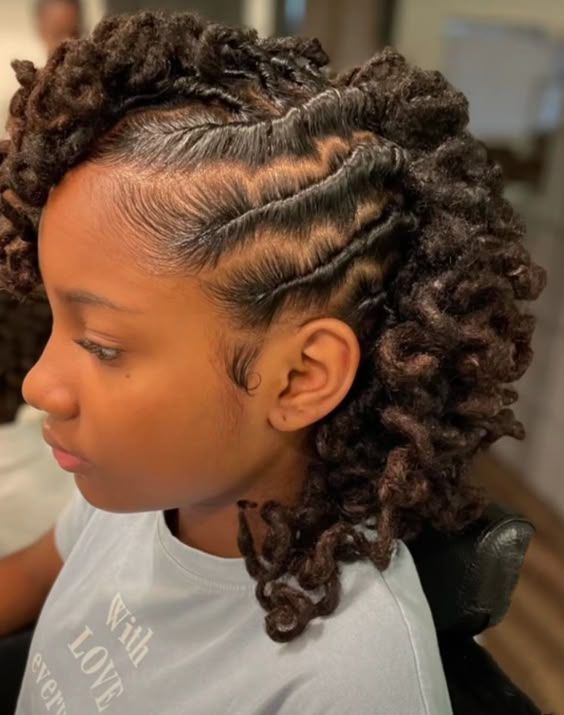
A good retwist is all about proper technique, patience, moisture, and timing. Your scalp should not feel painfully tight for days, and your roots should not look stressed just to achieve a neat style. The healthiest locs are usually maintained gently and consistently, not aggressively.
In this guide, you’ll learn how to retwist your locs without causing unnecessary breakage, thinning, or tension damage. Whether you’re maintaining starter locs or mature locs, these beginner-friendly tips will help you keep your locs neat while protecting their strength and thickness long-term.
Why Loc Breakage Happens During Retwists
One of the most frustrating parts of having locs is noticing that the very thing meant to keep them neat is actually making them weaker. A lot of people begin to panic when they see thinning roots, weak spots near the scalp, or broken hairs after every retwist appointment. If you’ve ever asked yourself, “Why do my roots feel sore after a retwist?” or “Why are my locs getting thinner instead of healthier?” there’s usually a reason behind it.
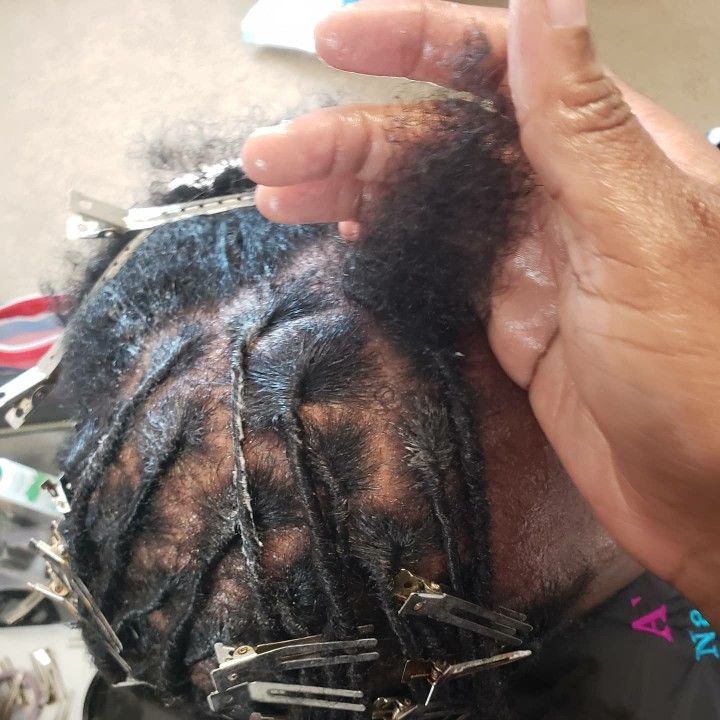
In many cases, loc breakage doesn’t happen overnight. It builds slowly from repeated stress on the roots and strands over time.
Over-Tight Retwisting
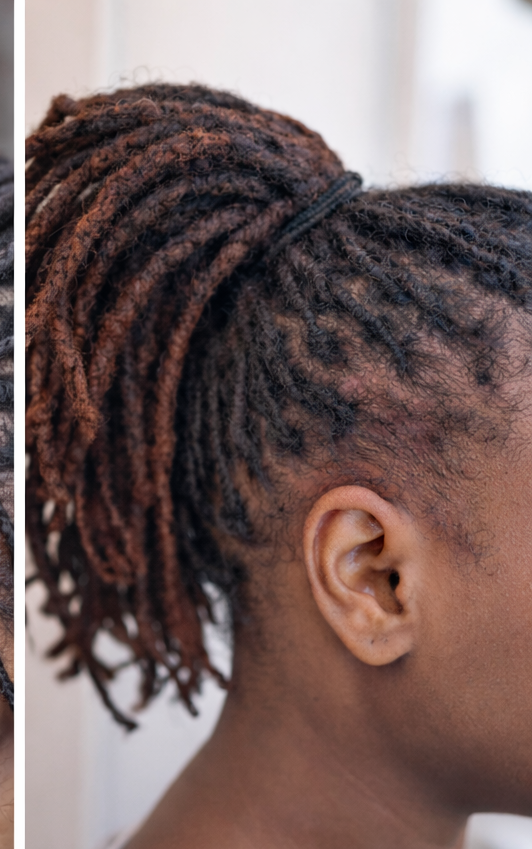
One of the biggest causes of breakage is retwisting too tightly. While a super neat retwist may look satisfying at first, excessive tension can weaken the root area little by little. If your scalp feels painful, itchy, or tender for days after a retwist, that’s usually a sign your hair was pulled too tightly. Healthy locs should feel secure, not painful.
Retwisting Too Frequently
A lot of people think frequent retwists help locs grow neater faster, but the opposite is often true. Retwisting too often puts repeated stress on the same sections of hair before they’ve had time to recover.
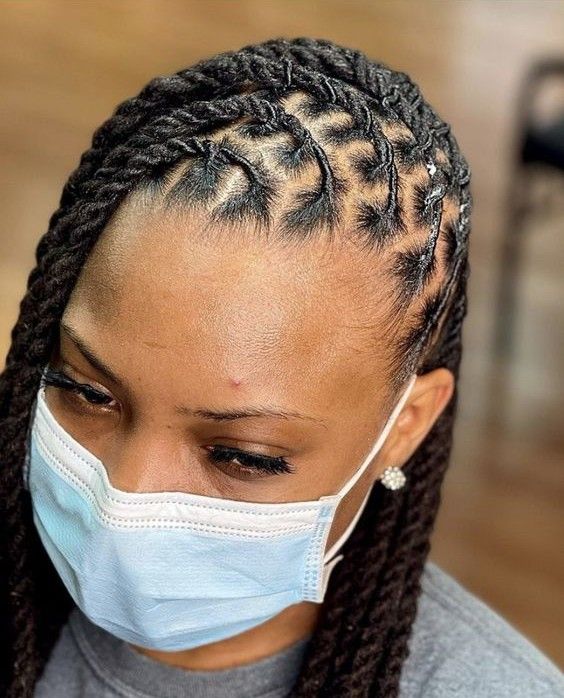
For example, retwisting every 2 weeks may keep your roots looking fresh, but it can slowly weaken your loc foundation. Most locs do better with longer breaks between retwists, especially mature locs.
Product Buildup Weakening the Roots
Heavy gels, waxes, and creamy products can create buildup inside your locs over time. That buildup doesn’t just affect appearance; it can also weaken the hair shaft and make roots feel stiff or fragile.

When hair is coated with too much residue, moisture struggles to penetrate properly, leaving locs dry underneath even when they look shiny on the outside.
Dry, Brittle Hair
Dry hair breaks more easily, especially during twisting and manipulation. If your locs are not properly moisturized before retwisting, the hair may snap under tension instead of bending safely.

Many people focus only on making their retwist look neat while forgetting that hydrated hair is much stronger and more flexible.
Signs Your Retwist Method Is Damaging Your Locs
Sometimes loc damage happens so gradually that you don’t notice it until your roots suddenly look thinner or a loc feels weak near the scalp. Many people assume soreness and tightness are normal after a retwist, but your hair often gives warning signs when something is wrong.

If you’ve been wondering whether your retwist routine is actually damaging your locs, here are some signs to pay attention to.
Tender Scalp After Retwist
A mild tight feeling for a few hours can happen after a fresh retwist, but your scalp should not feel painfully sore for days. If it hurts to touch your roots, sleep comfortably, or move your locs around, the retwist was likely done too tightly.
Redness or Bumps
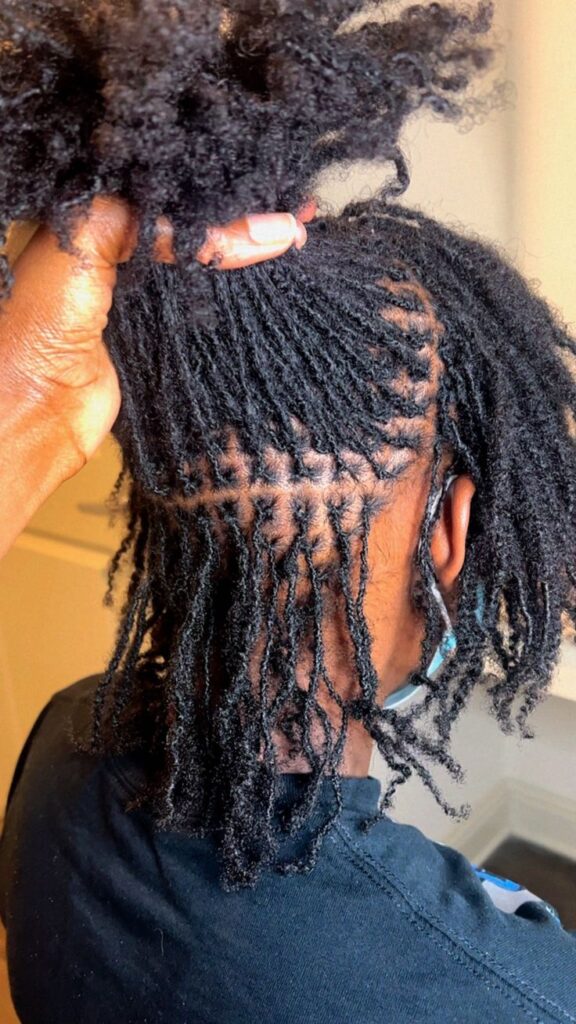
Redness, small bumps, or irritation along the scalp are usually signs of excessive pulling. This often happens when clips are attached too tightly or when the roots are twisted with too much force.
Ignoring these signs repeatedly can stress the scalp and damage the root area permanently.
Thinning Edges
Your edges are one of the most delicate areas of your hair, so they’re usually the first place to show signs of tension damage. If your hairline looks thinner after every retwist or style, your roots may be under too much stress.

This is especially common with tight updos, barrel twists, or styles that pull the front of the hair backward.
Weak Spots Near the Root
If you notice a thin or soft area near the base of your loc, that’s often a warning sign that the root is weakening.
Locs Unraveling Excessively
Some unraveling is normal, especially for starter locs, but excessive unraveling may mean your hair is being over-manipulated during retwists. Constantly twisting and re-twisting hair before it has time to settle can prevent locs from strengthening properly.
How Often Should You Retwist Locs?
One of the most common questions people ask during their loc journey is, “How often should I retwist my locs?” It’s understandable; everyone wants their roots to look neat and maintained. But retwisting too often is one of the fastest ways to weaken your hair over time.
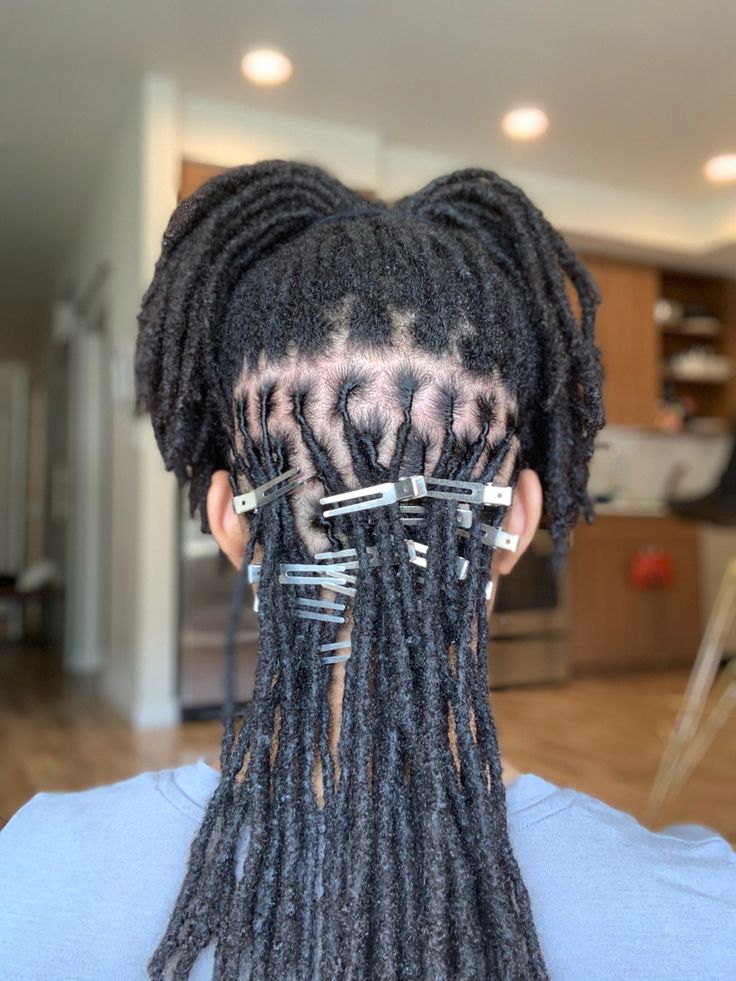
The healthiest retwist schedule depends on your loc stage, hair texture, lifestyle, and how much manipulation your hair can handle.
Recommended Retwist Timeline for Starter Locs
Starter locs usually need more maintenance because the hair is still learning to lock and may unravel easily. Most people retwist starter locs every 4 to 6 weeks.
Retwisting too frequently during this stage can slow down the locking process and put unnecessary stress on fragile roots.
Recommended Retwist Timeline for Mature Locs

Once your locs are fully mature, they generally require less maintenance. Many people with mature locs retwist every 6 to 8 weeks or even longer, depending on their preference.
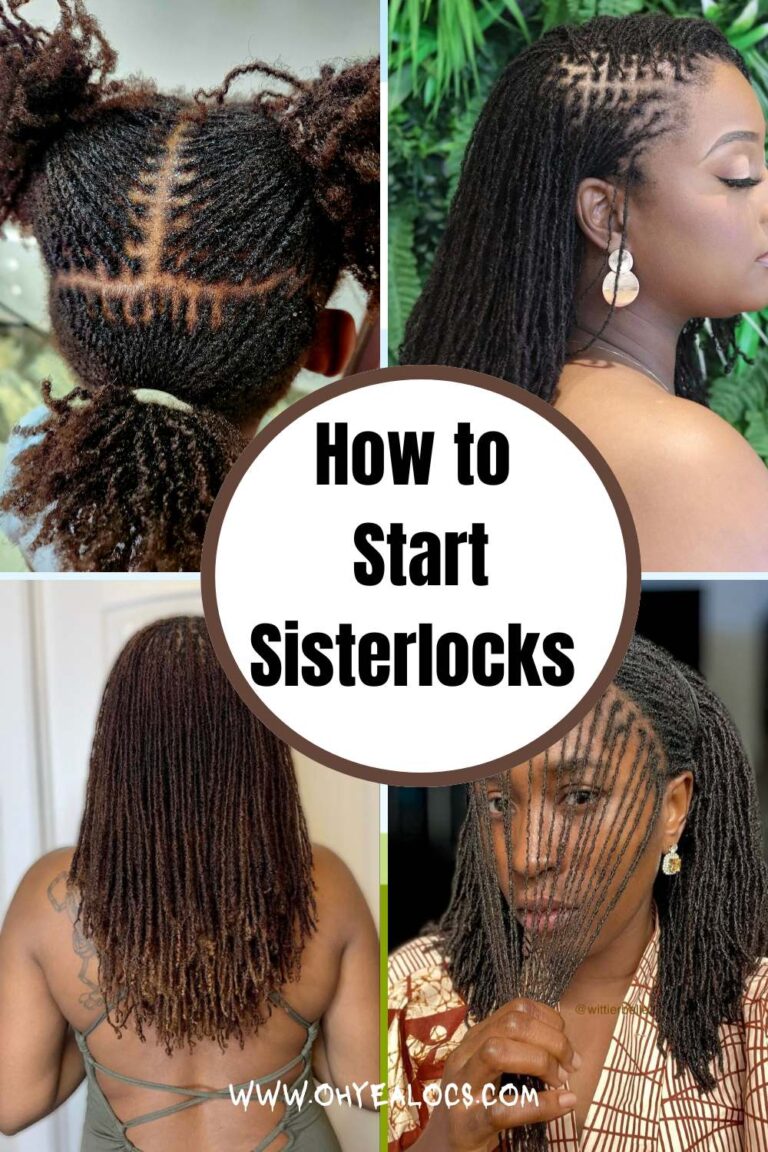
Recommended Retwist Timeline for Microlocs and Sisterlocks
Microlocs and Sisterlocks usually require more frequent maintenance because the sections are much smaller and can tangle together more easily.
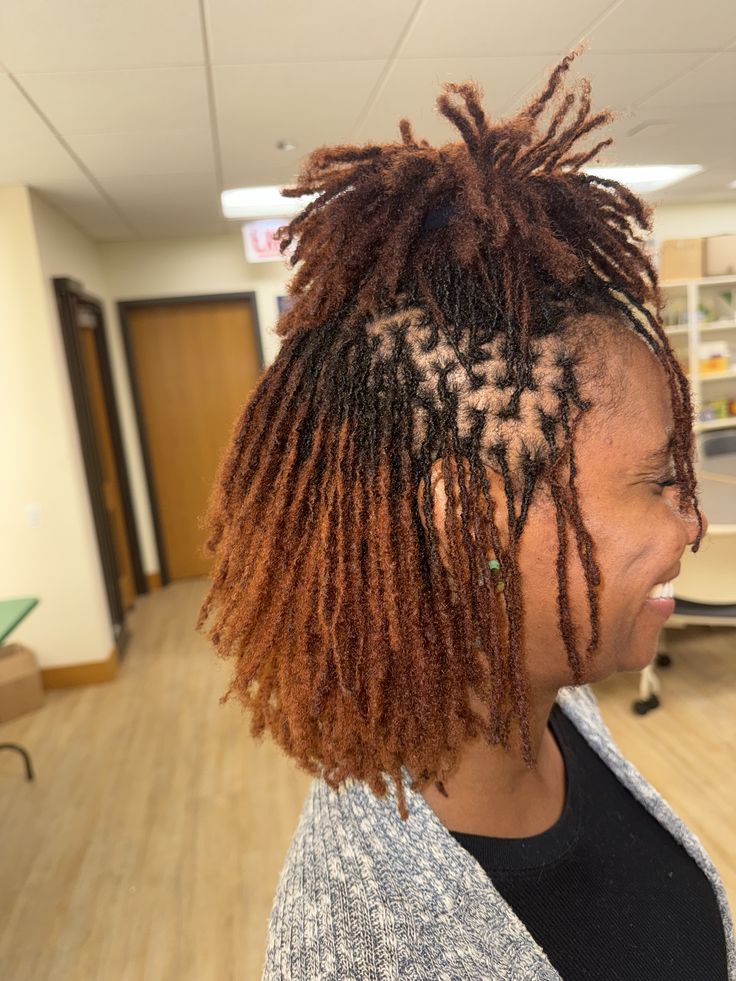
Many people schedule maintenance every 4 to 6 weeks, though timing may vary depending on hair growth and maintenance method.
Why Over-Retwisting Weakens Hair
Every retwist manipulates the root area. When you repeatedly twist the same new growth too often, the hair experiences constant tension and friction before it has time to recover.
Over time, this can lead to:
- Thinning roots
- Weak spots
- Breakage near the scalp
- Traction damage
- Smaller, weaker loc bases
Your roots need rest periods to remain healthy and strong.
How Lifestyle and Hair Texture Affect Retwist Timing
There is no perfect retwist schedule that works for everyone. Active lifestyles, sweating, humidity, softer hair textures, and finer hair may cause roots to loosen faster.

Meanwhile, coarser textures may hold retwists longer with less maintenance.
Instead of focusing only on keeping your roots perfectly neat, pay attention to how your scalp and hair respond. Healthy locs are always more important than constantly fresh retwists.
What You Need Before Retwisting Your Locs
Using the right tools and products can make a huge difference in how healthy your locs remain over time. A gentle, low-buildup routine helps protect your roots while keeping your retwist clean and manageable.
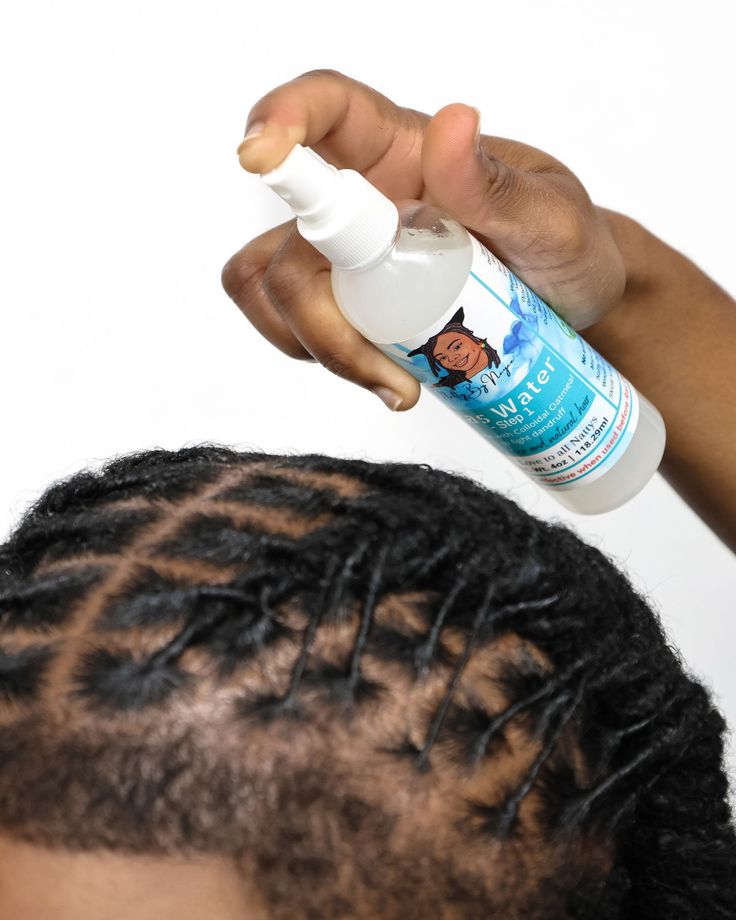
Here are some essentials you’ll want before starting.
Lightweight Locking Gel or Aloe Vera Gel
Heavy waxes and thick gels may give a sleek look temporarily, but they often create buildup inside locs that becomes difficult to remove later.
Instead, use lightweight locking gels or pure aloe vera gel that provide hold without making your locs stiff or greasy.
Spray Bottle With Water
Never retwist completely dry hair. A spray bottle filled with water helps soften and hydrate the hair before manipulation, reducing the chances of snapping or breakage.
Some people also add rose water or a light leave-in conditioner for extra moisture.
Clips
Clips help hold freshly twisted roots in place while drying. However, they should be used gently. Tight clips can create unnecessary tension and leave the scalp feeling sore.
Satin Scarf

After retwisting, a satin scarf helps keep roots neat while reducing friction that can cause frizz and dryness. Cotton fabrics tend to pull moisture from the hair and create unnecessary friction.
Hair Oil for the Scalp
A lightweight oil can help soothe the scalp after retwisting and reduce dryness or irritation. Focus on nourishing the scalp rather than soaking the locs themselves in oil.
Clarifying Shampoo
Clean hair creates healthier retwists. Clarifying shampoos help remove product buildup, sweat, dirt, and residue that can weaken locs over time.
Using too many heavy products without properly cleansing the hair can eventually make locs feel coated, stiff, and fragile.
Step-by-Step Guide to Retwisting Locs Without Breakage
Retwisting your locs should help maintain them not slowly damage them. The good news is that a few small changes in your routine can make a huge difference in protecting your roots and keeping your locs strong long-term. Here’s how to retwist your locs safely without causing unnecessary tension or breakage.
1. Start With Clean, Moisturized Hair
One of the biggest mistakes people make is retwisting dirty, dry hair. Product buildup, sweat, and dirt can make the hair stiff and harder to manipulate safely. When hair is coated with residue, friction increases during twisting, which can lead to snapping and weak spots near the roots.
Always start with freshly washed locs and make sure your hair is properly moisturized before retwisting. Hydrated hair is more flexible and less likely to break under tension. Even lightly misting the hair with water can make the retwisting process much gentler.
2. Avoid Retwisting Dry Hair
Dry hair has very little elasticity, meaning it cannot stretch safely without snapping. Think of dry hair like a brittle thread; once tension is applied, it breaks much more easily.
Moisturized hair, on the other hand, bends and moves more comfortably during twisting. This is why many healthy loc routines focus heavily on hydration before manipulation. If your locs feel rough, crunchy, or stiff, add moisture before retwisting instead of forcing the hair to cooperate.
3. Use Gentle Tension
A lot of people associate a “good retwist” with extremely tight roots, but neat does not mean painful. Over-tightening may look sleek for a few days, but repeated tension slowly weakens the hairline and root area.
When retwisting, focus on guiding the new growth neatly instead of pulling it aggressively. Your scalp should not burn, throb, or feel painfully tight afterward. Gentle tension helps maintain the shape of the loc while protecting the follicles underneath.
4. Don’t Apply Too Much Product
Using excessive gel or wax does not make your retwist healthier or longer lasting. In fact, heavy products often create buildup that becomes trapped inside the loc over time.
That buildup can make locs feel stiff, heavy, and dry underneath, eventually weakening the hair shaft. Instead, use small amounts of lightweight, residue-free products that give hold without coating the hair excessively.
5. Clip Correctly
Clips are useful for holding retwisted roots in place, but they should never feel painfully tight. Pulling the roots too hard with clips can create unnecessary stress on freshly manipulated hair.
Place clips gently and avoid stacking too much tension near the scalp. If your clips leave your scalp sore or sensitive, they are likely too tight.
6. Dry Your Locs Completely
One of the most overlooked steps in retwisting is making sure the locs dry fully afterward. Damp locs trapped for long periods can develop mildew, odor, and weakened roots over time.
Whether you air dry or sit under a hooded dryer, make sure the roots and inner sections of the locs are fully dry before covering or styling them. Fully dried locs are healthier, lighter, and less prone to damage.
Best Products for Retwisting Locs Safely
The products you use during a retwist can either protect your locs or slowly weaken them over time. Many people searching for healthier loc routines are trying to avoid two major problems: thinning roots and stubborn buildup.
The best retwist products are lightweight, moisturizing, and residue-free
Lightweight Gels
Lightweight locking gels help hold the retwist without making the hair overly stiff or greasy. Aloe vera-based gels are especially popular because they provide light hold while still allowing the hair to feel soft and flexible.
Avoid thick waxes that sit heavily inside the loc and attract lint over time.
Natural Oils
Natural oils can help soothe the scalp and reduce dryness after retwisting. Lightweight oils such as jojoba oil, grapeseed oil, or rosehip oil are often better choices because they moisturize without clogging the hair.
Too much oil can still create buildup, so focus on keeping the scalp balanced instead of soaking the locs heavily.
Residue-Free Products
Residue-free products are important because locs naturally hold onto whatever is applied to them. Thick creams, waxes, and heavy pomades may make a fresh retwist look sleek initially, but over time they can become trapped inside the loc and weaken the hair beneath the surface.
When choosing products, look for formulas that rinse clean easily and do not leave a sticky coating behind.
Which Products Won’t Thin My Locs?
Products alone usually do not cause thinning – excessive tension and buildup combined with poor maintenance are the bigger problems. However, lightweight products reduce stress on the hair and make it easier to maintain healthy roots over time.
What Products Won’t Leave Buildup?
Water-based gels, aloe vera gel, and lightweight oils are generally safer options for loc maintenance. Products that feel extremely thick, waxy, or greasy are more likely to leave buildup trapped inside the locs.
Why Do My Locs Feel Thinner After a Retwist?
Fresh retwists compress the roots tightly, which can temporarily make locs appear smaller or flatter. However, if your locs continue looking thinner over time, repeated tension or over-manipulation may be weakening the roots.
Healthy locs are built slowly through patience, consistency, and gentle care. While neat roots may look satisfying for a few days, protecting the long-term strength of your locs is far more important than achieving the tightest retwist possible.
The healthiest loc journeys usually come from low-tension maintenance routines that prioritize scalp health, hydration, and proper timing. Small habits – like moisturizing before retwisting, avoiding heavy buildup, and giving your roots enough rest can make a major difference over time.
If you’ve been worried about thinning roots, soreness, or breakage, remember that many of these issues can often be prevented or improved with gentler retwist practices. Your locs do not need to suffer to look beautiful, healthy, and well-maintained.



6 Comments