
Step-by-Step Beginner Guide to Retwisting Locs
Disclosure: Some of the links in this post are affiliate links. This means if you click on the link and purchase an item, I will receive an affiliate commission at no extra cost to you. All opinions remain my own. I only recommend products or services I believe will add value to my readers.
If you’re just starting your loc journey, retwisting can feel a lot more complicated than it looks. You’ve probably seen videos or photos of perfectly neat, shiny retwists online and thought, “Why doesn’t mine look like that?” That feeling is very common, especially in the beginning. This Step-by-Step Beginner Guide to Retwisting Locs will give you more insight.
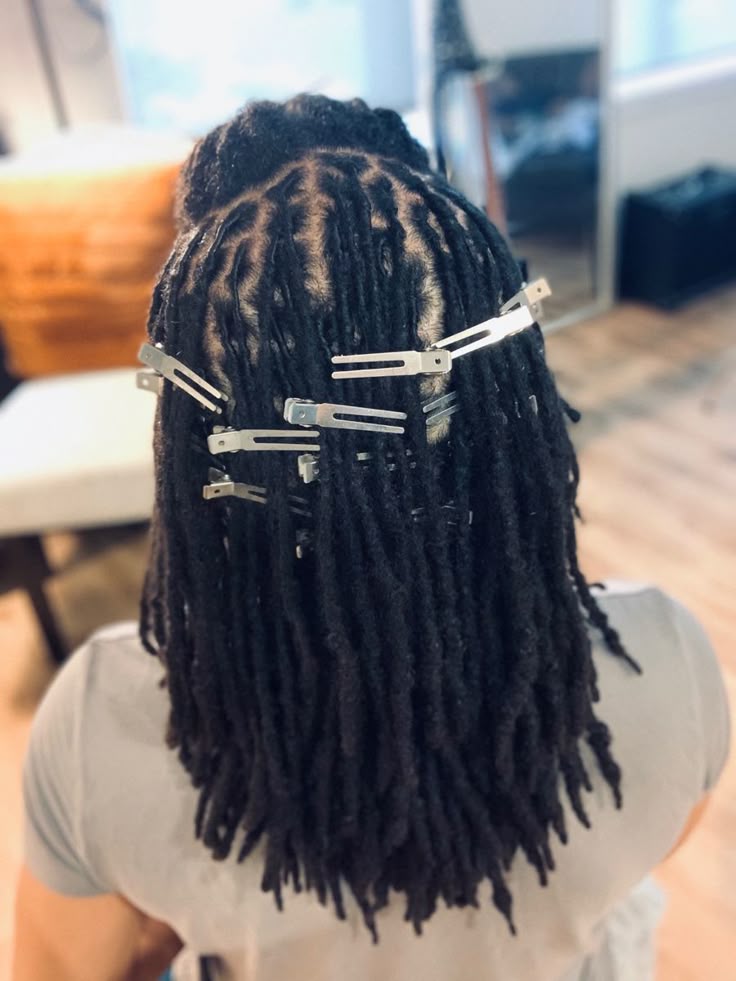
I recommend this: How Often Should You Retwist Starter Locs?
And the truth is, retwisting looks simple from the outside, but when you actually try it yourself, it can feel confusing, slow, and even frustrating. Your hands don’t always cooperate the way you expect, parts don’t come out even, and some locs seem to behave differently from others.
On top of that, many beginners carry a quiet fear: “What if I ruin my locs or cause thinning?” This worry can make you second-guess every move, especially when you’re not fully confident yet.
There’s also pressure to keep your locs looking neat while you’re still learning how to care for them properly. It can feel like you’re expected to already “know everything,” when in reality, you’re still building your skills step by step.
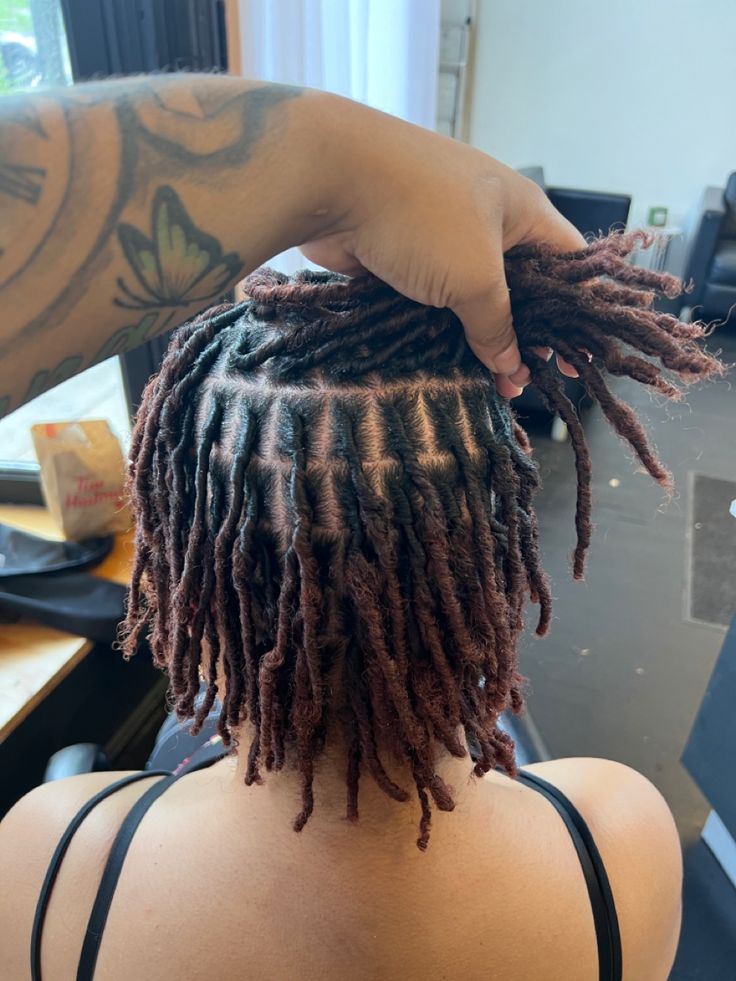
This guide is here to take that pressure off. You’ll learn a simple, beginner-friendly way to retwist your locs at home, without confusion, overwhelm, or unnecessary stress.
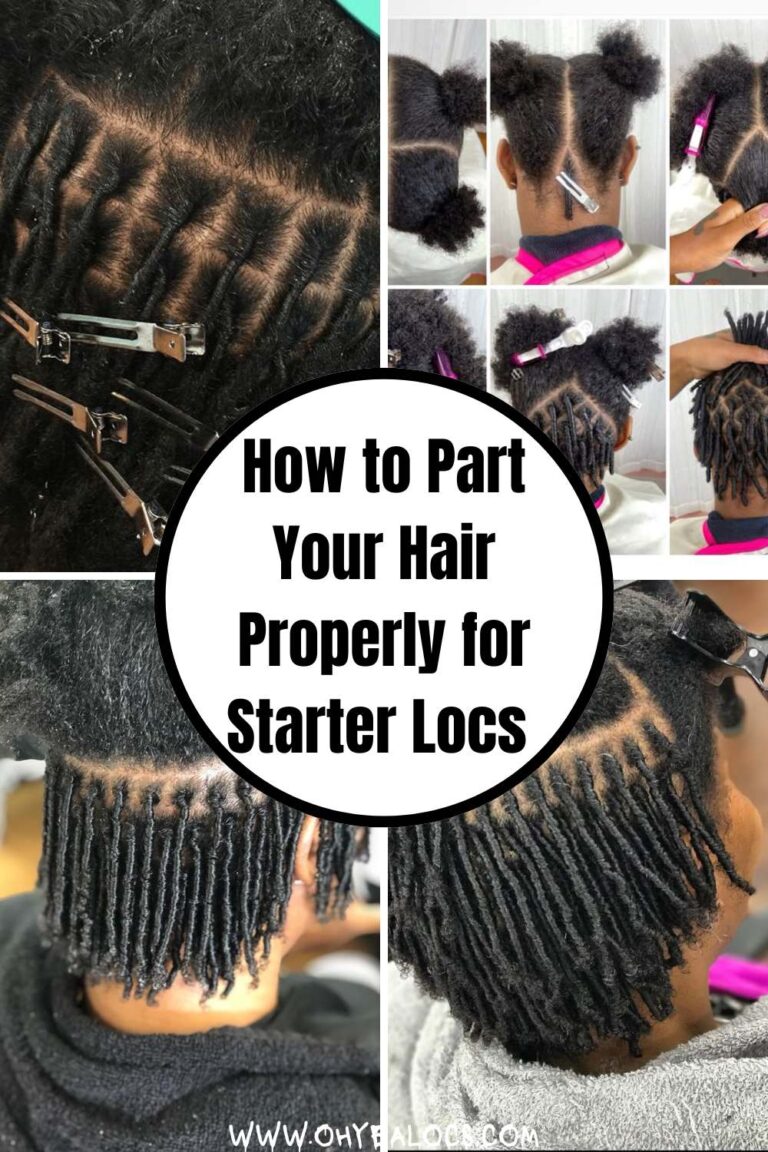
You will love to save this for later: How to Part Your Hair Properly for Starter Locs (Beginner-Friendly Guide)
Common Beginner Struggles With Retwisting Locs
Most beginners go through very similar challenges when they first start retwisting their locs. If you’ve experienced any of these, you’re definitely not alone.
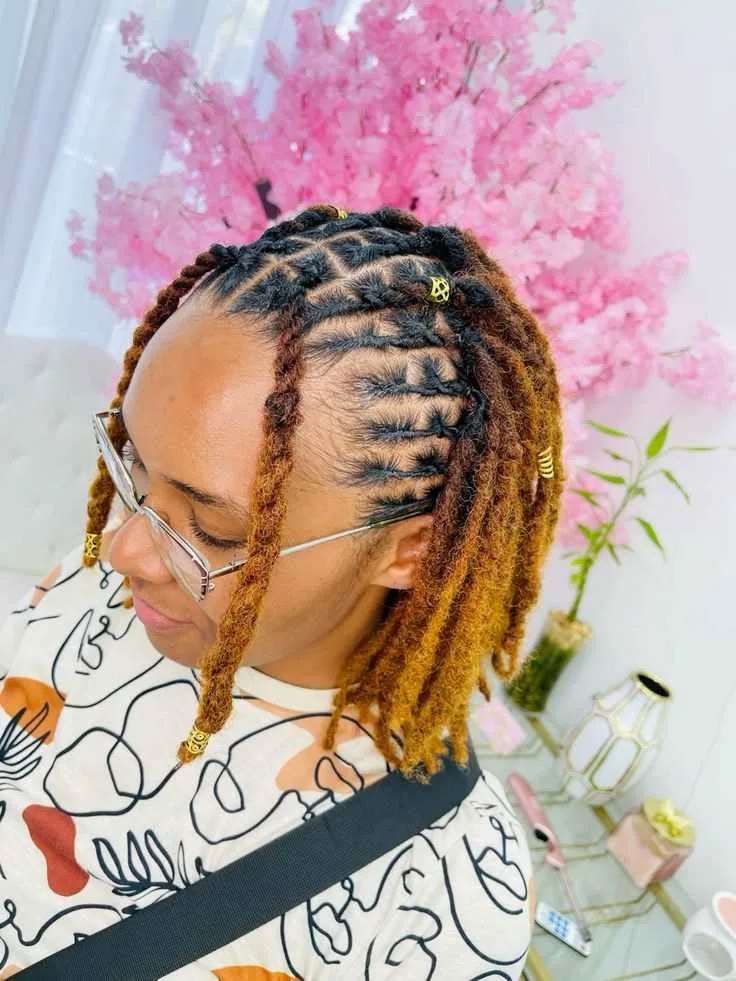
One of the biggest struggles is not knowing the correct direction to twist, which can make the retwist look inconsistent or cause locs to loosen faster than expected.
Another common issue is locs unraveling too quickly after retwisting, which can feel discouraging after putting in so much effort.
Many beginners also deal with uneven or messy parting, which affects the overall neatness of the style and can make locs look less uniform over time.
It’s also very easy to make the mistake of using too much product or the wrong product, leading to buildup, flakes, or locs that feel heavy and sticky instead of clean and light.

Save these styling ideas: 25 Easy Vacation Loc Styles That Still Look Glam
Some people experience scalp pain from twisting too tightly, not realizing that retwisting should feel firm but never uncomfortable or painful.

And finally, there’s often confusion about how often to retwist, which leads to either over-manipulating the hair or waiting too long and dealing with excessive frizz.
See these mistakes to avoid:Common Mistakes To Avoid When Locking Your Hair
What You Need Before You Start Retwisting (Beginner Essentials)
Before you begin retwisting your locs, having the right setup makes the process much smoother and less stressful. You don’t need a lot of products, just a few simple essentials.
Start with clean locs or freshly washed hair, because this is the foundation of a good retwist. Clean hair helps your twists hold better and prevents buildup, odor, and residue from being trapped in your locs.
You’ll also need a lightweight locking gel or natural alternative. The goal is not to overload your hair, but to gently help your new growth stay in place without causing buildup.
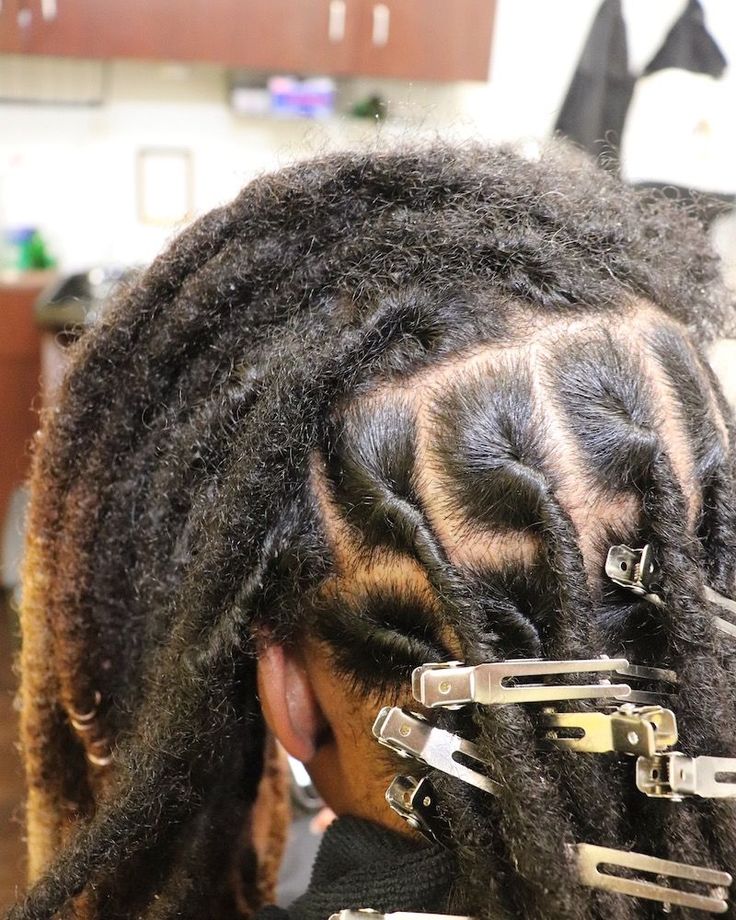
Have clips or hair ties ready so you can easily separate sections while working. This helps keep your process organized and prevents already-twisted locs from coming undone.
A spray bottle with water or a light leave-in conditioner is also useful to keep your hair slightly damp, making it easier to manage and reducing frizz during the process.
You might also enjoy this:How Often Should You Moisturize Your Locs?
A rat tail comb is optional, but very helpful if you want cleaner, more even parts, especially as a beginner still learning structure and sectioning.
Finally, set up a mirror system that gives you good visibility, so you can clearly see what you’re doing from different angles.
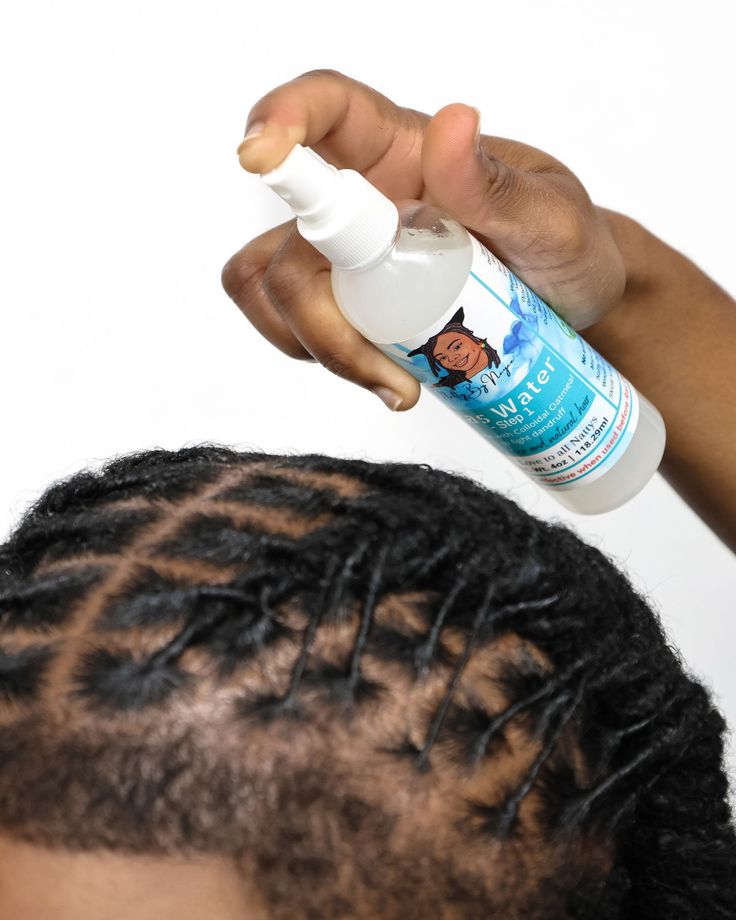
Most importantly, go in with a simple mindset: “less is more.” You don’t need heavy products or complicated techniques to get started, just patience and consistency.
This is worth a look: Best Oils and Moisturizers for Starter Locs (What Actually Works)
Step-by-Step Guide to Retwisting Locs (Beginner Method)
Retwisting your locs at home becomes much easier when you follow a clear, simple routine. Instead of rushing or guessing, think of it as a Step-by-Step Beginner Guide to Retwisting Locs that helps you build structure, neatness, and healthy growth over time.
a. Start with clean, slightly damp locs
Begin your retwist on clean locs. This is important because clean hair allows your twists to hold better and last longer. When your locs are free from dirt, sweat, and old product buildup, your retwist looks fresher and feels lighter.
Slightly damp hair is also easier to work with. It helps reduce frizz and makes it smoother to twist without pulling too much on your scalp.
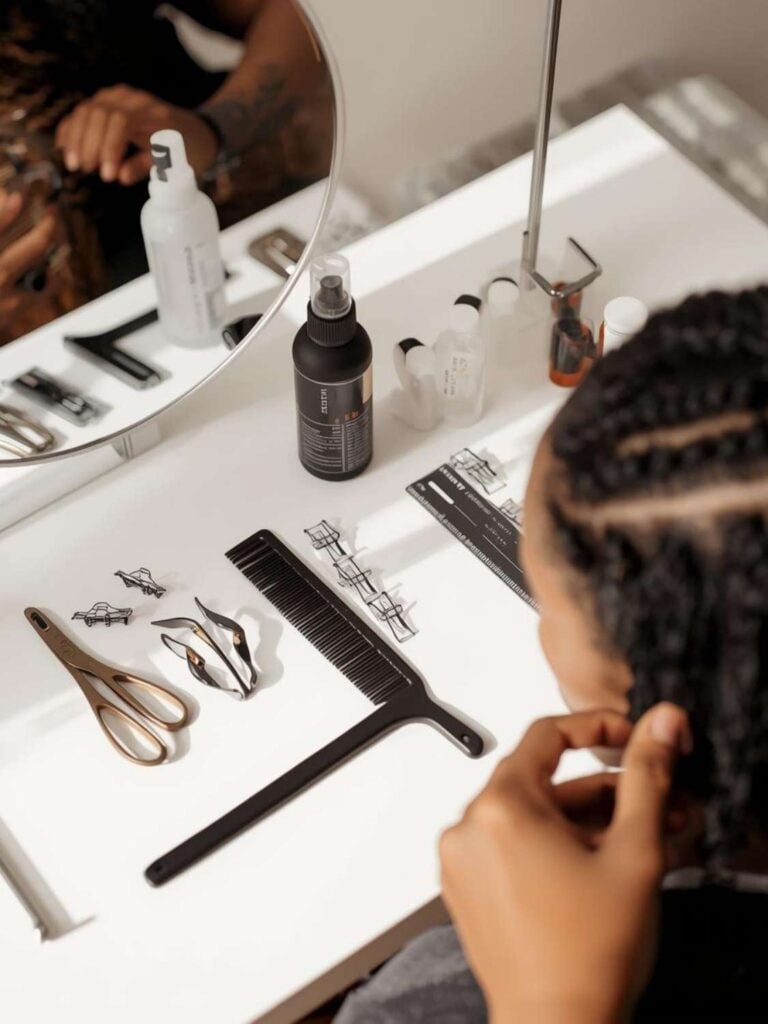
Skipping this step can lead to buildup being trapped inside your locs, which may cause odor, dullness, and weak retwists that don’t last.
b. Section your hair clearly
Before you start twisting, take time to properly section your hair. Clean, neat parting is what gives locs their structure and long-term shape.
When your sections are uneven or messy, your locs can grow in different sizes or directions over time, which makes maintenance harder later on. Good parting helps your locs look more uniform, organized, and intentional as they mature.
Even if it takes extra time at the beginning, clean sectioning makes a big difference in your final result.
You may find this helpful: Starter Loc Methods That Last the Longest (Ranked)
c. Apply a small amount of product to the roots
Once your hair is sectioned, apply a small amount of locking gel or natural product only to the roots.
As a beginner, it’s very important to avoid heavy gels, waxes, or thick creams. These products can easily build up inside your locs and cause flakes, residue, or a heavy feeling that makes your hair look dull instead of clean.
The goal of product use is simple: help your new growth stay in place not to saturate your entire loc.
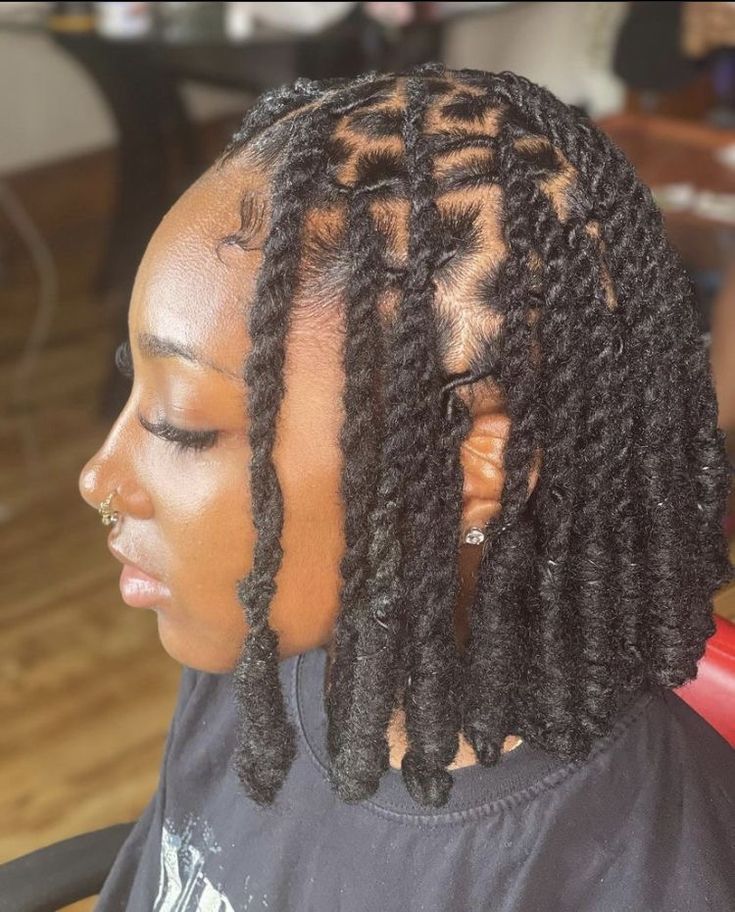
d. Twist each loc in one consistent direction
Now begin twisting each loc in the same direction. Consistency is key here because twisting randomly can cause your locs to unravel or lose their structure over time.
If you’re unsure of your direction, look closely at how your hair naturally coils, that is usually your starting point.
There are two basic methods:
- Root retwist: focusing only on the new growth at the base (most common and beginner-friendly)
- Full loc twist: twisting the entire loc (used less often and usually for specific styling needs)
For beginners, sticking to root retwisting is usually the safest and most effective option.
Keep your loc journey going with these ideas: How to Maintain Your Locs Between Retightening
e. Secure each loc as you go
After twisting each loc, use a clip or hair tie to hold it in place. This helps keep the twist tight and prevents it from unraveling while you continue working on the rest of your head.
This step also keeps your sections organized, especially if you’re working slowly or taking breaks during the process.

Properly securing each loc ensures your effort doesn’t loosen before you even finish your whole head.
f. Dry your locs completely
Once you finish retwisting, drying your locs is non-negotiable. Your twists need to fully set in place to hold properly and maintain their shape.
Leaving locs damp for too long can lead to odor, mildew, and unwanted frizz. It can also cause your retwist to unravel faster.
You can air-dry or use a hooded dryer, but the most important thing is making sure your hair is completely dry before styling or covering it.
Don’t miss this guide: How to Tell If Your Starter Locs Are Healthy
Biggest Mistakes Beginners Make When Retwisting Locs
Even with the right steps, beginners often make small mistakes that affect the health and appearance of their locs. Being aware of these helps you avoid long-term damage.
One of the most common mistakes is twisting too tightly. While it may feel like tighter equals better, too much tension can cause scalp pain, thinning edges, and long-term damage to your roots.
Another major issue is using too much product, which leads to buildup, flakes, and locs that look heavy or dirty instead of fresh and clean.
Many beginners also make the mistake of retwisting too often, not realizing that constant manipulation weakens the hair over time instead of helping it grow.
Ignoring proper clean sectioning and parting is another issue that affects how neat and structured your locs look as they mature.
Finally, retwisting dry or dirty hair reduces how well your style holds and can trap buildup inside your locs, affecting both appearance and scalp health.
Avoiding these mistakes will help you protect your loc journey and build healthier, stronger locs over time.
How Often Should Beginners Retwist Their Locs?
One of the biggest questions beginners have is how often they should actually retwist their locs. The truth is, there is no strict rule that works for everyone. Your retwist schedule depends on your loc stage, hair type, and how your hair naturally behaves.
Starter locs vs semi-mature locs
If you are in the starter loc stage, your hair will usually need more frequent maintenance, often every 4 to 6 weeks. This is because your locs are still forming, and retwisting helps train them to lock properly and maintain a clean structure.
If your locs are semi-mature, you don’t need to retwist as often. Many people stretch their retwists to 6 to 10 weeks or even longer. At this stage, your locs are more stable, and too much manipulation can actually slow down healthy maturation.
Signs it’s time to retwist (not just guessing timelines)
Instead of relying only on the calendar, it’s better to watch your hair. Some clear signs it’s time to retwist include:
- Visible new growth that looks loose or fuzzy
- Difficulty styling because roots are no longer defined
- Parts becoming less visible or messy
- Overall frizz at the base of your locs
These signs are more reliable than guessing based on time alone.
Warning signs of over-manipulation
Retwisting too often can quietly damage your locs. Watch out for:
- Thinning around the roots or edges
- Scalp soreness or sensitivity
- Weak spots or breakage near the base
- Hair that feels fragile after styling
If you notice these signs, it may mean you are retwisting too frequently and your hair needs more rest between sessions.
Finding balance between neatness and hair health
It’s normal to want your locs to look neat all the time, but healthy locs require balance. Too much retwisting can weaken your hair, while too little maintenance can lead to excessive frizz.
The goal is to find a middle ground where your locs are clean and maintained, but still have time to grow and strengthen naturally.
How to Make Your Retwist Last Longer
After putting in the effort to retwist your locs, the next goal is to make that style last as long as possible. With the right care, you can keep your retwist looking fresh and neat for weeks.
Night protection (bonnet/scarf routine)
One of the most important habits is protecting your locs at night. Using a satin bonnet or scarf reduces friction while you sleep, which helps prevent frizz and keeps your roots intact. Without protection, your retwist can loosen much faster.
Light scalp moisture routine
Keeping your scalp moisturized helps maintain healthy growth, but it should be done lightly. Use water-based sprays or light oils instead of heavy products that can cause buildup. A healthy scalp supports longer-lasting retwists.
Avoiding heavy styles right after retwist
Right after retwisting, your locs need time to settle. Tight ponytails, buns, or heavy styling can put tension on your roots and cause your retwist to loosen faster. Keep styles simple for the first few days.
Reducing frizz between maintenance sessions
To keep your locs looking neat between retwists, avoid excessive touching or manipulation. You can lightly smooth frizz or refresh edges if needed, but overdoing it can shorten the lifespan of your retwist.
When Beginners Should NOT Retwist Their Locs at Home
While retwisting at home is convenient, there are times when it’s better to pause and avoid doing it yourself. In some cases, retwisting can cause more harm than good.
Severe buildup or dirty scalp
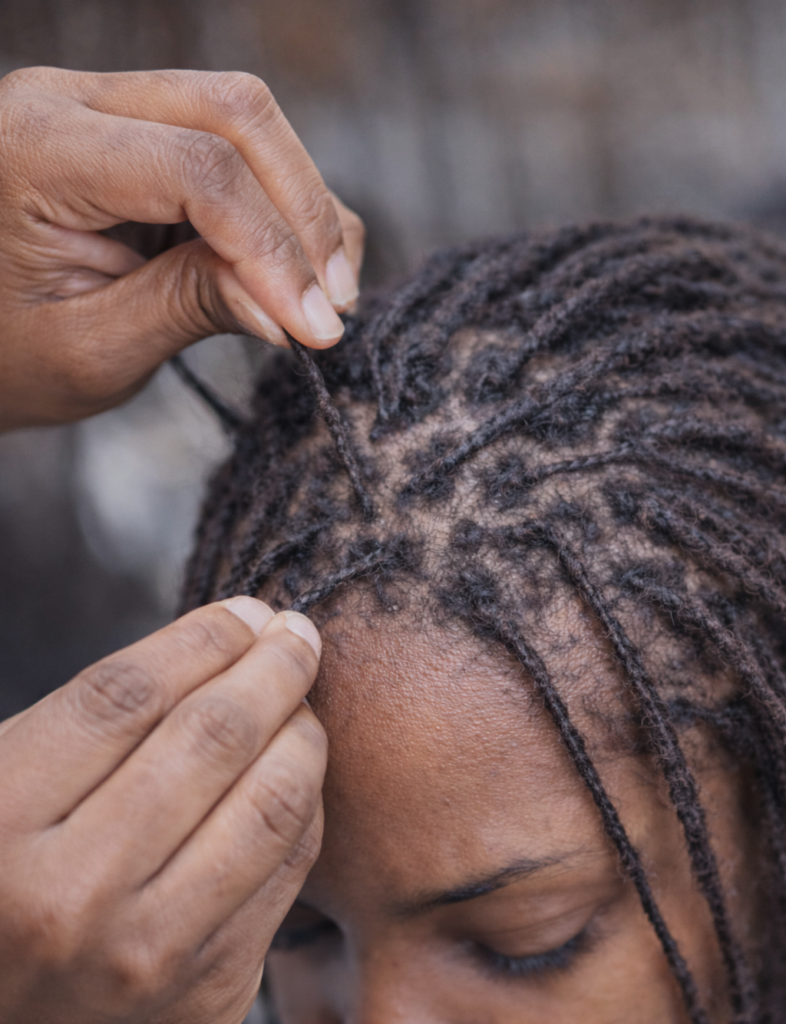
If your scalp has heavy buildup, irritation, or dirt, retwisting should not be your first step. You need to properly cleanse and reset your scalp before doing any maintenance.
Excessive thinning or breakage
If your locs are already weak, thinning, or breaking, retwisting can put more stress on them. In this case, your hair needs recovery time instead of manipulation.
Check this out: Do Locs Get Thicker or Thinner Over Time? (Explained Simply)
Very tangled or matted roots
When roots are extremely tangled or matted, forcing a retwist at home can cause damage. This situation often requires careful detangling or professional attention.
When you need a professional loctician instead
Sometimes, your locs need expert care. If you’re dealing with serious buildup, structural issues, or long-term neglect, it’s safer to see a loctician who can properly restore your locs without causing further damage.
Building Confidence as a Beginner
Every person with locs starts somewhere, and your early retwists will not always be perfect and that’s completely normal. Messy parts, uneven twists, and learning mistakes are all part of the process.
What matters most is progress, not perfection. With time and practice, you’ll get more comfortable, more confident, and more skilled at caring for your own hair.
Your loc journey is not about getting everything right immediately, it’s about learning your hair, understanding what it needs, and growing with it over time.





2 Comments