
How to Maintain Very Long Locs
Disclosure: Some of the links in this post are affiliate links. This means if you click on the link and purchase an item, I will receive an affiliate commission at no extra cost to you. All opinions remain my own. I only recommend products or services I believe will add value to my readers.
How to Maintain Very Long Locs becomes a bigger challenge as your hair grows longer. While long locs are beautiful and rewarding, they also require more patience, better routines, and extra care.
Many people reach waist-length or even knee-length locs only to struggle with dryness, breakage, thinning roots, lint buildup, or the increasing weight of their hair.
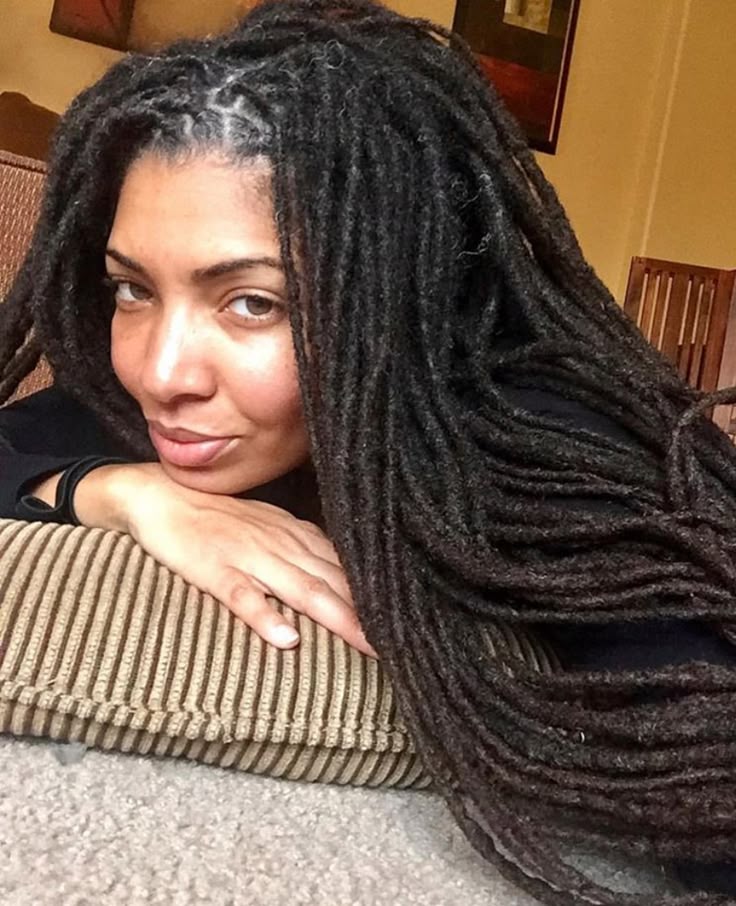
Fortunately, How to Maintain Very Long Locs is not as complicated as it seems. Once you understand what your mature locs truly need, you can keep them healthy for many years.
Instead of constantly fixing problems, you’ll create habits that protect your investment and help your locs remain thick, strong, and beautiful.
In this guide, you’ll learn exactly How to Maintain Very Long Locs without making common mistakes. You’ll also discover practical tips for washing, moisturizing, sleeping, styling, exercising, and preventing damage so your locs continue thriving for years to come.
Why Maintaining Very Long Locs Is Different
Many people spend years focused on growing their locs, but few prepare for what happens once they become very long. As your locs increase in length, they also increase in weight. That extra weight affects your roots, scalp, and even your daily routine.

Learning How to Maintain Very Long Locs means recognizing that mature locs have different needs than starter or medium-length locs. For example, longer locs take much longer to dry after washing. They also collect more dust and lint because they brush against your clothes, furniture, and blankets throughout the day.
Additionally, the roots carry far more weight than before. If you continue wearing tight ponytails or heavy buns every day, your roots may gradually weaken. Therefore, adjusting your maintenance routine becomes essential if you want your locs to remain healthy for many more years.
If you’re still planning your journey, you’ll benefit from reading How to Start Your Locs Journey the Right Way, where you’ll learn how healthy habits established early can make long-term maintenance much easier.
Build a Consistent Washing Routine
One of the biggest misconceptions about mature locs is that they should be washed less often. Some people avoid washing because they worry about drying time, while others fear ruining their hairstyle. Unfortunately, both habits can create bigger problems.
A clean scalp supports healthier roots, while clean locs stay fresher and stronger over time. Dirt, sweat, excess oil, and product buildup can accumulate inside thick mature locs if they aren’t cleaned regularly.
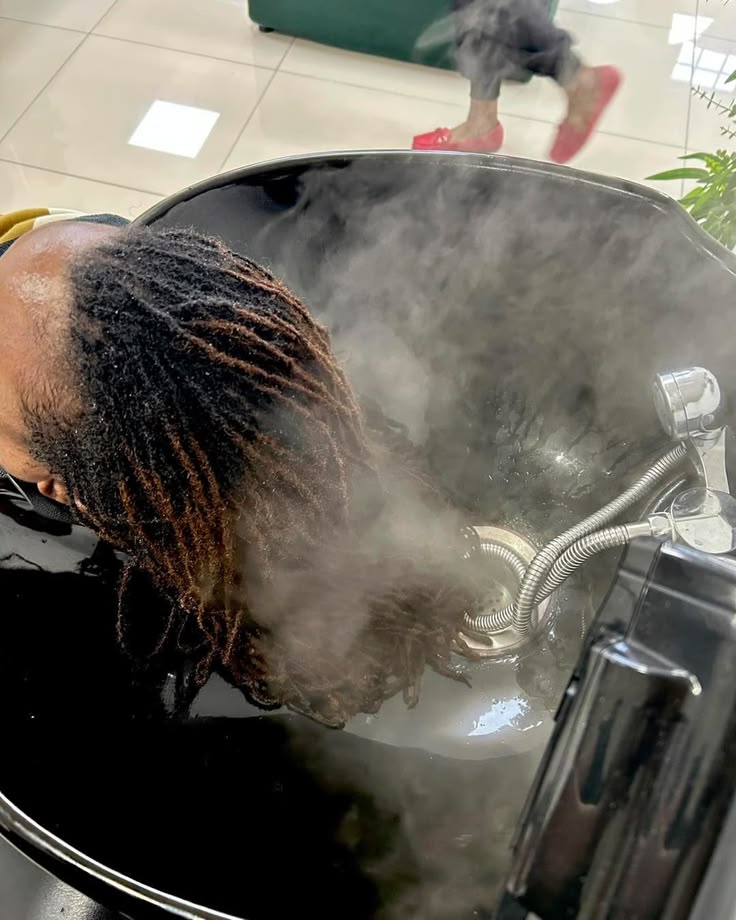
When learning How to Maintain Very Long Locs, your washing routine should include:
- Washing every two to four weeks, depending on your lifestyle.
- Massaging your scalp gently to remove buildup.
- Rinsing thoroughly until no shampoo remains.
- Squeezing excess water from each loc instead of twisting aggressively.
- Giving your locs enough time to dry completely.
People who exercise frequently or spend time outdoors may need to wash more often than someone with a less active lifestyle. The key is finding a schedule that keeps both your scalp and locs healthy.
If you’re still in the early stages of your journey, What to Expect in the First 3 Months of Your Loc Journey explains how your maintenance routine changes as your locs mature.
Always Dry Your Locs Completely
One of the most overlooked parts of How to Maintain Very Long Locs is proper drying. As locs grow longer, they become much denser and can hold a surprising amount of water.
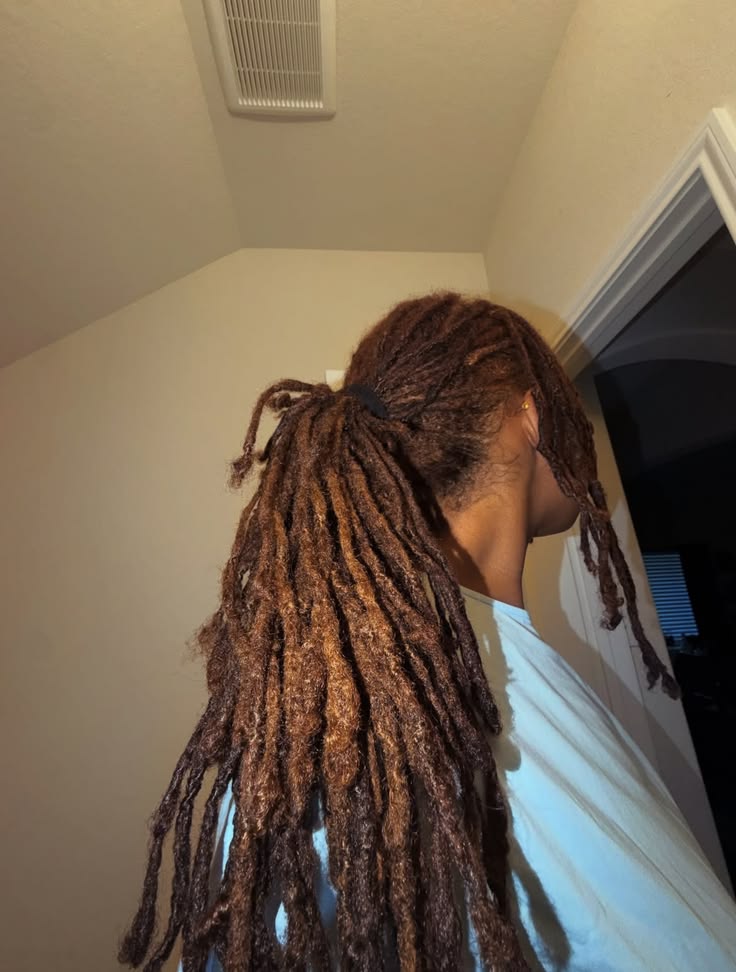
Although the outside of your locs may feel dry after several hours, the center can remain damp much longer. Sleeping with wet locs or tying them up too soon creates an environment where mildew and unpleasant odors can develop.
Instead, develop a drying routine that works for your schedule.
After washing:
- Blot excess water with a microfiber towel.
- Allow your locs to air dry whenever possible.
- Separate thick sections while drying to improve airflow.
- Use a hooded dryer if you need faster drying.
- Avoid tightly wrapping wet locs inside towels.
Giving your locs enough drying time protects their health and helps prevent hidden moisture problems that become difficult to fix later.
Moisturize the Right Way
Many people think very long locs no longer need moisture because they are fully matured. However, this assumption often leads to dryness and brittleness.
Learning How to Maintain Very Long Locs includes understanding that mature locs still need hydration. The difference is that mature locs usually require lighter products than starter locs.

The best routine often starts with water because moisture begins with hydration, not oil. After lightly misting your locs, seal in that moisture using a lightweight natural oil if needed.
Avoid applying heavy creams, waxes, or thick butters. These products often leave residue inside mature locs, making them harder to clean while attracting lint and dust.
If you’re unsure how often to hydrate your locs, don’t guess. Read How Often Should You Moisturize Locs? to build a routine that keeps your locs healthy without causing buildup.
Protect Your Scalp as Your Locs Get Heavier
As your locs become longer, your scalp works much harder to support their weight. This is why some people begin noticing thinning edges or weakened roots after years of growth.

Protecting your scalp should become a daily priority when practicing How to Maintain Very Long Locs.
Simple habits make a huge difference, including:
- Rotating your hairstyles regularly.
- Avoiding tight ponytails every day.
- Wearing lower-tension buns.
- Giving your scalp regular breaks from styling.
- Massaging your scalp gently to improve circulation.
If your roots constantly feel sore after styling, that’s usually a sign that your hairstyles are creating too much tension.
People experiencing root weakness may also find How to Strengthen Weak Locs helpful for improving the health of mature locs before serious breakage develops.
Keep Your Retwists Gentle and Infrequent
One of the biggest misconceptions about How to Maintain Very Long Locs is that frequent retwists keep your hair healthier.
While a fresh retwist looks neat, doing it too often can weaken your roots over time. Very long locs already place extra weight on the scalp, so adding repeated tension through frequent retwisting increases the risk of thinning.
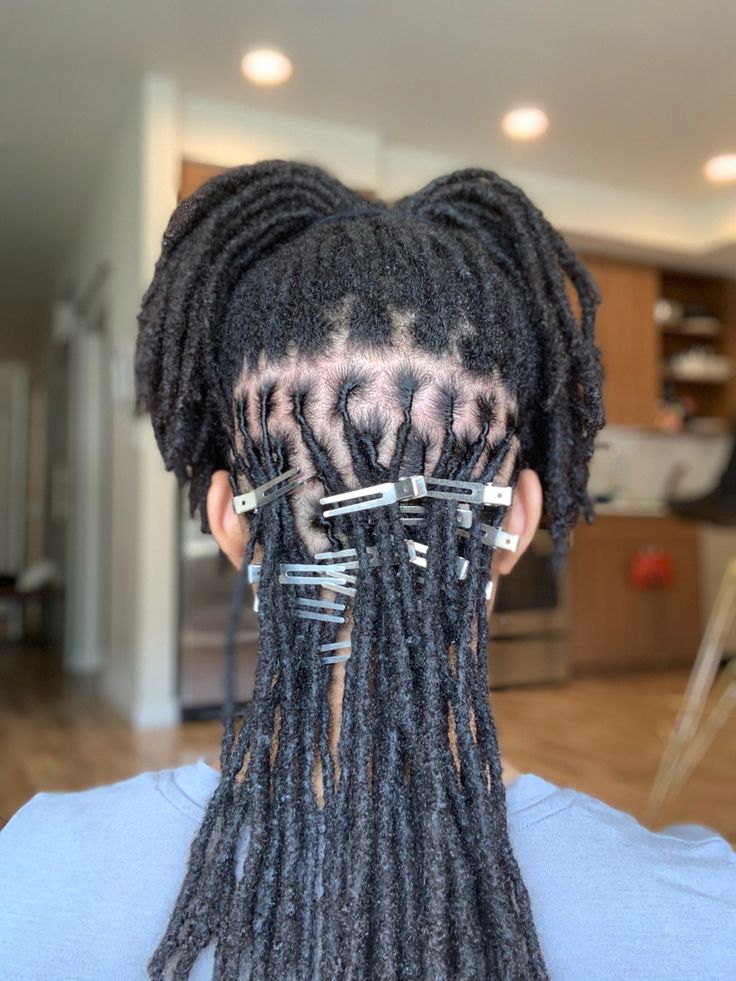
Instead, give your roots enough time to recover between maintenance sessions. Mature locs do not need to look perfectly neat every day. A little new growth is completely normal and actually helps reduce unnecessary stress on your scalp.
When retwisting, avoid pulling your hair too tightly. Tight retwists may look polished initially, but they can gradually damage your follicles if repeated consistently. Focus on healthy roots rather than perfectly smooth parts.
If you prefer maintaining your hair yourself, you’ll find How to Retwist Your Locs Properly at Home helpful for creating a safe routine that minimizes breakage.
Rotate Your Hairstyles
Many people with very long locs find one hairstyle they love and wear it almost every day. Unfortunately, this habit can create constant pressure in the same areas of your scalp.
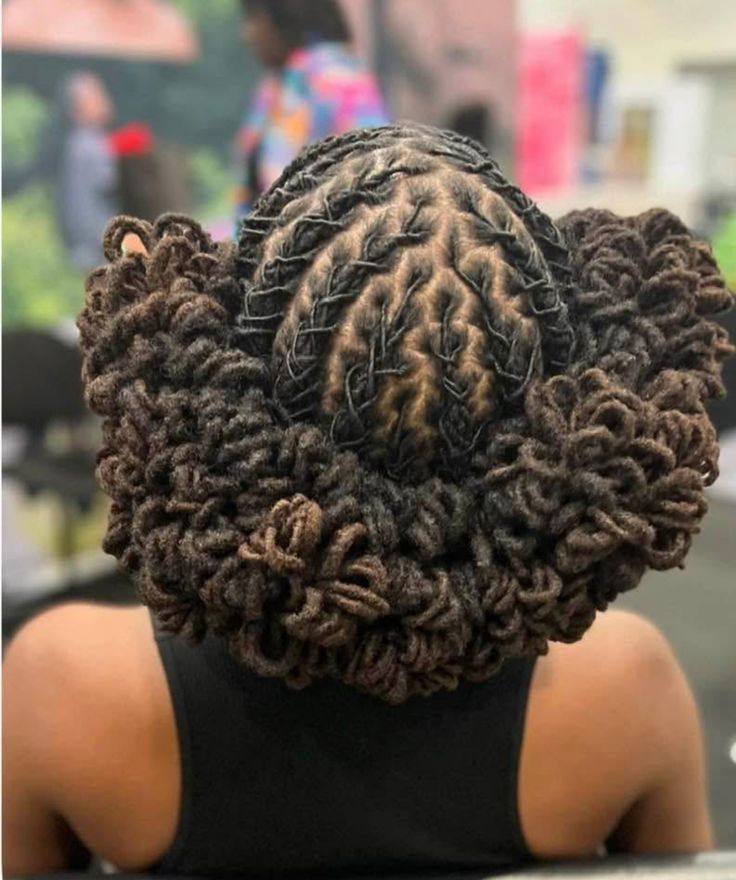
Learning How to Maintain Very Long Locs means changing your hairstyles regularly to distribute weight evenly. Rotating styles allows different parts of your scalp to rest while reducing long-term tension.
For example, instead of wearing a high bun every day, alternate between:
- Low buns
- Loose ponytails
- Half-up styles
- Free-hanging locs
- Side buns
- Loose braids
Changing your hairstyle every few days helps prevent stress on the same roots while keeping your locs looking fresh.
If you enjoy simple protective styles, check out 15 Easy Ways to Style Your Locs – No Accessory Needed for everyday inspiration.
Protect Your Locs While Sleeping
Your nighttime routine plays a much bigger role than many people realize. Every night, your locs rub against your bedding for several hours. Over time, this friction can dry out your hair, weaken the surface of your locs, and increase lint buildup.
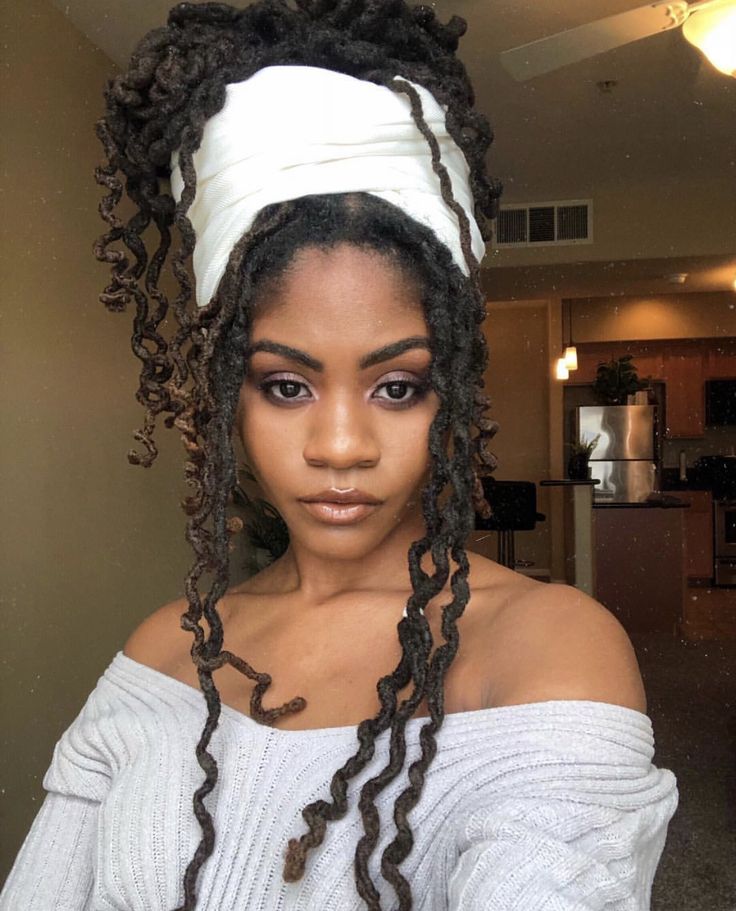
One of the easiest ways to practice How to Maintain Very Long Locs is by protecting your hair before bed.
Create a simple nighttime routine by:
- Wearing a satin or silk bonnet.
- Sleeping on a satin pillowcase.
- Loosely braiding extremely long locs before bed.
- Wrapping your locs with a silk scarf if they are too long for a bonnet.
These small habits help preserve moisture while reducing unnecessary wear on your locs.
Remove Lint Before It Becomes Permanent
Lint is one of the most frustrating problems people face once their locs become very long. Because longer locs come into contact with clothing, blankets, towels, and furniture more often, they naturally collect more fibers over time.
Although a small amount of lint is normal, allowing it to build up makes it much harder to remove later.
To reduce lint:
- Avoid fuzzy towels.
- Wear satin-lined hats whenever possible.
- Choose smoother fabrics around your hair.
- Inspect your locs regularly in bright lighting.
- Remove visible lint before it becomes deeply embedded.
Making lint checks part of your maintenance routine saves you a lot of frustration later.
If your locs already have noticeable buildup, read How to Get Rid of Lints in Locs (Without Damaging Them) for safe removal techniques.
Keep Your Scalp Healthy
Healthy locs always begin with a healthy scalp. Even the strongest mature locs can suffer if the scalp is neglected.
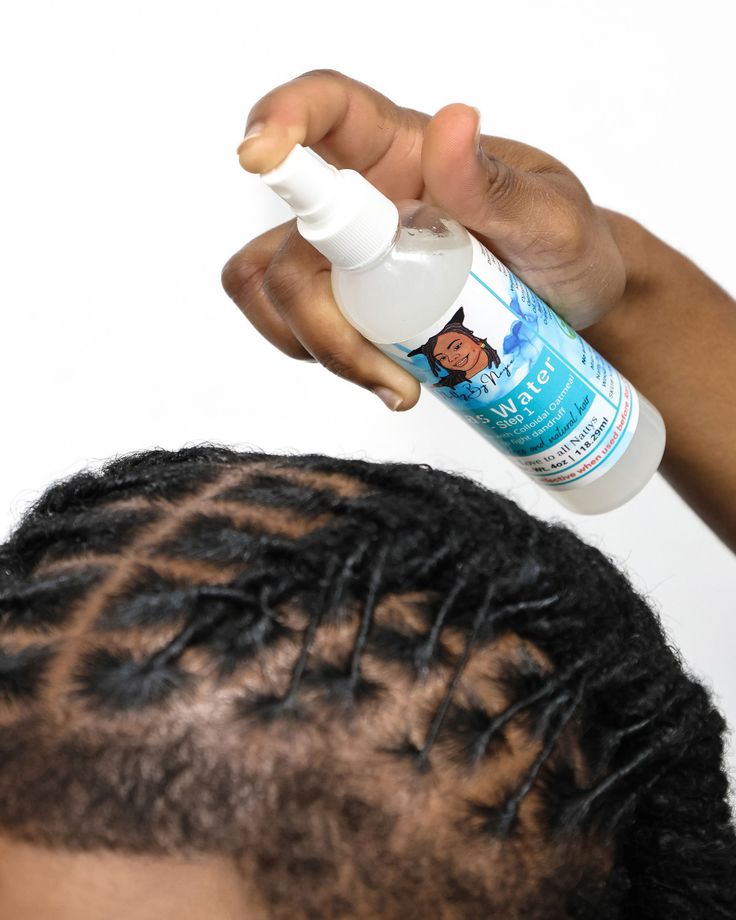
When learning How to Maintain Very Long Locs, pay attention to signs that your scalp needs extra care, including:
- Persistent itching
- Flaking
- Excessive oil
- Product buildup
- Redness
- Tenderness
Cleaning your scalp properly and avoiding excessive product use will help maintain a balanced environment for continued healthy growth.
Additionally, drink enough water and maintain a nutritious diet because internal health directly affects your scalp.
If flakes become a recurring issue, How to Get Rid of Dandruff in Your Locs offers practical solutions for restoring scalp health.
Protect Your Locs During Exercise
Regular exercise is excellent for your overall health, but sweat can create challenges for people with very long locs.
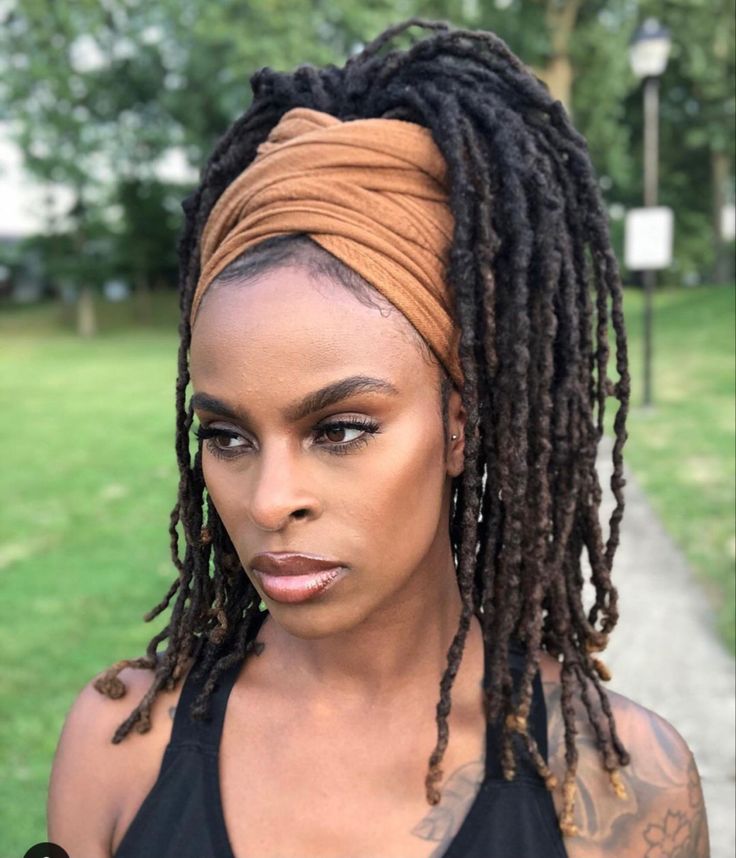
Sweat itself isn’t harmful. However, allowing sweat to remain on your scalp for extended periods can lead to odor, buildup, and irritation.
Before exercising:
- Secure your locs with a loose style.
- Wear a moisture-wicking headband if needed.
After exercising:
- Let your scalp dry.
- Wipe away excess sweat.
- Rinse your scalp when necessary.
- Wash your locs according to your regular schedule.
These simple habits help keep both your scalp and locs fresh without over-washing.
Protect Your Locs From Seasonal Damage
Every season affects your locs differently. Learning How to Maintain Very Long Locs means adjusting your routine throughout the year instead of using the exact same products and habits every month.
During winter, indoor heating and cold outdoor air often reduce moisture levels. Your locs may become drier and more brittle, so increasing hydration and wearing protective coverings outdoors can help.
During summer, stronger sunlight, swimming, and excessive sweating require additional care. Rinsing your locs after swimming and protecting them from prolonged UV exposure helps maintain their strength and appearance.
Seasonal maintenance may seem like a small adjustment, but it significantly reduces preventable damage over time.
For colder months, you’ll appreciate 15 Ways to Maintain Your Locs in Winter, while 15 Ways to Protect Your Locs in Summer offers practical advice for warmer weather.
Don’t Ignore Small Problems
One of the smartest habits you can develop while learning How to Maintain Very Long Locs is addressing problems early.
A small weak spot today can become serious breakage six months later if ignored.
Every few weeks, inspect your locs for:
- Thin areas
- Loose hairs
- Weak roots
- Excessive dryness
- Fraying ends
- Product buildup
Regular inspections allow you to fix minor issues before they become major setbacks.
If you begin noticing areas that feel fragile, How to Prevent Loc Breakage provides additional strategies for keeping your mature locs strong.
Be Gentle When Handling Your Locs
One of the simplest yet most overlooked parts of How to Maintain Very Long Locs is handling your hair gently every day. Many people only think about maintenance on wash days, but your daily habits have just as much impact on the health of your locs.

Avoid pulling your locs unnecessarily, especially when putting them into styles. Constant tugging weakens the roots and can eventually lead to thinning. Likewise, resist the temptation to twist, pull, or play with your locs throughout the day. Although it may seem harmless, repetitive handling creates friction that can weaken individual locs over time.
When separating your locs after washing or after removing a style, take your time. If two locs begin to marry together, gently separate them instead of pulling them apart forcefully. Patience prevents unnecessary damage.
Learning How to Maintain Very Long Locs means treating your locs like delicate fabric rather than sturdy rope. The gentler you are, the longer they will remain healthy.
Avoid Heavy Product Buildup
One mistake many people make is believing that more products equal healthier locs. In reality, mature locs thrive with a simple routine.
Heavy creams, thick oils, waxes, and styling gels often stay trapped inside very long locs. Over time, these products collect dust, lint, and dirt, leaving your locs feeling heavy and looking dull.
Instead, keep your routine minimal by choosing lightweight, water-based products. Focus on hydration rather than coating your locs with multiple layers of product.
Signs of buildup include:
- White residue inside the locs
- Sticky texture
- Dull appearance
- Persistent odor after washing
- Locs feeling unusually heavy
Keeping products simple is one of the easiest ways to master How to Maintain Very Long Locs while reducing future maintenance.
If you’re unsure which products are worth using, Best Oils and Moisturizers for Starter Locs (What Actually Works) also contains advice that benefits mature locs because lightweight hydration remains important throughout your loc journey.
Support Healthy Growth From Within
Healthy locs don’t grow because of one miracle oil or expensive serum. Instead, growth begins inside your body.

A balanced diet provides your hair follicles with the nutrients they need to produce stronger strands. Without proper nutrition, even the best external routine cannot completely prevent weak or brittle locs.
Focus on eating foods rich in:
- Protein
- Iron
- Zinc
- Biotin
- Vitamin D
- Omega-3 fatty acids
- Leafy green vegetables
- Fresh fruits
- Healthy fats
Staying hydrated is equally important. Drinking enough water helps maintain moisture levels throughout your body, including your scalp.
If your goal is longer, fuller locs, you’ll enjoy Foods That Help Your Locs Grow Faster, which explains how nutrition supports healthy hair growth naturally.
Watch for Signs of Breakage
The longer your locs become, the more important it is to inspect them regularly. Waiting until damage becomes obvious often means the problem has already progressed.
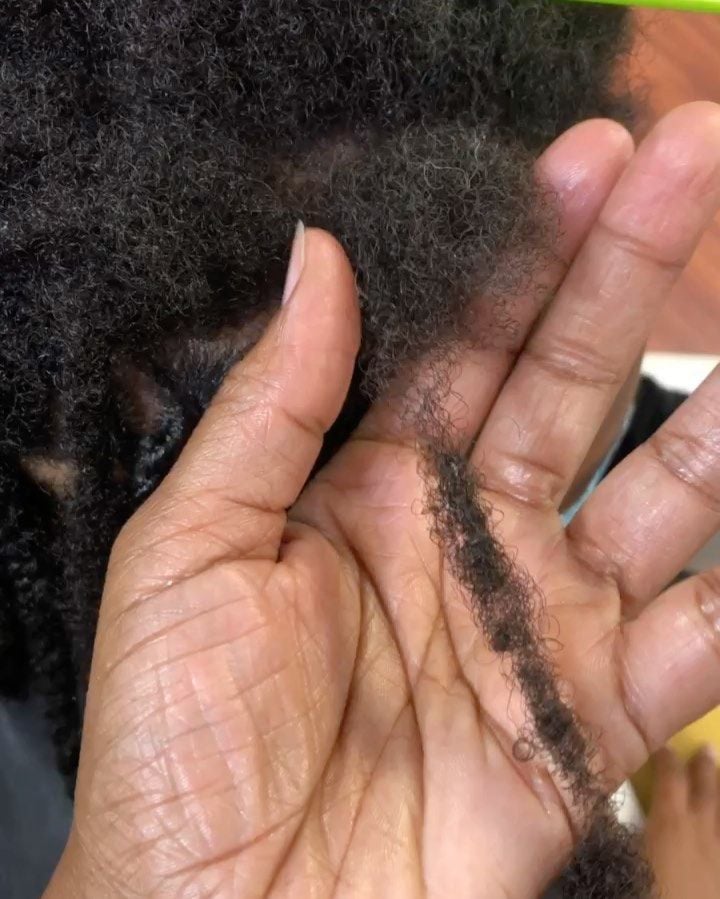
As you practice How to Maintain Very Long Locs, look out for early warning signs such as:
- Thinning near the roots
- Weak middle sections
- Frayed ends
- Excessive shedding
- Locs that feel unusually soft in one area
- Visible cracks along the shaft
Finding these issues early allows you to adjust your routine before permanent damage occurs.
Sometimes, reducing tension, improving moisture, or changing your hairstyles is enough to stop breakage from getting worse.
If you’re struggling with fragile locs, How to Strengthen Weak Locs offers practical ways to rebuild their strength over time.
Know When to Trim Your Locs
Many people avoid trimming because they believe every inch of length should be preserved. However, holding onto damaged ends often creates bigger problems later.
Healthy length is always better than unhealthy length.
You may need a trim if:
- Your ends are unraveling.
- The tips feel extremely thin.
- Individual locs have permanent damage.
- Split ends continue traveling upward.
Trimming removes damaged sections before they affect healthier parts of the loc.
If you’re uncertain about the process, How to Trim Locs Properly explains how to trim safely without sacrificing unnecessary length.
Protect Your Locs While Traveling
Traveling introduces your locs to different climates, water quality, and environmental conditions. Whether you’re heading to the beach, hiking, or taking a long flight, your routine may need slight adjustments.
Before traveling:
- Pack a satin bonnet or scarf.
- Bring a lightweight moisturizing spray.
- Carry a microfiber towel.
- Protect your locs from excessive sun exposure.
If you’re swimming, rinse your locs with clean water afterward to remove chlorine or saltwater. This simple habit helps prevent dryness and buildup.
Planning ahead makes How to Maintain Very Long Locs much easier, especially when you’re away from your usual routine.
For more ideas, check out 29 Vacation Loc Styles That Feel Light and Free, which features styles that stay neat while traveling.
Learn to Listen to Your Hair
One of the best lessons you’ll learn while mastering How to Maintain Very Long Locs is that no routine works perfectly for everyone.
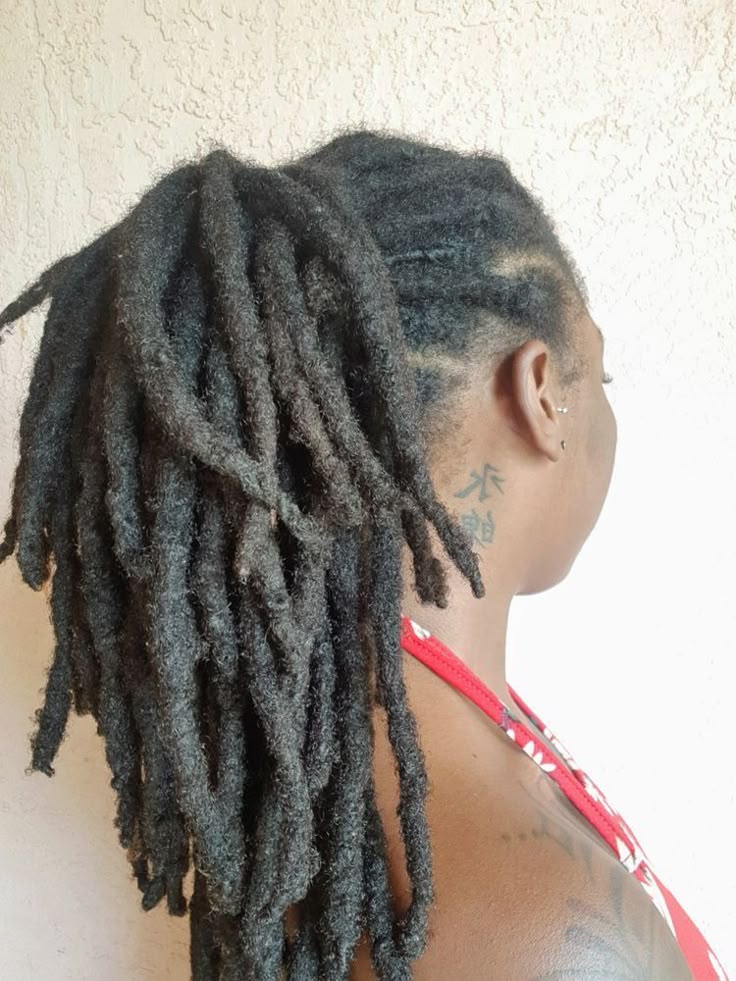
Some people need to moisturize more often, while others experience buildup if they use too many products. Some scalps stay comfortable washing every four weeks, while others need cleansing every two weeks.
Instead of copying someone else’s schedule exactly, pay attention to how your own locs respond.
Ask yourself:
- Do my locs feel dry?
- Is my scalp itchy?
- Are my roots becoming weak?
- Am I seeing more shedding than usual?
- Do my locs still feel lightweight after moisturizing?
Your locs will tell you what they need if you pay attention consistently
Don’t Compare Your Journey
Social media makes it easy to compare your locs with someone else’s. However, every person’s hair grows differently.
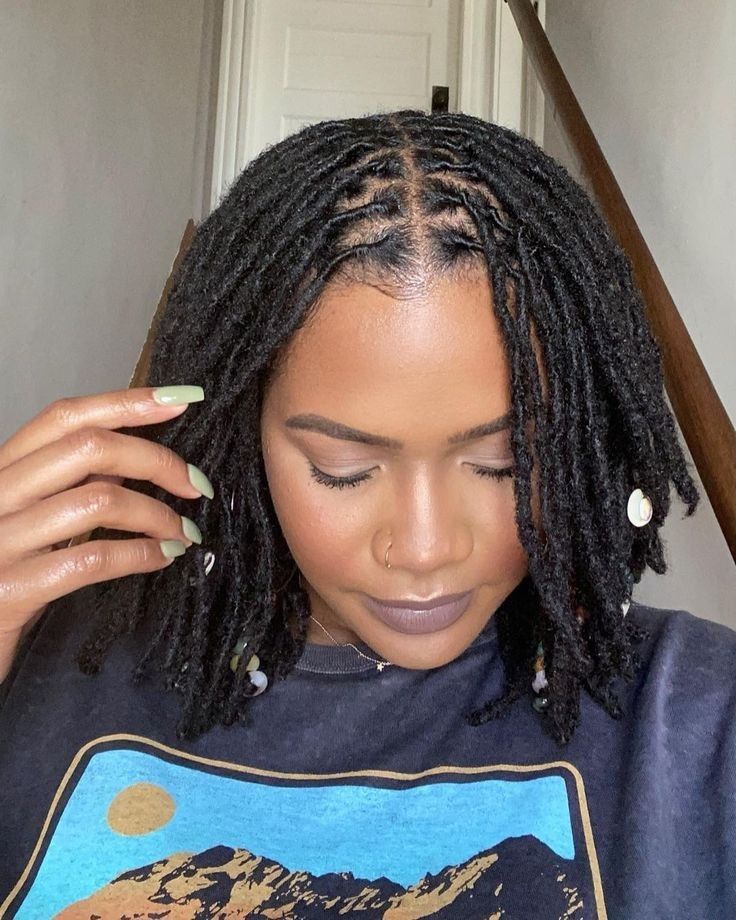
Genetics, hair texture, overall health, maintenance routine, and lifestyle all influence how your locs develop. Instead of comparing length or thickness, focus on keeping your own locs healthy.
If your growth feels slow, don’t panic. Progress often happens gradually, and consistency matters much more than speed.
For additional insight, Why Some Locs Grow Faster Than Others explains the many factors that influence loc growth and why everyone’s journey is unique.
Create a Simple Weekly Maintenance Routine
One of the biggest secrets to How to Maintain Very Long Locs is consistency. You don’t need an elaborate routine with dozens of products. Instead, a few healthy habits repeated every week will keep your locs looking their best.
A simple weekly routine could include:
- Inspect your scalp for dryness or buildup.
- Mist your locs with a water-based moisturizer if they feel dry.
- Remove any visible lint before it becomes embedded.
- Massage your scalp for a few minutes to encourage healthy circulation.
- Wear low-tension hairstyles throughout the week.
- Sleep with a satin bonnet or on a satin pillowcase every night.
Monthly, you can wash your locs thoroughly, deep clean your scalp, and perform a more detailed inspection for weak spots or thinning roots.
The simpler your routine is, the easier it becomes to stay consistent. That consistency is what truly makes a difference when learning How to Maintain Very Long Locs.
Common Mistakes That Damage Very Long Locs
Even people with years of experience can unknowingly develop habits that weaken their locs over time. Fortunately, avoiding these mistakes is much easier than repairing the damage later.
Here are some of the most common mistakes:
1. Sleeping With Wet Locs
Moisture trapped inside thick locs can cause unpleasant odors and mildew. Always allow your locs to dry completely before going to bed.
2. Wearing Tight Styles Every Day
Constant tension places unnecessary stress on your roots and edges. Rotate your hairstyles to give your scalp regular breaks.
3. Using Too Much Product
Heavy creams, waxes, and oils can leave residue inside your locs. Stick to lightweight, water-based products whenever possible.
4. Ignoring Scalp Health
Healthy locs begin with a healthy scalp. Persistent itching, flakes, or irritation should never be ignored.
5. Skipping Moisture Completely
Although mature locs require less product than starter locs, they still need regular hydration to stay flexible and strong.
6. Retwisting Too Frequently
Retwisting too often weakens the roots over time. Give your scalp enough time to recover between maintenance sessions.
If you’re worried that your maintenance schedule may be too frequent, Signs You Are Retwisting Your Locs Too Often explains what to watch for before thinning becomes severe.
When Should You Seek Professional Help?
While many people successfully care for their own locs, some situations are best handled by an experienced loctician.
Consider seeking professional maintenance if you notice:
- Severe thinning at the roots
- Multiple weak or broken locs
- Extensive product buildup that won’t wash out
- Large sections of married locs
- Persistent scalp irritation
- Significant breakage throughout your hair
Professional advice can often save locs that might otherwise continue to weaken.
However, if you prefer doing your own maintenance, How to Maintain Locs Without a Loctician provides practical guidance for caring for your locs confidently at home.
Frequently Asked Questions About How to Maintain Very Long Locs
How often should I wash very long locs?
Most people benefit from washing every two to four weeks. However, if you exercise frequently or sweat heavily, you may need to wash your scalp more often.
Do very long locs need oil every day?
No. Overusing oil can lead to buildup. Focus on water-based hydration first, then seal in moisture with a light oil only when needed.
Why do my roots feel sore after styling?
Soreness usually indicates excessive tension. Choose looser hairstyles and avoid pulling your locs tightly into buns or ponytails.
How do I keep my long locs from breaking?
Keep them moisturized, reduce tension, avoid excessive retwisting, sleep with satin protection, and inspect your locs regularly for weak spots.
Can very long locs still grow?
Yes. As long as your hair follicles remain healthy and your ends are protected, your locs can continue growing for many years.
Healthy Habits That Keep Very Long Locs Beautiful
If you remember nothing else from this guide, focus on these habits:
- Wash your locs consistently.
- Dry them completely after every wash.
- Moisturize with lightweight products.
- Protect your scalp from constant tension.
- Sleep with satin protection.
- Rotate your hairstyles.
- Remove lint regularly.
- Eat a nutritious diet.
- Stay hydrated.
- Address small problems before they become major ones.
These habits may seem simple, but together they create the foundation for healthy, thriving locs.
Final Thoughts
Learning How to Maintain Very Long Locs is about protecting the years of patience and dedication you’ve invested in your hair.
While growing long locs is a major accomplishment, keeping them healthy requires a routine that evolves as your locs become heavier and more mature.
The good news is that How to Maintain Very Long Locs doesn’t require expensive products or complicated techniques. Instead, success comes from consistency.
Washing your locs regularly, keeping your scalp healthy, moisturizing correctly, protecting your roots, and minimizing tension will help your locs stay strong for years to come.
Remember that healthy locs always look better than simply long locs. Prioritize the health of your scalp, roots, and individual locs over chasing extra inches.
When you care for your locs consistently, they reward you with strength, fullness, shine, and lasting beauty. As your locs continue to grow, adjust your routine to meet their changing needs.
With patience, gentle handling, and the right maintenance habits, you’ll enjoy beautiful, healthy very long locs that remain a source of confidence for many years.



9 Comments