
How to Prevent Flattened Locs Overnight
Disclosure: Some of the links in this post are affiliate links. This means if you click on the link and purchase an item, I will receive an affiliate commission at no extra cost to you. All opinions remain my own. I only recommend products or services I believe will add value to my readers.
Waking up to flattened locs after spending time getting your hair to look full and neat can be frustrating.
You may go to bed with beautiful volume, only to wake up with locs that look pressed down, uneven, or completely different from how they looked the night before.
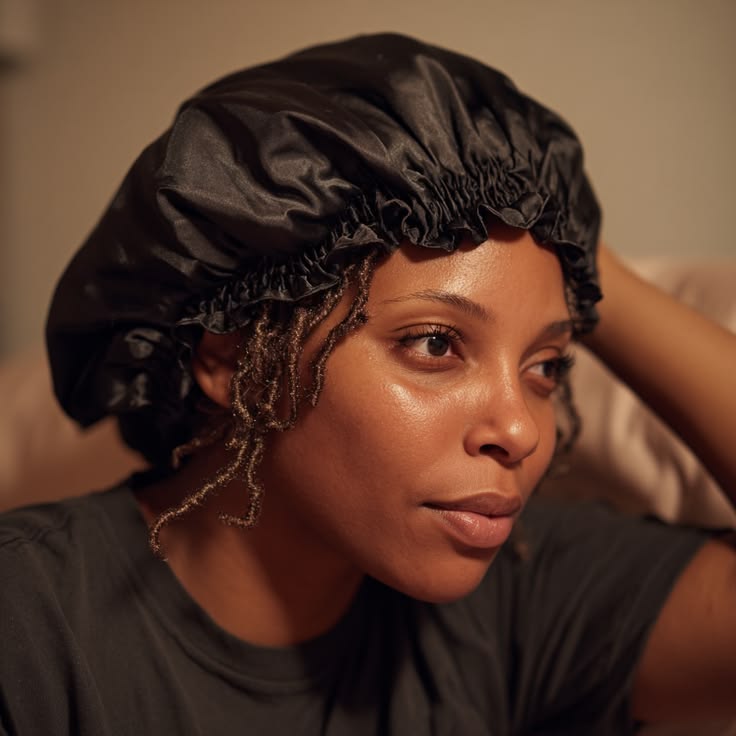
Longer and thicker locs can make this even more annoying. The back and sides often get squashed against your pillow while you sleep. You may then spend the morning separating, fluffing, or restyling your locs before you can start your day.
The good news is that How to Prevent Flattened Locs Overnight does not have to involve complicated routines. A few simple changes to how you prepare your locs and protect them at night can make a noticeable difference.
Your sleeping position, nighttime covering, moisture levels, and even the way you gather your locs can all affect how they look in the morning. Small adjustments can help reduce unnecessary pressure while keeping your locs comfortable overnight.
If you are tired of waking up with flat roots and crushed locs, you can create a nighttime routine that works with your hair instead of against it. The goal is not to make your locs perfectly untouched overnight. Instead, it is to reduce friction, pressure, and unnecessary compression.
In this guide, I’ll walk you through practical ways to protect your locs while you sleep. You’ll also learn which nighttime habits can make flattening worse and how to keep your locs looking fuller when you wake up.
Before changing your routine, it can also help to understand How to Sleep With Locs Without Damaging Them. A good nighttime routine should protect your locs without putting unnecessary tension on your roots or hairline.
Let’s get into the simple habits that can help you wake up with locs that still have their shape, movement, and volume.
Why Do Locs Get Flattened Overnight?
Before learning How to Prevent Flattened Locs Overnight, it helps to understand why the flattening happens in the first place.
Your locs spend several hours pressed against your pillow, bedding, or the side of your head. That constant pressure can change how your locs sit, especially when you have thick, long, or mature locs.
1. Your Locs Stay Under Pressure for Hours
You might move around while sleeping, but some parts of your hair still stay pressed against the pillow.
The back of your locs usually takes the most pressure. This can leave those locs looking flatter than the ones around your face.
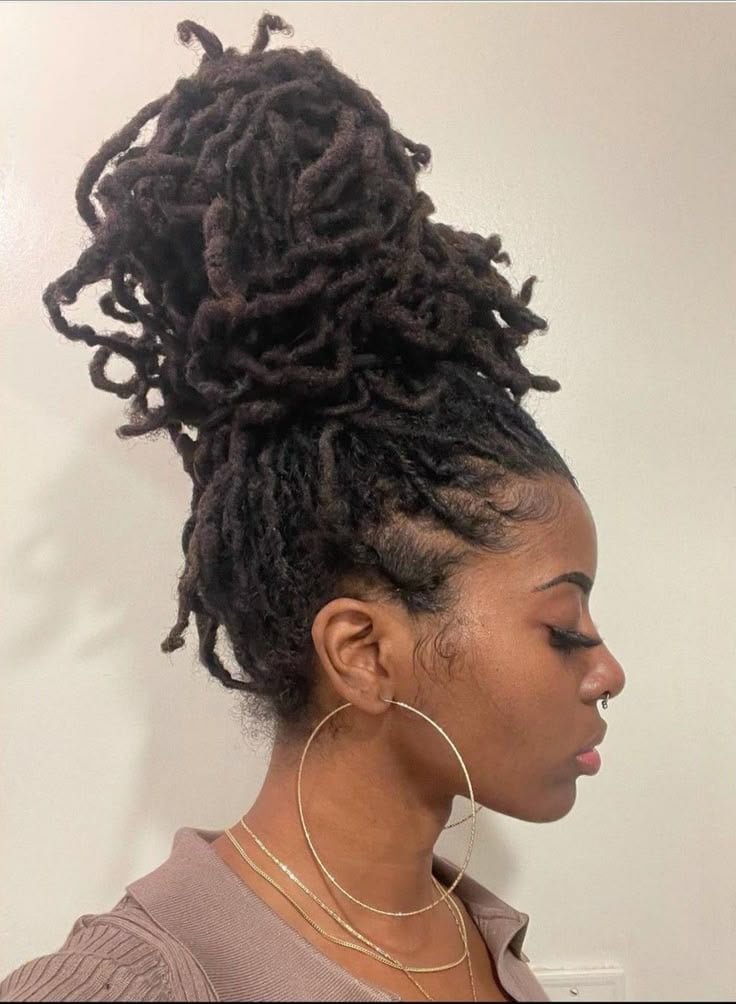
Longer locs can also fold underneath your head during sleep. The weight of the locs can increase pressure against the pillow.
This does not mean your locs are becoming permanently damaged. Most overnight flattening simply comes from compression.
Still, repeated compression can make your morning routine more frustrating. You may need to separate your locs and gently fluff them before they regain their usual shape.
2. Your Pillowcase Can Create Extra Friction
The material you sleep on can affect how your locs move throughout the night.
A rough surface can create more friction as you turn your head. Your locs may rub against the pillow instead of moving freely. This can contribute to frizz, tangling, and an untidy appearance in the morning.

Your nighttime routine should focus on reducing unnecessary friction. This becomes especially useful if you are already following a routine focused on How to Care for Your Locs the Right Way.
You want your locs to rest comfortably instead of constantly rubbing against your bedding.
3. Sleeping With Loose Locs Can Cause Uneven Compression
Leaving your locs completely loose can feel comfortable. Yet, it may allow them to spread underneath your head as you sleep.

Some locs may stay underneath your neck. Others may fall toward the sides of your head. That uneven positioning can create the flattened appearance you notice in the morning.
You do not necessarily need a tight hairstyle to prevent this. In fact, pulling your locs too tightly can create another problem. A loose and comfortable nighttime arrangement usually works better.
4. Your Locs May Be Too Moist Before Bed
Going to bed with damp locs can also affect how they sit overnight. Wet or damp locs can become heavier and stay compressed against your pillow for several hours.
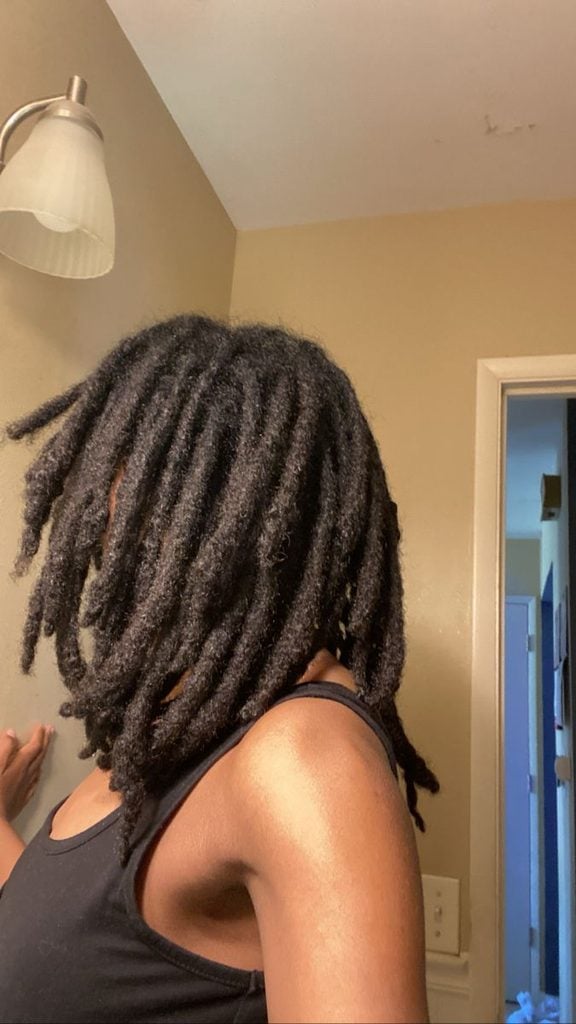
They may also take much longer to dry because locs hold moisture inside their structure. For that reason, giving your hair enough time to dry before bed can make your nighttime routine easier.
If your locs often feel dry, focus on using an appropriate amount of moisture earlier in the day. You can also learn more about How Often Should You Moisturize Locs? before adding more products to your routine.
5. Your Sleeping Position Matters
Your sleeping position can play a surprisingly big role. Side sleepers may notice more flattening on one side of the head. Back sleepers may experience more compression around the back of their locs.
You do not need to completely change the way you sleep. Instead, try to reduce the amount of direct pressure placed on your locs.
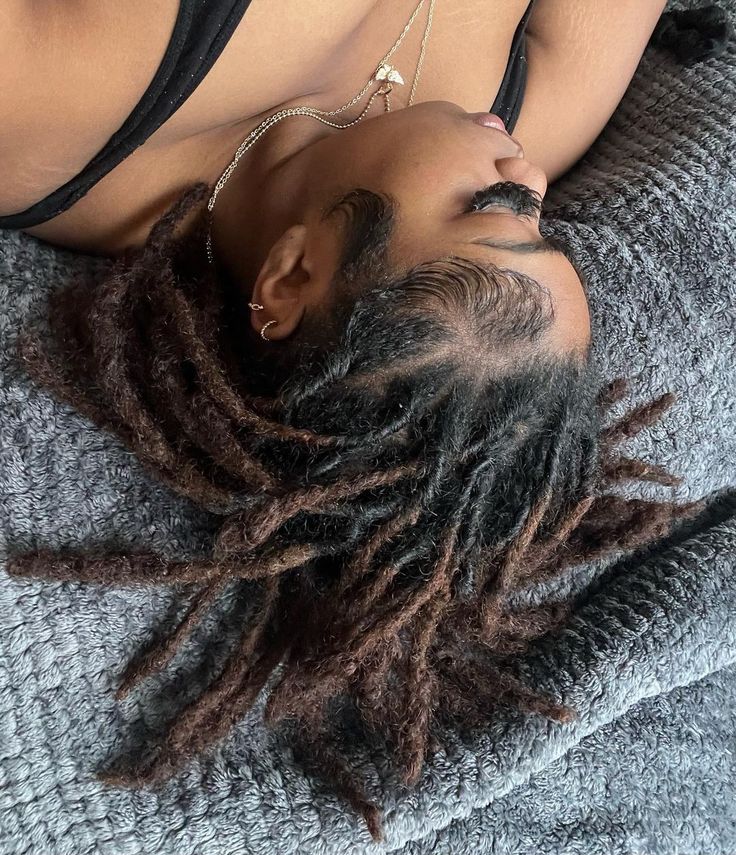
A protective nighttime covering can also help keep your locs contained while reducing friction. The right approach will depend on your loc length, thickness, and preferred sleeping position.
6. Your Locs May Need Better Nighttime Protection
Sometimes the problem is not your locs themselves. Your nighttime routine simply needs more protection.
A good covering can help keep your locs together instead of allowing them to spread across your pillow.
This is where choosing the right material and size becomes important. A covering that feels too tight can compress your locs. One that feels too loose may slide off while you sleep.
Learning about Best Bonnets and Scarves for Locs can help you choose an option that gives your hair enough room.
The goal is simple: protect your locs without squeezing them into place.
7. Your Loc Length Can Change the Way They Flatten
Short locs and long locs do not behave the same way overnight. Shorter locs may stay closer to the scalp. Longer locs have more length to fold, bend, and spread across your pillow.
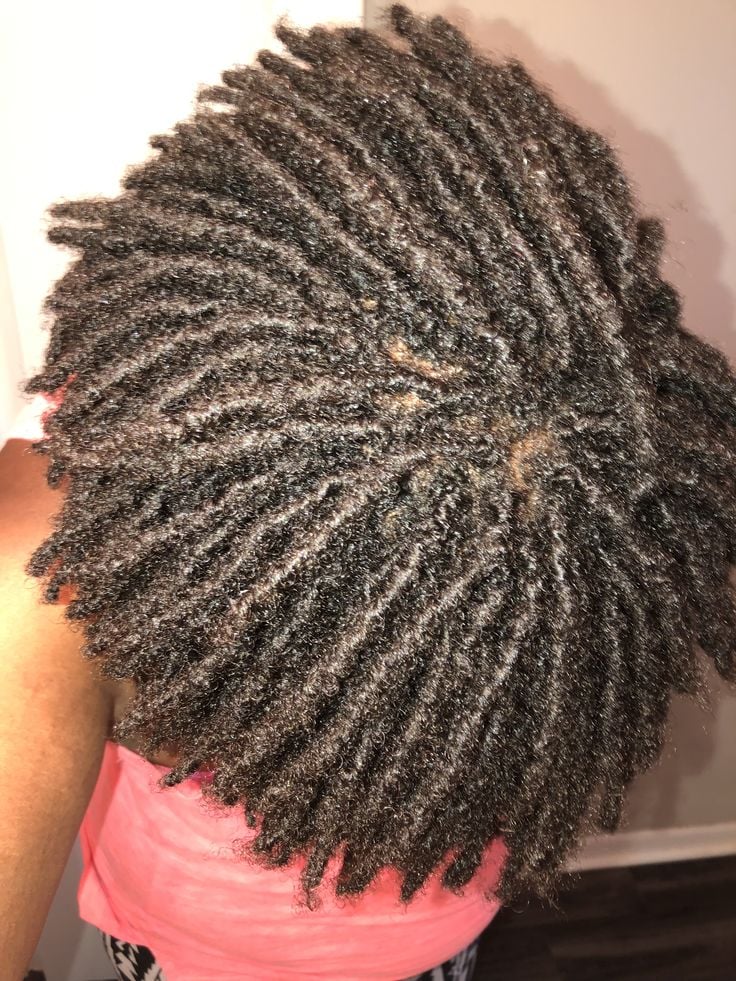
Very long locs can also become heavy. That extra weight can affect how they sit when you lie down. If your locs have grown significantly, your old nighttime routine may no longer work as well.
You may need to adjust how you gather and cover them as your length changes. If you have especially long locs, How to Maintain Very Long Locs can provide useful guidance for managing them as they grow.
8. Your Retwist Can Make Flattening More Noticeable
Freshly retwisted locs can look beautifully neat and defined. That can make overnight flattening feel even more obvious.
You may notice flattened roots, bent locs, or sections that no longer sit exactly where they did after your retwist.
The good news is that you usually do not need to retwist your hair again because of normal overnight flattening. Instead, gently separate your locs and allow them to settle naturally.
Avoid constantly manipulating your roots just to recreate the exact appearance you had before bed. Too much handling can create unnecessary tension and may interfere with healthy maintenance.
If your retwists tend to lose their neat appearance quickly, learning How to Make Your Retwist Last Longer may help you build a better routine.
9. Flattening Can Become More Noticeable When Your Locs Are Dry
Dry locs can feel less flexible and may not move as easily when you change sleeping positions. That can make certain sections stay pressed in one direction.
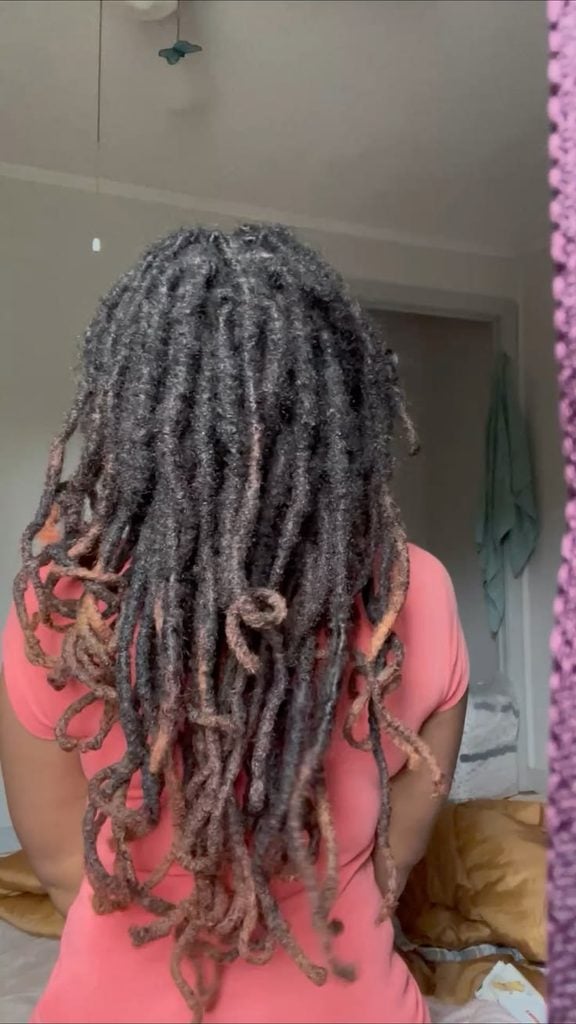
Still, adding excessive oils or products before bed is not the solution. Too much product can create buildup and make your locs feel heavy. A balanced routine is more useful.
Your goal should be healthy, comfortable locs rather than trying to force every strand into a specific position overnight.
If your locs frequently feel weak, dry, or fragile, What Makes Locs Healthy vs Unhealthy can help you identify broader signs to watch for.
The Main Thing to Remember
Flattened locs after sleeping are usually a result of pressure, friction, positioning, and compression. You do not need an elaborate routine to address them.
Small changes can make your nights more comfortable while helping your locs maintain more of their natural shape.
Next, let’s look at the most important part: how to prepare your locs before bed so you wake up with less flattening and fewer morning adjustments.
How to Prepare Your Locs Before Bed
A good nighttime routine can make a big difference when you are learning How to Prevent Flattened Locs Overnight.
You do not need to spend a long time preparing your hair. A few gentle steps can help your locs settle comfortably before you get into bed.
1. Make Sure Your Locs Are Completely Dry
One of the easiest habits to overlook is going to bed with damp locs. Give your hair enough time to dry after washing, moisturizing, or exercising. Damp locs can feel heavier and may stay pressed against your pillow throughout the night.
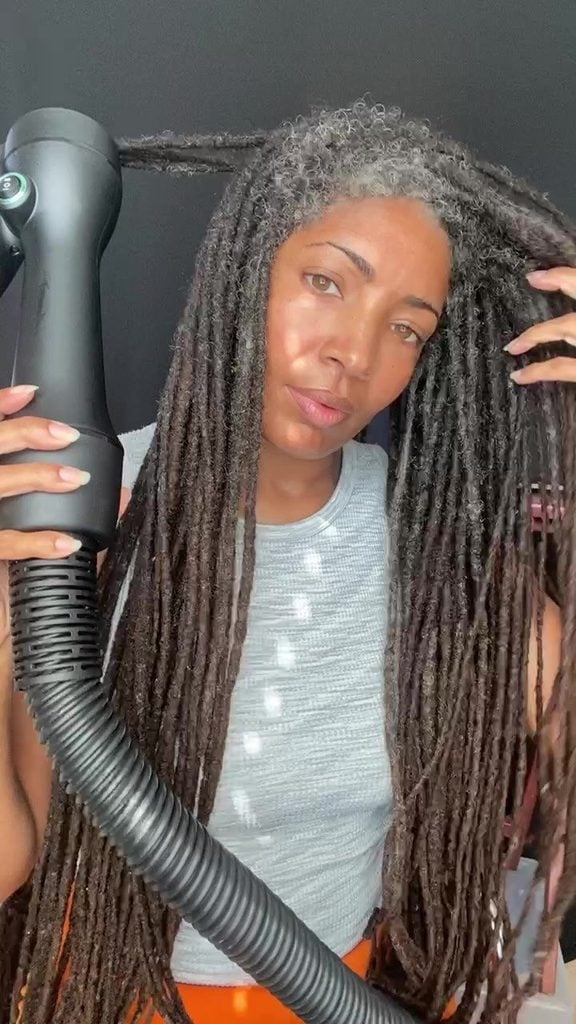
They can also take much longer to dry because of their structure. If you recently washed your hair, plan your wash time around your bedtime. This gives your locs enough time to air-dry naturally.
For starter locs, this habit becomes even more important because your hair is still adjusting to its new structure. A gentle nighttime routine can complement the advice in How to Wash Starter Locs Without Unravelling Them.
2. Gently Separate Your Locs
Before covering your hair, use your fingers to gently separate locs that have become compressed together.

Do not pull aggressively or force apart sections that naturally sit together. The goal is simply to prevent your locs from staying bunched together overnight.
Start around your roots and work through the sections that feel compressed. A few gentle movements are usually enough. This can also help you notice areas that feel unusually tangled or uncomfortable.
If you regularly deal with several different loc issues, Common Locs Problems and How to Fix Them can help you understand some of the problems that may need attention.
3. Give Your Roots a Gentle Fluff
If your roots tend to look flat after sleeping, gently lift your locs away from your scalp before covering them. Use your fingertips instead of aggressively pulling the locs upward.
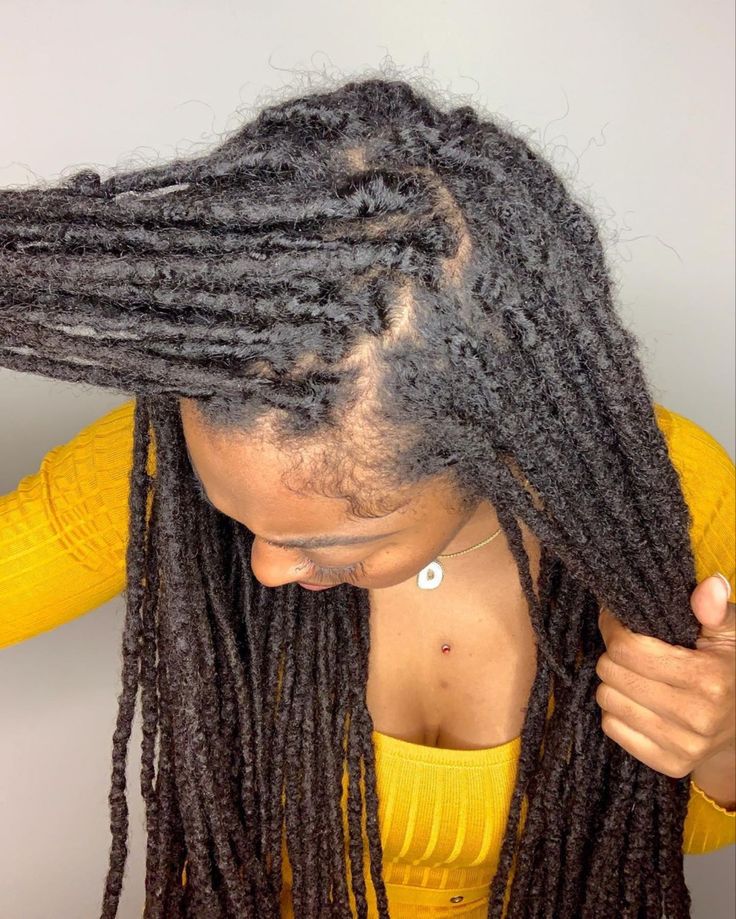
You are not trying to create a dramatic hairstyle for bed. You simply want to avoid placing every loc in the exact same direction.
A little movement can make it easier for your hair to settle naturally during the night. This step works particularly well for people who love wearing their locs loose during the day.
4. Avoid Tight Nighttime Hairstyles
It may seem logical to tie your locs tightly so they cannot move. That approach can create unnecessary tension, though.
Your roots need a break while you sleep. Tight ponytails, buns, or repeated pulling can place stress on your hairline.
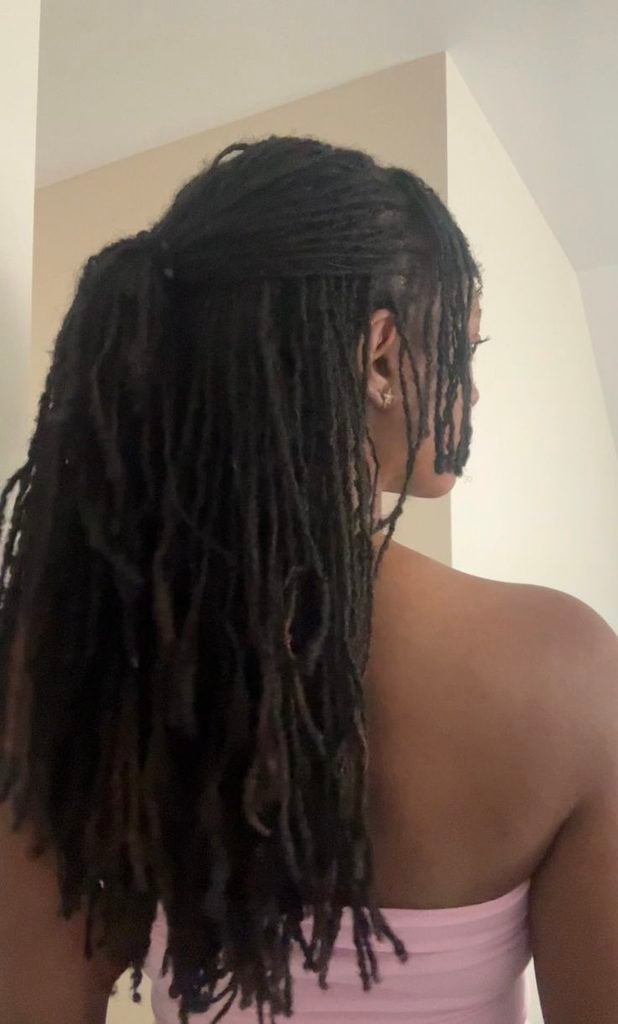
A loose arrangement gives your locs some freedom without allowing them to become completely scattered.
If you enjoy tying your locs up, choose a relaxed style instead. You can also explore Low Tension Loc Styles That Protect Your Hairline for ideas that prioritize comfort.
5. Keep Your Locs Away From Your Neck
Long locs often end up underneath your neck while you sleep. That creates direct pressure on the locs for several hours. Before getting comfortable, gently move your locs toward the top or sides of your head.
Do not force them into a tight pile. Just position them somewhere they can rest without sitting directly beneath your head.
You may need to experiment with different positions to find what feels comfortable.
6. Choose a Comfortable Bonnet or Scarf
A bonnet or scarf can help keep your locs contained while reducing contact with your bedding. The important part is finding something spacious enough for your locs.
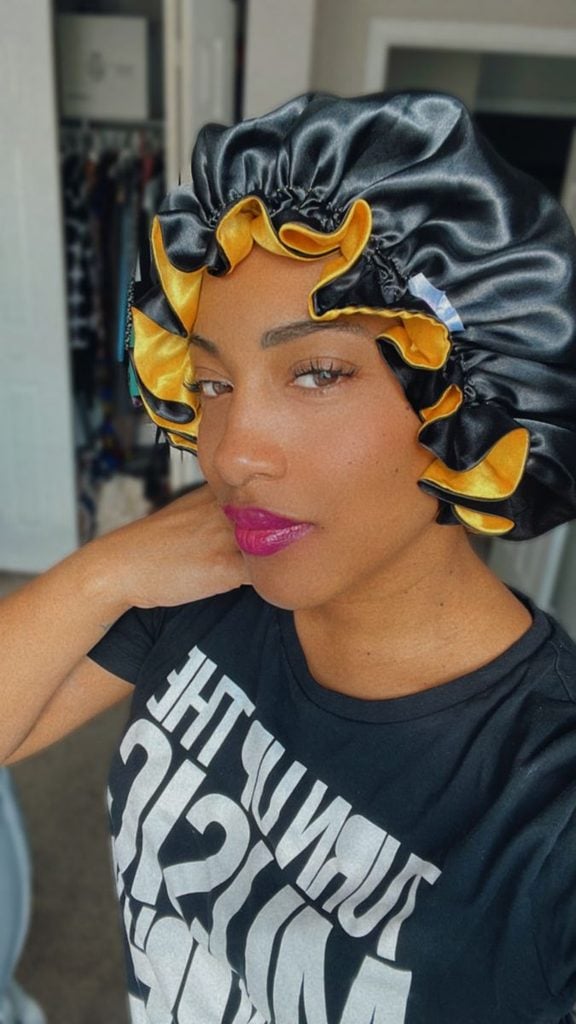
Your covering should not squeeze your hair tightly against your scalp. It also should not create pressure around your edges.
A good option should allow your locs to sit naturally inside it. This is especially important as your locs become longer and take up more space.
That is why Best Bonnets and Scarves for Locs is worth exploring before choosing your regular nighttime covering.
7. Do Not Overload Your Locs With Products
Nighttime is not the best time to compensate for every hair concern with extra products. Applying too much oil, cream, or moisturizer can leave your locs heavy.
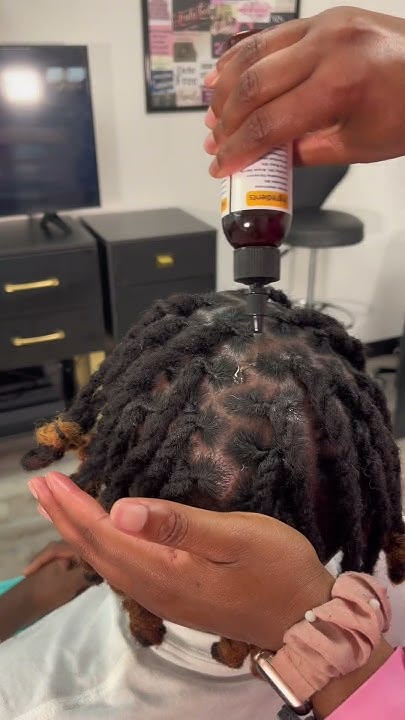
Heavy locs can press against your pillow more firmly. Product buildup can also become another maintenance concern over time. Instead, follow a simple moisturizing routine that suits your hair.
If you are trying to make your maintenance routine easier, 15 Best Products for Locs That Actually Make Maintenance Easier can give you ideas for useful products without turning bedtime into a long hair-care session.
8. Give Your Locs Room to Move
This is one of the most important principles for preventing overnight flattening. Your locs need protection, but they also need space.
Avoid stuffing them tightly into a small bonnet. Do not twist them into a compact bun just to keep them contained. Instead, allow them to sit loosely.
Think of your nighttime routine as creating a comfortable resting space for your locs. The less unnecessary compression you create, the easier it becomes to maintain their natural shape.
9. Keep Your Nighttime Routine Consistent
You do not have to change your entire hair routine overnight. Start with one or two adjustments.

For example, make sure your locs are dry before bed and begin using a spacious bonnet. Once those habits feel natural, adjust your sleeping position or how you arrange your locs.
Consistency matters more than having a complicated routine. Over time, you will learn how your locs respond to different sleeping positions, coverings, and hairstyles.
That knowledge makes it much easier to create a routine that works specifically for your hair.
A Simple Bedtime Routine to Try Tonight
If you want a quick routine, try these steps:
- Make sure your locs are completely dry.
- Gently separate any locs that feel compressed.
- Loosen your roots with your fingertips.
- Move long locs away from underneath your neck.
- Avoid tight ponytails or buns.
- Place your locs loosely inside a comfortable bonnet or scarf.
- Make sure the covering does not squeeze your roots.
- Go to bed without adding unnecessary products.
These steps take only a few minutes, yet they can make your mornings much easier.
You should not have to spend half your morning trying to restore your locs after every night’s sleep. A thoughtful nighttime routine can reduce that frustration while helping you maintain healthy, comfortable locs.
Next, let’s talk about how your pillow and bedding can affect overnight flattening, because your sleeping surface can be just as important as what you put on your head.
Choose the Right Pillowcase
Your pillow can make a bigger difference than you might expect when you are figuring out How to Prevent Flattened Locs Overnight.

A rough pillowcase creates more friction as you move during sleep. Your locs can rub against the fabric, shift around, and become pressed in different directions.
A smoother pillowcase can help reduce that friction. Satin or silk-style fabrics are popular choices because they allow your locs to move more easily.
You can also use a satin pillowcase as a backup when your bonnet or scarf slips off during the night.
Keep Your Locs Loosely Gathered
You do not need to completely tie down your locs before sleeping. Instead, gather longer locs loosely toward the top of your head. A soft scrunchie can help keep them together without creating excessive tension.
Avoid making a tight bun because it can put pressure on your roots and leave your locs with unwanted bends.
If you like wearing your locs up, focus on gentle options. Protective Styles You Can Do With Locs can give you more ideas for keeping your hair comfortable.
Avoid Sleeping on Freshly Styled Locs
Fresh styles can look beautiful, but sleeping on them immediately can change their shape. If you have just created curls, twists, or an updo, give your hair time to settle before going to bed.
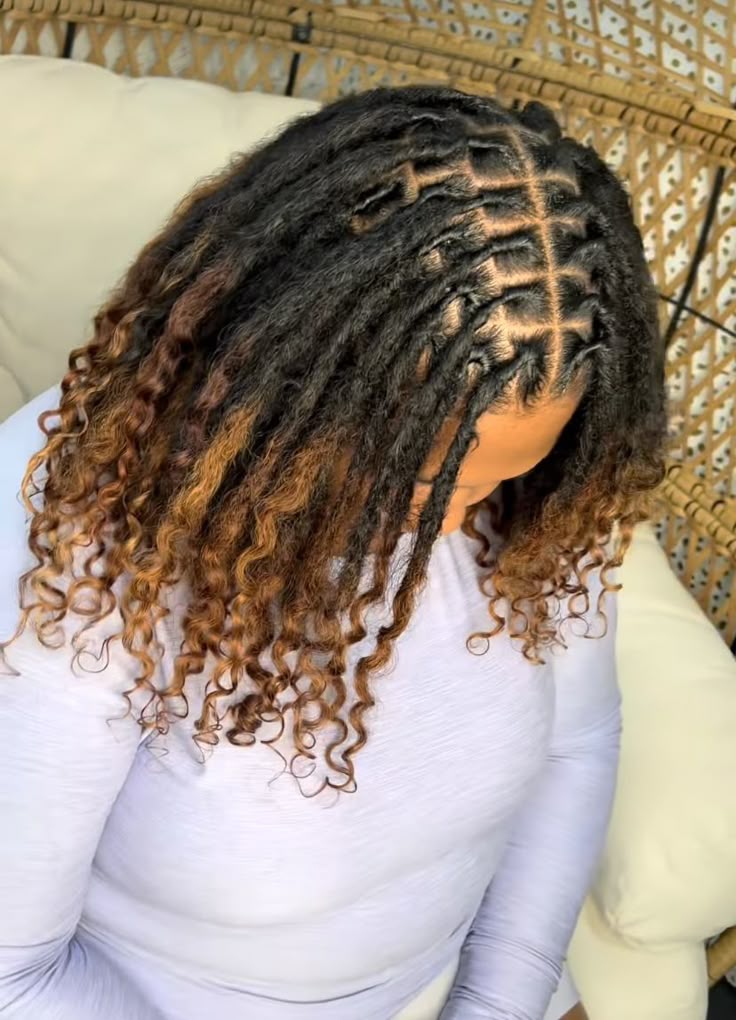
You should also avoid repeating tight styles every night. Constant tension can contribute to breakage around weaker areas.
For everyday styling, 15 Easy Ways to Style Your Locs – No Accessory Needed can help you find simple looks that do not require excessive manipulation.
Be Gentle With Flattened Locs in the Morning
Even with a good nighttime routine, some flattening can still happen. When you wake up, do not immediately pull or retwist your locs.
First, remove your bonnet or scarf and gently shake your locs loose. Use your fingers to separate sections that have become pressed together.
Give your hair a few minutes to settle naturally. If certain areas remain flat, gently lift them at the roots with your fingertips. Avoid repeatedly twisting the same sections to recreate volume.
This gentle approach can also help reduce unnecessary manipulation and support How to Prevent Loc Breakage.
Do Not Retwist Just Because Your Locs Look Flat
Overnight flattening does not automatically mean you need another retwist. Your locs can look slightly different after sleeping and still be perfectly healthy.
Retwisting too frequently can create unnecessary tension, especially around the roots and hairline. Instead, focus on maintaining your locs consistently and allowing them to mature naturally.
If you often find yourself wanting to retwist after a few nights, How to Maintain Your Locs Between Retightening can help you develop a more manageable maintenance routine.
Give Your Locs Time to Bounce Back
Your locs do not need to look exactly the same every morning. Some sections may sit differently after several hours of sleep. That is normal.
A little shaking, separating, and gentle fluffing can often restore their shape. The most important thing is to avoid turning your morning routine into another source of tension.
With the right nighttime protection, you can significantly reduce flattening while keeping your locs comfortable.
Final Thoughts
Learning How to Prevent Flattened Locs Overnight is really about reducing pressure and friction while giving your locs enough room to move.
Start by sleeping with completely dry locs. Use a comfortable bonnet or scarf, choose a smoother pillowcase, and avoid tight nighttime hairstyles.
You should also be gentle when refreshing your locs in the morning. A little flattening does not mean something has gone wrong.
Your locs will naturally change throughout the day and night. The goal is simply to protect them while making your morning routine easier.
With a simple and consistent nighttime routine, you can wake up with locs that look fuller, feel comfortable, and require much less fixing before you start your day.







One Comment