How to Massage Your Scalp for Loc Growth
Disclosure: Some of the links in this post are affiliate links. This means if you click on the link and purchase an item, I will receive an affiliate commission at no extra cost to you. All opinions remain my own. I only recommend products or services I believe will add value to my readers.
Growing healthy locs takes patience, and sometimes, you may wonder if your hair is growing as quickly as it should.
Learning How to Massage Your Scalp for Loc Growth can help you build a gentle routine that supports scalp health without putting unnecessary stress on your roots.
Healthy locs need more than time; they also need proper cleansing, moisture, and protection against breakage.
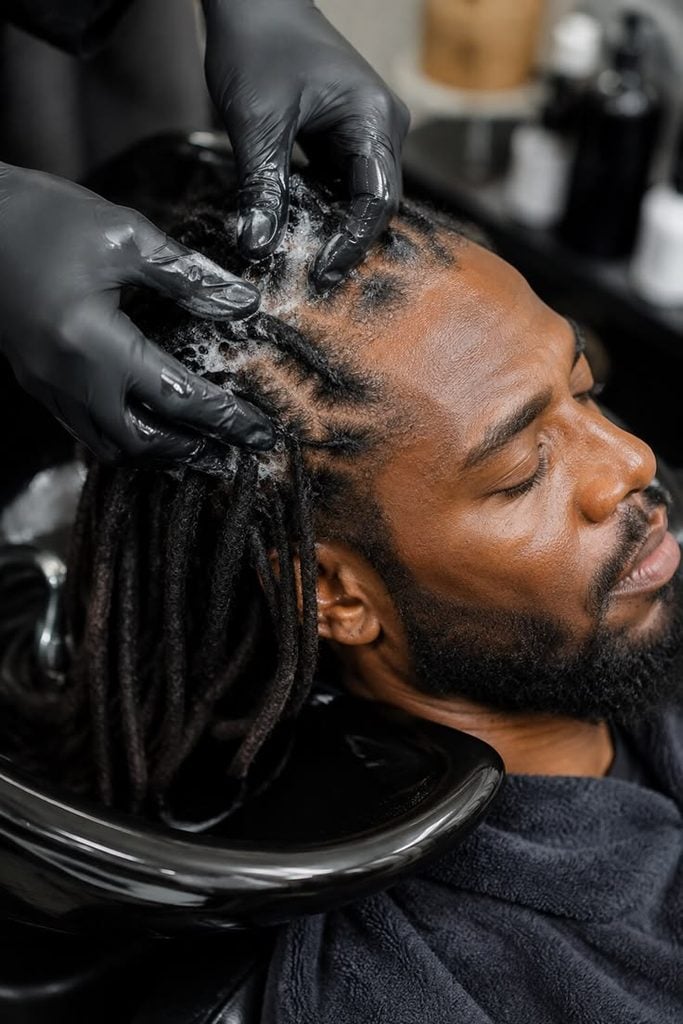
If you’re still figuring out your routine, check out How to Keep Your Scalp Healthy With Locs for simple ways to care for your roots.
Scalp massage doesn’t require expensive tools or complicated techniques. You can use your fingertips to gently massage your scalp for a few minutes each day.
This practice may temporarily increase blood flow and make your scalp care routine more relaxing.
However, massage alone cannot guarantee faster hair growth, so avoid pulling, rubbing, or twisting your locs aggressively.
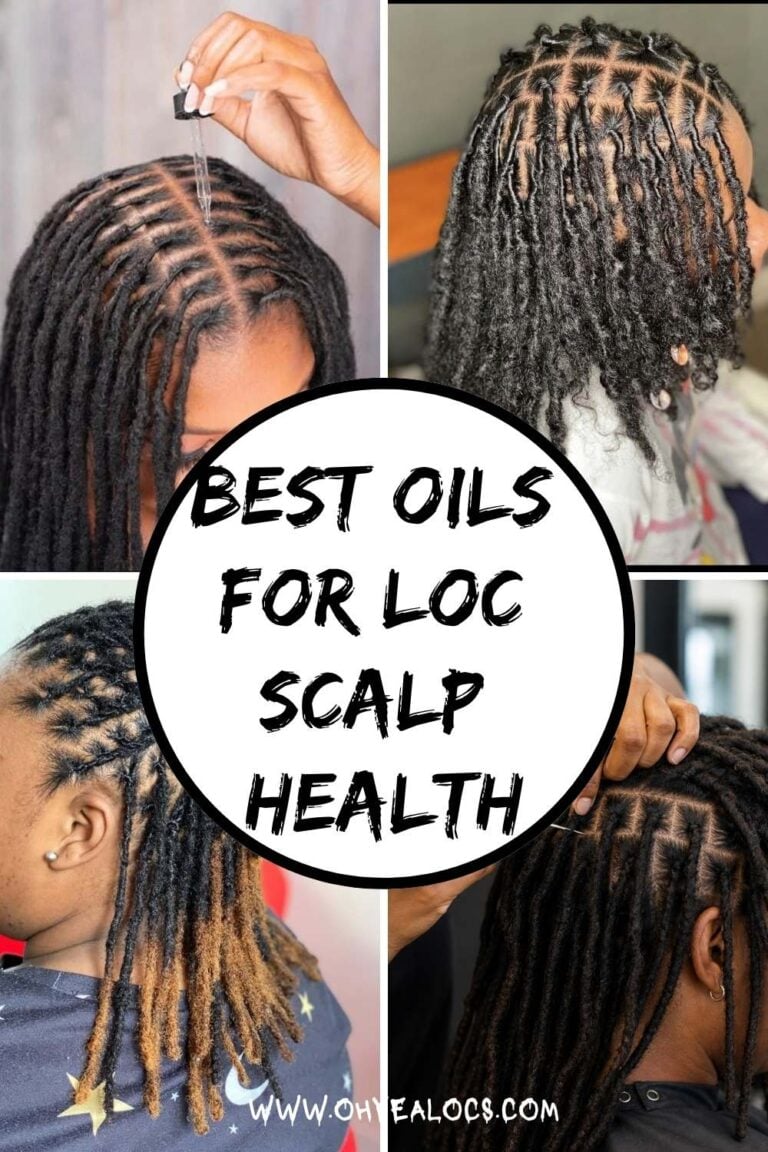
You should also learn about Best Oils for Loc Scalp Health before adding oils to your routine, especially if your scalp gets itchy or your locs collect buildup.
In this guide, you’ll discover How to Massage Your Scalp for Loc Growth using simple techniques that fit easily into your daily routine.
We’ll cover the right finger movements, how long to massage, when to use scalp oil, and which mistakes to avoid.
You’ll also learn how to protect delicate roots and recognize signs that your scalp needs extra attention.
For more help with common scalp concerns, explore How to Stop Itchy Scalp With Locs and build a routine that keeps your scalp comfortable while your locs mature.
How to Massage Your Scalp for Loc Growth
1. Understand How Scalp Massage Supports Loc Growth
Before learning How to Massage Your Scalp for Loc Growth, it’s important to understand how scalp massage fits into a healthy loc care routine.

Gentle massage temporarily increases blood flow to your scalp and helps you relax. However, research has not established that scalp massage directly makes locs grow faster.
Healthy hair growth also depends on genetics, nutrition, scalp health, and proper hair care. If your locs seem stuck at the same length, breakage might explain the problem.
Read How to Prevent Loc Breakage to learn how to protect your strands and retain more length.
Scalp massage also helps you pay closer attention to your roots and notice dryness, irritation, or tenderness.
However, avoid aggressive rubbing because it can irritate your scalp and put unnecessary tension on your locs.
If you experience persistent itching, unusual shedding, or painful areas, address the underlying problem instead of relying on massage alone.
2. Prepare Your Locs Before Massaging Your Scalp
Preparation makes How to Massage Your Scalp for Loc Growth easier, especially if you have starter locs or a sensitive scalp.
Begin by washing your hands thoroughly to prevent dirt and product residue from reaching your scalp.

Next, gently separate your locs with your fingers so you can reach the exposed areas comfortably. Check for excessive buildup or irritation before beginning, and avoid massaging painful or inflamed areas.
You don’t need to apply oil before every massage. If your scalp feels dry, a small amount of suitable lightweight oil may help, but excessive oil can contribute to buildup.
Be especially gentle around starter locs because aggressive rubbing can disturb developing roots.
For more guidance, explore How to Tell If Your Starter Locs Are Healthy before introducing new scalp care habits.
3. Use Your Fingertips Instead of Your Nails
One important step in How to Massage Your Scalp for Loc Growth involves using the correct part of your hands. Place the soft pads of your fingertips against your scalp between your locs.

Move your fingertips in small, gentle circular motions without scratching your skin or pulling your roots. Work slowly across your hairline, sides, crown, and back of your head.
Keep your movements gentle enough to avoid excessive pulling or discomfort. You don’t need to press deeply or rub the lengths of your locs to massage your scalp effectively.
If your locs move excessively, adjust your finger placement and reduce the pressure. Stop immediately if you experience pain, burning, or unusual tenderness.
With consistent, gentle care, you can make scalp massage a relaxing addition to your loc maintenance routine.
4. Follow the Right Scalp Massage Technique
Learning How to Massage Your Scalp for Loc Growth becomes easier when you follow a simple routine.
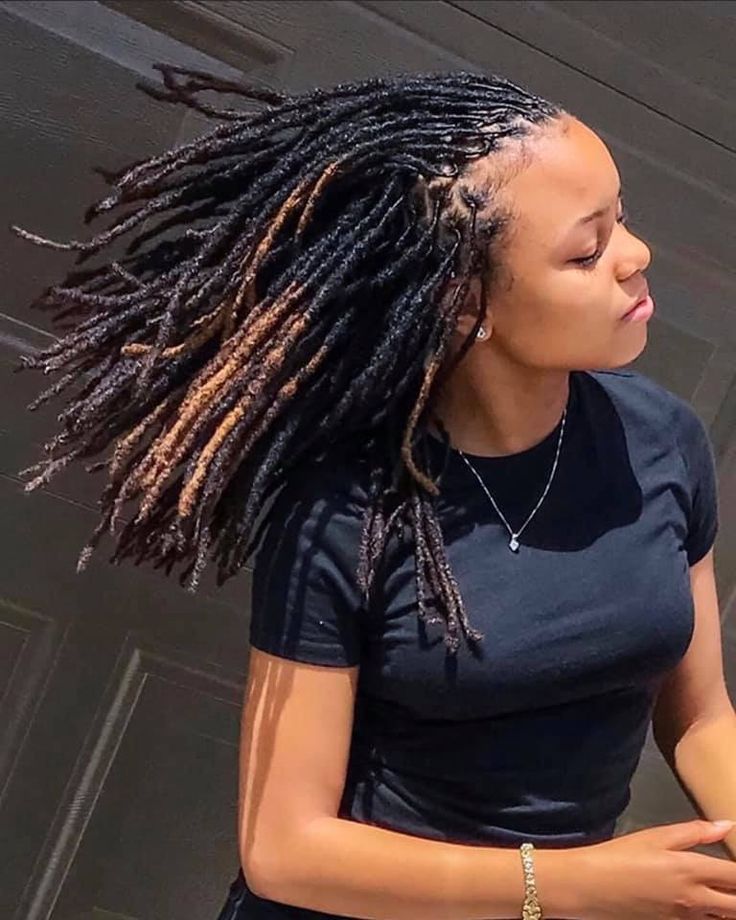
Start at your hairline and place your fingertips gently against your scalp. Move them in small circles for about 10–15 seconds before moving to another section.
Continue across your temples, crown, sides, and back of your head. Keep your fingers close to your scalp, and avoid twisting or pulling your locs while massaging.
Pay attention to how your scalp feels as you move between sections. Use gentle, even pressure instead of pressing hard in one spot.
If you have longer locs, move them aside carefully to reach your scalp without creating tension at the roots.
You can follow this technique during your regular hair care routine. However, if you notice tenderness, irritation, or unusual shedding, stop and investigate the cause before continuing.
5. Know How Long and How Often to Massage Your Scalp
When practicing How to Massage Your Scalp for Loc Growth, consistency matters more than spending long periods rubbing your head.
Start with three to five minutes per session and adjust according to your comfort. You can massage your scalp several times a week if your skin tolerates it well.
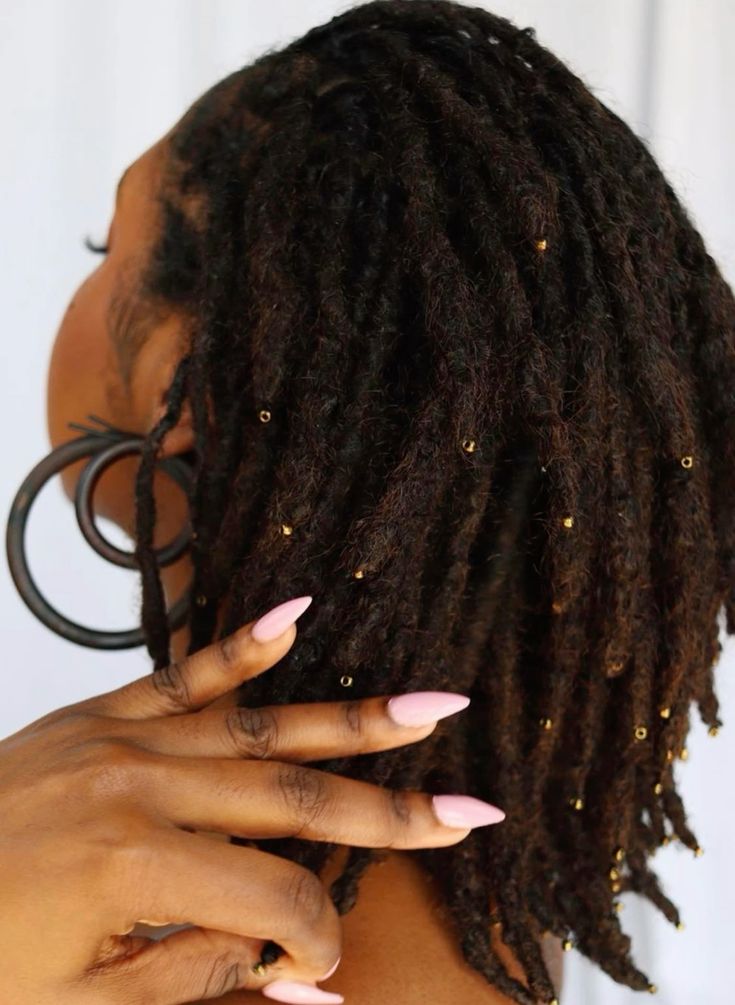
There is no scientifically established massage schedule that guarantees faster loc growth, so focus on comfort rather than strict timing.
Choose a time that fits naturally into your day, such as during your evening wind-down or after washing your locs.
Avoid vigorous massage when your scalp feels sore or irritated. You should also be careful after a fresh retwist because your roots may already feel tight.
For more guidance on maintaining healthy roots between appointments, read How to Maintain Your Locs Between Retightening and build a routine that protects your locs without unnecessary tension.
6. Decide Whether You Need Oil During Scalp Massage
You can practice How to Massage Your Scalp for Loc Growth with clean, dry hands or a small amount of suitable scalp oil.
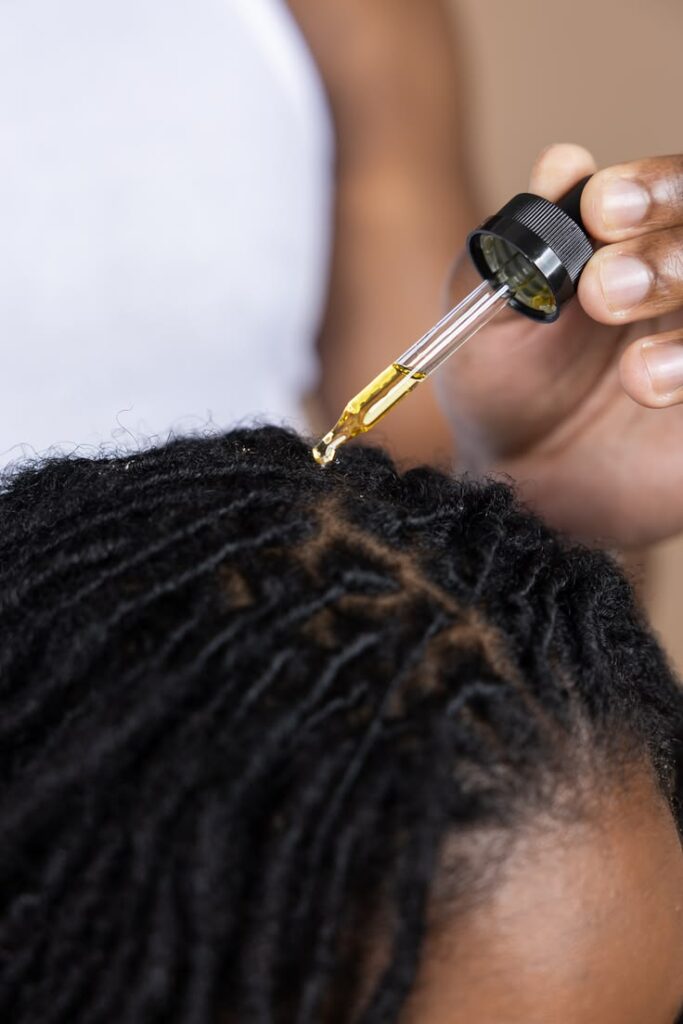
Oil is optional, not a requirement for hair growth. If your scalp feels dry, choose a lightweight product that suits your skin and apply a small amount directly to the scalp.
Massage gently with your fingertips, spreading the product without soaking your roots or locs.
Avoid applying large amounts of oil because excess product can collect inside your locs and contribute to buildup. If you experience itching, redness, or irritation after using an oil, discontinue it.
Remember that oils cannot repair every scalp problem or guarantee faster growth. A clean scalp, gentle handling, and consistent maintenance remain important parts of your routine.
7. Avoid Common Scalp Massage Mistakes
When learning How to Massage Your Scalp for Loc Growth, avoid habits that put unnecessary stress on your roots.
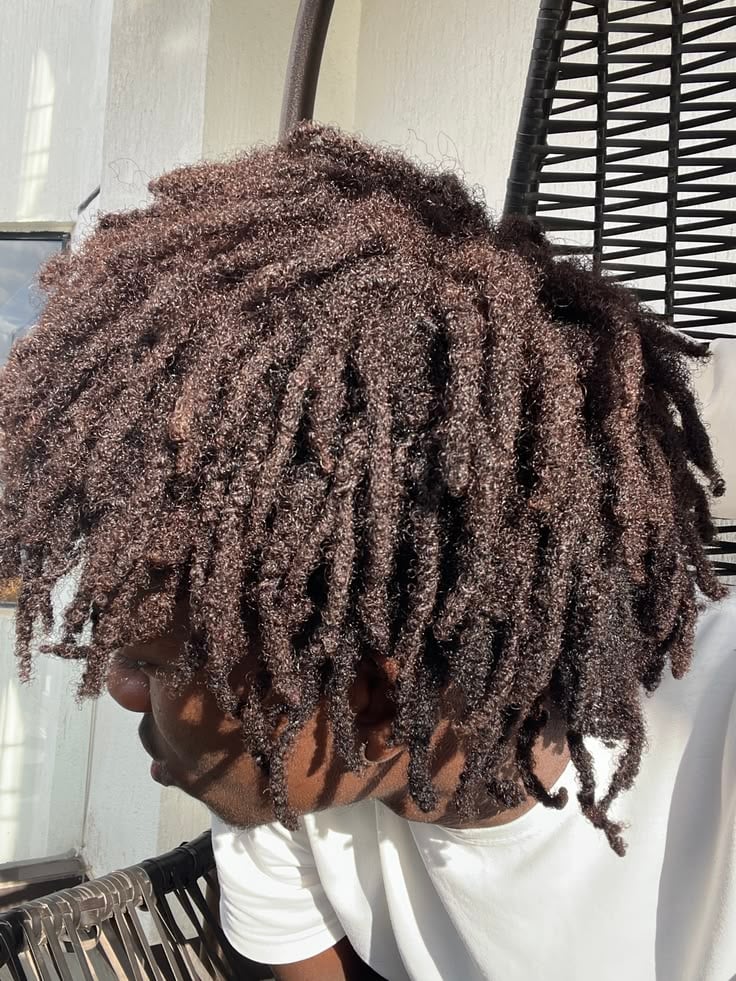
Scratching with your nails, rubbing aggressively, and pulling your locs can irritate your scalp. These habits may also contribute to breakage, especially when your roots already feel weak.
Instead, use your fingertips, apply gentle pressure, and move slowly across your scalp. Remember that a comfortable massage should never leave your head sore or tender.
Another common mistake involves applying too much oil or massaging immediately after a tight retwist. Excessive oil can contribute to buildup, while additional tension can worsen discomfort around your roots.
Give your scalp time to recover if your locs feel tight after maintenance. You should also avoid expecting overnight results because hair growth takes time.
For more helpful advice, read Common Mistakes to Avoid When Locking Your Hair and learn which habits can interfere with a healthy loc journey.
8. Adjust Your Massage Technique for Starter Locs
Starter locs need extra care because the locking process takes time, and your roots may still feel delicate.
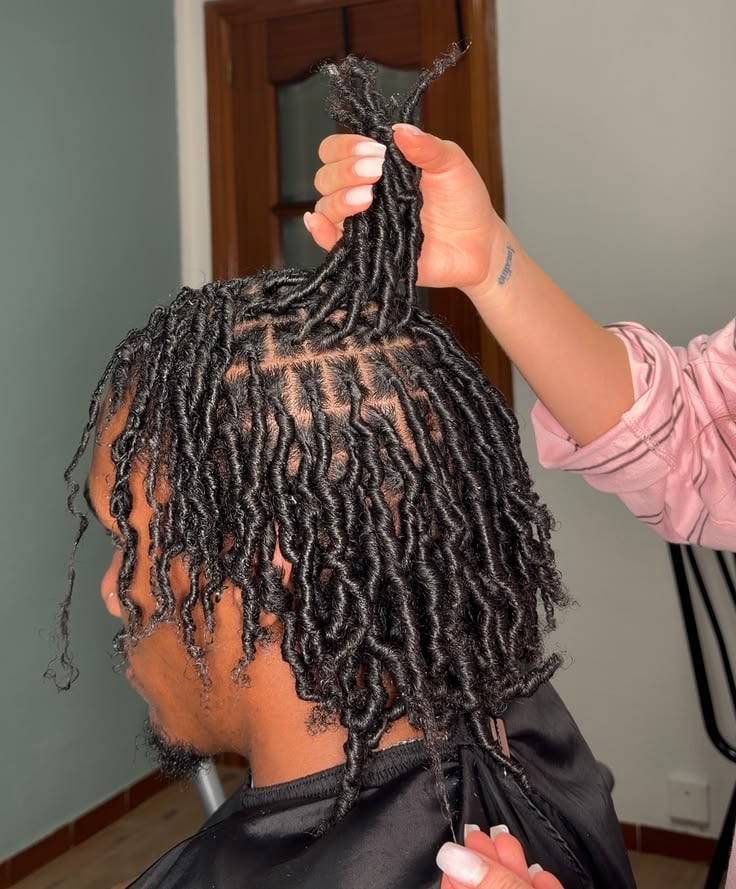
When practicing How to Massage Your Scalp for Loc Growth, avoid rubbing your locs back and forth or pulling them away from your scalp.
Instead, gently place your fingertips on the exposed skin between your parts. Use small circular movements without disturbing the developing locs. If your hair feels loose, keep your movements especially light.
You should also consider your starting method when deciding how to handle your hair. Comb coils, two-strand twists, and braided starter locs may respond differently to friction and manipulation.
Avoid aggressive massage when your locs are freshly installed or your scalp feels tender. If you’re still choosing a starting method, explore Different Methods of Starting Locs to understand your options.
Gentle handling now can help you establish better maintenance habits as your locs mature.
9. Support Scalp Health With Consistent Loc Care
Practicing How to Massage Your Scalp for Loc Growth works best alongside a balanced scalp care routine.
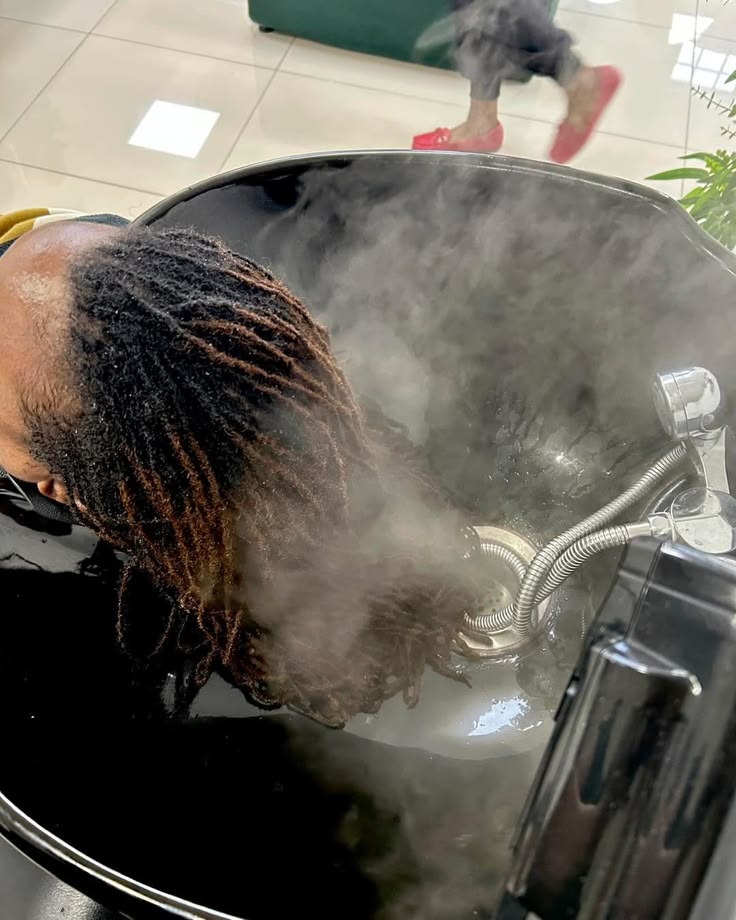
Wash your locs regularly according to your scalp’s needs, and rinse thoroughly to prevent residue from accumulating. Keep your scalp comfortable by avoiding products that cause irritation.
You should also protect your roots from excessive tension caused by tight hairstyles, frequent retwisting, or heavy accessories.
Pay attention to your nutrition, sleep, and general health because these factors can influence normal hair growth.
Eat balanced meals containing adequate protein, iron, and other essential nutrients. Avoid taking supplements unnecessarily, especially without identifying a nutritional deficiency.
If you notice persistent thinning, bald patches, or unusual shedding, consult a qualified healthcare professional or dermatologist.
Massage can support a relaxing care routine, but it cannot replace treatment for underlying scalp conditions.
10. Massage Your Scalp Without Disturbing Your Retwist
A fresh retwist can make your locs look neat, but it can also leave your roots feeling tight. When practicing How to Massage Your Scalp for Loc Growth, avoid applying extra tension to freshly retwisted roots.
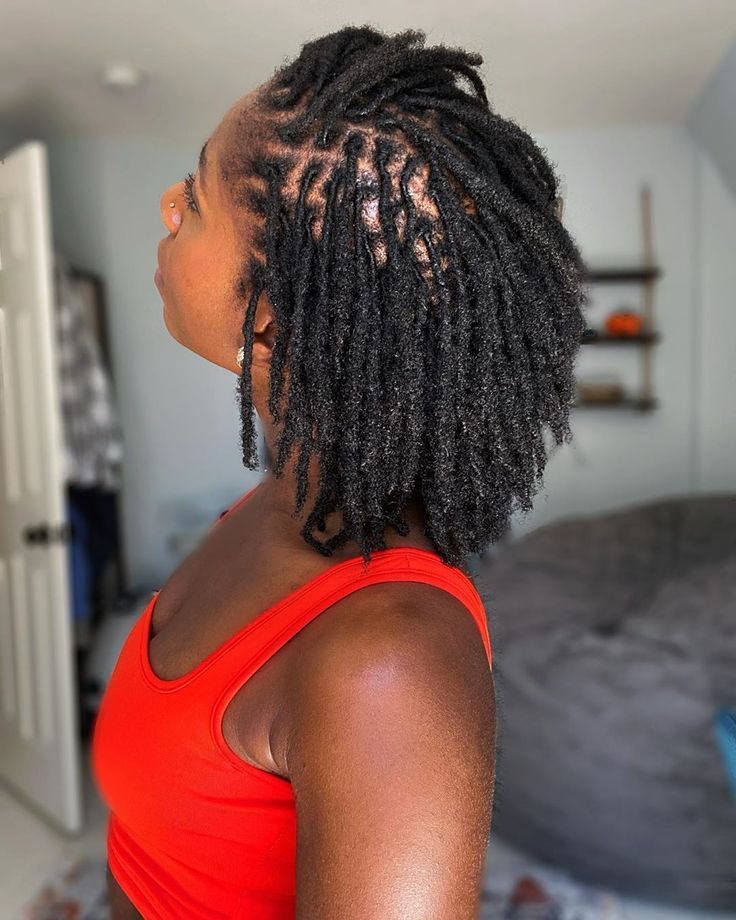
If your scalp feels comfortable, gently massage the exposed areas using light fingertip movements.
However, skip the massage if your roots feel sore, your scalp looks irritated, or your stylist created excessive tension. Allow your scalp to settle before resuming your routine.
You should never tolerate pain just to keep your locs looking neat. Tight retwists and repeated pulling can contribute to hairline thinning and traction-related hair loss.
If your locs feel uncomfortable, speak with your loctician about loosening the style and reducing tension during future appointments.
Read Signs Your Loctician Is Damaging Your Locs to learn which warning signs deserve your attention. Protecting your roots matters more than maintaining a freshly retwisted appearance.
11. Track Your Loc Growth and Scalp Health
When practicing How to Massage Your Scalp for Loc Growth, tracking your progress can help you understand your hair’s needs.
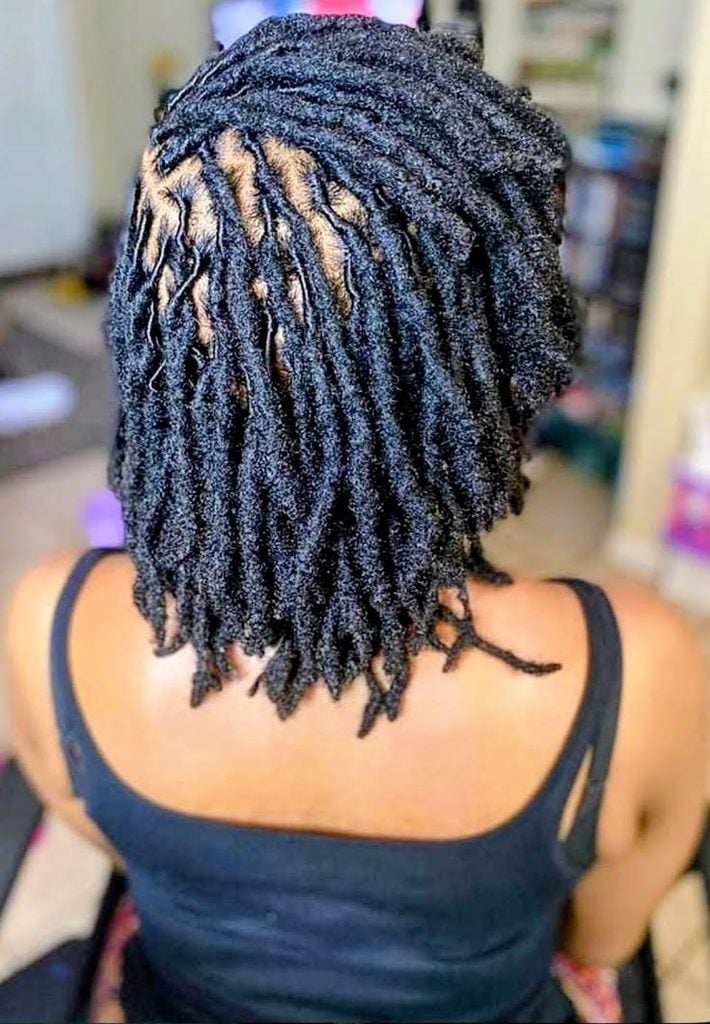
Take photographs of your roots and loc lengths every four to six weeks under similar lighting conditions. Compare the pictures instead of checking your hair every day.
Hair growth happens gradually, so daily changes may be too small to notice. Also, remember that shrinkage, budding, and changes in loc thickness can affect how long your hair appears.
Pay attention to more than length alone. Notice when your scalp feels comfortable, your roots remain strong, and your locs experience less breakage.
Keep a simple record of your washing routine, products, and any changes you notice. If your hairline starts thinning or you develop persistent bald patches, seek professional advice rather than relying on massage alone.
You can also explore Why Your Locs Are Not Growing (And How to Fix It) to identify other factors that might affect your progress.
12. Build a Simple Scalp Massage Routine You Can Maintain
The easiest way to practice How to Massage Your Scalp for Loc Growth is to create a routine that fits your lifestyle.
Choose a comfortable time, wash your hands, and check your scalp before starting. Use your fingertips to make gentle circular movements across your scalp for three to five minutes.
You can perform this routine several times a week if your scalp tolerates it well. Avoid pulling your locs, scratching your skin, or applying excessive pressure.
Consistency also means knowing when to skip a session. If your scalp feels tender after a retwist, looks irritated, or develops painful spots, give it a break. Keep your locs clean, avoid excessive tension, and use suitable products sparingly.
Remember that scalp massage may support temporary increases in blood flow, but it cannot guarantee faster growth.
Combine gentle massage with healthy hair care habits, patience, and professional advice when necessary. Over time, this approach can help you care for your scalp while protecting your locs throughout your journey.
Conclusion
Learning How to Massage Your Scalp for Loc Growth starts with gentle movements, clean hands, and consistency.
Use your fingertips to massage your scalp for three to five minutes, several times a week, if your scalp feels comfortable.
Avoid pulling your locs, scratching your skin, or applying excessive pressure. Remember that scalp massage cannot guarantee faster hair growth, but it can become a relaxing addition to your loc care routine.
For the best results, combine gentle massage with proper cleansing, suitable scalp products, balanced nutrition, and low-tension hairstyles.
Pay attention to your roots and address persistent itching, tenderness, or unusual thinning early. Most importantly, give your locs time to grow while protecting the length you already have.
Your goal isn’t simply longer locs; it’s maintaining a healthy scalp and strong roots throughout your loc journey.