Ponytail Loc Styles That Protect Your Hairline
Disclosure: Some of the links in this post are affiliate links. This means if you click on the link and purchase an item, I will receive an affiliate commission at no extra cost to you. All opinions remain my own. I only recommend products or services I believe will add value to my readers.
There was a time when putting your locs into a ponytail felt like the easiest way to look polished. You could gather your locs, secure them, and walk out the door feeling instantly put together.
But after wearing the style repeatedly, you might notice something less exciting. Your hairline starts feeling sore, tight, or unusually sensitive. That is where Ponytail Loc Styles That Protect Your Hairline become more than just hairstyle inspiration.
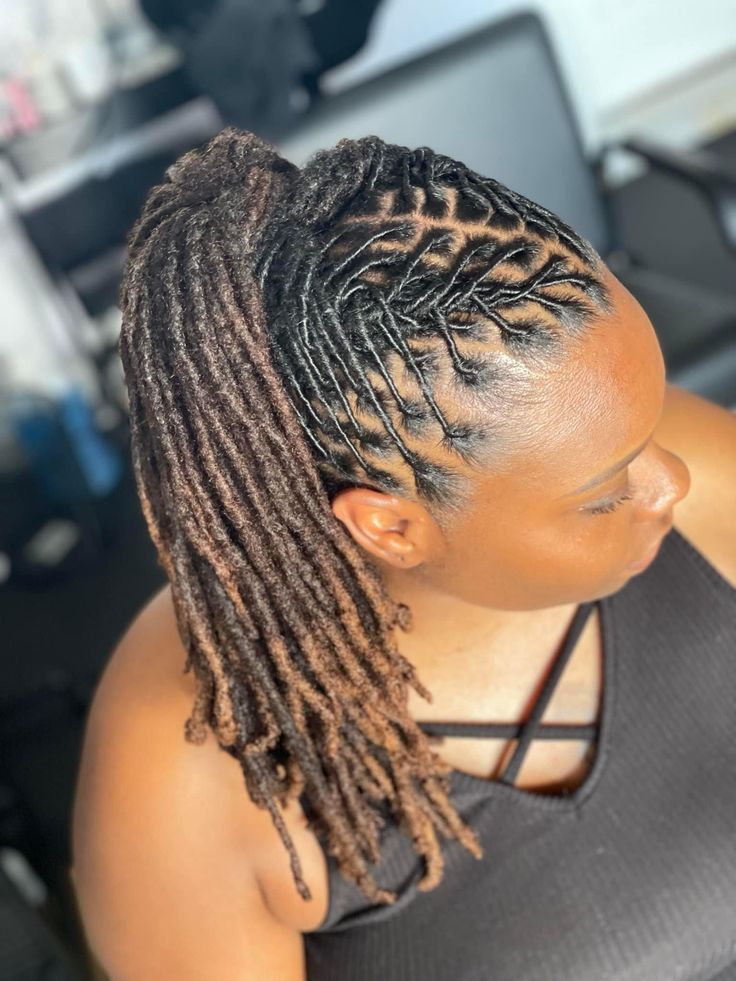
Your ponytail should not leave your edges aching after a few hours. If you are still learning how to protect your locs, How to care for your locs the right way: A complete guide for healthy, long lasting hair can help you develop better habits.
The good news is that you do not have to avoid ponytails completely. You simply need to pay attention to how you position your locs, secure them, and rotate your hairstyles.
Ponytail Loc Styles That Protect Your Hairline can help reduce unnecessary pulling while keeping your look neat and stylish.
You can also explore Low Tension Loc Styles That Protect Your Hairline when you want polished alternatives that give your edges more breathing room. Small changes can make a noticeable difference, especially when your locs have become long or heavy.
In this guide, we will explore beautiful Ponytail Loc Styles That Protect Your Hairline, including relaxed low ponytails and softer variations that distribute weight more comfortably.
You will also discover styling habits that can quietly stress your edges and simple ways to know when a ponytail has become too tight. The goal is not to give up the hairstyles you love.
Instead, it is to help you enjoy your locs while treating your hairline with more care. After all, protecting your edges should be part of looking good, not something you remember only after experiencing breakage or discomfort.
What Makes a Loc Ponytail Hairline-Friendly?
A protective ponytail starts with low tension rather than maximum sleekness. You do not need every loc pulled firmly backward to create a polished hairstyle.
A slightly relaxed ponytail can still look elegant while placing less pressure on your roots. This approach becomes especially important when you have mature locs because their added length increases the weight your scalp must support.
The position of your ponytail also makes a difference. A very high ponytail can pull your front and side locs backward, while a low ponytail often allows the weight to rest closer to your neck.
That does not mean every low ponytail automatically protects your hairline. The way you gather your locs still matters. Avoid dragging your edges tightly toward the center, especially when your hairline already feels delicate.
Your choice of securing method matters too. A soft, wide band can distribute pressure better than a thin elastic that grips a small section of hair.
You should also avoid wrapping the band repeatedly until the ponytail becomes extremely tight. The goal is to hold your locs together without squeezing them into place.
For more styling variety, 15 easy ways to style your locs – no accessory needed can give you ideas that do not depend on tight accessories.
1. Relaxed Low Loc Ponytail
A relaxed low ponytail is one of the simplest choices when you want an elegant look without pulling your hairline backward.
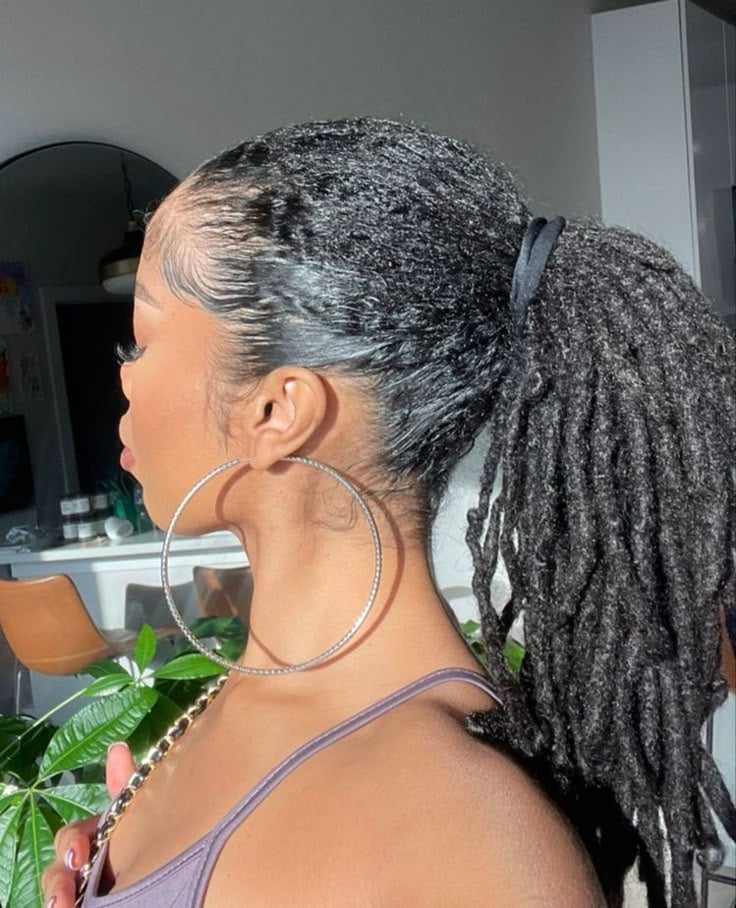
Instead of gathering your locs tightly at the nape, loosely collect them and secure them with a soft band. Leave the front slightly relaxed rather than brushing every loc firmly into position.
This style works beautifully for everyday activities because it looks intentional without requiring excessive manipulation.
You can wear it with a middle part, a soft side part, or no defined part at all. You can also leave a few shorter locs around your face for a softer appearance.
If you notice your ponytail becoming heavy during the day, loosen it slightly. Your locs should move naturally instead of feeling suspended from one tight point. This small adjustment can make a major difference when you wear ponytails regularly.
2. Low Side Ponytail
A side ponytail gives you another way to distribute the weight of your locs. Instead of pulling everything directly backward, gather your locs gently toward one side. Keep the base relaxed and avoid forcing the front edges into the ponytail.
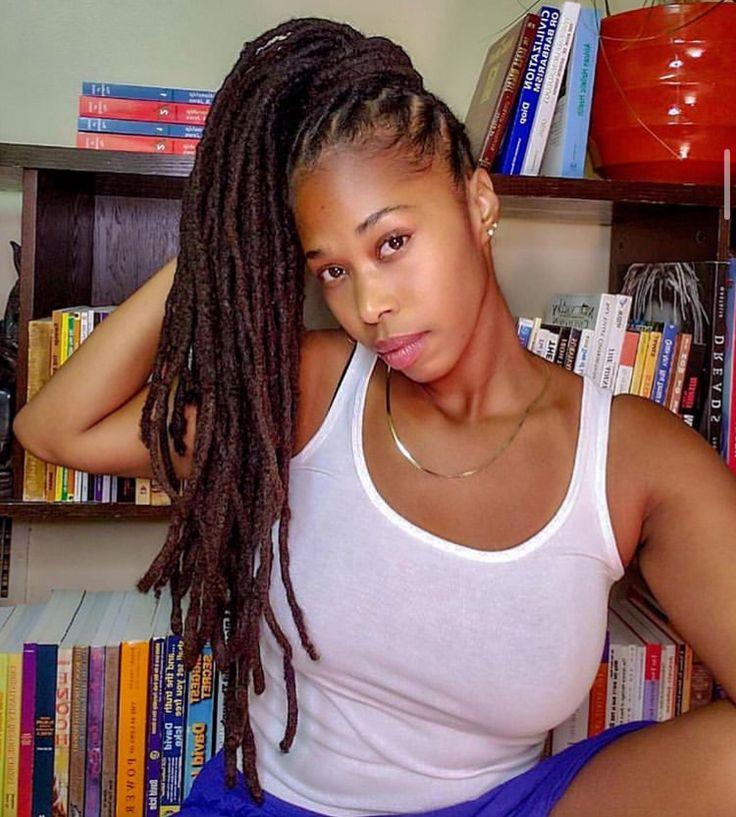
This style can create a romantic appearance while giving you a break from wearing your locs in the exact same position. Changing your styling direction regularly can help prevent repeated tension on one section of your hairline.
You can make the look even softer by allowing a few locs to frame your face. This creates movement without requiring complicated accessories or excessive manipulation.
If you enjoy changing your look throughout the year, Cute Everyday Loc Styles for Women can provide additional inspiration for simple daily styling.
3. Loose Half-Up Ponytail
You do not always need to gather every loc to enjoy the ponytail look. A half-up ponytail keeps some of your locs flowing freely while gathering only the upper section. This reduces the amount of weight concentrated at one point.
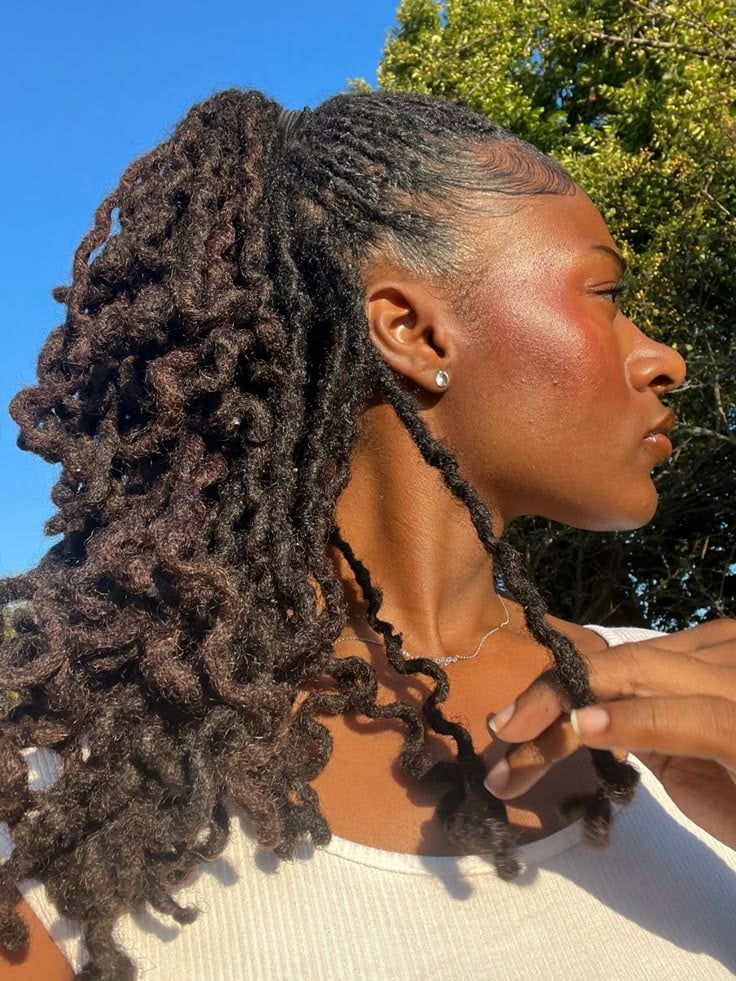
The style also works well when you want your locs away from your face without committing to a full ponytail. Keep the gathered section loose and avoid pulling your temples tightly backward. The remaining locs can fall naturally down your back or shoulders.
This option can become especially useful when your locs are long and heavy. Instead of asking your hairline to support your entire head of locs, you are working with a smaller section. For additional variety, Half Up Half Down Loc Styles can help you explore similar looks with different shapes and finishes.
4. Loose High Ponytail
A high ponytail can still work when you want Ponytail Loc Styles That Protect Your Hairline, but the secret is keeping the base relaxed. Instead of pulling every loc tightly toward the crown, gather them gently and let the ponytail sit naturally. Avoid brushing your edges backward repeatedly because that can create unnecessary tension around your temples.
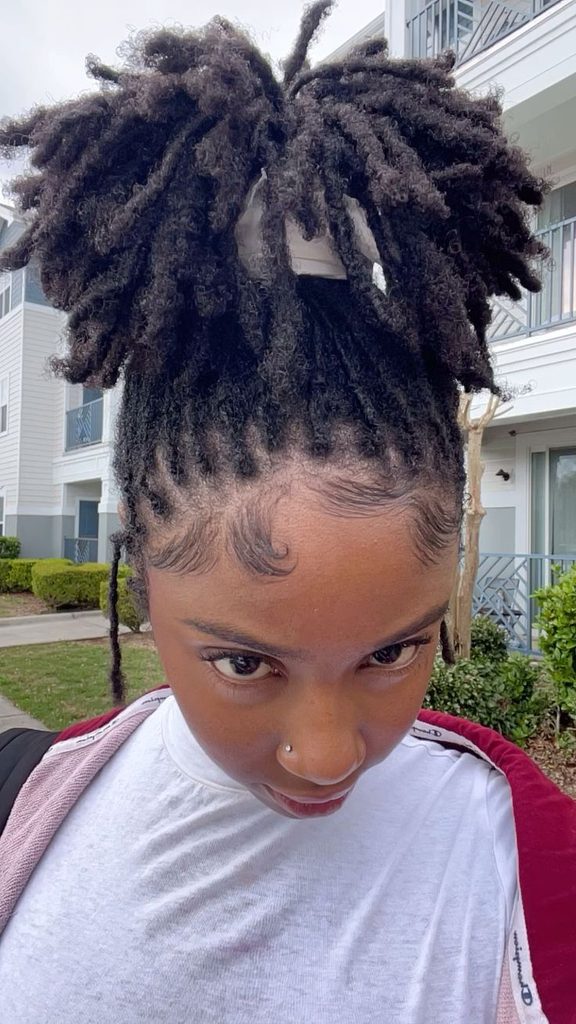
If your locs are long, consider making the ponytail slightly looser than you normally would. Long locs can create significant downward weight, especially when you gather the entire head together. A comfortable high ponytail should feel secure without creating a pulling sensation around your forehead. If you start feeling tension, loosen the band immediately.
This style can look especially striking with a middle part and a few softly positioned locs around the face. You can also keep your natural texture instead of chasing an extremely sleek finish. Remember that neat does not have to mean tight.
5. Low Bubble Ponytail
A bubble ponytail offers a fun way to style your locs without placing all the visual interest at one tightly secured base. Start with a relaxed low ponytail, then add soft bands farther down the length of your locs. Keep enough space between each section so the locs do not feel squeezed.
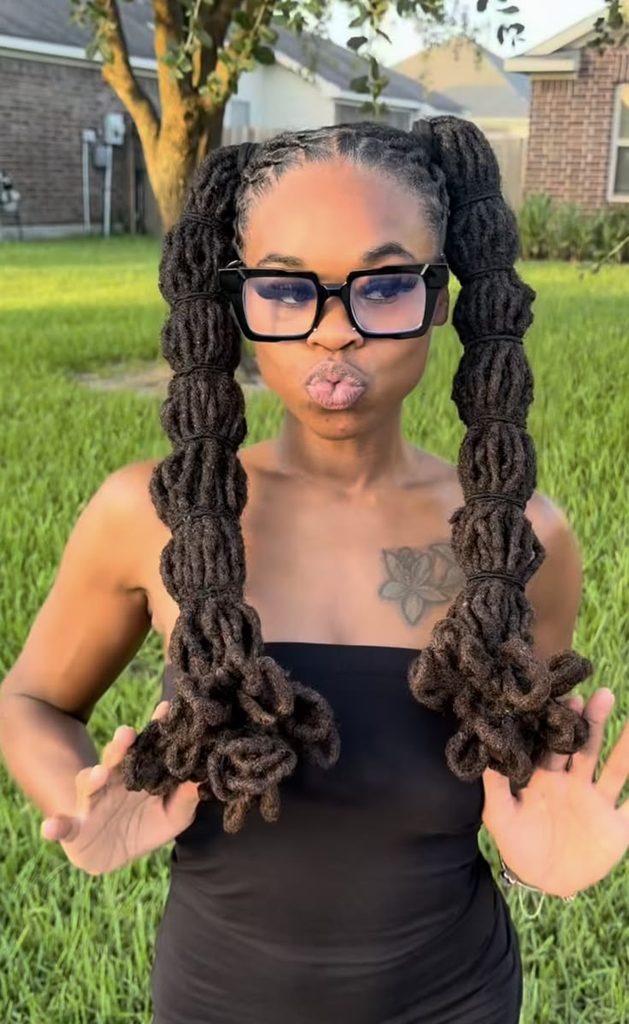
The biggest advantage comes from keeping the first securing point comfortable. Do not create a tight base simply because you want the bubbles to look defined. Your hairline should never have to sacrifice comfort for a particular shape. Use gentle tension throughout the style and remove it if your scalp begins feeling sore.
This hairstyle also gives you an opportunity to experiment with your locs without constantly manipulating the roots. If you enjoy changing your look frequently, Quick Loc Hairstyles You Can Do in Under 10 Minutes can provide more practical ideas for busy mornings.
6. Loose Ponytail With Face-Framing Locs
Sometimes the most protective-looking style does not need to be complicated. Gather your locs loosely toward the back while intentionally leaving a few locs around your face. This creates a softer appearance while preventing you from pulling every front loc backward.
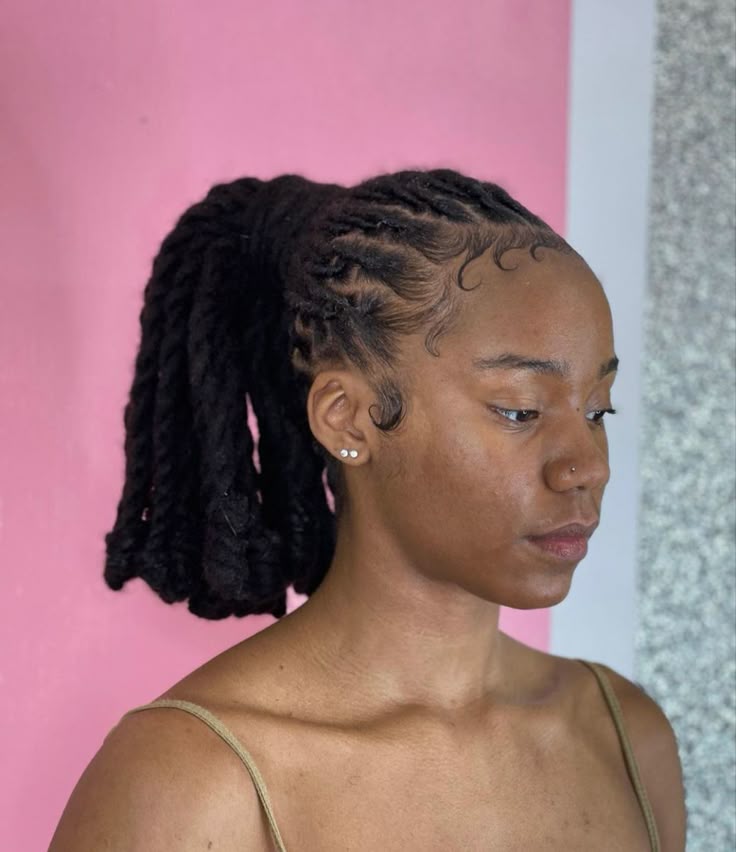
The loose sections also help you avoid putting excessive tension on your temples. You can choose two locs at the front or leave several smaller sections around both sides of your face. The result feels effortless while still giving you the convenience of a ponytail.
This style works particularly well when you want your locs to look polished without appearing overly structured. It can work for casual outings, workdays, errands, or relaxed occasions. For even more everyday inspiration, Professional Loc Styles for Office can help you find polished options that still feel practical.
7. Ponytail With a Loose Crown
A loose crown ponytail focuses on creating volume instead of pulling your locs completely flat. Gather your locs toward the back while allowing the crown to remain slightly lifted. Avoid repeatedly smoothing the roots because excessive manipulation can add unnecessary stress.
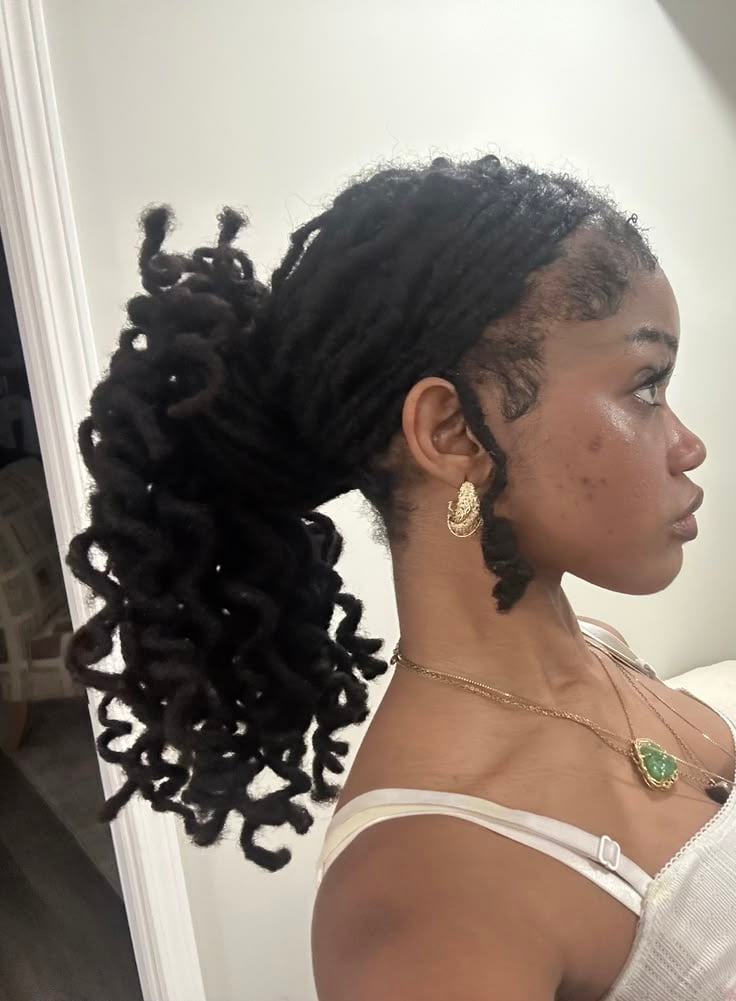
This approach gives the hairstyle a fuller appearance, especially when your locs already have plenty of volume. It also removes the pressure to create an ultra-sleek ponytail. You can embrace a little texture and still achieve a beautiful finished look.
The style becomes even more useful when you rotate it with other low-tension options. Wearing the same ponytail position repeatedly can keep stress concentrated in one area. Switching between low, side, half-up, and relaxed styles gives your hairline more opportunities to rest.
8. Soft Wrapped Loc Ponytail
A soft wrapped ponytail can make a simple style look more sophisticated without requiring a tight finish. Create a relaxed ponytail first, then take one loc from the gathered section and gently wrap it around the base. Secure it carefully without pulling the surrounding locs tighter.
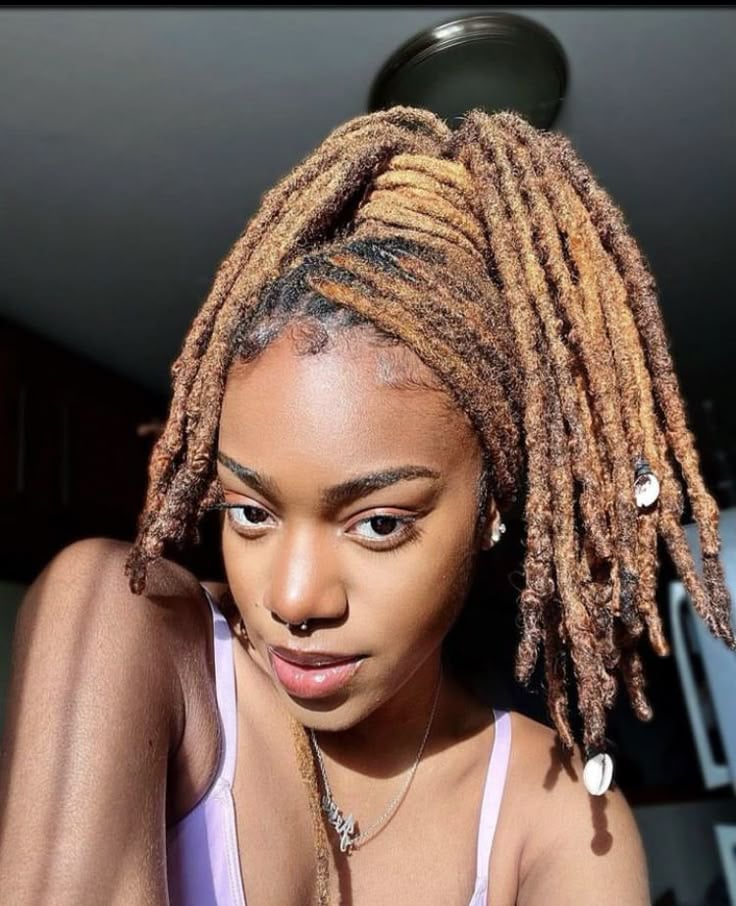
This technique can hide the hair tie while giving your ponytail a more polished appearance. However, avoid wrapping the loc repeatedly if doing so makes the base feel compressed. The decorative detail should improve the hairstyle rather than increase tension.
If your locs already feel weak around the roots, consider simplifying your styling routine. How to Prevent Loc Breakage offers useful context for protecting your locs from habits that may contribute to unnecessary stress.
9. Relaxed Ponytail With a Middle Part
A middle part can completely change the appearance of a simple ponytail. Create the part gently, then gather your locs toward the back without pulling the front sections tightly. The finished look feels clean, balanced, and sophisticated.
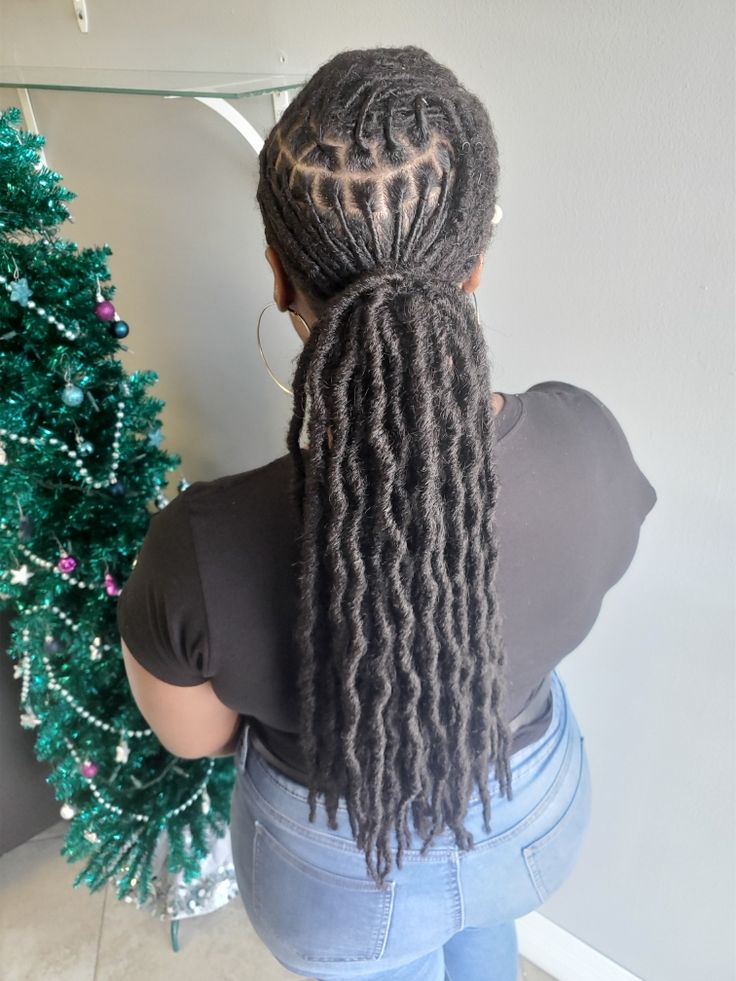
The important part is avoiding the temptation to make both sides perfectly flat. Your roots do not need to be pressed or pulled firmly to create a defined middle part. Let your locs retain some natural fullness around the part.
This is another reason Ponytail Loc Styles That Protect Your Hairline should focus on technique rather than simply copying a hairstyle. The same ponytail can feel comfortable or painful depending on how tightly you create it.
If you regularly wear ponytails, pay attention to how your hairline responds afterward. Your scalp should feel normal once you remove the style. Persistent soreness means it is time to reduce tension and give your roots a break.
10. Loose Low Ponytail With a Side Part
A side part can make a low ponytail feel completely different without requiring a complicated technique. Gently create your part, then gather your locs toward the nape while keeping the roots relaxed. Avoid pulling the front section tightly across your scalp because the goal is comfort, not extreme sleekness.
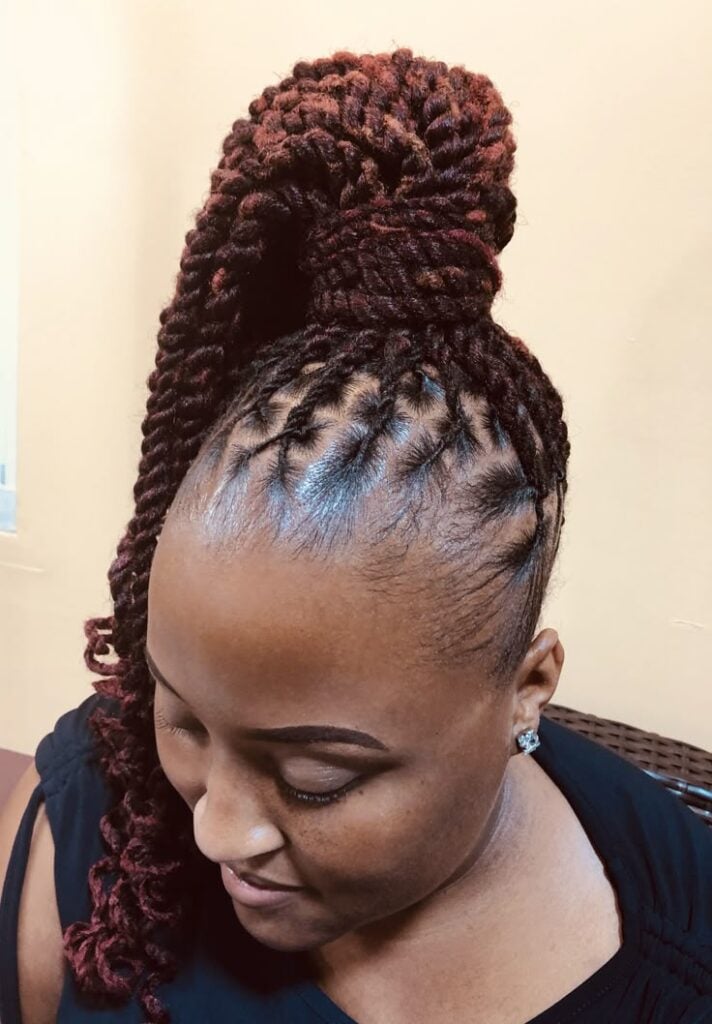
This style works beautifully when you want something polished for work, dinner, or a casual day outside. You can leave a few locs loose near your temples to soften the look even further. The relaxed shape also allows your locs to fall naturally instead of forcing them into one rigid position.
When you are choosing Ponytail Loc Styles That Protect Your Hairline, think about where the tension goes. A low ponytail usually gives you more flexibility because you can gather your locs without pulling them as far backward. Still, always adjust the tightness according to how your own scalp feels.
11. Loose Ponytail With a Loc Wrap
A loc wrap can turn a basic ponytail into a stylish statement without requiring additional pulling around your hairline. Start by creating a comfortable ponytail with your preferred position. Then use a loc or suitable soft accessory to wrap around the base gently.
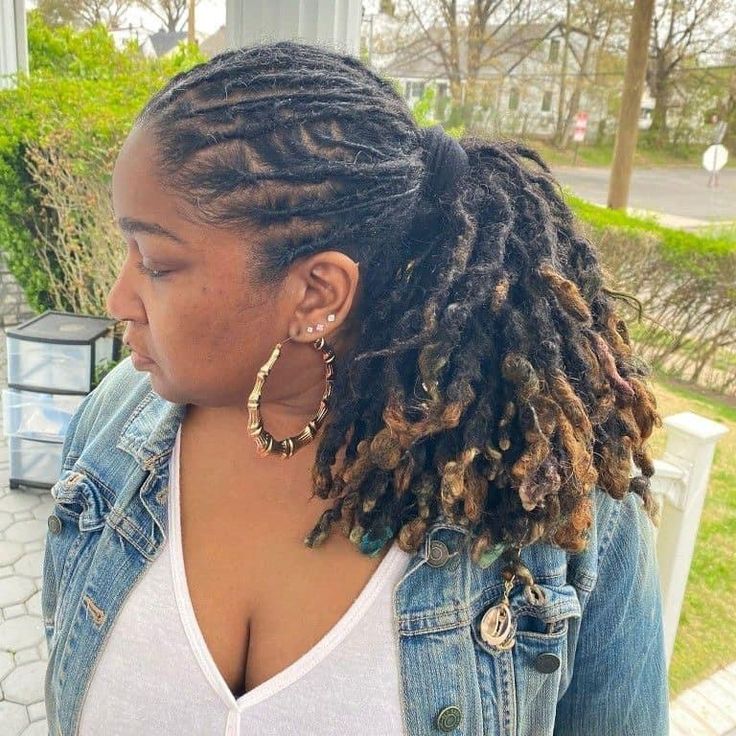
The important detail is keeping the foundation loose before adding the wrap. If you tighten the ponytail first, wrapping another section around it can increase pressure. Instead, aim for a secure but comfortable base that stays in place without squeezing your roots.
This style gives you plenty of room for creativity. You can use a simple wrap for an understated appearance or choose a more decorative approach for special occasions. If you enjoy experimenting with accessories, Sister Locks with Bangs, Beads and Curls: Styling Ideas That Stand Out offers additional inspiration for adding personality to loc hairstyles.
12. Relaxed Ponytail With a Few Loose Locs
A few loose locs can completely change the feeling of a ponytail. Instead of gathering everything, leave several locs around the front and sides. Then secure the remaining locs into a relaxed ponytail.
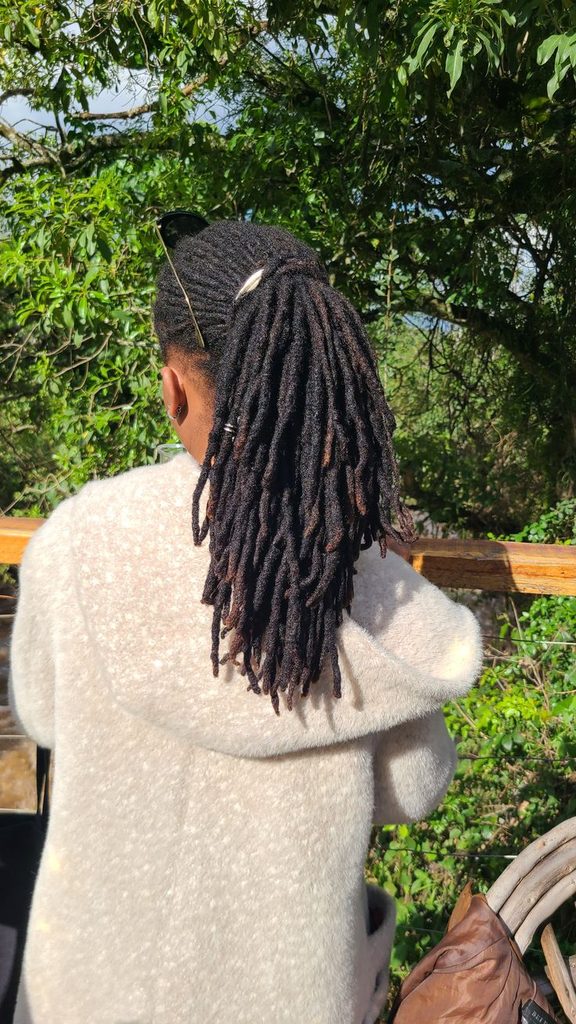
This simple technique reduces the amount of hair being pulled backward. It also creates a softer hairstyle that works well when you want your locs to frame your face. You can adjust the number of loose locs depending on how much coverage and softness you prefer.
The style can also help you avoid constantly smoothing your edges. Your natural texture becomes part of the finished look instead of something you need to flatten. That makes the hairstyle easier to maintain throughout the day.
If your locs feel especially heavy, consider alternating this look with styles that leave more of your hair completely loose. Protective Styles You Can Do With Locs can give you more ideas for reducing repeated tension while keeping your styling routine interesting.
13. Low Ponytail With Natural Volume
You do not need to flatten your roots to make a low ponytail look neat. Allowing some natural volume can actually make the hairstyle appear fuller and more effortless. Gather your locs gently at the nape while keeping the crown relaxed.
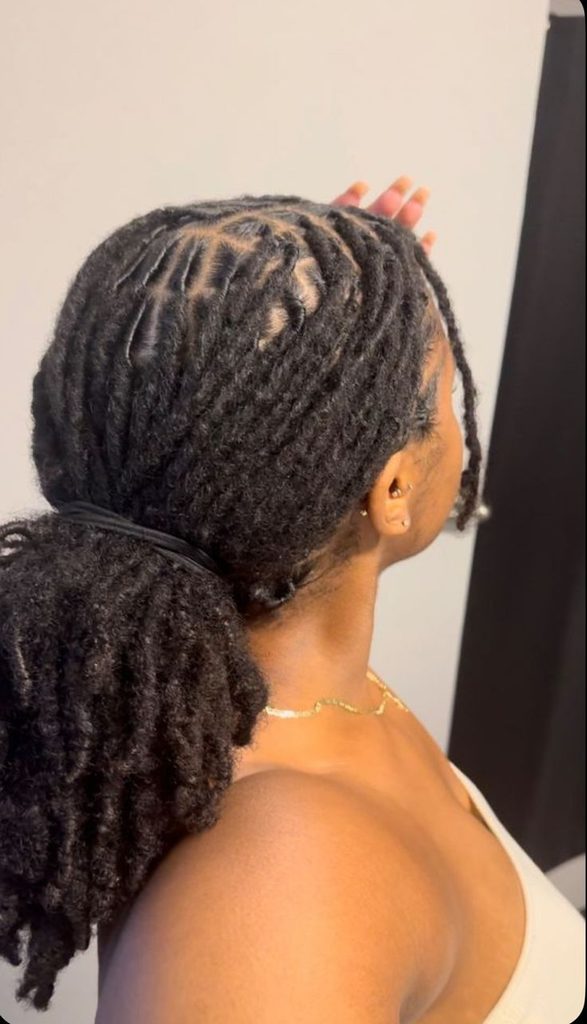
This technique becomes especially attractive when your locs have developed plenty of texture and fullness. Rather than fighting that natural volume, work with it. A slightly fuller crown can make the ponytail look intentional without requiring constant brushing or tightening.
Your hairline deserves the same gentle approach. Avoid pulling short locs from your temples into the ponytail simply because they do not fall perfectly into place. Let them remain loose if necessary. A few imperfect sections can make the hairstyle look softer while reducing unnecessary tension.
14. Loose Side Ponytail With a Twist
For a more playful look, gather your locs loosely toward one side and create a gentle twist before securing them. Keep the twist relaxed rather than winding the locs tightly around one another.
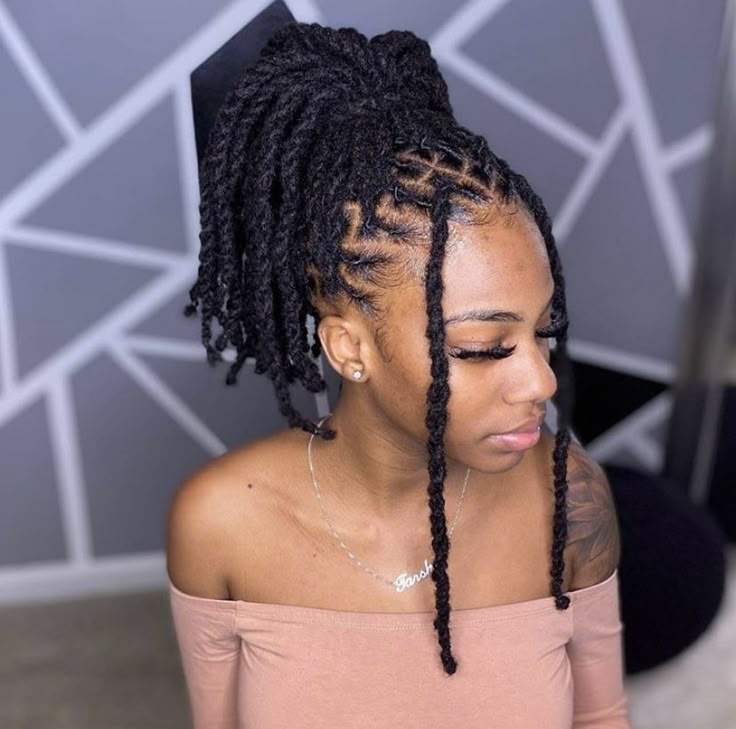
This style works especially well when you want something that feels different from your usual ponytail. The side positioning changes where the weight sits, while the loose twist adds visual interest without complicated manipulation.
However, changing the direction of your ponytail does not mean you should ignore your scalp. If one side feels uncomfortable, switch the style rather than forcing it. How to Make Your Locs Look Neat Always can also help you focus on maintaining a polished appearance without relying on overly tight styling.
15. Relaxed Ponytail for Long Locs
Long locs can make ponytails particularly challenging because their weight increases the tension placed on your roots. Instead of gathering them high and tightly, consider a low, relaxed ponytail that allows the length to rest naturally down your back.
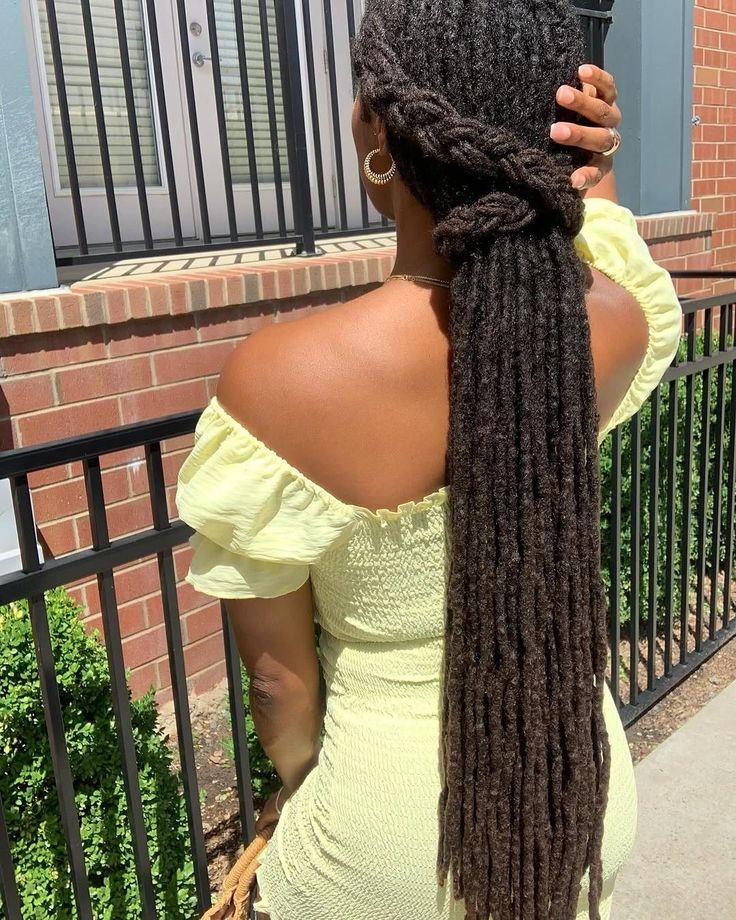
You can also position the base slightly lower than usual. This gives the weight somewhere to settle instead of keeping everything suspended from your hairline. A soft band can help hold the locs together without creating unnecessary pressure.
If your locs have become very long, remember that styling them requires more consideration than it did when they were shorter. How to Maintain Very Long Locs can provide helpful guidance for managing length while keeping your locs healthy.
The most important lesson is simple: a protective ponytail should feel comfortable before it looks perfect.
If your style causes pulling, throbbing, tenderness, or noticeable discomfort, loosen it. Your hairline is giving you information, and listening early can help you avoid bigger styling problems later.
How to Wear Ponytails Without Damaging Your Hairline
Even the gentlest-looking ponytail can become stressful when you wear it too frequently. Your hairline needs recovery time, especially when your locs are long or heavy.
Instead of choosing one favorite style and wearing it every day, rotate your ponytail positions throughout the week. You might wear a low ponytail one day, leave your locs loose the next, and choose a relaxed half-up style afterward.
This simple rotation prevents one area from receiving constant tension. It also gives you more opportunities to enjoy different Ponytail Loc Styles That Protect Your Hairline without making your routine feel repetitive.
Pay attention to what happens after you remove your hairstyle. Mild movement around your roots should not leave you with lingering soreness.
However, tenderness, headaches, bumps, or a noticeable pulling sensation can mean your style was too tight. Do not wait until you see obvious thinning before changing your routine.
Signs You Are Retwisting Your Locs Too Often can also help you recognize why repeatedly stressing your roots may become a problem. Your retwist and styling routine should work together rather than constantly placing pressure on the same delicate areas.
Avoid Extremely Tight Edges
Sleek edges can make a ponytail look incredibly polished, but they are not worth sacrificing your hairline.
Avoid repeatedly brushing, pulling, or smoothing your edges into an extremely tight shape. Your natural texture does not need to disappear for your ponytail to look beautiful.
If you use a styling product, apply only what you need to create the appearance you want. More product will not make a tight ponytail healthier. The real difference comes from reducing tension and handling your roots gently.
You should also avoid tightening your ponytail whenever a few locs become loose throughout the day. Instead, accept some natural movement. Constantly readjusting the base can increase manipulation and make an otherwise gentle hairstyle unnecessarily stressful.
Give Your Hairline Regular Breaks
One of the simplest ways to enjoy Ponytail Loc Styles That Protect Your Hairline is to stop wearing them continuously. Your hairline benefits from days when your locs hang freely without being gathered or pulled into a particular direction.
You can use those rest days to wear your locs down or choose a loose style that does not concentrate weight around your edges. This approach also makes it easier to notice changes in your roots before they become serious.
If your hairline already feels weak, be especially intentional about your styling schedule. How to Strengthen Weak Locs can complement a gentler styling routine by helping you think more carefully about the overall condition of your locs.
Know When to Stop Wearing a Ponytail
Sometimes the best protective decision is simply taking the ponytail down. If your scalp starts hurting, your roots feel unusually tight, or your edges feel irritated, do not keep wearing the style because it still looks good.
A hairstyle should make you feel confident, not uncomfortable. Removing it early does not mean the hairstyle failed. It means you listened to your hair before discomfort became a bigger issue.
The same principle applies when your locs become extremely heavy. As your length increases, you may need to adjust the way you style them. What felt comfortable with shorter locs might create too much tension later.
Understanding Do Locs Get Thicker or Thinner Over Time? can also help you appreciate how changes in your locs may affect your styling needs.
Make Comfort Part of Your Beauty Routine
Beautiful locs do not need to look painfully sleek. The best Ponytail Loc Styles That Protect Your Hairline combine appearance, comfort, and healthy styling habits.
A relaxed base, gentle securing method, varied positioning, and regular breaks can make ponytails much easier on your roots.
Most importantly, stop measuring a successful ponytail by how tightly everything stays in place. Instead, consider how your hair feels while wearing it and after you take it down. That shift can completely change the way you approach styling.
Your hairline does not need to compete with your hairstyle. Give it the same attention you give your locs, and you can keep creating beautiful ponytails without constantly putting your edges under pressure.
How to Make Your Ponytail Loc Style Last Without Extra Tension
Once you find a ponytail that feels comfortable, it can become tempting to keep tightening it throughout the day. You may notice a few locs slipping and immediately pull the band tighter.
However, that quick adjustment can gradually increase pressure around your roots. Instead, start with a comfortable foundation and accept that your locs may move slightly as you go about your day. A ponytail does not need to remain perfectly still to look beautiful.
The condition of your locs also affects how easily they hold a style. Dry, weak, or damaged locs may require more careful handling because excessive pulling can make existing weaknesses worse.
If you are trying to improve the overall health of your locs, What Makes Locs Healthy vs Unhealthy can help you understand the qualities you should pay attention to. Healthy styling starts with healthy habits, so do not rely on a tight ponytail to make your locs appear neat.
You can also prepare your locs before styling without creating unnecessary tension. Make sure they are clean, comfortable, and free from anything that could make gathering them difficult.
If your locs feel unusually dry, pay attention to your moisture routine rather than immediately reaching for a tighter hairstyle. How Often Should You Moisturize Locs? can help you think more intentionally about keeping your locs comfortable and properly maintained.
Signs Your Ponytail Is Too Tight
Your scalp will often tell you when a hairstyle has crossed the line from secure to stressful. A tight feeling around your temples is one of the easiest signs to notice.
You might also feel tenderness around the base of the ponytail or experience discomfort when moving your head. These signals should not become something you simply tolerate.
Another warning sign is seeing your edges pulled noticeably backward. Your locs should gather naturally rather than creating a visibly strained appearance around your hairline. If the skin around your edges looks stretched, loosen the style and allow your roots to relax.
You should also pay attention when removing your ponytail. If taking down the style feels uncomfortable because the roots seem to resist movement, the hairstyle may have placed too much tension on them.
Your goal with Ponytail Loc Styles That Protect Your Hairline is to create a style that remains comfortable before, during, and after wear.
Be Careful With Retwisted Roots
Freshly retwisted roots deserve extra consideration when creating ponytails. A neat retwist can make your locs easier to gather, but adding a tight ponytail immediately afterward may create unnecessary tension. Give your roots room to settle instead of combining multiple tension-heavy techniques.
This becomes especially important if you frequently style your locs soon after maintenance. Your roots may already have experienced manipulation during the retwisting process. Adding a tight ponytail can place even more stress on the same areas.
If you handle your own maintenance, How to Retwist Your Locs Properly at Home can help you think more carefully about your overall routine. A beautiful retwist should support healthy styling rather than become another reason to pull your roots tightly.
Rotate Your Ponytail Positions
Wearing your ponytail in exactly the same position every time may repeatedly stress the same areas. One week, you might prefer a low ponytail. Another day, you could move it slightly higher or toward one side. You can also alternate full ponytails with half-up styles.
This simple rotation keeps your styling routine from becoming predictable for your hairline. Your locs still get gathered, but the tension does not always concentrate in one direction.
Rotation also makes your hairstyle collection feel much larger. You do not need a completely new hairstyle every morning. Small changes in placement, parting, and looseness can create noticeably different looks.
For special occasions, you can also explore Elegant Sisterlocks Wedding and Bridal Hairstyles for ideas that show how gathered locs can look sophisticated without relying on a single everyday styling technique.
Keep Your Locs Looking Beautiful Without Pulling
Sometimes we tighten ponytails because we believe a loose style looks unfinished. However, a little softness can actually make loc hairstyles look more elegant.
Allowing your locs to retain their natural shape can create movement and dimension that an extremely tight ponytail cannot provide.
Instead of focusing on perfectly slick roots, focus on clean sections, balanced placement, and a comfortable base. These details can make a relaxed ponytail look intentional rather than messy.
Your hairline deserves consideration every time you style your locs. With the right technique, you can enjoy Ponytail Loc Styles That Protect Your Hairline while still creating hairstyles that feel polished, feminine, and effortless.
And when you are ready to experiment beyond ponytails, 15 ways to style your Locs in Summer offers another opportunity to give your hairline a break while keeping your locs looking fresh.
Final Thoughts
Beautiful locs should never come at the expense of your hairline. The best Ponytail Loc Styles That Protect Your Hairline are comfortable, gentle, and realistic for your loc length and lifestyle.
You do not need an extremely tight base or perfectly slick edges to create a polished look. Sometimes, a relaxed ponytail with natural volume can look even more beautiful.
Pay attention to what your scalp tells you, rotate your hairstyles, and give your roots regular breaks. When a ponytail feels painful or unusually tight, take it down instead of pushing through the discomfort. Your hairline deserves patience, especially as your locs grow longer and heavier.
Most importantly, let healthy styling become part of your loc journey. Experiment with different ponytail heights, side placements, half-up looks, and relaxed finishes until you discover what works best for you. Your locs can be stylish, versatile, and beautiful while your hairline remains protected.
7 Comments