
How to Strengthen Weak Locs
Disclosure: Some of the links in this post are affiliate links. This means if you click on the link and purchase an item, I will receive an affiliate commission at no extra cost to you. All opinions remain my own. I only recommend products or services I believe will add value to my readers.
How to Strengthen Weak Locs is a question many people ask after noticing thinning roots, fragile strands, excessive breakage, or locs that simply don’t feel as healthy as they once did. It can be discouraging to see weak spots developing, especially when you’ve invested months or even years into your loc journey. The good news is that weak locs don’t always mean permanent damage. In many cases, a few changes to your routine can help restore strength and improve the overall health of your locs.
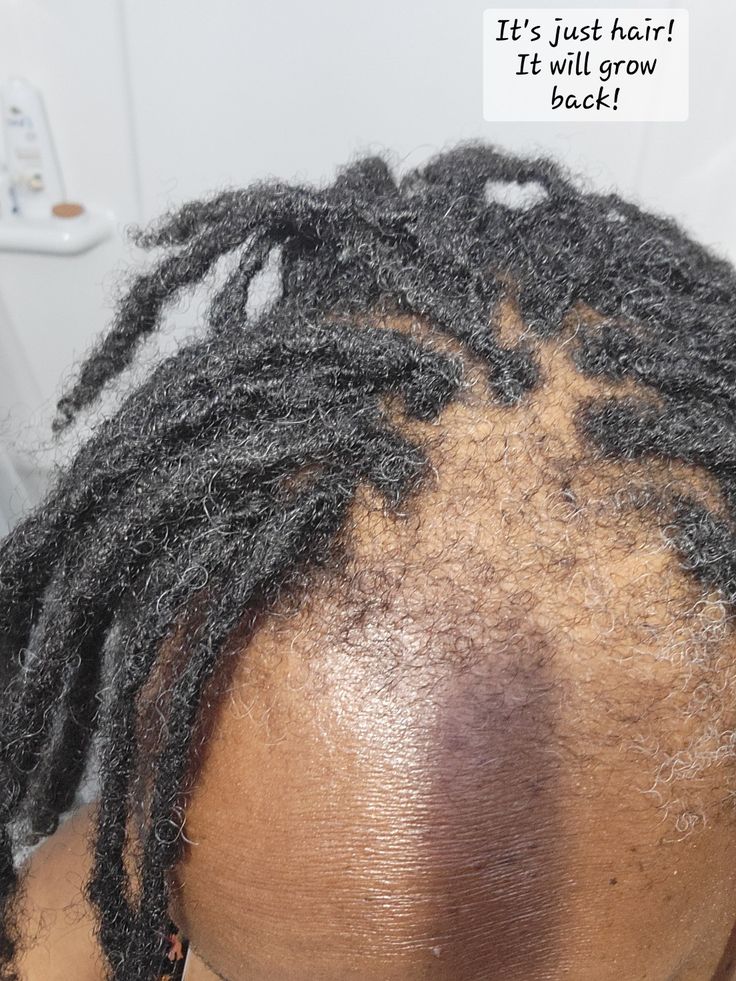
Weak locs can develop for several reasons, including over-retwisting, tight hairstyles, lack of moisture, product buildup, or even poor hair care habits. Sometimes the signs appear gradually, making them easy to overlook until the damage becomes more noticeable. If you’ve recently started your journey, you may also find our guide on How to Grow Your Locs Faster Naturally helpful for building a strong foundation from the beginning.
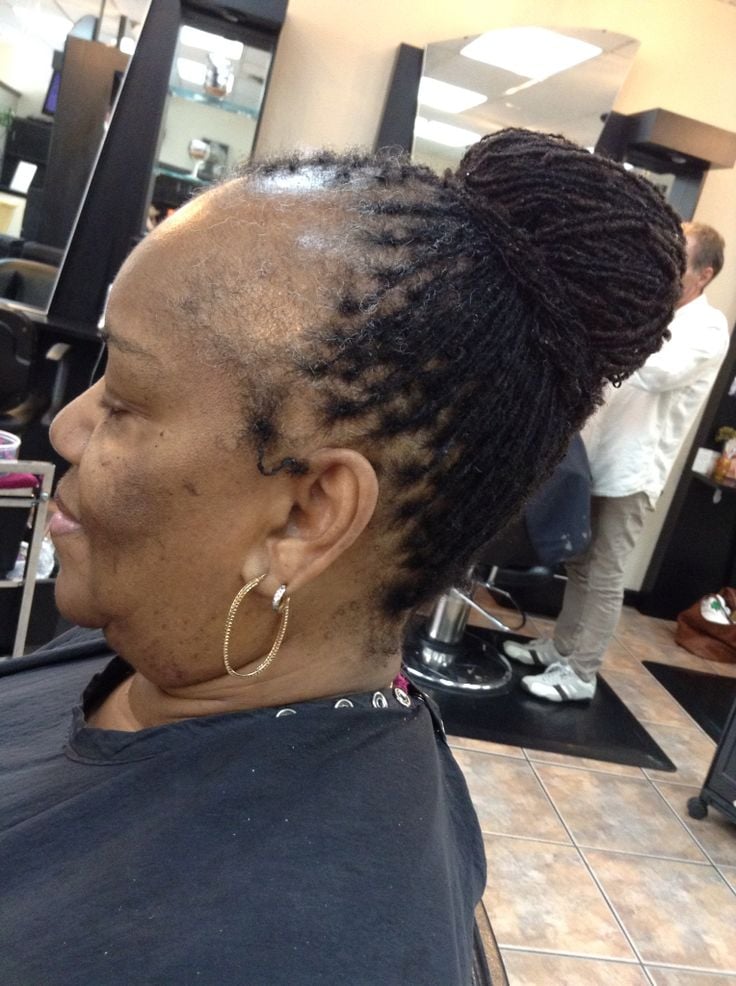
The key to learning How to Strengthen Weak Locs is identifying what’s causing the weakness and taking consistent steps to correct it. If you’ve been feeling frustrated by thinning roots, fragile locs, excessive breakage, or locs that don’t seem to be growing as strong as they should, you’re not alone. Many people face these challenges at some point in their loc journey, and the good news is that most causes of weak locs can be addressed with the right care and maintenance habits. In this guide, you’ll learn How to Strengthen Weak Locs, discover what’s causing the damage, and find practical solutions to help your locs become stronger, healthier, and more resilient over time.
Why Are My Locs Weak?
If you’re searching for How to Strengthen Weak Locs, you’re probably worried about something you’ve noticed in the mirror. Maybe one of your locs feels thinner than the rest, your roots seem weaker than they used to, or you’re finding broken hairs when you wash or style your locs. These changes can feel alarming, especially when you’ve invested so much time and patience into your loc journey.
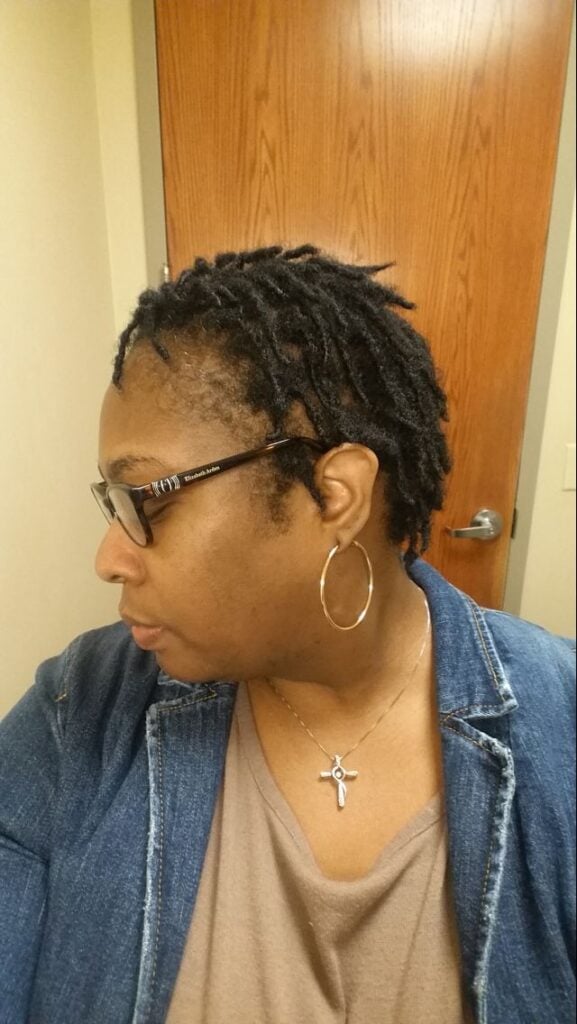
The truth is that weak locs rarely develop overnight. Instead, they are often the result of small habits that build up over time. Frequent retwisting, tight hairstyles, dryness, poor scalp health, nutritional deficiencies, and even stress can all contribute to weakening your locs. If you’re still in the early stages of your journey, reading How to Start Your Locs Journey the Right Way can help you avoid many of the mistakes that eventually lead to thinning and breakage.
Before you can fix weak locs, you need to understand what’s causing the problem. Once you identify the source, it becomes much easier to create a routine that supports stronger, healthier growth.
Could Over-Retwisting Be the Problem?
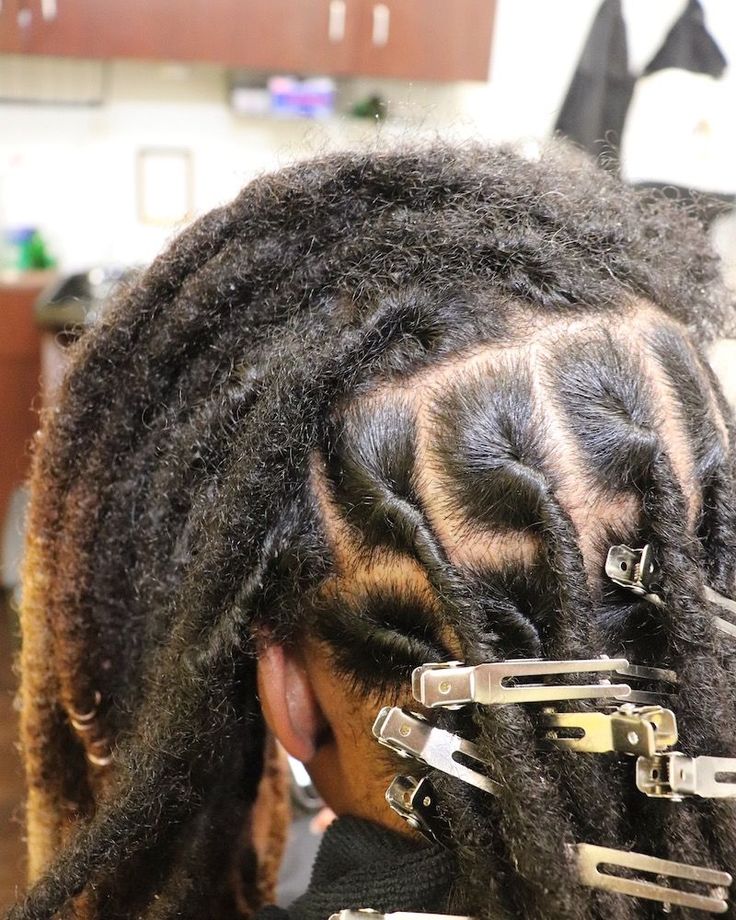
One of the most common causes of weak locs is over-retwisting. Many people believe that neat locs are healthy locs, so they retwist every few weeks to keep their roots looking fresh. Unfortunately, constantly twisting the same sections places repeated tension on the roots.
Over time, this can lead to:
- Root thinning
- Weak attachment points
- Breakage
- Hair loss around the edges
If you’re wondering whether your maintenance routine is helping or hurting your locs, check out How Often Should You Retwist Mature Locs?. It explains how often you should retwist based on your stage of the loc journey.
It’s also important to remember that some frizz is normal. In fact, frizz often indicates that your locs are growing and maturing properly. Many people become obsessed with maintaining a freshly retwisted look and end up damaging their roots in the process. If you’re unsure where the balance lies, Signs You Are Not Retwisting Enough can help you recognize when your locs actually need maintenance.
Is Dryness Causing My Locs to Break?
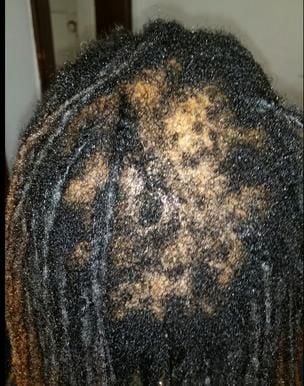
If your locs feel rough, brittle, or unusually fragile, dryness may be the culprit.
One of the biggest mistakes people make when learning How to Strengthen Weak Locs is focusing only on styling while neglecting moisture. Locs need hydration just like loose natural hair. Without enough moisture, they lose flexibility and become more prone to snapping.
Signs of dry locs include:
- Excessive breakage
- Dull appearance
- Rough texture
- Stiffness
- Frizz that feels dry rather than soft
A simple moisturizing routine can make a significant difference. Regularly misting your locs with water-based products and sealing that moisture with a lightweight oil can help restore elasticity and reduce breakage.
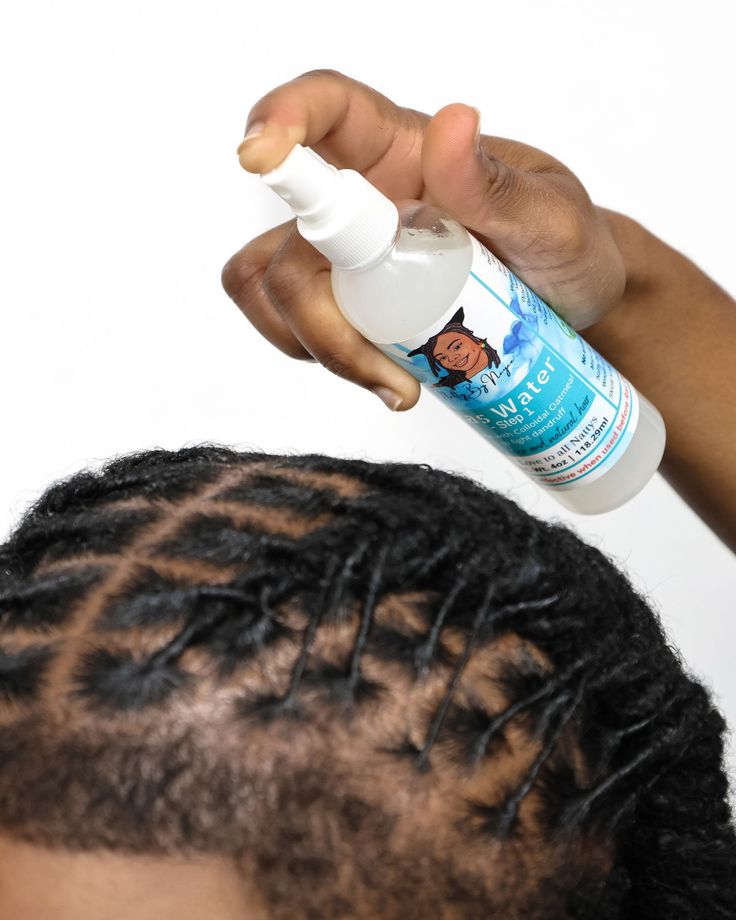
If moisture retention has always been a struggle for you, you’ll benefit from reading How Often Should You Moisturize Locs. During colder months, 15 Ways to Maintain Your Locs in Winter can also help prevent seasonal dryness that often weakens locs.
Are Your Hairstyles Too Tight?
Many people don’t realize that their favorite hairstyles may be contributing to their hair problems.
Tight ponytails, buns, braided styles, and elaborate updos can all place stress on your roots. While these styles may look beautiful, wearing them repeatedly can weaken the follicles and lead to thinning over time.
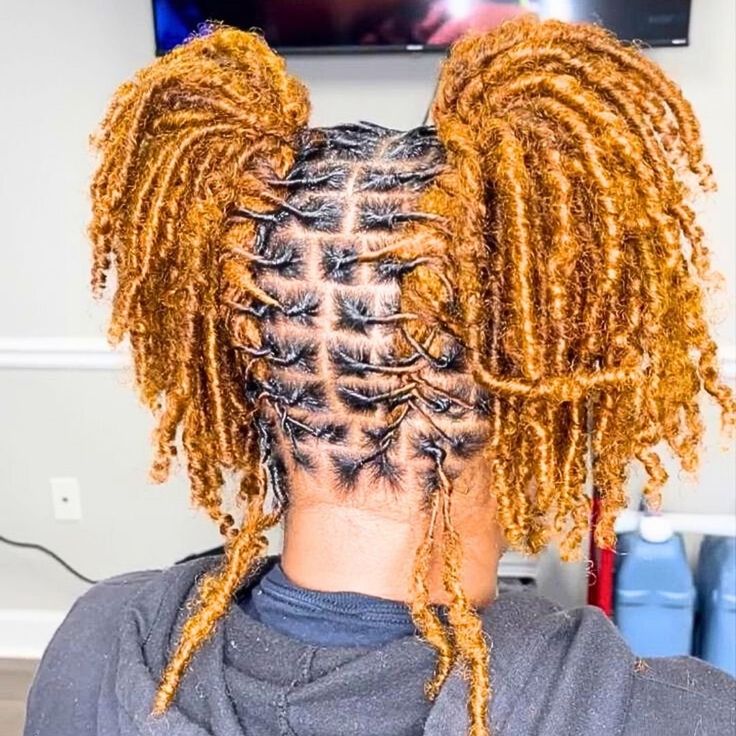
A simple rule is this: if your hairstyle hurts, it’s probably too tight.
Pain, tenderness, headaches, and scalp soreness are warning signs that your locs are under too much tension.
If you love styling your hair, focus on low-manipulation options instead. Low Tension Loc Styles That Protect Your Hairline is a great resource for finding styles that look beautiful without compromising the health of your roots.
Can Poor Nutrition Make Locs Weak?
Absolutely. Many people spend a lot of money on products but completely overlook their diet. However, healthy hair starts from within. Your locs depend on nutrients from your body to grow strong and resilient.
Hair thrives when your diet includes:
- Protein
- Iron
- Zinc
- Healthy fats
- Vitamins A, C, D, and E
Foods that support stronger hair include eggs, fish, leafy greens, nuts, seeds, beans, and avocados.
Without proper nutrition, your hair may become weaker, thinner, and more prone to breakage. While improving your diet won’t produce overnight results, it can make a significant difference over time.
Healthy hair also requires healthy habits. That’s why many readers find How to Care for Your Locs the Right Way: A Complete Guide for Healthy, Long-Lasting Locs useful alongside dietary improvements.
How Important Is Scalp Health?
Your scalp is the foundation of every healthy loc on your head. If your scalp is struggling with dryness, inflammation, dandruff, or buildup, your locs will eventually feel the effects too.
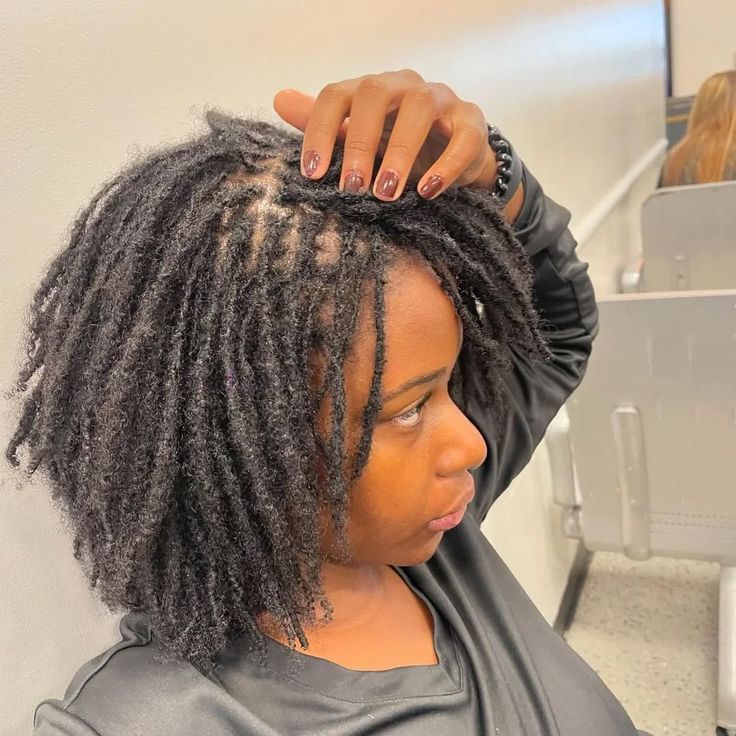
Think of your scalp as the soil in a garden. Healthy soil produces healthy plants. Likewise, a healthy scalp supports stronger hair growth.
Common scalp issues that contribute to weak locs include:
- Product buildup
- Excessive dryness
- Dandruff
- Poor circulation
- Inflammation
Maintaining a clean scalp and regularly checking for problems can go a long way toward strengthening your locs.
If your hair was already damaged before starting locs, you may also find How to Start Locs on Damaged Hair Safely helpful.
Are You Protecting Your Locs While Sleeping?
Many people focus heavily on daytime care while completely overlooking what happens at night.
Every time you sleep on a cotton pillowcase, friction pulls moisture from your hair and creates unnecessary stress on your locs.
Over time, this can contribute to:
- Dryness
- Frizz
- Breakage
- Weakness
One of the easiest answers to How to Strengthen Weak Locs is protecting your hair while you sleep.
Use:
- A satin bonnet
- A silk scarf
- A satin pillowcase
These simple changes help your locs retain moisture and reduce friction while you sleep.
If you’re considering reducing manipulation even further, What Happens Proven Ways to Make Your Locs Thicker offers insights into how a lower-maintenance approach can affect the health of your locs.
What If My Roots Are Already Thin?
Thin roots are one of the biggest concerns among loc wearers.
When you notice thinning, it’s natural to panic and worry that you’re going to lose your locs completely. The good news is that early intervention can often prevent the problem from getting worse.
If your roots are thinning:
- Stop tight styles immediately.
- Reduce retwisting frequency.
- Avoid heavy accessories.
- Focus on scalp health.
- Consult a loctician if necessary.
The sooner you address thinning roots, the better your chances of strengthening them before significant damage occurs.
How Long Does It Take to Strengthen Weak Locs?
This is usually the first question people ask after realizing their locs need help. Unfortunately, there is no magic timeline.
The amount of time required depends on:
- The severity of the damage
- The cause of the weakness
- Your overall health
- Your consistency
Some people notice improvements within a few weeks. Others may need several months before seeing significant changes.
During this period, it’s important to choose styles that won’t place additional stress on your hair. Starter Sisterlocks on Short Hair: Styles That Look Good Immediately offer gentle styling options that can help you maintain your look while prioritizing hair health.
Can Certain Maintenance Methods Help?
Sometimes the way you maintain your locs contributes directly to weakness.
Some people find that switching maintenance methods helps reduce stress on their roots. If you’re deciding between different techniques, Retwist vs Interlocking can help you understand the advantages and disadvantages of each option.
No maintenance method is perfect for everyone. The best choice depends on your hair type, lifestyle, and long-term goals.
Protecting Your Locs During Every Season
Environmental factors can also affect the strength of your locs.
Summer heat, UV exposure, chlorine, and saltwater can leave your locs dry and vulnerable. During warmer months, 15 Ways to Protect Your Locs in Summer can help you prevent seasonal damage before it starts.
Likewise, cold weather often causes moisture loss that contributes to breakage. Adapting your routine throughout the year is one of the smartest things you can do for long-term loc health.
Final Thoughts
Learning How to Strengthen Weak Locs can feel overwhelming when you’re dealing with breakage, thinning roots, or fragile locs. However, most weak locs can improve when you identify the cause and consistently make healthier choices. Whether the issue stems from excessive retwisting, dryness, tight hairstyles, poor nutrition, or scalp problems, the solution often starts with small changes that add up over time.
As your locs recover, focus on low-manipulation styling and healthy maintenance habits. You may find inspiration in Quick Loc Styles for Busy Days and Beginner-Friendly Loc Styles for Work and School, both of which help reduce unnecessary stress on your hair.
Remember, strengthening weak locs isn’t about finding a miracle product. It’s about consistency, patience, and giving your hair the care it needs to thrive. Stay committed to the process, and over time you’ll notice stronger roots, healthier growth, and locs that feel more resilient than ever before.


10 Comments