
How Long Locs Last (Lifetime Guide)
Disclosure: Some of the links in this post are affiliate links. This means if you click on the link and purchase an item, I will receive an affiliate commission at no extra cost to you. All opinions remain my own. I only recommend products or services I believe will add value to my readers.
There comes a moment in almost every loc journey when someone asks, “How long do locs actually last?”
Maybe you’ve been admiring beautiful mature locs online, or perhaps you’re thinking about starting your own journey but worry about making such a long-term commitment.
It’s a fair question because locs are unlike most hairstyles. They aren’t something you install for a few weeks and remove later. They become part of your lifestyle, your routine, and often your identity.
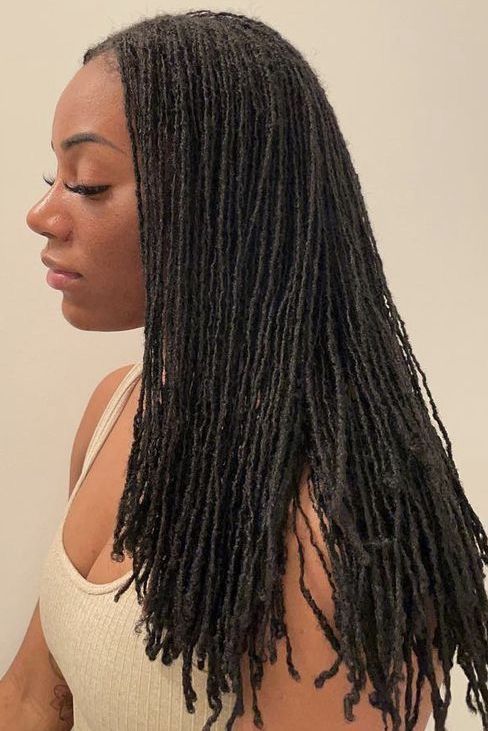
The good news is that understanding How Long Locs Last can help you make a confident decision and avoid surprises along the way.
I remember talking to a woman who almost canceled her first appointment because she believed getting locs meant she could never change her hairstyle again.
After learning how locs mature, how they’re maintained, and even how some people choose to comb them out years later, her fears disappeared. She realized locs offer far more flexibility than many people think.
If you’re still deciding whether this journey is right for you, you’ll find Everything You Need Before Starting Your Locs Journey incredibly helpful because it answers many beginner questions before you commit.
The truth is that locs can last for years, decades, or even an entire lifetime when cared for properly. Their lifespan depends less on the hairstyle itself and more on the habits you build over time.
Healthy maintenance, patience, and consistency make all the difference. Before diving deeper, I also recommend reading How to Care for Your Locs the Right Way: A Complete Guide for Healthy, Long Lasting Hair, where you’ll discover the daily and monthly habits that keep locs healthy for many years.
How Long Locs Last (Lifetime Guide)
1. Locs Can Last a Lifetime
The short answer is yes, locs can last for the rest of your life. Unlike temporary protective styles, locs are created by allowing your hair to permanently lock together over time. Once your locs mature, they will continue growing as long as your hair continues growing.
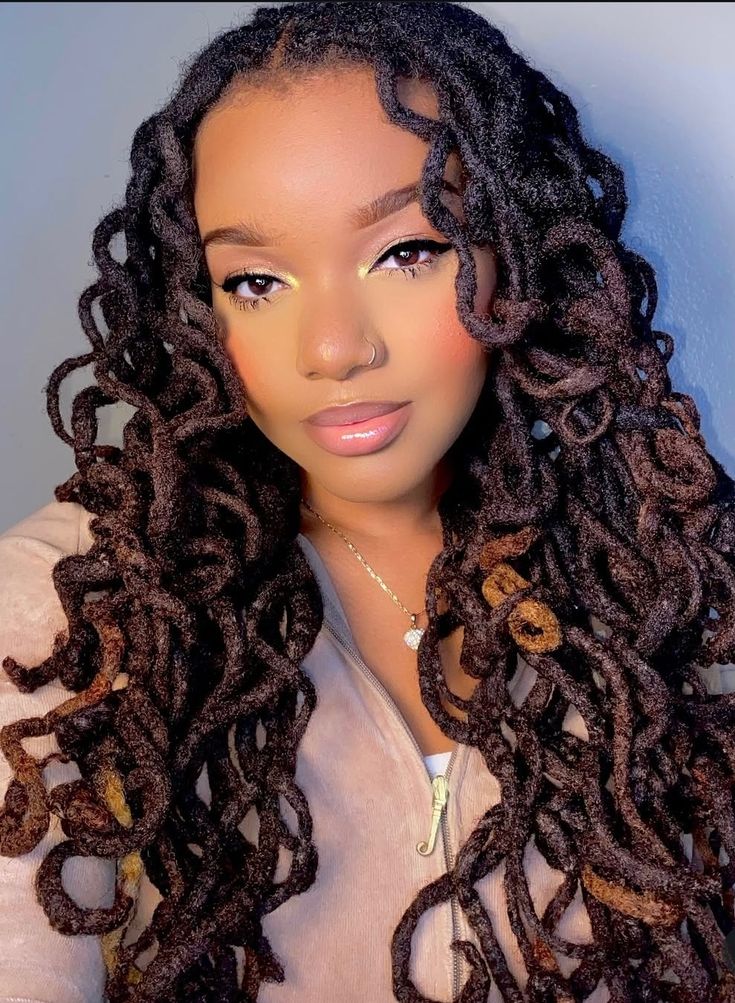
This is one reason so many people choose locs. They are not simply a hairstyle but a long-term hair journey. Many people proudly wear the same locs for 10, 20, 30, or even 40 years. Some never remove them because they become part of who they are.
However, “lasting a lifetime” does not mean you can ignore them. Just like natural loose hair, locs need regular care, washing, moisturizing, and maintenance to remain healthy.
Neglect can lead to thinning roots, buildup, breakage, or weak spots that shorten the life of individual locs.
If you’re still planning your journey, you’ll love How to Start Your Locs Journey the Right Way, where you’ll learn how good decisions in the beginning can benefit your hair for many years.
2. Your Hair Continues Growing Even After It Locks
One common misconception is that locs stop growing after they mature. That simply isn’t true.
Your scalp continues producing new hair every month, just as it did before you started your loc journey. The only difference is that the new growth eventually becomes part of the existing loc.
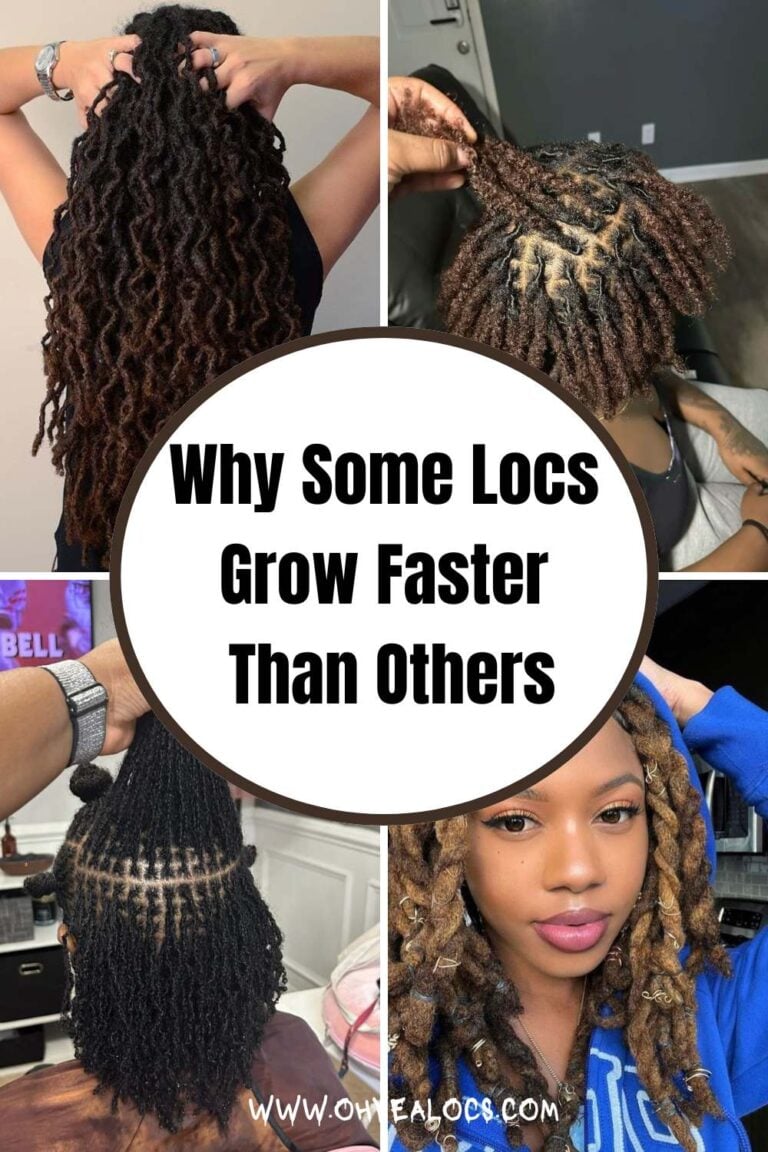
On average, hair grows about half an inch each month, although genetics, nutrition, overall health, and hair care routines can affect that rate. Over several years, this steady growth allows locs to reach shoulder length, waist length, or even the floor for some people.
If you feel like your locs aren’t growing, the issue often isn’t growth at all. Instead, breakage may be preventing you from seeing progress.
For more insight, don’t miss Why Your Locs Are Not Growing (And How to Fix It), where you’ll learn the most common causes of stalled length retention.
3. The Starter Loc Phase Doesn’t Last Forever
One reason many beginners worry about How Long Locs Last is because they confuse the starter phase with the entire loc journey.
During the first few months, your locs may look puffy, frizzy, or uneven. Some sections might even unravel after washing. While this can feel discouraging, it’s a completely normal part of the locking process.
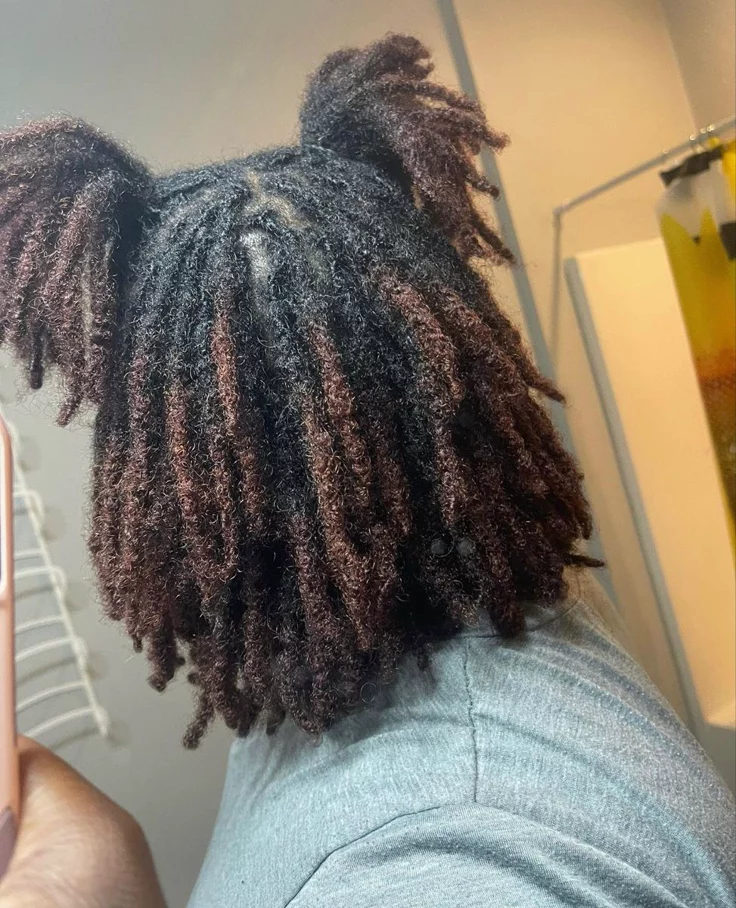
Starter locs go through several stages before becoming mature. First, the hair buds as individual strands begin to knot together.
Next comes the teenage stage, where frizz increases and the locs start gaining shape. Finally, they mature into firm, well-formed locs that are stronger and easier to maintain.
This process requires patience. Many people give up too early because they expect perfectly formed locs within a few weeks. In reality, most locs need anywhere from several months to over a year to fully mature, depending on your hair type and starting method.
If you’re wondering what each stage looks like, be sure to read What to Expect in the First 3 Months of Your Loc Journey. It explains every milestone so you know what’s normal and what isn’t.
4. The Way You Start Your Locs Affects Their Longevity
Not every starter method creates the same long-term results. While all methods can produce beautiful mature locs, choosing the right foundation often makes maintenance easier over the years.
For example, comb coils are popular for shorter natural hair because they create neat, uniform sections. Two-strand twists are often preferred by beginners who want a fuller appearance during the early months.
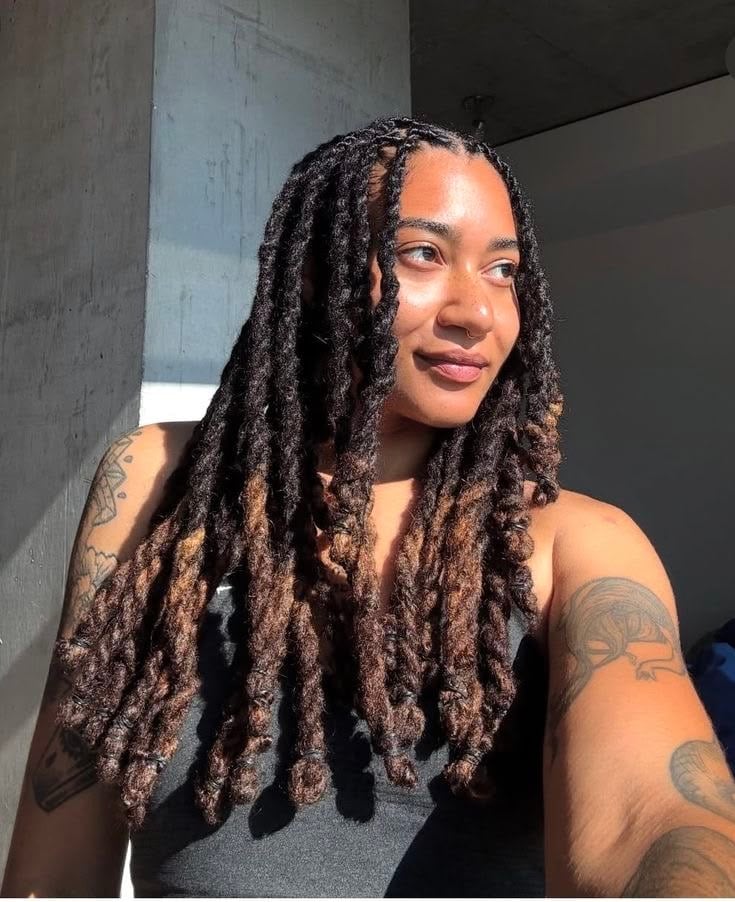
Braids provide extra stability, while interlocking works well for active lifestyles and people who swim frequently.
The best method depends on your hair texture, lifestyle, maintenance routine, and long-term goals. Choosing a method simply because it’s trending can leave you disappointed later.
This is why taking time to research before your appointment is so important. Understanding how each method behaves over time helps you make a decision you’ll be happy with years down the road.
If you’re comparing techniques, don’t miss Different Methods of Starting Locs, where you’ll discover the advantages and disadvantages of each approach.
5. Healthy Maintenance Determines How Long Individual Locs Survive
Although locs can last a lifetime, individual locs can weaken if they aren’t cared for properly. Healthy maintenance is what allows your locs to remain thick, strong, and beautiful year after year.
Regular cleansing removes dirt, sweat, oils, and product buildup that can weaken your hair over time. Moisturizing helps prevent dryness, while gentle retwisting protects the roots without creating unnecessary tension. Sleeping with a satin bonnet or pillowcase also reduces friction that can lead to breakage.
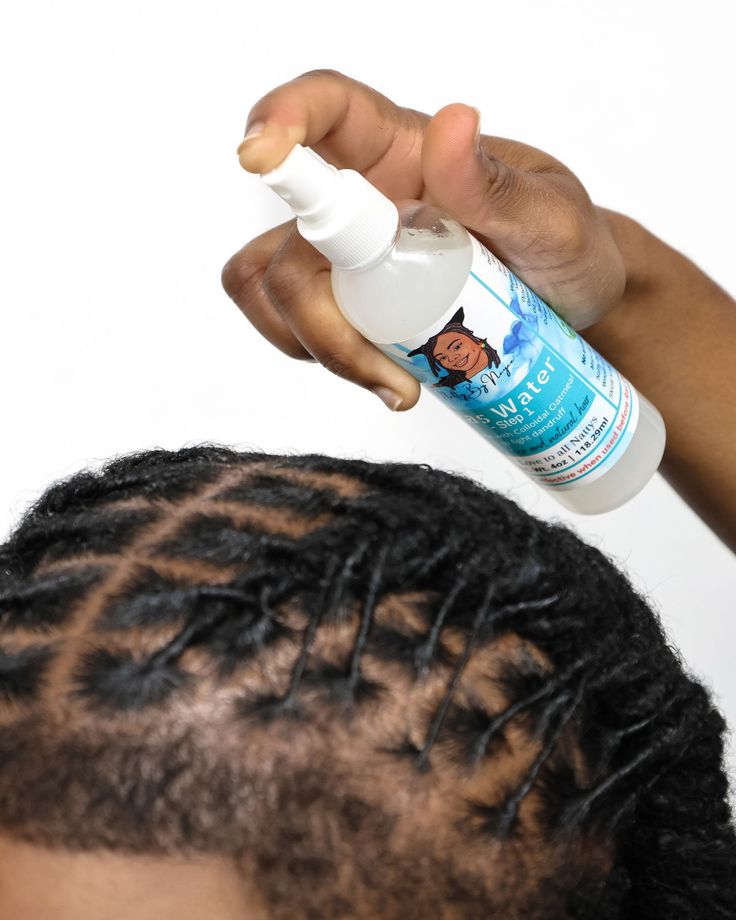
Nutrition plays an important role as well. Your locs are only as healthy as the hair growing from your scalp. Drinking enough water, eating balanced meals, and caring for your overall health all contribute to stronger hair growth.
Many people believe expensive products are the secret to long-lasting locs, but consistency matters far more than having a shelf full of products. Simple habits repeated over time usually produce the best results.
If you’re unsure how often your hair needs moisture, check out How Often Should You Moisturize Locs? for a practical routine that keeps your locs hydrated without overdoing it.
6. Regular Retwists Help Your Locs Last Longer
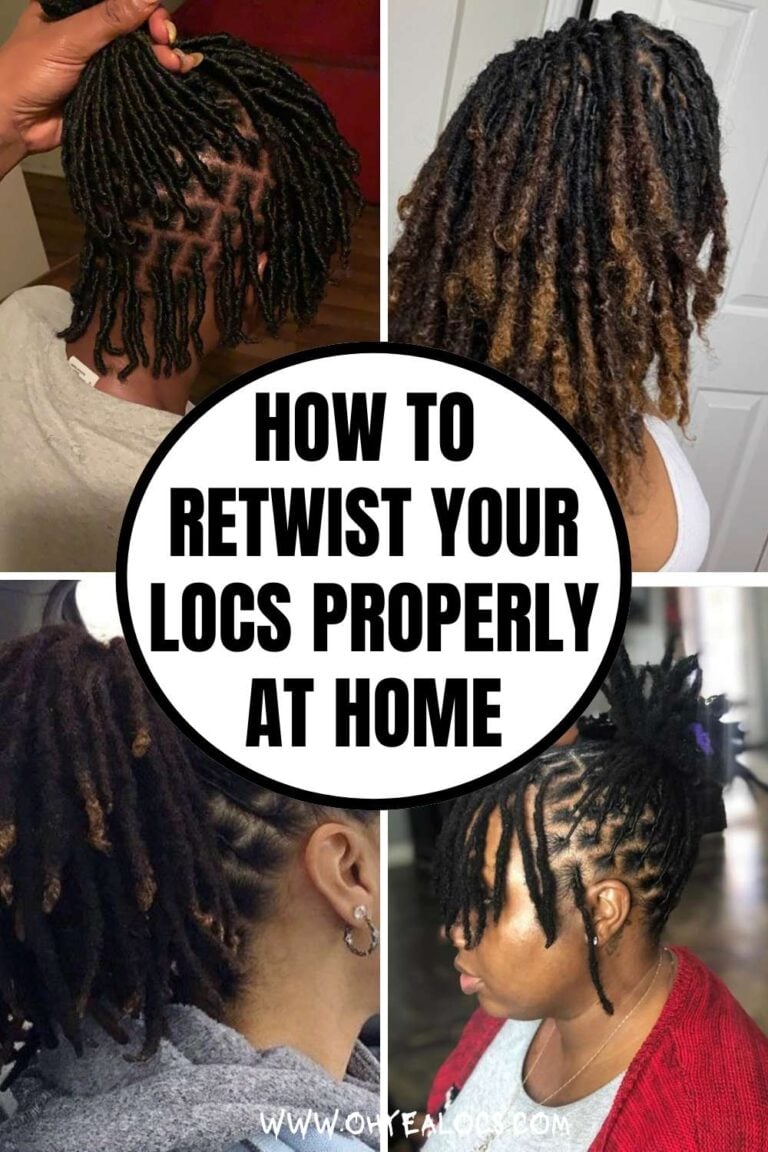
Retwisting isn’t just about making your locs look neat. It also helps keep new growth organized, reduces excessive tangling between neighboring locs, and maintains the parting pattern you chose at the beginning of your journey.
That said, more retwists don’t automatically mean healthier locs. In fact, retwisting too often can create unnecessary tension on the roots, leading to thinning edges, weak spots, and even permanent hair loss over time. On the other hand, waiting far too long between maintenance sessions can allow locs to merge together if that isn’t your goal.
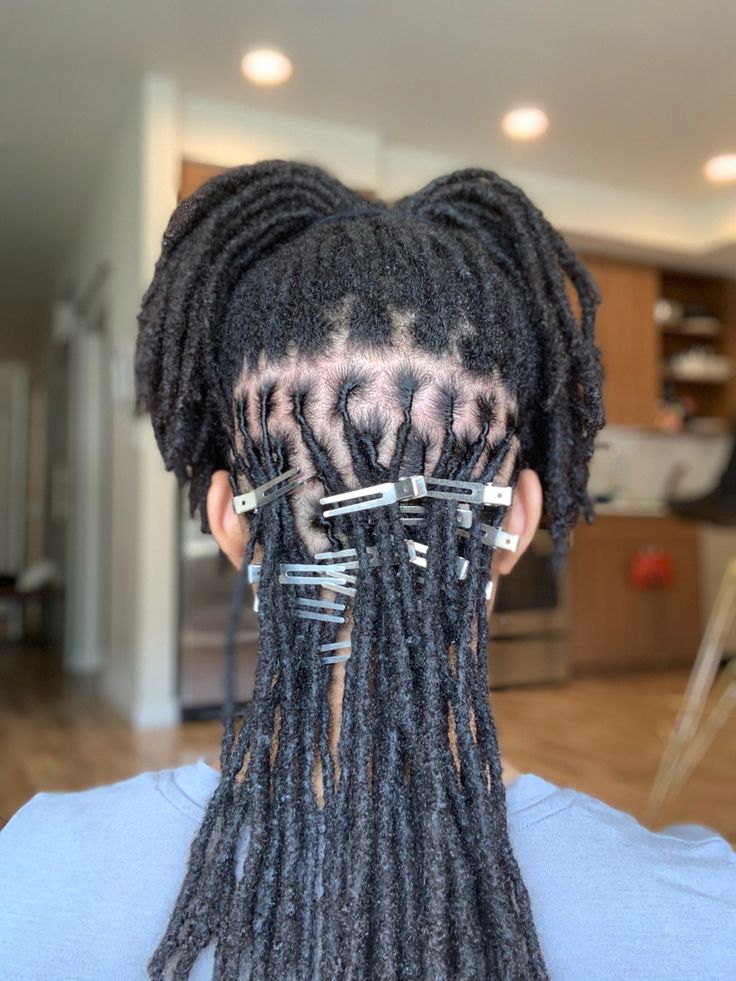
Finding the right balance is what keeps your locs strong for years. Most people adjust their retwist schedule based on how mature their locs are, how quickly their hair grows, and their personal styling preferences.
If you’re maintaining your own hair, patience is just as important as technique. Gentle handling always produces better long-term results than trying to force your locs into looking freshly retwisted every week.
If you’re unsure about timing, read How Often Should You Retwist Mature Locs? to learn what works best once your locs have fully matured.
7. Your Lifestyle Plays a Bigger Role Than You Think
Many people assume How Long Locs Last depends only on genetics, but your everyday habits have an enormous impact on how healthy your locs remain over the years.
For example, people who regularly protect their hair while sleeping usually experience less breakage than those who sleep on cotton pillowcases every night.

Likewise, swimmers who rinse their locs after exposure to chlorine or saltwater often avoid the dryness that can weaken their hair over time.
Your environment matters too. Cold winter air can leave locs feeling dry and brittle, while intense summer heat can increase sweat, product buildup, and dehydration if you don’t adjust your routine.
Even simple habits like drinking enough water, avoiding unnecessary heat, and reducing excessive tension from hairstyles contribute to healthier locs that continue thriving year after year.
If colder weather affects your hair, don’t miss 15 Ways to Maintain Your Locs in Winter for practical seasonal care tips.
8. Yes, You Can Choose to End Your Loc Journey
One of the biggest myths about locs is that they’re impossible to remove. While many people keep their locs for life, others eventually decide they’re ready for a new chapter.
Depending on the age and condition of your locs, they can sometimes be carefully combed out using patience, conditioner, and specialized detangling techniques. The process often takes many hours or even several days for long, mature locs, but it is possible for many people.
Some people choose to trim their locs shorter instead of removing them completely, while others cut them off and begin a brand-new loc journey later. There isn’t one “right” decision. Your loc journey should always reflect your personal goals and lifestyle.
Knowing you have options often removes the fear many beginners feel before starting locs. Choosing locs doesn’t necessarily mean making an irreversible decision for the rest of your life.
9. Your Hair Health Determines the Lifespan of Your Locs
Even though locs are designed to be long-lasting, they are still made from your natural hair. That means their lifespan depends on how healthy your hair is from the root.
Strong, nourished hair produces strong locs, while weak or damaged hair is more likely to experience thinning, breakage, or weak spots over time.
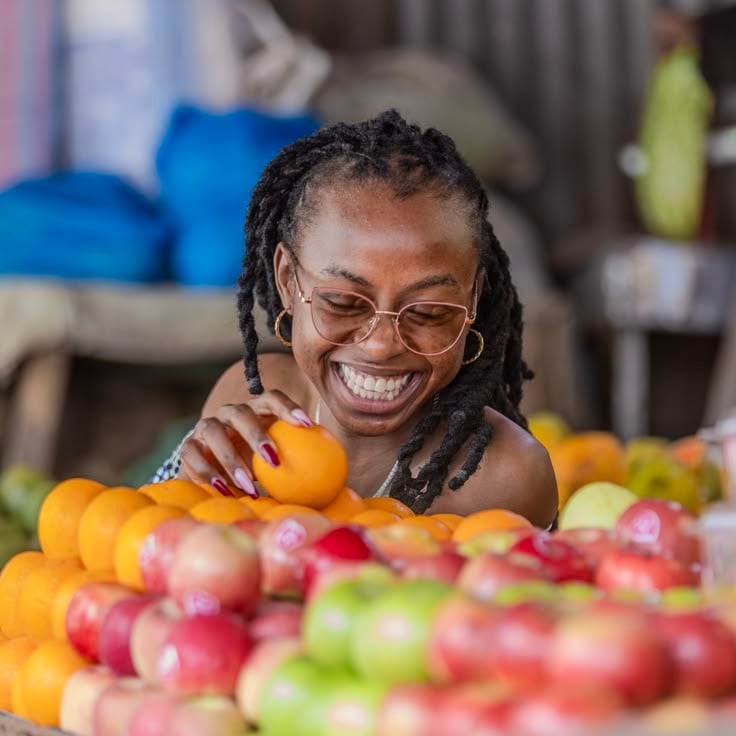
Many people focus only on the outside of their locs by buying expensive shampoos and oils. While quality products help, healthy locs start from within.
Eating a balanced diet, drinking enough water, managing stress, and protecting your scalp all contribute to stronger hair growth.
Your scalp deserves just as much attention as your locs. A clean, healthy scalp supports continuous growth, while untreated buildup or scalp conditions can affect the quality of the hair growing from your follicles.
It’s also important to pay attention to early warning signs. If you notice thinning roots, excessive shedding, or unusually weak locs, addressing the problem quickly often prevents more serious damage later.
For practical ways to improve the thickness of your locs, don’t miss Proven Ways to Make Your Locs Thicker, where you’ll find habits that encourage fuller, healthier hair.
10. So, How Long Do Locs Really Last?
The answer is surprisingly simple: locs can last as long as you want them to.
For some people, locs are a hairstyle they wear for five or ten years before trying something different. For others, locs become a lifelong commitment that grows and evolves with them through different stages of life. There are countless people who have proudly worn the same healthy locs for several decades.
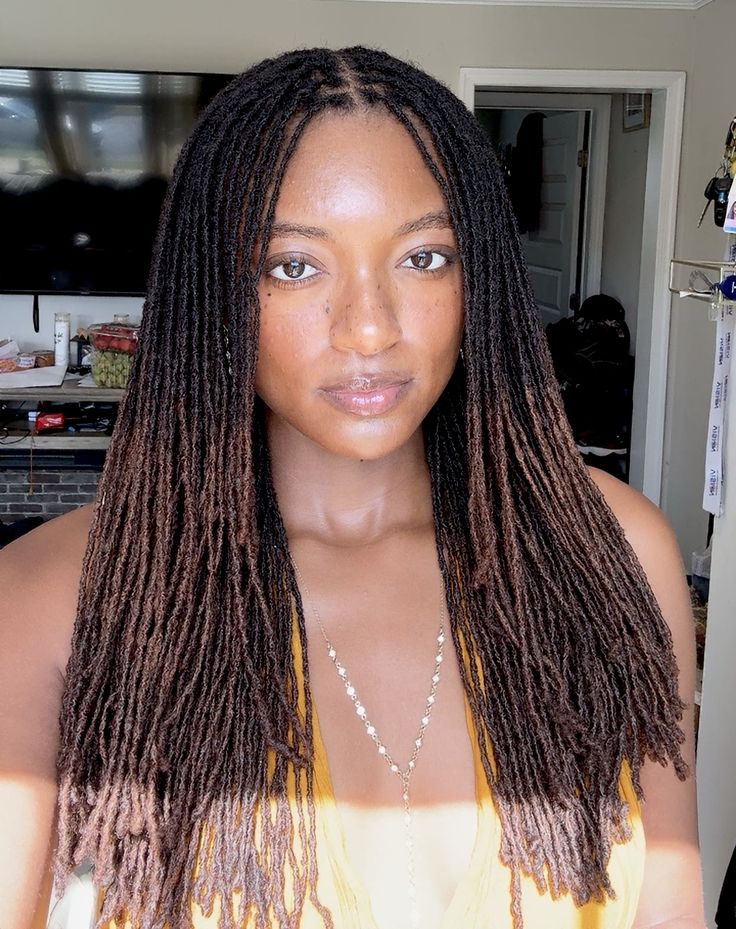
@Naps
What determines their longevity isn’t luck, it’s consistency. Choosing a good starter method, maintaining a healthy scalp, moisturizing regularly, avoiding unnecessary tension, protecting your hair while you sleep, and eating well all contribute to locs that remain beautiful for many years.
Remember that your loc journey is unique. Don’t compare your progress to someone else’s. Your hair texture, growth rate, lifestyle, and maintenance routine will all influence how your locs develop over time.
The most rewarding part of having locs is watching them tell your story. Every inch of growth represents patience, care, and commitment. Whether you wear them for five years or fifty, healthy locs are an investment worth making.
If you’re just beginning, focus on building healthy habits rather than chasing perfection. With proper care and consistency, your locs can remain one of the most beautiful and enduring hairstyles you’ll ever wear.
Final Thoughts
If you’ve been wondering How Long Locs Last, the answer isn’t measured in months, it’s measured by your commitment to caring for them. Locs are one of the few hairstyles that can truly grow with you through every season of life.
With proper maintenance, healthy habits, and a little patience, they can remain beautiful for decades or even a lifetime.
The key is understanding that healthy locs don’t happen by accident. Every wash day, every moisturizing session, every gentle retwist, and every healthy lifestyle choice contributes to stronger, longer-lasting locs.
Small, consistent habits always produce better results than quick fixes or expensive products.
It’s also important to remember that every loc journey looks different. Your hair texture, genetics, routine, and lifestyle all influence how your locs mature and how long they remain healthy.
Instead of comparing your progress with someone else’s, focus on giving your own locs the care they need.

One Comment