Signs Your Loctician Is Damaging Your Locs
Disclosure: Some of the links in this post are affiliate links. This means if you click on the link and purchase an item, I will receive an affiliate commission at no extra cost to you. All opinions remain my own. I only recommend products or services I believe will add value to my readers.
Your loctician plays a major role in the health of your locs. Most people trust their loctician to help their hair grow stronger and healthier over time. Unfortunately, not every loctician uses healthy techniques.
Many loc wearers notice thinning roots, scalp pain, breakage, or weak locs but assume these problems are normal. The truth is that some of the most common loc issues can come from poor maintenance practices.
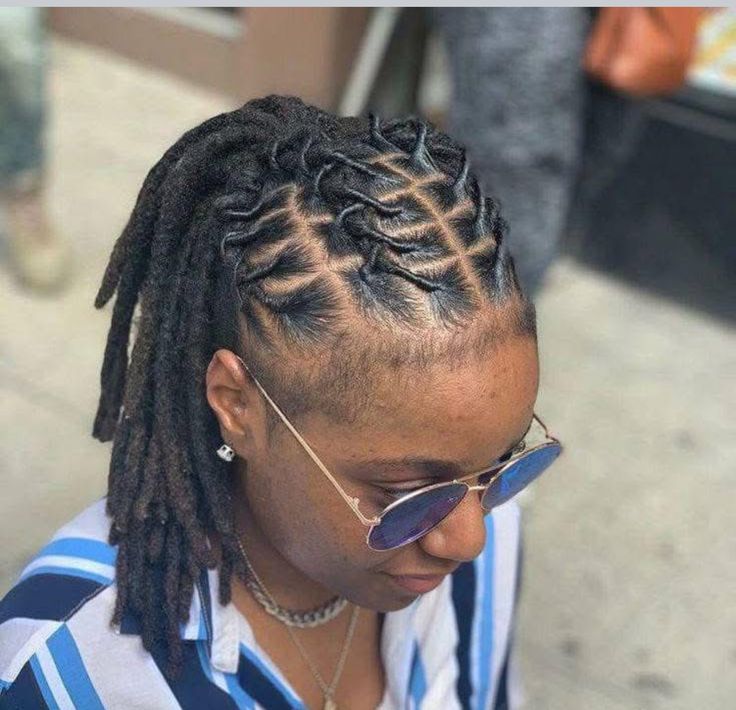
That is why learning the Signs Your Loctician Is Damaging Your Locs is so important. Identifying the warning signs early can help you prevent permanent damage and protect the time and effort you have invested in your loc journey.
I once spoke with a woman who believed scalp pain after every appointment was normal. Her loctician always told her that tight retwists helped locs stay neat longer. After several months, her edges became noticeably thinner, and some locs started breaking near the roots.
She later realized that healthy loc care should never cause ongoing pain. Before starting her journey, she had spent hours reading How to start your locs journey the right way, hoping to avoid common mistakes. Yet she never expected the damage would come from the very person she trusted to care for her hair.
Another loc wearer shared a similar experience. Her locs looked neat after every appointment, but they gradually became weaker. She noticed excessive shedding, scalp irritation, and thinning sections throughout her hair.
In this guide, you will learn the biggest Signs Your Loctician Is Damaging Your Locs, why these problems happen, and what you can do to protect your locs before the damage becomes severe.
Your Scalp Hurts for Days After Every Appointment
One of the biggest Signs Your Loctician Is Damaging Your Locs is persistent scalp pain after maintenance sessions. A retwist may feel slightly tight for a few hours, especially if your hair has grown out significantly.
However, pain that lasts for several days is never a good sign. If sleeping becomes uncomfortable or touching your scalp hurts, your loctician may be applying far too much tension.
Many people mistakenly believe that tighter retwists produce healthier locs. In reality, excessive tension places stress on the hair follicles. Over time, those follicles become weaker and may stop producing healthy hair.
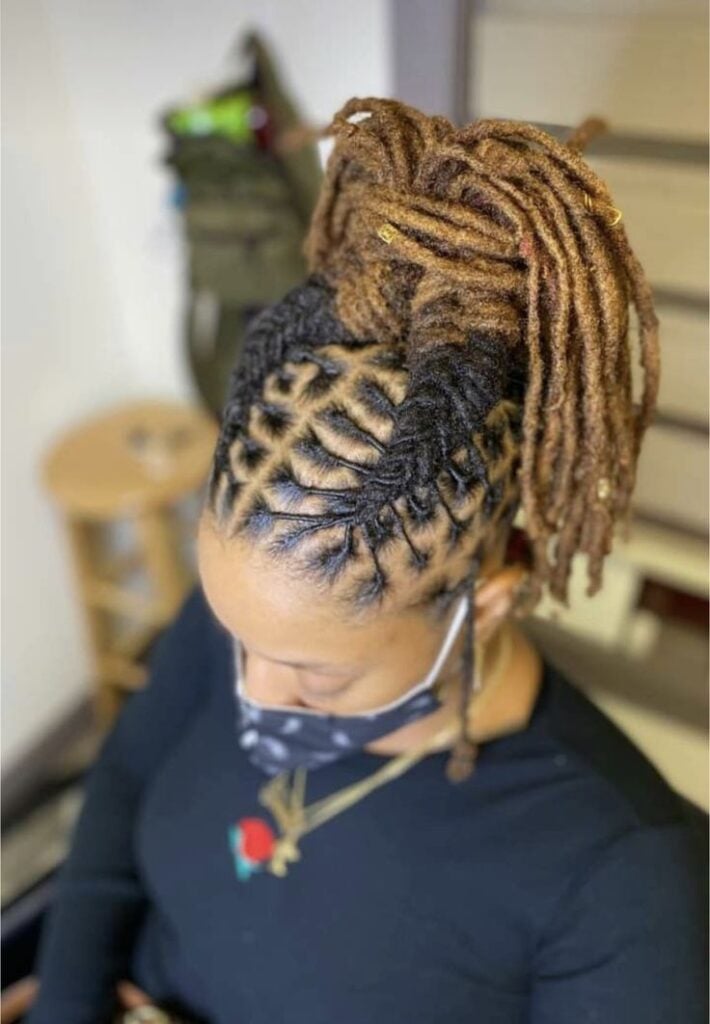
This is one of the main causes of traction alopecia among people with locs. Once traction alopecia becomes severe, regrowing the lost hair can be extremely difficult.
A healthy retwist should make your locs look neat without causing unnecessary discomfort. If your scalp feels like it is being pulled in multiple directions, something is wrong.
Constant tension weakens the roots and increases the risk of thinning. Some locticians prioritize appearance over long-term hair health, creating styles that look flawless today but cause problems months later.
Pay attention to how your scalp feels after every appointment. Mild tightness is normal. Sharp pain, headaches, redness, bumps, or soreness that lasts for days is not. These symptoms often indicate that your hair is under too much stress.
If you are experiencing this issue regularly, discuss it with your loctician immediately. A professional who values healthy hair will adjust their technique. If they dismiss your concerns or insist the pain is normal, consider that a major warning sign.
Many people discover this problem only after significant damage has occurred. That is why understanding Signs You Are Retwisting Your Locs Too Often can help you recognize additional habits that may be contributing to thinning and breakage.
Your scalp should not suffer for your locs to look neat. Healthy loc maintenance always prioritizes the condition of your hair and scalp over temporary appearance.
When pain becomes a regular part of your appointments, it may be time to reevaluate if your loctician is truly protecting your locs.
Excessive Thinning Around the Roots
Another major warning sign on the list of Signs Your Loctician Is Damaging Your Locs is noticeable thinning around the roots. Healthy locs should remain securely attached to a strong foundation of hair.
While some shedding is normal, significant thinning is not. If your locs appear smaller at the roots than they did a few months ago, your maintenance routine may be causing harm.

Root thinning usually develops gradually. Many people do not notice it until they compare older photos with their current hair. The locs may still look neat after a retwist, but the foundation underneath becomes weaker over time.
This often happens when a loctician retwists too tightly, retwists too frequently, or repeatedly pulls on fragile areas of the scalp.
The hairline is often the first area affected. You may notice sparse edges, widening parts, or shorter hairs around your temples. These signs indicate that your follicles are struggling to handle the constant tension. Unfortunately, once the damage becomes severe, some follicles may never fully recover.
A skilled loctician understands that healthy roots matter more than perfectly neat parts. They know when to leave fragile areas alone and when to use gentler techniques. A careless loctician may continue applying tension even when the signs of damage are obvious.
If you notice thinning, ask questions immediately. Find out how often your hair is being retwisted and whether your maintenance schedule is appropriate for your hair type. Some people unknowingly damage their roots by following maintenance schedules that are too aggressive.
Learning about How Often Should You Retwist Mature Locs? can help you determine whether your current routine supports healthy growth. Understanding proper maintenance timing often prevents unnecessary stress on the roots.
You should also pay close attention to weak or sparse areas. If thinning continues despite regular maintenance, it may be time to explore How to Fix Thin Locs Naturally before the problem worsens.
The sooner you address root thinning, the better your chances of preserving the strength and fullness of your locs.
Your Locs Are Breaking More Than Before
One of the clearest Signs Your Loctician Is Damaging Your Locs is an increase in breakage. Healthy locs should become stronger as they mature.
While occasional breakage can happen, frequent snapping, weak spots, and broken locs should never be ignored. If you constantly find broken hairs or pieces of locs after appointments, your maintenance routine may be causing more harm than good.
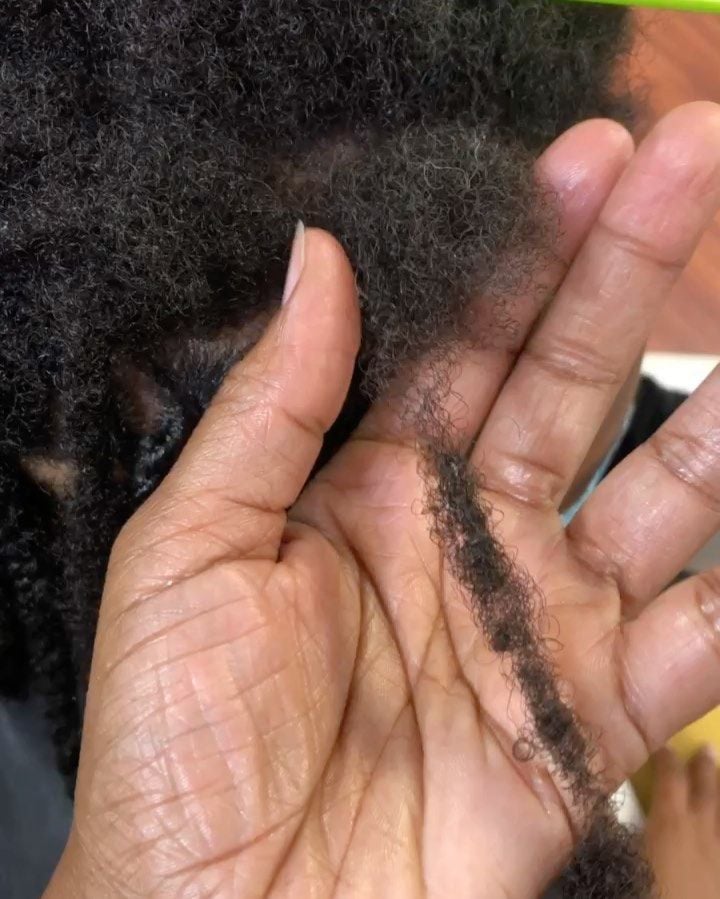
Breakage often begins when locs are repeatedly twisted, pulled, or manipulated too aggressively. Some locticians use excessive force during retwists because they want the roots to appear extremely neat.
Others may palm roll too roughly or separate new growth incorrectly. Over time, these practices weaken the structure of the loc and create fragile areas that eventually snap.
Many people assume their locs are breaking because of dryness alone. While dryness can contribute to breakage, poor maintenance techniques are often a hidden cause.
A loctician who handles your hair roughly can create weak points that become more noticeable with every appointment. The damage may start small, but it can eventually lead to thinning locs and uneven lengths.
Pay attention to where the breakage occurs. If locs are breaking near the roots, excessive tension may be the problem. If they are breaking in the middle, repeated manipulation or weak spots may be to blame. Either way, consistent breakage is a sign that something needs to change.
This is why understanding How to Retwist Locs Without Causing Breakage is so important. Knowing the difference between healthy maintenance and harmful techniques can help you protect your hair from unnecessary damage.
If your locs already feel weaker than before, start focusing on recovery immediately. Resources like How to Strengthen Weak Locs can help you rebuild strength while addressing the underlying cause. Strong locs should not become weaker after every appointment. If they do, your loctician’s methods deserve a closer look.
Your Hairline Is Gradually Disappearing
A receding hairline is one of the most serious Signs Your Loctician Is Damaging Your Locs. Many people do not notice the problem immediately because the changes happen slowly.
At first, you may see a few shorter hairs around your edges. Later, you might notice widening spaces near your temples. Eventually, entire sections of your hairline may become noticeably thinner.
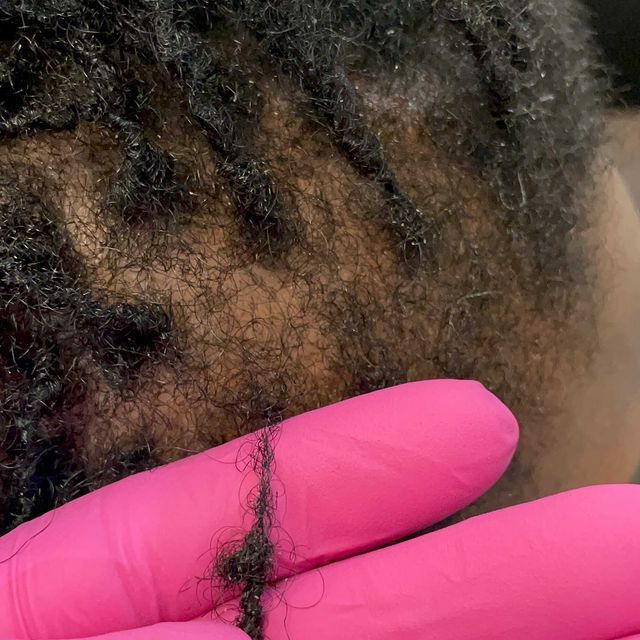
The hairline is naturally more delicate than the rest of your hair. It cannot handle the same amount of tension as thicker areas. Unfortunately, some locticians repeatedly pull these fragile hairs during retwists and styling sessions.
Tight ponytails, heavy updos, and excessive retwisting place constant stress on the hairline. Over time, the follicles become weaker and struggle to produce healthy hair.
Many clients ignore the warning signs because their styles look beautiful immediately after appointments. The neat appearance often hides the damage occurring underneath.
A style should never require sacrificing the health of your edges. If your hairline looks thinner after every appointment, your locs may be under too much stress.
Take photos of your hairline every few months. Comparing pictures can reveal gradual changes that are difficult to notice day by day. If you see increasing thinning, discuss it with your loctician.
A professional who prioritizes healthy hair will modify their techniques to reduce tension on vulnerable areas.
Protective styling should actually protect your hair. If your styles constantly pull on your edges, they are no longer protective. This is why many experienced loc wearers choose Low Tension Loc Styles That Protect Your Hairline instead of tight styles that create unnecessary strain.
You should also learn How to Prevent Loc Breakage because breakage and hairline thinning often happen together. Both issues usually result from excessive tension and poor maintenance habits.
Healthy locs begin with healthy roots. Once your hairline starts disappearing, it is time to take action before the damage becomes harder to reverse.
Your Scalp Is Constantly Irritated
Persistent scalp irritation is another major entry on the list of Signs Your Loctician Is Damaging Your Locs. A healthy scalp should feel comfortable between appointments. If your scalp is regularly itchy, inflamed, tender, or covered with bumps after maintenance sessions, something is wrong.
Many locticians focus heavily on appearance while overlooking scalp health. Tight retwists can create tiny injuries on the scalp. Excessive pulling may cause redness and inflammation that lasts for days.
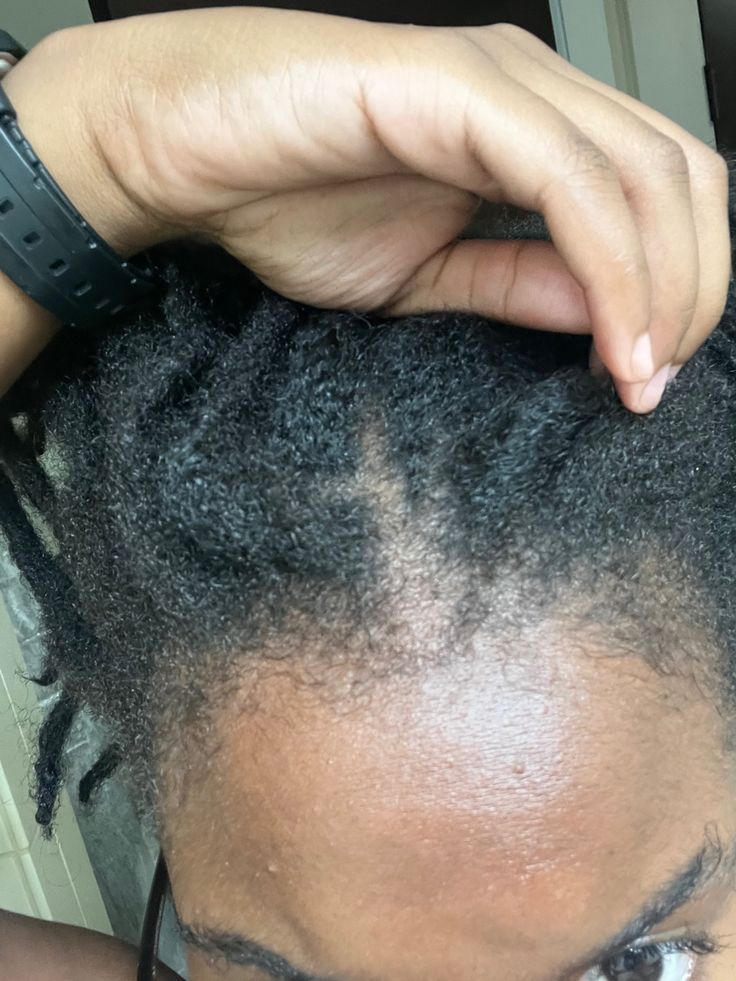
Some people even develop painful bumps around the roots because the hair is under constant stress. These symptoms are often dismissed as normal, but they are actually warning signs.
Product buildup can also contribute to scalp irritation. Some locticians use heavy gels, waxes, or styling products that clog pores and trap debris.
While these products may create a sleek finish, they can leave the scalp unhealthy over time. A scalp that cannot breathe properly often becomes itchy and uncomfortable.
Another issue is poor cleansing practices. If your loctician rarely discusses scalp care, they may be focusing only on the appearance of your locs. Healthy loc maintenance involves caring for both the hair and the scalp. Neglecting either one can create long-term problems.
Pay attention to recurring symptoms. If irritation appears after every appointment and disappears before your next visit, your maintenance routine may be the cause. Your scalp should not feel worse after professional care.
Understanding How to Get Rid of Dandruff in Your Locs can help you distinguish between common scalp conditions and irritation caused by poor maintenance practices. Not every itchy scalp is caused by dandruff.
You should also learn Everything You Need to Know About Steaming Your Locs because proper hydration often supports a healthier scalp environment. Steaming can soothe dryness and improve moisture retention when used correctly.
A healthy scalp is the foundation of healthy locs. When irritation becomes a regular part of your loc journey, it is important to investigate the cause. Ignoring scalp problems today can lead to thinning, breakage, and weakened locs tomorrow.
Your Locs Look Thinner After Every Appointment
One of the most overlooked Signs Your Loctician Is Damaging Your Locs is when your locs gradually become thinner after maintenance sessions. Many people expect their locs to become fuller and stronger as they mature. If the opposite is happening, your loctician’s techniques may be contributing to the problem.
Healthy locs naturally compact over time, but they should not continuously lose density. When excessive twisting, pulling, or manipulation occurs at every appointment, the hair strands inside the loc can weaken.
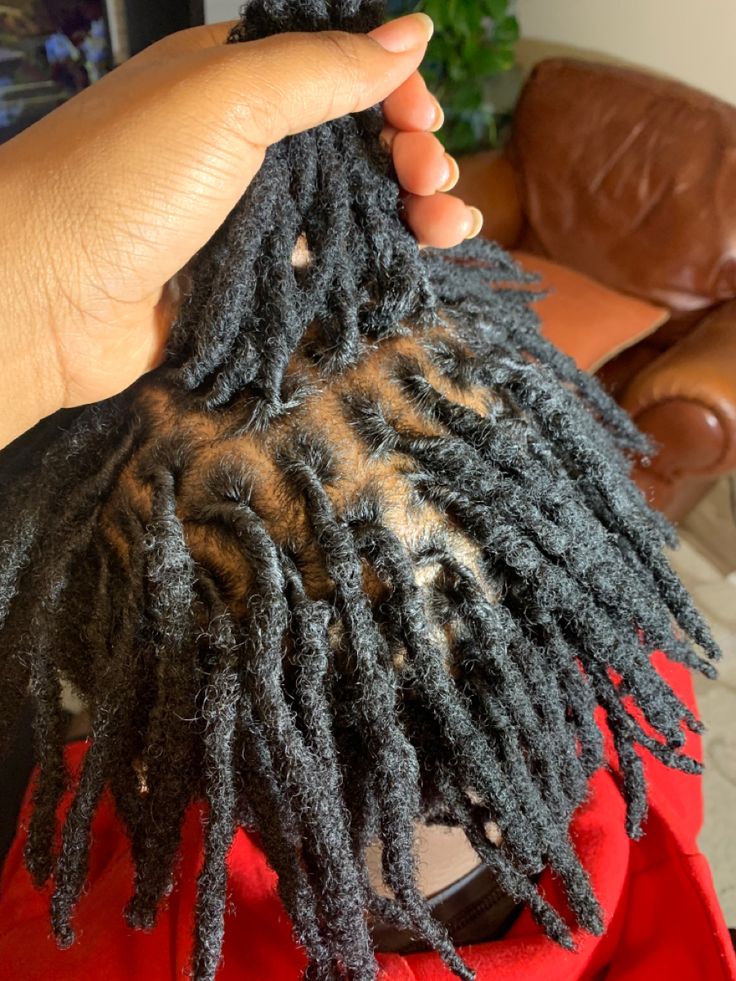
This often results in locs that feel smaller, lighter, and less sturdy than before. Some people even notice that certain locs become noticeably thinner than the rest.
Over-retwisting is one of the biggest causes of this issue. Frequent manipulation prevents the hair from resting and recovering between appointments.
Instead of allowing the locs to strengthen naturally, the hair is repeatedly stressed. Over time, this can reduce the overall fullness of your locs.
Many clients mistake a tightly retwisted look for healthy hair. Fresh retwists often make locs appear sleek and compact. However, neatness does not always equal health. If your locs consistently lose volume after maintenance, it is worth examining what is happening beneath the surface.
A knowledgeable loctician understands that preserving the integrity of the loc is more important than achieving an ultra-polished finish.
They focus on maintaining strength rather than creating unnecessary tension. A loctician who prioritizes appearance over hair health may unknowingly contribute to long-term thinning.
If you have noticed a decrease in density, learning Do Locs Get Thicker or Thinner Over Time? (Explained Simply) can help you understand what changes are normal and what changes signal trouble.
You may also benefit from reading Proven Ways to Make Your Locs Thicker if your locs have already started losing fullness. Early intervention often produces better results than waiting until the thinning becomes severe.
Your locs should not become weaker after routine maintenance. If every appointment leaves them looking thinner, that is one of the strongest Signs Your Loctician Is Damaging Your Locs and deserves immediate attention.
Your Loctician Ignores Your Concerns
One of the most revealing Signs Your Loctician Is Damaging Your Locs has nothing to do with hair itself. It has everything to do with how they respond when you raise concerns.
A good loctician listens carefully when you mention pain, thinning, breakage, or scalp problems. A careless one often dismisses your concerns and tells you everything is normal.
Many people notice warning signs long before serious damage occurs. They feel excessive tension during retwists. They see thinning around the edges. They notice locs becoming weaker or smaller.
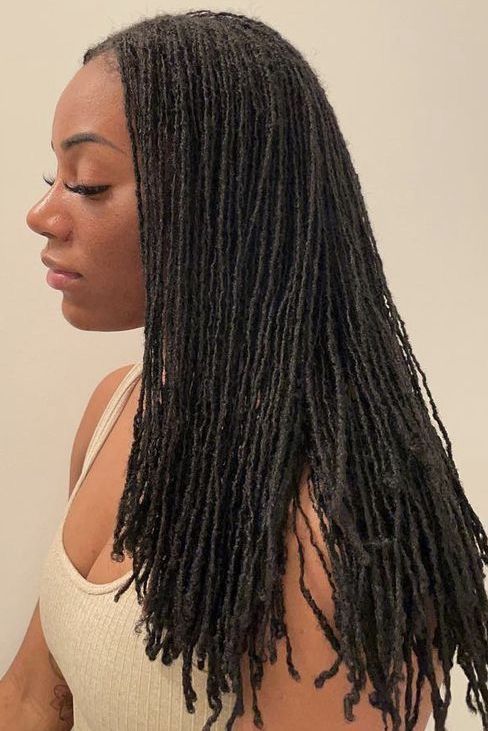
When they bring these issues up, some locticians immediately become defensive. Instead of investigating the problem, they insist that tight retwists are necessary or claim the damage is simply part of the loc process.
This attitude can be extremely dangerous. Healthy loc care requires ongoing assessment. Every person’s hair is different. What works for one client may not work for another.
A professional who truly cares about your hair will adjust their techniques based on your scalp condition, hair density, and overall loc health. They will answer questions and explain why they recommend certain practices.
Communication is one of the most important parts of a successful loc journey. You should feel comfortable discussing concerns without fear of being ignored. If your loctician consistently dismisses signs of damage, they may also be ignoring problems that need immediate attention.
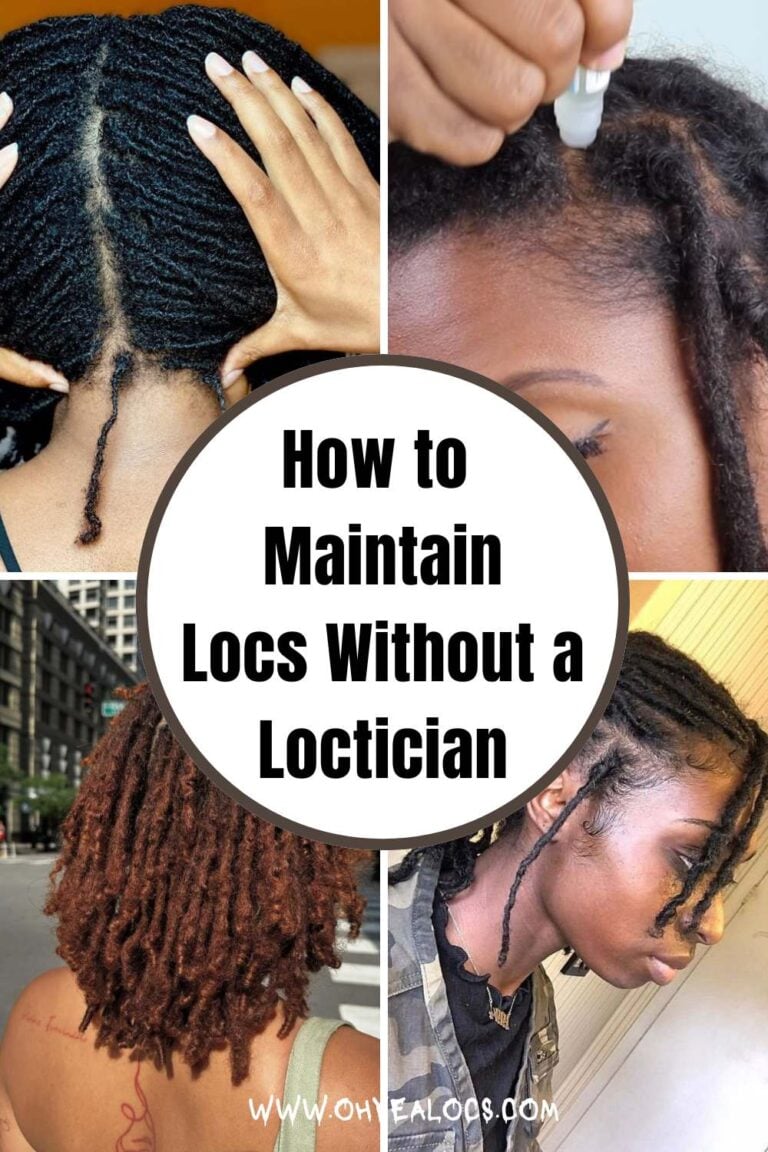
Many experienced loc wearers eventually learn How to Maintain Locs Without a Loctician because they become frustrated with professionals who refuse to listen.
While not everyone wants to maintain their own locs, understanding basic loc care helps you recognize when something is wrong.
It is also helpful to learn What Happens If You Stop Retwisting Your Locs so you can separate myths from facts when discussing maintenance options. Some locticians use fear-based advice to keep clients dependent on frequent appointments.
Your loctician should be your partner in maintaining healthy locs. If they repeatedly ignore your concerns, dismiss your questions, or refuse to adjust damaging practices, that behavior alone may be one of the biggest Signs Your Loctician Is Damaging Your Locs.
Your Locs Feel Dry and Brittle After Every Visit
Healthy maintenance should leave your locs feeling clean, balanced, and well cared for. If your hair consistently feels dry, rough, or brittle after appointments, it could be one of the overlooked Signs Your Loctician Is Damaging Your Locs. Locs need the right balance of moisture and cleanliness to remain strong. When that balance is disrupted, breakage often follows.
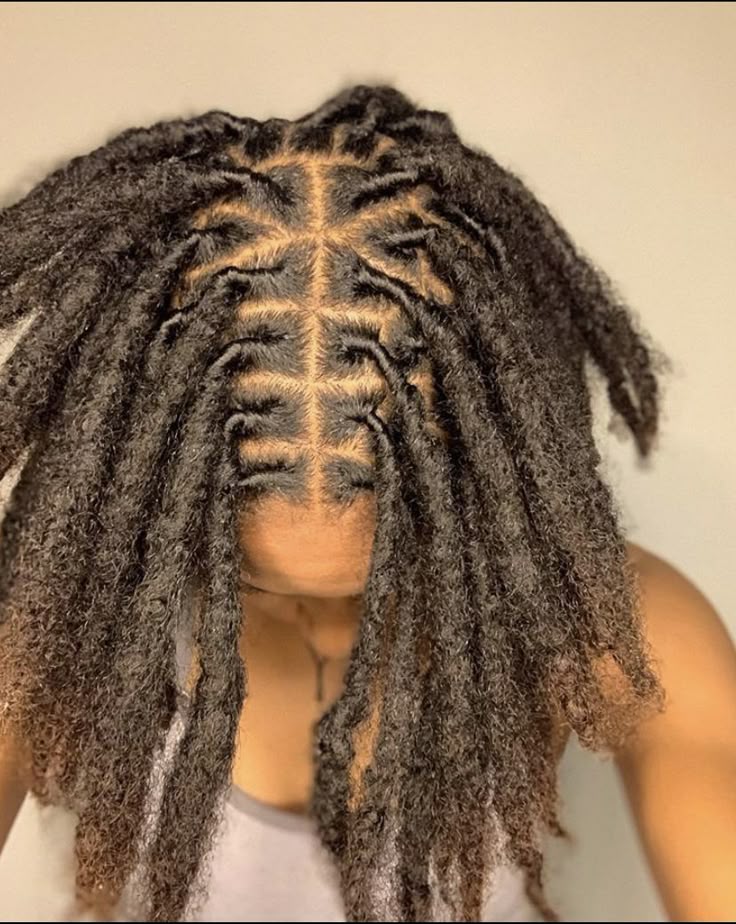
Some locticians focus heavily on creating a neat appearance while neglecting moisture retention. They may use harsh shampoos that strip natural oils from the hair.
Others may avoid discussing hydration altogether. While clean locs are important, overly dry locs become fragile and more likely to snap under tension.
Dryness can also occur when a loctician uses too much heat during drying sessions. Excessive heat removes moisture from the hair shaft and weakens the structure of the loc.
Over time, this can leave your locs feeling stiff instead of soft and flexible. Healthy locs should not feel like they are breaking apart when touched.
Pay attention to how your hair feels a few days after an appointment. Does it remain moisturized and healthy, or does it quickly become dry and brittle? The answer can reveal a lot about the quality of your maintenance routine. Hair that constantly lacks moisture often struggles to retain length and strength.
Learning How Often Should You Moisturize Locs? can help you determine whether your current routine provides enough hydration. Many loc wearers discover they have been under-moisturizing simply because nobody taught them proper moisture practices.
You should also explore Best Oils and Moisturizers for Starter Locs (What Actually Works) because the products used during maintenance can make a significant difference. The right products support healthy locs, while the wrong ones may contribute to dryness and buildup.
When your locs repeatedly leave appointments feeling worse than before, do not ignore it. Dry, brittle locs are often warning signs that your hair is not receiving the care it needs. Healthy maintenance should strengthen your locs, not leave them struggling to retain moisture.
Your Retwists Never Last Long
Another common entry on the list of Signs Your Loctician Is Damaging Your Locs is when your retwists stop looking fresh after only a few days. While no retwist lasts forever, a properly done retwist should remain neat for a reasonable period. If your roots unravel almost immediately after every appointment, your loctician may be using poor techniques or prioritizing speed over quality.
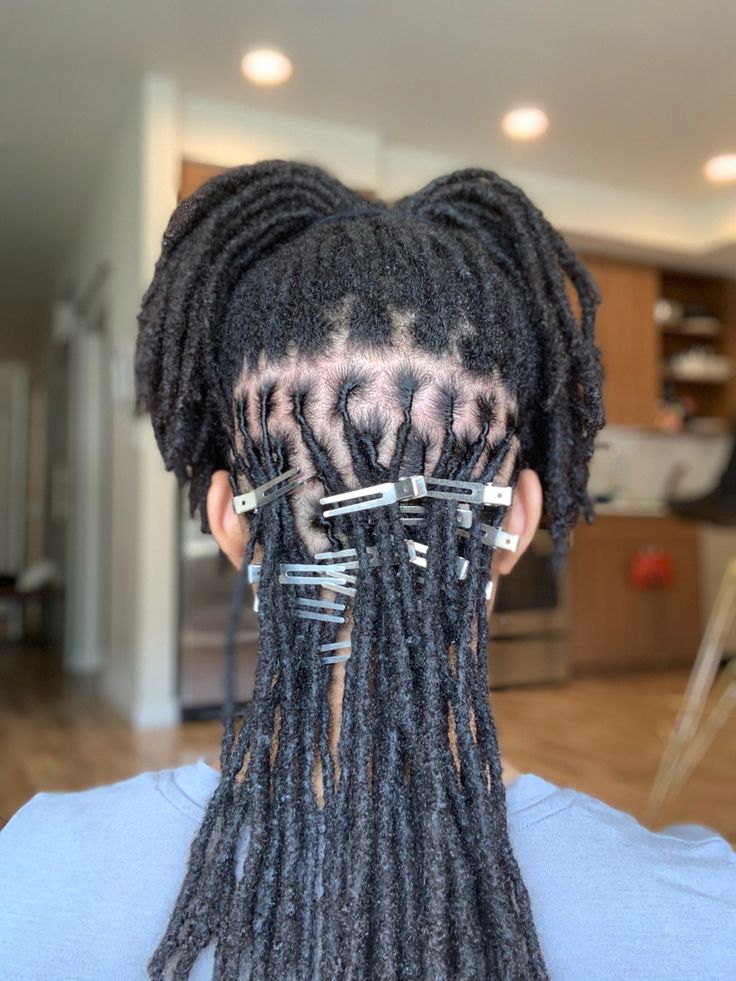
Many people assume frequent retwisting is the solution. Unfortunately, retwisting more often can create even bigger problems. Constant manipulation increases tension on the roots and raises the risk of thinning, breakage, and scalp stress. Instead of solving the issue, excessive maintenance often makes it worse.
A skilled loctician understands how to secure new growth without causing unnecessary damage. They also consider factors such as hair texture, loc maturity, and lifestyle habits.
A one-size-fits-all approach rarely works. If your retwists consistently unravel within days, it may indicate that your loctician is not using the best technique for your hair type.
Poor product selection can also affect the longevity of a retwist. Some products create temporary hold but leave residue behind. Others provide little support, causing the roots to loosen quickly. The goal should always be healthy, long-lasting maintenance rather than a quick fix.
This is why understanding How to Make Your Retwist Last Longer can be extremely helpful. Simple adjustments to your routine may improve results while reducing the need for excessive manipulation.
It is also worth learning Retwist vs Interlocking: Which Is Better for Your Locs if you repeatedly struggle with retwist longevity. In some cases, a different maintenance method may better suit your lifestyle and hair texture.
If your loctician responds to every unraveling problem by scheduling more frequent appointments, be cautious. Healthy loc care is not about keeping you in the salon as often as possible.
It is about preserving the strength and integrity of your locs. Retwists that never last may be more than an inconvenience. They may be one of the subtle Signs Your Loctician Is Damaging Your Locs.
Your Locs Are Not Growing Like They Used To
Many people begin their loc journey expecting steady growth. While hair growth rates vary, a sudden slowdown can be one of the surprising Signs Your Loctician Is Damaging Your Locs.
If your locs seem stuck at the same length for months or even years, the problem may not be your hair. It may be the way your hair is being maintained.
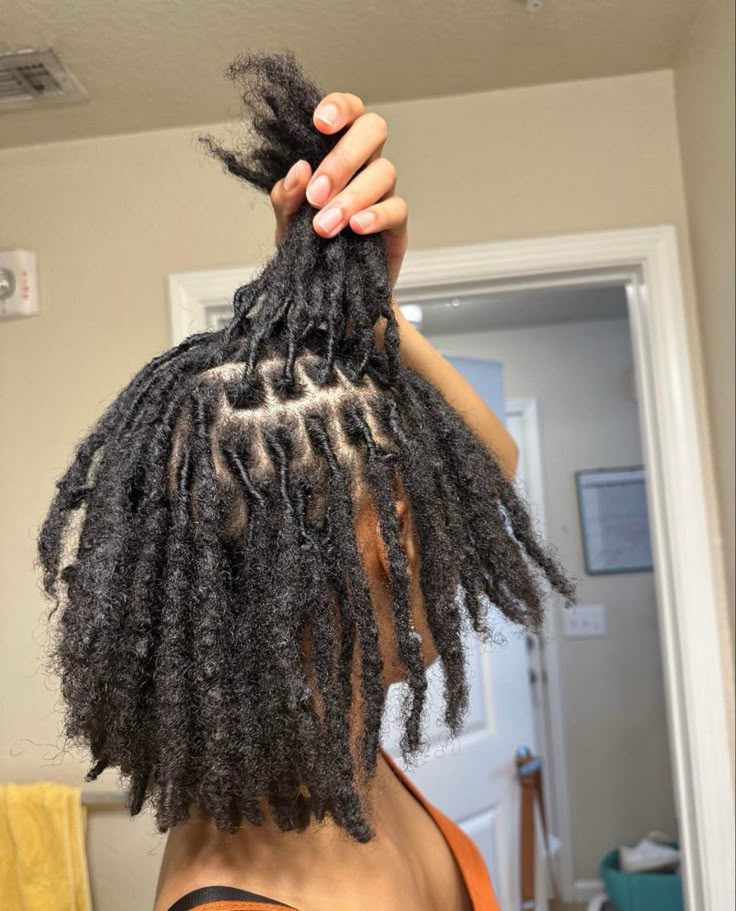
Hair grows from the scalp, but excessive tension can interfere with healthy growth. Tight retwists, aggressive styling, and constant manipulation place stress on the follicles.
When follicles are repeatedly stressed, they may produce weaker strands that break before noticeable length is retained. In many cases, the hair is growing, but breakage prevents you from seeing the progress.
Some locticians unintentionally create a cycle of damage. The client experiences thinning or breakage, so more manipulation is used to make the locs look neat. That additional manipulation causes even more stress. Eventually, the locs struggle to retain length despite regular maintenance appointments.
If your locs feel shorter, thinner, or weaker than they did a year ago, pay attention. Growth problems are often easier to fix when addressed early.
Compare recent photos with older ones. Look for signs of thinning roots, weak spots, or excessive shedding. These clues can reveal whether your locs are actually growing or simply breaking at the same rate.
To better understand the issue, read Why Your Locs Are Not Growing (And How to Fix It). This can help you identify whether the problem is related to maintenance, lifestyle habits, or overall hair health.
Your loctician should help your locs thrive, not hold them back. If your hair is consistently breaking, thinning, or failing to retain length, it may be one of the strongest Signs Your Loctician Is Damaging Your Locs. Healthy maintenance should support growth, not interfere with it.
When It Is Time to Find a New Loctician
Recognizing the Signs Your Loctician Is Damaging Your Locs is only the first step. The next step is deciding what to do about it. Many people stay with a damaging loctician for far too long because they fear starting over.
They worry that nobody else will understand their hair. They hope the situation will improve with time. Unfortunately, waiting often allows the damage to become worse.
If your loctician consistently causes pain, ignores your concerns, creates excessive tension, or leaves your locs weaker after every appointment, it may be time to move on.
A professional should help your locs become healthier over time. They should answer your questions, explain their methods, and adjust their approach when problems arise. If they refuse to do these things, your hair may be paying the price.
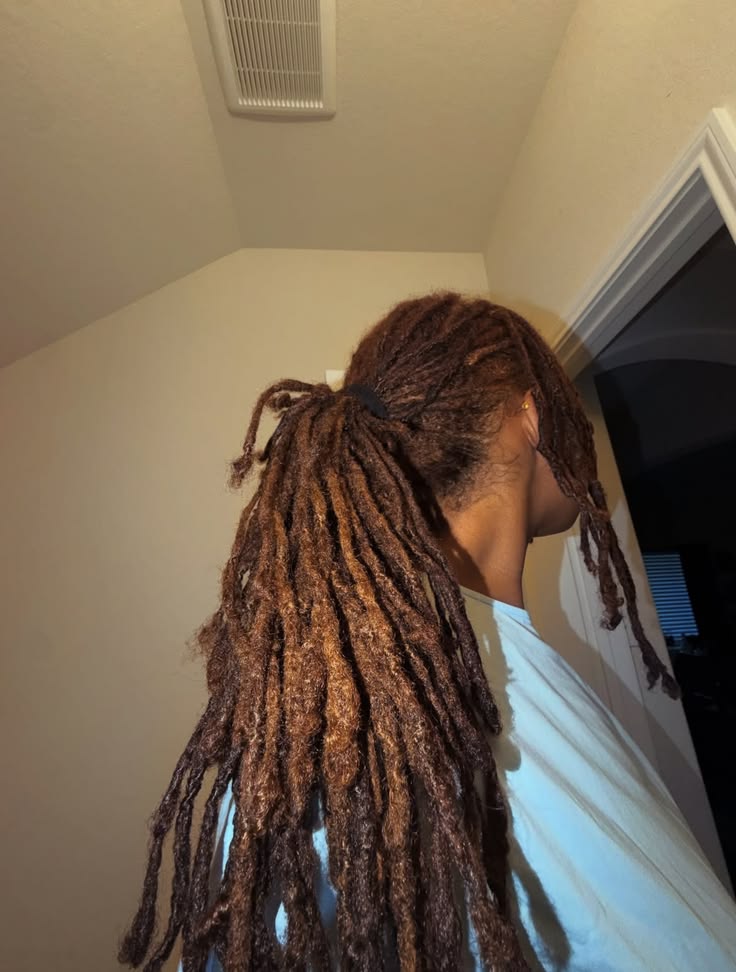
Before choosing a new loctician, spend time researching their work. Look for photos that show healthy roots, full locs, and thriving hairlines. Read reviews carefully.
Pay attention to what clients say about scalp health and communication. A loctician who values healthy hair will often have clients who praise their gentle techniques and long-term results.
You can also strengthen your understanding of loc care by reading How to Maintain Very Long Locs. The more knowledge you have, the easier it becomes to identify healthy maintenance practices. Educated clients are less likely to accept damaging techniques as normal.
Another valuable resource is How Much Loc Maintenance Really Costs. Understanding maintenance costs can help you make informed decisions when searching for a new professional. The cheapest option is not always the healthiest option, and expensive services do not automatically guarantee quality care.
Your locs deserve patience, skill, and proper maintenance. Never feel guilty about leaving a loctician who is harming your hair. The health of your locs is more important than loyalty to a stylist.
Once you recognize the Signs Your Loctician Is Damaging Your Locs, take action quickly. Protecting your roots today can save you from years of thinning, breakage, and frustration.
Final Thoughts
Your loc journey should be exciting, rewarding, and healthy. While every loctician makes occasional mistakes, repeated damage is never something you should ignore.
Persistent scalp pain, thinning roots, breakage, hairline loss, irritation, dryness, poor growth, and dismissed concerns are all warning signs that deserve attention.
The good news is that many loc problems can be corrected when caught early. The sooner you recognize the Signs Your Loctician Is Damaging Your Locs, the better your chances of preserving your hair’s strength and fullness. Trust your instincts. If something feels wrong after every appointment, there is usually a reason.
Remember that healthy locs are not defined by how neat they look immediately after a retwist. Healthy locs are strong, resilient, moisturized, and securely rooted. Do not be afraid to ask questions, seek second opinions, or find a new loctician when necessary. Your hair deserves the best care possible.
If you have noticed any of these warning signs, start making changes today. Your future locs will thank you for it.