How to Prevent Dry Scalp With Locs
Disclosure: Some of the links in this post are affiliate links. This means if you click on the link and purchase an item, I will receive an affiliate commission at no extra cost to you. All opinions remain my own. I only recommend products or services I believe will add value to my readers.
Having locs feels amazing until your scalp starts feeling dry, tight, and uncomfortable. You might notice white flakes, constant itching, or irritation that makes you want to scratch your head throughout the day.
Sometimes, your locs look perfectly healthy, but your scalp tells a completely different story. If you’ve experienced this, you’re certainly not alone.
Learning How to Prevent Dry Scalp With Locs can make your loc journey much more comfortable.
The good news is that you don’t need an expensive collection of hair products to maintain a healthy scalp. Instead, you need consistent care, suitable products, and a better understanding of what your scalp actually needs.
For instance, applying oil every day might seem like the perfect solution, but it doesn’t always address dryness.
Your scalp needs proper hydration, gentle cleansing, and enough time to recover between wash days.
Understanding How Often Should You Moisturize Locs? can help you establish a routine without overwhelming your hair with unnecessary products.
Furthermore, your everyday habits can make a noticeable difference. Sleeping without protecting your locs, using harsh shampoos, and washing too frequently can contribute to scalp discomfort.
That’s why developing healthy habits matters. You should also explore How to Keep Your Scalp Healthy With Locs to give your scalp the attention it deserves.
In this guide, we’ll explore practical ways to prevent dry scalp with locs, identify common causes, choose suitable moisturizing products, and maintain lasting scalp comfort.
Even if you have starter locs, microlocs, or mature traditional locs, these tips will help you care for your scalp without compromising your loc journey.
How to Prevent Dry Scalp With Locs
1. Understand What Causes Dry Scalp With Locs
Before learning how to prevent dry scalp with locs, you need to understand why your scalp becomes dry.
Sometimes, the problem comes from your haircare routine rather than your locs themselves. Your scalp naturally produces oils that help maintain moisture and protect its surface.
However, certain habits can interfere with this natural process. For example, using harsh shampoos, washing too frequently, and exposing your scalp to excessive heat can contribute to dryness.
Product buildup can also irritate your scalp, especially when you regularly apply heavy gels, creams, and oils.
Another common mistake involves confusing scalp dryness with dandruff. Although both conditions can cause flakes, they don’t always require identical treatments.
Dry scalp often produces small, dry flakes alongside tightness and discomfort. Dandruff may involve persistent itching and larger, sometimes oily flakes.
Understanding How to Get Rid of Dandruff in Your Locs can help you recognize the difference.
Therefore, pay attention to when your dryness starts and which products make it worse. Identifying the possible cause makes choosing the right scalp care routine much easier.
2. Moisturize Your Scalp Regularly
One of the simplest ways to prevent dry scalp with locs involves maintaining a consistent moisturizing routine. Your scalp needs moisture just like the rest of your skin.
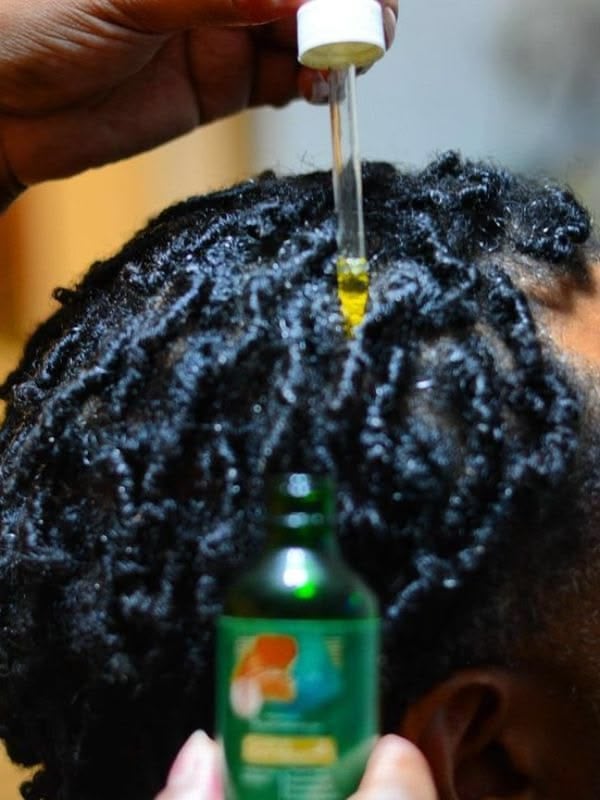
However, you don’t need to apply several products every morning to achieve comfortable, healthy-looking skin. Start with a lightweight, water-based moisturizer or scalp mist.
These products can help replenish moisture without leaving excessive residue around your roots.
Part your locs gently and apply the product directly to your scalp. This approach helps you avoid coating your entire loc length unnecessarily.
Furthermore, pay attention to how your scalp responds after moisturizing. If your scalp feels comfortable, you probably have a suitable routine.
However, if you notice irritation or excessive residue, reconsider your product choice. Remember that moisture and oil serve different purposes. Water-based products provide hydration, while oils help reduce moisture loss.
Combining both appropriately can support a comfortable scalp. If you’re unsure about your options, explore Best Oils and Moisturizers for Starter Locs. Choose lightweight products that suit your scalp rather than purchasing everything you see recommended online.
3. Choose Gentle Shampoos for Your Locs
Your shampoo plays an important role in preventing dry scalp with locs. Some shampoos contain strong cleansing ingredients that leave your scalp feeling stripped.
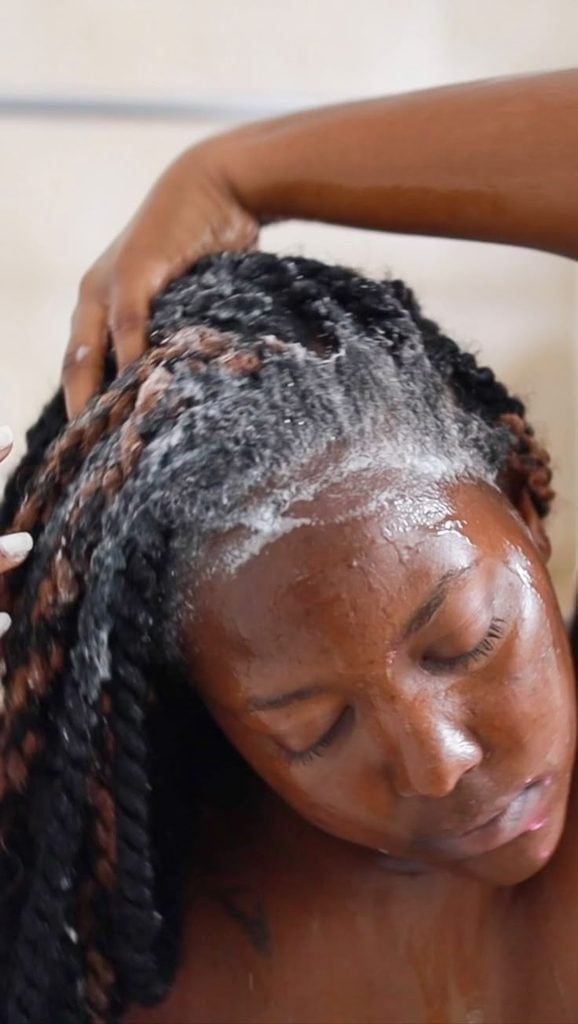
Using these products repeatedly can make existing dryness more uncomfortable. Instead, choose a gentle shampoo that cleans your scalp without excessive stripping.
Look for formulas designed for natural hair and loc maintenance. Consider your scalp’s needs when comparing ingredients, especially if you experience frequent irritation.
You should also avoid products that consistently leave your roots feeling tight or uncomfortable after washing.
When washing, concentrate on your scalp rather than aggressively rubbing your locs together. Use your fingertips to massage gently and loosen accumulated dirt.
Afterwards, rinse thoroughly because leftover shampoo can irritate your scalp. Also, avoid switching between several new shampoos within a short period. Give your scalp enough time to respond before introducing another product.
If you need additional washing guidance, read How to Wash Starter Locs Without Unravelling Them. Developing proper washing habits helps you maintain clean locs while supporting better scalp hygiene.
4. Avoid Washing Your Locs Too Frequently
Keeping your scalp clean matters, but washing your locs excessively can create another problem. Frequent washing may remove natural oils faster than your scalp can replenish them.
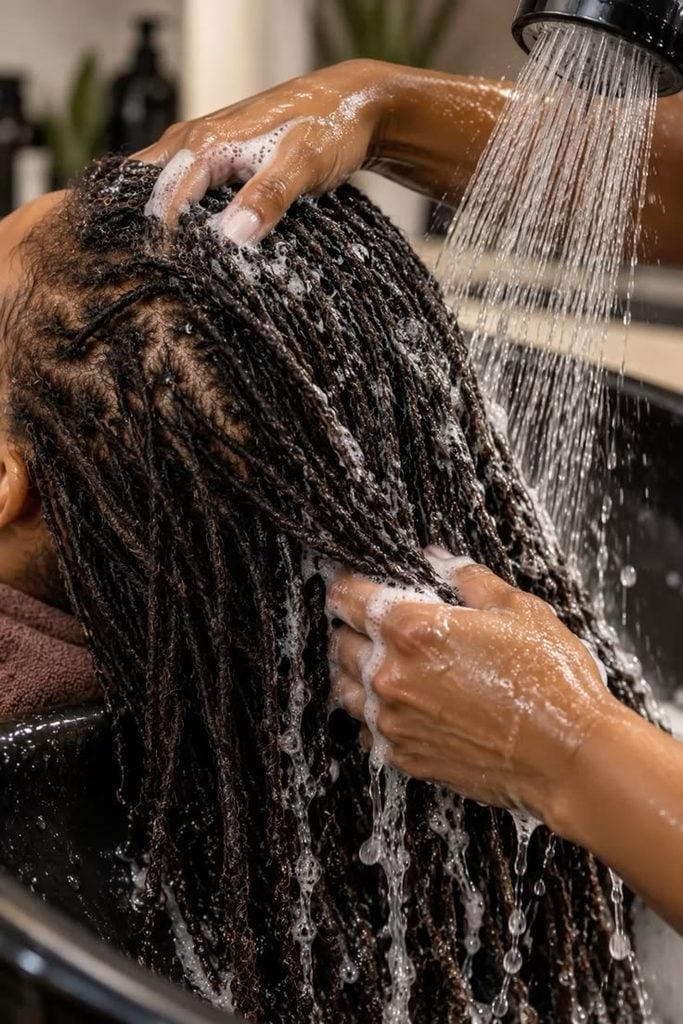
Consequently, you might experience tightness, dryness, and irritation. Instead, establish a washing schedule that considers your scalp condition, lifestyle, and loc maturity.
Someone who exercises regularly might need more frequent washing than someone with a less active routine. Your scalp’s needs should guide your decisions rather than following another person’s washing schedule.
However, don’t avoid washing because you’re afraid of disturbing your locs. Dirt, sweat, and product residue can accumulate over time.
Leaving these substances on your scalp may contribute to itching and discomfort. After washing, rinse thoroughly and allow your locs to dry completely.
Pay particular attention to your roots because trapped moisture can create unpleasant problems. You can also explore How to Maintain Your Locs Between Retightening for additional maintenance advice.
A balanced washing schedule makes preventing dry scalp with locs easier without neglecting cleanliness.
5. Avoid Applying Too Much Oil
Oil can support scalp comfort, but applying excessive amounts can create unnecessary problems. Many people assume that a dry scalp needs more oil every day.
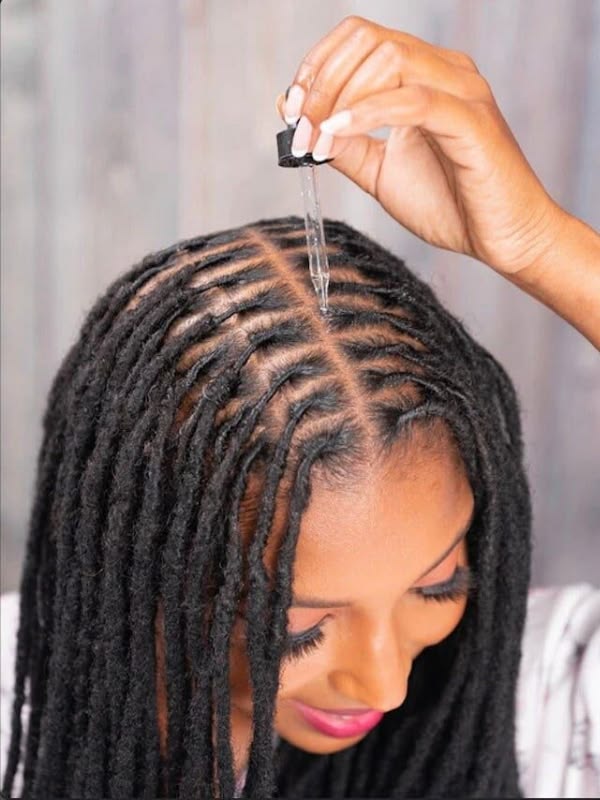
Unfortunately, this approach doesn’t always provide the hydration their scalp needs. Heavy oil applications can contribute to buildup around your roots.
They may also attract dust and dirt, especially when you combine several styling products. Eventually, your scalp might feel greasy while still experiencing dryness underneath.
Therefore, applying more oil doesn’t automatically mean you’re giving your scalp better care.
Instead, use small amounts of lightweight oil when your scalp benefits from it. Apply carefully rather than pouring oil directly over your entire head. You should also avoid mixing several oils without understanding how your scalp responds.
Remember that oil doesn’t replace water-based hydration. If your scalp feels dry, consider using a suitable moisturizing spray before applying a small amount of oil.
For more guidance, explore Best Oils for Loc Scalp Health. Understanding your options helps you choose products that support your scalp without creating unnecessary buildup.
6. Protect Your Locs While Sleeping
Your nighttime routine can influence how comfortable your scalp feels the following morning. Sleeping without protecting your locs exposes your hair to friction from cotton pillowcases and bedsheets.
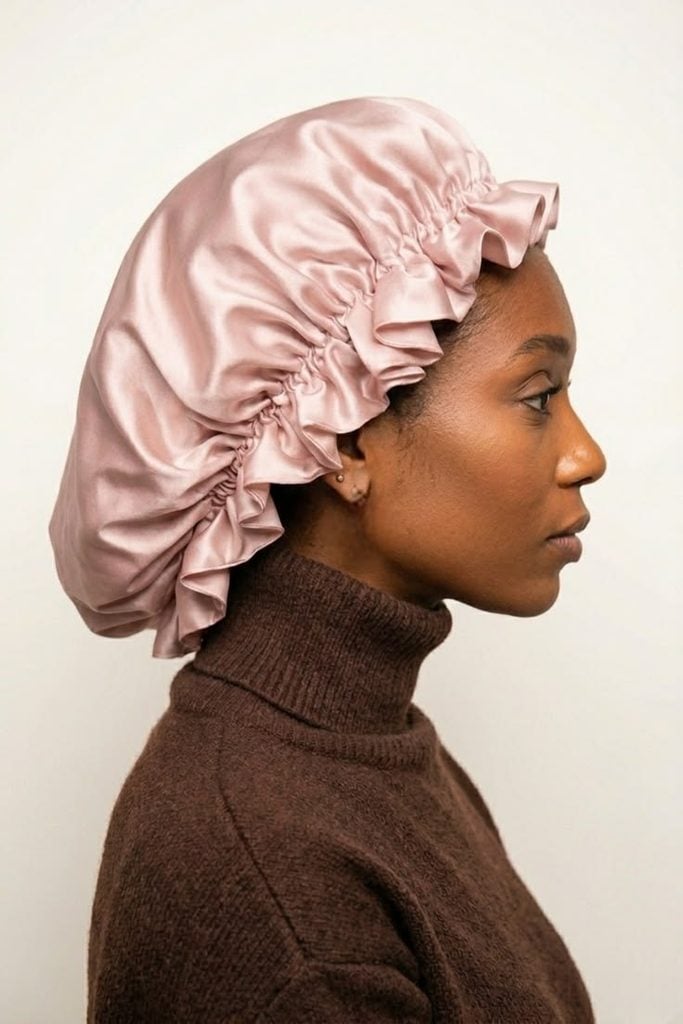
This friction can contribute to dryness, tangling, and unnecessary stress around your roots. A satin or silk bonnet provides a smoother surface for your locs overnight.
Alternatively, you can use a satin pillowcase if bonnets feel uncomfortable. Both options help reduce friction while protecting your hairstyle. Making this small change can also help your locs maintain their appearance between wash days.
Additionally, avoid tying your locs too tightly before bedtime. Tight hairstyles can place unnecessary tension on your scalp and hairline.
Choose loose, comfortable styles that allow your roots to relax. Make protecting your hair part of your regular bedtime routine because consistency makes maintenance easier.
If you want more nighttime care ideas, check out How to Sleep With Locs Without Damaging Them.
You can also explore Best Bonnets and Scarves for Locs when choosing suitable nighttime accessories.
7. Drink Enough Water Throughout the Day
Your external haircare routine matters, but your everyday hydration habits deserve attention too.

Drinking enough water supports normal body functions, including maintaining healthy skin. Although drinking water alone cannot cure scalp dryness, proper hydration supports your overall well-being.
Make water your regular drink throughout the day. Carrying a reusable water bottle can help you remember to drink consistently.
You can also include water-rich foods such as cucumbers, oranges, and watermelon in your meals. These simple habits support your general health while complementing your scalp care routine.
However, don’t expect drinking extra water to immediately eliminate dry flakes. Your scalp may need changes to your products, washing habits, or environmental exposure.
Think of hydration as one part of a complete scalp care routine. When learning how to prevent dry scalp with locs, remember that healthy habits work together.
Consistent hydration, balanced nutrition, and appropriate haircare choices support your overall well-being. Pay attention to your scalp’s condition instead of relying on one solution to address every dryness concern.
8. Avoid Scratching Your Scalp Excessively
When your scalp feels itchy, scratching might seem like the quickest way to find relief. However, aggressive scratching can damage your scalp’s surface and increase irritation.
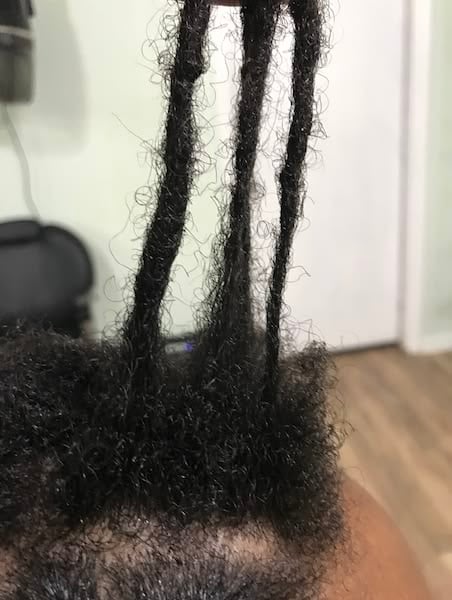
It may also introduce bacteria through small scratches, especially when your fingernails carry dirt. Instead, identify what triggers the itching before reaching for your fingernails.
Sometimes, dryness causes the discomfort. Other times, product residue, irritation, or an underlying scalp condition may contribute. Understanding the possible trigger helps you choose a more suitable solution.
Try gently massaging the affected area with clean fingertips. You can also use a suitable lightweight scalp moisturizer if dryness causes the irritation.
Avoid applying random products simply because someone recommends them online. If itching becomes persistent, painful, or severe, consider visiting a dermatologist.
Professional guidance becomes particularly important when you notice sores, swelling, or significant flaking.
For more practical solutions, read How to Stop Itchy Scalp With Locs. Addressing itching early helps prevent unnecessary scratching and further scalp irritation.
9. Be Careful With Retwisting and Tight Hairstyles
Your retwisting habits can influence the condition of your scalp. Frequent retwisting and excessive tension can cause discomfort around your roots.

Although retwisting helps maintain your preferred loc appearance, your scalp still needs enough recovery time. Avoid pulling your roots tightly during retwisting sessions.
Your locs should feel secure without causing pain or persistent tension. If you experience tenderness after every appointment, discuss gentler techniques with your loctician.
Remember that maintaining neat locs shouldn’t require putting unnecessary pressure on your scalp.
Also, avoid combining tight ponytails, heavy accessories, and freshly retwisted roots. These habits can place unnecessary pressure on sensitive areas.
Give your scalp enough time to recover before choosing elaborate hairstyles. If you regularly experience scalp discomfort after maintenance, reconsider your schedule.
Understanding Signs You Are Retwisting Your Locs Too Often can help you recognize habits that may affect your scalp. Beautiful locs shouldn’t come at the expense of your comfort, so always prioritize gentle maintenance.
10. Keep Your Locs Clean and Free From Product Buildup
Product buildup can make scalp maintenance difficult, especially when you regularly use gels, creams, oils, and styling sprays.
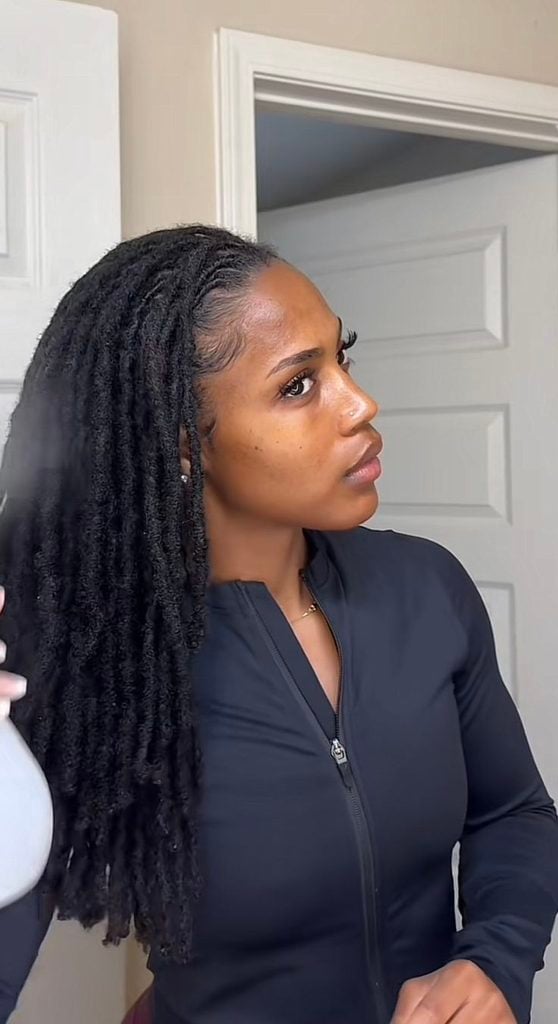
These products may accumulate around your roots and create residue that becomes uncomfortable over time. Start by simplifying your haircare collection.
You don’t need a different product for every stage of your loc routine. Choose a few suitable products and monitor how your scalp responds. Using fewer products also makes it easier to identify anything that causes irritation or discomfort.
Additionally, wash your locs thoroughly whenever your schedule requires it. Pay attention to your roots because residue often collects around these areas.
Rinse carefully and avoid leaving cleansing products behind. If your locs already contain visible residue, don’t attempt to remove everything aggressively. Harsh scrubbing can damage your scalp and disturb your loc structure.
Instead, explore How to Get Rid of Lints in Locs Without Damaging Them for additional cleaning advice. Although lint and product buildup differ, both deserve attention during regular loc maintenance.
11. Adjust Your Scalp Care During Different Seasons
Weather changes can affect how your scalp feels throughout the year. During colder months, dry air and indoor heating may contribute to moisture loss.

Meanwhile, hot weather can increase sweating and create additional cleansing needs. Therefore, your routine shouldn’t remain exactly the same throughout the year.
During winter, consider using a gentle moisturizing spray when your scalp feels dry. Protect your locs from harsh winds and avoid excessively hot showers.
These small adjustments can help you maintain a comfortable scalp when environmental conditions change.
During summer, pay attention to sweat accumulation around your roots. Wash your scalp when necessary and avoid leaving sweat trapped under heavy hairstyles.
However, don’t overload your scalp with products whenever the weather changes. Make adjustments based on your actual scalp condition rather than following unnecessary routines.
For seasonal maintenance ideas, explore 15 Ways to Maintain Your Locs in Winter and 15 Ways to Protect Your Locs in Summer. Understanding seasonal changes helps you maintain a practical routine throughout the year.
12. Build a Simple and Consistent Scalp Care Routine
The easiest way to prevent dry scalp with locs is to develop a routine you can maintain. You don’t need complicated treatments or expensive products.
Instead, focus on cleansing, hydration, protection, and regular scalp observation. Create a schedule around your washing frequency and moisturizing needs.
Check your scalp regularly for dryness, flakes, irritation, and unusual changes. When something feels uncomfortable, identify the possible cause before introducing another product.
This approach helps you avoid unnecessary experimentation while making your maintenance routine easier to follow.
Also, remember that your scalp might need different care as your locs mature. Starter locs, microlocs, and mature traditional locs don’t always require identical maintenance approaches.
If you’re still developing your routine, How to Care for Your Locs the Right Way offers a useful starting point.
You can also explore Common Locs Problems and How to Fix Them when you need help understanding other maintenance challenges.
Most importantly, remain patient with your scalp. Consistency often matters more than constantly experimenting with new products.
Final Thoughts
Learning how to prevent dry scalp with locs doesn’t have to feel complicated. You can maintain a comfortable scalp by developing simple habits and choosing products that suit your haircare needs.
Start with gentle cleansing, regular hydration, and lightweight moisturizing products. Additionally, protect your locs while sleeping and avoid excessive scratching, tight hairstyles, and unnecessary product buildup. These small changes can make your loc maintenance routine much easier.
Remember that every scalp responds differently to haircare products and routines. What works perfectly for someone else might not work for you.
Therefore, pay attention to changes in your scalp and adjust your routine when necessary. If dryness, itching, or flaking persists despite proper care, consider consulting a dermatologist.
Most importantly, give your scalp consistent attention instead of waiting until discomfort becomes unbearable. Healthy locs start with a scalp that receives the care and attention it deserves.