Why Your Locs Are Unraveling and How to Fix It
Disclosure: Some of the links in this post are affiliate links. This means if you click on the link and purchase an item, I will receive an affiliate commission at no extra cost to you. All opinions remain my own. I only recommend products or services I believe will add value to my readers.
One of the most frustrating things about having locs is watching them slowly unravel after putting so much effort into maintaining them.
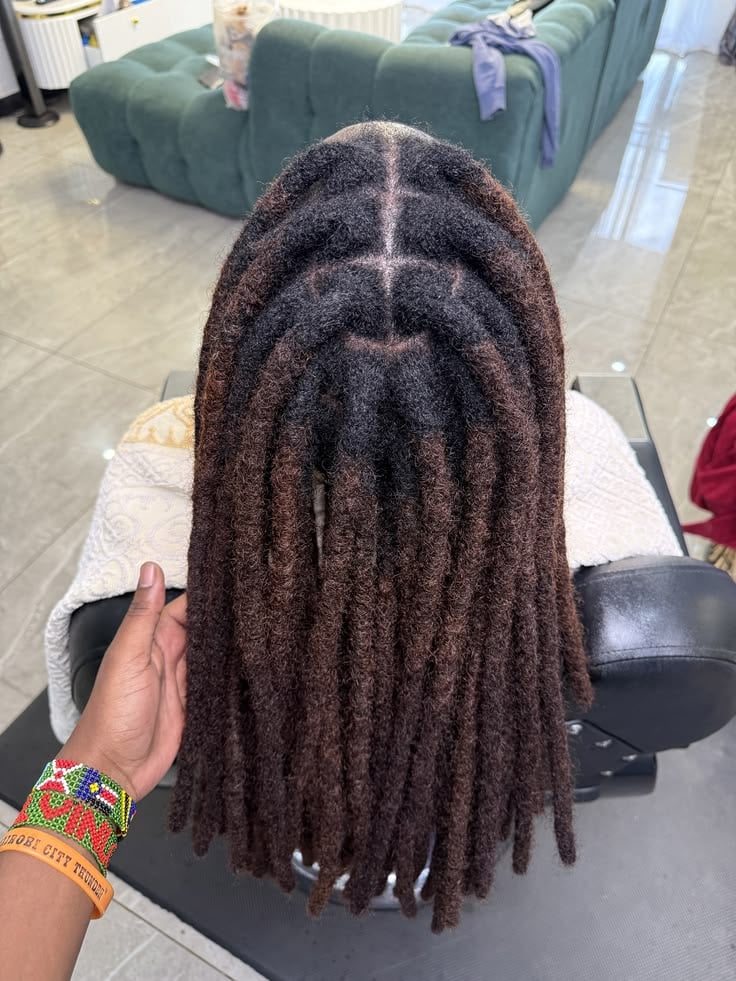
You might notice loose ends, unraveling roots, or entire sections that no longer hold their original shape. Even worse, the problem may keep returning despite your efforts to keep your hair neat.
If you are experiencing this, you are probably wondering what you are doing wrong. Perhaps your locs unravel every time you wash your hair, or they become loose shortly after retwisting. You may even feel tempted to keep twisting them back into place because you want them to look neat again.
However, constant unraveling does not always mean your loc journey is going badly. Your hair texture, starting method, washing routine, and everyday habits can all influence how well your locs hold together.
Understanding these factors is the first step toward fixing the problem without creating additional damage.
For beginners, knowing what to expect in the first 3 months of your loc journey can make it easier to recognize normal changes during the locking process.
It is also worth understanding different methods of starting locs, since some techniques require more maintenance while your hair gradually begins to lock.
In this guide, we will explore why your locs are unraveling and how to fix it. You will discover practical solutions, common mistakes to avoid, and simple maintenance habits that help your locs become stronger and more secure over time.
Why Your Locs Are Unraveling and How to Fix It
1. Your Locs Are Still in the Early Stages of Locking
One of the biggest reasons locs unravel is that the hair has not fully matured. Starter locs need time to develop and hold their structure. During the early stages, the strands are still forming the knots and tangles that eventually create firm locs.
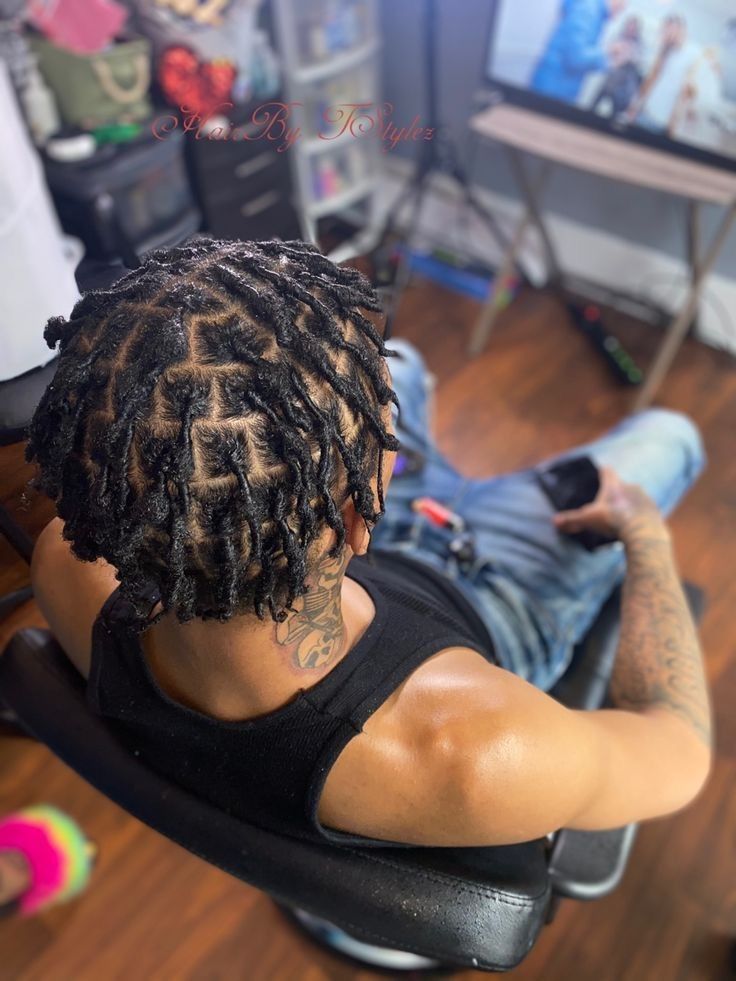
This is particularly common with comb coils, two-strand twists, and other starter methods. Your locs may look neat immediately after installation, but everyday activities can gradually loosen them.
Washing, sweating, sleeping, and touching your hair can also affect how well they stay together.
If your locs are only a few weeks or months old, occasional unraveling does not necessarily indicate a problem. However, repeatedly manipulating them can make the situation worse.
How to fix it:
- Give your starter locs enough time to mature naturally.
- Avoid constantly twisting or separating the hair.
- Keep your hands away from your locs unless necessary.
- Follow a consistent maintenance routine.
- Ask an experienced loctician to assess locs that repeatedly unravel.
If you are unsure about your progress, read Signs Your Locs Are Locking Properly (And When to Worry) to understand what healthy locking looks like.
2. Washing Your Locs Too Frequently or Incorrectly
Washing is essential for maintaining a healthy scalp and clean locs. However, your washing technique can contribute to unraveling, particularly when your locs are still young.
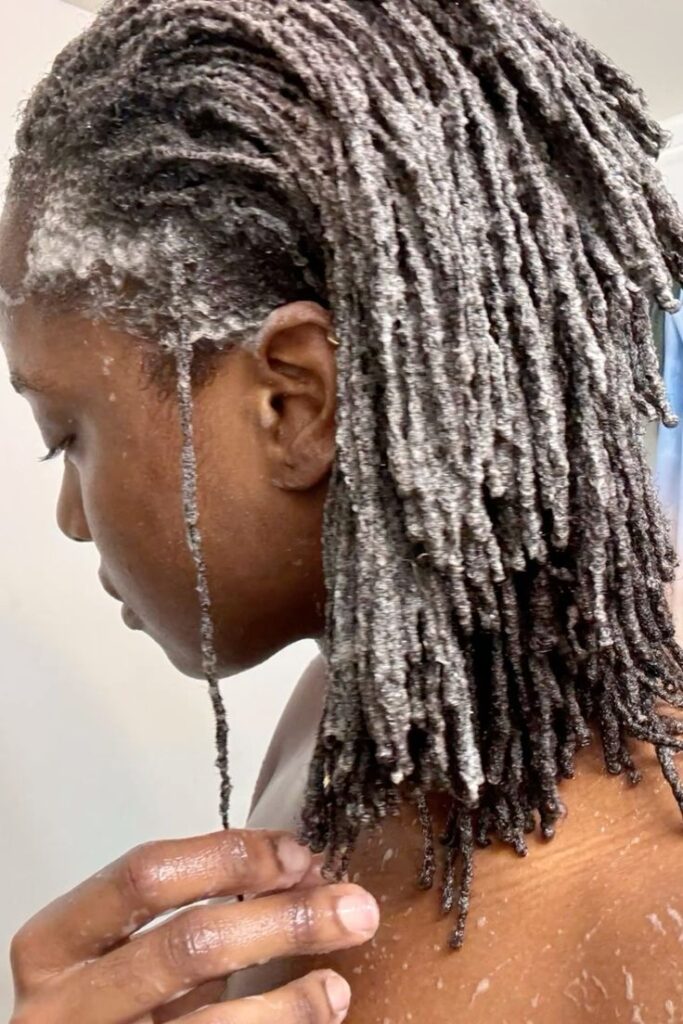
When you wash starter locs, water and shampoo can loosen the twists or coils holding the hair together.
This does not mean you should avoid washing your hair completely. Instead, you need to understand how to cleanse your scalp without disturbing the structure of your locs.
For example, rubbing your hair aggressively, scratching your scalp with your fingernails, or scrubbing individual locs can loosen freshly formed coils. Using excessive water pressure can also make delicate starter locs more difficult to manage.
How to fix it:
- Wash your hair gently without aggressively rubbing your locs.
- Use a residue-free shampoo suitable for locs.
- Avoid unnecessary manipulation during washing.
- Consider using a stocking cap designed for washing starter locs.
- Allow your hair to dry completely after washing.
You should also avoid keeping your locs damp for extended periods. Proper drying helps prevent unpleasant odors and moisture-related problems.
For a more detailed routine, check out How to Wash Starter Locs Without Unravelling Them (Step by Step Guide).
3. Your Hair Texture Is Making Your Locs Loosen
Hair texture can influence how easily your locs hold their shape. Some hair textures naturally grip and tangle more easily, while others have smoother strands that may take longer to form secure locs.
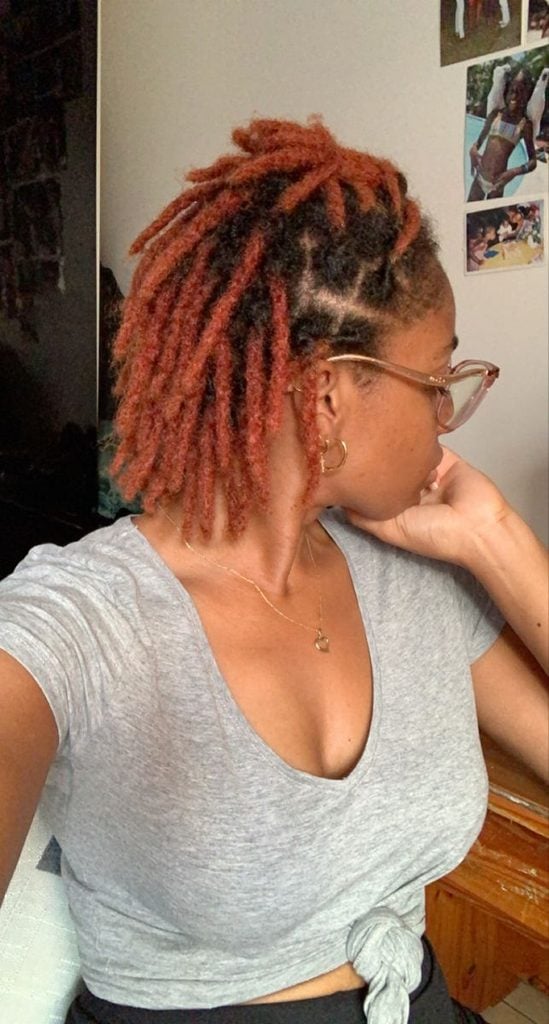
If you have soft, silky, or loosely textured hair, you might notice your starter locs unraveling more frequently. This can happen because the strands do not hold together as easily during the early locking stages.
However, this does not mean you cannot achieve healthy, beautiful locs. It simply means your starting technique and maintenance routine may require some adjustments.
How to fix it:
- Choose a starting method suitable for your hair texture.
- Avoid excessive moisturizing that leaves your hair slippery.
- Give your locs enough time to develop.
- Avoid frequent retwisting to force your hair into shape.
- Consult a loctician familiar with your hair texture.
If you have softer hair and are considering starting locs, explore Best Starter Locs Method For Soft Hair before choosing your technique.
4. You Are Constantly Touching and Manipulating Your Locs
It can be tempting to touch your locs throughout the day, especially when you are still getting used to your new hairstyle.
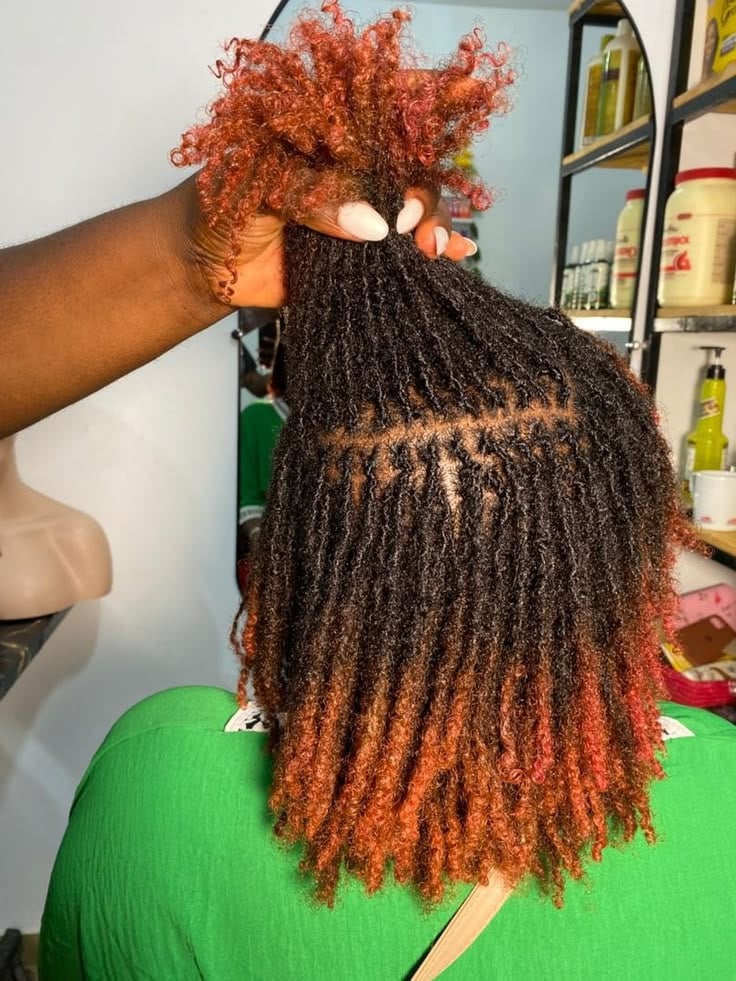
You might find yourself twisting loose sections, pulling at stray hairs, or checking whether your roots are locking properly.
Unfortunately, constant manipulation can prevent your locs from settling into place.
Every time you twist, pull, or separate your locs unnecessarily, you disturb the strands that are gradually forming together. This can make certain sections loose and increase the chances of unraveling.
Furthermore, excessive handling can cause frizz and unnecessary tension around your roots.
How to fix it:
- Develop a habit of leaving your locs alone.
- Avoid twisting loose sections every few hours.
- Separate neighboring locs gently when necessary.
- Choose simple hairstyles that require little manipulation.
- Protect your hair while sleeping.
If you struggle with maintaining your locs without constantly touching them, try following How to Care for Your Locs the Right Way: A Complete Guide for Healthy, Long Lasting Hair.
5. Your Locs Are Not Being Retwisted Properly
Another reason your locs may keep unraveling is improper retwisting. Although retwisting helps maintain neat roots, the technique used can influence how well your locs hold their shape.
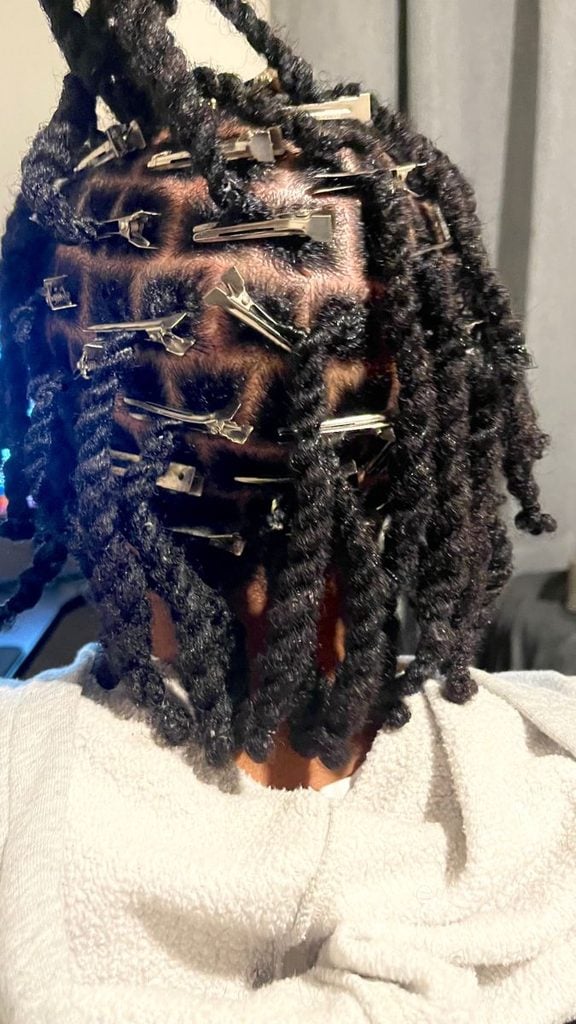
For example, twisting your roots without securing them properly may cause the new growth to loosen quickly. Similarly, using the wrong technique for your loc type can make maintenance less effective.
However, retwisting too frequently is not the solution. Excessive retwisting can weaken your roots, cause thinning, and increase breakage over time.
Your goal should be maintaining healthy roots while allowing your locs enough time to mature naturally. You should also understand that starter locs and mature locs may require different maintenance schedules.
How to fix it:
- Learn the correct retwisting technique for your loc type.
- Avoid twisting your roots too tightly.
- Do not retwist every time you notice new growth.
- Use minimal products during maintenance.
- Visit an experienced loctician when you are unsure about your technique.
If you maintain your hair at home, explore How to Retwist Your Locs Properly at Home for practical guidance.
6. You Are Using Too Much Oil and Moisturizing Products
Moisturizing your locs is important, but using excessive products can create problems, especially when your locs are still forming.
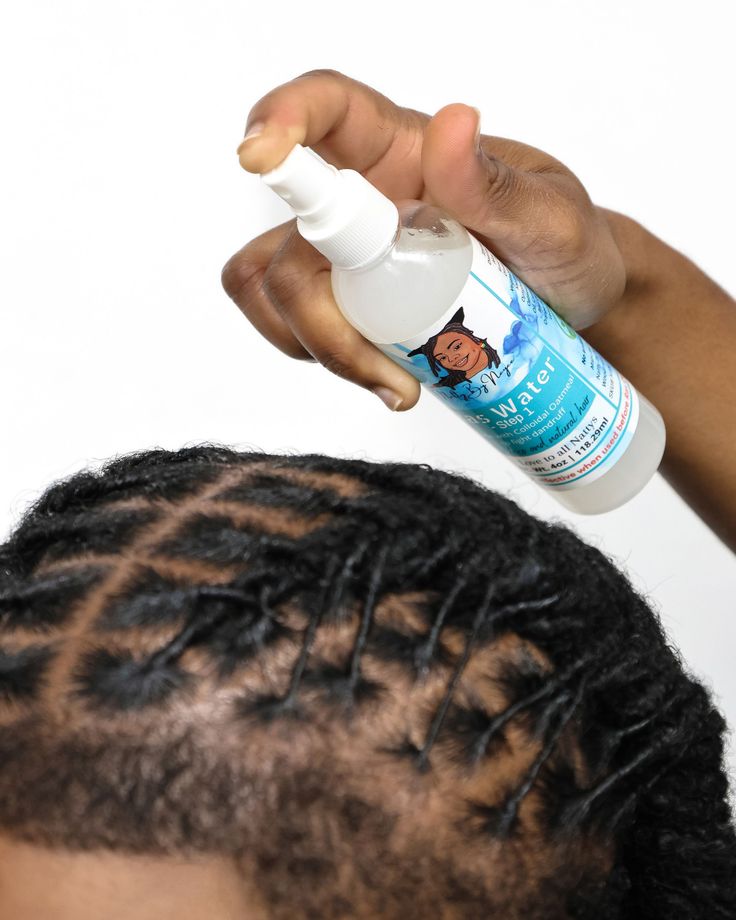
Heavy oils, thick creams, and greasy leave-in products can coat your strands. This may make your hair slippery and interfere with the natural friction that helps strands hold together.
Additionally, product buildup can collect inside your locs over time. This can make your hair feel heavy, dirty, and difficult to maintain.
You might notice that your locs become loose shortly after applying certain products. If this happens repeatedly, your product choices may be contributing to the problem.
How to fix it:
- Use lightweight moisturizing products.
- Avoid applying heavy creams directly to starter locs.
- Apply small amounts of oil when necessary.
- Keep your scalp clean and properly moisturized.
- Pay attention to how your hair responds to different products.
Remember that healthy locs do not need to feel greasy to remain moisturized.
For better product choices, read Best Oils and Moisturizers for Starter Locs (What Actually Works).
7. Your Locs Are Getting Wet Without Proper Protection
Water plays an important role in hair care, but frequent exposure to water can affect the structure of newly formed locs.
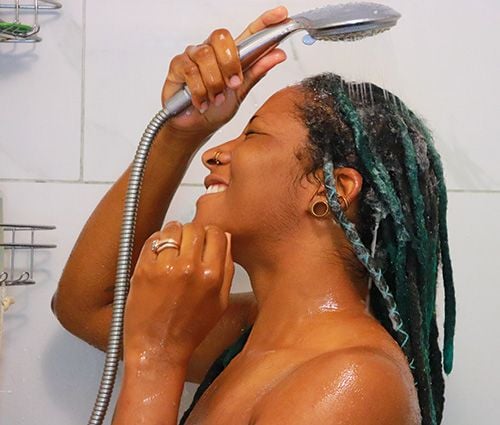
When starter locs become wet, the strands can swell and loosen. This is particularly noticeable with comb coils because their original structure may become disturbed during washing or prolonged exposure to moisture.
Swimming, heavy sweating, rainy weather, and frequent washing can also expose your locs to moisture.
However, avoiding water completely is not healthy for your scalp. Instead, focus on protecting your hairstyle while maintaining proper hygiene.
How to fix it:
- Wear a suitable swimming cap when swimming.
- Protect your hair from excessive rain exposure.
- Dry your locs thoroughly after washing.
- Avoid going to bed with wet locs.
- Use a breathable covering when necessary.
You can also explore 15 Ways to Protect Your Locs in Summer for practical ways to protect your hairstyle during warmer months.
8. You Are Sleeping Without Protecting Your Locs
Your nighttime routine can affect how well your locs maintain their structure. Sleeping without protecting your hair exposes it to friction from your pillowcase, sheets, and bedding.

As you move during the night, your locs rub against these surfaces. This can create frizz, loosen delicate starter locs, and disturb newly maintained roots.
Cotton pillowcases can be particularly rough on hair because they absorb moisture and create friction.
Although this might seem like a small issue, repeating the habit every night can make your maintenance routine less effective.
How to fix it:
- Wear a satin or silk bonnet before sleeping.
- Use a satin pillowcase as additional protection.
- Avoid sleeping with wet locs.
- Choose comfortable coverings that do not pull your roots.
- Keep longer locs arranged comfortably before bedtime.
A consistent nighttime routine can help your locs remain protected between maintenance sessions.
For more helpful advice, read How to Sleep With Locs Without Damaging Them.
9. Your Starter Locs Were Not Secured Properly During Installation
Sometimes, unraveling begins because your locs were not installed securely in the first place. The starting technique, section size, and amount of hair used can influence how well your locs hold together.
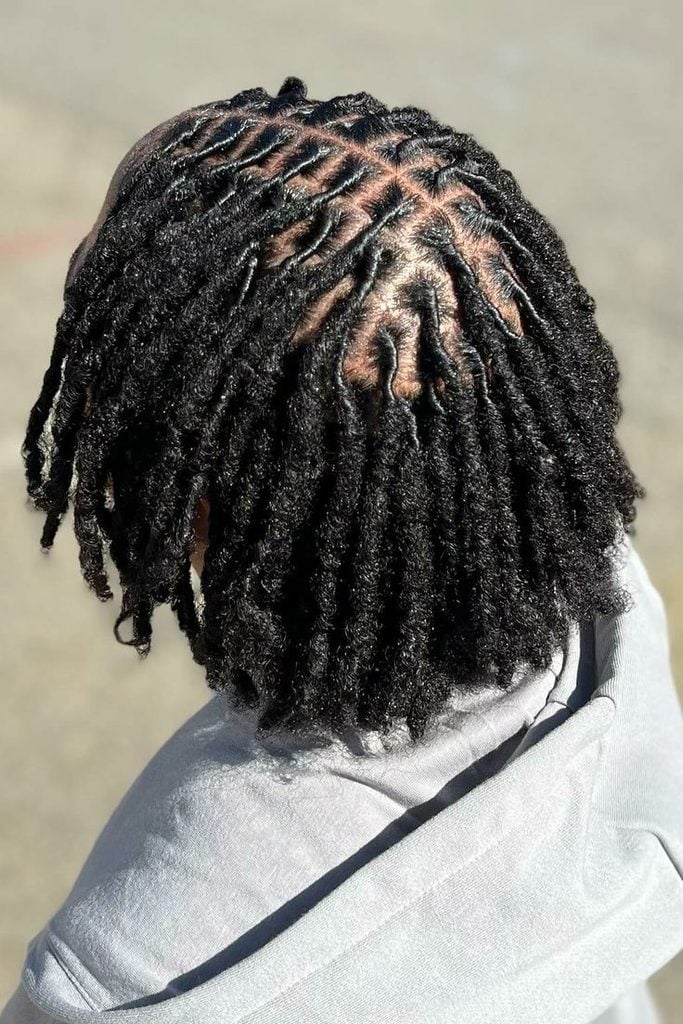
For instance, loosely installed comb coils may unravel more easily, especially when your hair is soft or freshly washed. Similarly, poorly secured two-strand twists can loosen before the locking process begins.
This does not necessarily mean your loctician did a poor job. Some hair textures naturally require additional care during the early stages.
How to fix it:
- Have your installation technique assessed by an experienced loctician.
- Avoid repeatedly reinstalling the same locs.
- Choose a suitable starting method for your hair texture.
- Allow your locs to settle before attempting major corrections.
- Address sections that repeatedly unravel before they become difficult to maintain.
If you are planning to restart or improve your loc installation, read Starter Locs Mistakes That Can Ruin Your Loc Journey to avoid common beginner mistakes.
10. Your Locs Are Experiencing Excessive Friction
Friction is another factor that can contribute to unraveling. Your locs constantly interact with clothing, accessories, towels, bedding, and other surfaces throughout the day.
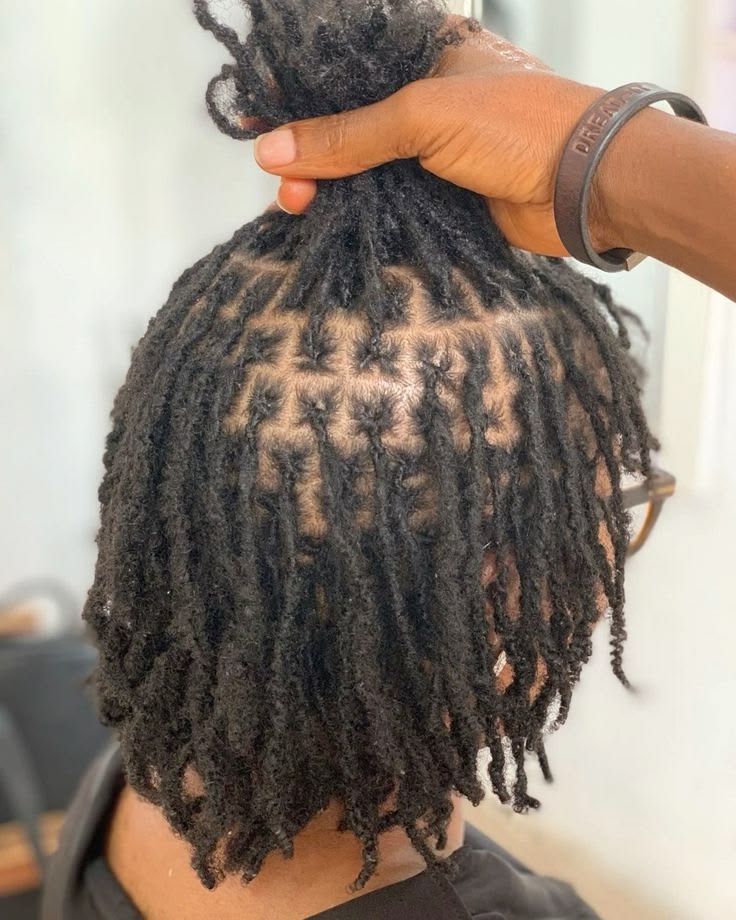
This becomes more noticeable when you wear tight clothing around your neck or frequently use rough towels on your hair.
Additionally, constantly rubbing your locs while drying them can disturb loose strands and weaken newly formed sections.
How to fix it:
- Pat your locs gently with a microfiber towel.
- Avoid rubbing your hair aggressively after washing.
- Wear comfortable clothing that does not constantly snag your locs.
- Protect your hair when exercising or sleeping.
- Avoid unnecessary pulling and friction.
Small adjustments to your everyday habits can make maintaining your locs much easier.
11. You Are Separating Your Locs Incorrectly
Separating your locs is important because neighboring sections can sometimes grow together. However, pulling them apart carelessly can disturb the roots and cause unraveling.
This is especially common among beginners who notice their locs joining together and immediately try to separate them using excessive force.
The problem becomes worse when you pull at the roots while the hair is wet or tangled.
How to fix it:
- Separate neighboring locs gently using your fingers.
- Work through tangled areas slowly.
- Avoid pulling individual locs away from the scalp.
- Ask your loctician to handle stubborn areas.
- Maintain consistent separation during your regular hair routine.
Understanding How to Part Your Hair Properly for Starter Locs (Beginner-Friendly Guide) can also help you appreciate why proper sectioning matters from the beginning.
12. Your Locs Need Professional Attention
Sometimes, unraveling continues despite making changes to your maintenance routine. When this happens, professional guidance can help you identify the underlying problem.
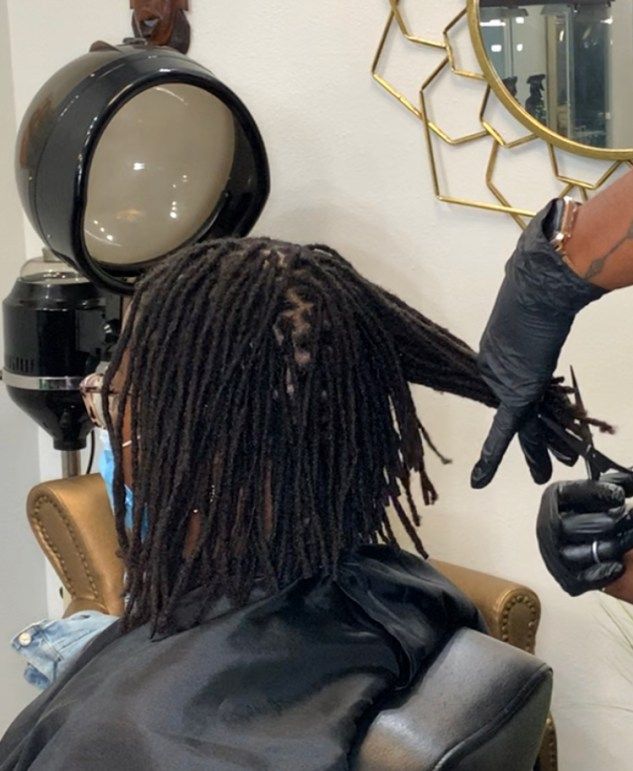
Your locs might have weak sections, inconsistent installation, thinning roots, or damage from previous maintenance practices.
Trying to fix everything yourself can sometimes make the situation worse. For example, repeatedly crocheting, twisting, or pulling loose sections without understanding the cause may weaken your hair.
How to fix it:
- Book an assessment with an experienced loctician.
- Explain when and where the unraveling started.
- Show them the sections that repeatedly loosen.
- Ask if your current maintenance technique needs adjustment.
- Follow a suitable repair and maintenance plan.
If you are unsure who to trust with your hair, explore How to Choose the Best Loctician before booking your next appointment.
How to Prevent Your Locs From Unraveling Again
Fixing unraveling is important, but preventing it from happening repeatedly will make your loc journey easier.
Here are some habits worth incorporating into your routine:
1. Be patient with starter locs: Give your hair enough time to develop and mature naturally.
2. Follow a gentle washing routine: Clean your scalp without aggressively rubbing or pulling your locs.
3. Avoid excessive products: Heavy creams and thick oils can interfere with your maintenance routine.
4. Protect your hair at night: Use satin or silk coverings to reduce friction while sleeping.
5. Avoid excessive retwisting: Give your roots enough time to recover between maintenance sessions.
6. Keep your scalp healthy: Maintain cleanliness and address persistent itching, irritation, or dandruff.
7. Choose suitable hairstyles: Avoid tight styles that pull on your roots or weaken delicate locs.
8. Avoid constant manipulation: Let your locs develop without repeatedly twisting or pulling them.
9. Dry your locs properly: Never leave your hair damp for unnecessarily long periods.
10. Seek professional advice: Get assistance when unraveling becomes frequent or affects several sections.
For additional maintenance advice, explore How to Maintain Your Locs Between Retightening and How to Maintain Locs Without a Loctician.
When Should You Worry About Unraveling Locs?
Not every loose strand requires immediate attention. However, certain changes deserve closer examination.
Occasional unraveling in starter locs can be part of the early locking process. On the other hand, repeated unraveling in mature locs may indicate an underlying maintenance issue.
Pay attention if you notice:
- Entire locs repeatedly coming apart.
- Roots becoming unusually thin.
- Excessive breakage around unraveling sections.
- Locs becoming weak near the middle or ends.
- Persistent scalp irritation or discomfort.
- Previously mature locs suddenly losing their structure.
If you notice significant thinning, breakage, or scalp problems, consult an experienced loctician or dermatologist as appropriate.
Avoid trying to force weak locs back together with excessive twisting. The priority should always be protecting your existing hair.
Final Thoughts
Dealing with unraveling locs can be frustrating, especially when you have invested time and effort into your hair. However, it does not mean your loc journey is failing. Sometimes, your hair simply needs more patience, gentle handling, and a better maintenance routine.
Start by identifying what is causing the unraveling instead of immediately twisting every loose section. Adjust your washing habits, reduce unnecessary manipulation, protect your hair while sleeping, and choose products that work well with your loc type.
Most importantly, remember that healthy locs develop gradually. Give your hair the time it needs, seek professional assistance when necessary, and avoid comparing your progress with someone else’s.
With consistent care and the right techniques, you can reduce unnecessary unraveling and give your locs a better opportunity to mature beautifully.