How Much Loc Maintenance Really Costs
When I started my loc journey, I thought paying for the installation would be the biggest expense. I carefully saved for that appointment and felt completely prepared. A few weeks later, I realized the journey had only begun.
Retwists, shampoos, oils, satin bonnets, and occasional repairs slowly became part of my routine. That experience taught me that How Much Loc Maintenance Really Costs goes far beyond the price of getting your locs started.
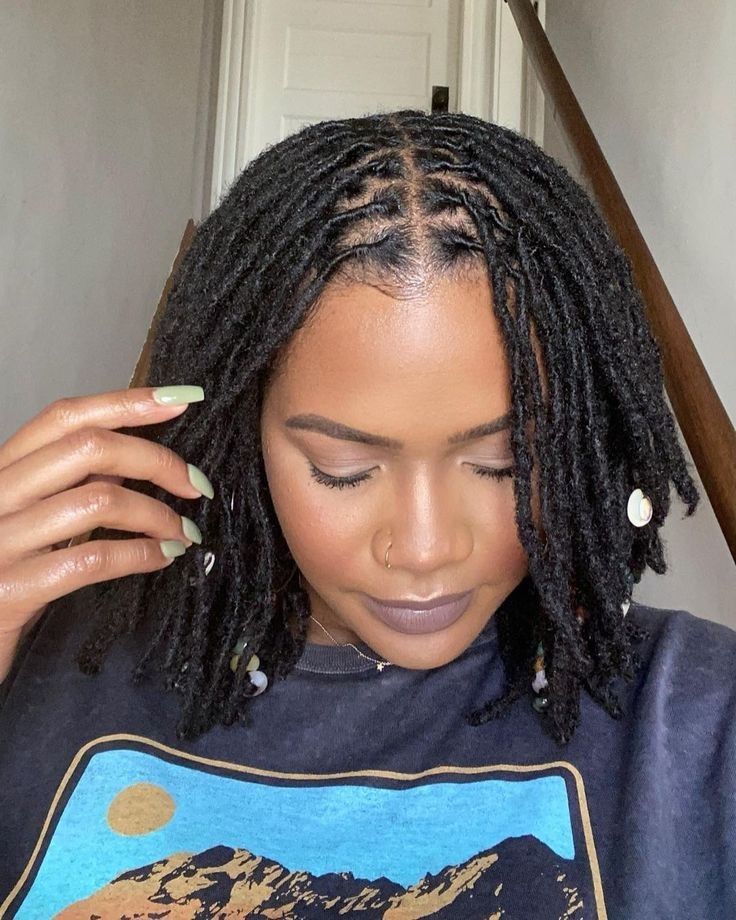
It’s about understanding the ongoing investment before making the commitment. If you’re still planning your journey, be sure to read How to start your locs journey the right way to avoid expensive beginner mistakes.
Many people search this topic because they’re worried about the long-term cost of keeping locs healthy. Some fear they won’t be able to afford regular salon visits, while others wonder if they can maintain beautiful locs on a budget.
The truth is that maintenance costs vary depending on your routine, hair type, products, and whether you visit a loctician or care for your locs yourself.
Before taking the next step, Everything you need before starting your locs journey will help you understand the commitment beyond the installation appointment.
The good news is that healthy locs don’t always require a huge monthly budget. With the right habits, a simple routine, and smart spending, you can keep your locs looking their best without overspending.
In this guide, you’ll learn How Much Loc Maintenance Really Costs, the expenses many beginners overlook, and practical ways to save money while keeping your locs healthy for years to come.
What Really Determines How Much Loc Maintenance Really Costs?
One of the biggest surprises for many people is that there isn’t one fixed answer to How Much Loc Maintenance Really Costs.
Some people spend less than $30 each month, while others spend more than $250. The difference comes down to your maintenance routine, where you live, the products you use, and whether you visit a loctician regularly or maintain your locs at home.
1. Your Starter Loc Method Matters
The method you choose affects your future maintenance schedule and costs. Comb coils usually need more frequent retwists during the early months, while two-strand twists may hold longer between appointments.
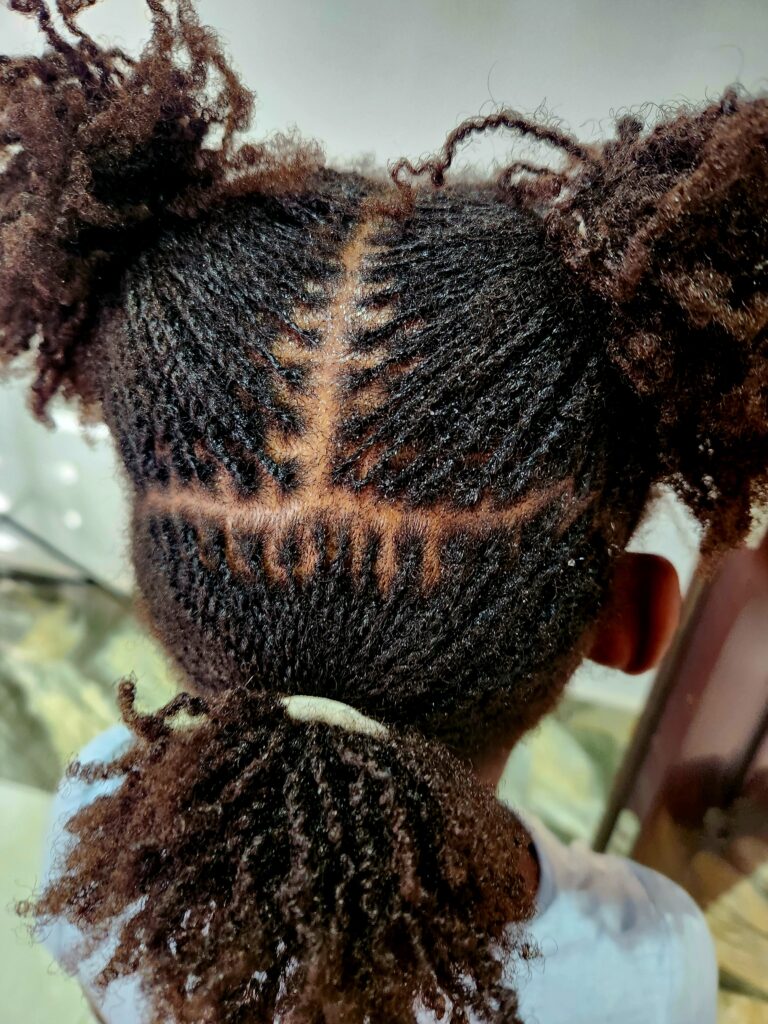
Interlocked locs often have a different maintenance routine, and freeform locs generally require fewer salon visits.
Choosing the right foundation can save you both time and money later. If you’re still deciding, check out Different Methods of Starting Locs to compare your options before making a commitment.
2. Professional Maintenance Costs
For many people, retwists are the biggest ongoing expense. Most locticians recommend maintenance every four to eight weeks, depending on your hair type and lifestyle.
Typical salon services may include:
- Shampoo and scalp cleansing
- Retwist or interlocking
- Drying
- Basic styling
- Scalp treatment
The average price usually falls between $50 and $150 per appointment, although prices can be much higher for longer or thicker locs. If you frequently add styles after every retwist, your yearly maintenance costs can increase quickly.
3. Hair Length and Loc Size Affect Pricing
As your locs grow, maintenance often takes longer. More time means higher salon fees. Thick locs, extra-long locs, or a high number of locs usually require additional work.
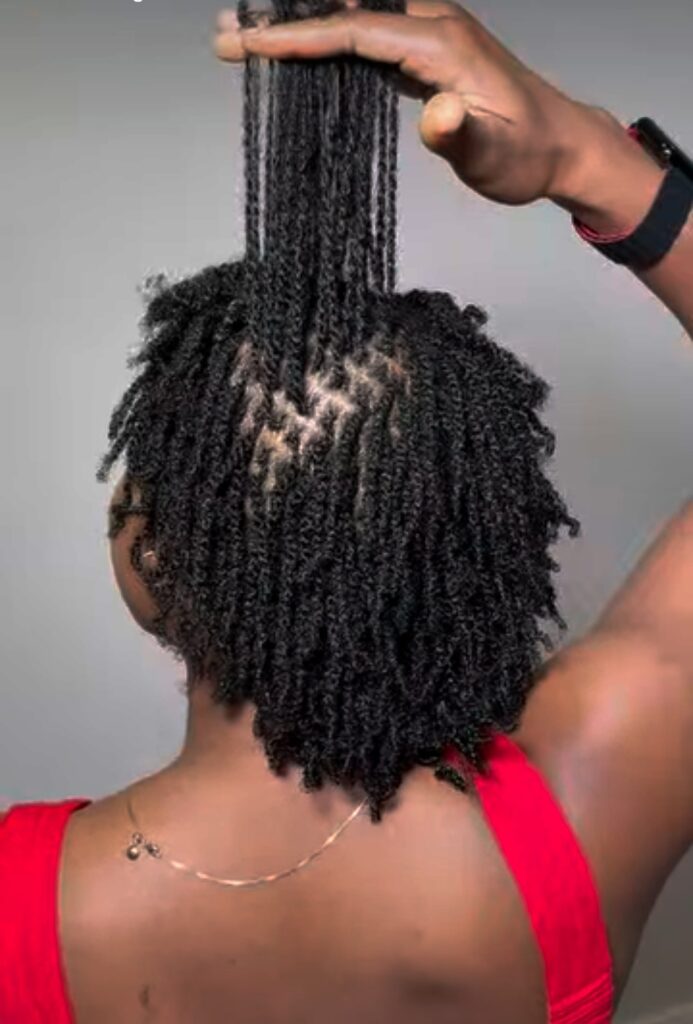
People with microlocs or Sisterlocks often pay even more because maintaining hundreds of tiny locs requires patience and specialized training. Before choosing either option, read Microlocs vs Sisterlocks: Differences, Cost, and Maintenance Explained to understand the long-term financial commitment.
4. Maintenance Products Add Up
Many beginners underestimate how much they will spend on products throughout the year. Although each item may seem inexpensive, replacing them regularly increases your total budget.
Common maintenance products include:
- Lightweight oils
- Moisturizing sprays
- Clarifying shampoo
- Residue-free shampoo
- Satin bonnet or scarf
- Satin pillowcase
- Spray bottle
- Edge brush
- Hair clips for sectioning
Buying only quality products that your locs truly need can help you avoid wasting money on items that promise quick results but deliver very little.
5. DIY Maintenance Can Save You Hundreds
If you’re willing to learn a few basic skills, maintaining your locs at home can significantly reduce your yearly expenses. Many people spend hundreds of dollars less simply by washing, moisturizing, and doing simple retwists themselves.

@Jody
While professional appointments are still helpful occasionally, you don’t have to rely on a salon for every step of your routine.
Learning basic maintenance also gives you more flexibility with your schedule. If you’re interested in caring for your hair yourself, How to Maintain Locs Without a Loctician is a great guide to help you build confidence.
6. Hidden Costs Many Beginners Forget
When people calculate How Much Loc Maintenance Really Costs, they often focus only on retwists. Unfortunately, several hidden expenses can appear throughout the year.
These may include:
- Repairing broken locs
- Treating dandruff or dry scalp
- Replacing worn satin bonnets
- Purchasing new moisturizing products
- Deep cleansing treatments
- Removing lint buildup
- Emergency salon visits before special events
Planning for these occasional expenses makes it easier to stick to your budget without feeling caught off guard.
7. Seasonal Hair Care Expenses
Your loc routine may change with the seasons, and so will your spending.
During summer, you may need extra moisturizing products because heat, swimming, and frequent washing can dry out your locs. Winter often requires richer oils and better protection against dry air.

Preparing for seasonal changes helps prevent unnecessary damage and expensive repairs later. For helpful tips, read 15 Ways to Protect Your Locs in Summer and 15 Ways to Maintain Your Locs in Winter to keep your routine simple all year.
8. Maintenance Costs for Special Occasions
Birthdays, weddings, graduations, and vacations often increase your hair budget. Many people book professional styling appointments before important events, adding extra costs beyond their regular maintenance.
You might pay for:
- Fresh retwist
- Updo styling
- Barrel twists
- Petal buns
- Pipe cleaner curls
- Hair accessories
- Professional finishing
These services can easily double the cost of a normal maintenance appointment, so it’s wise to include them in your yearly budget if you attend special events regularly.
9. Healthy Habits Reduce Long-Term Costs
One of the easiest ways to save money is by preventing problems before they start. Healthy locs require fewer repairs, fewer emergency appointments, and fewer expensive treatments.

Simple habits include:
- Moisturizing consistently
- Sleeping with a satin bonnet
- Avoiding heavy product buildup
- Keeping your scalp clean
- Protecting your hair while swimming
- Limiting unnecessary retwists
If you’re unsure how often to hydrate your hair, How Often Should You Moisturize Locs? explains how to maintain healthy locs without overdoing it.
Likewise, How to Care for Your Locs the Right Way: A Complete Guide for Healthy, Long-Lasting Hair provides a complete routine that can help you avoid costly mistakes.
10. Is Maintaining Locs Actually Expensive?
The honest answer is that it depends on your lifestyle. If you visit a loctician every month, pay for premium products, and style your locs regularly, your annual maintenance bill can become quite high.
On the other hand, if you learn basic maintenance skills, use quality products sparingly, and protect your locs daily, you can keep your costs surprisingly low.
Think of loc maintenance as an investment rather than an expense. Healthy locs don’t happen by chance. They result from consistent care and good habits.
Spending a little on proper maintenance today can help you avoid paying much more for repairs later.
For example, ignoring new growth for too long may lead to thinning roots, while excessive retwisting can weaken your locs over time. Understanding the right balance saves both your hair and your money.
If you’re unsure about your maintenance schedule, read How Often Should You Retwist Mature Locs? and Signs You Are Retwisting Your Locs Too Often to avoid unnecessary appointments and damage.
Ways to Reduce Your Loc Maintenance Costs
If you’re trying to keep your budget under control, these simple habits can make a big difference:
- Learn to wash your locs at home.
- Moisturize regularly to prevent dryness.
- Buy quality products instead of many products.
- Protect your locs while sleeping.
- Stretch your maintenance appointments when appropriate.
- Avoid unnecessary styling every month.
- Fix small problems before they become expensive repairs.
- Follow a consistent care routine.
Small savings each month can add up to hundreds of dollars over a year.
Final Thoughts
Understanding How Much Loc Maintenance Really Costs helps you make informed decisions before and after starting your loc journey.
While there are ongoing expenses, locs don’t have to drain your finances. The key is creating a routine that fits both your hair’s needs and your budget.
The more you learn about proper maintenance, the fewer costly mistakes you’ll make. Whether you choose professional appointments, home maintenance, or a combination of both, consistency will always be more valuable than spending large amounts of money.
To continue saving money while keeping your locs healthy, don’t miss How to Make Your Retwist Last Longer for tips on extending each maintenance session.
You should also read How to Retwist Locs Without Causing Breakage to protect your locs while avoiding expensive repairs in the future.