
How to Prevent Loc Breakage
Disclosure: Some of the links in this post are affiliate links. This means if you click on the link and purchase an item, I will receive an affiliate commission at no extra cost to you. All opinions remain my own. I only recommend products or services I believe will add value to my readers.
Learning how to prevent loc breakage often becomes important after you notice one thin loc hanging by a few strands. At first, you may ignore it. You might tell yourself that one weak loc is nothing serious.
Then another loc starts thinning near the root. Soon, you notice short broken pieces on your clothes, pillow, or bathroom floor. That moment can feel frustrating, especially when you have spent months or years growing your locs.
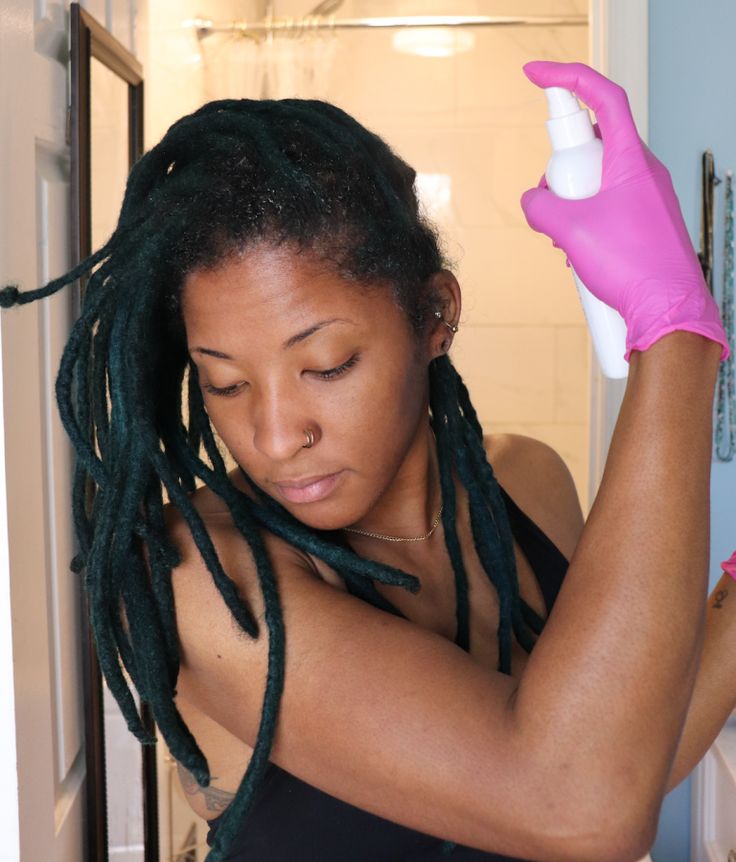
You may moisturize regularly, wear protective styles, and still wonder why your locs keep snapping. The truth is that loc breakage rarely happens without a reason. Sometimes, the problem comes from dryness.
Other times, tight hairstyles, frequent retwisting, buildup, poor habits, or weak roots slowly damage your locs. Even something as simple as sleeping without protecting your hair can increase friction over time.
Understanding how to prevent loc breakage means looking beyond the broken loc itself. You need to discover what weakened your hair before the break happened. For some people, the problem started at the beginning of their journey.
Choosing an unsuitable starting method can affect how your locs develop and handle daily manipulation. If you are still early in your journey, read How to Start Your Locs Journey the Right Way.
It can help you build healthier habits before small problems become difficult to correct. My biggest concern with breakage was not losing one loc. It was wondering if the same thing would eventually happen to the rest of my hair.
That fear can make you afraid to style, wash, retwist, or even touch your locs. Yet avoiding your hair completely will not solve the problem. Your locs need consistent care, but they also need gentle treatment.
The goal is finding the balance between maintaining your locs and constantly manipulating them. Learning how to prevent loc breakage starts with recognizing the warning signs early.
A loc may become unusually thin in one area. Another may feel dry, weak, or lighter than the surrounding locs. You might also notice thinning roots after wearing tight styles repeatedly.
These small changes deserve attention before the loc finally snaps. Your daily routine matters more than occasional emergency treatments. Healthy locs grow stronger when you moisturize correctly, reduce unnecessary tension, and maintain a suitable retwisting schedule.
Your starting method can also influence your maintenance needs. If you are still deciding between smaller and larger locs, explore Microlocs vs Traditional Locs – Which Is Right for You.
Understanding those differences can help you choose a loc type that suits your lifestyle and maintenance expectations. The good news is that you can change many habits that contribute to breakage.
You do not need an overflowing shelf of expensive products. Instead, you need to understand what your locs actually require.
In this guide, you will learn how to prevent loc breakage through practical habits that support stronger roots and healthier lengths. We will discuss moisture, retwisting, styling tension, buildup, nighttime protection, washing, and other common causes of weakness.
Most importantly, you will learn how to protect your progress without becoming afraid of your own hair. Your locs should feel like something you can enjoy, not something you constantly worry about losing.
With the right routine, you can reduce unnecessary damage and give your locs a stronger foundation for continued growth.
Why Do Locs Break in the First Place?
Before learning how to prevent loc breakage, you need to understand why your locs become weak. Locs rarely break overnight without warning. Usually, repeated stress slowly weakens the hair until the loc can no longer hold together.
Dryness remains one of the most common causes. When your locs lack moisture, the hair becomes brittle and less flexible. As a result, normal styling or manipulation can cause weak areas to snap.
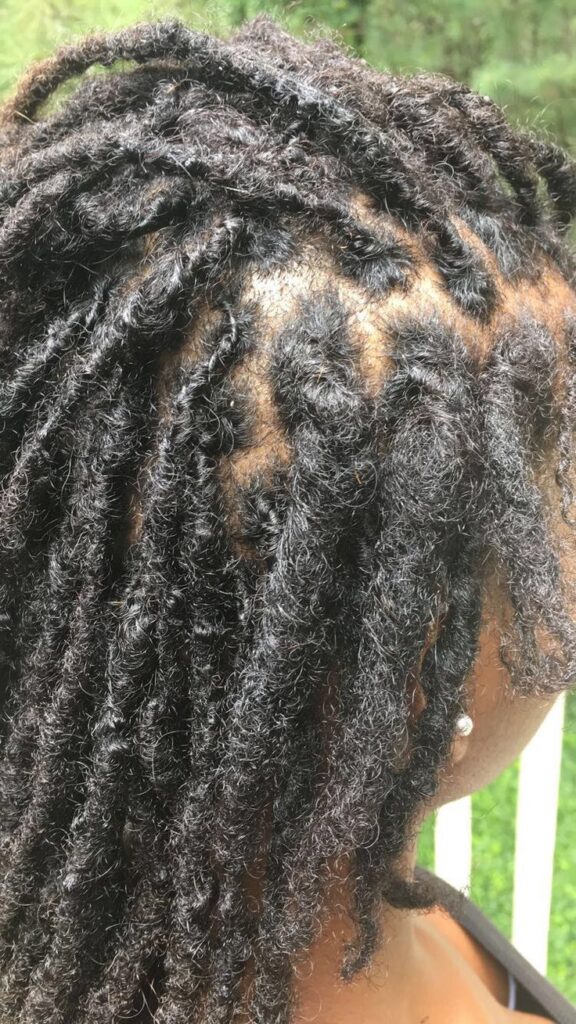
Tight hairstyles can create another serious problem. Constant pulling places unnecessary pressure on your roots and hairline. Over time, some locs may become thinner where the tension occurs most often.
Product buildup, excessive retwisting, rough handling, and poor nighttime protection can also contribute to damage. If you regularly experience several hair concerns, explore Common Locs Problems and How to Fix Them. You may discover that breakage connects with another problem you have overlooked.
1. Keep Your Locs Properly Moisturized
Moisture plays a major role when learning how to prevent loc breakage. Dry locs can become stiff, rough, and fragile. They may eventually snap during styling, washing, or everyday movement.
Start with a lightweight moisturizing routine that works for your hair. Water should usually play an important role because oil alone does not provide moisture.
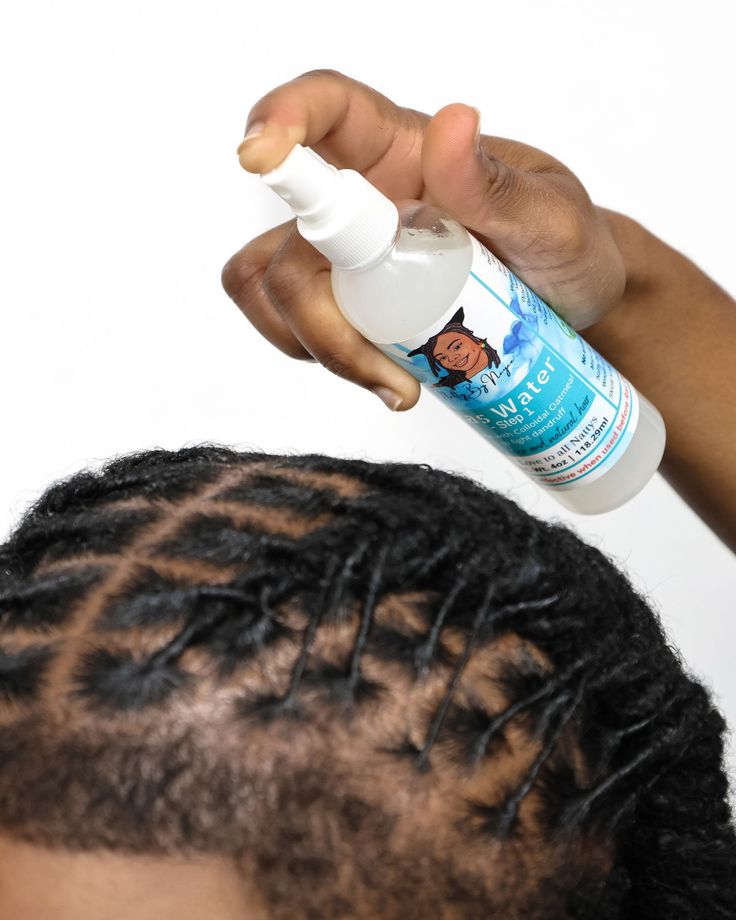
You can lightly mist your locs when they feel dry. Afterward, use a suitable lightweight product to help reduce moisture loss. Still, avoid soaking your locs with heavy products every day. Too much product can create buildup inside the loc.
Your ideal routine may depend on your climate, hair texture, loc size, and daily activities. Read How Often Should You Moisturize Locs? if you struggle to find the right schedule. The goal is soft, flexible locs without constant product overload.
2. Stop Retwisting Your Locs Too Frequently
A fresh retwist can make your locs look incredibly neat. Unfortunately, constantly chasing that fresh appearance can weaken your roots. Frequent retwisting repeatedly manipulates the same delicate area. Over time, your roots may become thinner and unable to support the loc.
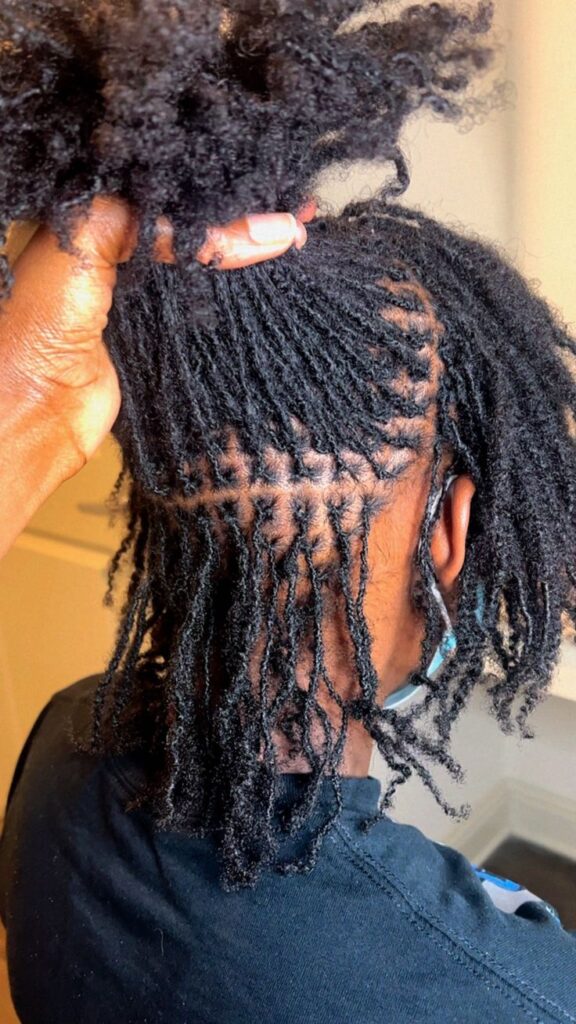
This problem can happen gradually. You may not notice the damage until one loc looks significantly smaller near the scalp. Learning how to prevent loc breakage means giving your roots enough time to recover between maintenance sessions. Your schedule should consider your loc maturity, growth rate, and maintenance method.
If your roots always feel sore after maintenance, examine your technique and frequency. The guide on Signs You Are Retwisting Your Locs Too Often can help you recognize early warning signs. A neat appearance should never come at the expense of healthy roots.
3. Learn a Gentle Retwisting Technique
Frequency matters, but your technique matters too. Pulling, twisting, or clipping your locs too tightly can create unnecessary tension. Some people believe tighter retwists last longer. Unfortunately, extreme tension can leave the scalp sore and weaken the roots.
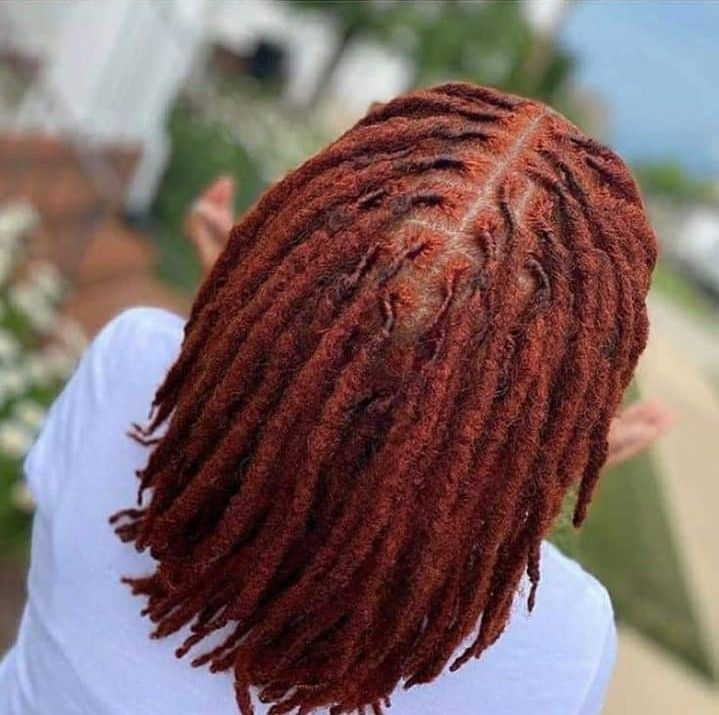
You should not need to endure pain for neat locs. A gentle retwist should organize new growth without aggressively pulling the hair. When maintaining your hair yourself, work slowly and avoid twisting beyond what feels comfortable.
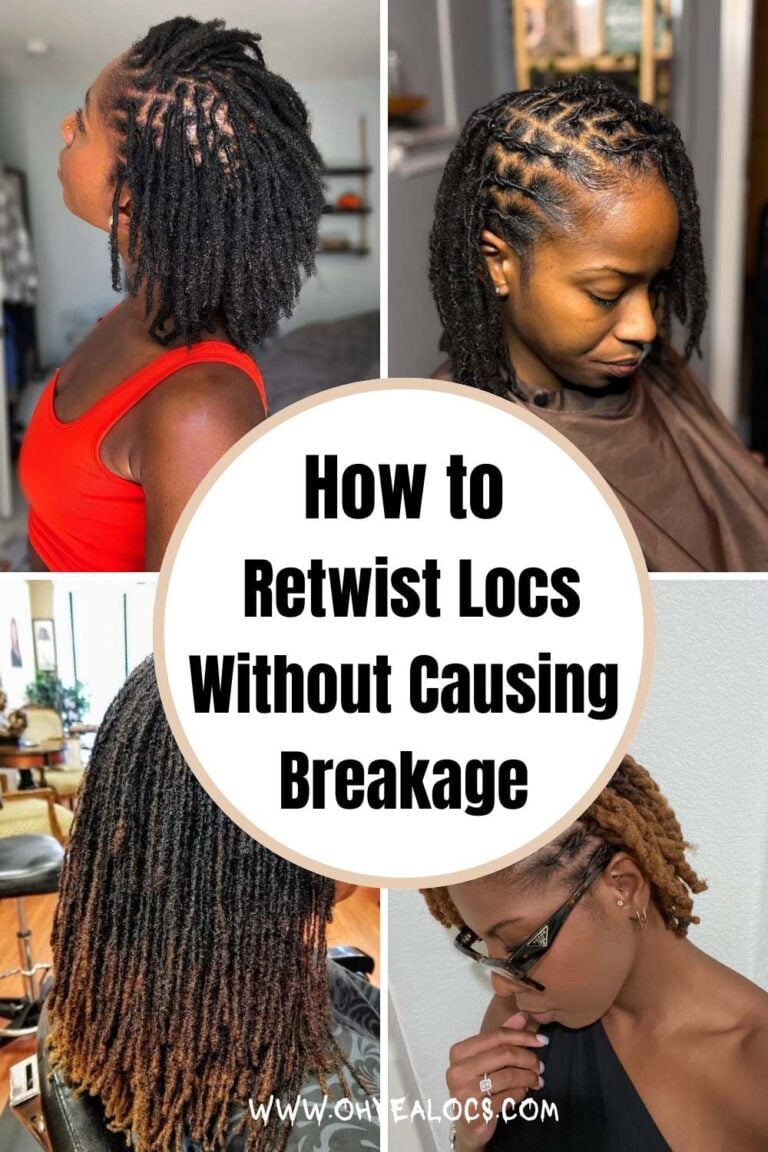
For detailed guidance, read How to Retwist Locs Without Causing Breakage. That guide can help you maintain a cleaner appearance while protecting vulnerable areas.
4. Avoid Constant Tight Hairstyles
Styling your locs can be one of the most enjoyable parts of your journey. Still, wearing tight styles repeatedly can slowly weaken your hair.
High ponytails, tight buns, and heavily pulled updos can place pressure on specific locs. The hairline often experiences the most stress. Your nape and temple areas may also become vulnerable because those hairs are naturally delicate.
Choose styles that feel comfortable from the moment you wear them. If a style causes headaches, scalp soreness, or excessive pulling, loosen it. You can still enjoy beautiful hairstyles without sacrificing your roots.
Try Low Tension Loc Styles That Protect Your Hairline when you want attractive options with less pulling. Giving your locs regular styling breaks can also reduce repeated stress.
5. Protect Your Locs While Sleeping
Your nighttime routine can influence your loc health more than you realize. Cotton bedding can create friction as you move during sleep. That repeated rubbing may increase dryness, frizz, and gradual weakening.

Cover your locs with a satin or silk bonnet, scarf, or suitable nighttime accessory. You can also use a smooth pillowcase for additional protection. Make sure your locs are not pulled into an extremely tight nighttime style. A loose arrangement usually creates less tension.
Long locs may need gentle securing to prevent excessive pulling while you turn. Small protective habits can make a noticeable difference over several months. When learning how to prevent loc breakage, protecting your hair during sleep should become part of your routine.
6. Keep Product Buildup Under Control
More products do not always create healthier locs. Heavy creams, waxes, thick butters, and excessive oils can collect inside your hair. This buildup may become difficult to remove completely. Over time, your locs can feel heavy, dull, or coated.
Heavy buildup may also make proper cleansing more difficult. Use products carefully and choose formulas that suit loc maintenance. Pay attention to how your hair feels after washing. Clean locs should not remain coated with a thick, sticky residue.
Some visible particles may also come from lint rather than products. If this becomes a problem, read How to Get Rid of Lints in Locs Without Damaging Them. Removing debris carefully matters because aggressive picking can weaken the hair.
7. Wash Your Locs Without Rough Handling
Clean hair supports a healthy loc journey. Still, rough washing can create unnecessary stress. Avoid aggressively scratching your scalp with your fingernails. Instead, use your fingertips and gentle movements. Focus on cleaning your scalp while allowing the shampoo to move through your locs.
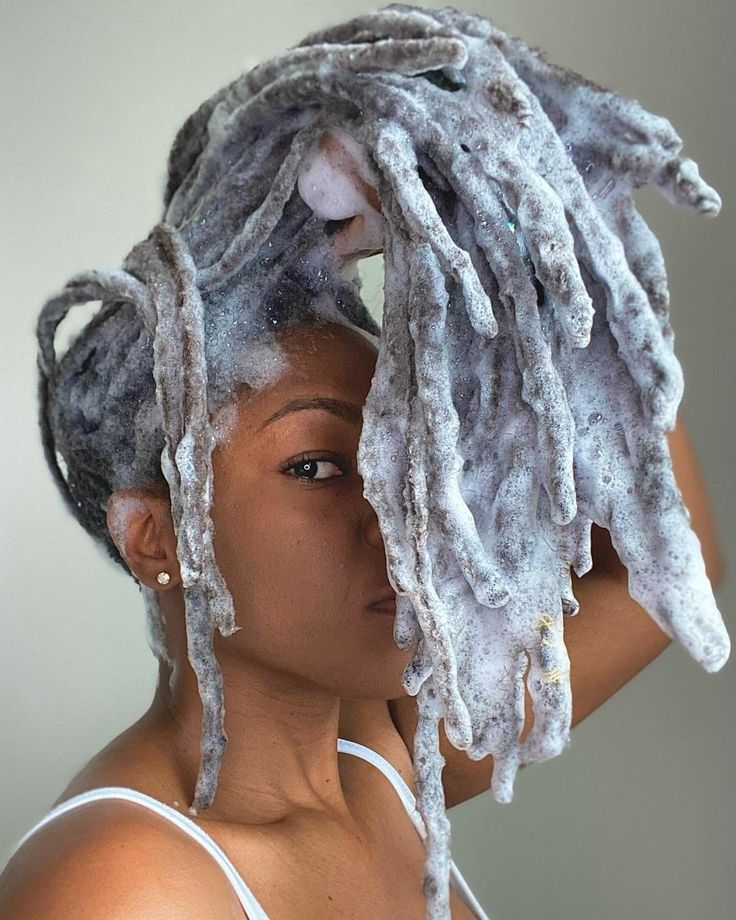
Rinse thoroughly because leftover product can contribute to buildup. After washing, avoid twisting or wringing your locs aggressively. Gently remove excess water and allow your hair to dry properly.
Starter locs require special attention because they may unravel more easily. If your locs are still developing, read How to Wash Starter Locs Without Unravelling Them. Learning the correct washing technique can protect your progress without sacrificing cleanliness.
8. Pay Attention to Weak and Thinning Locs
One important part of how to prevent loc breakage involves catching problems early. Do not wait until a loc is hanging by a few strands. Check your hair regularly. Look for thin roots, weak middle sections, unusual shedding, or dramatic changes in thickness.

Compare vulnerable locs with the surrounding hair. A weak loc may need less manipulation while you determine the cause. Sometimes, several thinning locs point toward a repeated maintenance problem. Other times, one damaged area may result from constant styling tension.
If thinning has already started, explore How to Fix Thin Locs Naturally. Early attention may help you protect vulnerable areas before more damage occurs.
9. Strengthen Weak Locs Before They Snap
Weakness does not always mean immediate breakage. Your locs may show warning signs first. They might feel unusually fragile or develop thin sections along the length. At this stage, avoid constant manipulation.
Give the weak area time and reduce anything that creates repeated tension. Your maintenance routine should focus on gentle handling and consistent care. Avoid trying several aggressive treatments at once. You need to identify the likely cause before choosing a solution.
For a deeper approach, read How to Strengthen Weak Locs. The earlier you respond to weakness, the better your chances of preventing further damage.
10. Avoid Heavy Accessories for Long Periods
Beads, cuffs, shells, and other accessories can transform a simple loc style. Still, heavy accessories can pull on weaker locs. The risk becomes greater when you wear them continuously.

Avoid placing heavy decorations on thin or fragile locs. Remove accessories carefully instead of pulling them down the hair. You should also check whether metal accessories catch individual strands. Small snags can create gradual damage.
When choosing a style, consider the weight your roots must support. Sometimes, a simple hairstyle offers the best break from constant manipulation. Explore 15 Easy Ways to Style Your Locs – No Accessory Needed for inspiration. You can still enjoy variety while giving your locs a rest.
11. Protect Your Locs From Seasonal Damage
Weather changes can affect how your locs feel. Cold air may leave your hair feeling drier than usual. Indoor heating can also reduce moisture. During colder months, pay closer attention to dryness and friction from hats or scarves. Choose smooth protective materials whenever possible.
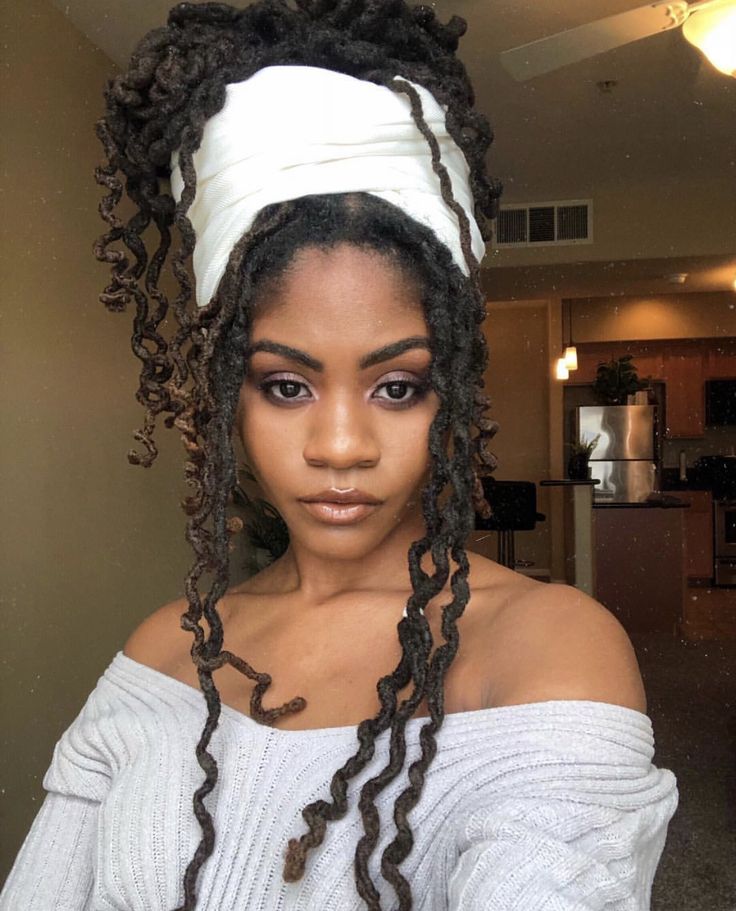
The tips in 15 Ways to Maintain Your Locs in Winter can help you adjust your routine. Summer creates different challenges. Heat, swimming, sweating, and frequent outdoor activities may increase your washing needs.
Sun exposure can also leave some locs feeling dry. Read 15 Ways to Protect Your Locs in Summer before your next hot-weather season. Seasonal adjustments are important when learning how to prevent loc breakage throughout the year.
12. Do Not Ignore Scalp Problems
Healthy loc care also includes scalp care. Persistent flakes, itching, or irritation can make you scratch constantly. Aggressive scratching may damage delicate roots. It can also make your loc routine uncomfortable.
Keep your scalp clean and pay attention to recurring changes. Avoid covering every scalp problem with heavy oils. Sometimes, adding more products only creates additional buildup.
If flakes remain a concern, read How to Get Rid of Dandruff in Your Locs. Understanding the cause can help you choose a more suitable approach. A comfortable scalp makes it easier to maintain your locs without constant picking or scratching.
13. Choose Products That Support Your Locs
Your product shelf does not need to contain dozens of bottles. Simple routines often make it easier to understand what your hair likes. Choose products that provide useful benefits without leaving excessive residue.
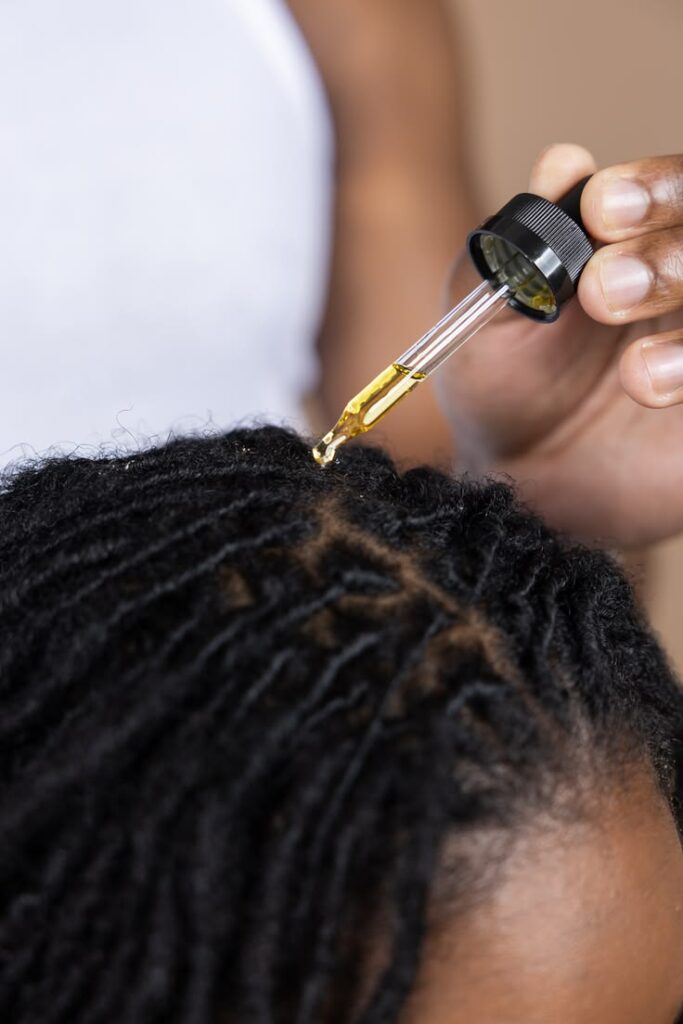
Pay attention to ingredients, consistency, and how easily each product washes away. Your locs should not feel permanently coated. When trying something new, introduce one product at a time. This approach makes it easier to identify what works.
If you are still building your routine, explore Best Oils and Moisturizers for Starter Locs: What Actually Works. A thoughtful routine can support your efforts when learning how to prevent loc breakage.
14. Avoid Damaging Habits During the Starter Stage
Starter locs can look stronger than they actually are. During this stage, your hair is still developing and changing. Constant touching, pulling, styling, and retwisting can interfere with that process.
You may feel tempted to manipulate your hair because every loc looks different. Try to resist constantly correcting every bump or loose strand. Some changes are normal during the locking process.
If you recently started your journey, read 10 Things You Should Never Do to Your Starter Locs. Understanding what to avoid can save you from unnecessary damage later.
15. Know What Healthy Locs Should Look Like
You cannot protect your locs effectively if you do not recognize healthy development. Healthy locs do not need to look perfectly identical. Some may be slightly thicker or shorter than others. Your texture can also affect how each loc develops.
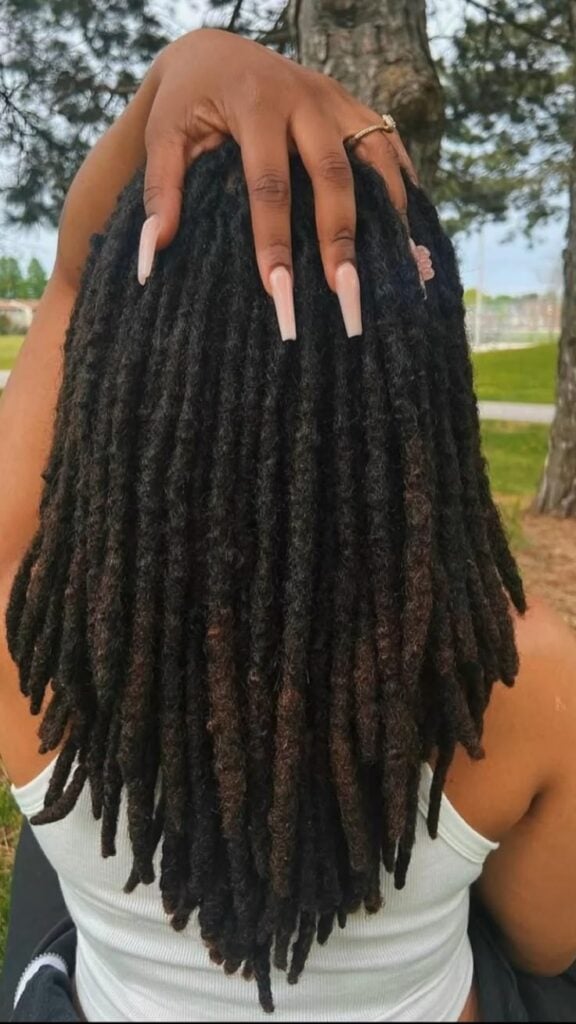
Instead of chasing perfection, pay attention to strength, flexibility, and your overall growth pattern. Look for dramatic changes rather than harmless differences.
If you are uncertain about your progress, read How to Tell If Your Starter Locs Are Healthy. Knowing what is normal can prevent unnecessary manipulation. It can also help you notice genuine warning signs earlier.
16. Stop Doing Things That Constantly Weaken Your Hair
Sometimes, preventing breakage requires removing damaging habits rather than adding more products. You might be retwisting too often. Perhaps you constantly pull your locs into the same tight ponytail. Maybe you pick at buildup using sharp objects.
Repeated small habits can eventually create significant damage. Take an honest look at your routine. Ask yourself which parts create tension, dryness, or unnecessary manipulation.
The guide on 23 Things You Should Never Do to Your Locs can help you identify habits worth changing. Learning how to prevent loc breakage becomes easier when you stop repeating the actions causing weakness.
17. Build a Consistent Loc Care Routine
Consistency usually matters more than complicated routines. Your locs need regular cleansing, appropriate moisture, gentle maintenance, and protection. You do not need to change your routine every week.
Instead, observe how your hair responds. Adjust your routine when your locs feel consistently dry, weak, or overloaded with products. A complete routine should also fit your lifestyle. If your routine feels impossible to maintain, simplify it.
For more guidance, explore How to Care for Your Locs the Right Way: A Complete Guide for Healthy, Long-Lasting Hair. Healthy habits become more effective when you can follow them consistently.
18. Give Your Locs Time to Recover
When you notice breakage, your first reaction may be panic. You may immediately buy several products or change your entire routine. Instead, identify the most likely source of the damage.
Reduce tension and unnecessary manipulation. Protect weak areas while improving your daily habits. Hair needs time to respond to better care. You may not see dramatic changes immediately.
Still, consistent improvements can create a healthier environment for future growth. Understanding how to prevent loc breakage is not about achieving perfect hair every day. It is about reducing repeated damage and supporting stronger locs over time.
Final Thoughts on How to Prevent Loc Breakage
Learning how to prevent loc breakage begins with paying closer attention to your daily habits. Dryness, tight styles, frequent retwisting, rough handling, and heavy buildup can slowly weaken your hair. Fortunately, small changes can make a meaningful difference.
Moisturize according to your hair’s needs. Wash gently and protect your locs while sleeping. Reduce tension and give vulnerable areas enough time to recover. Most importantly, respond to thinning before a loc completely breaks.
Your loc journey does not need to revolve around fear of losing length. Healthy locs come from consistent care, patience, and understanding what your hair needs. If you want stronger locs from root to tip, start changing one damaging habit today.
Your future locs will benefit from every gentle choice you make now.



6 Comments