
Signs You Are Not Retwisting Your Locs Enough
Disclosure: Some of the links in this post are affiliate links. This means if you click on the link and purchase an item, I will receive an affiliate commission at no extra cost to you. All opinions remain my own. I only recommend products or services I believe will add value to my readers.
Retwisting your locs is often seen as just a way to keep your hair looking neat and polished, but it goes far beyond appearance. In reality, retwisting plays a major role in maintaining loc health, structure, and long-term growth. When done correctly and consistently, it helps your locs mature evenly and stay strong from the roots all the way down.

However, many people with locs often find themselves confused about the process. Questions like “How often should I retwist?” or “Why do my locs look messy so fast even after maintenance?” are extremely common, especially during the starter and early maturation stages. This confusion can lead to inconsistent care routines that slowly affect the overall look and health of the locs.
I recommend this: How Often Should You Retwist Starter Locs?
This guide is here to clear that up. Instead of guessing, you’ll learn the early warning signs that you are not retwisting your locs enough, It will show you signs you are not retwisting your locs enough so that you can correct your routine before small issues turn into bigger loc problems like merging, thinning, or uneven growth.
Why Retwisting Matters for Healthy Locs
Retwisting is more than a styling choice; it is a key maintenance step that supports the foundation of your loc journey.
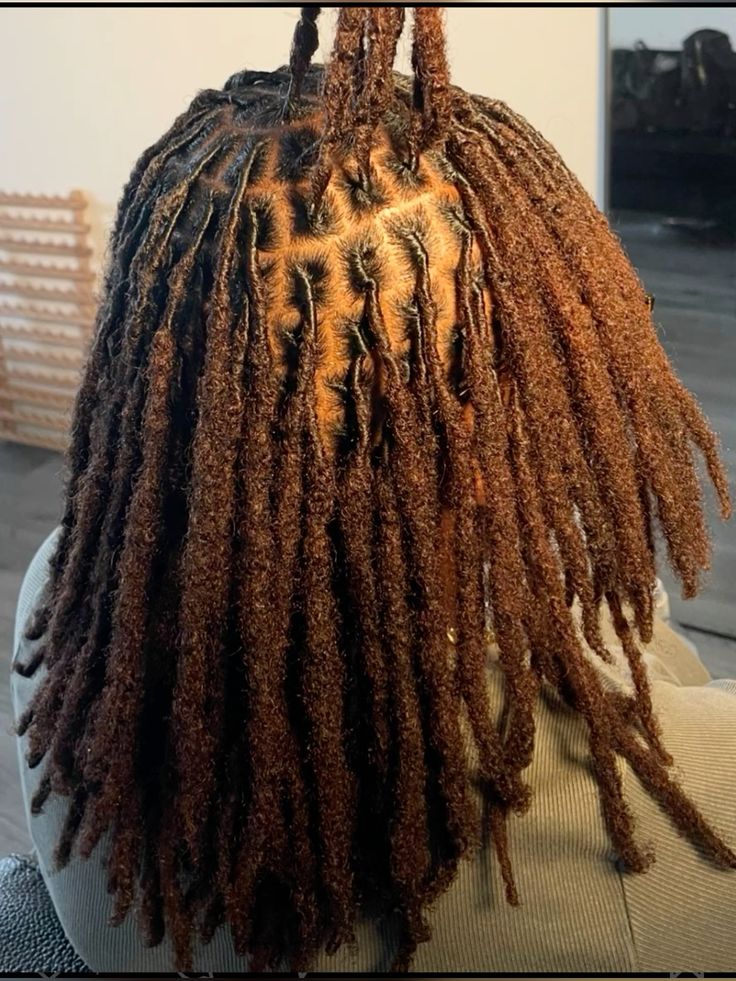
One of its most important roles is helping to maintain loc separation and prevent matting at the root. Without regular retwisting, new growth can easily blend into neighboring locs, making it difficult to keep clean, defined sections.
Save this for later: Step-by-Step Beginner Guide to Retwisting Locs
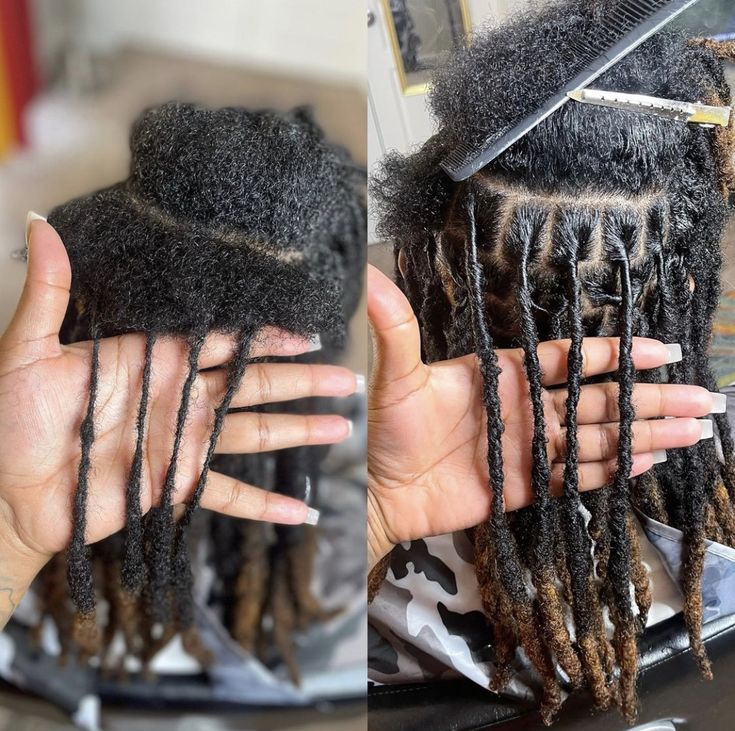
It also supports uniform loc formation, especially for starter locs. In the early stages, your hair is still learning its pattern, and retwisting helps guide it into consistent, well-formed locs rather than uneven or loosely defined strands.
Another major benefit is that it reduces tension issues caused by overgrowth or merging. When roots are left unattended for too long, they can start pulling in different directions, which may lead to discomfort or unnecessary stress on the scalp.
Finally, regular retwisting helps keep styles lasting longer and looking intentional. Instead of your locs appearing unkempt shortly after styling, proper maintenance ensures they hold their shape and structure for a longer period.
You will love this: How to Start Locs on Damaged Hair Safely
Signs You Are Not Retwisting Your Locs Enough
1. Excessive New Growth at the Roots
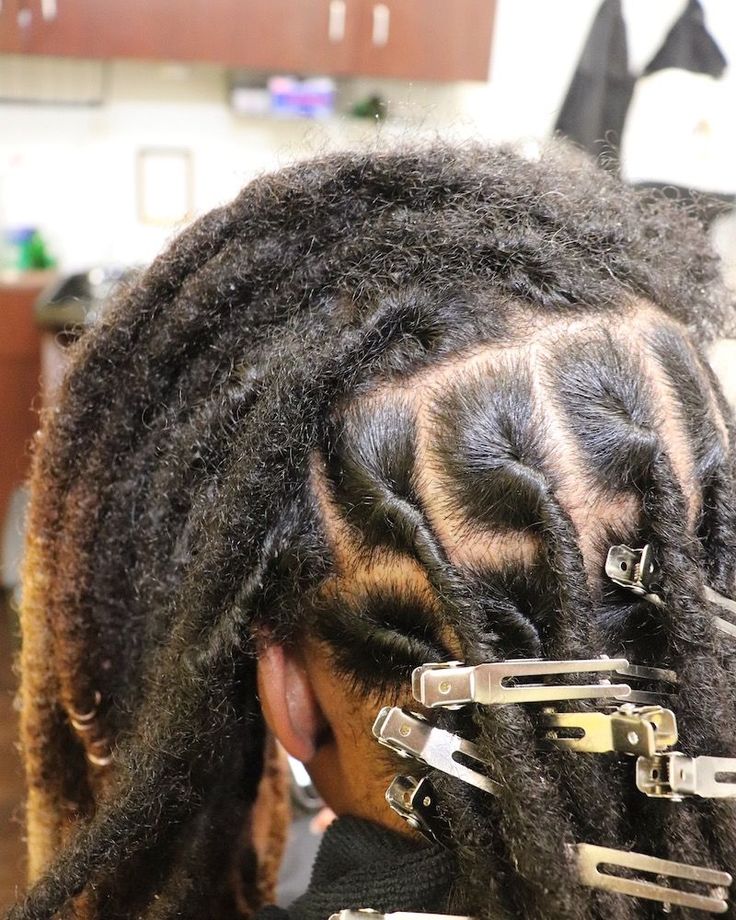
One of the earliest and most noticeable signs is excessive new growth. Your roots may start to look “wild,” fluffy, or unorganized, making it obvious that maintenance is overdue. In many cases, the new hair begins to merge with nearby locs, making separation more difficult over time.
This will serve as your guide: Best Oils and Moisturizers for Starter Locs (What Actually Works)
2. Locs Are Starting to Merge or Stick Together
If you notice locs sticking together, especially at the back or crown area, it’s a strong indicator that they are not being properly maintained. This usually happens when sections are left untouched for too long, allowing neighboring locs to intertwine.
I recommend you save this for later: Best Starter Loc Method for Soft Hair
3. Loss of Defined Parting
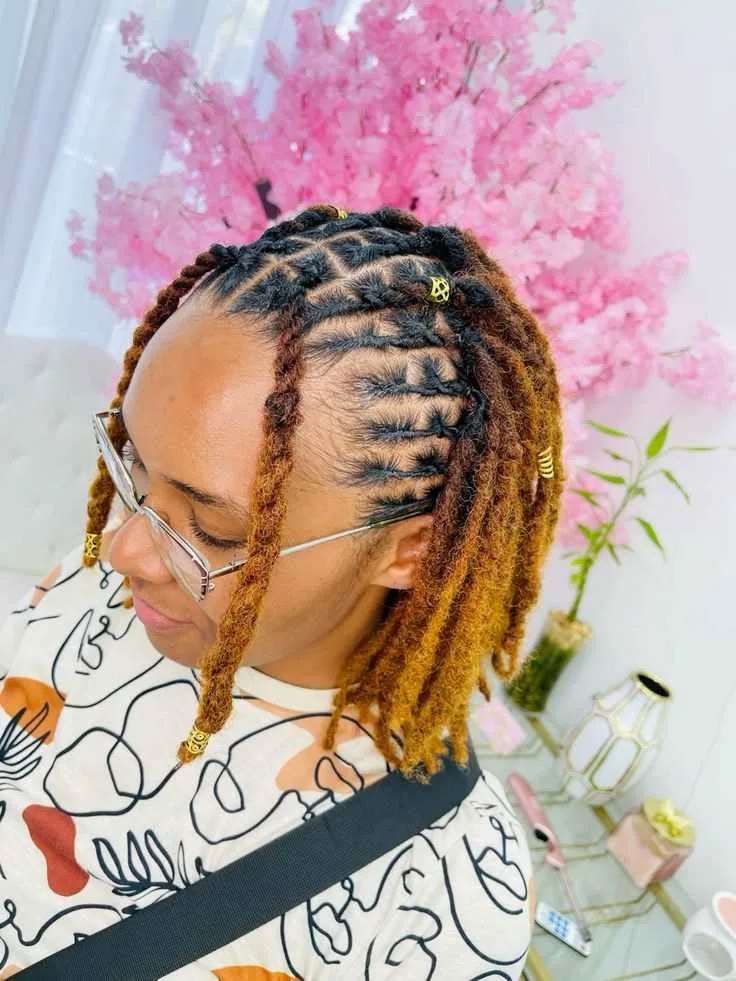
Clean parts are a sign of well-maintained locs. When retwisting is not done regularly, those neat sections begin to fade. Parts may become blurry, uneven, or disappear completely, and separating locs can start to feel like a struggle.

4. Uneven or Bulging Roots
Another clear sign is uneven root structure. Some locs may develop thick, puffy bases while others remain tight and controlled. This creates an unbalanced appearance and can affect how your overall style looks and sits.
5. Increased Frizz That Won’t Settle
Frizz is normal in locs, but when it becomes constant at the roots, it often signals under-maintenance. Instead of training into the loc pattern, the new growth remains loose and undefined, making the roots look messy more quickly.
6. Locs Feel Heavier or Pulling at the Roots
When too much loose hair collects at the base, locs can start to feel heavier than usual. This added weight may create tension on the scalp and, over time, lead to discomfort or strain if not addressed.
7. Styling Becomes Harder
If styling suddenly feels more difficult than before, it may be a sign your locs need attention. Updos may not sit properly, locs may not lay flat, and separating sections becomes more challenging due to buildup at the roots.
What Causes Infrequent Retwisting?
Infrequent retwisting is rarely just about neglect, it usually comes from a mix of habits, uncertainty, and misinformation.
One of the most common reasons is busy schedules or protective styling habits. Many people intentionally leave their locs in longer styles like buns, wraps, or wigs, and in the process, retwisting gets delayed or forgotten.

Another major cause is uncertainty about correct retwist frequency. With so many different opinions online, it can be hard to know whether you should retwist every few weeks or wait longer, especially when your locs still “look fine” on the surface.
There’s also the fear of over-manipulating the hair. Some people worry that retwisting too often will cause thinning, breakage, or tension, so they end up avoiding it altogether.
Lastly, many people misunderstand “low maintenance” loc advice online. While locs are generally low-maintenance compared to loose natural hair, they still require consistent upkeep. Without clarity, “low maintenance” can mistakenly turn into “no maintenance.”
How Often Should You Retwist Your Locs?
The ideal retwist schedule depends on the stage and condition of your locs, especially how mature they are and how fast your hair grows.
For starter locs, retwisting is typically recommended every 4–6 weeks, depending on your hair type and growth rate. This stage is crucial because your locs are still forming structure, and consistent maintenance helps guide them into clean, defined sections.
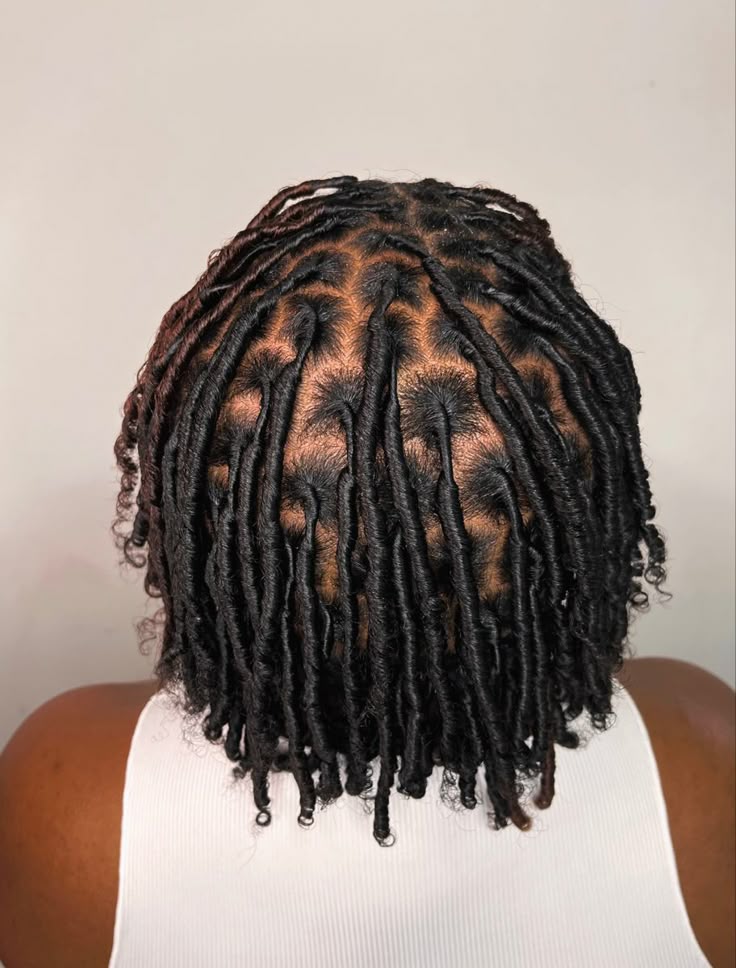
For mature locs, retwisting is usually done less frequently. At this stage, locs are more stable, so maintenance becomes more about keeping the roots neat rather than shaping the entire loc.
Several factors can also affect your retwist timing:
- Hair texture: Tighter textures like 4C hair may experience faster shrinkage and new growth, while looser curl patterns may appear neater for longer periods.
- Lifestyle: Frequent sweating from workouts, high humidity environments, or constant styling can cause faster buildup at the roots.
- Loc size and method: Smaller locs or certain installation methods may require more regular maintenance compared to larger, more established locs.
Understanding these factors helps you create a schedule that fits your hair, not just generic advice.
What Happens If You Don’t Retwist Enough?
When retwisting is delayed too often, the effects go beyond appearance and can impact the structure of your locs.
One of the most common outcomes is merging locs that may require separation or repair. When new growth is left unchecked, it can start combining multiple locs together, making separation difficult and sometimes damaging.
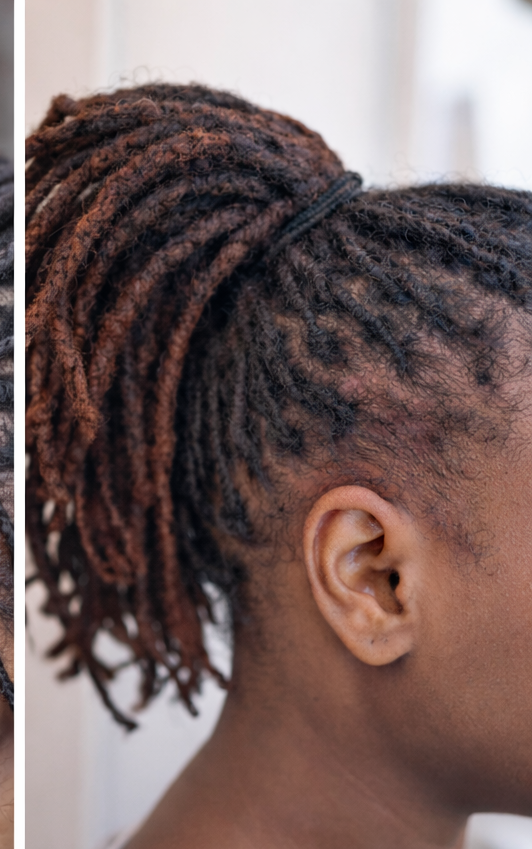
You may also experience a weak or inconsistent loc structure, where some locs appear well-formed while others look loose, uneven, or poorly defined.
Over time, this leads to increased long-term maintenance difficulty, meaning what could have been simple upkeep turns into time-consuming correction work.
In some cases, there may even be potential thinning at weak points, especially where hair has been pulling or tangling unevenly at the roots.
How to Fix Overdue Retwisting (Without Damage)
If your locs are overdue for maintenance, the goal is to correct them gently, not forcefully.
Start with gentle finger separation before retwisting. Carefully separate any roots that have begun to combine to avoid ripping or breakage.

Use lightweight products only, as heavy creams or gels can cause buildup and make the retwisting process harder over time.
When retwisting, focus on only the new growth, not the entire length of the locs. Over-twisting can lead to unnecessary tension and weakening of the hair shaft.
If the locs are severely overgrown or matted at the root, it’s best to consider professional maintenance to safely restore clean sections without causing damage.
Tips to Maintain Healthy Retwist Cycles
Consistency is key when it comes to healthy loc maintenance.
First, try to stick to a consistent schedule that matches your hair’s growth pattern and lifestyle. This prevents extreme overgrowth and keeps your locs manageable.
Keep your scalp healthy by moisturizing regularly, as a well-nourished scalp supports stronger, healthier growth and reduces breakage.
At night, always sleep with a satin bonnet or scarf to reduce friction, frizz, and moisture loss.
Finally, avoid the temptation to over-twist your locs. More is not always better, balance is important to prevent tension and maintain long-term loc strength.
When You Should NOT Retwist Too Often
While retwisting is essential for healthy loc maintenance, doing it too frequently can actually work against your loc journey. One of the clearest warning signs of over-retwisting is over-manipulation, which may show up as thinning edges, weakened roots, or breakage along the hair shaft. When the hair is constantly being twisted and tension is repeatedly applied, it doesn’t always get enough time to rest and strengthen naturally.
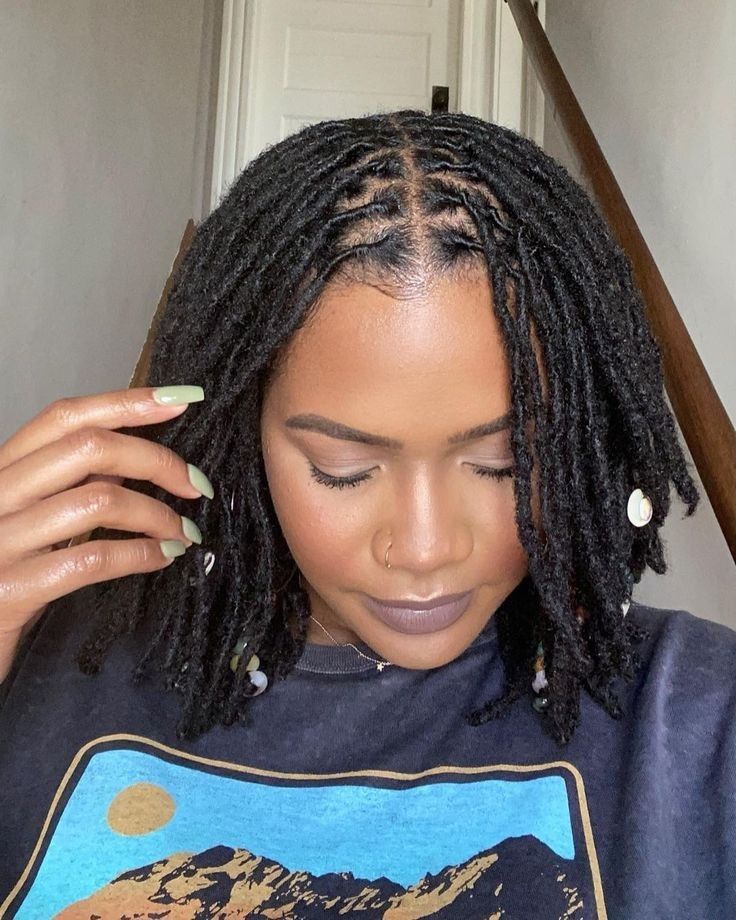
Another important thing to understand is the need to let locs mature naturally over time. In the early stages especially, it can be tempting to keep your locs looking “fresh” all the time. However, locs form and strengthen through a natural locking process. Over-manipulating them can interrupt that process and slow down maturity instead of supporting it.
It’s also important to recognize the difference between maintenance and over-styling. Maintenance is about supporting the health and structure of your locs at the roots, while over-styling focuses too much on appearance and tightness. If retwisting becomes more about keeping a constantly “perfect” look rather than healthy growth, it may be time to reduce frequency and allow your locs to settle naturally.
At the end of the day, healthy locs are not about following a strict one-size-fits-all routine, they are about learning to listen to your hair and observe what it needs. Instead of guessing or relying on rigid timelines, pay attention to how your roots, parts, and overall structure are changing over time.
The real key is balance. Retwisting too little can lead to merging, buildup, and loss of definition, while retwisting too often can cause tension, thinning, and unnecessary stress on your scalp. Finding that middle ground is what keeps your loc journey sustainable and stress-free.
Most importantly, remember that healthy locs come from consistency, not perfection. Every stage of your loc journey will look a little different, and that’s completely normal. What matters most is showing up for your hair with care, patience, and intention over time.







One Comment