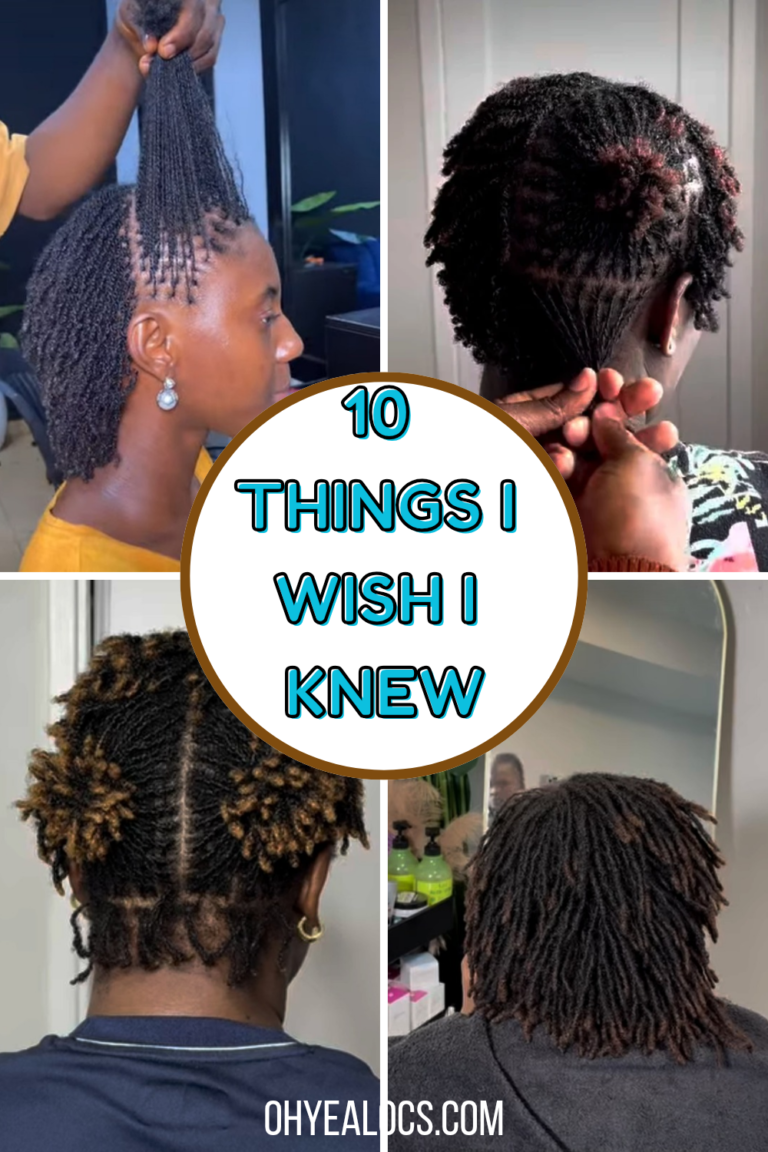
How to Start Locs for Men: A Complete Beginner’s Guide
Disclosure: Some of the links in this post are affiliate links. This means if you click on the link and purchase an item, I will receive an affiliate commission at no extra cost to you. All opinions remain my own. I only recommend products or services I believe will add value to my readers.
Starting locs can feel exciting, but it can also leave you with a lot of questions. How to Start Locs for Men is not simply about twisting your hair and waiting for it to lock.
The method you choose, your hair length, texture, parting pattern, maintenance routine, and even how you sleep can affect how your locs develop.
If you are starting your first loc journey, it is completely normal to worry about choosing the wrong method, having your starter locs unravel, or ending up with locs that are thinner or thicker than you expected.
The good news is that you do not need to have everything figured out before you begin. With the right preparation, you can start your locs with a much clearer idea of what to expect.
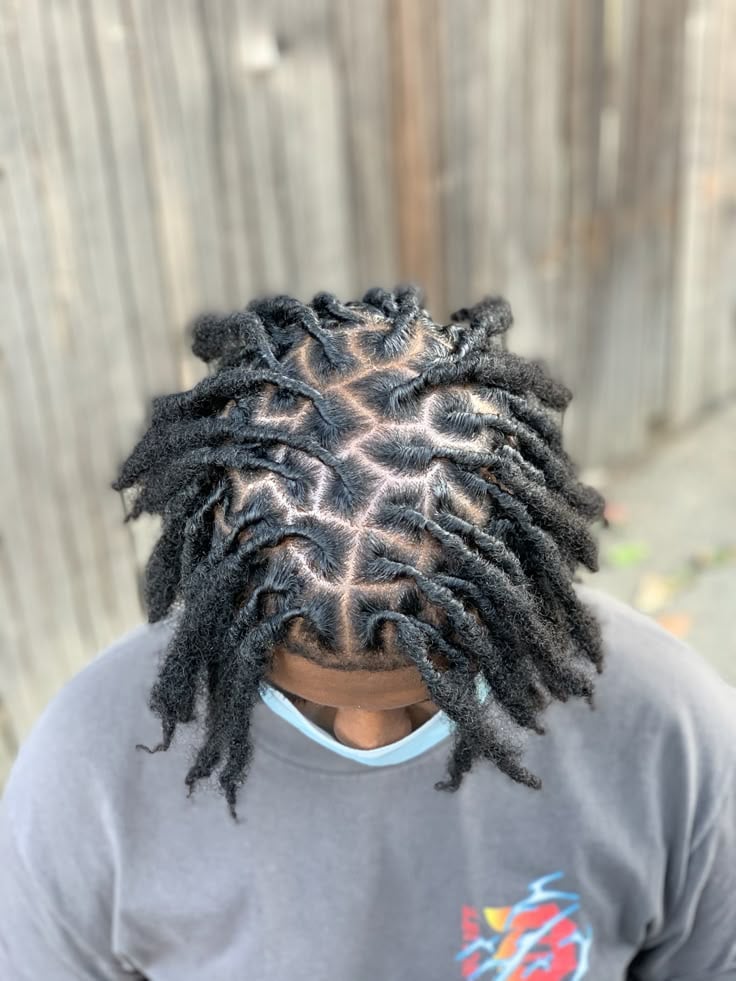
First, it helps to understand the different ways of starting locs and choose a method that works with your hair and lifestyle.
You should also prepare your hair properly before locking it, because clean, healthy hair gives you a better foundation for your journey.
If you are unsure where to begin, you may also want to read Everything You Need Before Starting Your Locs Journey before making your first appointment or attempting the process yourself.
Most importantly, remember that starter locs will not look like mature locs overnight. They may frizz, shrink, loosen, swell, or look uneven during the early stages. That is part of the process.
Therefore, instead of constantly trying to make your new locs look perfectly mature, focus on keeping your scalp and hair healthy while giving the locs time to develop.
In this complete beginner’s guide, we will walk through how to start locs for men, from choosing the right starting method and preparing your hair to understanding maintenance, common mistakes, and what you can expect during the beginning of your loc journey.
1. Choose the Right Starting Method
One of the first decisions when learning How to Start Locs for Men is choosing the right starting method. You can start locs with comb coils, two-strand twists, braids, interlocking, or freeform techniques.
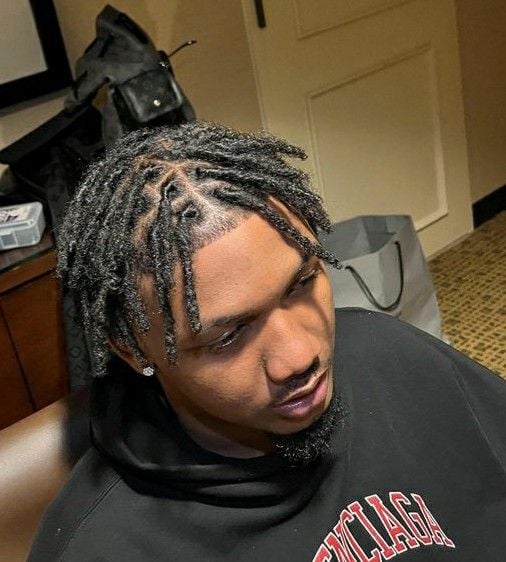
Each method creates a different starting appearance and can behave differently during the early stages. Therefore, think about your preferred loc size, desired appearance, hair texture, and maintenance routine before making your choice.
If you are unsure where to begin, reading Different Methods of Starting Locs can help you compare the available options.
Your lifestyle should also influence your decision. Some men want neat, defined starter locs, while others prefer a more natural and less structured appearance. However, the method that looks best initially may not always be the easiest for your hair or routine.
Consider how frequently you can maintain your hair and how much patience you have for the early locking stage. Choosing carefully from the beginning can help you avoid unnecessary frustration and give your loc journey a stronger foundation.
2. Prepare Your Hair Before Starting
Preparing your hair properly can make the beginning of your loc journey much easier. Start with clean hair and avoid using heavy oils, creams, or excessive styling products before installation.
Your loctician needs to work with hair that is clean enough to section and manipulate properly. Additionally, take some time to examine the condition of your hair and scalp before starting.
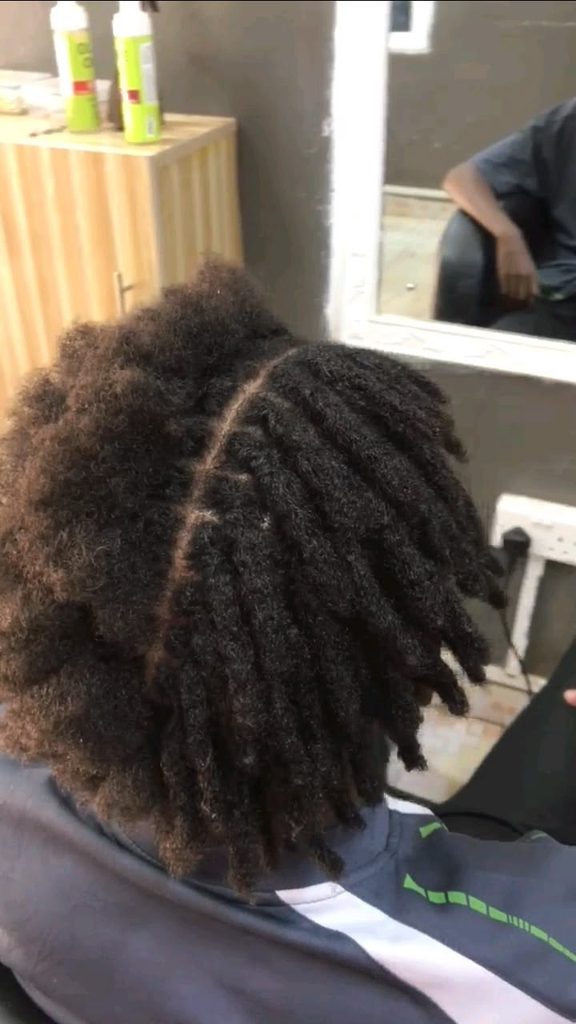
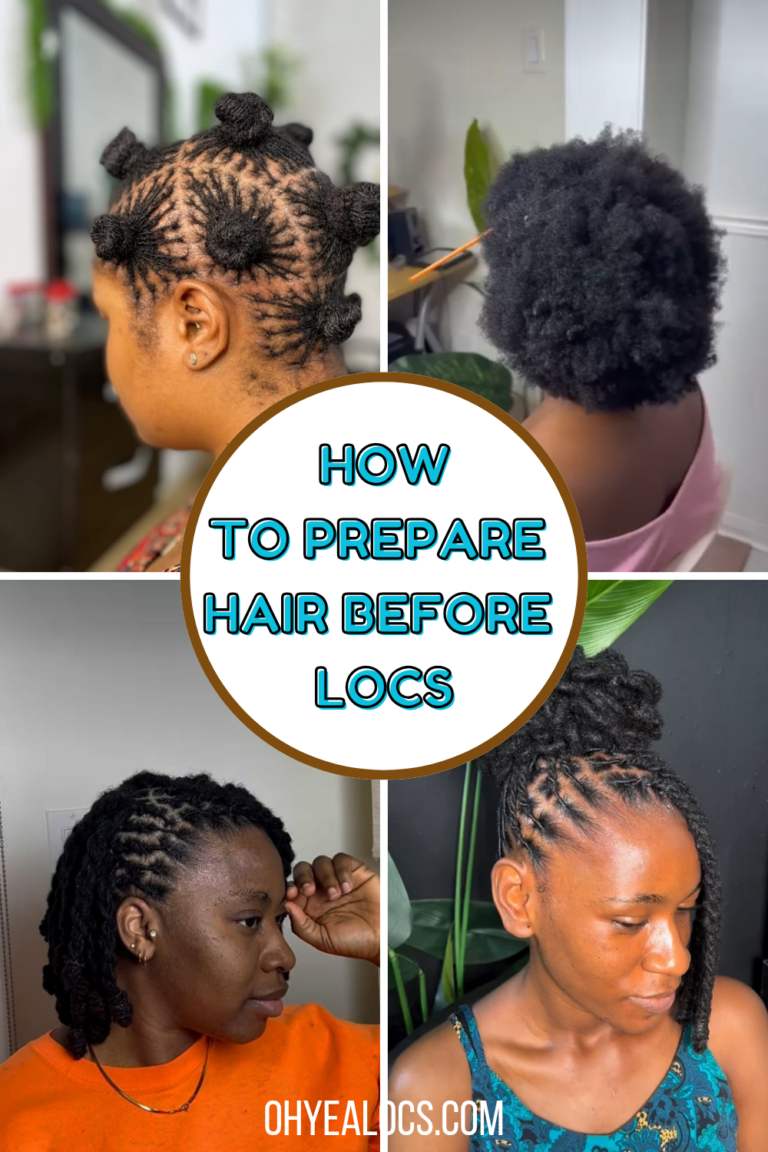
If your hair feels extremely dry, weak, or damaged, addressing those concerns first can give your starter locs a better foundation. For a more detailed preparation routine, check out How to Prepare Your Hair Before Starting Locs.
You should also consider your current hair length before booking your appointment. Different starting methods can work better with different lengths, so rushing the process may create avoidable problems.
Instead, understand what your chosen method requires and discuss your options with an experienced loctician. If you are wondering about your ideal starting length, How Long Should Your Hair Be Before Starting Locs? can help you understand what to consider before beginning.
3. Decide How Big You Want Your Locs
Loc size is another important decision when learning How to Start Locs for Men. The size of each section helps determine how your locs will eventually look and how they may behave as they mature.
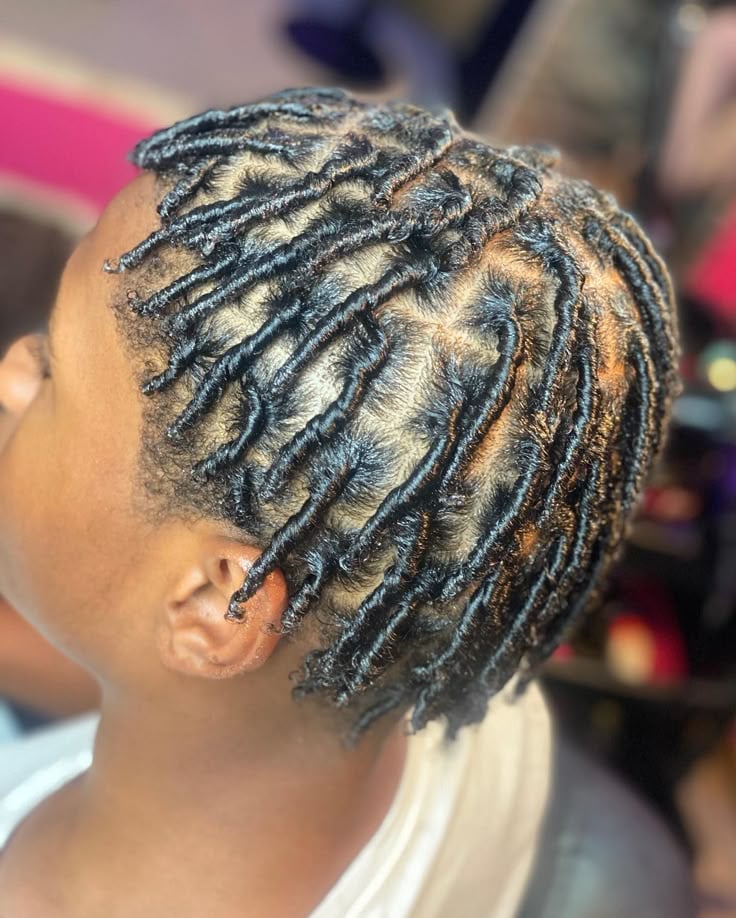
Smaller sections can create smaller locs, while larger sections generally create thicker locs. Therefore, do not choose your section size only because you like how someone else’s locs look. Consider your hair density, preferred hairstyle, and the overall appearance you want in the future.
It is also important to remember that starter locs can change considerably as they mature. Your locs may shrink, swell, frizz, and become fuller during the early stages. Because of this, your first-day appearance will not necessarily represent your final result.
Before committing to a size, take some time to understand the advantages and considerations of different options. How Big Should Your Starter Locs Be? is another useful topic to explore before your installation.
4. Choose a Parting Pattern
Your parting pattern determines how your hair gets divided into individual sections. Common options include grid, brick, and freeform parting.
A grid pattern creates a more organized appearance, while brick-style sections can provide a different distribution across the scalp. Freeform parting offers a much less structured approach.
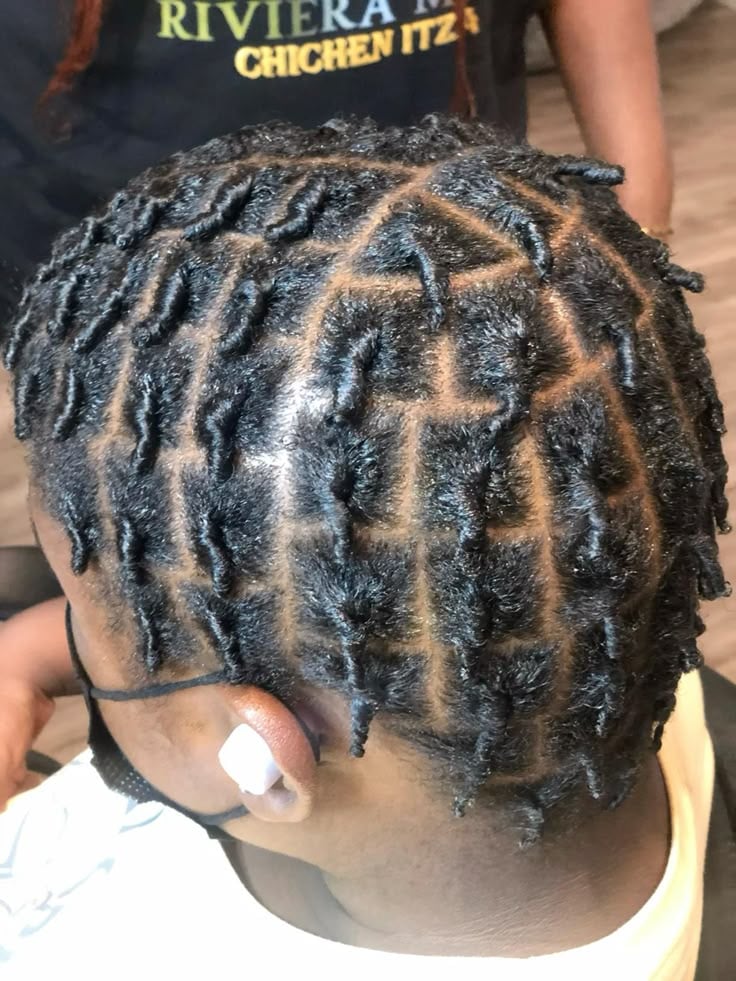
Meanwhile, your preferred parting pattern should complement your desired loc size and the overall look you want to achieve.
Do not choose a pattern simply because it looks attractive in another person’s hairstyle. Your hair density, head shape, and future styling preferences can also influence which pattern works best.
For example, someone who wants highly structured locs may prefer clearly defined sections. Someone seeking a more natural appearance may prefer less uniform sections.
You can learn more from How to Part Your Hair Properly for Starter Locs and Best Parting Patterns for Locs: Grid vs Brick vs Freeform.
5. Start With Healthy, Clean Hair
Before you begin How to Start Locs for Men, make sure your hair and scalp have a healthy foundation. Wash your hair thoroughly and remove excess product buildup before your loc installation.
Heavy creams, waxes, and oils can make the hair difficult to work with during the starting process. Instead, keep your routine simple and focus on having clean hair that your loctician can section easily.
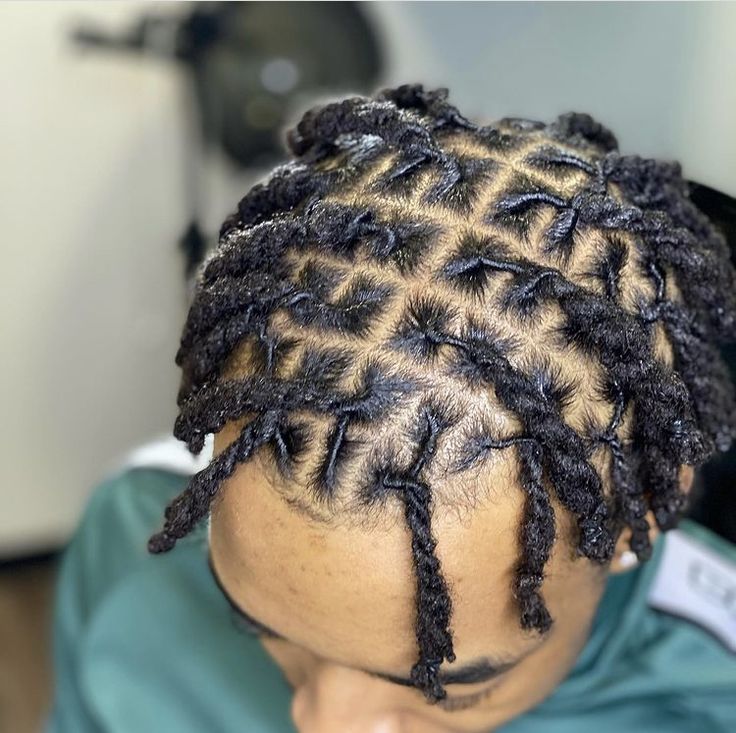
If you are unsure about your preparation routine, Everything You Need Before Starting Your Locs Journey can help you create a better starting plan.
Your scalp also deserves attention before your first set of locs. Look for excessive dryness, irritation, or buildup that could become uncomfortable after installation. You do not need to overload your scalp with products to make it ready.
Rather, give your hair enough time to settle after washing and avoid unnecessary manipulation before your appointment. A clean starting point can make the installation process smoother and help you feel more confident about beginning your journey.
6. Find a Loctician Who Understands Your Hair
Choosing the right loctician can make a major difference when learning How to Start Locs for Men. Look for someone who regularly works with your hair texture and understands different loc-starting techniques.
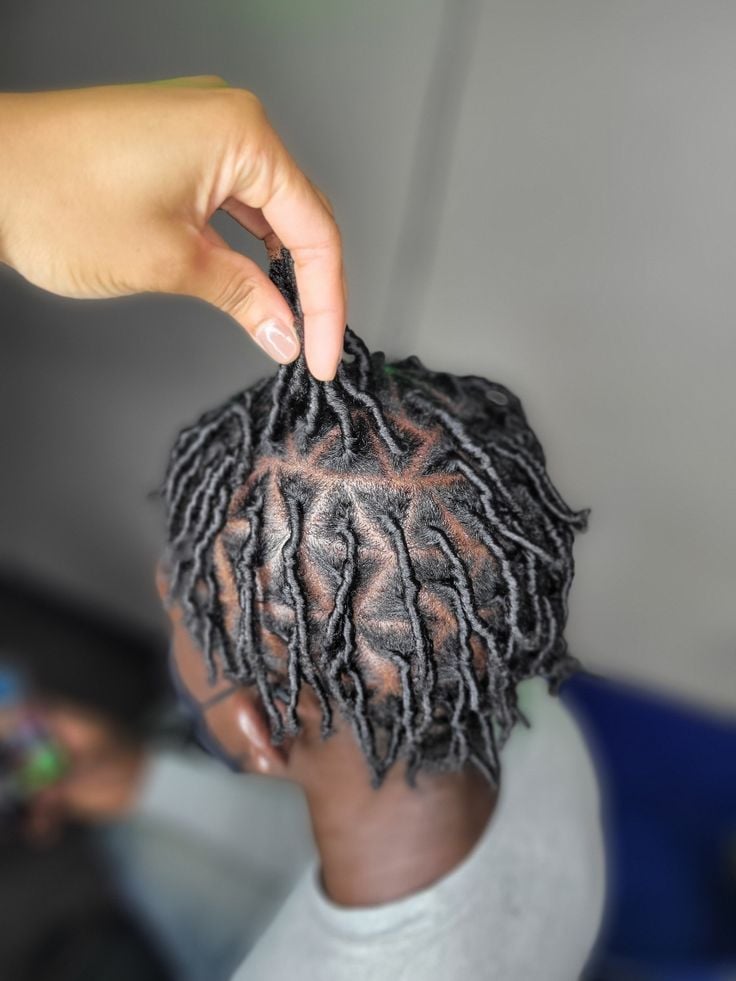
Before booking an appointment, ask about their experience, recommended starting methods, parting options, and maintenance approach. You should also look through examples of their previous work so you can see how their locs develop beyond the first appointment.
Do not be afraid to ask questions during your consultation. A good loctician should explain the process instead of rushing you into a style you do not understand.
Also, discuss the loc size and maintenance schedule before installation begins. If you plan to maintain your locs yourself later, ask for guidance that fits your skill level. You can learn more about finding the right professional through How to Choose the Best Loctician.
7. Give Your Starter Locs Time to Develop
One of the hardest parts of starting locs is accepting that they will not look mature immediately. Your starter locs may appear neat after installation, but they can become frizzy, loose, puffy, or uneven afterward.
However, these changes are normal parts of the early locking process. Your hair needs time to mat and form the structure that eventually creates mature locs. Instead of constantly trying to make them look finished, focus on keeping your hair clean and treating your starter locs gently.
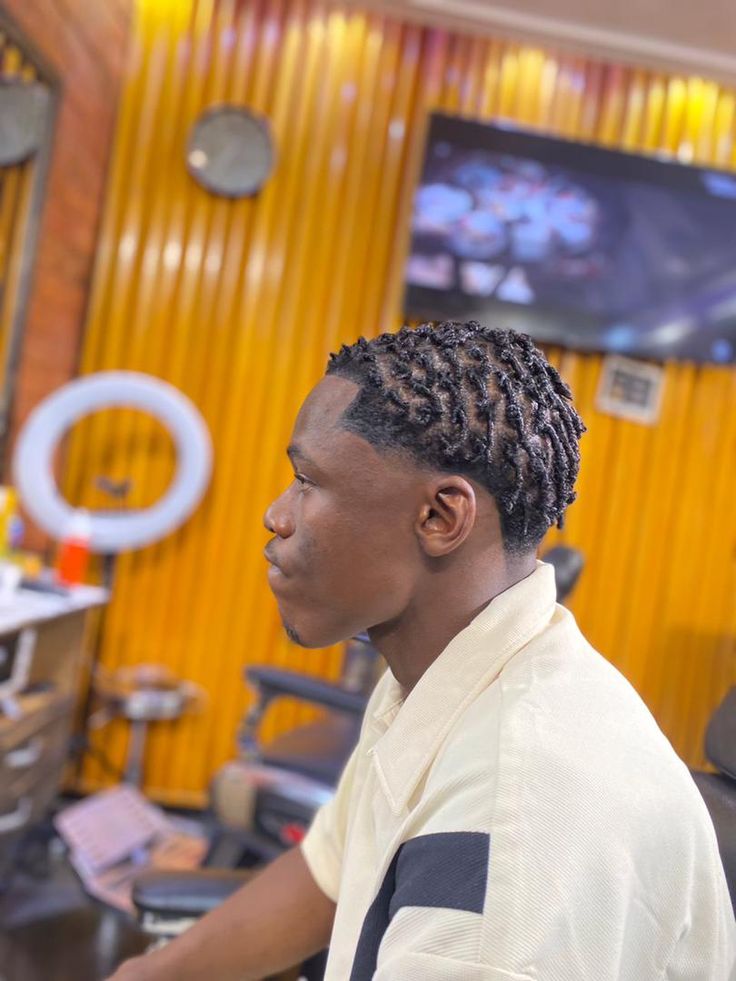
The first few months can also bring changes that make you question your decision. Some days your locs may look fantastic, while other days they may seem messy or completely different.
Fortunately, this stage does not mean your locs are failing. Understanding What to Expect in the First 3 Months of Your Loc Journey can help you recognize normal changes and avoid unnecessary panic.
You can also learn about Signs Your Locs Are Locking Properly so you know what healthy progress can look like.
8. Learn How to Care for Starter Locs
Starter locs need care, but they do not need constant manipulation. Washing, moisturizing appropriately, protecting your hair at night, and maintaining your scalp can all support a healthy journey.
At the same time, avoid repeatedly twisting, pulling, or styling your new locs because excessive manipulation can weaken your hair. Your goal should be to keep your scalp comfortable while allowing the locs to develop naturally.
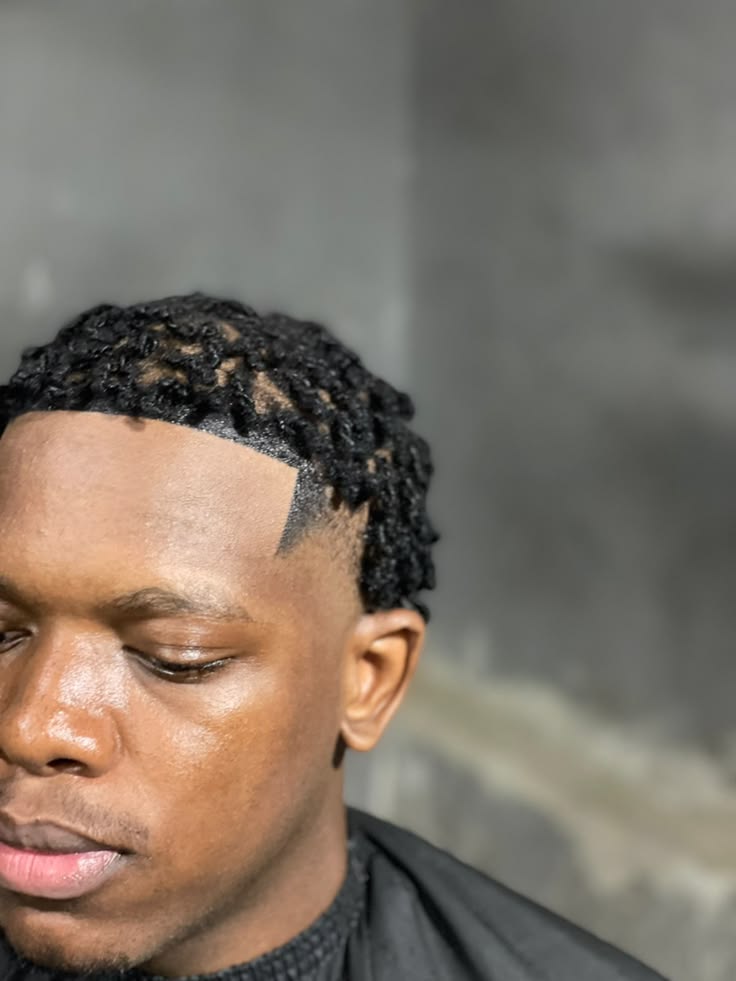
Your maintenance routine may change as your locs mature. During the starter stage, you may need to be more careful about unraveling and excessive manipulation.
Therefore, learn the basics before experimenting with complicated routines. A useful starting point is How to Care for Your Locs the Right Way: A Complete Guide for Healthy, Long-Lasting Hair.
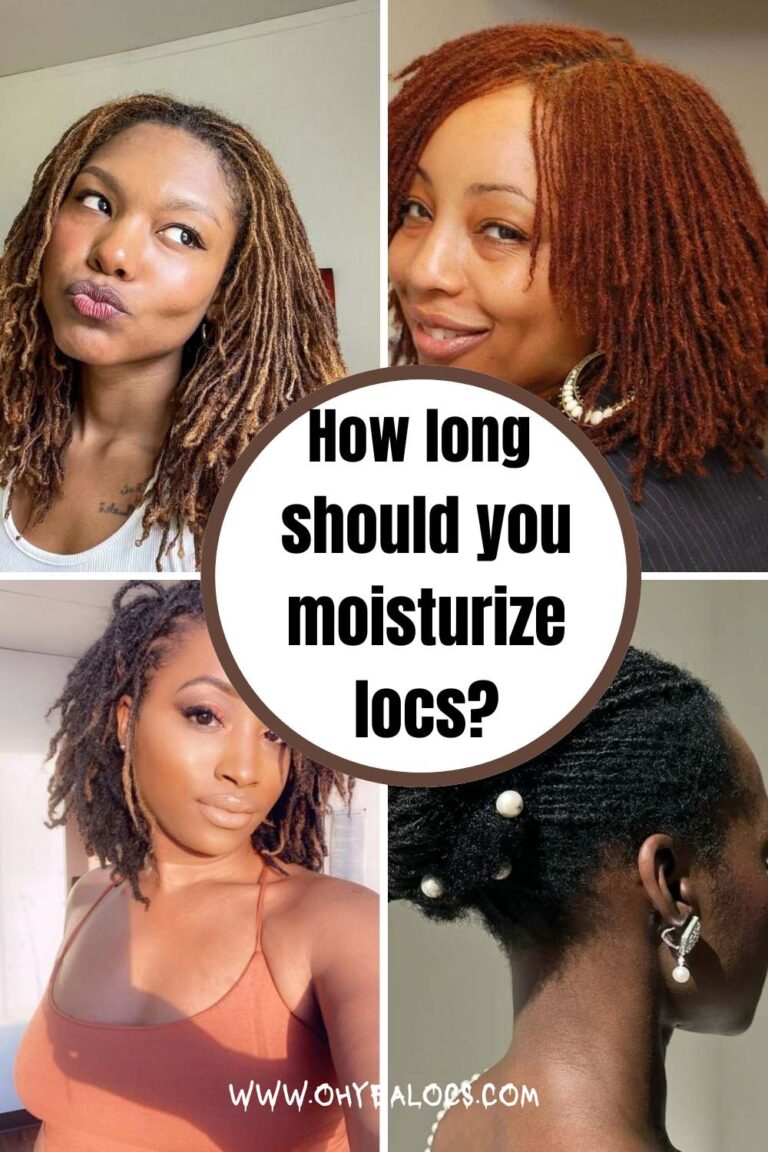
You should also understand How Often Should You Moisturize Locs? so you can avoid both excessive dryness and unnecessary product buildup.
9. Be Careful With Retwisting
Retwisting can help maintain the appearance of your locs, but starter locs do not need constant retwisting. Instead, give your hair enough time to settle between maintenance sessions.
Retwisting too frequently can place unnecessary tension on your roots and may contribute to weak or thinning areas. Your maintenance schedule should also consider your hair texture, growth rate, and how quickly your roots become difficult to manage.
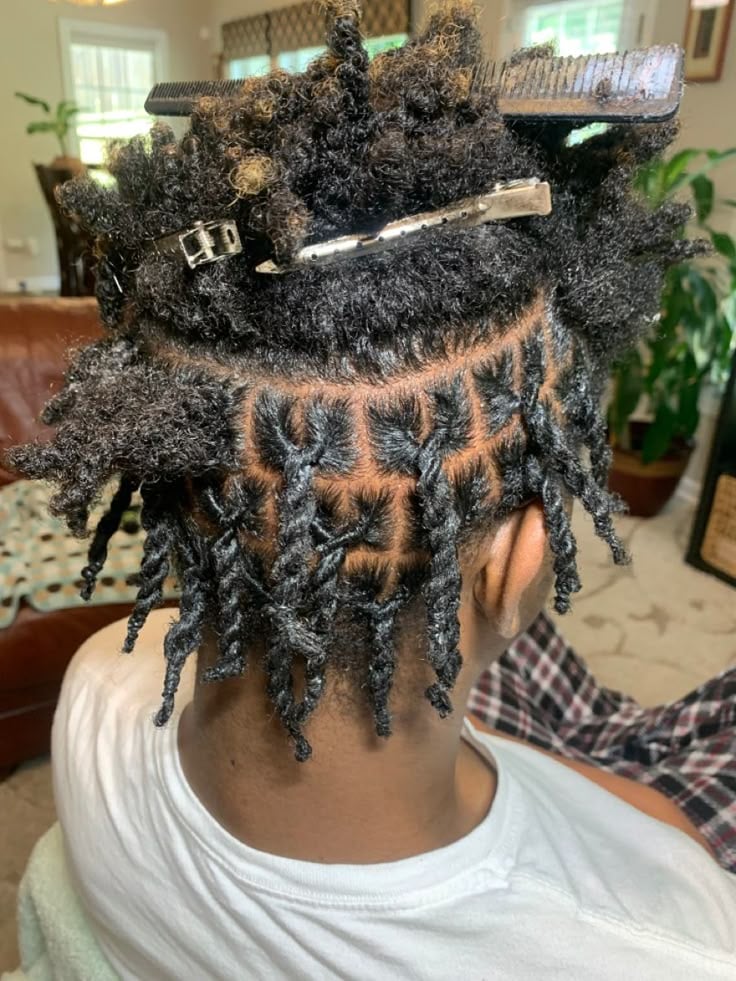
Many beginners make the mistake of retwisting whenever their roots look slightly loose. However, loose roots do not automatically mean something has gone wrong.
Your locs are still developing, so some looseness and frizz are expected. When you are ready to learn proper maintenance, How Often Should You Retwist Starter Locs? can help you understand a reasonable approach.
10. Protect Your Locs While Sleeping
Nighttime protection is another important part of How to Start Locs for Men. Your locs can rub against your pillowcase while you sleep, which may increase frizz and cause unnecessary friction.

Fortunately, protecting your hair does not require an elaborate routine. A satin or silk bonnet, scarf, or pillowcase can help reduce friction while keeping your locs more secure overnight.
Your sleeping position can also affect how your starter locs look in the morning. Therefore, avoid putting excessive pressure on the same areas every night when possible.
Keeping your locs loosely positioned can also reduce unnecessary pulling around the roots. If you want a more detailed nighttime routine, check out How to Sleep With Locs Without Damaging Them and Best Bonnets and Scarves for Locs.
11. Avoid Common Starter Loc Mistakes
Beginners sometimes become impatient when their locs do not look perfect. This impatience can lead to excessive retwisting, heavy product use, frequent styling, or constantly touching the hair.

As a result, the locs may experience unnecessary tension and buildup during a stage when they need time to develop. Learning what to avoid can be just as important as learning what to do.
Pay attention to how your hair responds after installation. If your locs feel excessively tight, your scalp hurts, or your roots appear unusually weak, do not ignore those signs.
Instead, adjust your routine and seek professional guidance when needed. Before making major changes, read 10 Things You Should Never Do to Your Starter Locs.
12. Be Patient During the Locking Process
The locking process takes time, so patience is one of the most important qualities you need when starting locs. Your hair may go through several awkward stages before the locs begin looking more established.
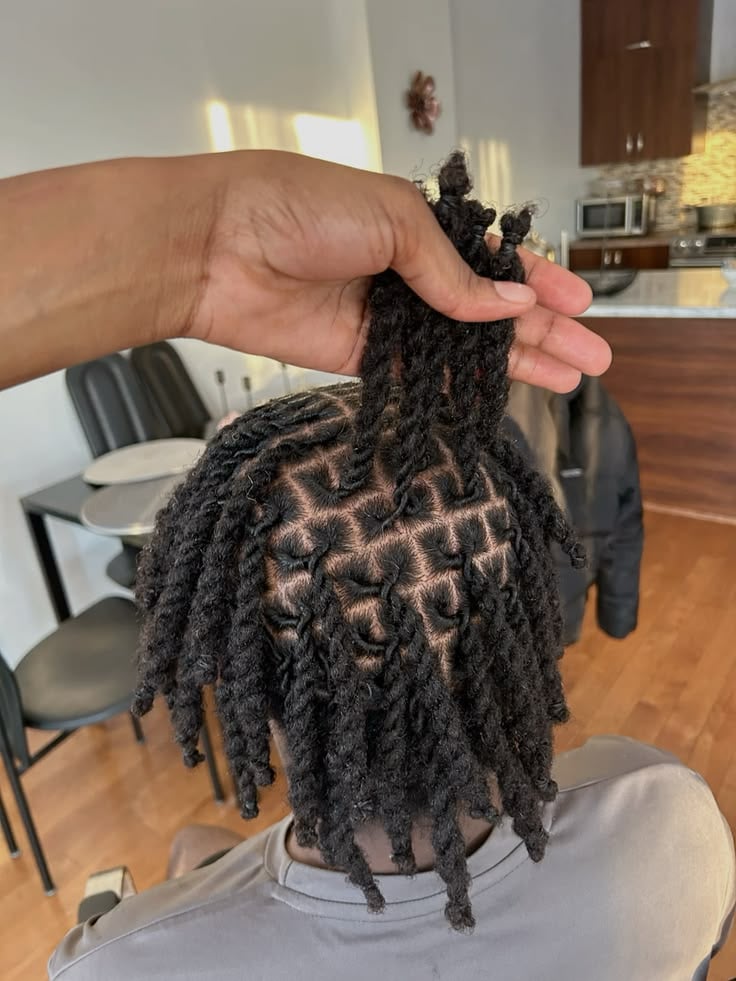
At first, you may notice frizz, shrinkage, loose sections, or changes in texture. These changes can make you wonder if you chose the wrong method, but they are often simply part of your hair’s development.
Try not to compare your progress with someone else’s loc journey. Hair texture, density, starting method, maintenance, and individual growth patterns can all influence how quickly locs develop.
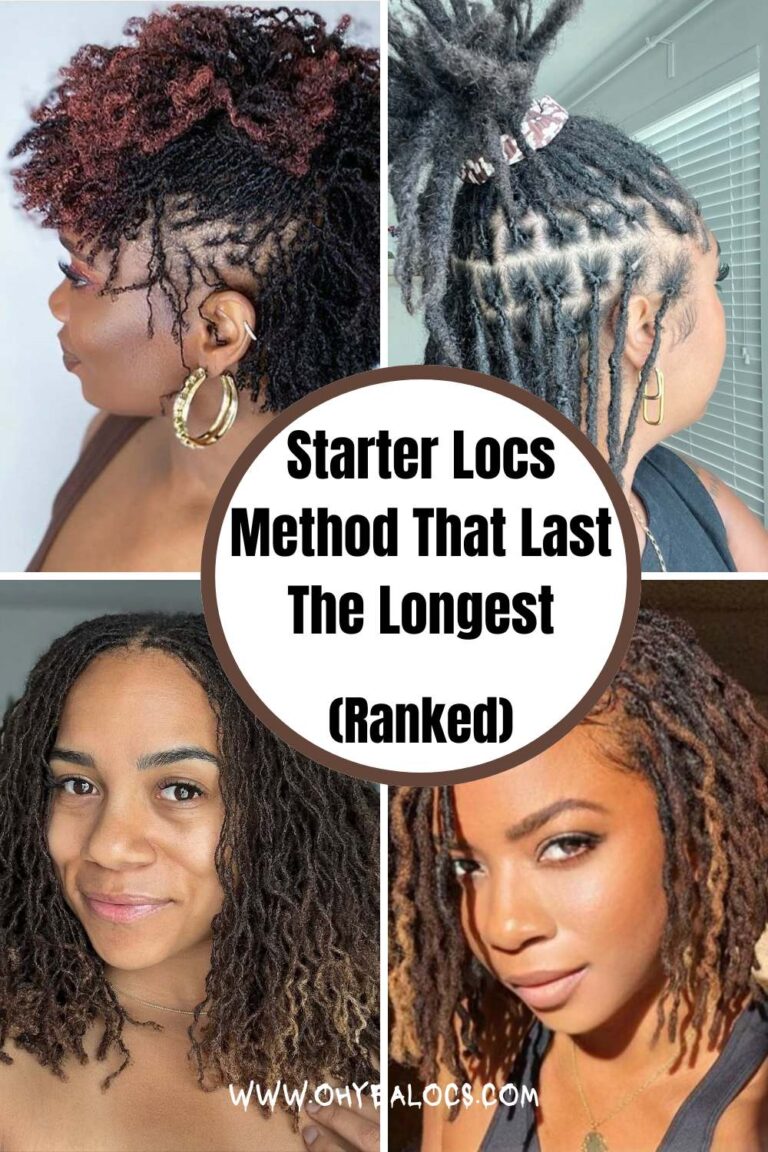
Therefore, focus on maintaining healthy hair instead of trying to force your locs to mature faster. You can learn more about the process through Do Comb Coils Lock Faster? Honest Truth From the First 90 Days and Starter Locs Method That Lasts the Longest.
13. Keep Your Scalp Clean
Keeping your scalp clean is essential during the early stages of How to Start Locs for Men. Many beginners worry that washing starter locs will cause them to unravel, so they avoid washing for too long.
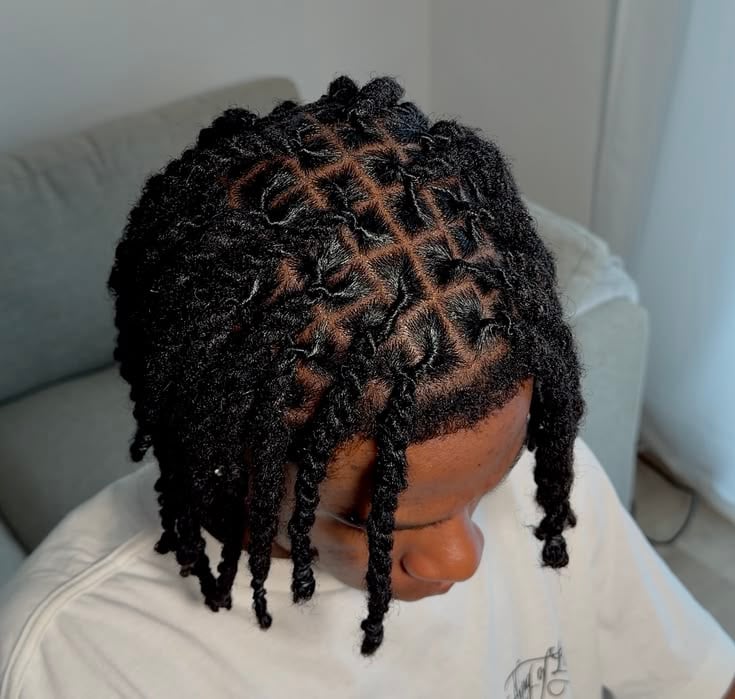
However, a clean scalp supports a healthier loc journey and helps prevent excessive buildup. You should learn how to wash your hair gently while protecting the developing sections. Avoid aggressive scrubbing or pulling because your starter locs may still be delicate.
Your washing routine should also match the condition of your hair and scalp. If you sweat heavily from exercise or regularly spend time outdoors, you may need to pay closer attention to scalp cleanliness.
Instead of avoiding water completely, learn the correct technique for washing without unnecessarily disturbing your new locs. How to Wash Starter Locs Without Unravelling Them provides a useful guide for handling this stage with more confidence.
14. Protect Your Locs During Physical Activities
If you exercise regularly, you may wonder how to keep your starter locs looking good while dealing with sweat and frequent movement. Sweat itself does not mean you need to abandon your normal routine.
Still, excessive moisture sitting on the scalp can make your hair feel uncomfortable and may contribute to buildup if you do not maintain it properly. Use a clean towel to gently absorb excess sweat, and allow your hair to dry properly after intense workouts.

You should also avoid hairstyles that place unnecessary tension on your new locs. Pulling starter locs tightly into ponytails or other styles can stress the roots while they are still developing.
Therefore, choose simple, low-tension options during the early months. Once your locs become more established, you can experiment with more hairstyles. For ideas that work well around exercise, check out Gym-Friendly Loc Styles and keep your styling gentle while your locs mature.
15. Understand What Your First Few Months Will Look Like
The first few months can be the most confusing part of your loc journey because your hair will constantly change. You may notice frizz, shrinkage, loose roots, budding, or sections that seem to develop at different speeds.
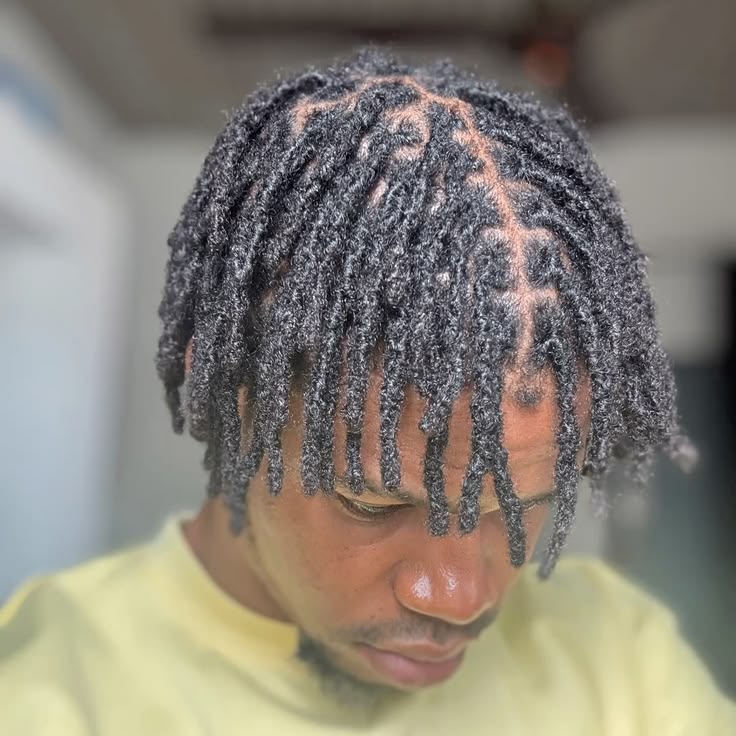
Consequently, you should not judge the success of your loc journey based on how your hair looks during a single week. Your locs need time to develop, and different sections may progress at different rates.
This stage becomes much easier when you know what is normal and when you should seek help. Keep an eye on your scalp, roots, and overall hair condition rather than focusing only on neatness.
Most importantly, remember that healthy locs are more important than perfectly tidy starter locs. Reading What to Expect in the First 3 Months of Your Loc Journey can give you a clearer picture of this stage and help you approach your new locs with realistic expectations.
16. Know When Your Starter Locs Need Attention
As your locs develop, you may notice changes that deserve closer attention. Some frizz and looseness are normal, but persistent scalp discomfort, excessive breakage, or visibly weak roots should not be ignored.
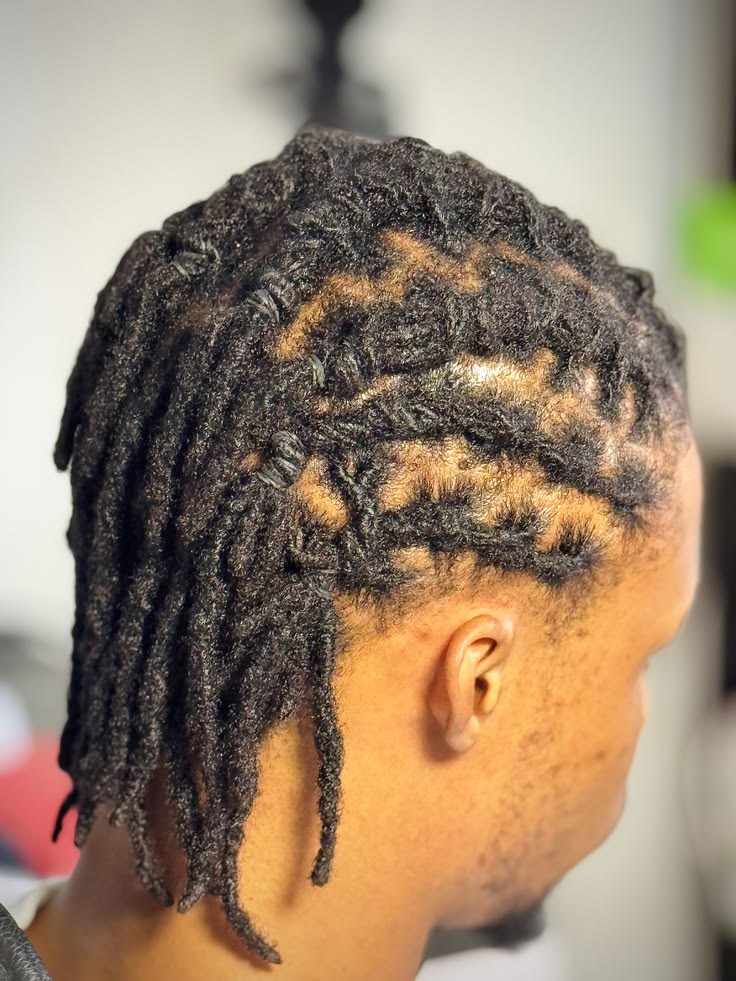
Similarly, sections that become unusually thin may need adjustments to your maintenance routine. Learning the difference between normal changes and genuine problems can help you protect your hair before a small issue becomes harder to manage.
Do not panic every time your starter locs look different. Instead, monitor your hair consistently and pay attention to changes that continue over time.
If something seems unusual, avoid immediately adding more products or tightening your locs. You can compare what you are seeing with Common Locs Problems and How to Fix Them and How to Tell If Your Starter Locs Are Healthy. This approach can help you make calmer and more informed decisions.
17. Avoid Putting Too Much Tension on Your Roots
Your roots need special care while your locs are still developing. Tight retwists, heavy styles, and constant pulling can place unnecessary stress on the hair around your scalp.
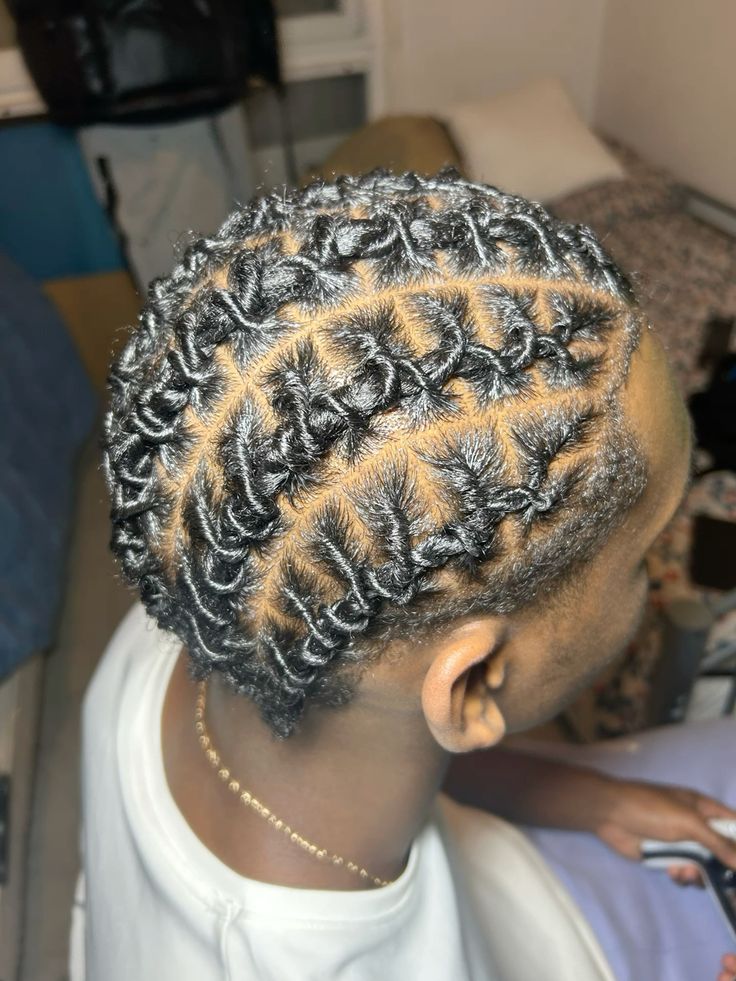
For this reason, avoid hairstyles that pull your starter locs backward or place excessive weight on individual sections. A style may look neat, but it should never leave your scalp feeling sore or uncomfortable.
Protecting your hairline becomes even more important as your locs mature. Instead, choose simple styles that allow your roots to remain comfortable and avoid keeping tight styles in for extended periods.
You can explore Low Tension Loc Styles That Protect Your Hairline for ideas that place less stress on your roots. Taking this approach early can help you maintain stronger-looking locs as your journey continues.
18. Learn How to Maintain Your Locs Between Appointments
You do not need to visit a loctician every time your roots become slightly loose. Learning basic maintenance can help you keep your locs presentable between appointments while reducing unnecessary manipulation.
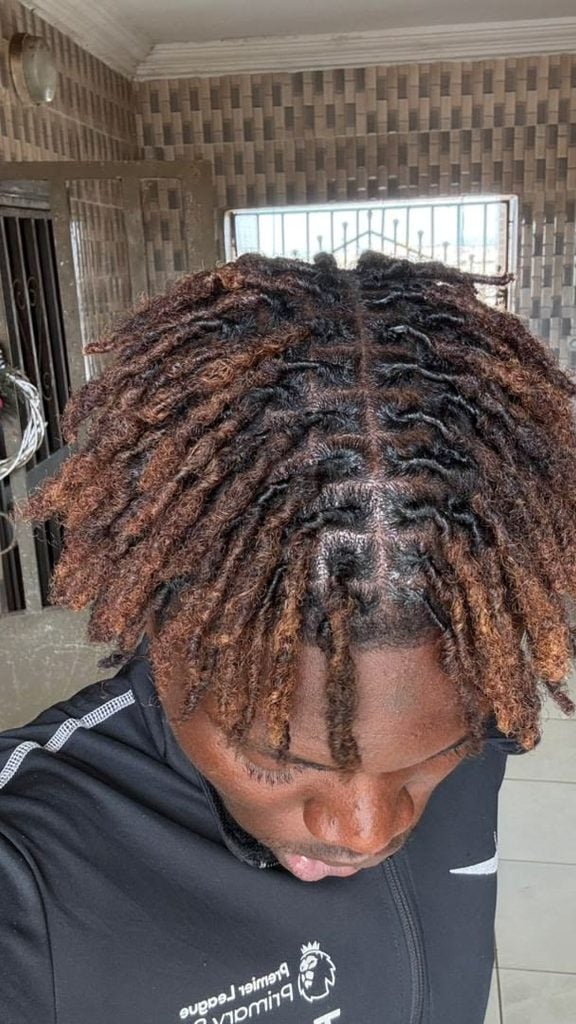
However, you should understand your limits before attempting techniques that require experience. Simple scalp care and gentle separation can be easier to manage than attempting an aggressive retwist without proper knowledge.
A consistent routine can also help you feel more confident about caring for your own hair. Therefore, learn what your locs need instead of copying another person’s maintenance schedule.
Your hair may require a different approach based on its texture, maturity, and condition. For practical guidance, read How to Maintain Your Locs Between Retightening.
19. Give Your Locs Time to Mature
One of the biggest challenges when learning How to Start Locs for Men is resisting the urge to rush the process. Starter locs can look very different from mature locs, especially during the first several months.
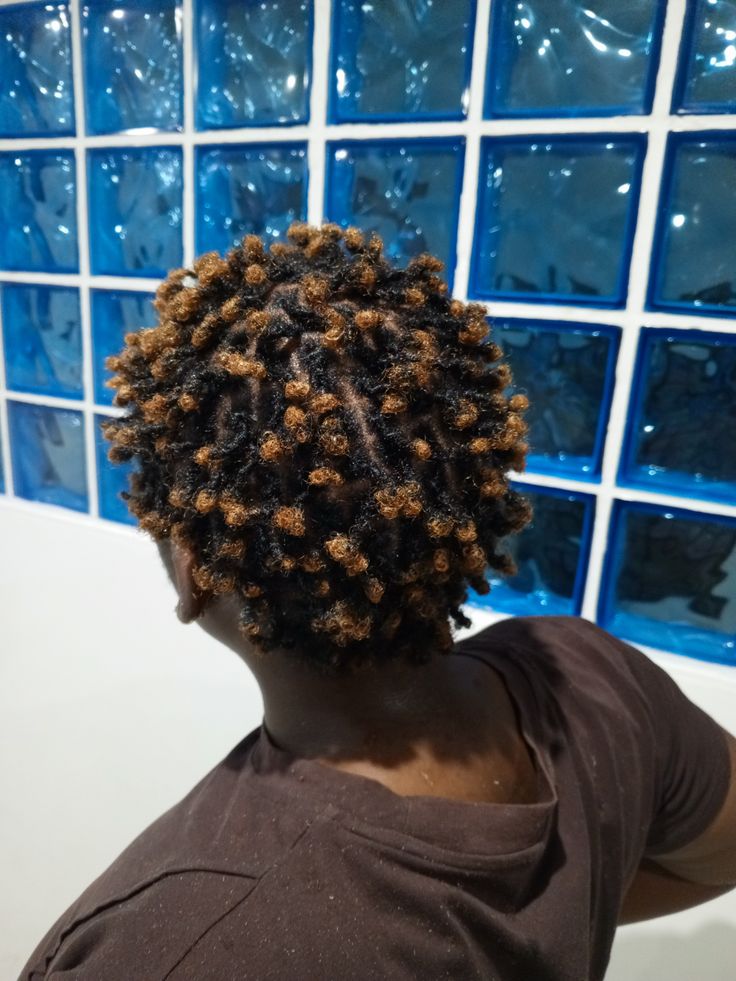
You may notice frizz, shrinkage, budding, loose sections, or changes in thickness. As a result, some days your hair may look less defined than you expected. This does not automatically mean your locs are developing incorrectly.
Try to judge your progress based on the health and development of your hair rather than daily appearance. Instead, take occasional photos so you can compare your progress over several weeks or months.
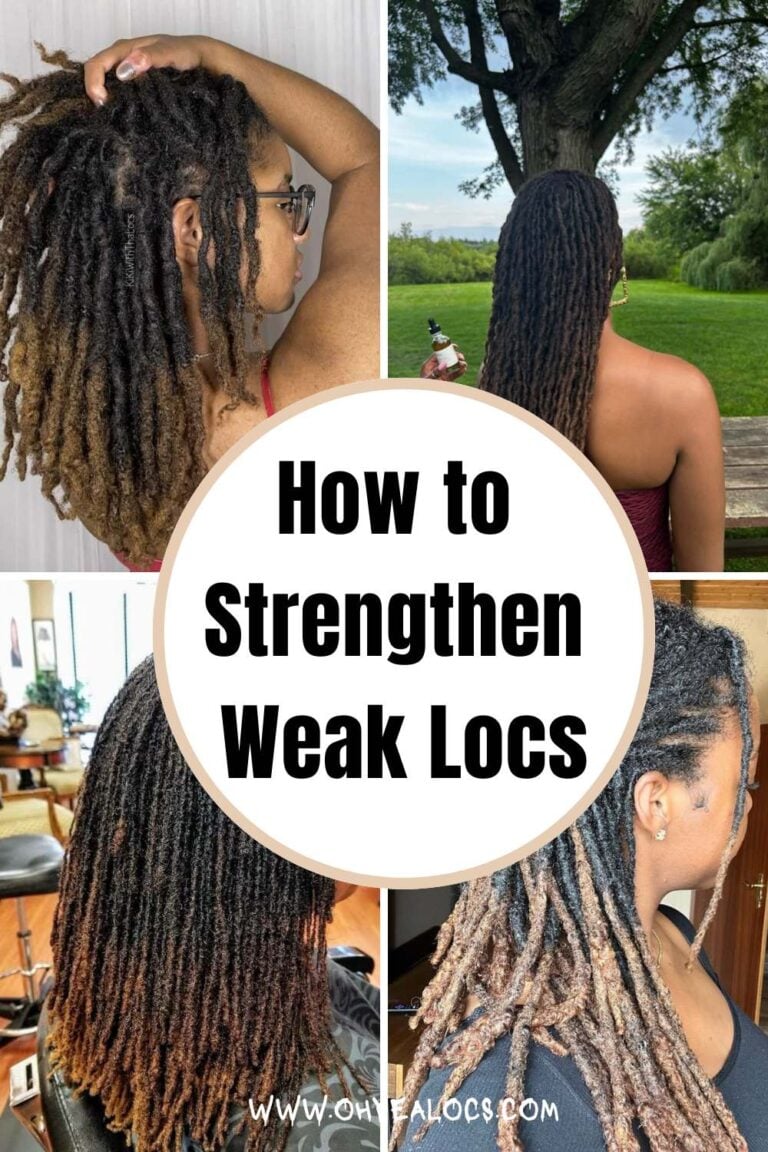
This gives you a more realistic picture of how your locs are changing. If you notice concerns about thickness, growth, or weak areas, topics like Do Locs Get Thicker or Thinner Over Time? and How to Strengthen Weak Locs can help you understand what may be happening.
20. Build a Simple Long-Term Routine
Starting locs is only the beginning. Once your starter locs begin developing, you will need a routine that keeps your scalp clean, your hair moisturized, and your roots protected.
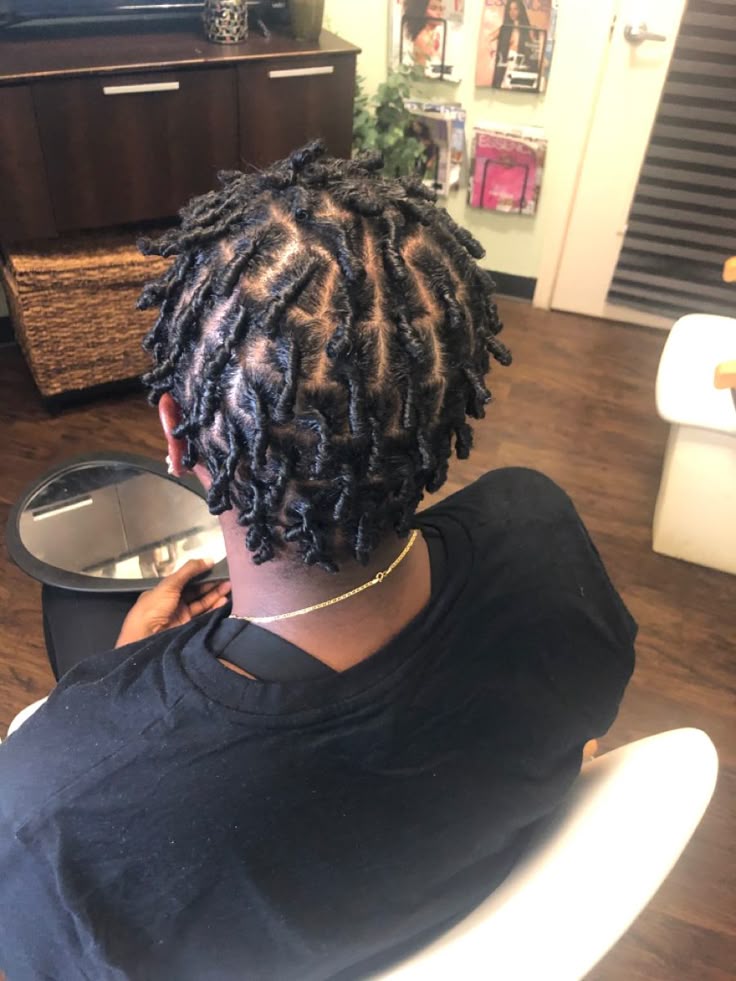
Therefore, create habits that you can realistically maintain instead of following an overly complicated routine. Regular cleansing, gentle handling, appropriate moisturizing, and sensible retwisting can help you care for your locs without constantly manipulating them.
Your routine may also need to change as your locs become longer and more mature. For example, very short starter locs may require different handling than long, established locs.
Pay attention to how your hair responds and adjust your routine when necessary. For more guidance, read How to Care for Your Locs the Right Way and How to Make Your Locs Look Neat Always.
A simple and consistent routine will usually serve you better than constantly experimenting with new products and techniques.
Final Thoughts
Learning How to Start Locs for Men does not have to feel overwhelming. The most important step is creating a strong foundation before your locs even begin to mature.
Choose a starting method that suits your hair, desired loc size, lifestyle, and maintenance preferences.
Then, prepare your hair properly and work with someone who understands your hair and can create clean, suitable sections. Starting correctly can help you avoid many frustrating problems later.
The early stages may test your patience because starter locs rarely look mature right away. Frizz, shrinkage, loose sections, budding, and changes in texture can all happen as your hair begins locking.
However, these changes do not automatically mean your locs are developing badly. Focus on keeping your scalp clean, protecting your hair, avoiding excessive manipulation, and giving your locs enough time to develop.
Your journey will also look different from someone else’s, so avoid comparing your progress too closely.
Most importantly, enjoy the process instead of trying to rush toward the finished look. With consistent care and realistic expectations, your starter locs can gradually develop into healthy, mature locs that suit your personal style.
Take pictures as your hair changes, learn what works for your hair, and adjust your routine when necessary. Starting locs is only the beginning, and the patience you develop along the way can make the entire journey much more rewarding.