What Makes Locs Healthy vs Unhealthy?
Disclosure: Some of the links in this post are affiliate links. This means if you click on the link and purchase an item, I will receive an affiliate commission at no extra cost to you. All opinions remain my own. I only recommend products or services I believe will add value to my readers.
Many people start their loc journey dreaming of long, thick, healthy locs. Unfortunately, not everyone achieves that result.
Some people experience dryness, thinning roots, breakage, lint buildup, and slow growth. These problems often leave them wondering, What Makes Locs Healthy vs Unhealthy? The answer goes far beyond appearance.
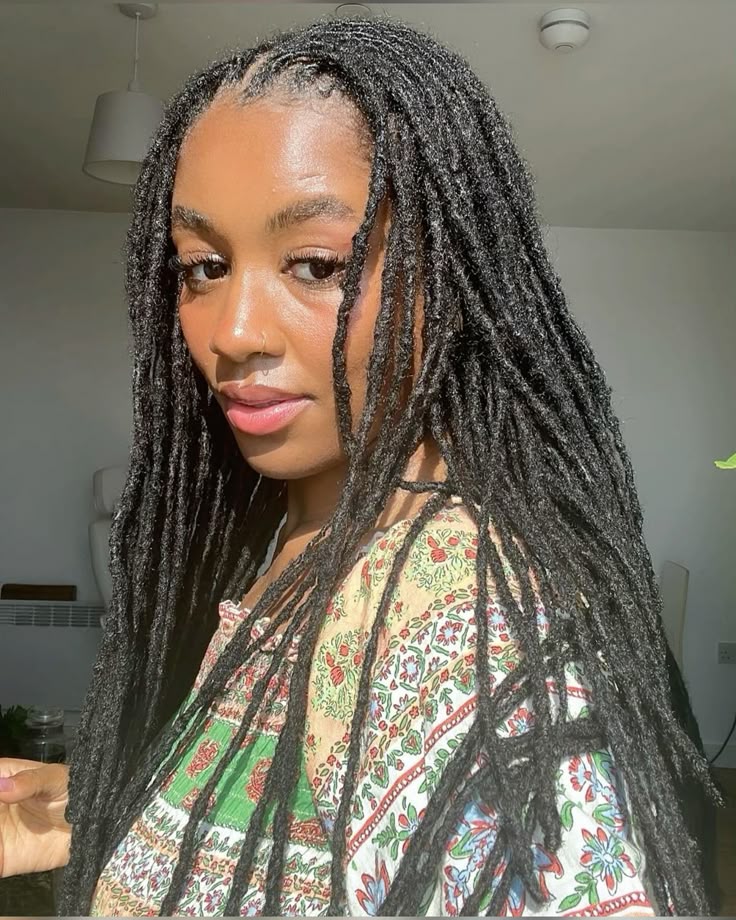
Healthy locs are built through consistent care, proper moisture, gentle handling, and good maintenance habits. Unhealthy locs usually develop when important hair care practices are ignored for long periods.
I remember talking to a woman who spent weeks researching How to Start Your Locs Journey the Right Way before getting her starter locs. She thought the hardest part was choosing a loc method.
A few months later, she realized maintaining healthy locs required much more effort than she expected.
Around the same time, another loc wearer shared how reading 10 Things I Wish I Knew Before I Started My Locs helped her avoid mistakes that could have caused serious damage.
Their experiences highlight an important truth. Healthy locs are not created by luck. They are created by informed decisions and consistent care.
Understanding What Makes Locs Healthy vs Unhealthy can save you years of frustration and expensive repairs. Healthy locs feel strong, moisturized, and resilient. They continue growing without excessive shedding or breakage.
Unhealthy locs often become brittle, weak, thin, and difficult to manage. The good news is that most loc issues can be prevented or corrected when identified early.
In this guide, you will learn the signs of healthy locs, the warning signs of unhealthy locs, and the habits that help your locs thrive for years.
Healthy Locs Have Strong Roots and a Solid Foundation
When discussing What Makes Locs Healthy vs Unhealthy, the roots are one of the first places to examine. Healthy roots provide the support your locs need as they become longer and heavier. Without strong roots, even the thickest locs can eventually become weak and fragile.
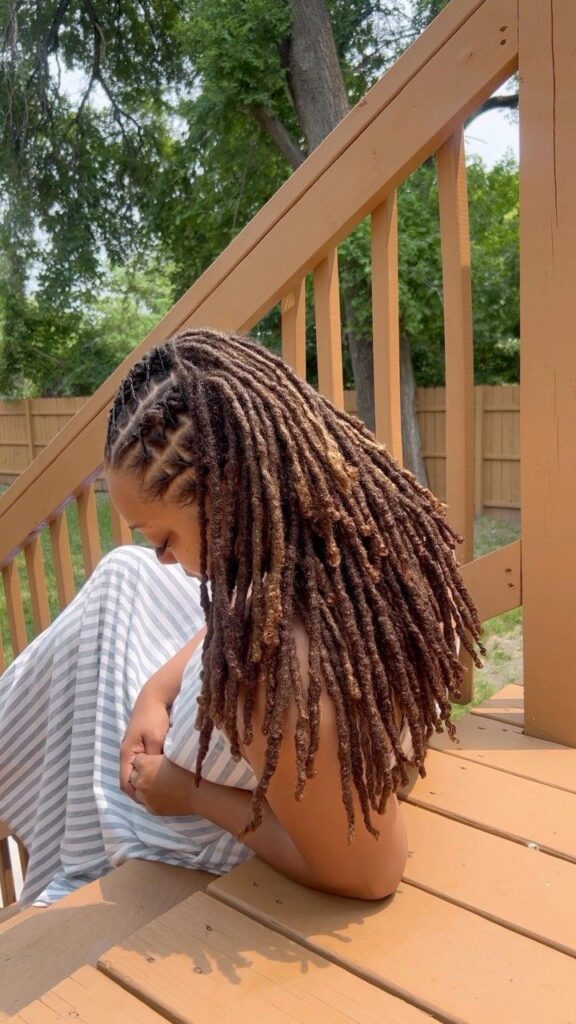
Many people focus on the visible length of their locs. However, the real health of your locs begins at the scalp. Healthy roots should feel secure and dense. They should not appear excessively thin or sparse. If you notice your locs becoming narrower near the root, it may be a warning sign that something is wrong.
One common cause of weak roots is excessive manipulation. Frequent retwisting, tight hairstyles, and constant pulling can place stress on the hair follicles. Over time, that stress may lead to thinning or breakage. This is why many experienced loc wearers prioritize hair health over perfectly neat roots.
The foundation of healthy locs often starts long before the locking process begins. Proper preparation helps create stronger locs from the beginning.
If you are still planning your journey, How to Prepare Your Hair Before Starting Locs can help you build a healthier foundation. Many beginners also benefit from learning How to Start Locs on Short Hair (Step-by-Step Beginner Guide) because starting correctly reduces future problems.
Healthy roots also depend on good scalp health. A dry, irritated scalp can weaken the environment where your hair grows. Keeping your scalp clean and moisturized helps support stronger growth over time.
The stronger your roots become, the better your locs can withstand daily styling, washing, and maintenance. Strong roots are one of the clearest signs of healthy locs and one of the biggest differences in What Makes Locs Healthy vs Unhealthy.
Healthy Locs Retain Moisture Instead of Constantly Feeling Dry
Moisture is one of the most misunderstood aspects of loc care. Many people believe that dry locs are normal. While locs may feel different from loose natural hair, they should never feel excessively dry or brittle.
Healthy locs retain moisture well. They feel soft enough to bend slightly without snapping. They also maintain a natural sheen instead of looking dull and lifeless. When locs receive enough moisture, they become more resilient and less likely to break.
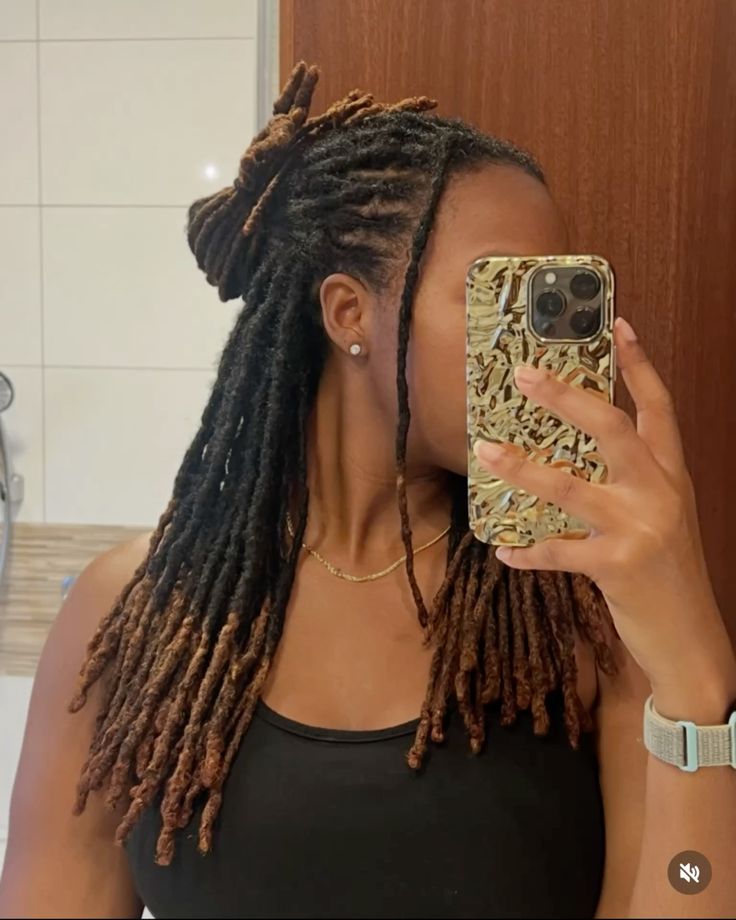
Dry locs often develop slowly. At first, you may only notice roughness or increased frizz. Later, the dryness can lead to breakage, thinning, and weak spots throughout the loc. Many people do not realize their locs are dehydrated until damage becomes obvious.
One mistake many loc wearers make is relying entirely on oils. Oils help seal moisture, but they do not provide hydration. Water remains the most important source of moisture for locs. Hydrating sprays and water-based products are often more effective than heavy oils alone.
Creating a consistent moisture routine is essential for long-term loc health. If you are unsure how often to hydrate your hair, How Often Should You Moisturize Locs? explains what most loc wearers need. Choosing the right products also matters. Best Oils and Moisturizers for Starter Locs (What Actually Works) can help you avoid products that create buildup.
When evaluating What Makes Locs Healthy vs Unhealthy, moisture levels reveal a lot. Healthy locs stay flexible, strong, and hydrated. Unhealthy locs often feel dry, brittle, and vulnerable to damage.
A Healthy Scalp Creates Healthy Locs
Many loc wearers spend most of their time focusing on the locs themselves. Unfortunately, they often forget about the scalp underneath. A healthy scalp is one of the most important factors in determining What Makes Locs Healthy vs Unhealthy.
Your scalp is where every strand of hair begins. If the scalp is unhealthy, your locs may struggle to thrive. Problems such as dandruff, irritation, inflammation, and excessive buildup can interfere with healthy growth. These issues can also make maintaining your locs much more difficult.
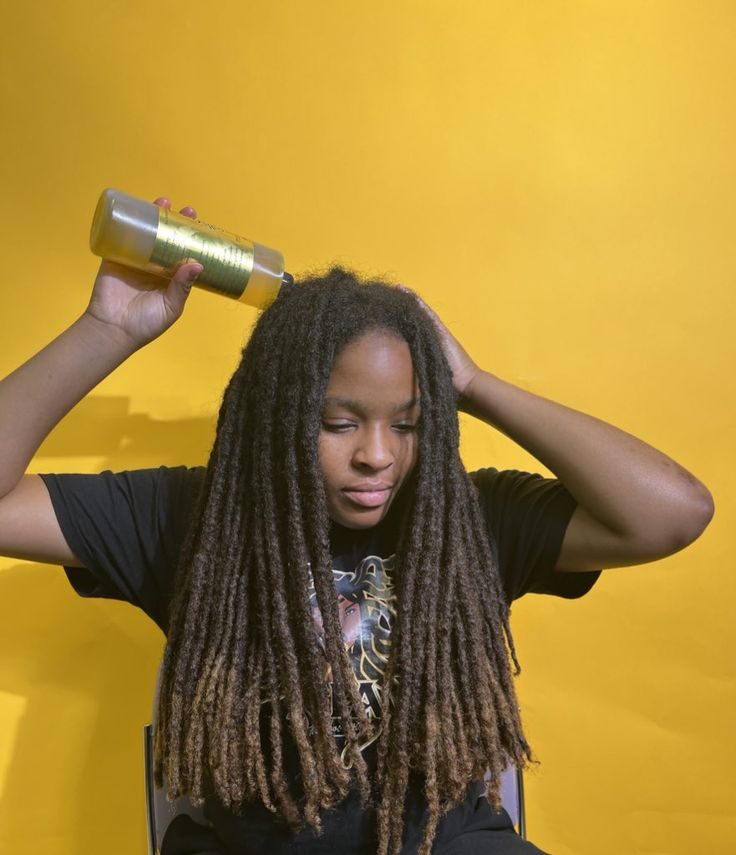
A healthy scalp should feel comfortable most of the time. Occasional itching may happen, especially during seasonal changes. However, constant irritation often signals a deeper issue. Excessive flakes, redness, and tenderness should never be ignored.
Many scalp problems develop because of product buildup. Heavy products can clog the scalp and prevent proper cleansing. Some people also wash their locs too infrequently because they fear unraveling or frizz. Unfortunately, avoiding washes often creates even more problems.
If dandruff has become a recurring issue, How to Get Rid of Dandruff in Your Locs provides practical solutions that protect both your scalp and your locs. Regular cleansing also plays a major role in maintaining scalp health.
Think of your scalp as the soil and your locs as the plant. Healthy soil produces stronger growth. Poor soil struggles to support healthy development. The same principle applies to locs. Healthy locs almost always begin with a healthy scalp.
Healthy Locs Have Little to No Excessive Buildup
Another major factor in What Makes Locs Healthy vs Unhealthy is the amount of buildup trapped inside the locs. Buildup is one of the most common problems loc wearers face, yet many people do not recognize it until it becomes severe.
Healthy locs should feel relatively lightweight and clean. They should not feel coated with heavy residue. While some product accumulation is normal over time, excessive buildup can create serious issues. It can block moisture from entering the hair, attract dirt, cause unpleasant odors, and make locs appear dull.
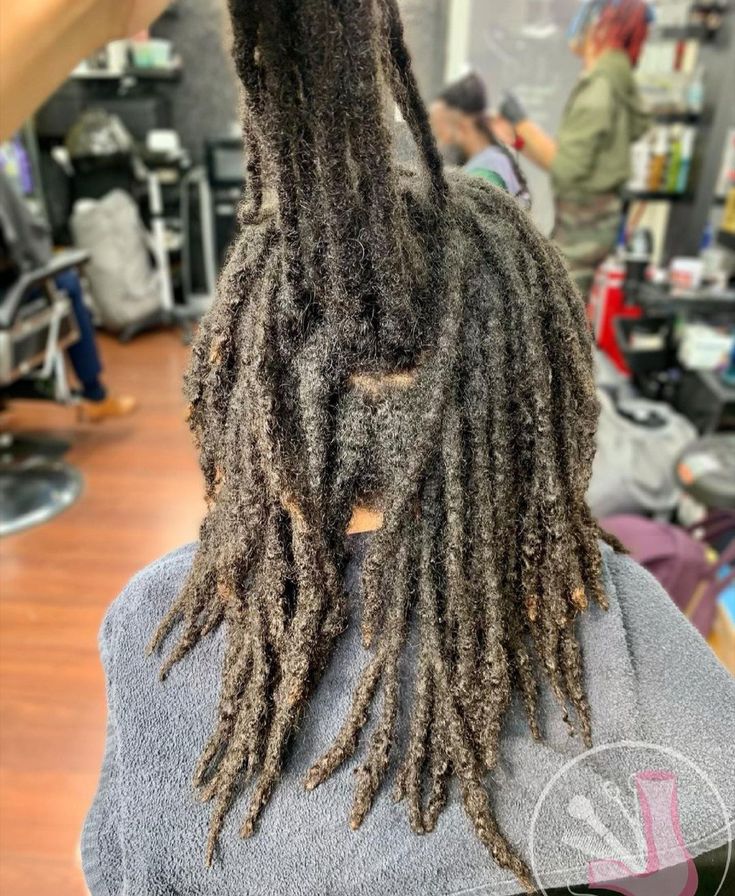
One reason buildup becomes so problematic is that it often hides inside the loc. Unlike loose natural hair, locs can trap residue deep within their structure. This means the problem may continue growing even when the outside looks fine.
Heavy waxes are often responsible for stubborn buildup. Many beginners use thick products hoping to make their locs lock faster. Unfortunately, these products frequently create more problems than benefits. Product residue combines with sweat, dust, and lint, forming layers that become difficult to remove.
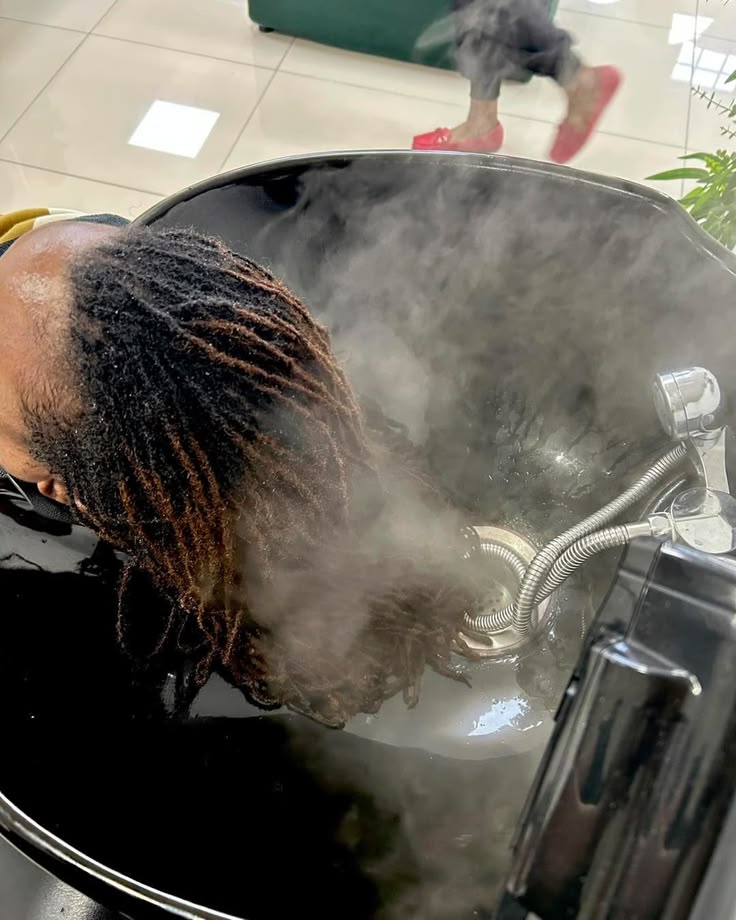
Regular cleansing helps prevent buildup before it becomes severe. Deep cleaning methods can also help restore loc health when residue becomes noticeable. Many people find that Everything You Need to Know About Steaming Your Locs helps loosen trapped dirt and improve moisture retention.
If your locs feel unusually heavy, sticky, or difficult to moisturize, buildup may be the cause. Healthy locs absorb moisture more easily because they are not coated with layers of residue. Keeping buildup under control is one of the simplest ways to improve the overall health and appearance of your locs.
Unhealthy Locs Often Show Signs of Thinning
Thinning is one of the most alarming signs of unhealthy locs. Few things worry loc wearers more than seeing their once-full locs become smaller, weaker, or fragile. When discussing What Makes Locs Healthy vs Unhealthy, thinning is a warning sign that should never be ignored.

Thinning can happen for several reasons. Excessive retwisting is one of the most common causes. While retwists help maintain a neat appearance, performing them too frequently places stress on the roots. Over time, this repeated tension can weaken the hair and create thin spots.
Tight hairstyles are another major contributor. Ponytails, buns, and styles that constantly pull on the same areas can damage the roots. The hairline often suffers first because those hairs are naturally more delicate.
Sometimes thinning develops because of poor nutrition, illness, or hormonal changes. In other cases, dryness and breakage gradually reduce the density of the loc. Regardless of the cause, early intervention is extremely important.
Many people ignore thinning because it starts slowly. They assume the problem will fix itself. Unfortunately, thinning often worsens when left untreated. Learning How to Fix Thin Locs Naturally can help you take action before permanent damage occurs.
You should also pay attention to your maintenance habits. If you frequently retwist your hair, Signs You Are Retwisting Your Locs Too Often can help you determine whether your routine is causing unnecessary stress.
Healthy locs maintain their thickness over time. Unhealthy locs often become thinner because the underlying causes are not addressed.
Healthy Locs Continue Growing Without Constant Breakage
Many people believe their locs have stopped growing. In reality, growth is usually happening. The real problem is often breakage. This is why understanding breakage is essential when learning What Makes Locs Healthy vs Unhealthy.
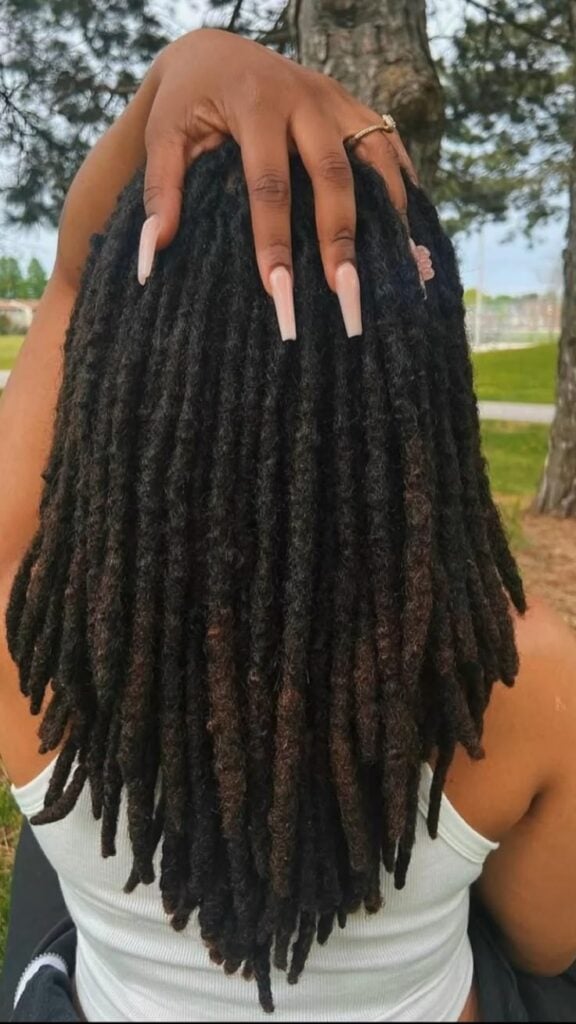
Hair naturally grows from the scalp. However, if your locs break at the same rate they grow, you may never see noticeable progress. This creates the illusion that your locs are stuck at the same length.
Healthy locs retain most of their growth because they remain strong enough to withstand daily wear and tear. They are properly moisturized, protected during sleep, and handled gently during maintenance. As a result, length accumulates steadily over time.
Unhealthy locs often tell a different story. Dryness weakens the hair shaft. Excessive manipulation creates stress. Product buildup interferes with moisture absorption. Together, these factors increase the likelihood of breakage.
Many people become frustrated when their locs seem shorter than expected after several years. Often, the issue is not growth but retention. Learning Why Your Locs Are Not Growing (And How to Fix It) can help you identify the habits preventing progress.
If breakage has already become noticeable, How to Prevent Loc Breakage offers practical strategies to protect your length. Small changes can make a significant difference over time.
Healthy locs grow because they are able to keep the length they gain. That ability to retain growth is one of the clearest indicators of healthy hair.
Healthy Locs Are Strong Enough to Handle Everyday Styling
Styling is one of the most enjoyable parts of having locs. However, the way your locs respond to styling can reveal a lot about their condition. One important aspect of What Makes Locs Healthy vs Unhealthy is how well your locs handle manipulation.
Healthy locs can usually tolerate occasional styling without showing signs of damage. They remain strong during twists, updos, and protective styles. They do not snap easily or develop weak spots after being styled.
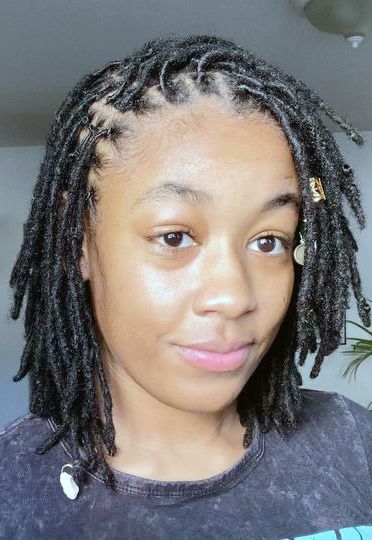
This does not mean healthy locs can handle unlimited tension. Even strong locs need protection. Constant pulling eventually creates stress that can damage the roots. The key is balancing style with hair health.
Many people unknowingly damage their locs by choosing styles that are too tight. They prioritize appearance over comfort. If a style causes pain, it is often too tight. Pain is your scalp’s way of signaling excessive tension.
Protective styles should reduce stress, not create it. Choosing gentler options helps preserve your roots and prevent thinning. If you want styling ideas that prioritize hair health, Low Tension Loc Styles That Protect Your Hairline offers excellent options.
You can also explore Quick Loc Hairstyles You Can Do in Under 10 Minutes when you need simple looks that avoid excessive manipulation.
Healthy locs make styling easier because they are stronger and more resilient. Unhealthy locs often become fragile and difficult to style without causing further damage. That difference plays a significant role in understanding What Makes Locs Healthy vs Unhealthy.
Unhealthy Locs Often Develop Weak Spots and Structural Damage
One of the most overlooked signs when discussing What Makes Locs Healthy vs Unhealthy is structural weakness. Many people focus on length and appearance while ignoring the actual strength of their locs. A loc may look healthy from a distance but still contain weak areas that can eventually break.
Weak spots often develop gradually. They rarely appear overnight. In many cases, repeated stress causes certain sections of the loc to become thinner than the rest. This may happen near the roots, in the middle of the loc, or even near the ends.
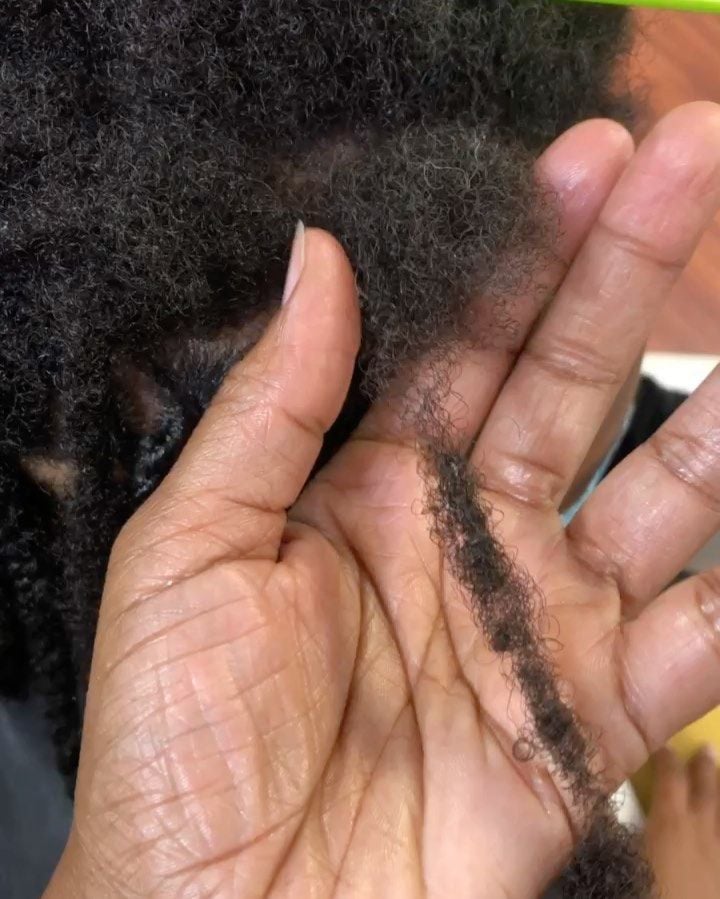
Several factors contribute to structural damage. Excessive retwisting is a major culprit. Constant tension weakens the hair over time. Dryness can also reduce the strength of the hair shaft, making it more prone to snapping. Product buildup may prevent moisture from reaching the hair, which further increases the risk of weakness.
Another common cause is neglecting routine maintenance. Small problems often become larger when they go unnoticed. This is why regular inspections are so important. Pay attention to changes in thickness, texture, and overall strength.
If you notice areas that feel unusually thin, it is important to address them immediately. Many loc wearers have successfully restored weaker areas through How to Strengthen Weak Locs. Taking action early usually produces better results than waiting until significant breakage occurs.
Healthy locs maintain a fairly consistent structure from root to tip. Unhealthy locs often contain weak areas that become more noticeable over time. The sooner you identify those areas, the easier they are to correct.
Healthy Locs Lock Properly and Mature Naturally
Many beginners worry when they see frizz, budding, or changes in texture. These concerns are understandable. However, understanding the locking process is essential when learning What Makes Locs Healthy vs Unhealthy.

Healthy locs do not develop overnight. Locking is a gradual process that requires patience. During the early stages, your hair goes through several transformations. Frizz appears. Budding develops. The texture changes as individual strands begin to intertwine.
Many beginners mistakenly believe these changes are signs of damage. In reality, they are often signs of progress. The challenge is knowing the difference between normal development and actual problems.
Healthy locs continue moving through the locking process without excessive unraveling or breakage. They gradually become more compact and secure. The exact timeline varies depending on hair texture, maintenance habits, and starting method.
Understanding the journey helps reduce unnecessary worry. If you are unsure whether your locs are progressing correctly, Signs Your Locs Are Locking Properly (And When to Worry) can help you recognize what is normal.
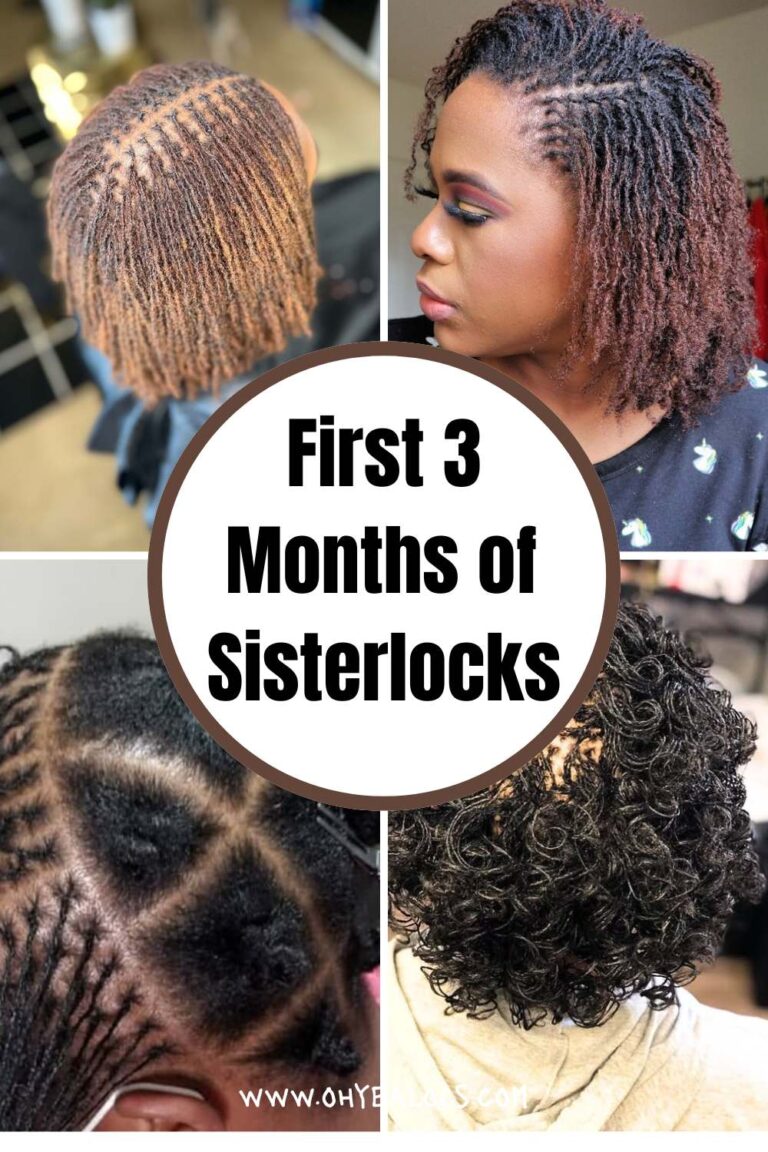
People who recently started their locs may also benefit from learning What to Expect in the First 3 Months of Your Loc Journey. Knowing what lies ahead often prevents panic and poor decisions.
Healthy locs trust the process. Unhealthy locs often result from excessive interference, impatience, or improper care during the early stages.
Healthy Locs Benefit From Proper Retwisting Habits
Retwisting plays an important role in loc maintenance. However, many people do not realize that improper retwisting habits can quickly transform healthy locs into unhealthy ones. This is another key factor in understanding What Makes Locs Healthy vs Unhealthy.
A proper retwist helps maintain the shape of your locs. It keeps new growth organized and makes styling easier. However, retwisting too often can create significant stress on the roots.
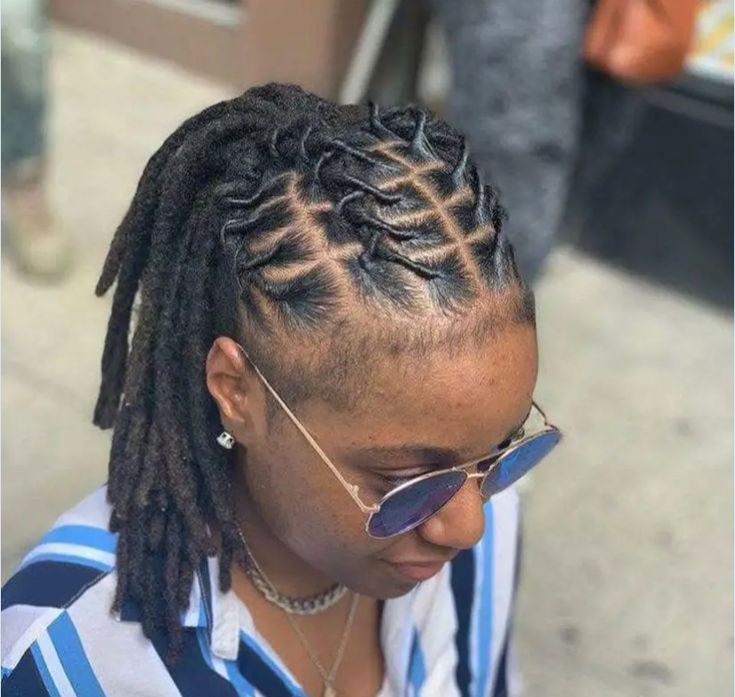
Many people become obsessed with keeping their locs perfectly neat. They schedule retwists every few weeks because they dislike frizz. Unfortunately, excessive retwisting weakens the roots and increases the risk of thinning. Over time, this can lead to permanent damage.
Healthy loc wearers understand that some frizz is normal. Frizz is often a sign that your hair is growing and locking. Constantly fighting that process may do more harm than good.
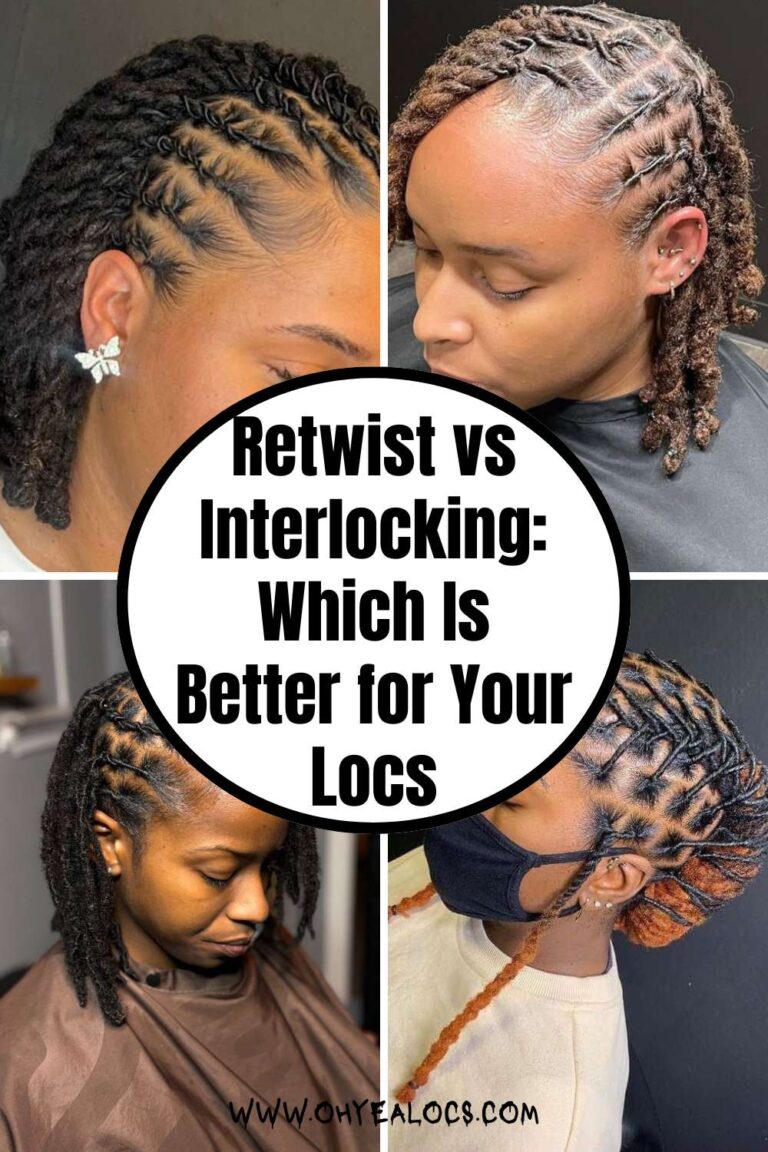
Learning the correct schedule for your stage of growth is important. If you are still in the early stages, How Often Should You Retwist Starter Locs? provides valuable guidance. Those with mature locs may benefit from How Often Should You Retwist Mature Locs?
Healthy retwisting focuses on maintaining the locs without creating unnecessary tension. The goal is healthy hair, not perfect neatness. Locs that are cared for gently usually remain stronger over the long term.
Healthy Locs Require Consistent Care, Not Perfection
One of the biggest misconceptions about locs is that they require perfect maintenance. The truth is much simpler. Healthy locs are built through consistency, not perfection.
Many people become discouraged when they experience occasional dryness, frizz, or buildup. They assume they have failed. In reality, every loc wearer encounters challenges. The difference lies in how those challenges are addressed.
Healthy loc wearers develop routines that fit their lifestyle. They moisturize regularly. They cleanse their scalp. They protect their locs during sleep. Most importantly, they stay consistent. Small actions repeated over months and years create remarkable results.
Unhealthy locs often result from neglect rather than a single mistake. Skipping maintenance occasionally is unlikely to cause serious damage. Repeated neglect, however, can lead to dryness, breakage, thinning, and scalp problems.
For people who prefer managing their own hair, How to Maintain Locs Without a Loctician offers practical strategies for maintaining healthy locs independently. Building a simple routine often works better than chasing complicated trends.
When people ask What Makes Locs Healthy vs Unhealthy, consistency is one of the most accurate answers. Healthy locs are not perfect every day. They are simply cared for regularly and intentionally.
Conclusion
Understanding What Makes Locs Healthy vs Unhealthy can completely change the way you care for your hair. Healthy locs are not defined by length alone. They are supported by strong roots, proper moisture, a clean scalp, minimal buildup, and consistent maintenance habits. They continue growing because they retain length instead of losing it through breakage.
Unhealthy locs often reveal themselves through dryness, thinning, excessive buildup, weak spots, and poor growth retention. These issues rarely appear overnight. They develop slowly through habits that may seem harmless at first. The good news is that many of these problems can be prevented or improved when identified early.
Your locs are a long-term investment. Every choice you make today affects their condition tomorrow. Focus on healthy habits rather than quick fixes. Be patient with the process. Protect your roots, maintain moisture, and listen to the signals your hair gives you.
The difference between healthy and unhealthy locs is rarely luck. It is usually the result of consistent care, informed decisions, and patience. When you prioritize those things, your locs have the best chance to grow stronger, fuller, and healthier for years to come.


6 Comments