
How to Retwist Your Locs Properly at Home
Disclosure: Some of the links in this post are affiliate links. This means if you click on the link and purchase an item, I will receive an affiliate commission at no extra cost to you. All opinions remain my own. I only recommend products or services I believe will add value to my readers.
At some point in your loc journey, you start thinking about how to retwist your locs properly at home. Maybe it’s to save money, avoid long salon appointments, or simply take more control over your hair. On paper, it sounds simple enough: just twist the new growth, and you’re good to go.
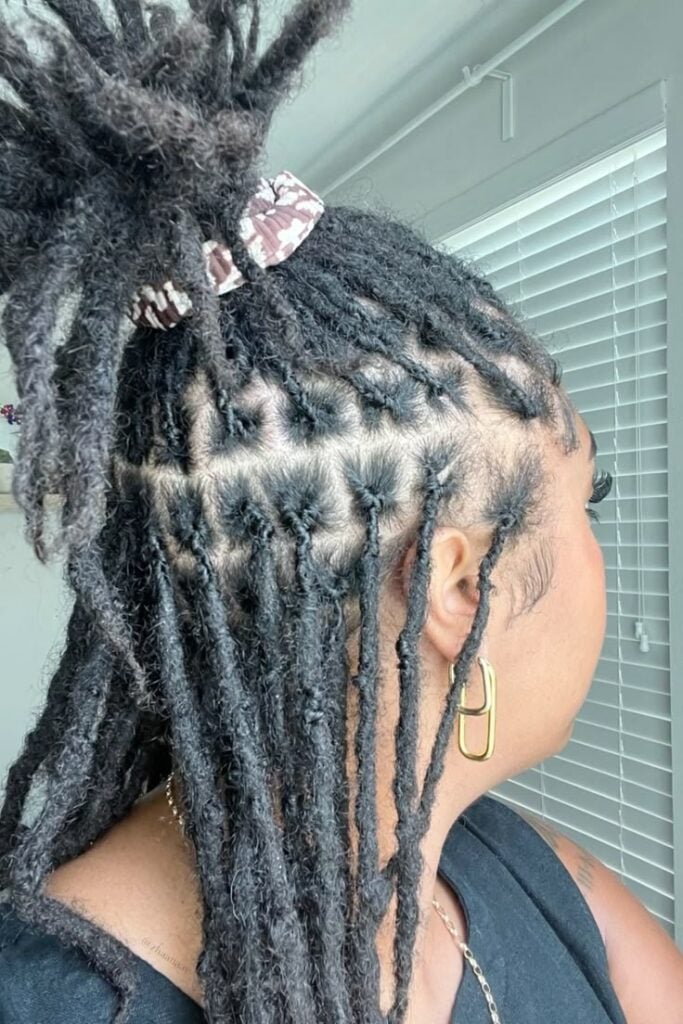
But in reality, home retwisting often feels way more complicated than expected.
You will want to save this for later: How Often Should You Retwist Starter Locs?
For many people, the first few attempts are confusing, messy, or even discouraging. One side looks neat while the other looks loose. Some locs hold, others unravel within days. And then there’s that constant worry sitting in the back of your mind: “Am I doing this right, or am I slowly ruining my locs?”
Trust me, you’ll want this saved to your hair board: How to Wash Starter Locs Without Unraveling Them (Step-by-Step Guide)
That fear is very common, especially when you start noticing things like thinning roots, tight scalp tension, or uneven parts after retwisting. It’s easy to assume you’ve made a mistake or that your hair just “doesn’t cooperate,” but most of the time, it simply comes down to technique and understanding what your locs actually need.
This is the guide everyone needs: Cute and Low-Maintenance Short Sisterlocks Hairstyles
The truth is, retwisting is a skill. And like any skill, it feels awkward at the beginning. The goal isn’t perfection, it’s learning how to maintain your locs in a way that keeps them healthy, neat, and strong over time without causing damage or stress to your scalp.
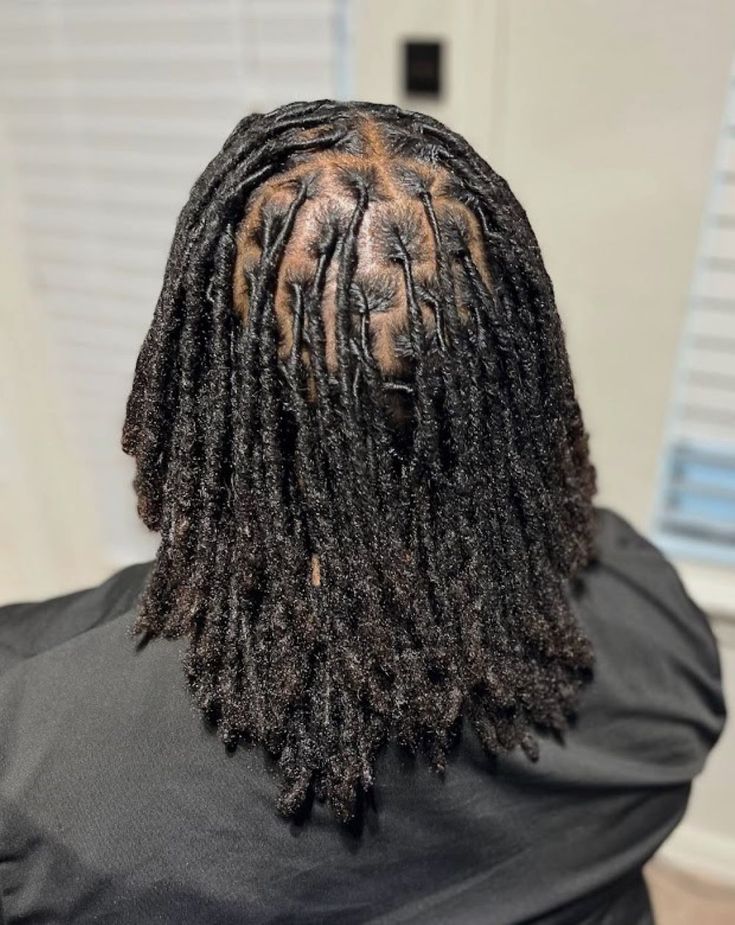
In this guide, you’ll learn a simple, step-by-step way of how to retwist your locs properly at home without the guesswork, confusion, or unnecessary stress. Whether you’re just starting out or trying to improve your current routine, this will help you build confidence and avoid the most common mistakes.
Save this before your next retwist: Step-by-Step Beginner Guide to Retwisting Locs
Common Problems People Face When Retwisting Locs at Home
Even though retwisting seems straightforward, many people run into the same frustrating issues when doing it themselves. If you’ve experienced any of these, you’re definitely not alone.
One of the most common problems is retwists that unravel too quickly. You spend hours carefully twisting your hair, only for it to loosen within a few days. This usually leads to frustration and the feeling that your effort was wasted.
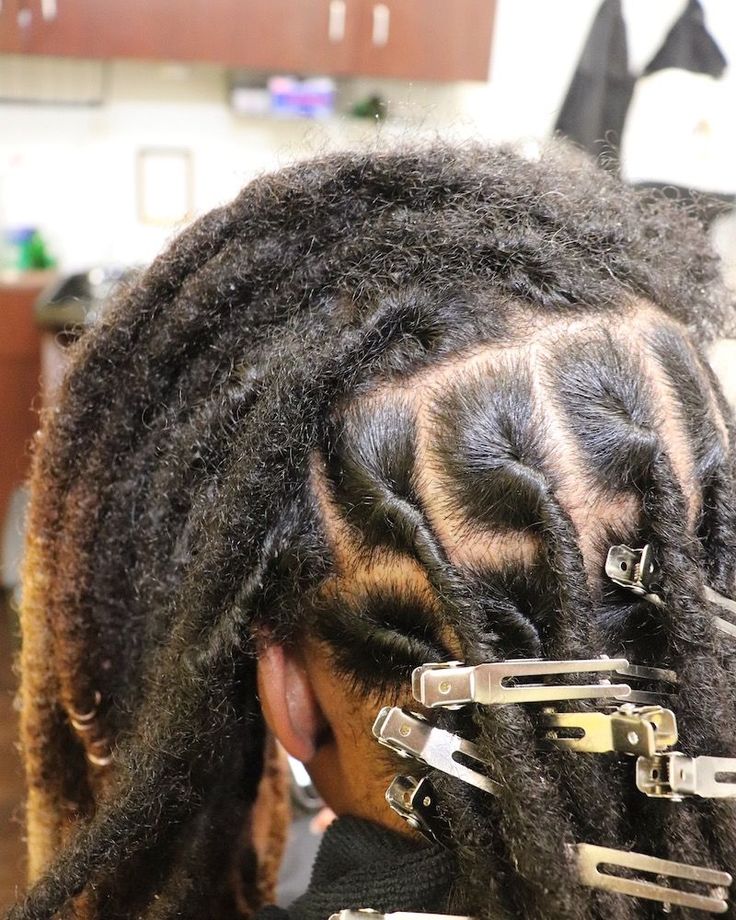
Another major issue is over-twisting, which can actually do more harm than good. When locs are twisted too tightly or too frequently, it puts stress on the roots. Over time, this can lead to thinning, breakage, or weakened locs, especially around the edges where hair is more delicate.
Then there’s scalp pain or tension after styling. A retwist should feel neat, not painful. If your scalp feels sore, tight, or uncomfortable afterward, it’s often a sign that too much tension was used during the process.
Many people also struggle with uneven or messy parts. Without proper sectioning, locs can start to lose their structure, making the overall look less neat and harder to maintain over time. This can be especially discouraging if you’re trying to achieve a clean, uniform loc pattern.
Find out what works (and what doesn’t): How to Part Your Hair Properly for Starter Locs (Beginner-Friendly Guide)
Another overlooked issue is product buildup, which can make locs look dull, sticky, or heavy. Using too much gel or the wrong type of product can lead to residue that attracts dirt and affects the natural appearance of your locs.
Finally, a lot of people feel confused about how often they should retwist their locs. Retwisting too often can cause stress on the hair, while waiting too long can lead to excessive frizz and matting at the roots. Finding that balance can be tricky without proper guidance.
All of these challenges can make home retwisting feel overwhelming at first, but once you understand what’s going wrong, it becomes much easier to fix and improve your routine. In this guide, you will master how to retwist your locs properly at home.
Learn more about loc care: How Often Should You Moisturize Your Locs?
What You Need Before You Start Retwisting
One of the biggest reasons home retwists feel overwhelming is not knowing exactly what you need before you start. A lot of people either overcomplicate it with too many products or under-prepare and end up stopping halfway through. The truth is, you only need a few essential tools and the right setup to make the process smooth and stress-free.
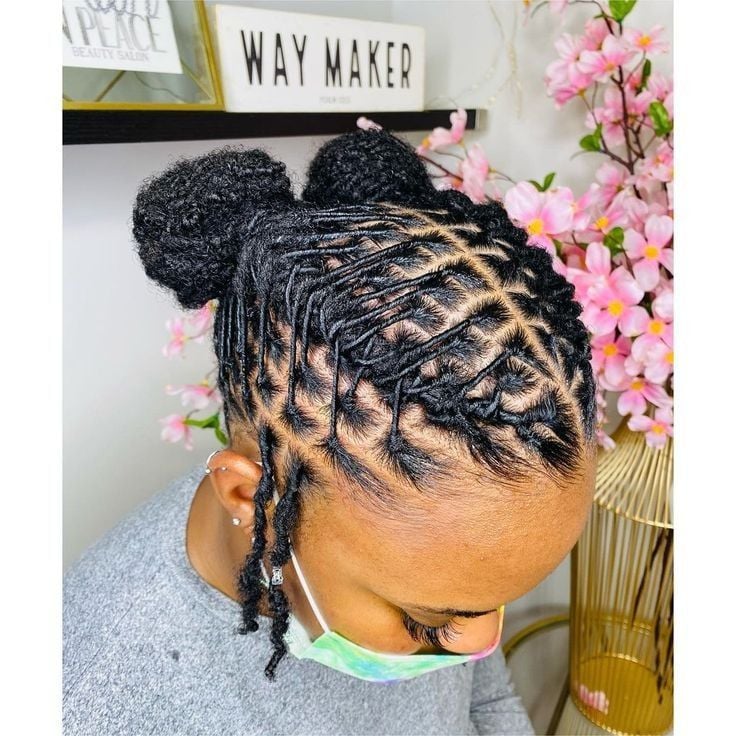
First, you need clean locs or a clarifying shampoo wash beforehand, this is the first step in mastering how to retwist your locs properly at home. Starting with a clean base is very important because product buildup, sweat, and dirt can make it harder for your twists to hold properly. Clean locs also help your retwist last longer and look neater. If your locs aren’t freshly washed, your results will never be as defined or long-lasting as they should be.
Next is a lightweight locking gel or natural alternative. The key here is “lightweight.” You want something that helps your roots hold without creating buildup or making your locs feel sticky or heavy. Many people make the mistake of using too much product or using thick waxes, which can cause residue over time and make locs look dull instead of fresh.
You’ll also need clips or hair ties to keep sections out of the way as you work. This helps you stay organized and prevents already-twisted locs from unraveling while you focus on other parts.
A rat tail comb is optional, but it can be very helpful if you want clean, even parts, especially if your locs are still in the starter or early stages. Good parting helps your locs grow in a more structured and uniform way.
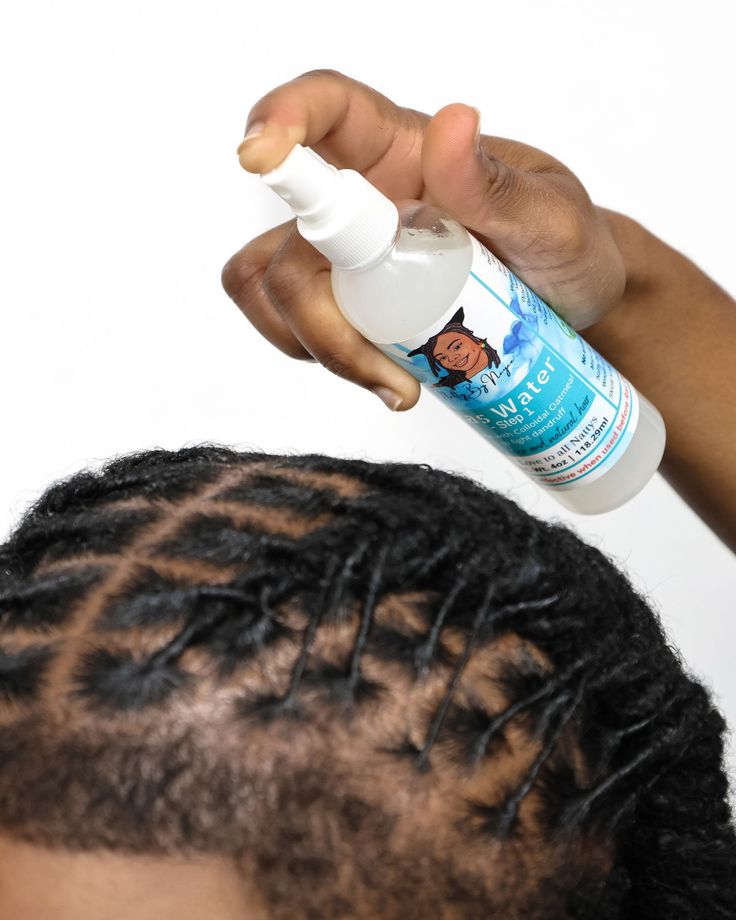
A spray bottle with water or a light leave-in conditioner is also useful. Slightly damp locs are easier to manage, and moisture helps reduce frizz while you twist.
I recommend this: How long should you moisturize locs
Finally, set up a mirror system with goodlighting and visibility. Whether it’s a handheld mirror or a front-and-back mirror setup, being able to clearly see what you’re doing makes a huge difference in accuracy and reduces mistakes.
Having these basics ready removes most of the confusion people feel when they start retwisting at home. It shifts the process from guessing to actually having a simple, controlled routine.
Step-by-Step Guide: How to Retwist Your Locs Properly
Retwisting your locs at home doesn’t have to feel complicated. Once you understand the steps and follow them consistently, it becomes a simple routine rather than a stressful task.
Start with clean, slightly damp locs
Begin with freshly washed or properly cleaned locs. Cleanliness is the foundation of healthy loc maintenance because it removes buildup that can block proper locking and cause odor or residue over time. Slightly damp locs are easier to manage, reduce frizz, and allow your product to spread evenly. Dirty or dry locs, on the other hand, make retwisting harder and less effective in the long run.
Section your hair properly
Good sectioning is what gives locs their structure. Take your time to separate your hair into consistent parts before you begin twisting. This step is important because uneven sections can lead to mismatched loc sizes over time. Clean, consistent parting helps your locs grow neatly and maintain a uniform look as they mature.
Apply a small amount of product
When it comes to retwisting, less is more. Apply a small amount of locking gel or styling product only at the root. Using too much can lead to buildup, flaking, and that heavy, sticky feeling that makes locs look dull instead of fresh. The goal is to help the roots hold not to saturate the entire loc.
Twist each loc in the same direction
Consistency is key here. Always twist your locs in the same direction to maintain a uniform pattern. This helps your locs lock properly and prevents unraveling or irregular shapes. You can choose a root-only retwist, where you focus just on the new growth, or a full loc retwist if your locs need more overall tightening but root retwisting is the most common and recommended method for maintenance.
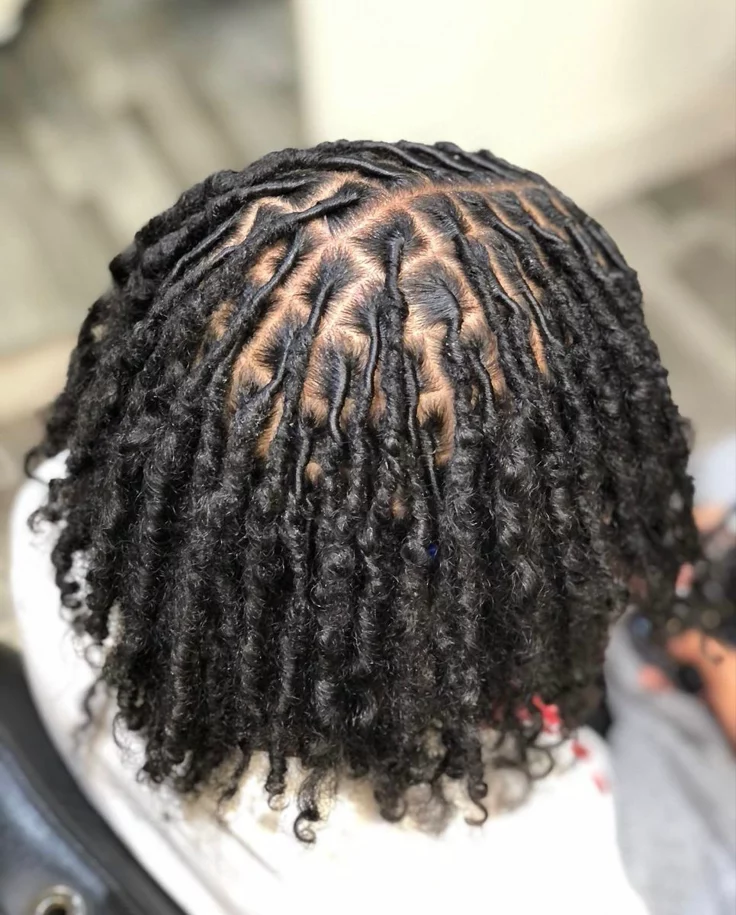
Secure the roots
Once you’ve twisted a loc, use a clip or your fingers to hold it in place so it doesn’t loosen while you continue working on the rest of your hair. Some people also use a palm-rolling method to smooth the roots and help the twist set more firmly. The goal is to keep tension gentle but secure tight enough to hold, but not painful.
Dry completely before styling
Never skip drying. Letting your locs fully dry is essential for preventing odor, mildew, and unnecessary frizz. Whether you air-dry or use a hooded dryer, make sure your locs are completely dry before you move on to styling or covering them. This step is often rushed, but it has a big impact on how clean and long-lasting your retwist looks.
Biggest Mistakes to Avoid When Retwisting Locs at Home
Even with the right steps, small mistakes can affect the health and appearance of your locs over time. Many of these issues come from trying too hard to make the retwist look “perfect,” when in reality, too much manipulation can do more harm than good.
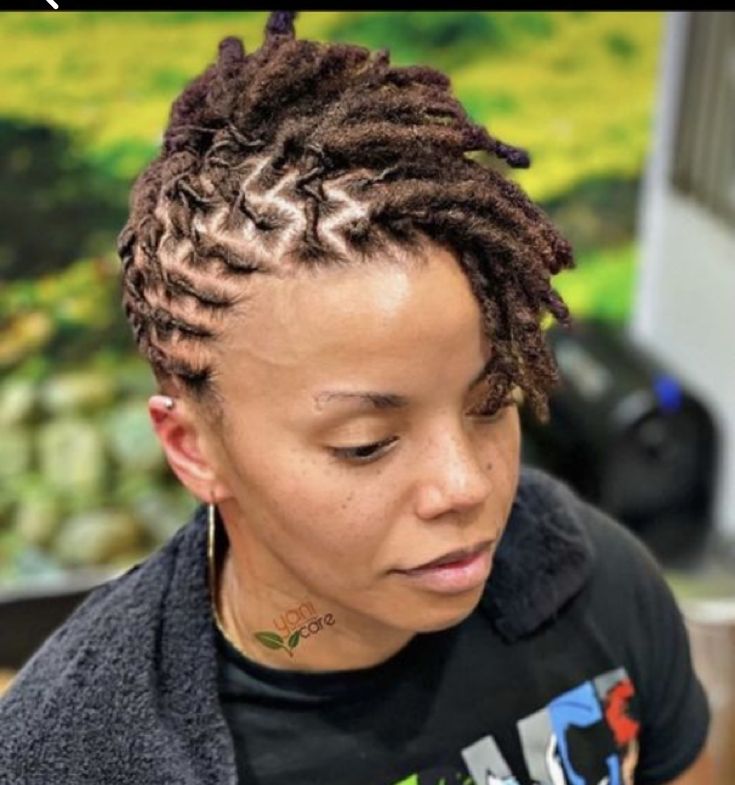
One of the most common mistakes is retwisting too tightly. While it may feel like tighter equals neater, excessive tension can lead to traction alopecia, thinning edges, and long-term stress on your scalp. A retwist should feel secure, not painful.
Another major issue is using too much gel or wax. Overloading your roots with product might make the style look neat initially, but it quickly leads to buildup, flaking, and a heavy, dirty appearance that is hard to clean out over time.
Many people also make the mistake of retwisting too frequently. Constant manipulation of your roots can weaken your locs and slow down healthy locking. Your hair needs time to settle and mature between retwists.
Skipping scalp care is another overlooked problem. A healthy scalp is the foundation of healthy locs. Ignoring dryness, itching, or buildup can lead to discomfort and poor loc growth over time.
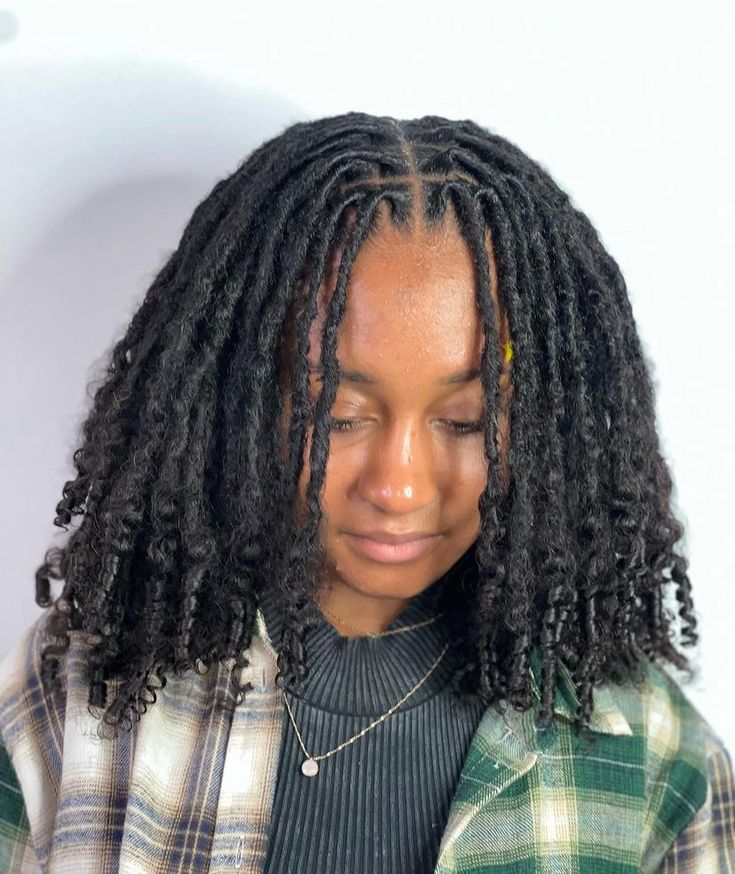
Finally, retwisting dry or dirty locs is a common habit that affects results. Without proper cleansing or moisture, your retwist won’t hold well, and your locs may end up looking rough or uneven instead of neat and defined.
Avoiding these mistakes is just as important as learning the correct steps. It helps protect your loc journey, keeps your hair strong, and ensures your retwists support healthy long-term growth instead of causing damage.
You should see this: How to Tell If Your Starter Locs Are Healthy
How Often Should You Retwist Your Locs?
One of the most confusing parts of loc maintenance is figuring out how often you should actually retwist your hair. There’s no one-size-fits-all answer, because the right timing depends on your loc stage, hair type, and how fast your new growth appears.
Starter locs vs mature locs differences
If you have starter locs, you’ll usually need more frequent retwists, often every 4 to 6 weeks. This is because your locs are still forming, and retwisting helps train them to lock in the right direction and maintain a neat structure.

You will love this: How to Start Locs on Damaged Hair Safely
On the other hand, mature locs don’t need as much manipulation. Many people with mature locs retwist every 6 to 10 weeks, or even longer, depending on their preference. At this stage, the locs are more stable, and too much retwisting can actually do more harm than good.
Signs it’s time to retwist (not just a schedule)
Instead of strictly following a calendar, it helps to listen to your hair. It may be time to retwist when:
- Your roots have noticeable new growth and look fuzzy or loose
- Your parts are no longer clearly visible
- Your locs feel heavier at the base or start to lose definition
- You’re having trouble styling because of frizz at the roots
These signs are more reliable than simply “waiting a set number of weeks.”
This is why I suggest:How to Start Locs With the Interlocking Method (Step-by-Step Beginner Guide)
Over-manipulation warning signs
Retwisting too often can quietly damage your locs over time. Watch out for:
- Thinning at the roots or edges
- Increased scalp sensitivity or soreness
- Breakage or weak spots near the base
- Hair that feels overly fragile after styling
If you notice these signs, it may be time to space out your retwists more and allow your hair to rest and strengthen.
How to Maintain Your Retwist for Longer Results
After putting in the effort to retwist your locs, the goal is to make the style last as long as possible without constant touch-ups. Good maintenance habits can help your retwist stay neat, fresh, and defined for weeks.

Wrapping hair at night (bonnet/scarf)
One of the simplest but most effective habits is wrapping your locs at night. Using a satin bonnet or scarf helps reduce friction while you sleep, which prevents frizz and keeps your retwist intact. Without protection, cotton pillowcases can cause your roots to loosen faster and create unnecessary fuzz.
Moisturizing scalp without buildup
Keeping your scalp moisturized is important, but it has to be done carefully. Use light sprays or water-based products instead of heavy oils or creams. The goal is to keep your scalp healthy without causing buildup that can undo your fresh retwist or make your locs look dull.
Avoiding heavy styling too soon
Right after a retwist, your locs need time to set. Tight ponytails, buns, or heavy styling can pull at the roots and cause your retwist to loosen faster. It’s best to keep styles simple and low-tension for the first few days so your locs can fully settle.
Refreshing edges between retwists
Instead of redoing your entire head too often, you can lightly refresh your edges or front locs if needed. This helps you maintain a neat appearance without over-manipulating your whole head. A little maintenance goes a long way when done gently and sparingly.
When You Should NOT Retwist Your Locs at Home
While home retwisting is convenient, there are times when it’s better to pause and avoid doing it yourself. Retwisting in the wrong condition can actually worsen damage or slow down your loc journey.
Severe buildup or scalp issues
If your scalp is dealing with heavy buildup, itching, flakes, or irritation, retwisting is not the first solution. You need to treat and cleanse your scalp properly first. Retwisting over buildup can trap dirt and make the problem worse.
Extremely uneven or matted roots
If your roots are severely tangled or matted, forcing a retwist at home can lead to breakage or uneven loc formation. In these cases, careful detangling or professional help may be needed before attempting a retwist.
If locs are breaking or thinning
When you notice breakage, thinning roots, or weak spots, it’s a sign your locs need recovery time. Retwisting in this condition can add stress and worsen the damage instead of improving the appearance.
When professional maintenance is needed
Sometimes, your locs may simply be beyond what home maintenance can fix. If you’re dealing with major buildup, long-term neglect, or structural issues in your locs, seeing a loctician is the safest option. A professional can reset your locs properly and help prevent long-term damage.
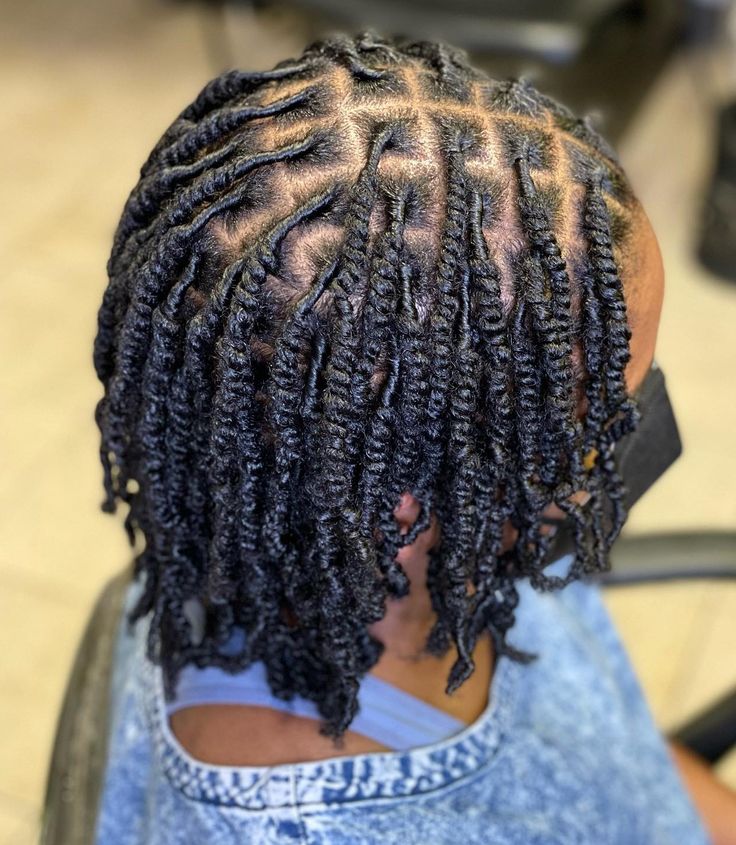
Knowing when not to retwist is just as important as knowing how to do it. It protects your locs, supports healthy growth, and ensures your hair stays strong throughout your journey.
Building Confidence in Your Loc Journey
Retwisting your locs at home can feel overwhelming at first, especially when you’re trying to get everything neat, even, and long-lasting. But like most things in your loc journey, it gets easier the more you do it. What once felt confusing and time-consuming slowly becomes a familiar routine that you can do with confidence.
The truth is, you don’t need to get it “perfect” every single time. Some retwists will look cleaner than others, and that’s completely normal. What matters more is consistency in showing up for your hair, keeping it clean, maintaining your scalp, and caring for your locs in a way that supports healthy growth over time.
Your loc journey is also a learning process. You’ll gradually understand how your hair responds, how often it needs maintenance, and what techniques work best for you. This is part of the process, not a setback. Every retwist teaches you something new about your hair.
So instead of focusing on doing it perfectly, focus on doing it properly and gently. With time, patience, and practice, you’ll build not just better retwisting skills, but real confidence in caring for your locs on your own.






10 Comments