How to Fix Loose Roots in Locs
Disclosure: Some of the links in this post are affiliate links. This means if you click on the link and purchase an item, I will receive an affiliate commission at no extra cost to you. All opinions remain my own. I only recommend products or services I believe will add value to my readers.
Have you ever looked at your locs in the mirror and noticed loose, fuzzy hair growing around your roots?
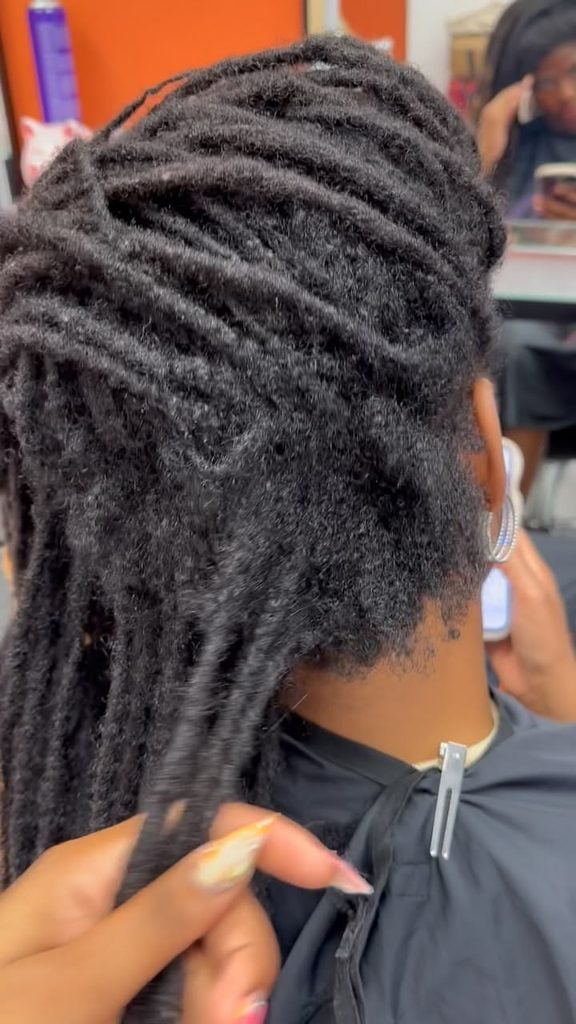
Perhaps your locs look neat along the length, but the roots seem messy, unravelled, or disconnected.
If this sounds familiar, you are not alone. Loose roots are a common concern during different stages of the loc journey.
I remember how frustrating it can feel when your roots refuse to stay neat, especially after spending time maintaining your locs.
You might even wonder if your locs are becoming weak or slowly unraveling. Before you panic, understand that some loose hair around your roots is completely normal.
New growth, frequent washing, friction, and different hair textures can all contribute to this problem.
However, knowing How to Fix Loose Roots in Locs can help you maintain a neat appearance without damaging your hair.
The important thing is to avoid pulling, twisting, or retightening your roots too aggressively. If you are still learning the basics, explore how to care for your locs the right way to understand the maintenance habits that support healthy locs.
Additionally, your retwisting routine plays an important role in keeping your roots organised. Learning how often you should retwist starter locs can help you avoid excessive manipulation and unnecessary tension.
Remember, healthy locs need patience, gentle handling, and consistent care. With the right techniques, you can manage loose roots while protecting your hair from breakage and thinning.
How to Fix Loose Roots in Locs
1. Understand Why Your Loc Roots Become Loose
Before learning How to Fix Loose Roots in Locs, you need to understand why the problem happens.
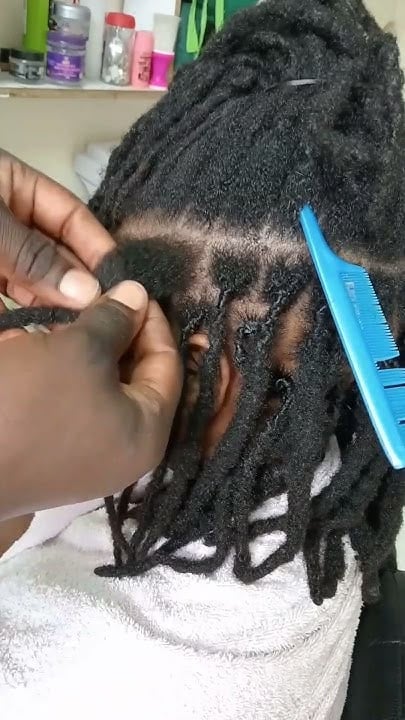
Loose roots do not always mean something is wrong with your locs. Sometimes, they simply show that your natural hair is growing and needs gentle maintenance.
As your hair grows, new strands emerge from your scalp without immediately joining the existing loc. This creates a fluffy or frizzy appearance around the roots.
You may notice this more after several weeks without a retwist. It is particularly common with starter locs because your hair is still learning to hold its shape.
Another reason is frequent washing without proper care. Although washing keeps your scalp clean, excessive rubbing can loosen developing roots.
Using the wrong washing technique can also disturb your loc pattern. If you are still in the early stages, read How to Wash Starter Locs Without Unravelling Them for helpful washing techniques.
Here are other common reasons your loc roots become loose:
- Excessive manipulation: Constantly touching, twisting, or separating your roots can disturb their structure.
- Friction: Sleeping without protecting your hair can create friction against your pillowcase.
- Heavy products: Excessive creams, oils, and gels can cause buildup around your roots.
- Incorrect retwisting: Poor retwisting techniques can leave some roots loose or create unnecessary tension.
- Natural hair texture: Some hair textures take longer to hold together, especially during the starter loc stage.
Understanding the cause helps you choose the right solution. Instead of forcing every loose strand into place, focus on maintaining healthy roots and allowing your locs to develop naturally.
2. Check If Your Roots Actually Need Fixing
Not every loose root needs immediate attention. Sometimes, what looks like an unravelled root is simply normal new growth. Learning to recognise the difference can save you from unnecessary twisting and tension.

Start by examining your roots under good lighting. Look closely at where your natural hair meets the mature or developing loc.
If you notice soft, fluffy hair surrounding the base, you may simply have new growth. This is particularly noticeable when you have gone several weeks without retwisting.
However, if the original loc structure has completely unravelled, you may need gentle maintenance. This can happen when starter locs experience frequent washing, manipulation, or excessive moisture.
Pay attention to these signs:
- Normal new growth: Your roots look fluffy, but the original loc remains intact.
- Partial unravelling: Some strands have separated from the loc and no longer follow its original pattern.
- Completely unravelled roots: The loc has loosened significantly, particularly near the scalp.
- Thinning roots: The base looks unusually narrow compared with the rest of the loc.
If your roots appear thin, painful, or weak, avoid trying to tighten them yourself. Excessive manipulation can make the problem worse.
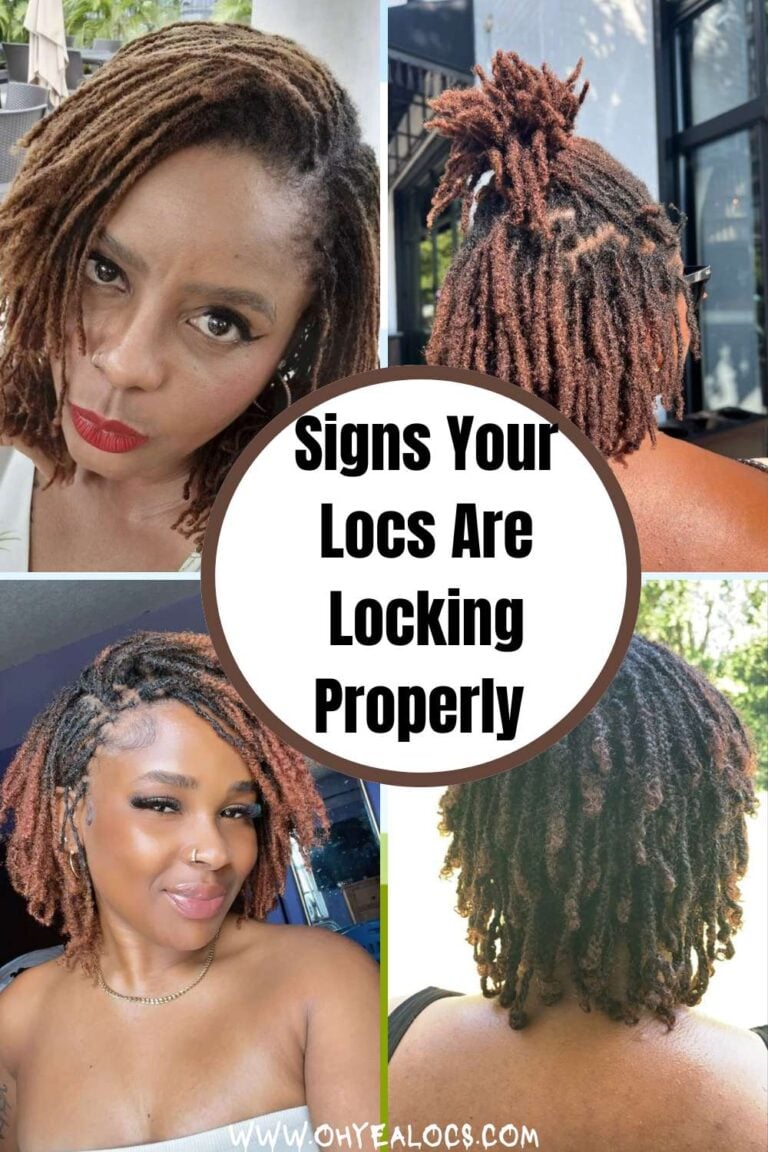
For additional guidance, check out Signs Your Locs Are Locking Properly. Understanding healthy loc development helps you recognise when your hair needs attention and when it simply needs time.
3. Retwist Your Loose Roots Gently
One of the most effective ways to fix loose roots in locs is through proper retwisting. This technique helps guide new growth back into its original loc pattern.
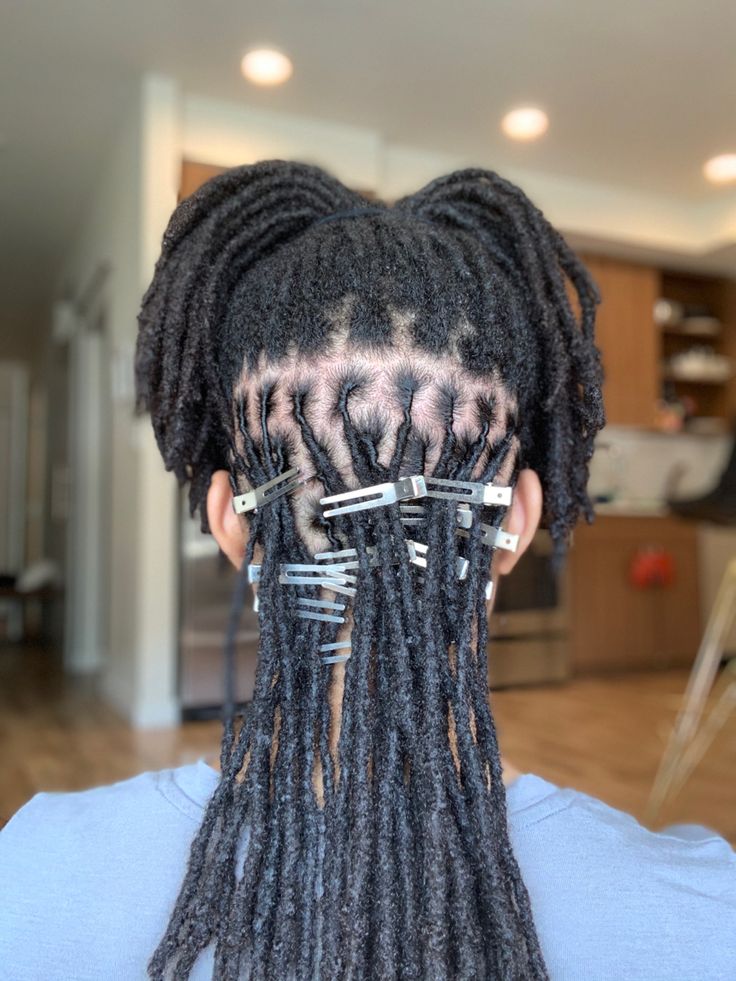
However, you must use the right approach to avoid thinning your roots or putting unnecessary pressure on your scalp.
Start by checking whether your locs actually need a retwist. If you have significant new growth, separating strands, or roots that have completely unravelled, gentle maintenance may help.
However, avoid retwisting simply because your hair looks slightly fuzzy. Some natural frizz is part of the loc journey.
Follow these steps to retwist your loose roots safely:
1. Start with clean hair: Wash your locs using a gentle shampoo to remove dirt, sweat, and product buildup. If you need guidance, read How to Retwist Your Locs Properly at Home.
2. Allow your hair to dry slightly: Your roots should be clean and damp, not soaking wet. This makes handling easier without leaving excessive moisture trapped inside your locs.
3. Separate neighbouring locs: Gently separate any loose hairs that have joined nearby locs. This helps prevent unwanted merging and maintains your original parting pattern.
4. Apply a small amount of retwisting product: Use a lightweight product suitable for your hair. Avoid applying too much gel because excessive product can create buildup.
5. Twist gently in the original direction: Hold the loc close to its base and guide the loose growth around itself. Avoid pulling the hair tightly against your scalp.
6. Secure the loc temporarily: Use a suitable clip to hold the retwisted section in place while you work on the remaining locs.
7. Allow everything to dry completely: Remove the clips once your hair has dried properly.
Remember that retwisting should never cause pain, headaches, or uncomfortable pulling. If your scalp feels tight, you are probably applying too much tension.
4. Use the Palm-Rolling Method for Loose Roots
Palm rolling is another technique that can help manage loose roots, particularly when your locs have enough length and structure to withstand gentle rolling.
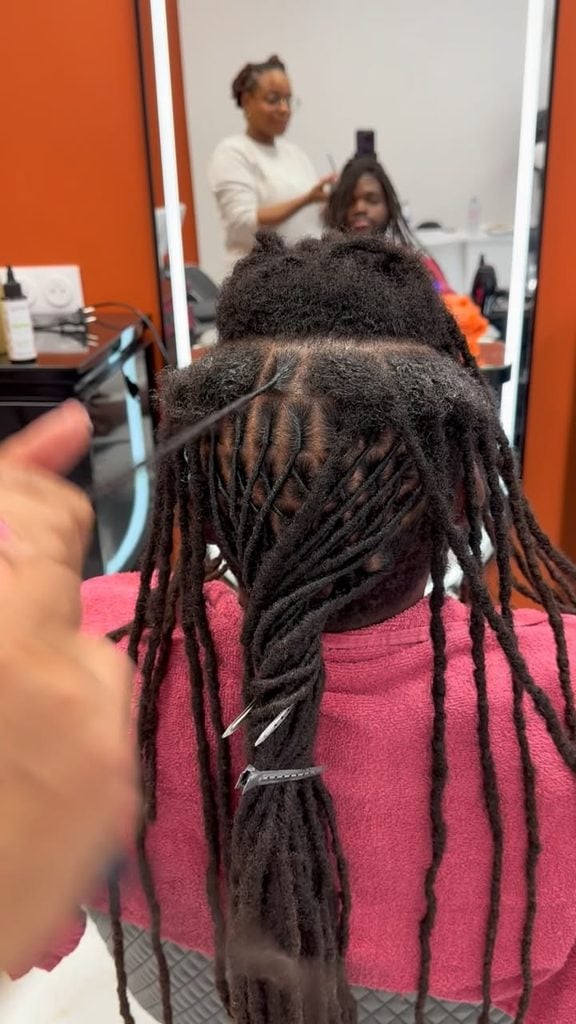
This method involves placing a loc between your palms and rolling it back and forth. The movement encourages loose hairs to follow the existing loc shape. However, palm rolling is not a permanent solution for every type of loose root.
To try this technique, begin with clean, slightly damp hair. Take one loc and position its base between your palms. Gently roll your hands in opposite directions, guiding the loose hairs towards the loc.
Work slowly from the root towards the length. Avoid squeezing the hair or applying excessive pressure. You want to encourage the strands to settle together, not force them into an unnatural shape.
Here are a few helpful tips:
- Work with one loc at a time to avoid disturbing neighbouring sections.
- Keep your movements gentle and consistent.
- Avoid palm rolling extremely loose roots that need professional attention.
- Do not repeat the process excessively throughout the day.
- Allow your locs to dry properly after maintenance.
Palm rolling works best when your locs already have some structure. If you have very new starter locs, the technique might cause unnecessary disturbance.
If you are still exploring different locking techniques, check out Different Methods of Starting Locs. Understanding these methods can help you recognise which maintenance techniques suit your loc structure.
5. Separate Your Locs to Prevent Root Tangling
Sometimes, loose roots become difficult to manage because neighbouring locs start joining together. This happens when loose hairs from different sections intertwine around the scalp.
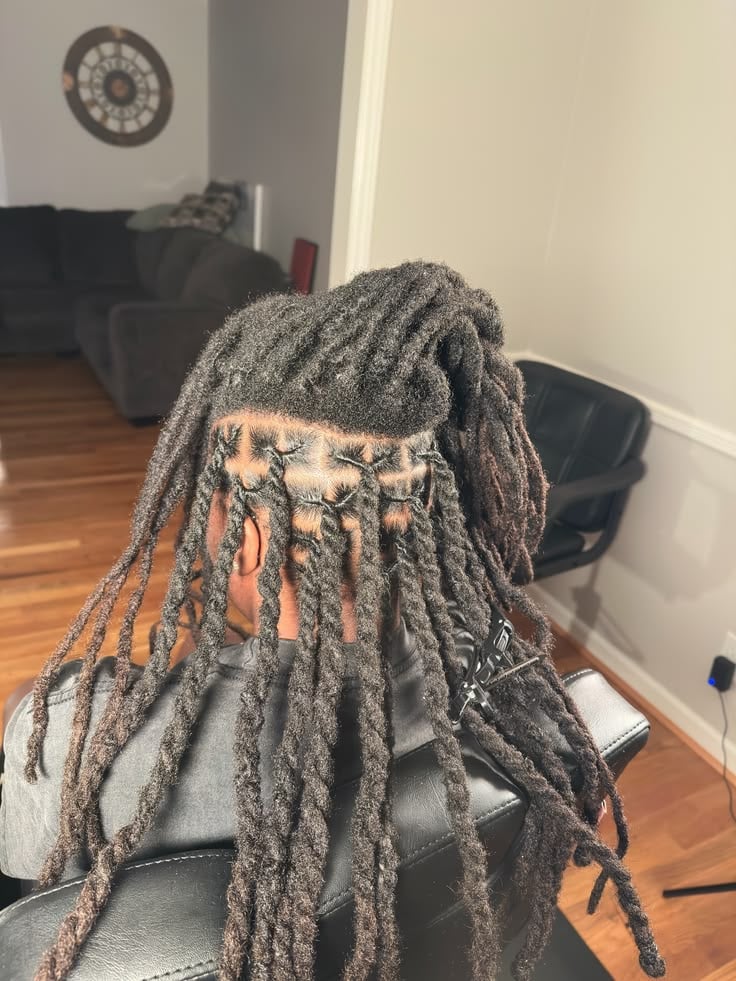
Although some people enjoy combining locs, unwanted joining can affect your original parting pattern. It can also make future retwisting more difficult.
The best solution is to separate your locs gently before the roots become heavily tangled. Start by examining your scalp and identifying sections where neighbouring locs have joined.
Use your fingers to carefully separate the hairs along their natural parting lines. Work from the scalp downwards without pulling the locs apart forcefully.
If you encounter stubborn tangles, stop instead of forcing them. A professional loctician can help separate difficult sections without causing unnecessary breakage.
Also, make scalp separation part of your regular maintenance routine. You do not need to manipulate your roots every day.
Simply check your parting occasionally, especially after washing or wearing your locs in protective styles.
For more guidance, read How to Maintain Your Locs Between Retightening. It explains why consistent maintenance matters even when you are not visiting your loctician.
6. Avoid Over-Retwisting Your Locs
When your roots become loose, you might feel tempted to retwist them immediately. You may even start twisting individual locs whenever you notice frizz.
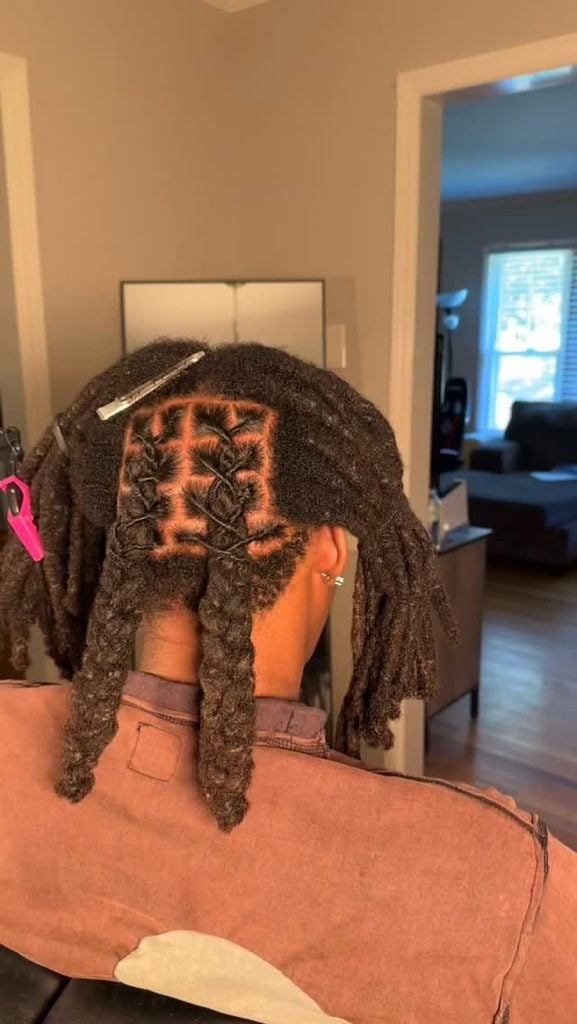
Although this seems like an easy solution, excessive retwisting can damage your hair over time.
Your scalp needs room to grow healthy hair. Constantly pulling new growth into tight locs can place unnecessary tension on the follicles. Eventually, this may contribute to thinning roots and hairline damage.
Instead, develop a maintenance schedule that allows your hair to grow without constant manipulation. Your ideal retwisting frequency depends on your loc stage, hair texture, and personal preference.
Starter locs may need different attention from mature locs. Therefore, avoid following someone else’s retwisting schedule without considering your own hair.
Watch out for these signs that you are retwisting too frequently:
- Your scalp feels sore after maintenance.
- Your roots look thinner than the rest of your locs.
- You notice small bumps around your hairline.
- Your locs feel unusually tight after retwisting.
- You experience increased hair breakage around the roots.
If you recognise these signs, give your scalp a break. You can also read Signs You Are Retwisting Your Locs Too Often to understand when your maintenance routine needs adjusting.
Remember, neat locs do not have to look freshly retwisted every week. Healthy roots are always more important than perfectly smooth new growth.
7. Keep Your Scalp and Roots Properly Moisturized
Dry roots can make your locs look rough, frizzy, and difficult to manage. When your scalp lacks moisture, the new growth may become brittle and more prone to breakage.
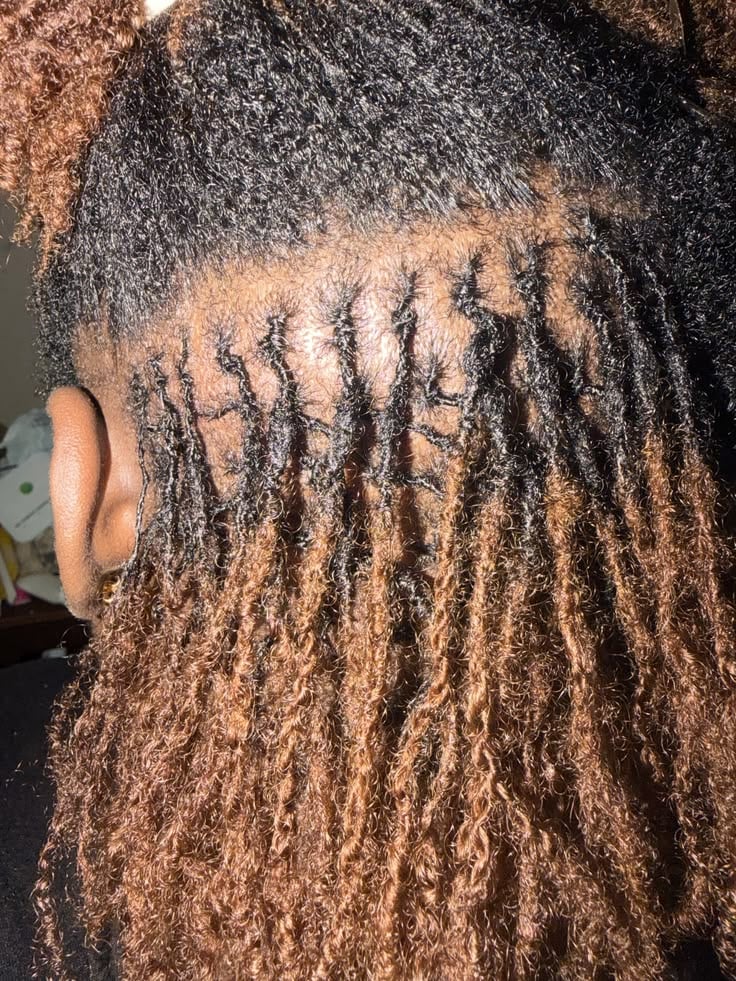
Although moisturizing will not physically lock loose roots, it helps maintain healthier hair as it grows. This is particularly important if your natural hair feels dry between retwisting sessions.
Start by using a lightweight water-based moisturizer. Spray a small amount onto your hair, concentrating on the roots and dry areas. Avoid soaking your locs because excessive moisture can take longer to dry.
You can also use a lightweight oil to help seal in moisture. However, remember that oil does not replace water-based hydration. Apply only a small amount to avoid unnecessary buildup around your roots.
Consider these simple moisturizing habits:
- Use a lightweight moisturizer when your hair feels dry.
- Avoid applying heavy creams directly to your roots.
- Massage your scalp gently when applying suitable oils.
- Drink enough water to support your overall health.
- Avoid moisturizing excessively when your locs are already damp.
If you struggle with dry roots, explore How Often Should You Moisturize Locs? You can also discover Best Oils and Moisturizers for Starter Locs to find suitable options for your maintenance routine.
8. Protect Your Roots While Sleeping
You might spend time maintaining your locs during the day, only to wake up with fuzzy roots the following morning. This can happen because your hair rubs against your pillowcase while you sleep.
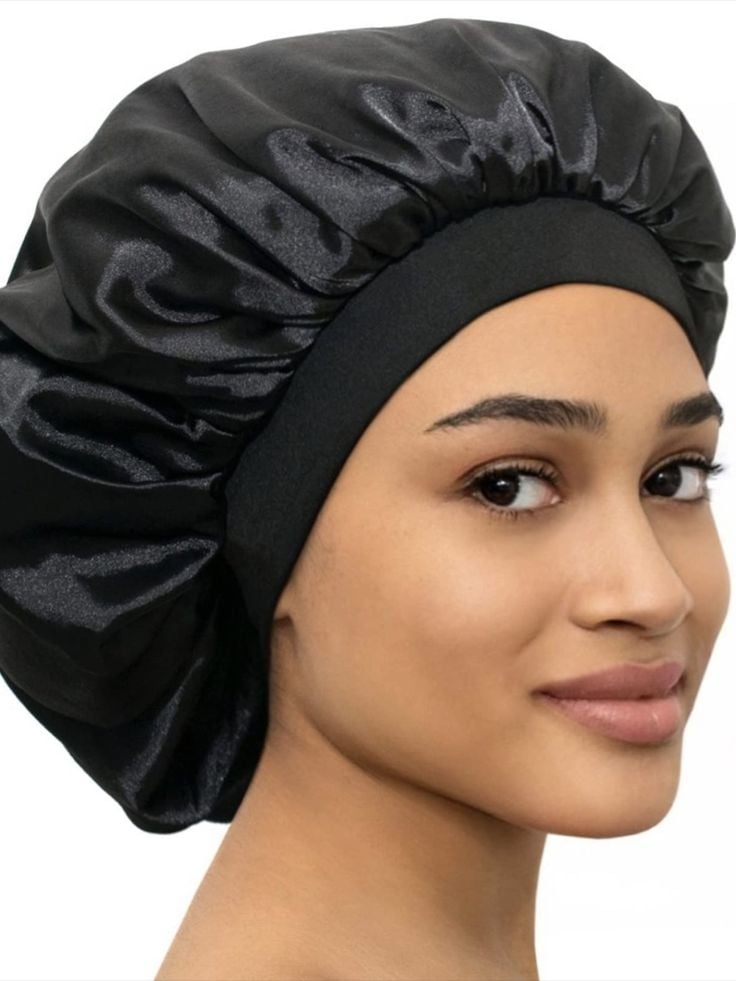
Cotton pillowcases can create friction, especially when you move around frequently during the night. This friction may disturb loose hairs and make your roots appear messier.
Fortunately, protecting your locs overnight does not require an expensive routine. A satin or silk bonnet can help reduce friction and keep your hair organised.
Here are simple ways to protect your roots while sleeping:
- Wear a satin bonnet that comfortably covers your entire head.
- Use a satin or silk pillowcase as an additional protective measure.
- Avoid sleeping with tight hairstyles that pull against your roots.
- Gather longer locs loosely before putting on your bonnet.
- Make sure your hair is completely dry before covering it.
If your bonnet frequently slips off, consider choosing one with an adjustable band. The goal is to protect your roots without creating unnecessary pressure around your hairline.
For more helpful advice, read How to Sleep With Locs Without Damaging Them. You can also explore Best Bonnets and Scarves for Locs to find comfortable overnight protection.
9. Avoid Heavy Products Around Your Roots
Sometimes, the products you use to maintain your locs can make loose roots more difficult to manage. Heavy creams, thick gels, and excessive oils can accumulate around your scalp.
This buildup can attract dirt and make your roots feel sticky or uncomfortable. It may also make your locs appear dull and difficult to clean.
When fixing loose roots, avoid using large amounts of styling products to force every strand into place. Your hair needs gentle handling rather than layers of gel.
Instead, choose lightweight products that suit your loc type and maintenance routine.
Look for products that:
- Have lightweight formulations.
- Do not leave excessive residue.
- Are easy to wash out.
- Work well with your natural hair texture.
- Support moisture without making your roots greasy.
Also, remember that more product does not automatically mean better results. A small amount is often enough when maintaining your locs.
If product buildup is already affecting your hair, check out 15 Best Lightweight Products for Locs.
10. Wash Your Locs Without Disturbing the Roots
Regular washing is important for maintaining a healthy scalp. However, the way you wash your locs can affect how your roots look afterwards.

If you scrub your scalp aggressively, you may loosen developing locs or disturb your natural parting. This is especially important when dealing with starter locs that have not fully matured.
Start by choosing a shampoo suitable for your locs. Wet your hair thoroughly and apply the shampoo directly to your scalp. Use your fingertips to massage gently rather than scratching with your nails.
Allow the shampoo to travel through your locs as you rinse. Avoid bunching your hair together or rubbing the roots aggressively.
After washing, gently squeeze out excess water using a clean towel. Allow your locs to dry completely before covering or styling them.
A few additional habits can make washing easier:
- Wash according to your scalp’s needs.
- Avoid scratching irritated areas.
- Rinse thoroughly to prevent shampoo residue.
- Separate neighbouring locs gently after washing.
- Avoid leaving your roots damp for extended periods.
If your locs frequently unravel after washing, revisit How to Wash Starter Locs Without Unravelling Them. The right washing technique can make a noticeable difference in your maintenance routine.
11. Know When to Visit a Professional Loctician
Sometimes, loose roots require more attention than regular home maintenance can provide. This is particularly true when your locs have become severely unravelled or the roots appear unusually thin.
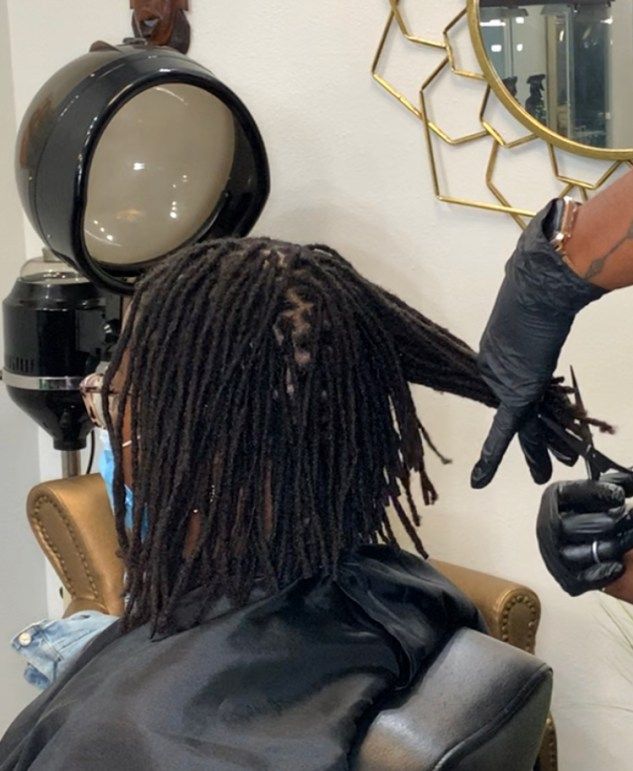
Trying to fix every problem yourself can sometimes make things worse. You might accidentally combine neighbouring locs, damage your parting pattern, or apply too much tension.
A professional loctician can examine your roots and recommend the most suitable maintenance technique. They can also determine whether your locs need palm rolling, interlocking, or a gentle retwist.
Consider booking an appointment if:
- Several locs have completely unravelled.
- Your roots are becoming noticeably thinner.
- You experience repeated breakage around the scalp.
- Your locs have joined together unexpectedly.
- You are unsure which maintenance method suits your hair.
Choosing someone experienced is equally important. A good loctician should understand your loc type and respect your hair’s natural growth pattern.
Before booking, read How to Choose the Best Loctician. It can help you identify someone who understands healthy loc maintenance and avoids damaging techniques.
12. Be Patient With Your New Growth
One mistake many people make is expecting their roots to remain perfectly neat throughout their loc journey. Unfortunately, natural hair does not work that way.
Your hair continues growing, shedding, and changing as your locs mature. Therefore, some loose hairs and root frizz are completely normal.
Instead of fighting every strand, learn to appreciate the different stages of your loc journey. Your roots do not need to look freshly retwisted every day to remain healthy.
This is particularly important for people with starter locs. Your hair needs time to develop its structure and become more established.
Avoid constantly comparing your roots with someone else’s locs. Different hair textures, locking methods, and maintenance routines produce different results.
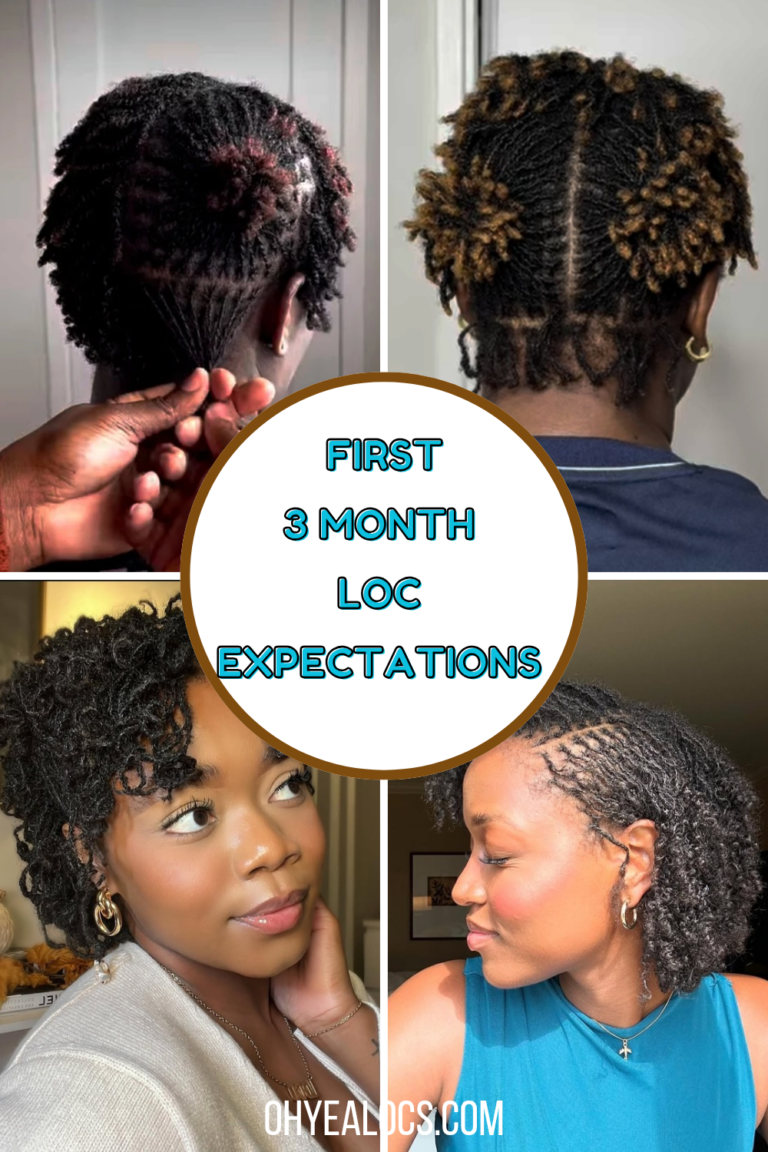
If you are still wondering how your locs should develop, explore What to Expect in the First 3 Months of Your Loc Journey. You can also read Signs Your Locs Are Locking Properly to understand the changes that happen as your hair matures.
Remember, patience is part of maintaining healthy locs. Give your roots time to grow, settle, and develop naturally.
13. Avoid Tight Hairstyles That Pull on Your Roots
Your styling habits can affect how healthy your roots remain. Although locs offer plenty of styling options, some hairstyles create unnecessary tension around the scalp.

Tight ponytails, high buns, and pulled-back styles can place pressure on your roots. This becomes more concerning when your locs are already loose or your hairline feels delicate.
If you want to fix loose roots, give your scalp enough time to recover between hairstyles. Choose styles that allow your locs to rest without pulling tightly against your head.
Here are some styling habits worth adopting:
- Choose loose ponytails instead of tightly secured ones.
- Avoid pulling your locs tightly into high buns.
- Alternate your hairstyles to prevent repeated tension.
- Avoid heavy accessories that pull on individual locs.
- Give your scalp breaks between protective hairstyles.
You can still enjoy beautiful hairstyles without compromising your roots. Explore Low Tension Loc Styles That Protect Your Hairline for inspiration. You might also love Protective Styles You Can Do With Locs for comfortable styling ideas.
14. Choose the Right Maintenance Method for Your Loc Type
Not every loc requires the same maintenance technique. Your preferred method should depend on your loc size, hair texture, locking stage, and overall hair condition.
For example, traditional locs may respond well to palm rolling and occasional retwisting. Meanwhile, Sisterlocks and Microlocs often require interlocking or professional retightening.
Using an unsuitable technique can cause unnecessary stress around your roots. Therefore, understand your loc structure before attempting to fix loose growth.
Consider these differences:
- Traditional locs: Gentle retwisting can help organise loose new growth.
- Microlocs: Interlocking may help maintain the roots, depending on their installation method.
- Sisterlocks: Professional retightening helps maintain their established structure.
- Starter locs: Gentle handling and patience are essential while the hair develops.
Avoid switching between maintenance methods without understanding their effects. For example, repeatedly twisting and interlocking the same roots can cause unnecessary manipulation.
If you are unsure which method suits your hair, read Retwist vs Interlocking: Which Is Better for Your Locs. You can also explore Microlocs vs Traditional Locs: Which Is Right for You to understand the differences.
15. Maintain a Consistent Loc Care Routine
Fixing loose roots becomes easier when you follow a consistent maintenance routine. Instead of waiting until your roots become extremely messy, develop simple habits that support healthy growth.
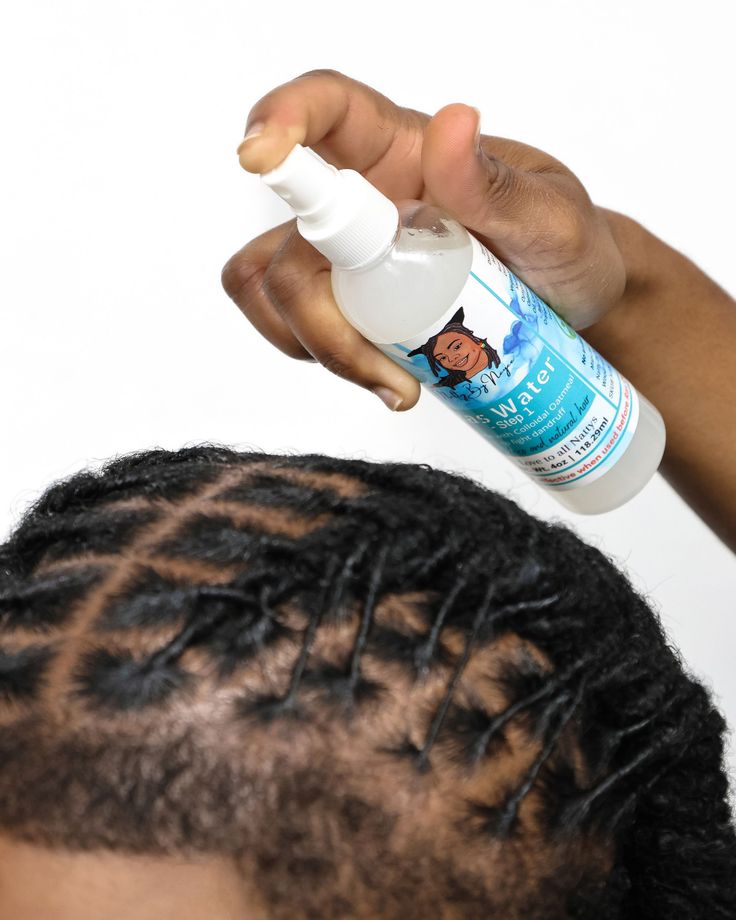
Your routine does not need to involve expensive products or complicated treatments. Consistency, gentle handling, and proper scalp care matter much more.
Start by creating a schedule that works with your lifestyle and loc type.
Weekly maintenance
- Check your scalp for dryness, irritation, or excessive buildup.
- Separate neighbouring locs if loose hairs have joined them.
- Moisturize your hair when necessary.
- Protect your locs before sleeping.
- Avoid constantly twisting or manipulating your roots.
Monthly maintenance
- Examine your roots for thinning or unusual breakage.
- Check whether your locs need professional maintenance.
- Wash your hair according to your scalp’s needs.
- Review your products and remove anything causing buildup.
- Assess whether your current maintenance routine works.
Remember that your locs may need different attention as they mature. A routine that works during the starter stage might not suit mature locs.
For additional guidance, explore How to Maintain Locs Without a Loctician. It offers useful ideas for keeping your hair healthy between professional appointments.
Final Thoughts
Loose roots do not automatically mean your loc journey is going wrong. Sometimes, they simply reflect natural hair growth, new growth, or the changes your hair experiences as it matures.
The secret to learning How to Fix Loose Roots in Locs is understanding what your roots actually need. Gentle retwisting, proper moisture, scalp care, and protective nighttime habits can make maintenance easier.
Most importantly, avoid excessive twisting and tight hairstyles that place unnecessary tension on your scalp. If your roots become unusually thin or repeatedly unravel, seek help from an experienced loctician.
Remember, healthy locs take patience. You do not need perfectly smooth roots every day to have beautiful, well-maintained locs. Focus on protecting your hair, following a consistent routine, and allowing your roots to develop naturally. Your future locs will thank you for the care you give them today.