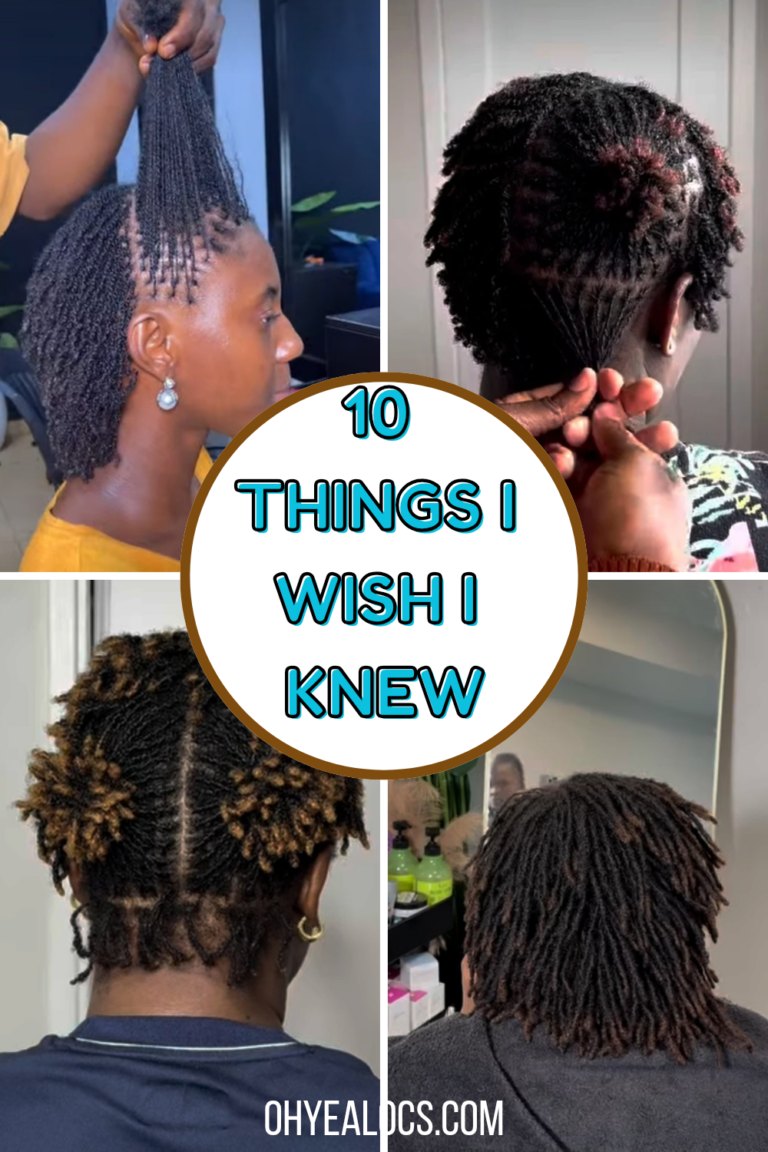
Night Routine for Healthy Locs
Disclosure: Some of the links in this post are affiliate links. This means if you click on the link and purchase an item, I will receive an affiliate commission at no extra cost to you. All opinions remain my own. I only recommend products or services I believe will add value to my readers.
Night Routine for Healthy Locs is essential if you want to wake up with hair that feels healthy, looks neat, and stays protected while you sleep.
Imagine spending time washing, moisturizing, and styling your locs during the day, only to wake up the next morning with flattened roots, frizz, lint, or dry-looking hair.

These problems can become frustrating, especially when you are trying to maintain your locs without spending hours fixing them every morning.
The good news is that protecting your locs overnight does not require an expensive collection of products or a complicated routine.
Small habits, such as covering your hair with a satin bonnet, choosing a comfortable sleeping position, and avoiding excessive product buildup, can make a difference in your maintenance routine.
If you frequently wake up with flattened hair, check out How to Prevent Flattened Locs Overnight for additional protection tips.
Your nighttime habits should also support the health of your scalp and the strength of your locs.
Going to bed with damp locs, using tight hairstyles, or allowing friction from cotton pillowcases to affect your hair can create avoidable problems.
For more practical advice, read How to Sleep With Locs Without Damaging Them to learn how to protect your hair while getting comfortable rest.
In this guide, you will discover practical steps for building a Night Routine for Healthy Locs, including moisturizing, scalp care, nighttime protection, and simple habits that help keep your locs looking their best without unnecessary effort.
Night Routine for Healthy Locs
1. Cover Your Locs Before Going to Bed
One of the most important steps in a Night Routine for Healthy Locs is protecting your hair before you lie down. Think about how much movement happens while you sleep.

You may turn from one side to another or press your head against the pillow, creating friction that leaves your locs frizzy, flattened, or less neat by morning.
Wearing a satin or silk bonnet helps reduce friction and keeps your locs protected throughout the night. Choose one that comfortably accommodates your hair’s length and thickness without squeezing your edges or pulling at your roots.
If your bonnet frequently slips off while you sleep, try a satin scarf or use a satin pillowcase as an additional layer of protection.
Avoid tying scarves too tightly, as this can place unnecessary tension on your hairline. You can also explore Best Bonnets and Scarves for Locs to find suitable nighttime accessories for your hair.
Making this simple habit part of your Night Routine for Healthy Locs can help you wake up with more manageable hair and spend less time correcting frizz every morning.
2. Moisturize Your Locs Without Overdoing It
Dry locs can feel rough, appear dull, and become more vulnerable to breakage, so moisturizing may be an important part of your Night Routine for Healthy Locs.
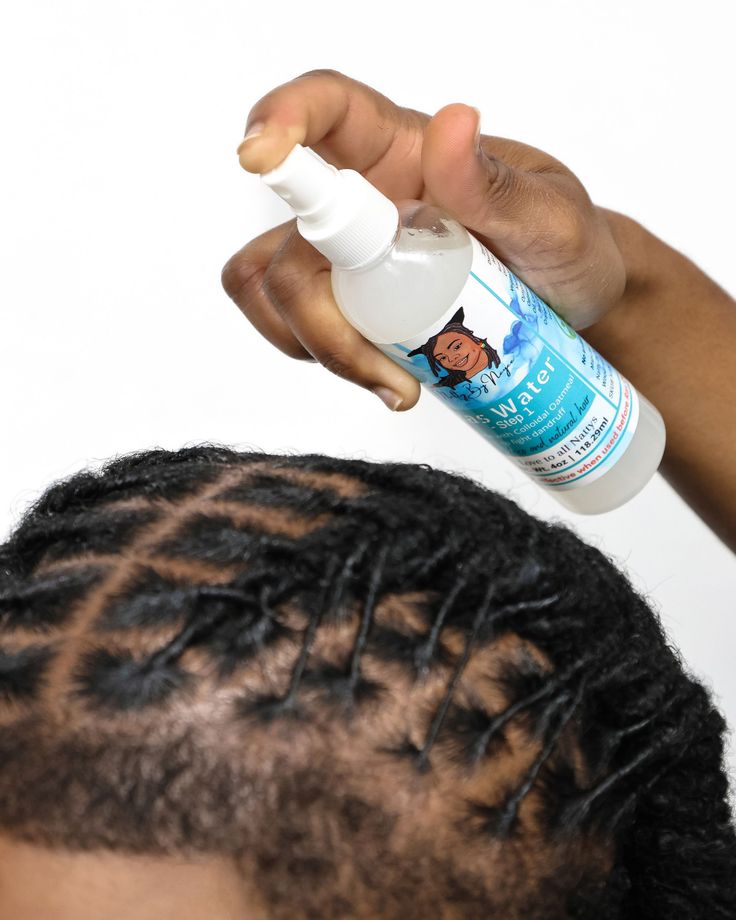
Before bed, check how your hair feels. If your locs seem dry, lightly mist them with water or a suitable water-based moisturizing spray.
Apply only what your hair needs instead of soaking your locs or layering several products. Too much moisture can leave your hair damp for hours, while excessive oils and heavy creams may contribute to buildup inside your locs.
Pay attention to how your hair responds to your routine. If your locs feel soft and comfortable without becoming greasy or sticky, you may be using an appropriate amount of product.
Remember that you do not need to moisturize heavily every night; your hair’s needs can change depending on the weather, your scalp condition, and your existing maintenance routine.
For additional guidance, read How Often Should You Moisturize Locs? to learn how to establish a suitable schedule.
A consistent, gentle approach will help you maintain comfortable, healthy-looking locs without creating unnecessary product buildup.
3. Keep Your Scalp Clean and Comfortable
A healthy scalp is an important part of a Night Routine for Healthy Locs because dirt, sweat, and product residue can accumulate between wash days.
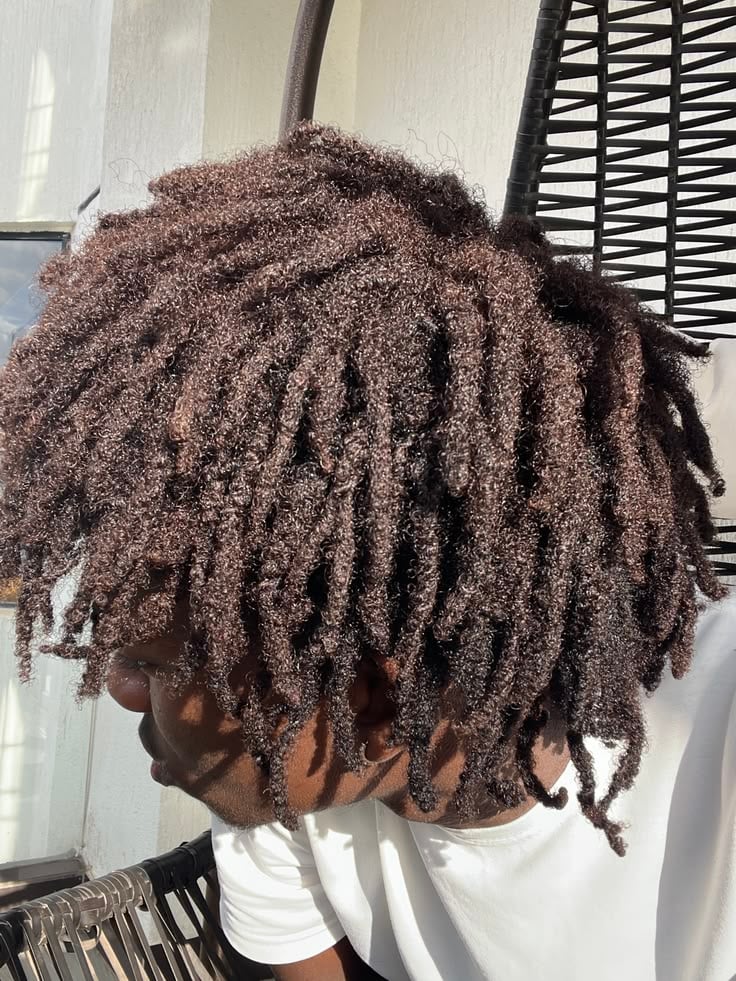
Before bed, pay attention to how your scalp feels. If you notice itching, flakes, or unusual oiliness, avoid automatically applying more oil, as this may worsen buildup for some people.
Instead, identify what your scalp needs and maintain a consistent cleansing schedule. Avoid scratching aggressively with your fingernails, since this can irritate the skin and cause small injuries.
If you struggle with persistent flakes, check out How to Get Rid of Dandruff in Your Locs for helpful guidance on managing this common concern.
You should also avoid going to bed with a sweaty scalp without allowing it to dry properly. If you experience ongoing itching, painful sores, significant redness, or unusual hair loss, seek advice from a qualified healthcare professional.
Making scalp care part of your Night Routine for Healthy Locs helps you notice potential problems early and maintain a more comfortable foundation for healthy-looking hair.
4. Make Sure Your Locs Are Completely Dry
Going to bed with damp locs is a habit worth avoiding, especially if your hair is thick or your locs take a long time to dry.

Moisture can remain trapped inside dense locs long after the surface feels dry, potentially contributing to unpleasant odors and other problems associated with prolonged dampness.
If you wash your hair in the evening, allow enough time for it to dry thoroughly before covering it with a bonnet or scarf. Whenever possible, wash your locs earlier in the day so you are not rushing through the drying process at bedtime.
If you discover that your locs are still damp when it is time to sleep, remove excess water gently with a clean microfiber towel and use a hair dryer on a suitable low or moderate heat setting if needed.
Move the dryer around instead of concentrating heat on one area, and pay attention to the roots and thicker sections. Avoid wrapping damp locs tightly in a bonnet, as this can slow drying.
A good Night Routine for Healthy Locs includes checking your hair before bed rather than assuming it is dry just because the outside feels that way.
5. Choose a Comfortable Sleeping Position
Your sleeping position can affect how your locs look and feel when you wake up. If you consistently sleep with your head pressed against the same area of your locs, you may notice flattened sections, frizz, or discomfort around your roots.

Try to avoid putting unnecessary pressure on your hair, especially if you have long or thick locs that become uncomfortable when trapped beneath your body.
Arrange your locs loosely above or beside your head before settling down, making sure they are not pulled tightly or folded into an uncomfortable position.
A satin pillowcase can provide extra protection by reducing friction between your hair and the pillow.
If you usually wake up with flattened roots, explore How to Prevent Flattened Locs Overnight for additional ideas on keeping your hair in better shape while you sleep.
You do not need to maintain one sleeping position throughout the night; simply focus on reducing friction and avoiding unnecessary tension.
Making these small adjustments to your Night Routine for Healthy Locs can help you wake up feeling comfortable while keeping your hair easier to manage in the morning.
6. Avoid Tight Hairstyles Before Bed
Although putting your locs into a bun or ponytail may seem like a convenient way to keep them out of your face, tight hairstyles can place unnecessary tension on your roots and hairline.

Repeating this habit every night may contribute to discomfort, thinning around the edges, or breakage, particularly if your locs are heavy.
Instead, choose a loose, comfortable style that keeps your hair organized without pulling on your scalp. You can loosely gather longer locs or leave shorter locs down under a suitably sized satin bonnet.
Your Night Routine for Healthy Locs should prioritize comfort and gentle handling rather than making your hairstyle look perfectly arranged before bed.
Avoid tight elastic bands, small accessories that snag your hair, and styles that make your scalp feel sore. If you notice tenderness after wearing a particular hairstyle, loosen it or choose another option.
Giving your roots a break overnight can help you maintain your locs without adding unnecessary stress to your hairline.
7. Keep Lint Away From Your Locs
Lint can become trapped in your locs through everyday activities, and your bedding may be one of the sources you overlook.
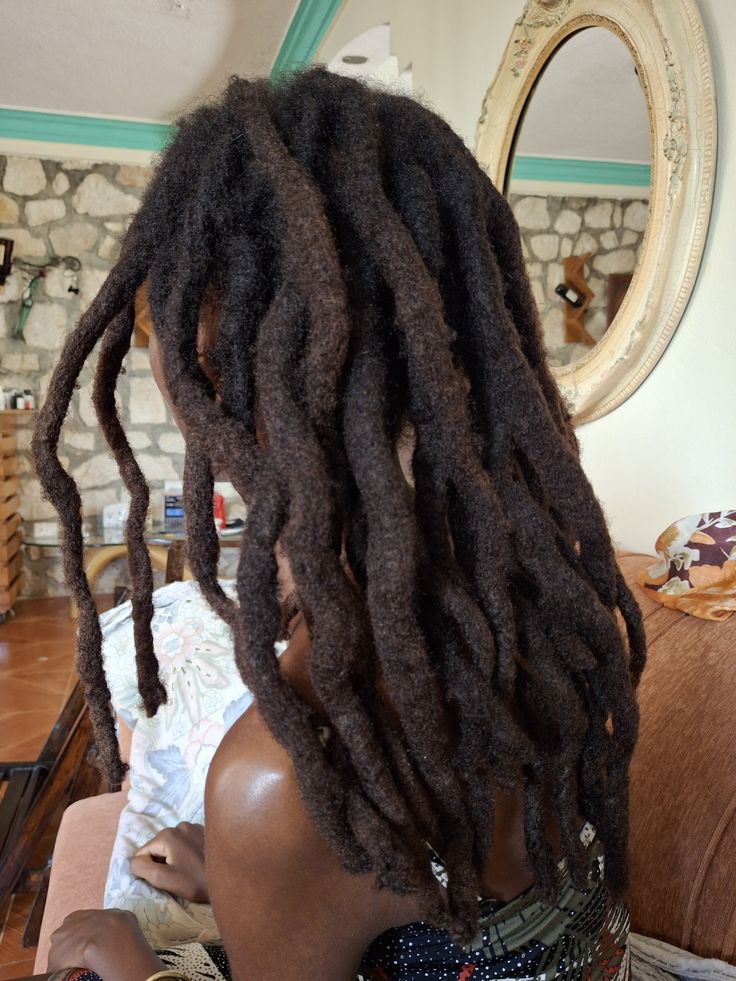
Cotton sheets, fluffy blankets, and towels can leave tiny fibers on your hair, especially when your locs rub against them throughout the night.
Once lint becomes embedded in mature locs, removing it can be difficult without disturbing the hair. To reduce this problem, cover your locs with a satin bonnet or scarf and choose bedding that sheds as little lint as possible.
Washing your pillowcases and blankets regularly can also help keep your sleeping environment cleaner.
If you have already noticed tiny white or colored fibers trapped in your hair, avoid picking at your locs with sharp objects or pulling the fibers out aggressively.
These methods can damage the hair and loosen the structure of your locs. Instead, read How to Get Rid of Lints in Locs (Without Damaging Them) for safer removal techniques.
Including lint prevention in your Night Routine for Healthy Locs can save you time during maintenance and help your locs maintain a cleaner appearance.
8. Avoid Applying Too Many Products at Night
It can be tempting to apply several oils, creams, sprays, and scalp treatments before bed because you want your locs to look healthier by morning.

However, using too many products does not automatically improve your hair’s condition. Heavy formulas and repeated applications can leave residue inside your locs, making them feel sticky, attract dirt, or develop unpleasant odors if moisture becomes trapped.
Instead, keep your Night Routine for Healthy Locs simple by using only products that address a specific need, such as light moisture for dry hair or an appropriate treatment for a scalp concern.
Take a moment to review what you have applied during the day before adding anything else at bedtime. If your locs already feel moisturized, you may not need another product.
You can also explore 15 Best Products for Locs That Actually Make Maintenance Easier for ideas on choosing practical products without overcrowding your routine.
Remember, consistency and moderation matter more than the number of products on your shelf. A simple routine can make nighttime care easier while helping you avoid unnecessary buildup.
9. Protect Your Locs From Friction and Breakage
Friction is one of the things you should pay attention to when creating a Night Routine for Healthy Locs.
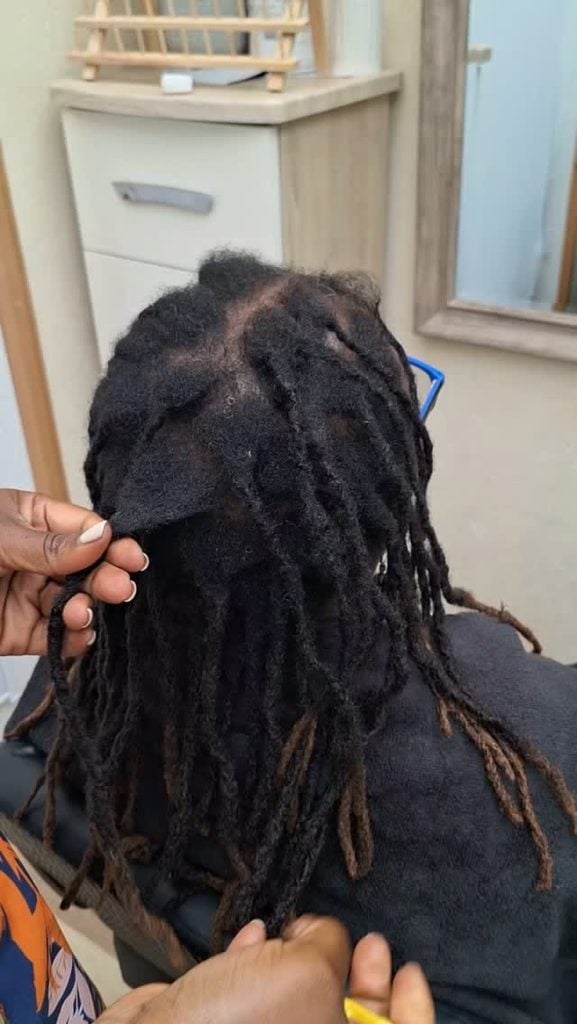
Constant rubbing against rough pillowcases, blankets, or clothing can contribute to frizz and weaken fragile areas over time.
This can be particularly frustrating if you are trying to retain length or have locs that already feel thin around certain sections.
To minimize friction, cover your hair with a satin bonnet or scarf, use a smooth pillowcase, and avoid tossing your locs into tight or awkward positions before sleeping. These small adjustments can help protect your hair while you rest.
You should also check your locs occasionally for weak spots, thinning sections, or signs of breakage.
Avoid pulling at loose hairs or repeatedly manipulating fragile areas to make them look neat. If you have noticed that your locs are becoming weaker, read How to Prevent Loc Breakage for additional maintenance advice.
Your nighttime habits cannot prevent every cause of breakage, but reducing unnecessary friction and tension can support stronger-looking locs.
With a consistent Night Routine for Healthy Locs, you can protect your hair without turning bedtime into a complicated maintenance session.
10. Keep Your Nighttime Routine Simple and Consistent
The best Night Routine for Healthy Locs is one you can maintain comfortably every night. You do not need to spend thirty minutes applying products, rearranging your hairstyle, or checking every loc individually before bed.
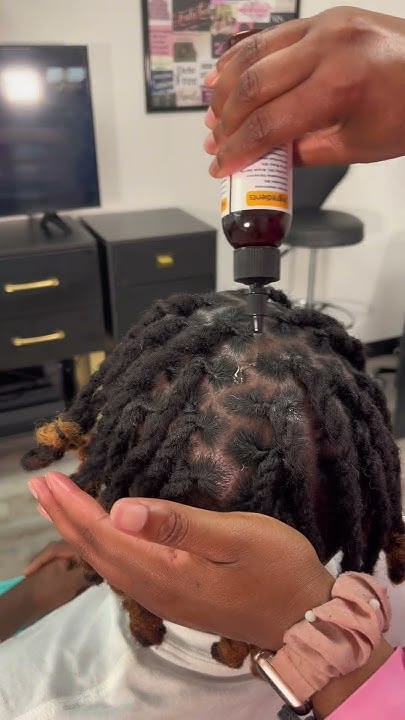
Instead, develop a short sequence that works for your hair: check that your locs are dry, assess your scalp, apply light moisture only when needed, arrange your hair comfortably, and cover it with a satin bonnet or scarf.
Once these steps become familiar, protecting your locs will feel like a natural part of your evening rather than another demanding task.
Consistency also makes it easier to notice changes in your hair. If your locs begin feeling unusually dry, your scalp becomes irritated, or your roots appear less neat than usual, you can adjust your routine before small concerns become bigger maintenance challenges.
For a broader overview of everyday care, explore How to Care for Your Locs the Right Way: A Complete Guide for Healthy, Long Lasting Hair.
Use the advice that suits your hair’s needs, and remember that your routine may change as your locs mature. A few gentle habits practiced regularly can make nighttime care easier and help you maintain healthy-looking locs over time.
11. Keep Your Sleeping Environment Clean
Your sleeping environment plays a role in your Night Routine for Healthy Locs because your hair comes into contact with your pillow, sheets, blankets, and head coverings for several hours every night.

When these items accumulate sweat, oils, dust, and product residue, they can transfer unwanted dirt to your hair and scalp.
Make it a habit to wash your pillowcases, bonnets, and scarves regularly, allowing them to dry completely before using them again.
If you apply hair products before bed, cleaning your bedding becomes even more important because residue can accumulate on the fabric over time.
Pay attention to the materials you use around your hair, too. Choose smooth fabrics that are less likely to shed fibers, and avoid sleeping with your locs pressed against dusty blankets or rough surfaces.
Keeping your sleeping area clean does not require expensive bedding or a complicated cleaning schedule; simple, consistent habits can make a difference.
If you want to improve your overall maintenance routine, explore Common Locs Problems and How to Fix Them for additional guidance on preventing and addressing everyday loc concerns.
A clean sleeping environment helps support your nighttime hair care and makes it easier to maintain fresh, comfortable locs.
12. Adjust Your Night Routine as Your Locs Mature
Your nighttime hair care needs may change as your locs progress from the starter stage to mature locs.
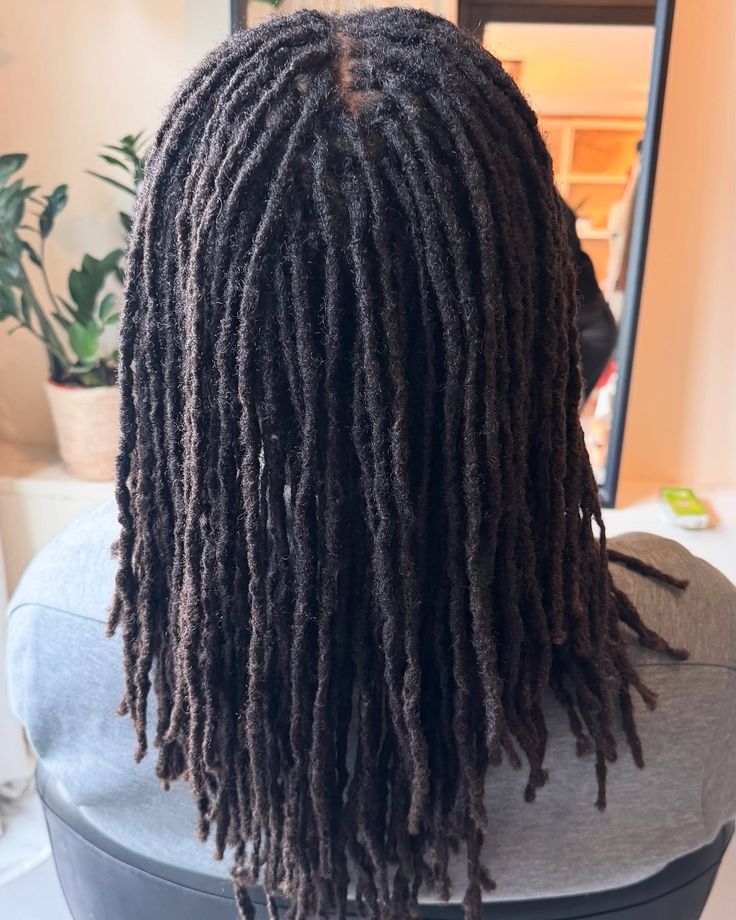
Starter locs can be more delicate and may unravel or become disturbed by excessive manipulation, while mature locs may need more attention to dryness, length, weight, or lint accumulation.
For this reason, your Night Routine for Healthy Locs should reflect your current stage rather than following the same rules indefinitely.
If your locs are new, focus on gentle handling, suitable protection, and avoiding unnecessary pulling or twisting before bed.
As your locs grow longer and thicker, you may need a larger bonnet, a different way of arranging your hair, or extra time to ensure it dries completely after washing.
Pay attention to how your scalp and locs respond to each adjustment instead of adding products or techniques simply because they work for someone else.
You can also read How to Make Your Locs Look Neat Always for practical ideas on maintaining a tidy appearance between maintenance sessions.
By adapting your Night Routine for Healthy Locs to your hair’s changing needs, you can protect your locs more effectively and build habits that remain useful throughout your loc journey.
13. Avoid Going to Bed With Accessories That Pull on Your Locs
Hair accessories can make your locs look beautiful during the day, but some may become uncomfortable or cause unnecessary tension while you sleep.
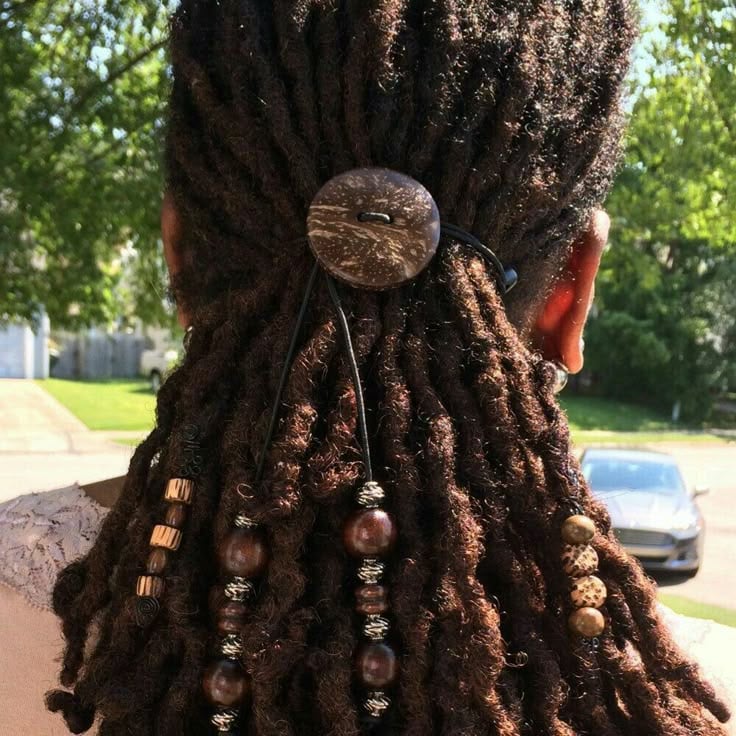
Tight hair ties, heavy beads, metal cuffs, and decorative clips can pull on individual locs when you turn your head or shift positions during the night.
If you regularly wear accessories, remove anything that feels tight, heavy, or likely to snag on your bonnet or pillowcase before going to bed.
This is especially important if you have fragile locs or notice tenderness around your roots after wearing a particular style.
A good Night Routine for Healthy Locs should prioritize protecting your hair over preserving a daytime hairstyle overnight. Before sleeping, gently release tight updos and allow your locs to rest in a comfortable position.
If you want to keep your hair organized, choose a loose arrangement that does not pull on your edges or place pressure on individual locs.
These simple precautions can reduce avoidable tension and help you wake up without discomfort. Remember, you can enjoy stylish loc accessories during the day while still giving your hair a gentle, protective environment at night.
14. Create a Quick Nighttime Checklist
When you are tired after a long day, remembering every hair care step can feel like a chore. Creating a simple checklist can make your Night Routine for Healthy Locs easier to follow without spending too much time in front of the mirror.
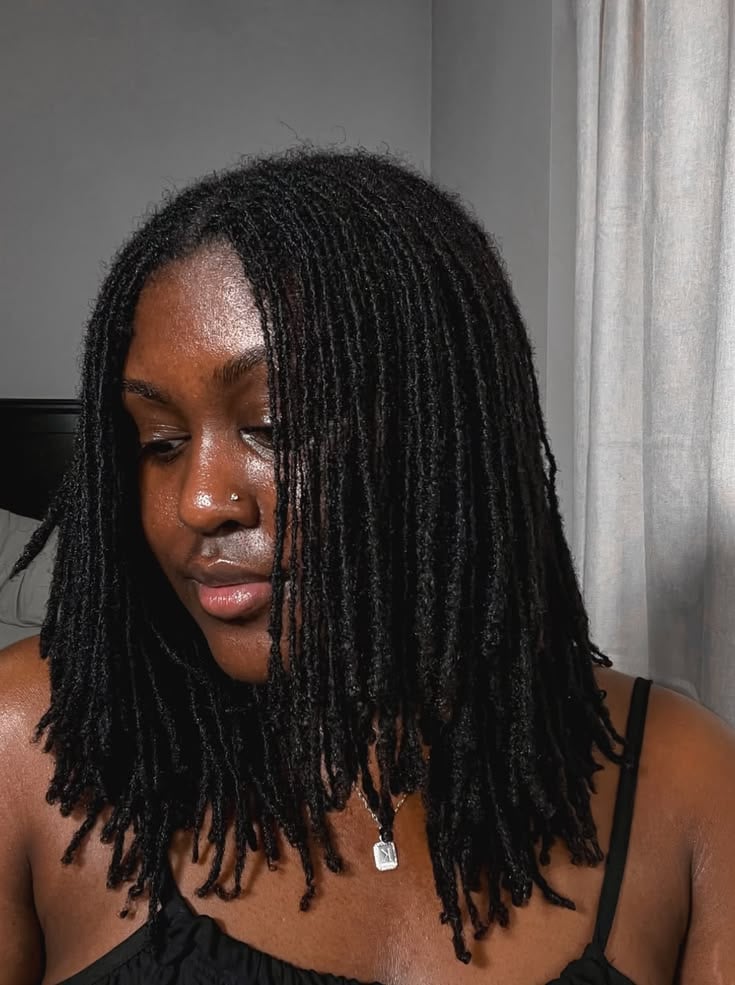
Before bed, check that your locs are dry, assess your scalp for discomfort, apply a light moisturizer only if needed, remove tight accessories, and cover your hair with a clean satin bonnet or scarf. These steps take only a few minutes once they become part of your regular evening habits.
You can keep your checklist near your bedside table or add it to your phone’s notes so you can refer to it whenever you need a reminder.
Avoid treating the routine as a strict set of rules that requires unnecessary products every evening; the purpose is to protect your hair according to its needs.
For example, you may need to moisturize on a dry evening but skip that step when your locs already feel comfortable.
A consistent Night Routine for Healthy Locs should make your life easier, help you notice changes in your hair, and support healthier maintenance habits over time.
15. Know When Your Locs Need Extra Attention
Even with a consistent Night Routine for Healthy Locs, you may occasionally notice dryness, frizz, thinning, or scalp discomfort that requires more attention.
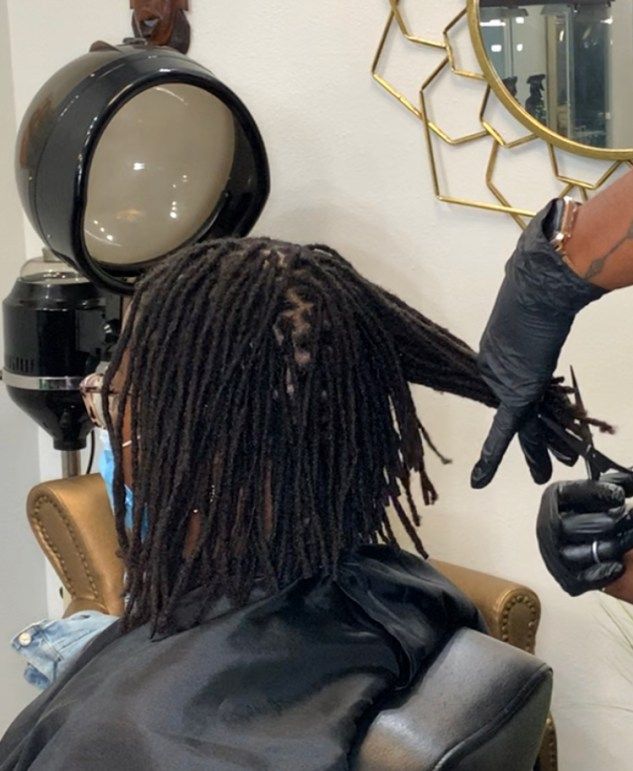
Instead of ignoring these changes or immediately applying additional products, take time to understand what might be causing them.
For example, repeated tight hairstyles can put stress on your roots, while heavy product use may contribute to buildup.
Checking your locs regularly allows you to adjust your habits and avoid making a minor concern worse through unnecessary manipulation.
If you notice weak sections, persistent scalp irritation, or unusual breakage, consider seeking professional advice from an experienced loctician or a qualified healthcare professional when appropriate.
You can also explore How to Strengthen Weak Locs for practical guidance on caring for fragile sections.
Remember that nighttime protection is only one part of maintaining healthy locs; gentle handling, appropriate cleansing, and regular scalp care matter throughout the day as well.
By paying attention to your hair’s condition, you can make your Night Routine for Healthy Locs more effective and respond to problems before they become more difficult to manage.
16. Prepare Your Locs for the Next Morning
A helpful Night Routine for Healthy Locs should make your morning hair care easier, not leave you with more work to do.
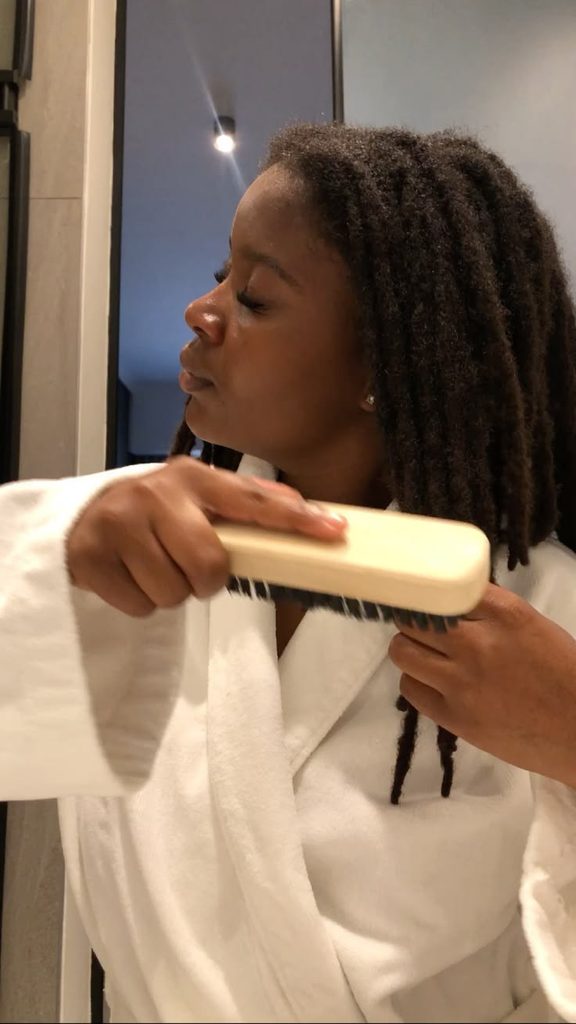
Before going to bed, arrange your locs comfortably, check that they are completely dry, and cover them with a satin bonnet or scarf.
If you have longer locs, position them loosely so they do not become trapped beneath your body or twisted uncomfortably while you sleep.
Taking these few minutes at night can reduce morning frizz, help your hair maintain its shape, and save you time when getting ready for work, school, or other daily activities.
When you wake up, remove your bonnet gently and allow your locs to settle before attempting to style them.
Avoid immediately pulling, twisting, or applying heavy products to every section simply because your hair looks slightly different from the previous evening. If your roots need attention, use gentle methods that suit your maintenance routine.
For additional ideas, check out How to Maintain Your Locs Between Retightening to learn how to care for your hair between scheduled maintenance sessions.
Preparing your locs properly at night helps you start the day with a manageable routine and reduces the temptation to over-manipulate your hair in the morning.
17. Be Gentle With Your Starter Locs at Night
If you have starter locs, your Night Routine for Healthy Locs requires extra care because your hair is still developing its locking structure.
Frequent rubbing, pulling, or unnecessary twisting can disturb the sections and cause some locs to loosen or unravel.
Before bed, make sure your locs are arranged comfortably and protected with a satin bonnet that fits without pressing tightly against your roots.
Avoid repeatedly touching your starter locs to check their progress, as excessive manipulation can interfere with the process and make maintenance more difficult.
It is also important to avoid soaking your starter locs with moisturizing sprays every night or applying heavy products that may leave residue.
Follow a suitable washing and maintenance schedule for your hair type and starter method, and allow your locs to dry thoroughly after washing.
Remember that some frizz and changes in appearance are normal during the locking process, so you do not need to make your hair look perfectly neat every morning.
A gentle Night Routine for Healthy Locs gives your starter locs the protection they need while allowing them to develop naturally over time.
18. Build a Night Routine You Can Maintain Long-Term
The most effective Night Routine for Healthy Locs is one that fits naturally into your lifestyle.
You do not need expensive products or a long list of steps to protect your hair while you sleep.
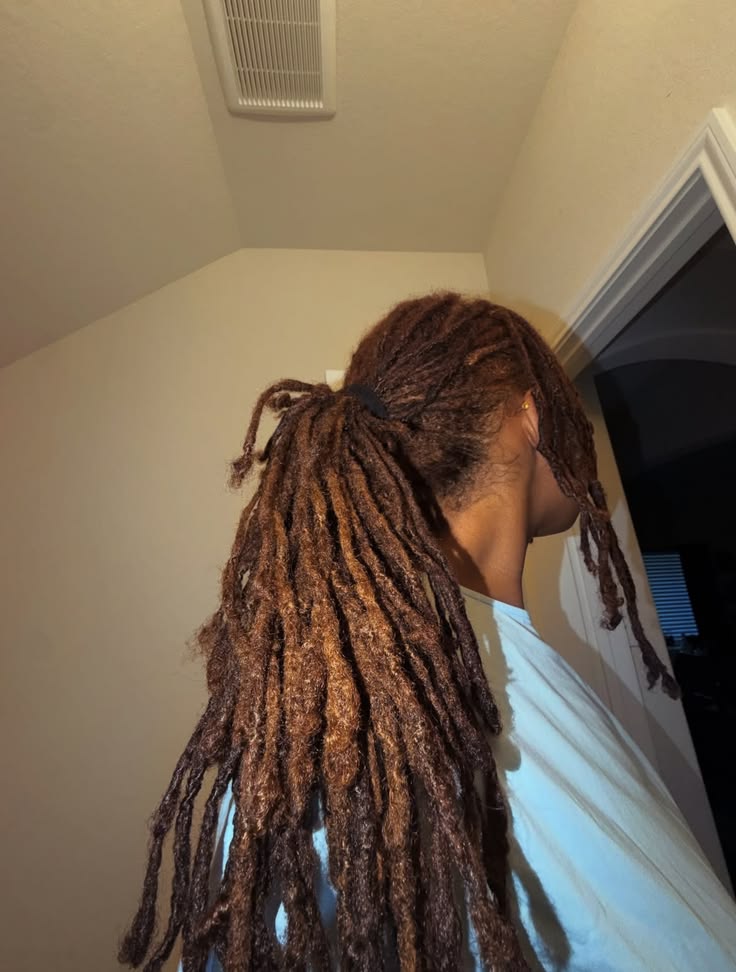
Focus on the essentials: keeping your locs dry before bed, moisturizing only when needed, checking your scalp, avoiding tight hairstyles, and using a satin bonnet or scarf to reduce friction.
If you have a busy evening, a simple routine that takes five minutes is better than an elaborate routine you struggle to maintain consistently.
As you become familiar with your hair’s needs, you will find it easier to recognize which habits make the biggest difference.
Remember that healthy locs develop through consistent care rather than overnight changes.
Your hair may occasionally look frizzy, feel dry, or need extra attention, and these changes do not automatically mean your routine is failing. Pay attention to how your locs respond and adjust your habits when necessary.
For a broader look at habits that may interfere with healthy hair maintenance, read 23 Things You Should Never Do Your Locs and identify practices you may need to change.
With patience and gentle nighttime care, you can build a Night Routine for Healthy Locs that protects your hair, supports your scalp, and makes everyday maintenance easier.
Conclusion
Creating a Night Routine for Healthy Locs does not have to be complicated.
By protecting your hair with a satin bonnet, keeping your scalp comfortable, avoiding excessive products, and ensuring your locs are completely dry before bed, you can reduce common problems such as frizz, lint accumulation, and unnecessary breakage.
Small habits practiced consistently can make your loc maintenance more manageable and help you wake up feeling confident about your hair.
Start with two or three simple steps tonight and gradually build a routine that suits your loc length, hair needs, and lifestyle.
Remember that your goal is not to achieve perfectly neat locs every morning but to protect your hair while supporting its long-term health.
Stay consistent, handle your locs gently, and adjust your nighttime habits as your hair matures.
Over time, these practical changes can help you maintain comfortable, healthy-looking locs without making bedtime another demanding task.