How to Trim Locs Properly
Disclosure: Some of the links in this post are affiliate links. This means if you click on the link and purchase an item, I will receive an affiliate commission at no extra cost to you. All opinions remain my own. I only recommend products or services I believe will add value to my readers.
Your locs tell a story. Every inch reflects patience, care, and years of commitment. That is why trimming them can feel scary. Many people worry about cutting too much, ruining their shape, or causing permanent damage. Those fears are completely understandable.
The truth is, How to Trim Locs Properly is not about making your locs shorter without reason. It is about removing weak, damaged ends while protecting the strength and beauty of every loc. A careful trim can help your locs look neater, feel healthier, and prevent small problems from becoming serious ones.
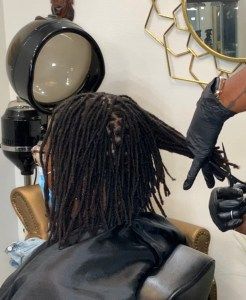
If you dream of Gorgeous Bridal Loc Hairstyles, healthy ends matter more than most people realize. Split or thinning tips can affect how polished your hairstyle looks. That is why regular maintenance makes such a big difference long before your wedding day arrives.
When I first started learning about loc care, I believed trimming meant failure. Then I discovered How to care for your locs the right way: A complete guide for healthy, long lasting hair, and everything changed. It explained that healthy maintenance often protects length better than avoiding scissors forever.
I realized that ignoring damaged ends was actually causing more breakage than an occasional careful trim ever would. That simple discovery completely changed my maintenance routine.
In this guide, you will learn How to Trim Locs Properly without fear. We will cover when to trim, what tools to use, mistakes to avoid, and simple techniques that keep your locs strong for years to come.
Why Trimming Your Locs Is Important
Many people believe trimming locs stops hair growth. That idea is one of the biggest myths in the loc community. Your hair grows from the scalp, not from the ends. Learning How to Trim Locs Properly simply removes damaged sections that cannot repair themselves.
Think about a frayed rope. Once the fibers begin separating, the damage keeps spreading. Locs behave the same way. Weak ends continue breaking if you never remove them.
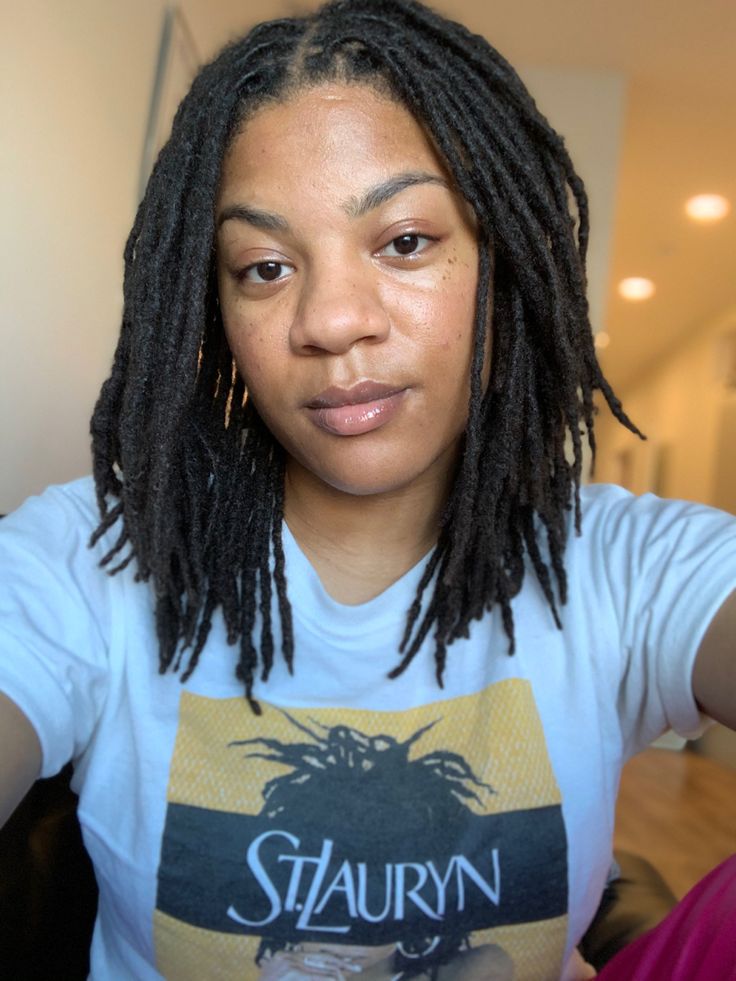
A good trim also helps your locs keep a balanced shape. Over time, some ends become uneven because of daily wear. Small trims restore a cleaner appearance without changing your overall length.
Healthy ends also make styling much easier. Loose fibers often catch on clothing, jewelry, or accessories. Smooth ends glide better and stay neat throughout the day.
If your locs seem thinner every month, do not panic immediately. First, learn How to Fix Thin Locs Naturally. You may discover that weak ends, poor moisture habits, or tension are causing the problem rather than serious hair loss.
Many people also struggle with weak strands after frequent styling. Before reaching for scissors, read How to Strengthen Weak Locs. Stronger locs often need less trimming because they resist daily damage much better.
The goal is never to cut for appearance alone. The goal is protecting the healthy part of each loc.
Signs Your Locs Need a Trim
One mistake many people make is trimming on a schedule instead of trimming when needed. Your locs will usually show clear signs before they require attention.
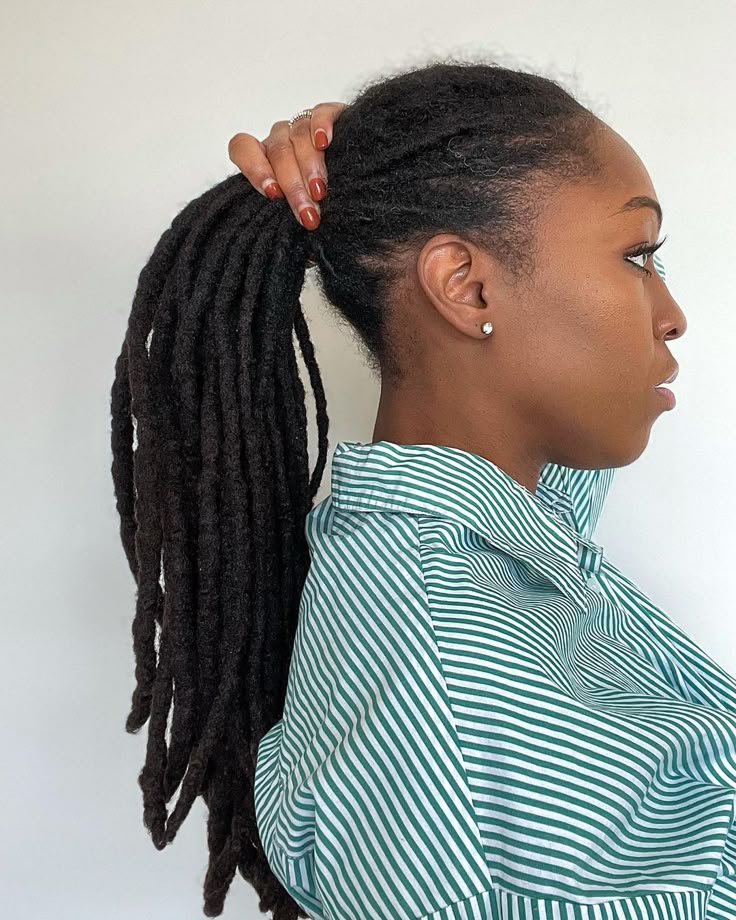
Watch for these warning signs:
- Thin or wispy ends
- Split or unraveling tips
- Dry ends that stay rough after moisturizing
- Uneven lengths caused by breakage
- Knots hanging loosely from the tips
- Ends that constantly catch on clothing
- Small pieces breaking off every time you style
These signs often appear gradually. That makes them easy to ignore until the damage becomes worse.
If your locs suddenly seem weaker than before, pause before trimming everything. Read Signs Your Locs Are Locking Properly (And When to Worry). Sometimes your locs are simply maturing, while other times they need extra care.
Your moisturizing routine also matters more than many people realize. Dry locs become brittle much faster. Learning How Often Should You Moisturize Locs? can reduce breakage before trimming becomes necessary. Healthy maintenance always starts with prevention.
When Is the Best Time to Trim Locs?
There is no perfect calendar for trimming every head of locs. Some people need a trim every six months. Others may only trim once a year. It depends on your hair type, lifestyle, and maintenance routine.
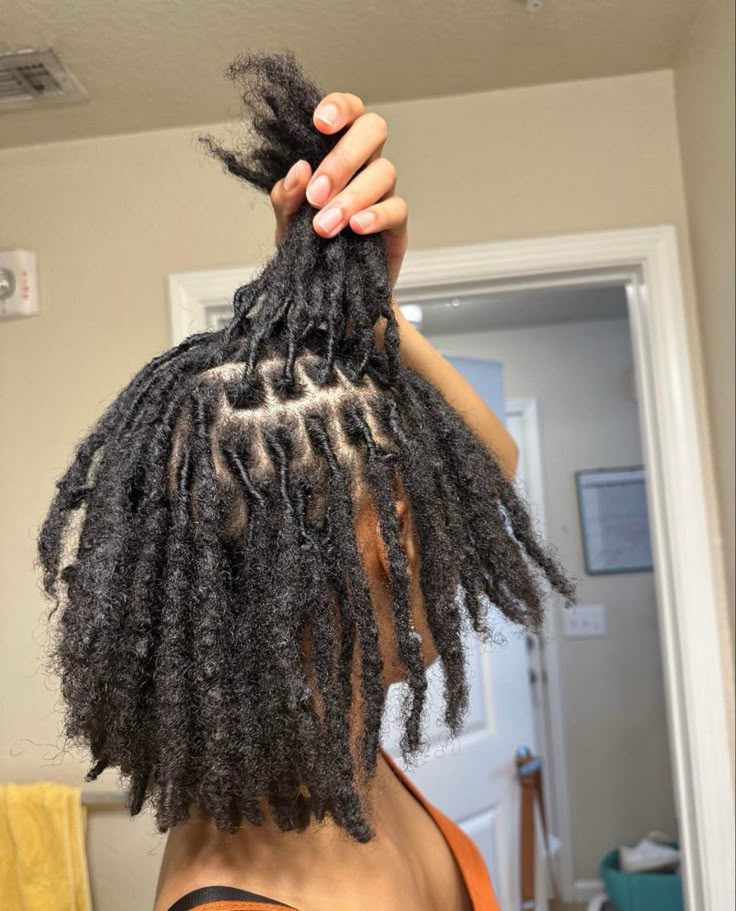
Ask yourself these questions:
- Do your ends feel rough?
- Are several locs becoming noticeably thinner?
- Do you see frequent breakage?
- Are your styles looking untidy because of damaged tips?
If you answered yes to several questions, it may be time for a trim. Avoid trimming immediately after installing a fresh retwist. Your locs look tighter, making it harder to judge their true length.
Instead, wash your locs, let them dry completely, then inspect every end carefully under bright lighting. People with mature locs often trim less often because their ends stay stronger. Starter locs usually need patience instead of scissors.
If your locs are still new, read Starter Locs Mistakes That Can Ruin Your Loc Journey before making any cuts. Many beginners mistake normal budding for damage.
Likewise, if you recently began your journey, What to expect in the first 3 months of your loc journey explains why early changes should not be confused with damaged ends. Knowing the difference can save months of unnecessary regret.
Tools You Need Before Trimming Your Locs
One of the biggest mistakes people make when learning How to Trim Locs Properly is starting without the right tools.
It may seem harmless to grab the nearest pair of scissors, but that simple choice can leave your locs with rough, uneven ends. Clean, sharp tools give you more control and reduce the chance of creating fresh damage while trying to remove old damage.
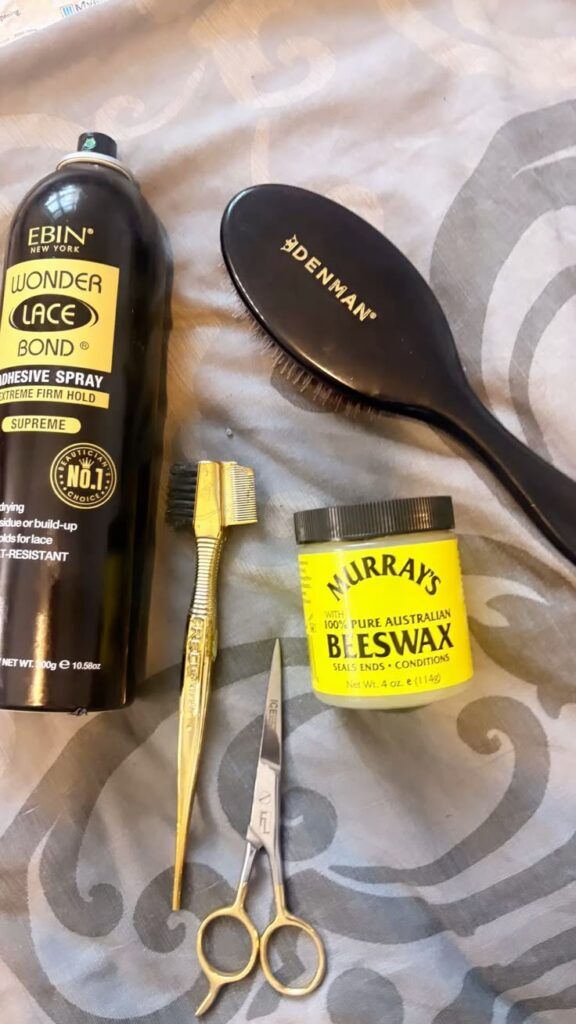
Think of trimming as a small maintenance session instead of a quick haircut. The better prepared you are, the easier it becomes to spot weak areas and make neat, precise cuts. Rushing through the process usually leads to uneven lengths or cutting more than you intended.
Before you begin, gather everything you need in one place. This keeps you from stopping halfway through your trim.
Here are the essentials:
- Sharp hair-cutting scissors
- A handheld mirror
- A large wall mirror
- Hair clips or small elastics
- Bright natural or LED lighting
- A clean towel
- A spray bottle with water
- A microfiber cloth for wiping scissors if needed
Always use professional hair scissors. Kitchen scissors, craft scissors, and paper scissors have dull blades that crush hair instead of cutting it cleanly. A crushed end is more likely to fray again after a short time.
Lighting is equally important. Damaged ends can be difficult to see under dim lighting. A bright room or natural daylight allows you to inspect every loc carefully. If possible, stand near a window during the day or use a bright LED lamp.
Mirrors also make a huge difference. You may think your front locs are the only ones needing attention, but the back often hides the most damage. Using two mirrors helps you inspect every section without guessing.
Wash your locs before trimming whenever possible. Product buildup, lint, oils, and dust can hide split or frayed ends. Freshly washed locs reveal their true condition, making it easier to identify areas that need attention.
Let your locs dry completely before trimming. Wet locs stretch slightly, making it difficult to judge their final length. Cutting wet locs may leave them shorter than expected once they dry.
If washing day is approaching anyway, combine your trimming session with your maintenance routine. This saves time and gives you the clearest view of your hair’s condition.
Your maintenance habits between trims matter just as much as the trimming itself. If you usually care for your hair at home, you’ll find plenty of helpful tips in How to Maintain Locs Without a Loctician. Building a consistent routine keeps your locs healthy and reduces the need for frequent trims.
Many people also wonder why their locs never seem to stay neat after a trim. In many cases, the issue is not the trimming technique but everyday maintenance. Learning How to Make Your Locs Look Neat Always can help you protect your freshly trimmed ends and keep your locs looking polished for much longer.
Preparation might not seem exciting, but it is one of the most important parts of How to Trim Locs Properly. Taking a few extra minutes to gather the right tools, clean your locs, and create a comfortable workspace can prevent mistakes that take months to grow out.
Step 1: Inspect Every Loc Carefully
Before a single strand is trimmed, you need to know exactly what you are working with. Many people make the mistake of assuming every loc needs trimming simply because one or two ends look damaged. That approach often removes healthy length without solving the real problem.

Inspection is the foundation of How to Trim Locs Properly. The more carefully you examine your locs, the more confident you will feel about every cut you make.
Start by dividing your locs into manageable sections. Secure each section with clips or hair ties so you can focus on one area at a time. Working in sections prevents you from missing hidden damage, especially at the back of your head.
Pick up one loc at a time and slowly run your fingers from the root to the tip. Feel for changes in texture as well as visible damage. Healthy locs usually feel firm and consistent, while damaged areas often feel rough, thin, or unusually soft.
Look closely for:
- Split or frayed ends
- Loose fibers sticking out
- Thin sections near the tips
- Small knots hanging loosely
- Dry, brittle ends
- Uneven lengths caused by breakage
- Weak spots that bend easily
- Lint trapped around damaged ends
Do not rush this process. Spending twenty minutes inspecting your locs can save you from making unnecessary cuts.
Pay special attention to the oldest locs. They usually experience the most friction from clothing, backpacks, scarves, hats, and pillowcases. These everyday activities slowly wear down the ends over time.
Compare each loc with the ones around it. If one loc appears significantly thinner than the others, avoid trimming immediately. Try to determine why it became thin in the first place.
Sometimes what looks like damage is simply part of the natural locking process. This is especially common if your locs are still maturing.
If you are unsure whether your locs are developing normally, take a moment to read Signs Your Locs Are Locking Properly (And When to Worry). Understanding normal changes can prevent unnecessary trimming and help you protect your progress.
Your fingers are just as important as your eyes. Some weak spots cannot be seen easily but can be felt immediately. If a section feels noticeably softer or weaker than the rest of the loc, inspect it more closely before deciding whether it needs trimming.
Many people discover that dryness, not damage, is causing rough ends. Dry locs often feel brittle until they receive proper moisture.
If you frequently struggle with rough, dry locs, learning How Often Should You Moisturize Locs? may help you reduce future trimming by preventing dryness before it leads to breakage.
Taking time to inspect every loc carefully allows you to remove only what is necessary. That simple habit preserves your length, keeps your locs balanced, and makes every trim far more successful.
Step 2: Trim Only the Damaged Ends
Once you have identified the damaged areas, it is finally time to begin trimming. This is the stage where patience matters most. Many people become nervous and start cutting too quickly, while others remove large sections because they want every loc to look perfectly even. Neither approach gives the best results.
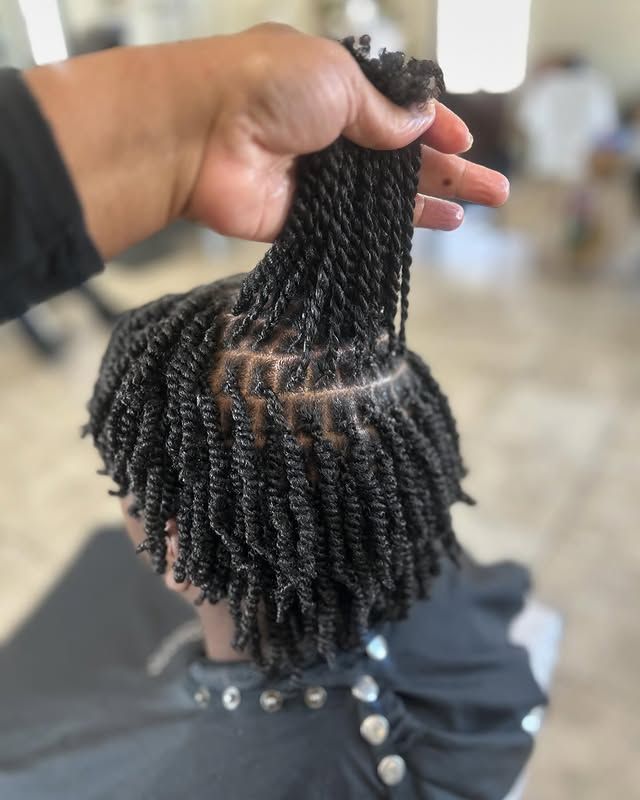
Remember that How to Trim Locs Properly is about preserving healthy hair, not making every loc identical. Natural locs vary slightly in length and thickness. Those small differences give them character.
Hold one loc gently between your fingers. Avoid pulling it tightly because stretched locs can appear longer than they really are. Locate the damaged section, then move slightly above it so you remove only the unhealthy portion.
Use one clean cut instead of several small snips. Multiple cuts often leave uneven edges and increase the chance of fraying.
Work slowly from one section of your head to another. Resist the temptation to jump around randomly. A consistent pattern helps you keep track of which locs you have already completed.
After trimming each loc, compare it with the surrounding locs before moving on. This helps you maintain a balanced overall appearance.
If only a few loose fibers are sticking out, trim those fibers instead of shortening the entire loc. Sometimes a tiny adjustment is all that is needed.
Never trim simply because one loc is longer than another. Natural variation is completely normal. Focus only on damaged areas unless you are intentionally reshaping your locs.
As you work, stop every few minutes and examine your progress in the mirror. Looking from different angles helps you catch uneven areas before they become noticeable.
If you accidentally remove slightly more than planned, do not panic. One small mistake rarely ruins your locs. The important thing is avoiding repeated over-cutting throughout the rest of your session.
People who experience frequent breakage after maintenance often discover that trimming is not the real issue. Excessive tension during retwisting weakens the hair over time. Before your next maintenance day, read How to Retwist Locs Without Causing Breakage to learn techniques that protect your locs from unnecessary stress.
Over-retwisting can also create thin areas that eventually require trimming. If your roots often feel sore after maintenance, you should also explore Signs You Are Retwisting Your Locs Too Often. Reducing tension today can save inches of healthy locs in the future.
Every careful cut should have one purpose: removing damage while protecting healthy hair. That mindset is the secret to mastering How to Trim Locs Properly and keeping your locs strong, neat, and beautiful for many years.
Step 3: Shape Your Locs Without Removing Too Much Length
After trimming the damaged ends, take a step back and look at your locs as a whole. This is not the time to keep cutting until every loc matches perfectly.
One of the biggest mistakes people make when learning How to Trim Locs Properly is chasing perfect symmetry. Natural locs are not meant to be identical. Small differences in length and thickness make them look full, healthy, and unique.
Your goal is to create a balanced appearance while preserving as much healthy hair as possible. Every inch of your locs represents months, and sometimes years, of growth. Removing healthy length simply for the sake of uniformity often leads to regret.
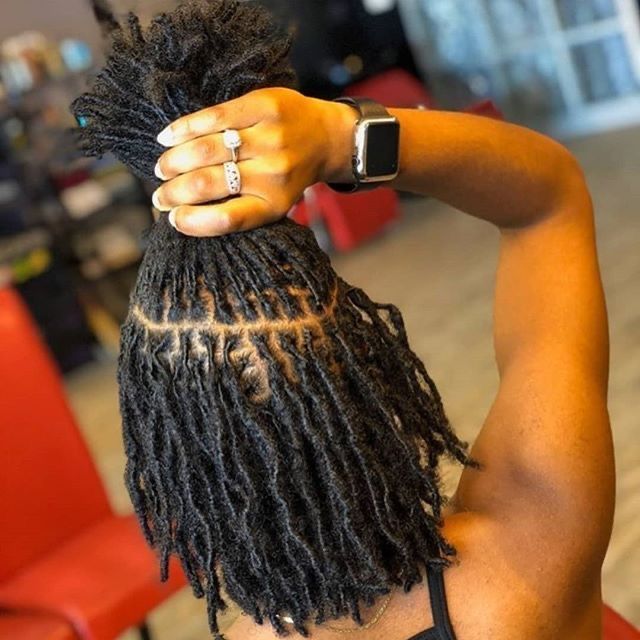
Stand in front of a large mirror and gently shake your locs. Notice how they naturally fall around your face and shoulders. Instead of staring at individual locs, focus on the overall shape.
Ask yourself these questions:
- Do your locs look balanced?
- Are a few damaged ends drawing attention?
- Does one section appear noticeably thinner?
- Are there loose, frayed tips that stand out?
If the overall shape looks healthy, stop trimming.
Many people believe they should continue cutting until every loc reaches exactly the same length. In reality, perfectly even locs can sometimes look unnatural because hair grows at different rates across your scalp.
Remember that some areas naturally grow faster than others. The crown may gain length more quickly than the sides, while the nape often grows more slowly. That variation is completely normal.
Avoid trimming healthy locs simply to match shorter ones. Instead, allow those shorter locs time to catch up naturally.
If your locs have become uneven because of excessive breakage rather than natural growth, it may be worth investigating the cause before trimming further. Constant dryness, excessive tension, poor maintenance, or nutritional deficiencies can all contribute to uneven lengths.
If you’ve noticed your locs growing slowly or becoming thinner over time, Why Your Locs Are Not Growing (And How to Fix It) explains several common reasons and practical solutions that may help.
You should also consider strengthening your locs from within. Learning Foods That Help Your Locs Grow Faster can support healthier hair growth and reduce future breakage through better nutrition.
One helpful trick is to leave your scissors on the table after every few cuts. Walk away for five minutes, then return with fresh eyes. Many people discover their locs already look great and avoid unnecessary trimming simply by taking a short break.
Another good habit is taking photos before and after trimming. Pictures make it easier to monitor changes over time. They also help you avoid trimming too frequently because you can clearly see your progress.
Remember, you can always remove more hair later. You cannot replace healthy length once it has been cut. Mastering How to Trim Locs Properly means knowing when to stop just as much as knowing when to cut.
Step 4: Moisturize and Seal Your Freshly Trimmed Locs
Your trimming session is not finished after the scissors are put away.
Freshly trimmed locs still need moisture and protection. Many people skip this step because they believe trimming alone solves the problem. In reality, trimming removes existing damage, but proper moisture helps prevent new damage from developing.
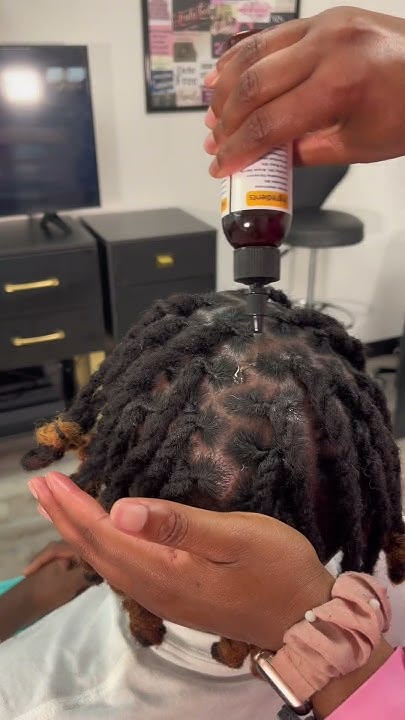
Think of your freshly trimmed ends as a fresh start. They deserve the same care you give the rest of your locs.
Begin by lightly misting your locs with water or a water-based moisturizing spray. Water remains the best source of moisture for healthy hair. Heavy oils alone cannot hydrate dry locs.
Once your locs feel slightly damp, apply a small amount of lightweight oil to help seal in that moisture.
Good options include:
- Jojoba oil
- Grapeseed oil
- Sweet almond oil
- Argan oil
- Rosehip oil
Avoid applying large amounts of heavy products. Thick oils, waxes, and greasy creams attract lint and create buildup that becomes difficult to remove later.
Massage the oil gently between your palms before smoothing it over your locs. Focus especially on the freshly trimmed ends since they experience the most friction.
This is also a great time to check your scalp. Healthy locs begin with a healthy scalp, so look for dryness, flakes, irritation, or product buildup while your hair is freshly cleaned.
If dandruff has been making your locs feel dry and brittle, How to Get Rid of Dandruff in Your Locs offers practical ways to improve scalp health while protecting your hair.
Moisture also plays a huge role in preventing future breakage. If you’re unsure whether your current routine is effective, Best Oils and Moisturizers for Starter Locs (What Actually Works) shares ingredients that nourish locs without causing excessive buildup. Many of those recommendations also work well for mature locs.
Once your locs are moisturized, allow them to air dry completely before styling. Tight ponytails, heavy buns, or complicated updos immediately after trimming can place unnecessary stress on freshly maintained ends.
Instead, wear your locs loose for a day whenever possible. Giving them time to settle naturally helps you appreciate the results of your careful trim.
Learning How to Trim Locs Properly does not end with cutting. Proper aftercare keeps your locs soft, healthy, and protected until your next maintenance session.
Common Mistakes to Avoid When Trimming Locs
Learning How to Trim Locs Properly is not just about knowing where to cut. It is also about avoiding mistakes that can damage years of healthy growth.
Many people trim their locs with good intentions, yet they end up removing too much length or creating new problems. The good news is that most of these mistakes are easy to avoid once you know what to look for.
One of the most common mistakes is trimming too often. Unlike loose natural hair, locs do not need frequent trims. Every unnecessary cut removes healthy hair that took months or even years to grow.
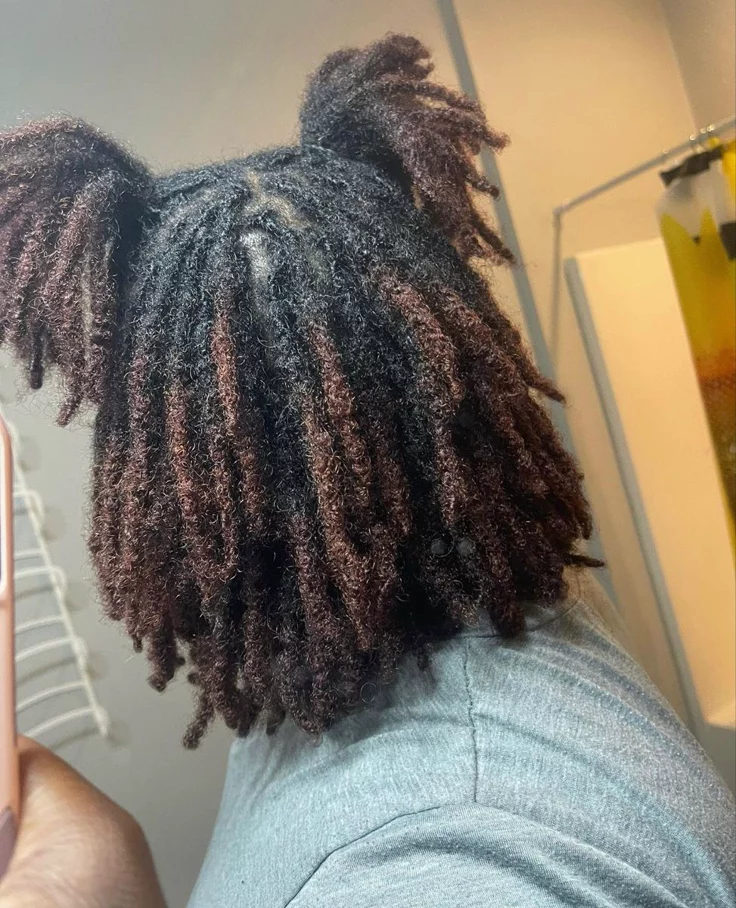
Instead of trimming on a fixed schedule, inspect your locs regularly and only trim when you notice genuine damage such as frayed ends, thinning tips, or loose fibers.
Another mistake is using the wrong scissors. Kitchen scissors, craft scissors, or old household scissors may seem convenient, but they rarely make clean cuts. Dull blades crush the hair instead of slicing through it smoothly.
This leaves rough edges that become weak points and eventually lead to more breakage. Investing in a good pair of professional hair-cutting scissors protects your locs and gives you cleaner results every time.
Many people also trim their locs while they are wet. Although freshly washed locs are clean, they stretch slightly when wet. This makes them appear longer than they really are.
Once your locs dry and shrink back to their natural length, you may realize you removed far more than you planned. For the most accurate results, always trim completely dry locs.
Another habit that causes unnecessary regret is trying to make every loc exactly the same length. Natural locs grow at different rates. Some sections will always be slightly longer than others, and that is perfectly normal.
Chasing perfect symmetry often leads to cutting healthy locs simply because they are longer than the rest. Focus on removing damaged ends instead of creating identical lengths.
Many people also forget that trimming only removes the damage. It does not solve the problem that caused the damage in the first place. If your locs continue breaking after every trim, take a closer look at your routine.
Dry hair, excessive retwisting, tight hairstyles, poor nighttime protection, and product buildup can all weaken your locs over time. If breakage has become a regular problem, How to Prevent Loc Breakage explains simple daily habits that help keep your locs stronger.
Rushing through a trimming session is another mistake that often leads to uneven results. Trimming requires patience. Instead of moving quickly from one loc to another, work in small sections and stop every few minutes to check your progress.
Looking at your locs from different angles helps you catch uneven areas before they become noticeable.
Finally, avoid copying someone else’s trimming routine. Your favorite content creator may trim every six months, while your friend only trims once a year. Neither schedule is automatically right for you.
Your hair texture, maintenance routine, styling habits, and environment all affect how often your locs need attention. Learning to observe your own locs will always give you better results than following someone else’s timeline.
Frequently Asked Questions About How to Trim Locs Properly
If this is your first time trimming your locs, you probably have plenty of questions. That is completely normal. Many people hesitate because they worry about making irreversible mistakes. Understanding the basics can help you approach the process with much more confidence.
Does trimming locs make them grow faster? The simple answer is no. Hair grows from the scalp, not from the ends. Trimming does not speed up growth, but it does remove damaged ends that would eventually break off. By preventing breakage, you retain more of your growth, making your locs appear longer over time.
Can I trim my own locs at home? Yes, many people successfully trim their own locs. The key is using sharp hair scissors, working slowly, and trimming only damaged sections. If you feel unsure, start with the most obvious frayed ends instead of making large cuts.
How often should mature locs be trimmed? There is no universal answer. Some people trim once a year, while others only trim when they notice damage. Instead of following a calendar, inspect your locs regularly and let their condition determine when a trim is needed.
Should starter locs be trimmed? In most cases, no. Starter locs naturally go through budding, swelling, and frizz as they mature. These changes are normal and should not be mistaken for damage. Unless the ends are genuinely split or badly damaged, it is better to leave them alone.
Can trimming repair split loc ends? Once a loc has split, the damaged fibers cannot repair themselves. The only permanent solution is removing the damaged section. Trimming prevents the split from traveling farther up the loc and protects the healthy hair above it.
Will trimming ruin my locs? Not if you follow the correct technique. Learning How to Trim Locs Properly helps preserve your locs by removing weak ends before they become larger problems. Small, careful trims improve the appearance of your locs without sacrificing unnecessary length.
Final Thoughts
Learning How to Trim Locs Properly is about protecting your investment rather than shortening your hair. Every loc represents time, patience, and consistent care, so it makes sense to feel nervous before picking up a pair of scissors.
Fortunately, trimming does not have to be complicated. By inspecting your locs carefully, removing only damaged ends, using the right tools, and moisturizing afterward, you can keep your locs healthy while preserving the length you have worked so hard to grow.
Remember that healthy locs are not created through constant trimming. They are built through consistent maintenance.
Moisturizing regularly, protecting your hair at night, avoiding excessive tension, and addressing small problems before they become serious all reduce the need for frequent trims. The better you care for your locs every day, the less often you will need to reach for your scissors.
Most importantly, trust your own hair instead of comparing your journey with someone else’s. Every head of locs is different, and your trimming schedule should reflect your unique needs.
By following the tips in this guide, you can confidently practice How to Trim Locs Properly, protect your hard-earned length, and enjoy stronger, healthier locs for many years to come.