
How to Make Your Locs Look Neat Always
Disclosure: Some of the links in this post are affiliate links. This means if you click on the link and purchase an item, I will receive an affiliate commission at no extra cost to you. All opinions remain my own. I only recommend products or services I believe will add value to my readers.
Have you ever wished your locs looked as fresh every day as they did after a salon visit? A neat retwist never lasts forever, and new growth, frizz, and loose hairs can quickly change your look.
Learning How to Make Your Locs Look Neat Always is not about constant retwisting or expensive products. Instead, it comes down to simple daily habits that keep your locs healthy, clean, and polished.
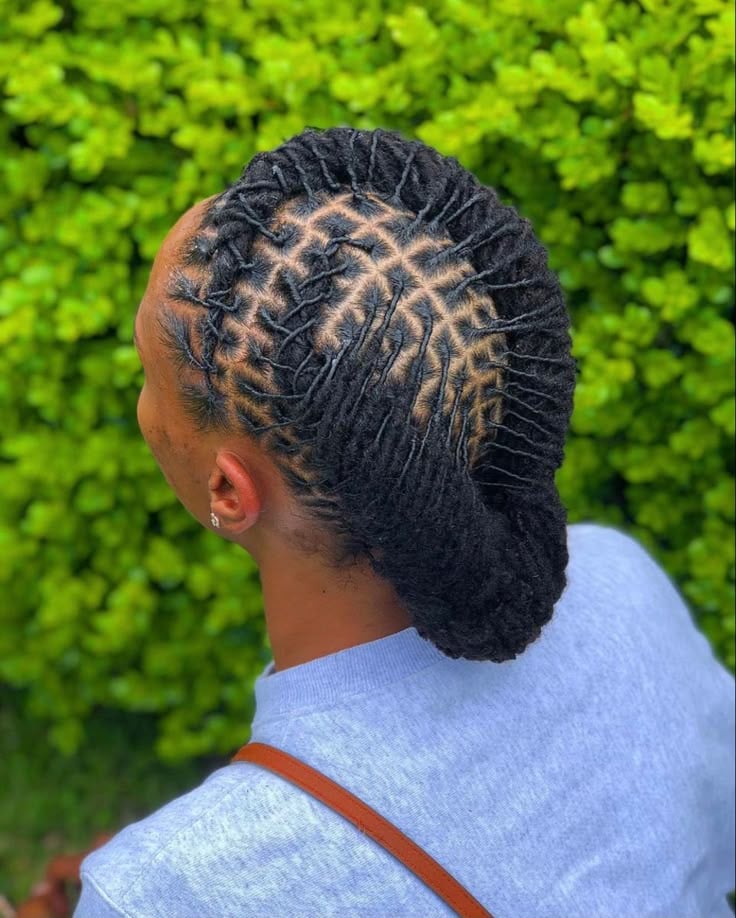
I once admired someone whose locs always looked freshly maintained. No matter the season, their hair stayed neat and healthy. After asking about their routine, I realized consistency mattered more than perfection.
If you want to build a stronger maintenance routine, read How to Care for Your Locs the Right Way: A Complete Guide for Healthy, Long-Lasting Hair. Small habits often create the biggest results.
Keeping your locs neat also means avoiding mistakes that cause frizz, buildup, and unnecessary damage. Before changing your routine, explore 23 Things You Should Never Do to Your Locs to spot habits that may be holding you back.
In this guide, you’ll discover How to Make Your Locs Look Neat Always with practical tips that keep your locs looking fresh between salon visits.
1. Wash Your Locs on a Consistent Schedule
The first step in How to Make Your Locs Look Neat Always is keeping your locs clean. Dirt, sweat, and product buildup make locs appear dull and untidy. A clean scalp also helps your retwist last longer.
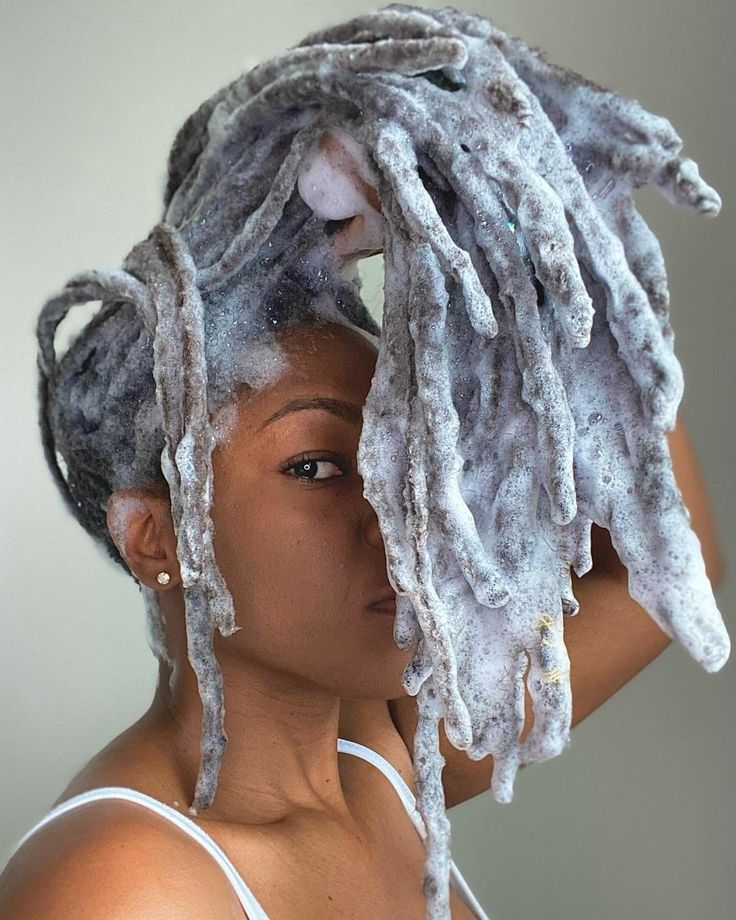
Choose a washing schedule that suits your lifestyle. If you exercise often, you may need to wash more frequently. If your scalp stays clean longer, you can wash less often. Always use a residue-free shampoo that cleans without leaving heavy buildup behind.
Wash your scalp gently using your fingertips instead of your nails. Scratching aggressively can create frizz and irritate your scalp. Rinse thoroughly until all shampoo disappears.
If your starter locs are still developing, read How to Wash Starter Locs Without Unravelling Them (Step-by-Step Guide). Following the correct washing method helps protect your progress while keeping your locs fresh.
2. Moisturize Without Overloading Your Hair
Dry locs never look neat for long. They become rough, frizzy, and difficult to manage. Moisture helps your locs stay soft, healthy, and easier to style.
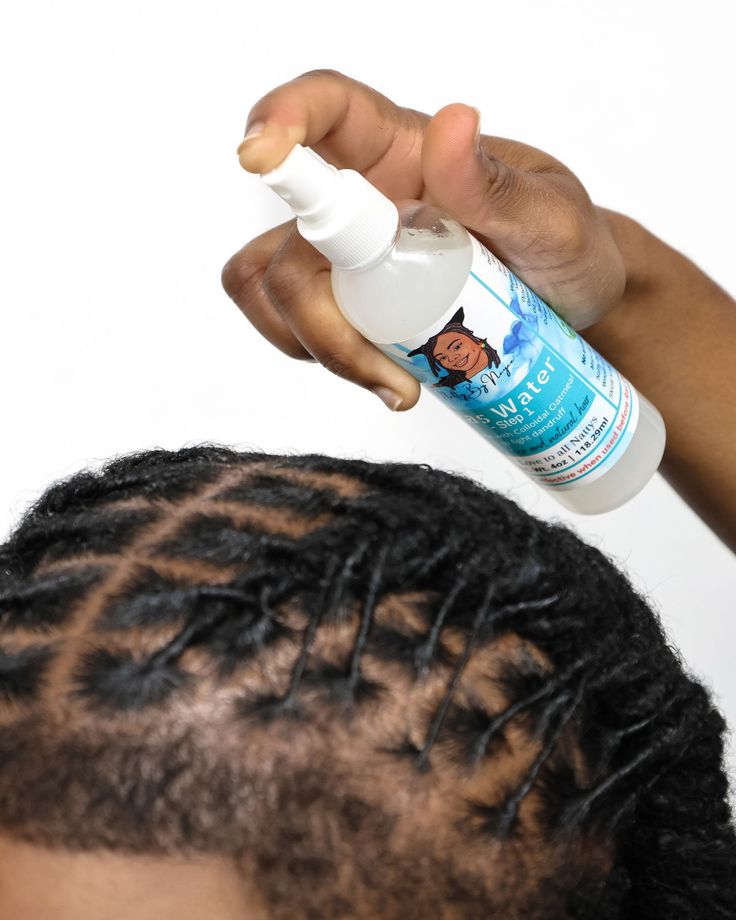
Start with water because it provides actual moisture. Follow with a lightweight oil if needed to help seal it in. Avoid using thick creams that leave residue inside your locs.
Every head of hair has different moisture needs. Your climate, hair texture, and activity level all affect your routine. If you’re unsure how often to hydrate your hair, explore How Often Should You Moisturize Locs?. A consistent routine keeps your locs looking healthy every day.
3. Protect Your Locs While Sleeping
Many people overlook their nighttime routine. Yet it plays a huge role in How to Make Your Locs Look Neat Always.
Cotton pillowcases absorb moisture and create friction. Every movement during sleep causes rubbing that leads to frizz and loose hairs.
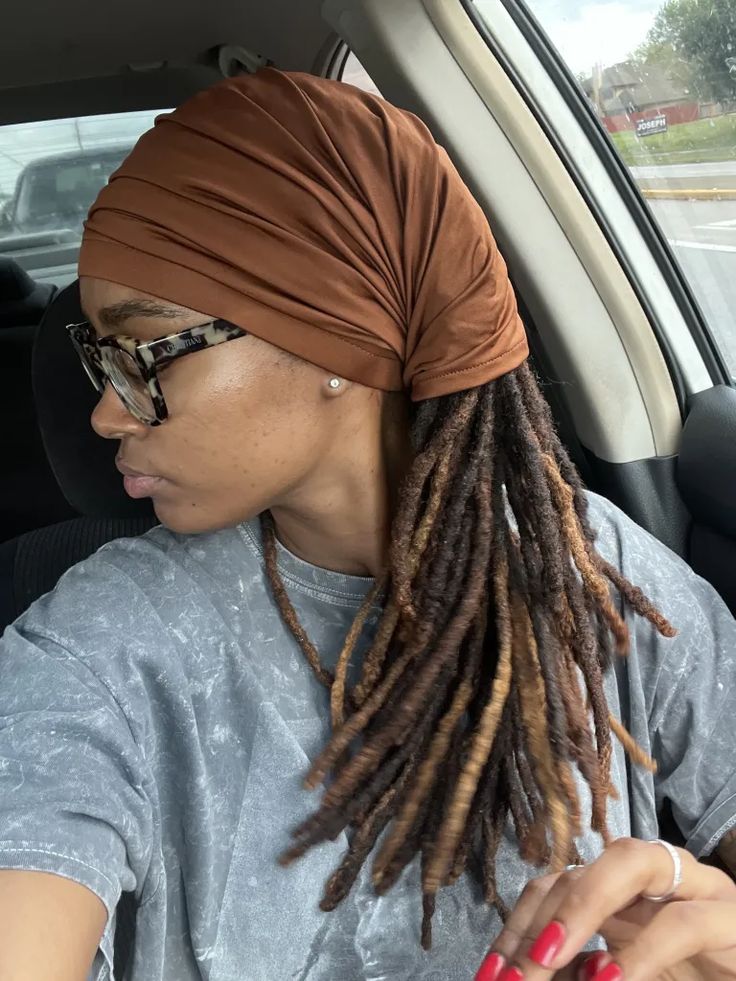
Wear a satin bonnet or silk scarf before bed. A satin pillowcase also provides extra protection. These small changes reduce friction and help your hairstyle stay fresh longer.
If your locs are long, gather them loosely before sleeping. Avoid tight ponytails because they create unnecessary tension while you rest.
4. Don’t Retwist Too Often
Many people believe frequent retwists automatically create neater locs. Unfortunately, that habit often causes more harm than good.
Retwisting too often weakens your roots and increases breakage. Healthy locs need enough time to grow naturally between maintenance sessions.
Instead of chasing a freshly retwisted appearance every week, focus on keeping your locs clean and moisturized. Those habits make a much bigger difference.
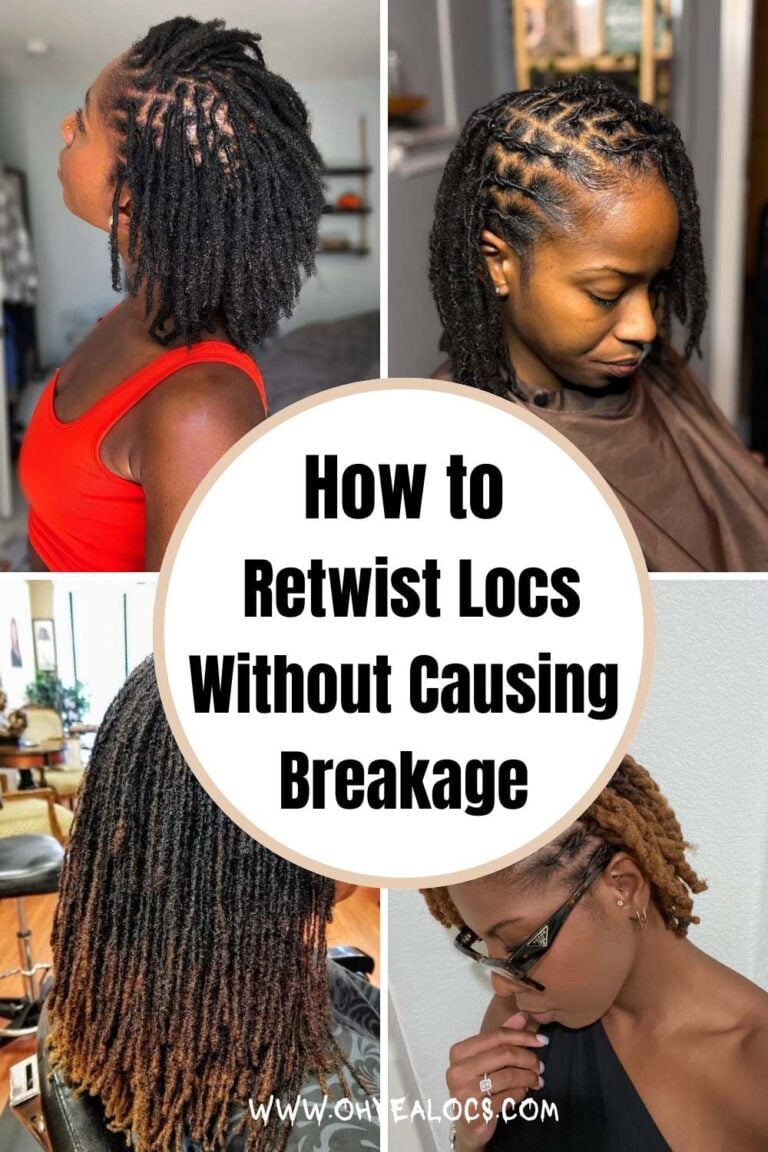
If you wonder whether you’re overdoing your maintenance, read Signs You Are Retwisting Your Locs Too Often. Recognizing the warning signs can protect your hair from unnecessary damage.
5. Choose Low-Tension Hairstyles
Some hairstyles pull constantly on your roots. Over time, they create thinning edges and uneven locs.
Choose styles that feel comfortable immediately. If your scalp hurts after styling, the hairstyle is probably too tight.

Simple buns, loose ponytails, and relaxed twists can still look beautiful. They also help your roots remain healthy.
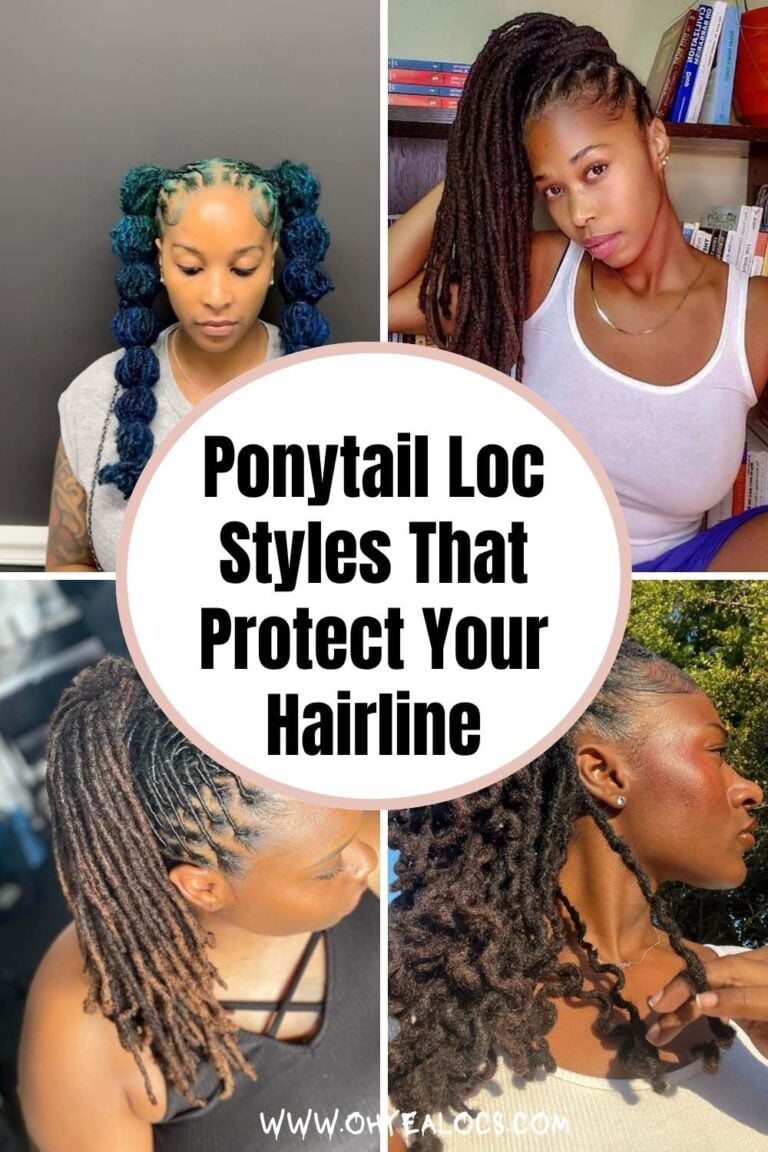
Need inspiration? Browse Low Tension Loc Styles That Protect Your Hairline. You’ll find protective styles that look polished without stressing your scalp.
6. Remove Lint Before It Builds Up
Lint makes even healthy locs appear old and neglected. Small fibers become trapped inside the hair and grow more noticeable over time.
Check your locs regularly, especially lighter-colored ones. Pay close attention after wearing wool sweaters or fuzzy blankets.
Remove lint gently using safe methods instead of pulling aggressively. Rough handling can weaken your locs and create unnecessary breakage.
If lint has become a challenge, read How to Get Rid of Lints in Locs (Without Damaging Them). Early removal usually makes the process much easier.
7. Keep Your Scalp Healthy
Healthy locs begin with a healthy scalp. An itchy or flaky scalp often leads to scratching, which creates frizz around your roots.
Wash your scalp regularly and avoid heavy products that clog the skin. Drink enough water and maintain a balanced diet to support healthy hair growth.
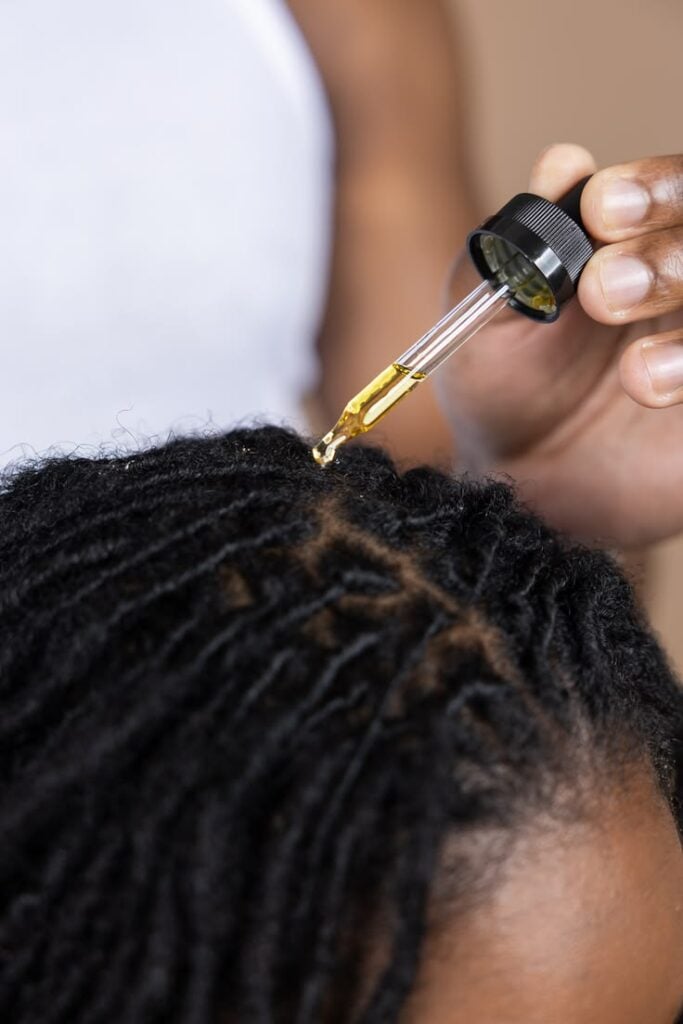
Persistent flakes should not be ignored. Treating the problem early helps your locs stay cleaner and neater.
If dandruff continues returning, explore How to Get Rid of Dandruff in Your Locs. Solving the root cause can improve your entire maintenance routine.
8. Avoid Product Buildup
Using more products does not guarantee neater locs. In fact, heavy products often create the opposite result.
Wax, thick creams, and excessive oils attract dust while leaving visible residue. Over time, your locs lose their clean appearance.
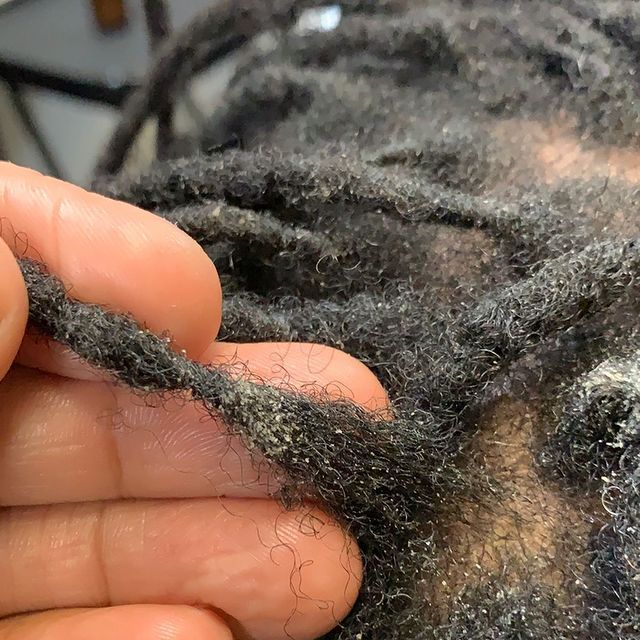
Choose lightweight products made for loc care. Apply only what your hair truly needs. Your locs should feel moisturized, not coated.
When building your routine, read Best Oils and Moisturizers for Starter Locs (What Actually Works). Choosing the right products saves time and protects your hair.
9. Refresh Your Style Between Retwists
Your retwist may fade before your next appointment. That does not mean your locs must look untidy.
Use a scarf to smooth your roots for several minutes. You can also create a simple bun, half-up style, or loose ponytail.
Changing your hairstyle helps disguise new growth while keeping your appearance fresh.
If you need quick inspiration, check out Quick Loc Hairstyles You Can Do in Under 10 Minutes. These easy styles help extend your fresh look without causing damage.
10. Handle Your Locs Gently Every Day
Many people create frizz simply by touching their locs constantly. Twisting, pulling, and playing with your hair loosens stray strands.
Be gentle whenever you wash, style, or moisturize your locs. Small habits repeated daily have a bigger impact than occasional salon visits.
Keeping your locs neat also means preventing unnecessary damage. Healthy hair naturally looks more polished than damaged hair.
For long-term results, read How to Prevent Loc Breakage. Stronger locs maintain their shape better and continue looking neat between maintenance sessions.
11. Cover Your Locs During Dusty Activities
Your environment affects how neat your locs look. Dust, smoke, and wind can leave your hair looking dull and untidy. If you work outdoors or spend time in dusty places, protect your locs with a scarf or satin-lined hat.

Covering your hair keeps dirt away while reducing unnecessary frizz. It also helps your hairstyle last longer after a fresh retwist.
If you travel often, you may also enjoy 19 Vacation Loc Hairstyles That Stay Neat All Day. These styles remain beautiful even during busy trips.
12. Steam Your Locs Regularly
Dry locs often appear rough and lifeless. Steaming helps restore moisture while improving your hair’s flexibility. It also softens product buildup before wash day.
You do not need to steam every week. Once or twice each month works well for many people. Follow steaming with a moisturizing routine to keep your locs hydrated.
Healthy, moisturized locs naturally look smoother than dry ones. If you have never tried steaming before, read Everything You Need to Know About Steaming Your Locs. It explains the process in simple steps.
13. Maintain Your New Growth Properly
New growth is completely normal. It does not mean your locs are messy. Learning how to manage it helps you maintain a polished appearance between appointments.
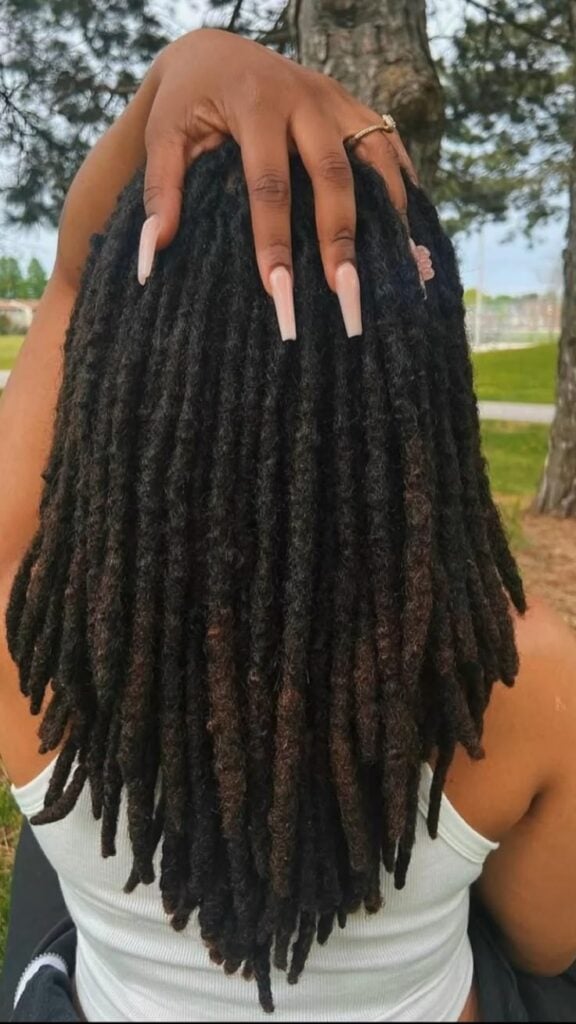
Separate your locs gently after washing to prevent them from joining together. Avoid twisting new growth every few days because constant manipulation weakens the roots.
Instead, keep your scalp clean and allow your hair to grow naturally. If you need more guidance, read How to Maintain Your Locs Between Retightening. Good maintenance keeps your locs looking organized without unnecessary tension.
14. Keep Your Edges Smooth Naturally
Your edges frame your entire hairstyle. Even beautiful locs can appear untidy when the hairline looks neglected.
Use a soft brush and a lightweight edge product if necessary. Avoid using excessive gel because heavy products often create flakes later.
Choose styles that do not constantly pull your edges backward. Repeated tension can cause thinning around the hairline.
For gentle styling inspiration, explore Beginner-Friendly Loc Styles for Work and School. Many of these styles protect your edges while keeping your appearance neat.
15. Stay Consistent With Your Routine
The secret behind How to Make Your Locs Look Neat Always is consistency. Healthy locs do not become polished overnight. They improve through small habits repeated regularly.
Wash your locs on schedule. Moisturize when needed. Sleep with proper protection. Handle your hair gently every day. These simple habits create lasting results.

Avoid comparing your journey with someone else’s. Every head of locs grows differently. Some people naturally experience less frizz than others.
If you notice slow growth while following a healthy routine, explore Why Your Locs Are Not Growing (And How to Fix It). Understanding the cause can improve both your hair health and your overall appearance.
16. Trim Loose Ends Carefully
Loose strands can make your locs appear untidy. Still, avoid cutting random hairs without understanding where they belong.
Some loose hairs help strengthen the locking process. Removing them too early may affect your loc development.
If you decide to trim mature locs, use sharp scissors and work carefully. Never rush the process.
When in doubt, allow your loctician to shape your locs during your maintenance appointment. A careful trim creates a cleaner finish without causing unnecessary damage.
17. Eat Foods That Support Healthy Hair
Healthy locs begin inside your body. Good nutrition supports stronger hair that naturally looks healthier and neater.

Include foods rich in protein, iron, zinc, and healthy fats. Fresh fruits and vegetables also support overall scalp health.
Although products help, your diet plays an important role in your loc journey. Learn more by reading Foods That Help Your Locs Grow Faster. Small dietary improvements can produce noticeable long-term results.
18. Protect Your Locs During Every Season
Changing weather affects your locs throughout the year. Cold weather often increases dryness. Summer heat brings sweat, humidity, and sun exposure.
Adjust your routine according to the season instead of following one schedule all year.
During colder months, explore 15 Ways to Maintain Your Locs in Winter. Those simple habits reduce dryness and breakage.
When temperatures rise, 15 Ways to Protect Your Locs in Summer offers practical ideas for keeping your locs healthy despite the heat.
19. Strengthen Weak Areas Before They Break
Neat locs are usually healthy locs. Weak sections often become frizzy before they eventually snap.
Inspect your locs regularly. Look for thinning roots, weak middle sections, or unusual shedding.
Reduce tension immediately if you notice vulnerable areas. Give your hair time to recover before trying another protective style.
If your locs already feel fragile, read How to Strengthen Weak Locs. Stronger hair naturally maintains a cleaner and fuller appearance.
20. Visit Your Loctician Before Problems Become Serious
Professional maintenance helps prevent many common loc problems. Waiting until your locs become severely tangled or damaged often creates extra work.
Schedule maintenance according to your hair’s needs instead of waiting until your locs become difficult to manage.
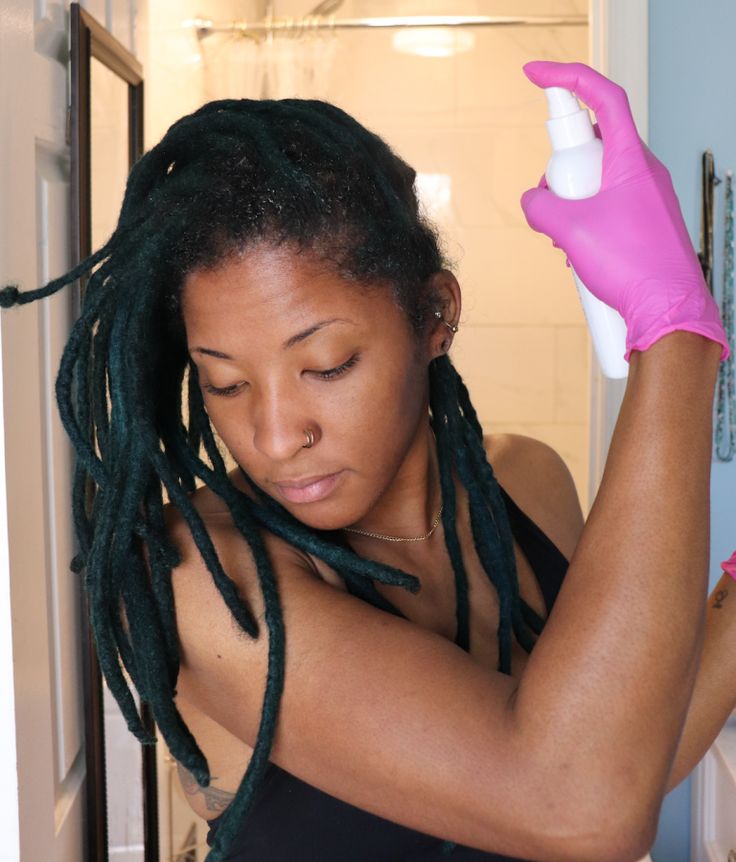
Your loctician can identify thinning roots, buildup, or weak sections before they become larger concerns.
Between appointments, continue practicing everything you have learned about How to Make Your Locs Look Neat Always. Salon visits work best when supported by healthy daily habits.
Final Thoughts
Learning How to Make Your Locs Look Neat Always does not require expensive products or weekly salon appointments. It requires patience, consistency, and healthy habits.
Clean your locs regularly. Moisturize without creating buildup. Protect your hair while sleeping and avoid unnecessary tension. Small improvements made every day produce the biggest long-term results.
Remember that neat locs are healthy locs. Focus on building a routine that works for your lifestyle instead of chasing perfection.
Over time, your locs will reward your consistency with a cleaner, healthier, and more polished appearance. The goal is not looking freshly retwisted every day. The goal is enjoying locs that always look cared for, confident, and beautiful.


13 Comments