
How to Fix Thin Locs Naturally
Disclosure: Some of the links in this post are affiliate links. This means if you click on the link and purchase an item, I will receive an affiliate commission at no extra cost to you. All opinions remain my own. I only recommend products or services I believe will add value to my readers.
How to Fix Thin Locs Naturally is one of the most common concerns among people with locs, and it’s easy to understand why. After spending months or even years growing your locs, noticing thinning roots, weak spots, or locs that seem smaller than they used to be can feel discouraging. Many people immediately worry that they’re going to lose their locs completely, especially when the thinning appears around the roots or hairline. The good news is that thin locs don’t always mean permanent damage, and in many cases, there are natural ways to improve the health and appearance of your locs.
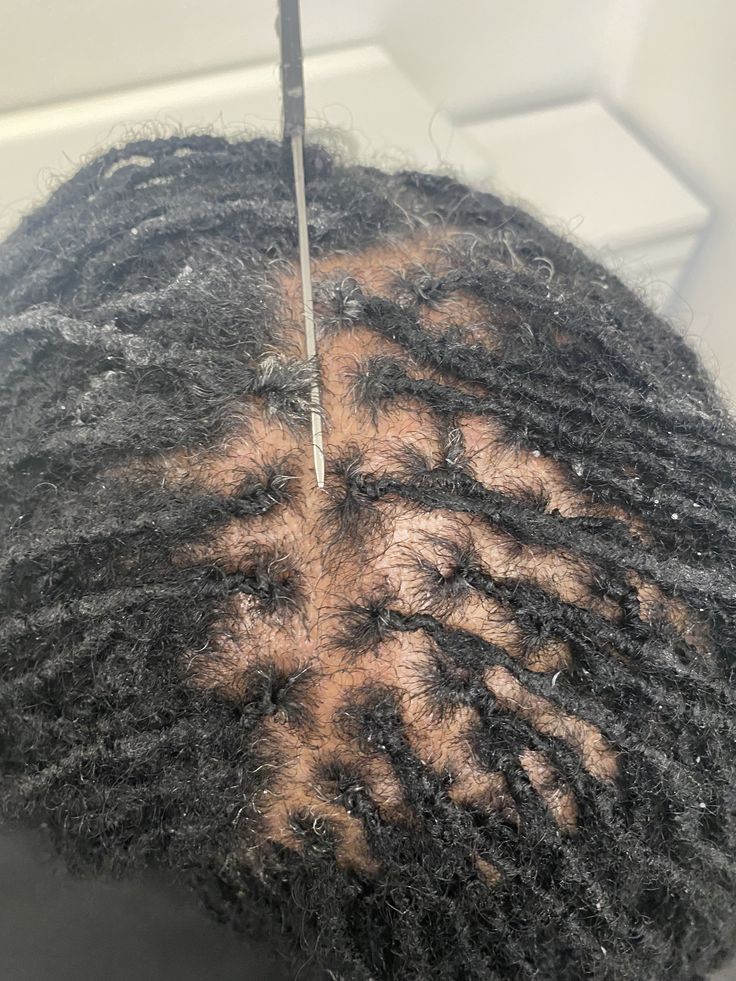
The challenge is that thinning can happen for many different reasons. Sometimes it’s caused by excessive retwisting, tight hairstyles, poor scalp health, stress, dryness, or even nutritional deficiencies. Other times, people unknowingly follow maintenance routines that slowly weaken their locs over time. If you’re still early in your journey, How to Start Your Locs Journey the Right Way can help you avoid many of the mistakes that contribute to thinning later on.
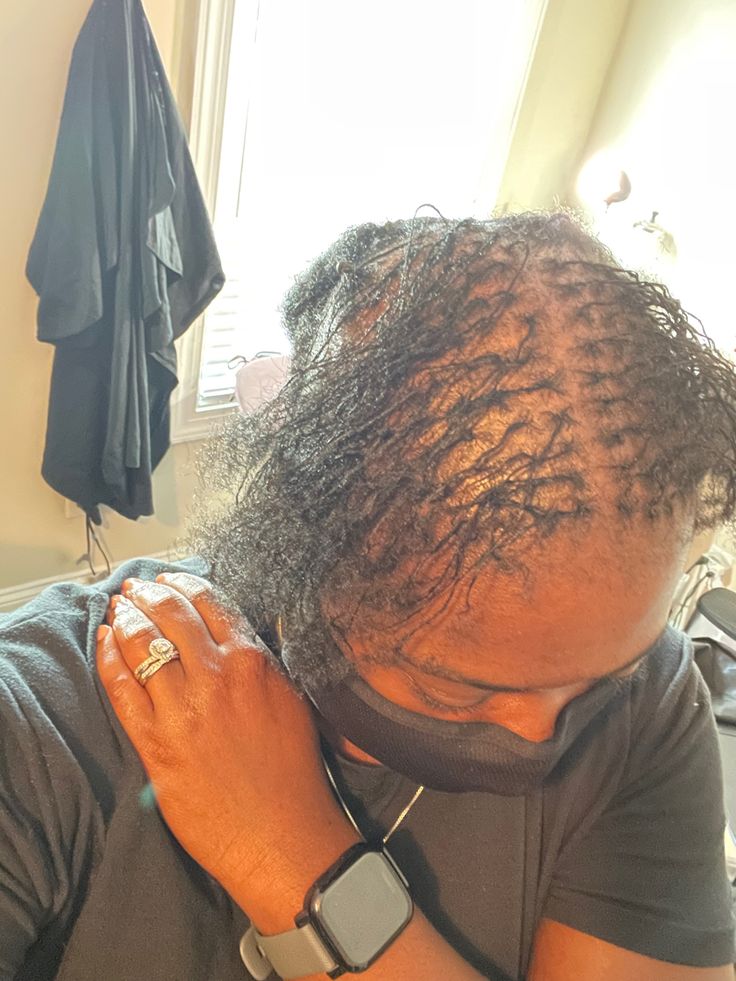
If you’ve been searching for How to Fix Thin Locs Naturally, you’re probably looking for solutions that actually work without relying on harsh products or damaging techniques. In this guide, you’ll learn what causes thinning locs, how to stop the problem from getting worse, and the best natural strategies for encouraging stronger, healthier, fuller-looking locs. Whether you’re dealing with thinning roots, weak spots, or overall lack of volume, these practical tips can help you get your locs back on track.
Why Are My Locs Getting Thin?
Before learning How to Fix Thin Locs Naturally, it’s important to understand what’s causing the thinning in the first place.
Many people assume thinning is simply part of having locs, but that’s not necessarily true. Healthy locs should maintain strength and integrity over time. When they begin thinning, it’s often a sign that something in your routine needs attention.
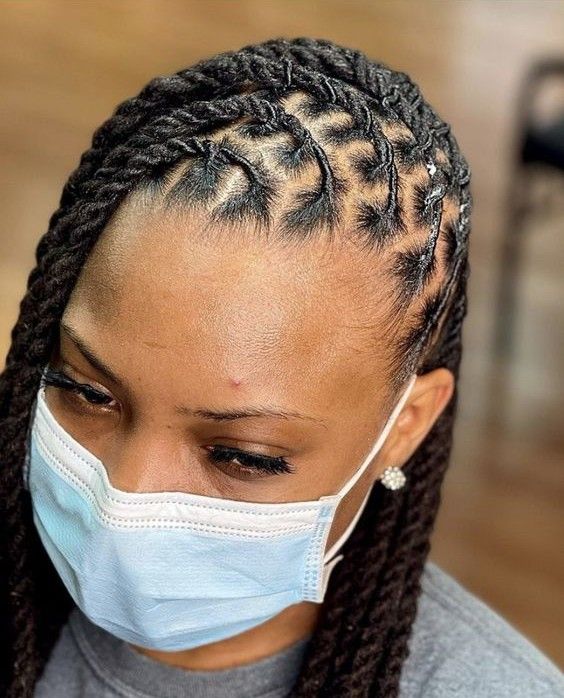
Common causes include:
- Frequent retwisting
- Tight hairstyles
- Product buildup
- Dryness
- Poor nutrition
- Stress
- Weak scalp health
- Excessive manipulation
Identifying the cause is the first step toward creating healthier locs.
Could Frequent Retwisting Be Making My Locs Thinner?
One of the most common reasons people search for How to Fix Thin Locs Naturally is because their maintenance routine is actually working against them.
Retwisting too often places repeated tension on the roots. Over time, this can cause the hair at the base of the loc to become thinner and weaker.
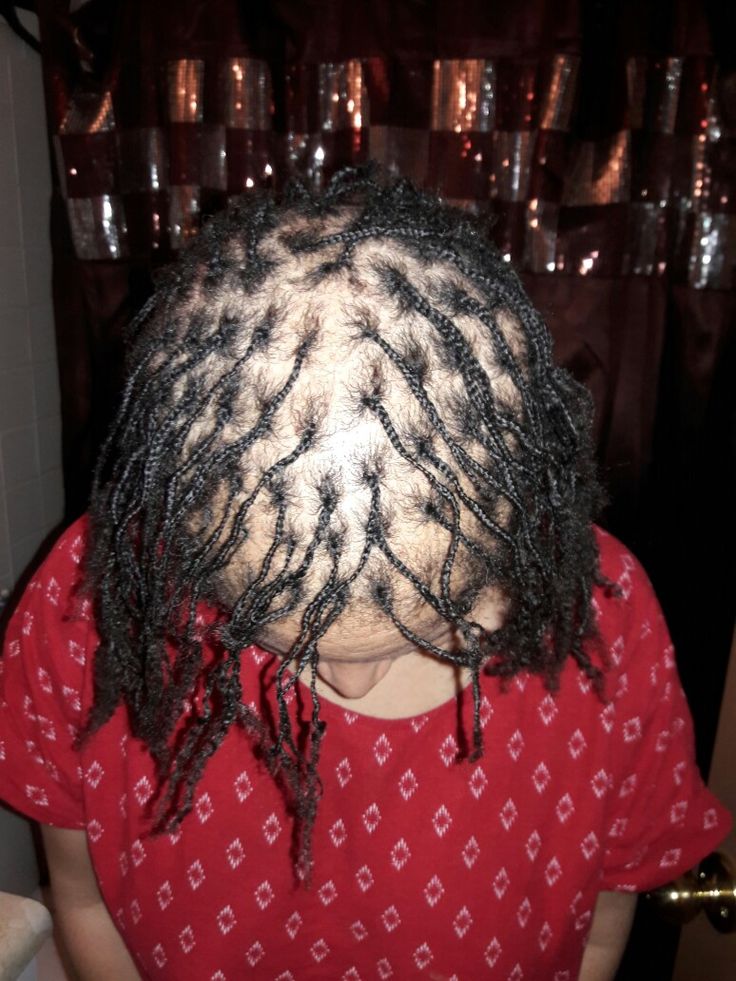
Many people believe neat roots equal healthy locs, but that’s not always the case.
If you’re unsure whether you’re retwisting too often, How Often Should You Retwist Starter Locs? can help you create a healthier maintenance schedule.
How Tight Hairstyles Affect Loc Thickness
Protective styles should protect your hair, not damage it.

Unfortunately, many popular styles create excessive tension around the roots. Constantly pulling your locs into tight ponytails, buns, or updos can weaken the follicles over time.
If your scalp feels sore after styling, that’s often a warning sign.
Choosing gentler hairstyles can make a significant difference. That’s why many people experiencing thinning find success with Low Tension Loc Styles That Protect Your Hairline.
Can Dryness Cause Thin Locs?
Absolutely. Dry hair is more likely to break, and repeated breakage can make your locs appear thinner over time.
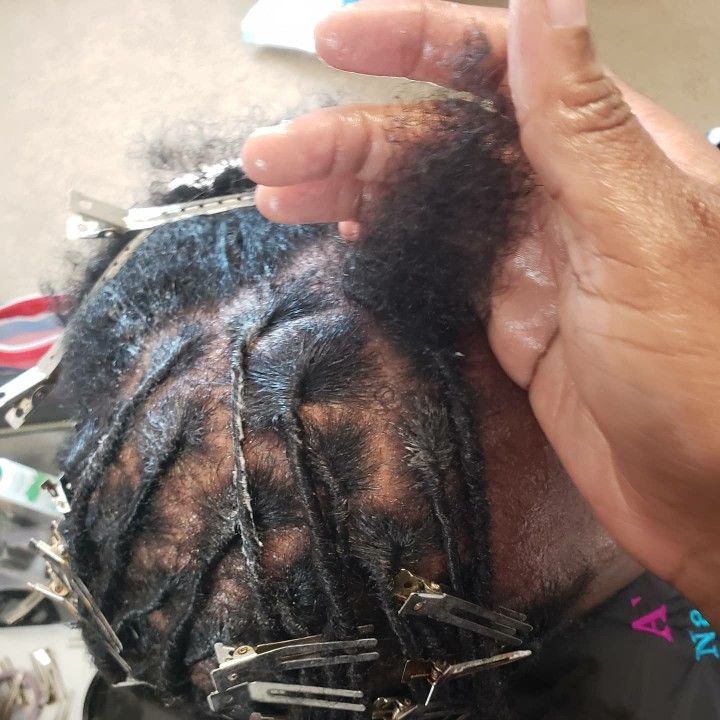
One of the most overlooked aspects of How to Strengthen Weak Locs is maintaining proper moisture levels.
Signs your locs may be too dry include:
- Brittleness
- Rough texture
- Excessive frizz
- Breakage
- Dull appearance
Regular moisturizing can help improve flexibility and reduce breakage.
If you’re struggling to keep your locs hydrated, Everything You Need to Know About Steaming Your Locs provides excellent tips for improving moisture retention.
How to Fix Thin Locs Naturally Through Better Scalp Care
Healthy locs begin with a healthy scalp.
Think of your scalp as the foundation of your loc journey. If the foundation is weak, the hair growing from it may also struggle.
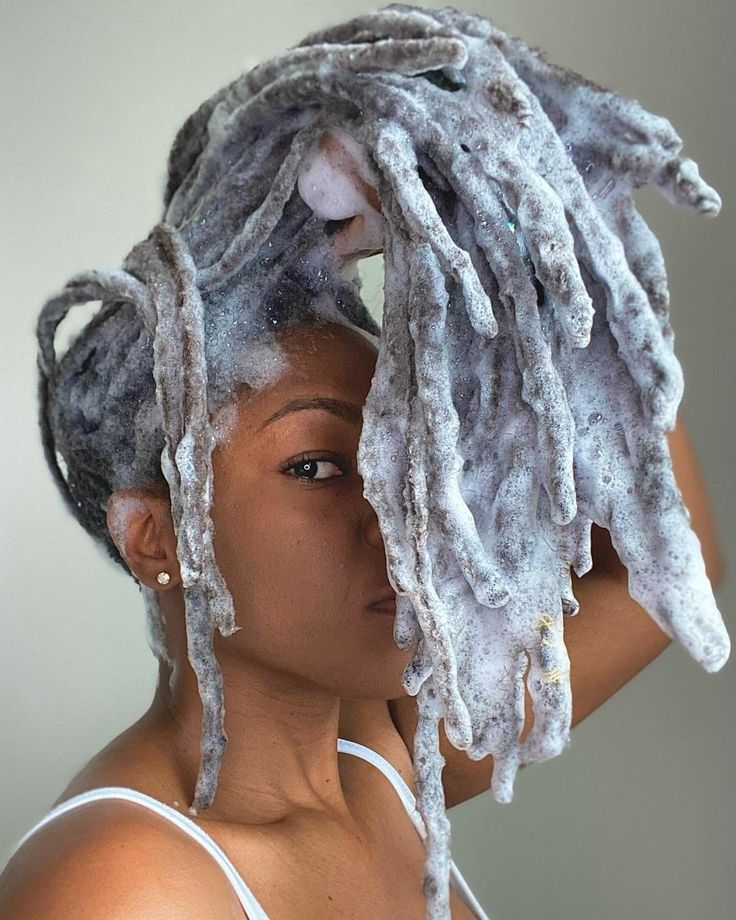
To improve scalp health:
- Wash regularly
- Remove buildup
- Massage your scalp
- Stay hydrated
- Avoid scratching excessively
If your hair experienced damage before you started your loc journey, How to Start Locs on Damaged Hair Safely can help you understand how previous damage may still be affecting your locs.
Can Nutrition Make My Locs Thicker?
Your hair depends on nutrients from your body to grow strong.
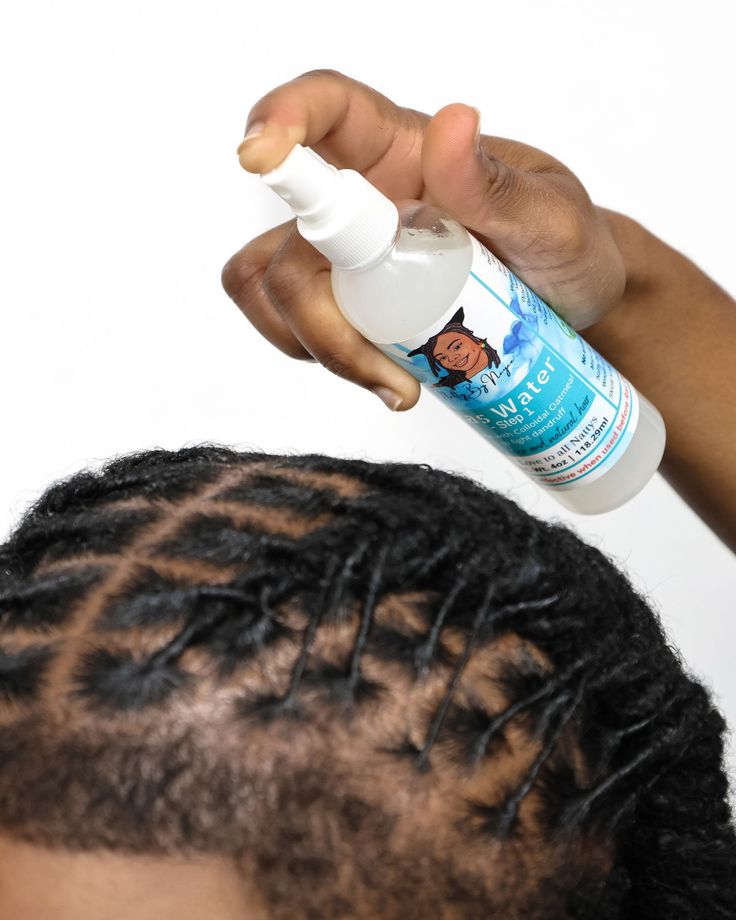
When learning how to fix thin locs naturally, many people focus only on products while completely overlooking nutrition.
Hair thrives when your diet includes:
- Protein
- Iron
- Zinc
- Omega-3 fatty acids
- Vitamins A, C, D, and E
Foods that support stronger hair include:
- Eggs
- Fish
- Spinach
- Beans
- Nuts
- Seeds
- Avocados
While better nutrition won’t produce overnight results, it can significantly improve hair health over time.
How to Fix Thin Locs Naturally by Reducing Manipulation
Many people touch, style, and manipulate their locs more than they realize.
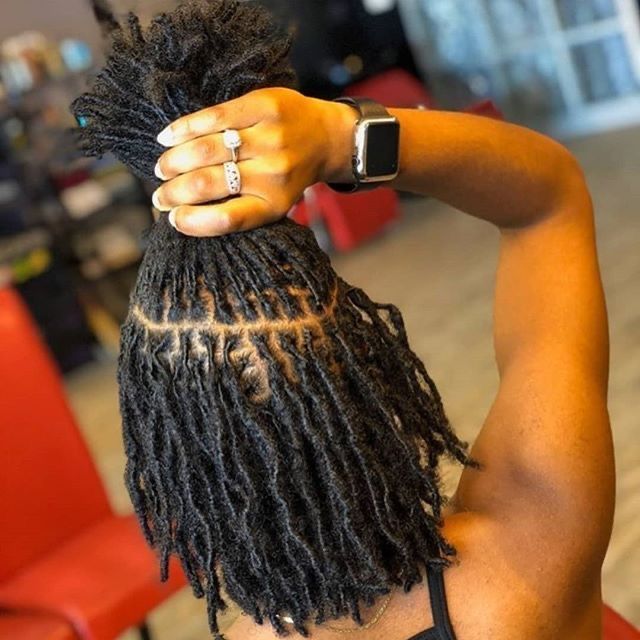
Constant manipulation creates stress on the hair and can contribute to thinning.
This includes:
- Frequent styling
- Constant retwisting
- Pulling at roots
- Tight accessories
Sometimes the best thing you can do for your locs is simply leave them alone.
If you need low-maintenance styling inspiration, How to Start Freeform Locs Naturally offers simple options that minimize manipulation.
What If My Roots Are Thin?
Thin roots are one of the most common concerns among loc wearers.
The roots support the entire loc. When they become weak, the loc may feel unstable or fragile.
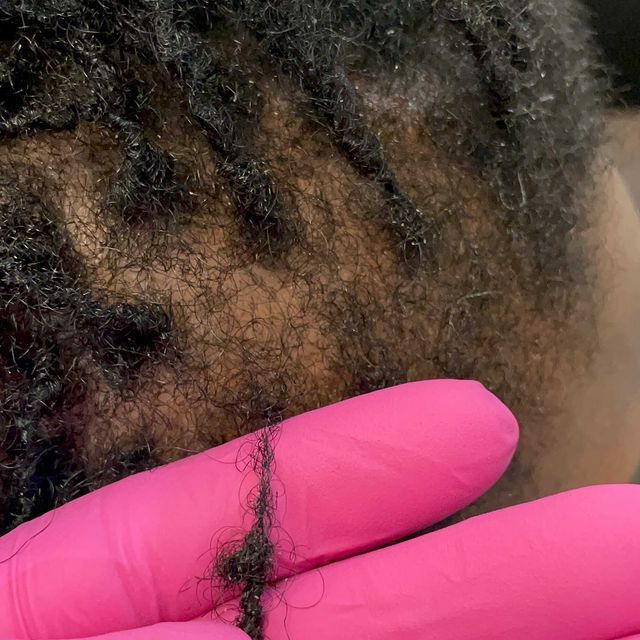
If you notice thinning roots:
- Stop tight styles immediately.
- Reduce maintenance frequency.
- Focus on scalp care.
- Avoid heavy accessories.
Addressing root thinning early often prevents more serious problems later.
Does Stress Affect Loc Thickness?
Yes. Stress can impact your body in many ways, including your hair growth cycle.
Periods of high stress may contribute to:
- Increased shedding
- Thinner hair
- Slower growth
- Weaker strands
Managing stress won’t instantly thicken your locs, but it can support healthier growth over time.
This is one of the less obvious aspects of How to Fix Thin Locs Naturally, but it’s an important one.
Can Certain Maintenance Methods Help?
Sometimes changing your maintenance method can reduce stress on your locs.
For example, some people find that interlocking works better for their lifestyle, while others prefer retwisting.
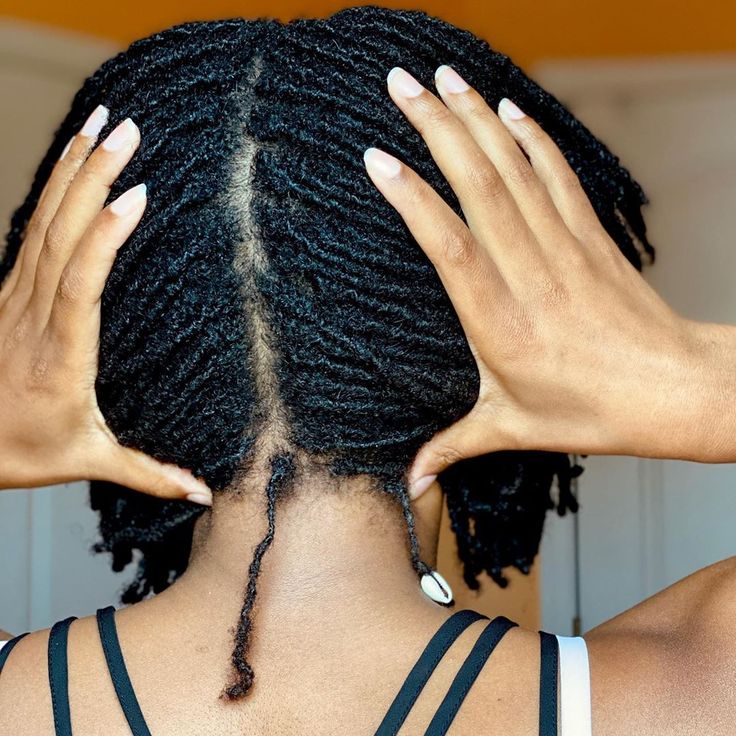
If you’re comparing methods, Retwist vs Interlocking: Which Is Better for Your Locs? can help you decide which option makes the most sense for your goals.
How Long Does It Take to Fix Thin Locs Naturally?
This is usually the first question people ask.
Unfortunately, there is no exact timeline.
The answer depends on:
- The cause of the thinning
- Your consistency
- Overall health
- Hair condition
Some people notice improvements within weeks, while others require several months.
Patience is essential.
Healthy locs are built through consistent habits rather than quick fixes.
Styles That Help Thin Locs Look Fuller
While you’re working on improving your loc health, certain hairstyles can create the appearance of fuller locs.

Popular options include:
Curled Loc Styles
Curls add volume and dimension.
If you enjoy curly looks, 15 Ways to Style Your Locs in Summer includes several styles that can create the illusion of fullness.
Layered Styles
Layering helps create visual depth and volume.
Updos
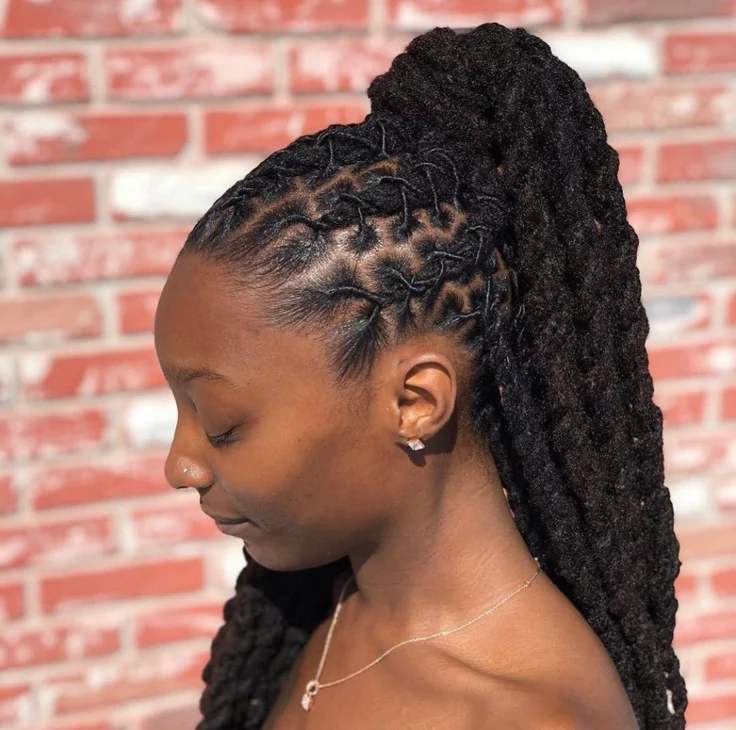
Strategic updos can make locs appear thicker and fuller.
For special occasions, 31 Wedding Guest Loc Styles and Party Loc Hairstyles That Steal All the Attention offer excellent inspiration.
Seasonal Habits That Support Healthier Locs
Weather can influence the condition of your locs.

During warmer months, excessive sun exposure can contribute to dryness and breakage.
To protect your locs, explore 15 Ways to Protect Your Locs in Summer.
Cold weather can also create challenges.
If winter dryness is affecting your locs, 15 Ways to Maintain Your Locs in Winter offers practical solutions.
What About Starter Locs?
Many people worry that their starter locs seem thin. In reality, starter locs often look different as they mature.
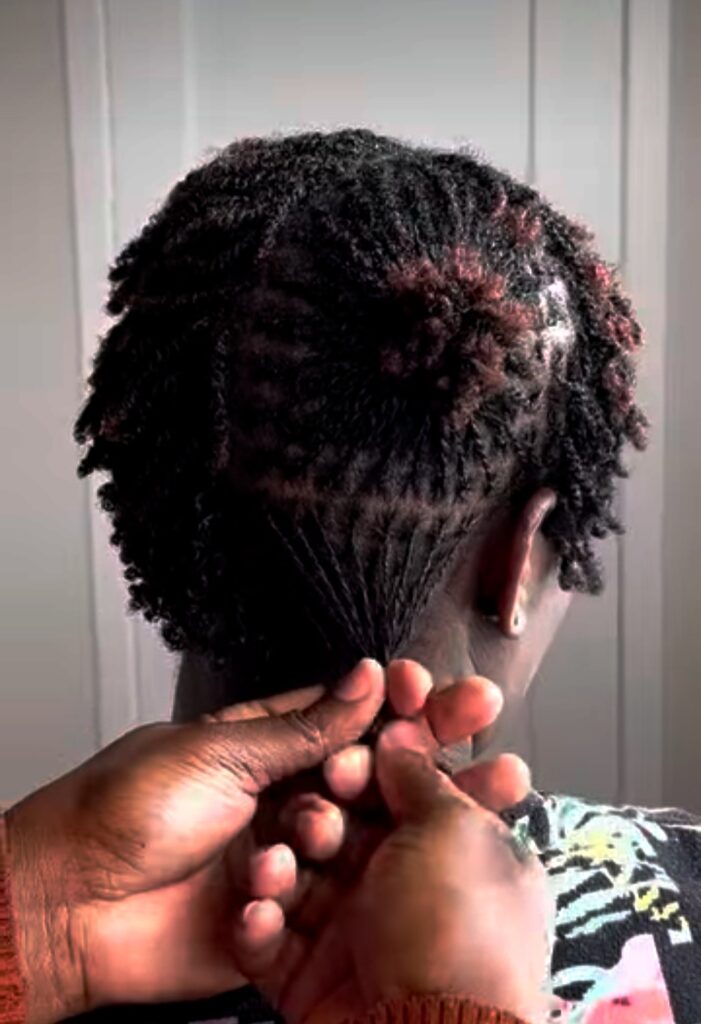
If you’re still in the beginning stages, What to Expect in the First 3 Months of Your Loc Journey can help you understand normal changes.
You may also enjoy Starter Locs Hairstyles for Women if you’re looking for styling inspiration during the early stages.
How to Fix Thin Locs Naturally and Prevent Future Thinning
Once you’ve addressed the current problem, preventing future thinning becomes the next priority.
Focus on:
- Healthy scalp care
- Proper moisture
- Reduced tension
- Balanced nutrition
- Consistent maintenance
- Low manipulation styling
Many people also benefit from reading Proven Ways to Make Your Locs Thicker, which complements the strategies discussed in this guide.
Final Thoughts
Learning How to Fix Thin Locs Naturally starts with understanding that thinning is often a symptom of an underlying issue rather than the issue itself. Whether the cause is excessive retwisting, tight hairstyles, dryness, poor nutrition, or stress, addressing the root cause gives your locs the best chance to recover.
Healthy, full-looking locs don’t happen overnight. They require patience, consistency, and a commitment to healthier habits. By improving your moisture routine, reducing tension, supporting scalp health, and nourishing your body from within, you can create an environment where your locs are more likely to thrive.
As you continue your loc journey, resources like Beginner-Friendly Loc Styles for Work and School, Are Microlocs Worth It? Pros, Cons & Who Should Avoid Them can help you keep your locs looking their best while protecting their long-term health. With patience and proper care, fixing thin locs naturally is absolutely possible.




3 Comments