
How to Maintain Locs for Men: A Simple Loc Care Routine
Disclosure: Some of the links in this post are affiliate links. This means if you click on the link and purchase an item, I will receive an affiliate commission at no extra cost to you. All opinions remain my own. I only recommend products or services I believe will add value to my readers.
How to Maintain Locs for Men is something every man should understand before starting his loc journey or maintaining an established set.
Your locs might look great after leaving the loctician, but keeping them healthy at home requires consistent care.
From washing your hair to preventing dryness, the small habits you develop can make a noticeable difference over time.
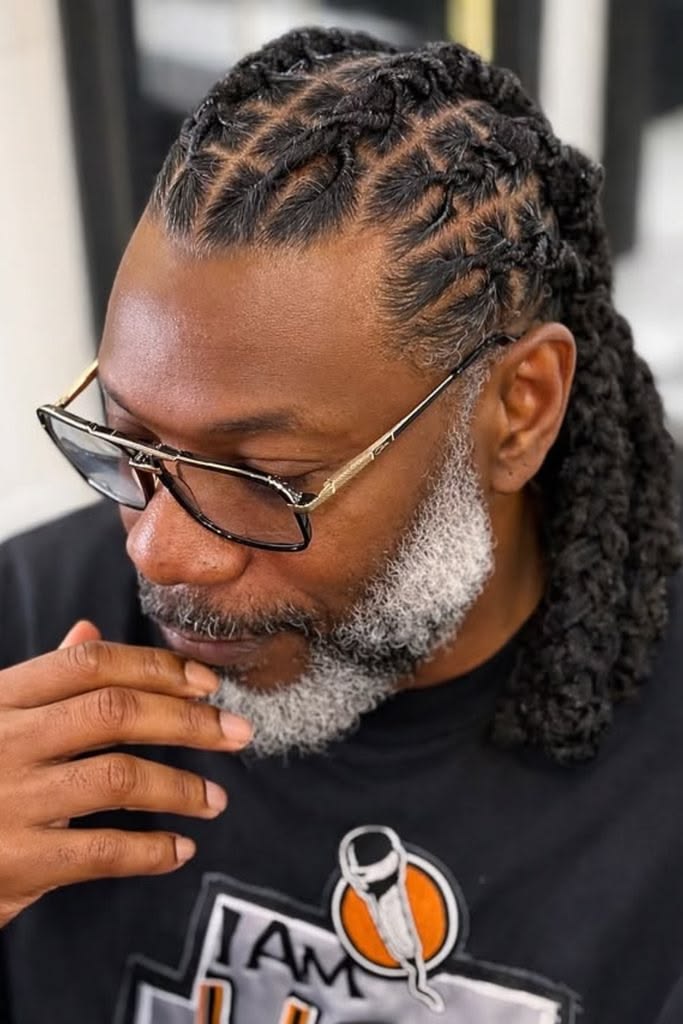
Imagine waking up, checking your hair in the mirror, and noticing that your locs look dry, your scalp feels itchy, and your roots appear messy. You might wonder if you’re doing something wrong or need another retwist.
The truth is that maintaining locs doesn’t have to involve expensive products or complicated routines. Instead, understanding your hair’s needs can help you build a simple routine that fits your lifestyle.
If you’re still beginning your journey, start with How to Start Locs for Men: A Complete Beginner’s Guide to understand the foundation of healthy locs.
Once your locs are established, learning How to Maintain Your Locs Between Retightening can help you manage new growth without constantly visiting your loctician.
In this guide, we’ll explore practical ways to wash, moisturize, protect, and style your locs while keeping your scalp comfortable.
You’ll also learn how to avoid common mistakes that can cause buildup, breakage, and thinning around your hairline. By the end, you’ll have a straightforward loc care routine you can follow consistently, even with a busy schedule.
The Simple Loc Care Routine Every Man Should Follow
1. Wash Your Locs Regularly Without Stripping Away Moisture
One of the most important steps in learning How to Maintain Locs for Men is understanding how to wash your hair properly.
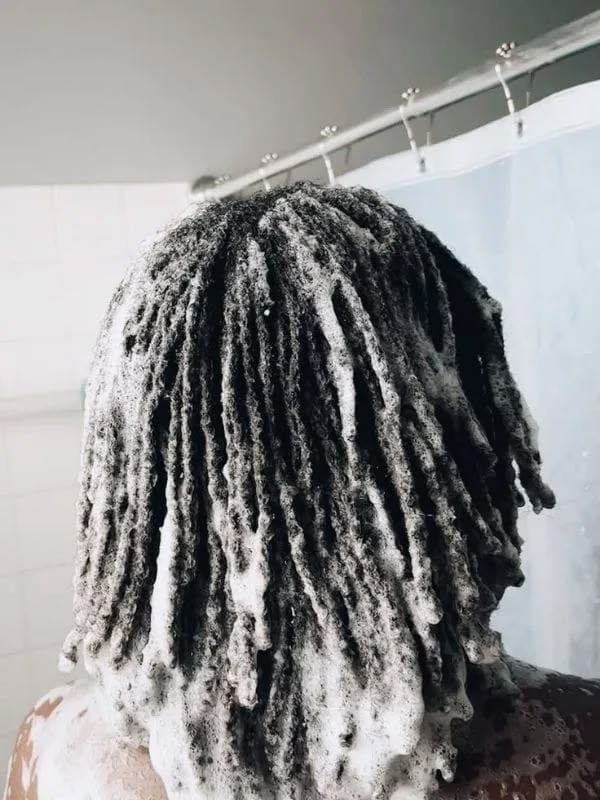
Sweat, dirt, excess oil, and product residue can accumulate on your scalp and inside your locs. Over time, this buildup may cause unpleasant odors, itching, and visible flakes.
Start by choosing a residue-free shampoo that cleans your scalp without leaving heavy deposits. Wet your locs thoroughly, then gently massage the shampoo into your scalp using your fingertips.
Avoid scratching with your nails because this can irritate your skin. Next, squeeze the shampoo through your locs rather than rubbing them aggressively together.
Rinse thoroughly to remove every trace of shampoo. Thick locs may need extra rinsing because trapped product can be difficult to remove.
After washing, gently squeeze out excess water using a clean microfiber towel. Never leave your locs damp for extended periods, especially near the roots.
Your washing schedule depends on your scalp, activity level, and loc maturity. Men who exercise frequently or sweat heavily might need more frequent washing.
Meanwhile, newly installed locs may require a gentler approach to prevent unraveling. If you’re still in the starter stage, read How to Wash Starter Locs Without Unravelling Them (Step by Step Guide) for more specific instructions.
You can also explore 15 Best Loc Products for Beginners to discover products that support a manageable washing routine.
2. Keep Your Scalp Moisturized and Comfortable
Dryness is another common concern when maintaining locs. Your scalp might feel tight, itchy, or uncomfortable, especially during dry weather.
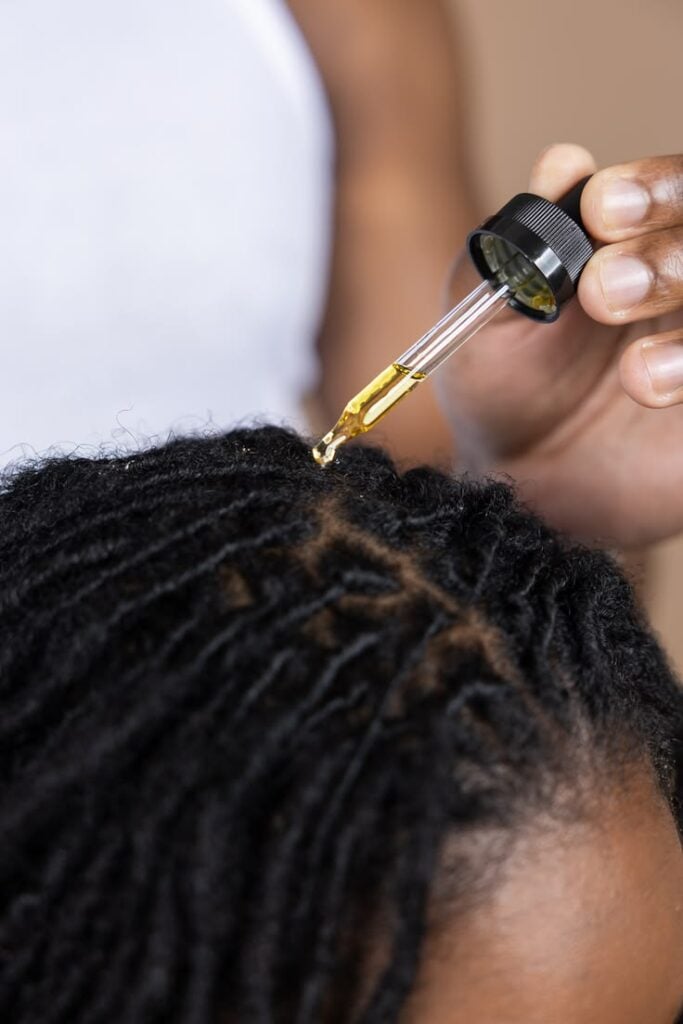
Fortunately, a consistent moisturizing routine can help improve comfort without making your hair greasy.
Begin by lightly misting your scalp and locs with water or a lightweight, water-based refresher.
Water helps provide moisture, while lightweight products can make your routine more convenient. Apply small amounts instead of soaking your hair every day.
Next, pay attention to how your scalp responds. If your scalp feels comfortable, you may not need to moisturize daily.
On the other hand, persistent dryness might mean you need to adjust your routine or examine your current products.
Heavy creams and thick oils can accumulate inside locs when used excessively. Therefore, choose lightweight formulas and avoid layering several products unnecessarily. A simple routine often makes it easier to keep your scalp clean.
For more guidance, explore How Often Should You Moisturize Locs? to understand how frequently your hair may need additional moisture.
You can also read Best Oils for Loc Scalp Health f you’re looking for suitable options to complement your routine.
Remember that oil helps soften the feel of your hair and reduce moisture loss, but it doesn’t replace water. If itching continues despite proper care, consider speaking with a dermatologist.
3. Choose Products That Won’t Leave Buildup
Product selection can make maintaining locs much easier or unnecessarily complicated.
Many men assume they need several gels, creams, oils, and sprays to keep their hair looking fresh. In reality, using too many products can leave residue trapped inside the locs.
Start with a gentle shampoo, a lightweight moisturizing spray, and a suitable scalp product if needed.
You can introduce other products when you identify a specific need. For instance, a styling product might help hold a particular look, but it shouldn’t become a daily requirement.
Before purchasing anything, check the ingredients and consider how easily the product rinses out.
Thick butters, waxes, and heavy creams may leave deposits that are difficult to remove. This is especially important for men with mature locs that take longer to dry.
Additionally, avoid choosing products simply because they promise instant shine or an extremely firm hold.
Your hair’s condition matters more than the number of products on your shelf. If your locs feel coated or appear dull despite regular washing, review your product choices.
Take a look at 15 Best Products for Locs That Actually Make Maintenance Easier for more ideas.
You can also explore 15 Best Products for Traditional Locs to find options suited to traditional loc maintenance.
The goal is to build a routine that keeps your scalp comfortable and your locs clean. You don’t need an elaborate collection to achieve that.
4. Dry Your Locs Completely After Washing
Proper drying is an essential part of How to Maintain Locs for Men, yet it’s easy to overlook.
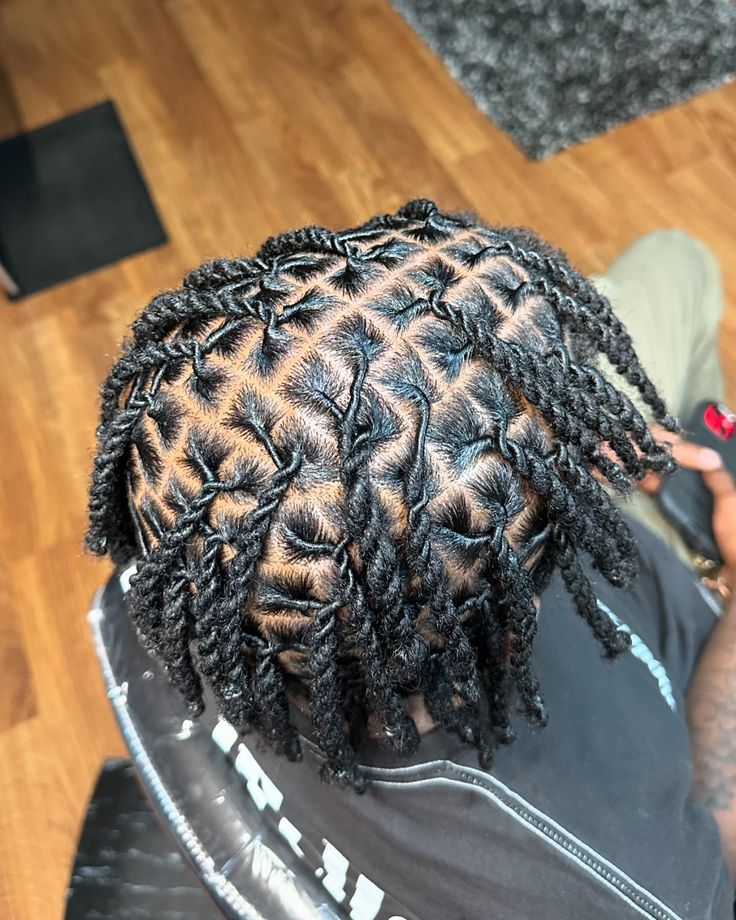
Locs can retain moisture longer than loose hair because their tightly bound structure slows drying. When moisture remains trapped for too long, unpleasant odors and other problems may develop.
After washing, gently squeeze water from each section using a clean towel. Avoid twisting your locs aggressively or rubbing them roughly. These habits can create unnecessary friction and stress your hair.
Next, allow your locs to air-dry in a well-ventilated space. If you prefer using a hairdryer, choose a suitable heat setting and keep the airflow moving. Avoid exposing your hair to excessive heat for extended periods.
Pay particular attention to thicker locs and the roots. These areas can remain damp even when the outer surface feels dry. If your hair is long or dense, give yourself enough time to complete the drying process.
Washing your hair immediately before bed can make this task more difficult. Instead, wash earlier in the day whenever possible. This gives your locs more time to dry before you lie down.
If your hair develops a persistent musty smell despite thorough washing and drying, consider seeking professional advice. The issue may require more than changing your shampoo.
5. Protect Your Locs While Sleeping
Your nighttime routine can influence how your locs look and feel the next morning.
Cotton pillowcases may create friction, absorb moisture, and contribute to frizz. Repeated friction can also stress fragile locs over time.
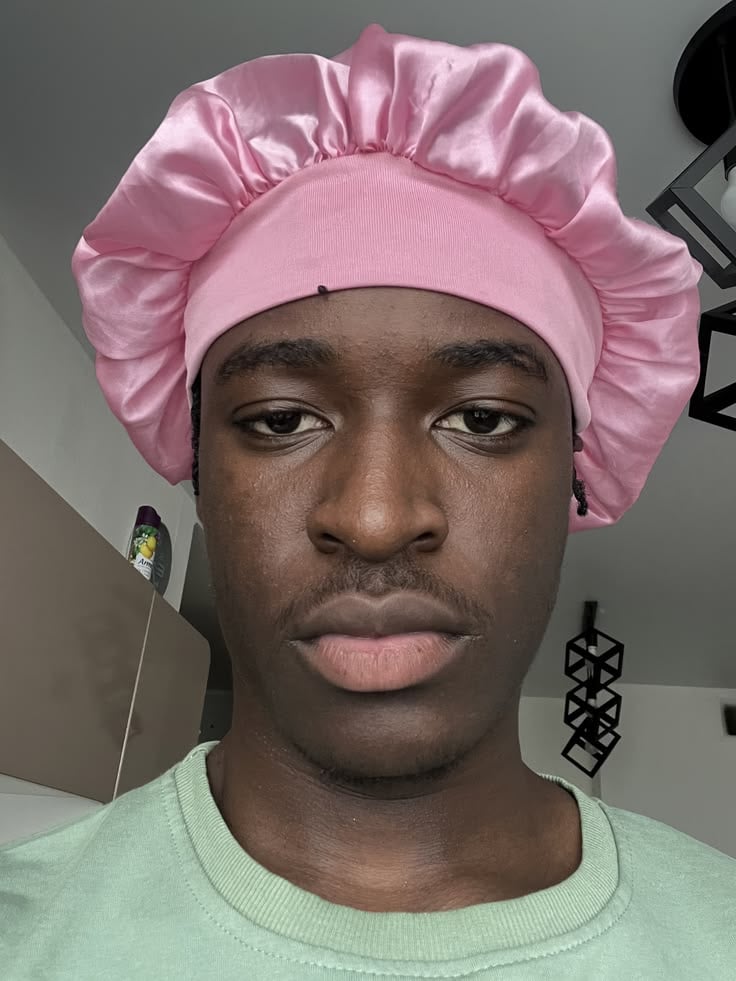
Fortunately, protecting your hair doesn’t require much effort. Wear a satin or silk bonnet that comfortably accommodates your loc length.
Alternatively, use a satin durag or sleep on a satin pillowcase if you prefer something simpler. Choose a covering that fits securely without pulling tightly around your hairline.
Excessive tension can contribute to discomfort and hairline stress. If your locs are long, arrange them loosely rather than forcing them into a tight bun.
Consistency matters more than having an elaborate nighttime routine. Protecting your locs regularly helps reduce friction and keeps them more manageable between washes.
You can explore Best Bonnets and Scarves for Locs to find suitable nighttime protection.
A few minutes before bed can help you avoid unnecessary tangling and friction. Over time, this small habit can become one of the easiest parts of your maintenance routine.
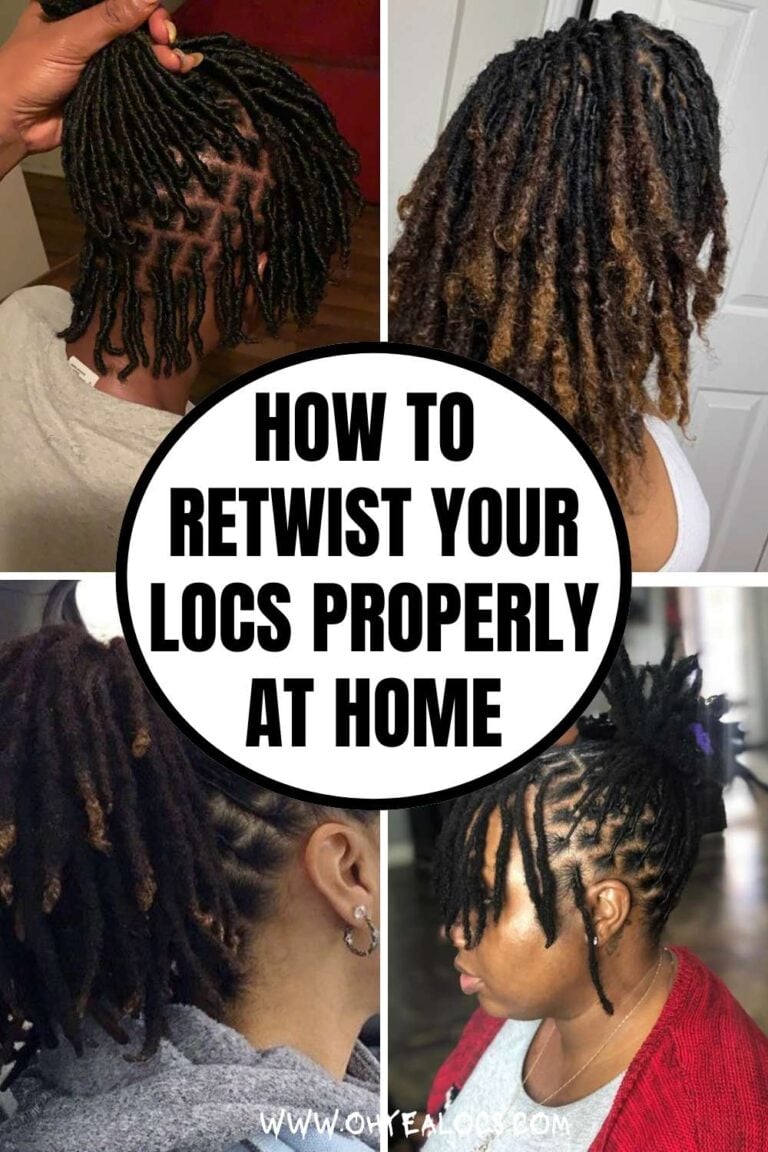
6. Retwist Your Locs Without Putting Too Much Tension on Your Roots
Retwisting helps maintain the appearance of your locs by organizing new growth around the roots.
Still, getting a retwist too frequently can weaken your hair, especially around the temples and hairline. That’s why a healthy routine focuses on balance rather than keeping every root perfectly neat.
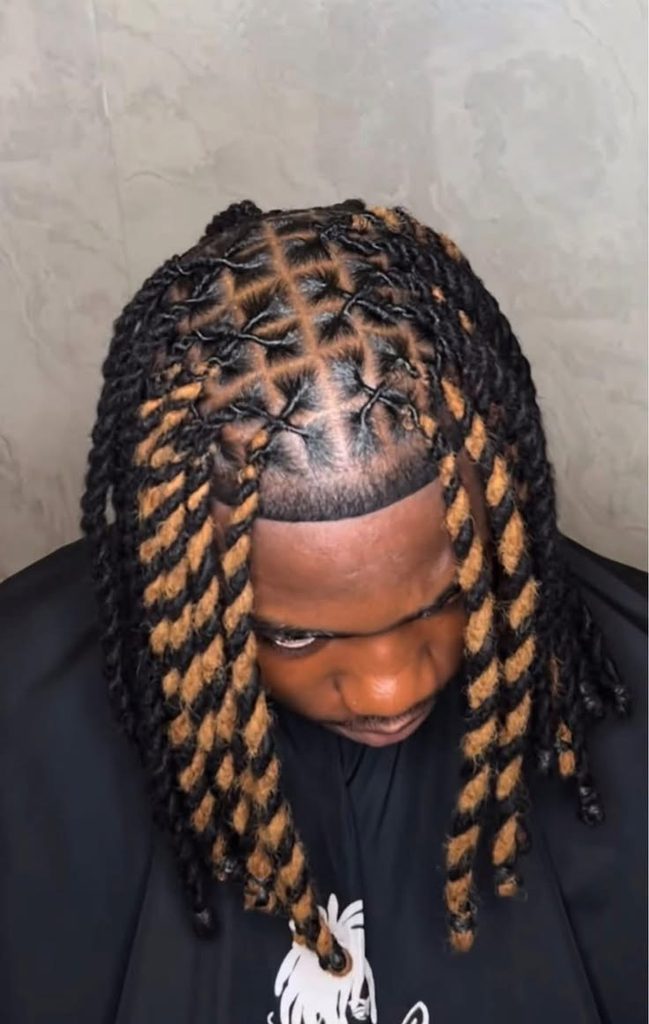
If you prefer a clean appearance, you might feel tempted to retwist your hair whenever new growth becomes visible.
Resist that urge. Some new growth is completely normal, and your locs don’t need to look freshly retwisted every week. Instead, consider your loc maturity, hair texture, scalp condition, and preferred appearance.
Many people space retwists several weeks apart, but your ideal schedule may differ. Your loctician can help you choose an interval that protects your roots.
When retwisting, avoid pulling your hair tightly or repeatedly twisting the same sections. Excessive tension can contribute to thinning, breakage, and traction-related hair loss.
If your scalp feels sore after an appointment, speak up rather than treating discomfort as necessary.
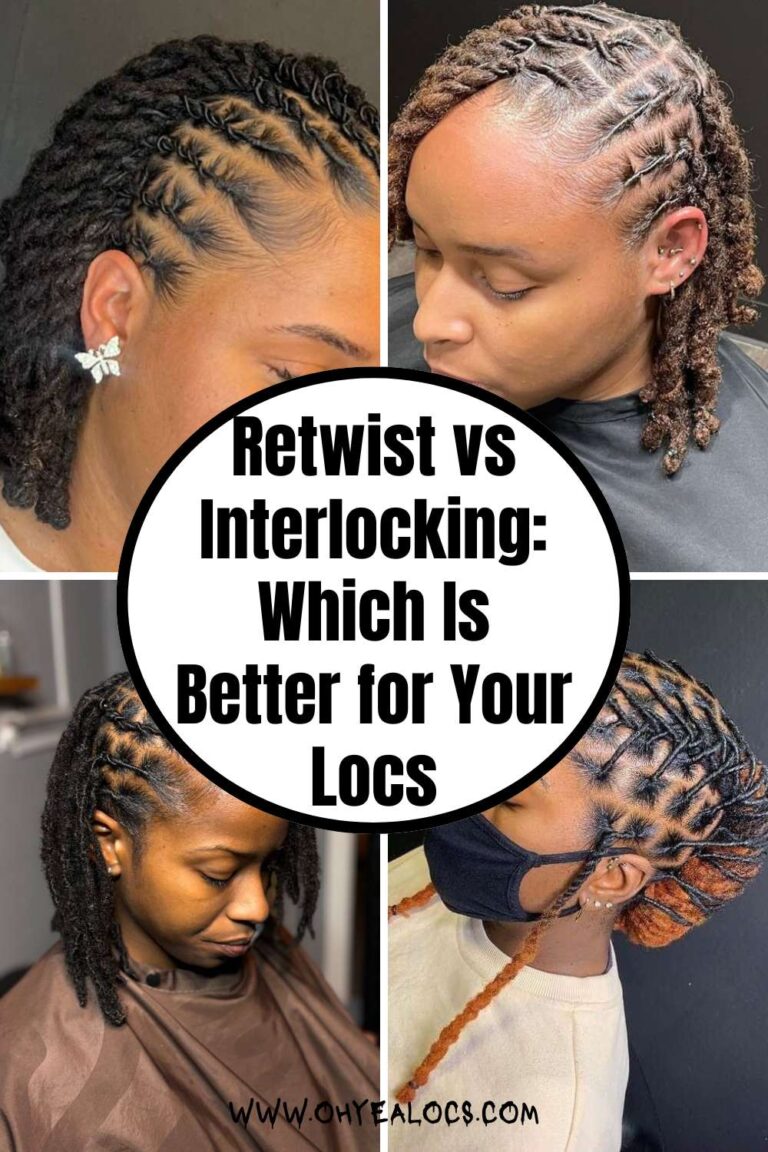
For more detailed instructions, Signs You Are Retwisting Your Locs Too Often to recognize when your maintenance schedule needs adjusting.
Remember, How to Maintain Locs for Men isn’t about eliminating every sign of new growth. It’s about keeping your hair healthy while allowing your locs to develop naturally.
7. Prevent Breakage and Protect Your Hairline
Strong locs begin with healthy roots and gentle handling. Although locs can be durable, they aren’t immune to breakage.
Excessive tension, rough styling, dryness, and repeated manipulation can gradually weaken individual locs.
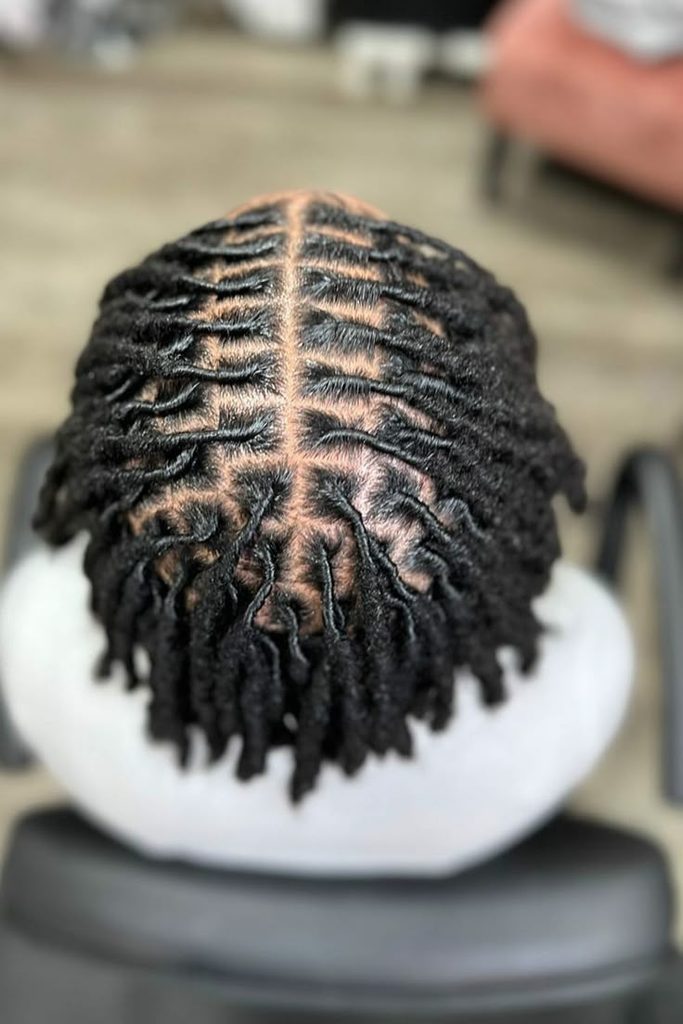
Start by examining your hairline and roots regularly. Look for thinning areas, unusually weak sections, or locs that seem thinner near the scalp. These changes can indicate that your current routine needs attention.
Next, avoid hairstyles that pull your locs tightly backward. High ponytails, tight buns, and styles that place constant pressure on your temples can damage vulnerable areas. Choose comfortable styles that allow your roots to rest.
You should also handle your locs gently when washing, drying, and styling. Pulling them apart aggressively or repeatedly manipulating individual strands can create unnecessary stress.
If a loc becomes weak, ask an experienced loctician to assess it before attempting repairs. For more helpful advice, read How to Prevent Loc Breakage and learn practical ways to protect your hair.
You can also explore How to Strengthen Weak Locs if you’ve noticed fragile sections that need extra attention.
If you experience persistent thinning, bald patches, or a receding hairline, consult a dermatologist. Hair loss can have several causes, and changing products alone may not solve the problem.
8. Keep Your Scalp Clean and Manage Itching
An itchy scalp can make your loc journey uncomfortable. Sometimes, itching develops because of dryness, sweat, product residue, or irritation from a particular product.
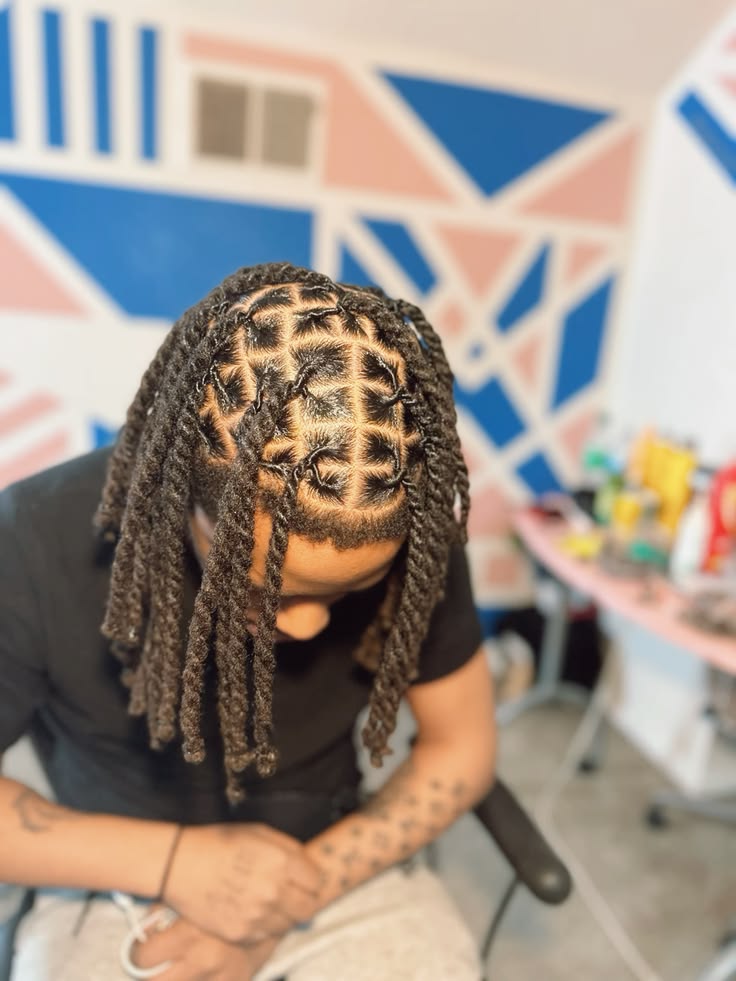
In other cases, dandruff or another scalp condition may be responsible. Begin by examining your routine instead of immediately applying more oil.
If you’ve recently introduced a new product, consider whether it coincides with the irritation. Heavy oils and fragranced products can aggravate some people’s scalps.
Wash your scalp regularly and rinse your locs thoroughly. Avoid scratching with your nails because this can damage the skin. Instead, gently massage your scalp with your fingertips when cleansing.
Pay attention to persistent flakes, redness, swelling, or tenderness. These symptoms may require professional assessment, particularly when they continue despite routine changes.
Don’t assume every itchy scalp simply needs additional moisture. For further guidance, explore How to Stop Itchy Scalp With Locs.
If flakes are your main concern, How to Get Rid of Dandruff in Your Locs offers more specific information about managing them.
A comfortable scalp makes daily maintenance much easier. Therefore, treat scalp care as an essential part of your routine rather than an occasional extra.
9. Choose Simple Hairstyles That Don’t Stress Your Locs
Maintaining locs doesn’t mean wearing the same hairstyle every day. You can switch between different looks while keeping your routine practical and comfortable.

The key is choosing styles that suit your loc length without placing excessive tension on your roots.
For shorter locs, you might prefer a natural shape, a neat side part, or a simple forward style.
Medium-length locs can work well with loose half-up styles or relaxed ponytails. Meanwhile, longer locs offer more styling flexibility.
Start by considering how much time you want to spend getting ready each morning. If your schedule is busy, choose styles that require little manipulation. You can also keep a few dependable looks for work, weekends, and special occasions.
Avoid pulling your locs tightly into the same position every day. Repeated tension in one area can gradually weaken your roots. I
nstead, change your styling direction and allow your hair to rest between more structured looks.
If you need inspiration, explore 25 Stylish Loc Hairstyles for Men That Look Good at Any Age.
You can also check out Quick Loc Hairstyles You Can Do in Under 10 Minutes for easy options when you’re short on time.
Ultimately, the best hairstyle is one that makes you feel confident without compromising your hair’s comfort.
10. Follow a Weekly Loc Care Schedule
A consistent schedule makes How to Maintain Locs for Men much easier to manage. Rather than trying to do everything daily, divide your maintenance tasks according to your hair’s needs.
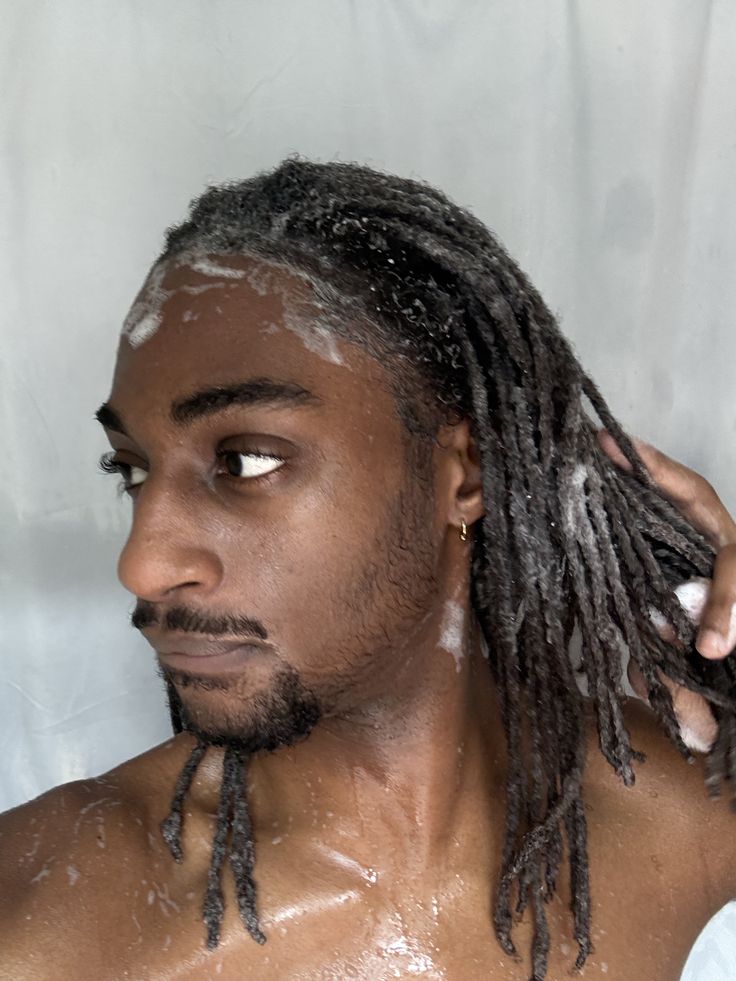
Your schedule doesn’t need to be complicated. Focus on cleanliness, moisture, scalp comfort, and protection. Then adjust your routine when your hair feels different or your lifestyle changes.
Here’s a simple starting point you can adapt.
| Frequency | Loc care task |
|---|---|
| Daily, as needed | Check scalp comfort and lightly moisturize if necessary |
| Every night | Protect locs with a satin covering or pillowcase |
| Weekly | Inspect your scalp, roots, and locs for buildup or weak areas |
| As needed | Wash according to your scalp, activity level, and loc maturity |
| Every few weeks | Assess if your roots need professional maintenance |
| Periodically | Review your products and remove anything causing buildup |
These are flexible guidelines, not strict deadlines. For example, someone who exercises daily may need to wash more frequently than someone with a less active routine. Starter locs may also need different care from mature locs.
Keep track of what works for your hair. If your scalp stays comfortable and your locs remain clean, you may already have a suitable routine. Change one thing at a time when problems appear so you can identify what helps.
For additional guidance, read How to Maintain Locs Without a Loctician to learn which maintenance tasks you can handle at home.
11. Common Loc Care Mistakes Men Should Avoid
Even a simple routine can become ineffective when certain habits work against your hair’s needs. Fortunately, many common mistakes are easy to correct once you recognize them.
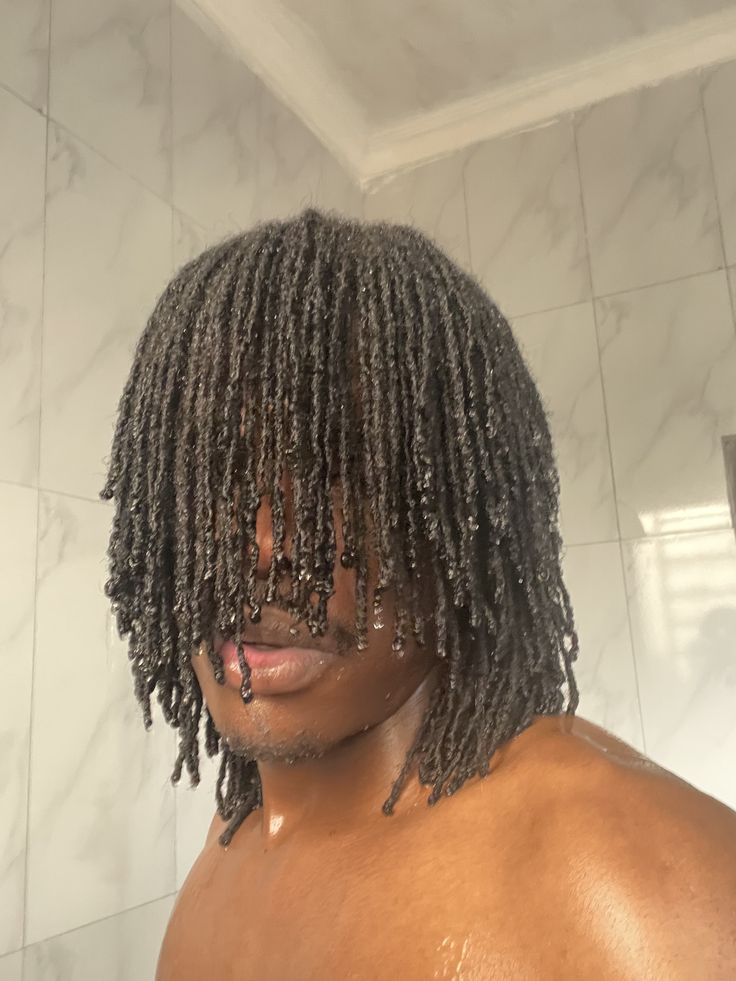
One mistake is using too much product. Heavy oils, waxes, and styling creams can accumulate inside locs, making proper cleansing more difficult. Use lightweight products sparingly and wash away residue thoroughly.
Another mistake is neglecting drying time. Locs that remain damp for extended periods may develop unpleasant odors. Give your hair enough time to dry after washing, paying particular attention to thicker sections.
You should also avoid retwisting too frequently. Constant manipulation can weaken roots and contribute to thinning. Allow your locs enough time between maintenance sessions instead of chasing perfectly neat roots.
Sleeping without protecting your hair can increase friction, especially when you use cotton pillowcases. A satin covering offers a simple way to reduce rubbing while you rest.
Finally, don’t ignore changes in your scalp or hairline. Persistent itching, soreness, unusual thinning, and recurring odor deserve attention. Early action can help prevent a manageable problem from becoming more serious.
You can also read 23 Things You Should Never Do to Your Locs to identify habits worth avoiding.
The goal isn’t perfection. It’s building healthier habits that make your locs easier to maintain over time.
12. Know When Your Locs Need Professional Attention
Learning How to Maintain Locs for Men also means recognizing when home care isn’t enough.
Although you can handle many daily tasks yourself, certain problems require an experienced loctician or dermatologist.
For example, thinning roots, weak locs, and excessive unraveling may indicate that your maintenance technique needs adjustment.
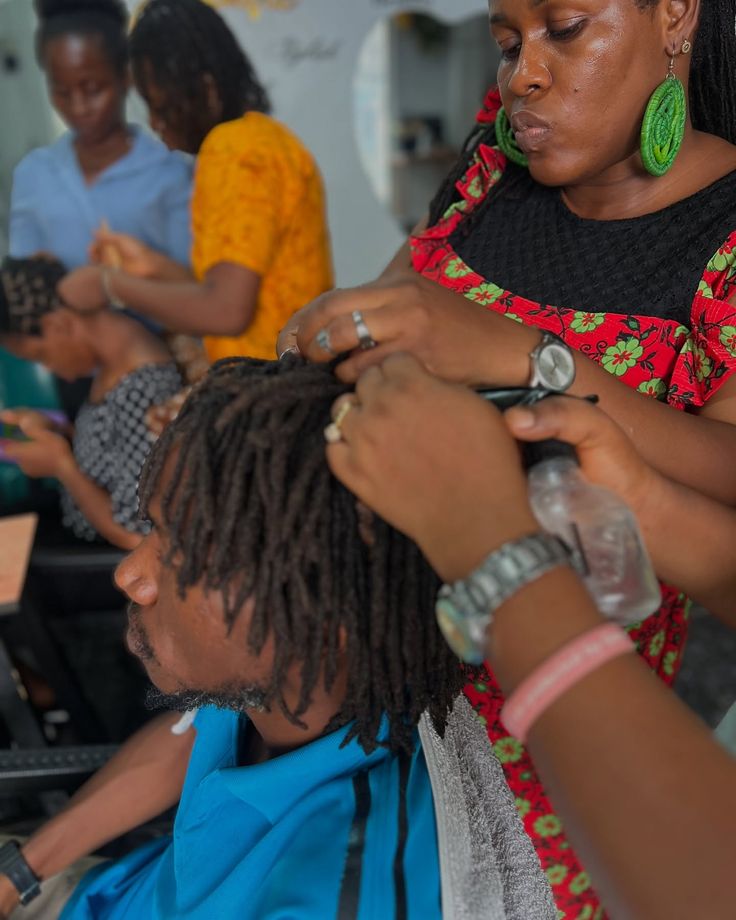
A loctician can assess the affected sections and recommend suitable repairs. Avoid pulling weak locs apart or attempting complicated repairs without understanding the cause.
Persistent scalp irritation deserves attention, too. If you notice redness, painful bumps, severe itching, or unexplained hair loss, consult a dermatologist. These symptoms may have causes that ordinary hair products cannot address.
You should also seek professional guidance if your locs develop persistent odors despite thorough washing and drying. Product buildup, trapped moisture, or scalp conditions may require a closer assessment.
When choosing a loctician, look for someone who understands your loc type and prioritizes healthy roots.
Your appointment shouldn’t leave your scalp painfully tight. Communication matters, so explain any discomfort or concerns before maintenance begins.
If you’re unsure about your maintenance options, explore How to Choose the Best Loctician before booking your next appointment.
You can also read Signs Your Loctician Is Damaging Your Locs to understand which warning signs deserve attention.
Remember, professional help isn’t a sign that you’ve failed at maintaining your hair. It’s simply another way to protect your locs for the long term.
Final Thoughts
How to Maintain Locs for Men becomes much easier when you focus on a few consistent habits.
Clean your scalp regularly, moisturize when needed, dry your locs thoroughly, and protect them while sleeping.
These simple steps can help you maintain comfortable, manageable hair without making your routine unnecessarily complicated.
You don’t need expensive products or frequent salon visits to care for your locs properly. Instead, learn how your scalp responds to different products and adjust your routine accordingly.
Also, avoid excessive retwisting, tight hairstyles, and heavy products that leave residue behind.
Most importantly, remember that healthy locs don’t need to look freshly retwisted every day. Some frizz and new growth are normal parts of the journey.
Give your hair time to mature, and focus on protecting your roots rather than chasing perfection.
Start with the basics and build a routine that suits your lifestyle. With patience and consistent care, you can enjoy locs that look good, feel comfortable, and remain easier to maintain as they grow.




One Comment