20 Best Loc Hair Products for Women
Disclosure: Some of the links in this post are affiliate links. This means if you click on the link and purchase an item, I will receive an affiliate commission at no extra cost to you. All opinions remain my own. I only recommend products or services I believe will add value to my readers.
Choosing the right products for your locs can feel confusing, especially when your hair looks dry, your scalp feels itchy, or your locs never seem to stay moisturized.
I remember how frustrating it can feel to spend money on hair products that promise beautiful results but leave your hair feeling heavy, sticky, or coated. You want your locs to look healthy, smell fresh, and feel soft without dealing with buildup or constant maintenance.
The truth is that locs need a different approach to hair care. Unlike loose natural hair, locs can trap product residue deep inside their strands.
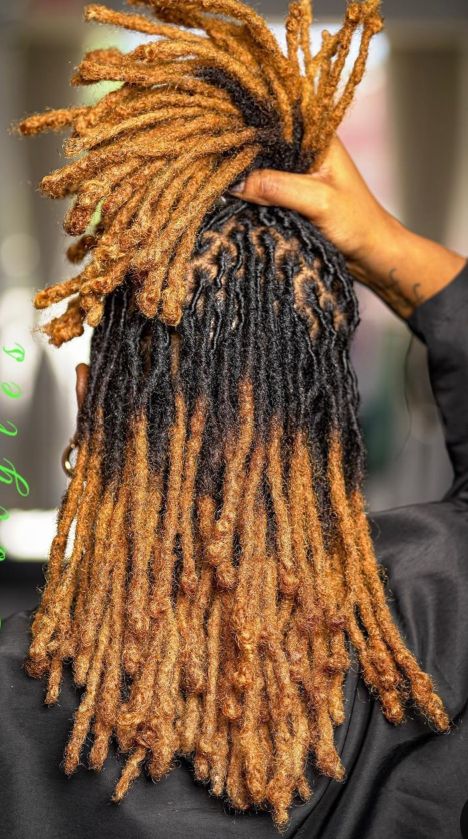
Using heavy creams, thick butters, or too much oil can leave unwanted buildup over time. That’s why finding the Best Loc Hair Products for Women means looking beyond popular brands and focusing on what your hair and scalp actually need.
If you’re just starting your journey, learning how to care for your locs the right way can help you build a routine that keeps your hair clean and manageable.
You should also understand how often you should moisturize locs, since too much product can cause problems just as easily as using too little.
In this guide, we’ll explore 20 loc hair products that can make your routine easier. We’ll cover shampoos, lightweight moisturizers, scalp oils, conditioners, and accessories that help protect your locs.
You’ll also learn what to look for before buying anything, so you can avoid wasting money on products that don’t suit your hair.
Whether you wear starter locs, traditional locs, or mature locs, the right routine can make a noticeable difference.
You don’t need an overflowing bathroom shelf to maintain beautiful hair. Instead, you need a few reliable products that work together to keep your scalp comfortable and your locs clean, strong, and well cared for.
20 Best Loc Hair Products for Women
1. Clarifying Shampoo for Clean, Healthy Locs
A good clarifying shampoo is one of the most important products to include in your loc care routine. It helps remove dirt, sweat, excess oil, and product residue that regular washing might leave behind.
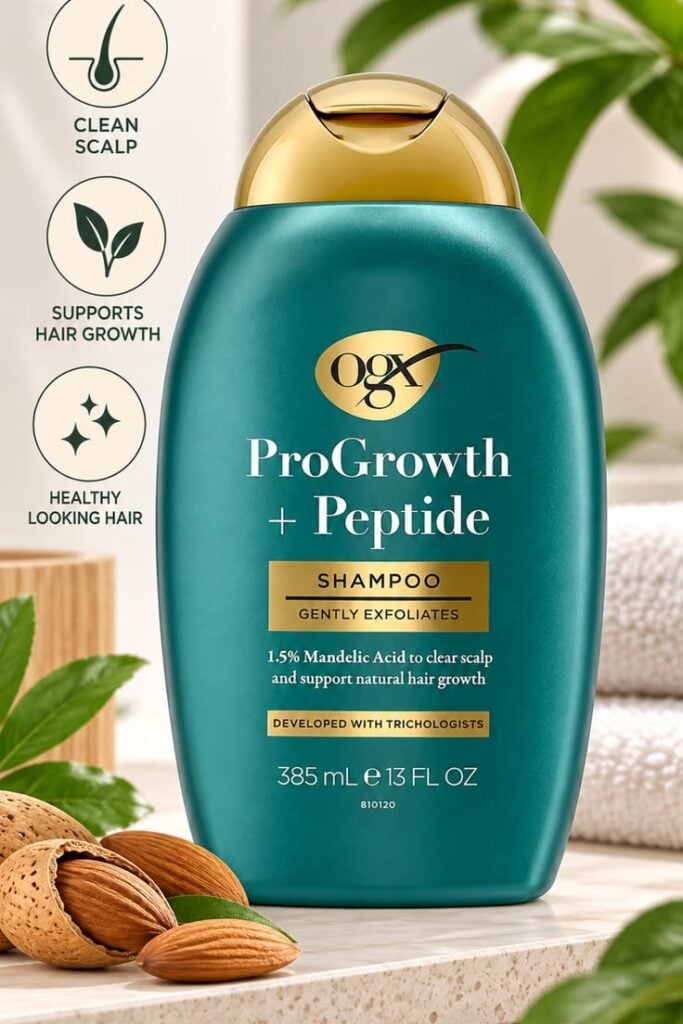
If your locs feel unusually heavy or look dull, product buildup could be one reason. Choose a residue-conscious shampoo that cleans your scalp and locs without leaving a thick coating behind.
Look for formulas designed for locs or natural hair, and follow the washing instructions carefully. You don’t need to scrub aggressively to get clean hair.
Instead, massage your scalp gently and rinse thoroughly so shampoo doesn’t remain trapped inside your locs.
This product is especially helpful if you exercise regularly, use styling products, or live somewhere hot and humid.
Still, avoid clarifying too frequently if it leaves your scalp feeling dry. A balanced washing routine will help your locs feel fresher without stripping away too much moisture.
If you’re still learning the basics, check out how to wash starter locs without unraveling them before choosing your washing routine.
Best for: Removing residue, refreshing the scalp, and maintaining clean locs.
2. Lightweight Loc Moisturizing Spray
Dry locs can feel rough, look dull, and become more prone to breakage when you handle them frequently.
A lightweight moisturizing spray offers a simple way to refresh your hair without covering every strand in thick cream. Look for water-based formulas with ingredients such as aloe vera or other suitable humectants.
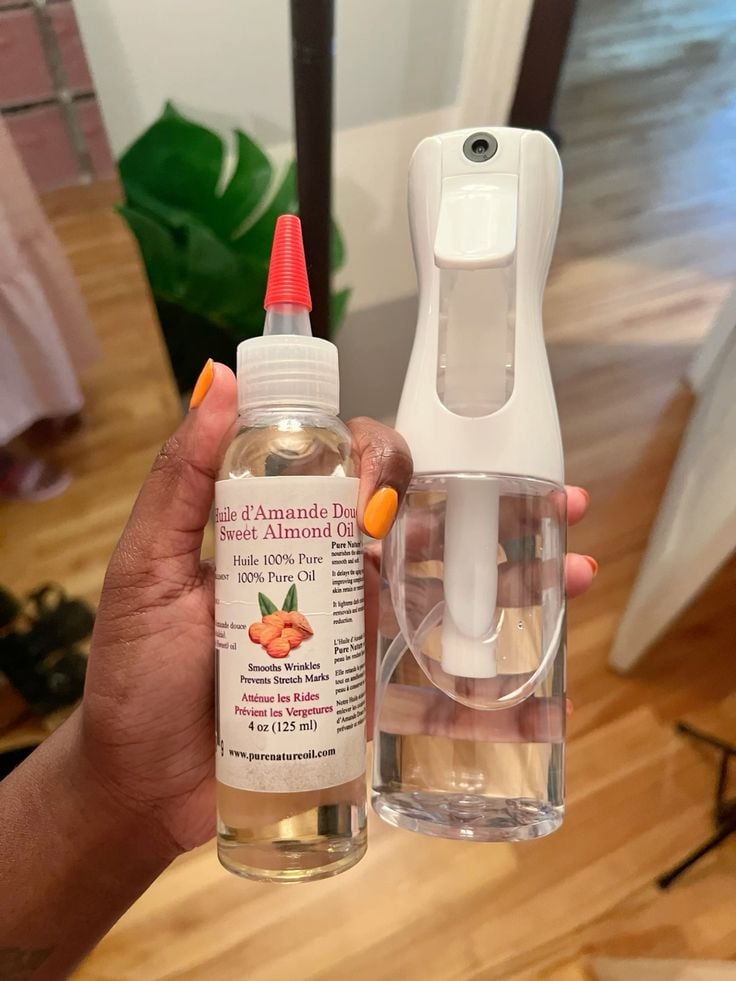
A spray works well because you can distribute a small amount across your locs and scalp. Start with a light mist instead of soaking your hair every day.
Then allow your locs to dry completely, since moisture that remains trapped inside them for too long can encourage unpleasant odors.
You can use this type of product after washing or whenever your locs feel dry. Pay attention to how your hair responds instead of following a strict schedule that doesn’t suit your needs.
Some people need more frequent moisturizing than others, depending on their hair texture, climate, and routine.
For more guidance, read how often you should moisturize locs to find a practical balance between dryness and excess moisture.
Best for: Refreshing dry locs without adding heavy product residue.
3. Lightweight Jojoba Oil for Scalp Care
A comfortable scalp makes loc maintenance much easier, especially when dryness causes itching or tightness.
Jojoba oil is a popular option because its texture resembles some of the natural oils found on the skin. A small amount can help soften the scalp and reduce the uncomfortable feeling associated with dryness.
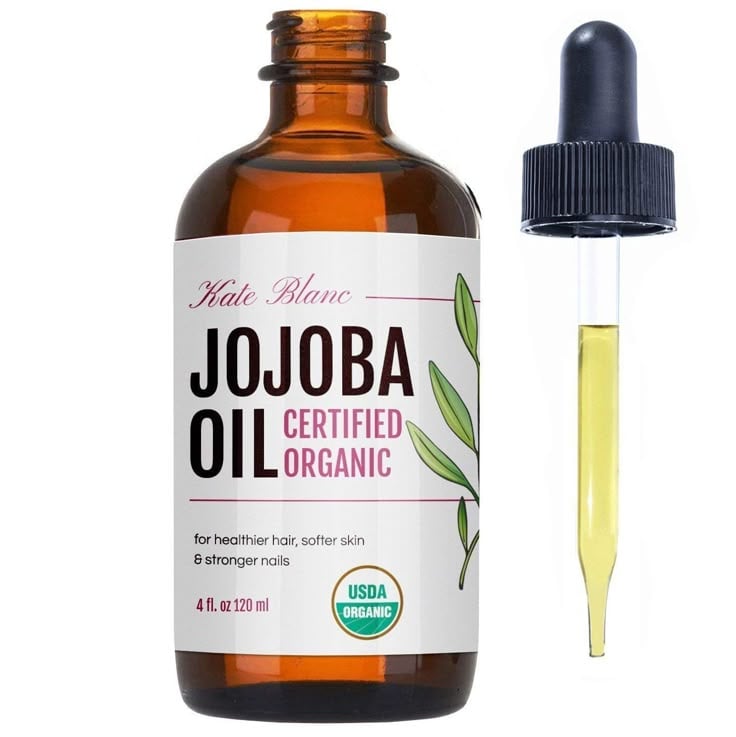
Apply a few drops along your scalp rather than pouring oil over your entire head. Gently spread it with your fingertips, paying attention to areas that feel particularly dry.
Using too much oil can attract dust and contribute to residue, so start with less than you think you need.
Remember that oil doesn’t replace water-based moisture. It also won’t solve every scalp problem, especially when persistent itching or flaking has another cause.
If irritation continues, consider speaking with a qualified dermatologist instead of adding more products.
You can learn more from the best oils for loc scalp health before deciding which option suits your routine.
Best for: Helping relieve scalp dryness and supporting a simple maintenance routine.
4. Residue-Free Loc Gel for Retwisting
Retwisting gel can help you create neat roots and maintain a polished appearance between salon visits.
However, the wrong formula may leave flakes, sticky patches, or residue that becomes difficult to remove from mature locs. That’s why you should prioritize lightweight products that rinse clean and suit your hair’s locking stage.
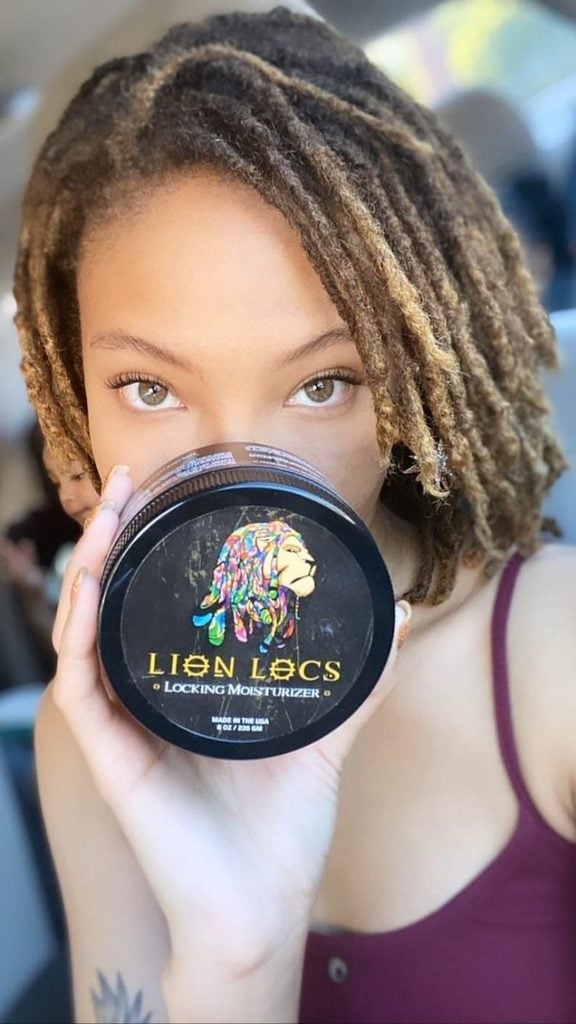
Choose a gel specifically intended for loc maintenance or one that your loctician recommends. Use a small amount when separating and retwisting your roots.
Applying several layers won’t necessarily make your style last longer, and excessive tension can put unnecessary stress on your hairline.
Starter locs often need different handling from mature locs, so don’t assume every retwisting product works equally well for everyone.
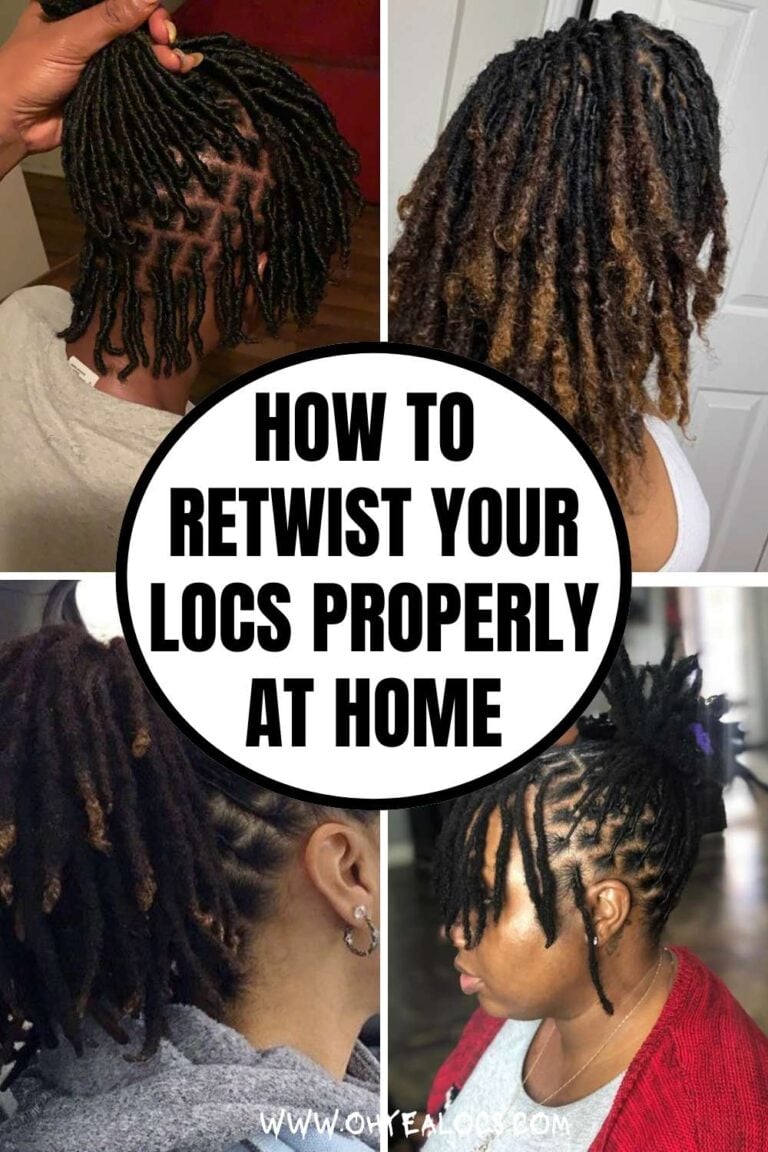
If you’re maintaining your hair at home, learn how to retwist your locs properly at home before experimenting with new gels.
Best for: Neat roots, controlled retwisting, and polished loc styles.
5. Gentle Shampoo for Regular Loc Washing
While clarifying shampoo can help with stubborn residue, a gentle shampoo is useful for regular wash days.
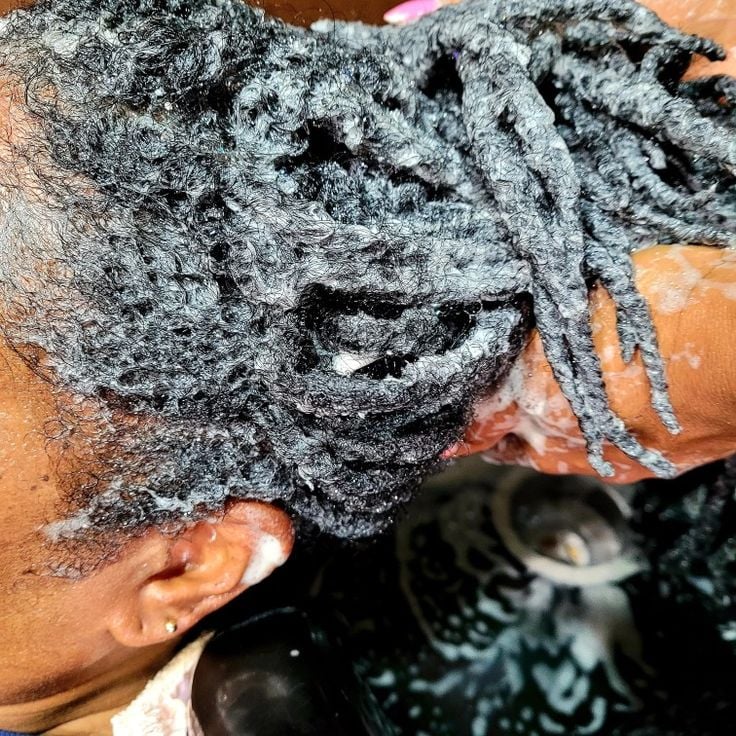
It removes everyday dirt, sweat, and excess oil without making your cleansing routine unnecessarily harsh. Finding a formula that rinses easily is particularly important because leftover cleanser can collect inside tightly formed locs.
Look for a shampoo that suits your scalp and hair needs. You may prefer a fragrance-free option if scented products irritate your skin. If your scalp feels tight after washing, consider whether the formula or washing frequency is too drying.
Massage your scalp with your fingertips and allow the shampoo to pass through your locs as you rinse.
Avoid rough scrubbing that causes tangling or unnecessary friction at the roots. After washing, squeeze out excess water gently and give your hair enough time to dry.
For an easier routine, explore everything you need before starting your locs journey to understand which cleansing essentials deserve a place in your collection.
Best for: Everyday cleansing, regular wash days, and maintaining scalp freshness.
6. Aloe Vera-Based Loc Refresher
An aloe vera-based refresher can be useful when your locs need a quick pick-me-up between wash days.
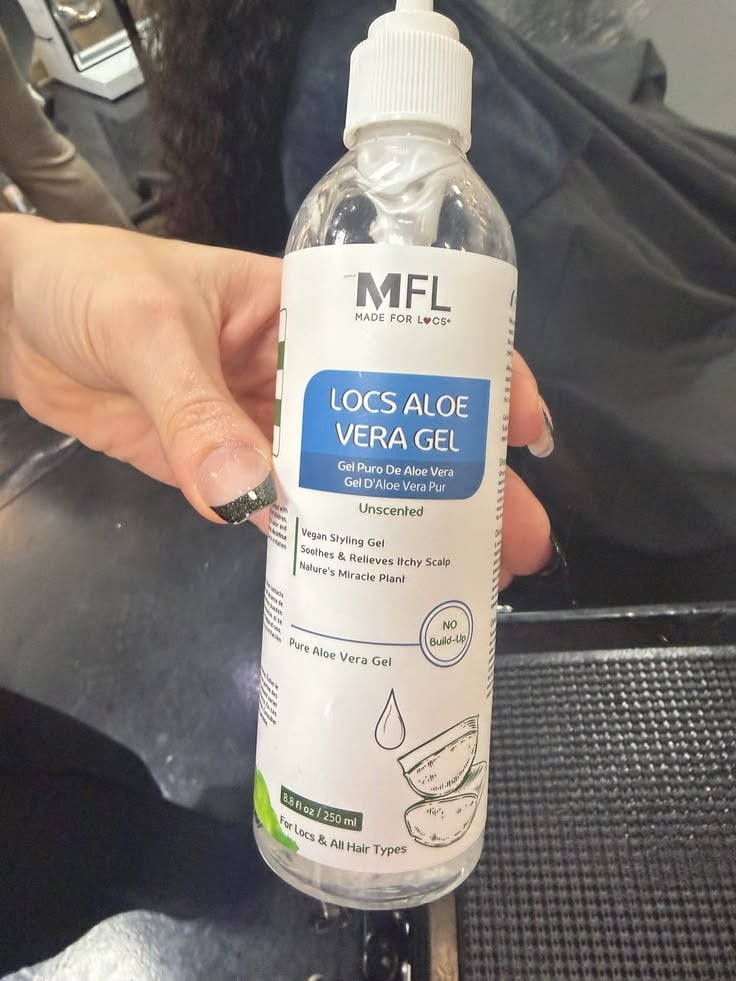
Depending on the formula, it may help your hair feel refreshed and less dry without the heaviness of thick styling creams. This makes it an option worth considering if your locs lose their softness quickly.
Choose a lightweight spray that doesn’t leave a sticky film after drying. Check the ingredient list carefully because products marketed as natural can still contain fragrance or ingredients that irritate sensitive scalps.
If you make your own spray, prepare small amounts and store them safely to reduce contamination risks.
Apply the refresher sparingly and spread it evenly over your locs. Avoid leaving your hair constantly damp, especially if you have thick locs that take longer to dry. A refreshing spray should make maintenance easier, not create another problem.
Best for: Light refreshment and occasional moisture support between washes.
7. Lightweight Leave-In Conditioner
Leave-in conditioners can help soften hair and improve manageability, but not every formula suits locs.
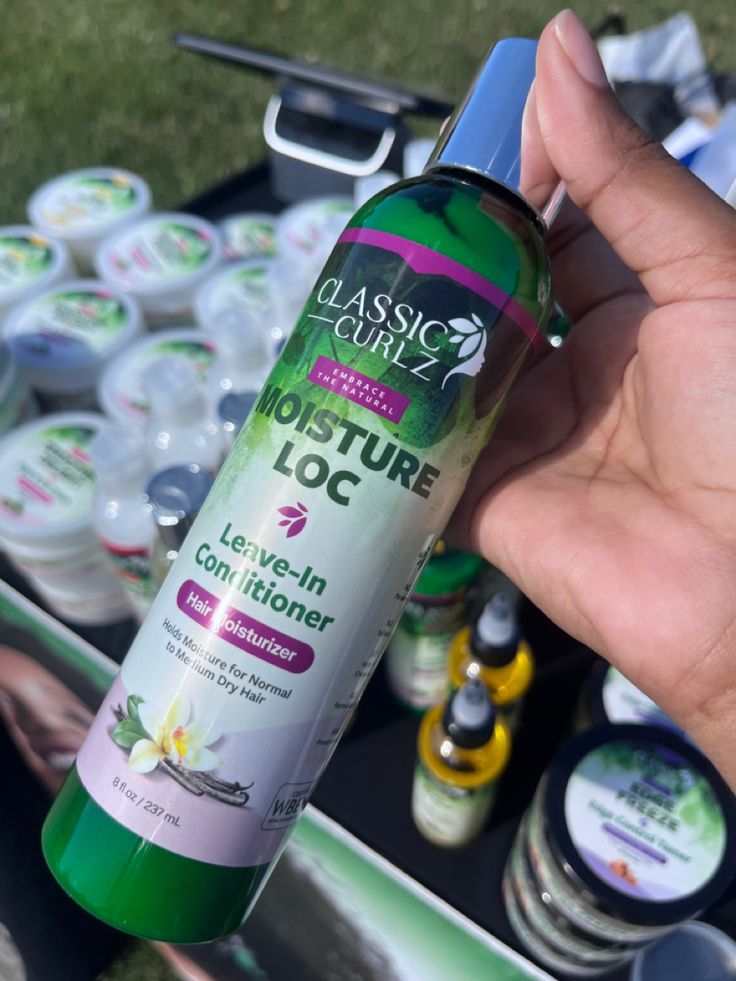
Thick conditioners may leave residue, particularly when you apply them repeatedly without washing your hair thoroughly. For this reason, choose a lightweight product that rinses or absorbs cleanly and is appropriate for your loc type.
Some women find a diluted, water-based leave-in useful for reducing dryness. Others prefer to skip leave-in conditioners altogether and rely on a simple moisturizing spray.
Your choice should depend on how your hair responds, rather than how many products a beauty routine recommends.
If you decide to use one, apply a small amount and monitor your locs over the following days.
Stop using it if your hair feels coated or develops persistent residue. You can also ask your loctician if your particular locking method can tolerate the formula.
Best for: Women who need extra softness without relying on heavy creams.
8. Rosewater Hair Mist
Rosewater hair mist offers a simple alternative for women who prefer a light, refreshing product.
A suitable formula can help dampen locs during your routine without the thick texture of many creams. It’s particularly appealing if you want fewer products and a quick way to refresh your hair.
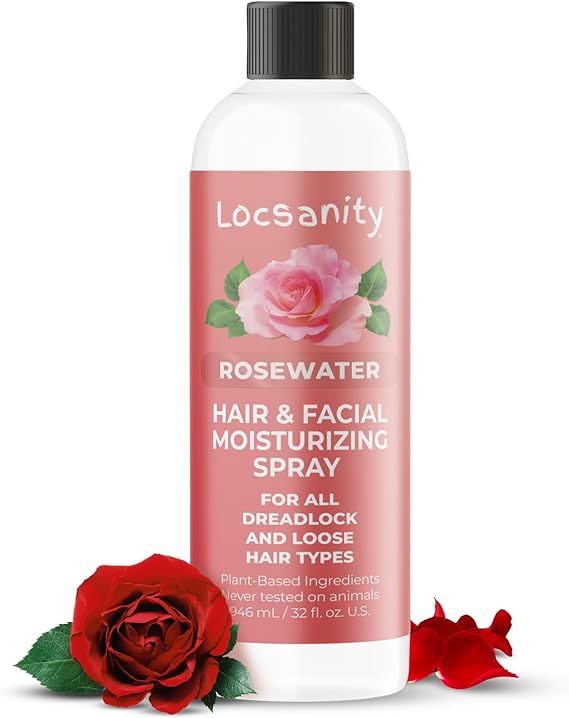
Check the ingredients before purchasing because some rosewater sprays contain added fragrance or other ingredients that may bother sensitive skin.
Rosewater also shouldn’t replace proper cleansing or be treated as a guaranteed solution for hair growth. Think of it as an optional addition rather than an essential loc care product.
Mist your locs lightly, then allow them to dry completely. If your scalp reacts with redness, burning, or increased itching, discontinue use.
You don’t need a scented product to have healthy-looking locs, so choose comfort over fragrance whenever necessary.
Best for: Light refreshing and simple hair care between wash days.
9. Peppermint-Free Scalp Oil for Sensitive Skin
If your scalp reacts easily to scented products, a simple, fragrance-free scalp oil may be a better option than formulas containing strong essential oils.
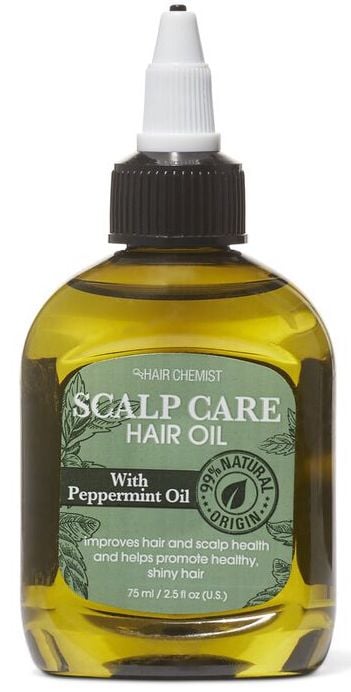
Ingredients such as peppermint and tea tree can irritate some people, even when brands market them as soothing. Choosing a simpler formula makes it easier to identify what your scalp tolerates.
Look for a lightweight oil with a short ingredient list. Apply a few drops only where needed, and avoid scratching irritated areas while distributing it.
If you experience ongoing itching, sores, or significant flaking, don’t assume dryness is the cause. A healthcare professional can help identify the problem.
You can also read how to get rid of dandruff in your locs if flakes are becoming a regular concern. The right treatment depends on the underlying cause, and adding more oil won’t always help.
Best for: Women who want a simpler scalp oil without strong fragrance.
10. Microfiber Hair Towel for Locs
A microfiber hair towel is a practical accessory that can make wash day easier. Locs often hold a surprising amount of water, especially when they are thick or long.
A suitable towel helps absorb excess moisture without requiring you to rub your hair aggressively.
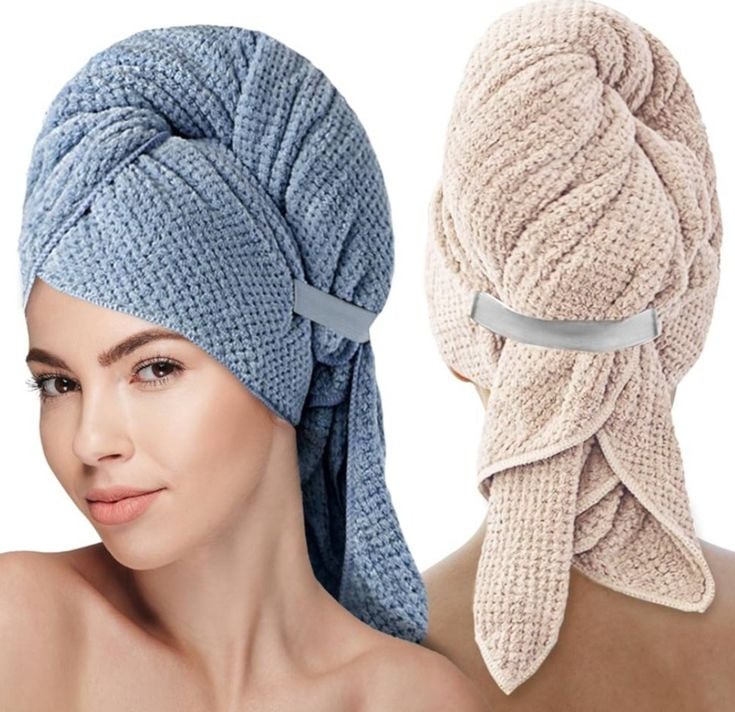
After washing, gently squeeze your locs with the towel instead of twisting or pulling them. This approach reduces unnecessary friction and makes handling wet hair more comfortable.
You should still allow your locs to dry fully, since a towel cannot remove all the water trapped inside them.
Choose a soft, clean towel that fits comfortably around your hair. Wash it regularly and avoid wrapping your locs so tightly that the roots feel strained.
A microfiber towel isn’t a treatment, but it can make your routine gentler and more manageable.
Best for: Absorbing excess water and reducing rough handling after washing.
11. Lightweight Loc Locking Spray
A loc locking spray can help you maintain your hair without relying on heavy gels or thick creams.
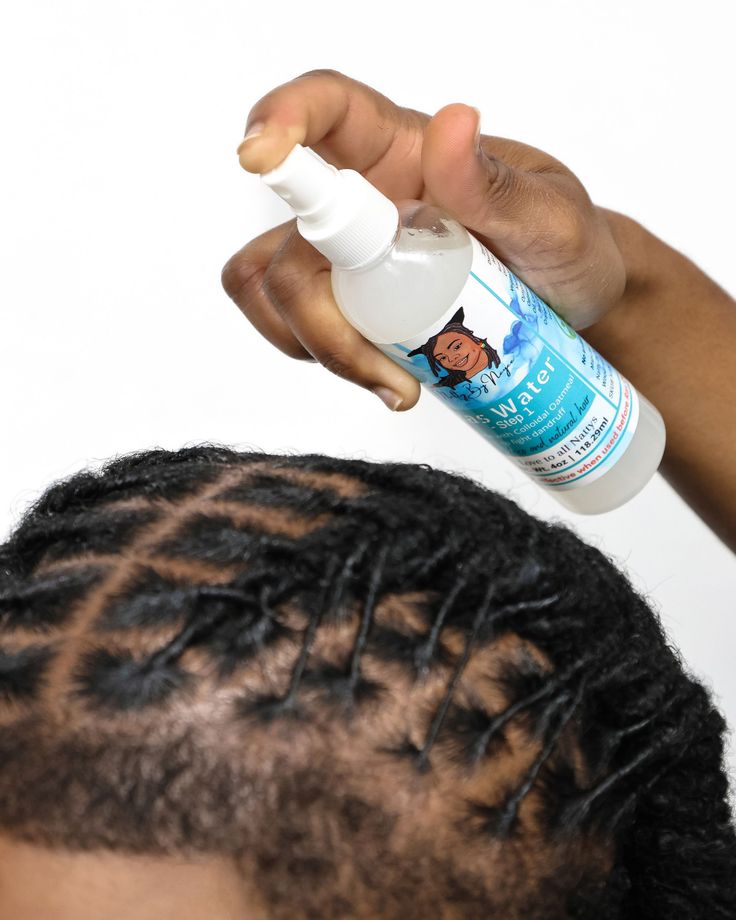
These products often target women who want neat roots while allowing their locs to develop naturally. Still, the ingredients matter more than the name on the bottle, so choose a formula that doesn’t leave sticky residue.
If you have starter locs, use extra care when applying styling products. Your locs need time to develop, and excessive manipulation can interfere with that process.
Apply the spray according to its instructions, and avoid repeatedly retwisting your roots just to maintain a fresh appearance.
Women with mature locs may find a locking spray useful when refreshing their roots between appointments.
However, the product won’t replace proper washing or careful maintenance. If you’re unsure which formula suits your hair, ask your loctician before adding another product to your collection.
You can also explore different methods of starting locs to understand why your locking stage matters when choosing styling products.
Best for: Supporting root maintenance and light styling without excessive product use.
12. Pure Aloe Vera Gel for Occasional Styling
Pure aloe vera gel appeals to women who prefer simple ingredients in their hair care routines. Depending on the formulation, it can provide light hold and help smooth small areas of hair during styling.
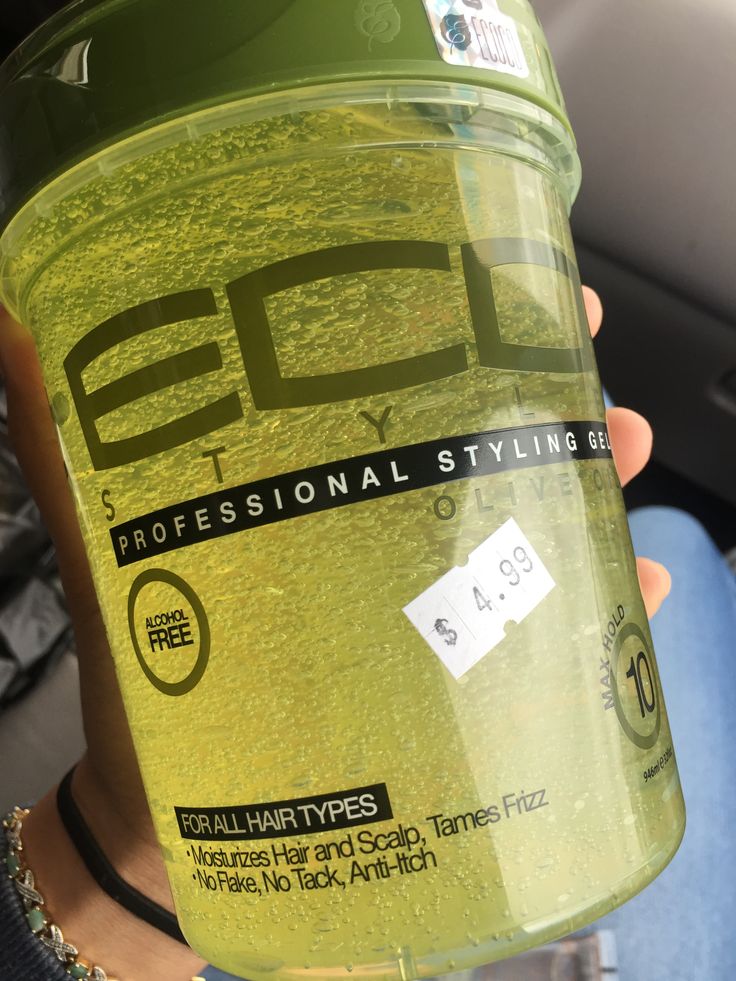
However, aloe vera gel isn’t necessary for every loc routine, and some products contain additives that leave residue.
Check the label before purchasing, especially if you plan to use the gel regularly. Choose a lightweight formula without heavy oils, waxes, or unnecessary styling ingredients.
Test a small amount first and watch for flaking or buildup before applying it throughout your hair.
Use aloe vera gel sparingly when styling your locs. It shouldn’t become a substitute for a proper retwisting product if your hair needs a specific formula. Also, avoid assuming that a natural ingredient automatically suits every scalp.
Best for: Occasional light styling and women who prefer simple hair care formulas.
13. Lightweight Grapeseed Oil
Grapeseed oil is another option for women who want a lightweight oil in their loc care collection.
Its relatively light texture makes it appealing to people who dislike the heavy feeling of thicker oils. You can use a small amount on areas that feel dry, provided your scalp tolerates the product.
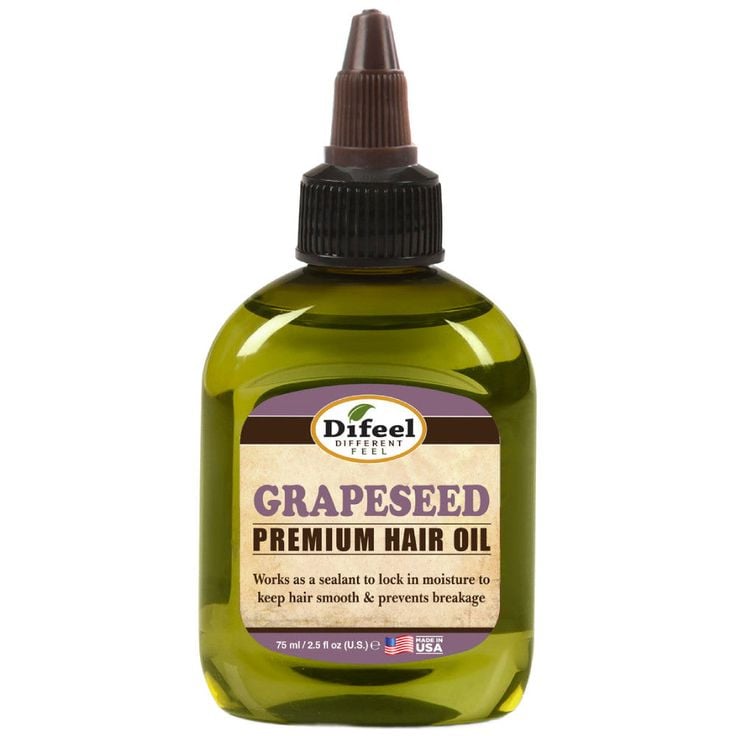
Start with just a few drops and spread them gently across your scalp. Avoid soaking your locs in oil because excessive application can contribute to residue.
Remember that oils help lubricate the hair and skin, but they don’t provide the same kind of hydration as water.
You should also consider your existing routine before buying another oil. If your current product already keeps your scalp comfortable, adding more options may not improve your results.
Keeping your routine simple often makes it easier to identify which products actually help. For more ideas, explore the best oils and moisturizers for starter locs and choose products that suit your hair’s current stage.
Best for: Women who prefer a lighter oil for occasional scalp care.
14. Satin Bonnet for Overnight Loc Protection
A satin bonnet is one of the simplest accessories you can add to your loc care routine. It helps reduce friction between your hair and pillowcase while you sleep.
This can make your morning routine easier and help keep your locs from becoming unnecessarily tangled or disturbed overnight.
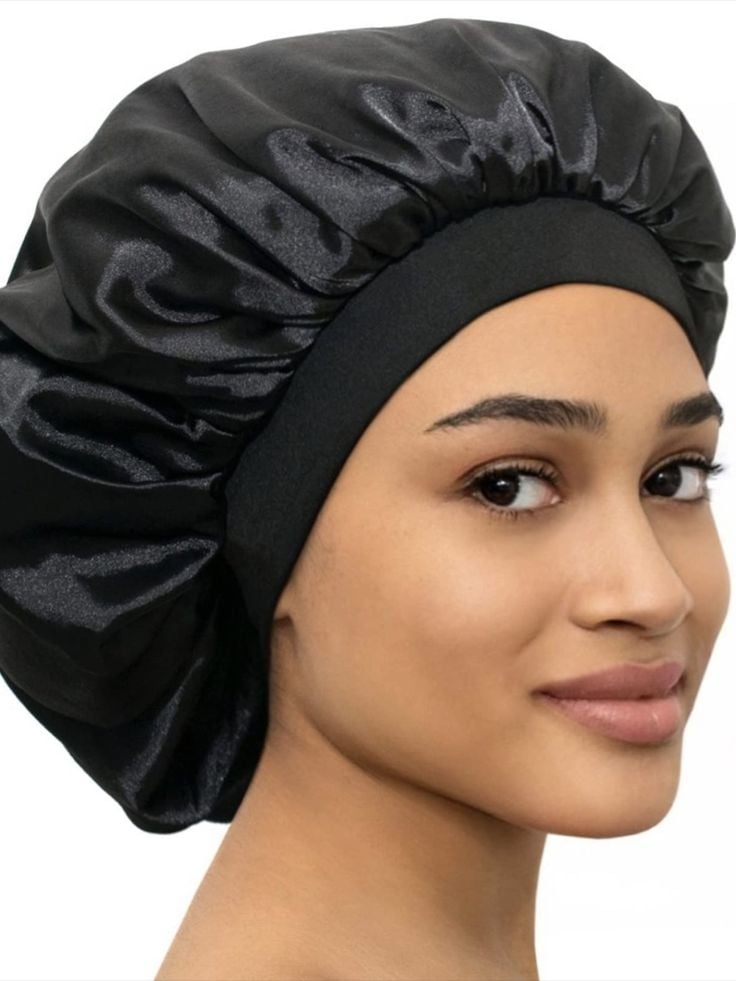
Choose a bonnet that fits comfortably around your head without pulling at your edges. If you have long or thick locs, look for a roomy design that accommodates your hair without crushing it. A bonnet that slips off every night won’t offer much practical benefit, so fit matters.
Wash your bonnet regularly to remove sweat, oils, and product residue. You can also pair it with a satin pillowcase for extra protection when the bonnet moves during sleep.
Neither accessory can prevent every form of breakage, but both can help reduce avoidable friction.
If your locs often look flattened in the morning, read how to prevent flattened locs overnight for more practical ideas.
Best for: Reducing nighttime friction and helping your locs stay comfortable while sleeping.
15. Satin-Lined Headwrap for Everyday Protection

A satin-lined headwrap offers a stylish way to protect your locs while running errands, travelling, or relaxing at home.
It can also help you manage your hair on days when you don’t want to spend time styling it. For women with longer locs, a roomy wrap provides coverage without requiring tight hairstyles.
Look for soft materials and a design that doesn’t create pressure around your hairline. Tight headwraps can cause discomfort and unnecessary tension, particularly when you wear them for several hours. If your scalp feels sore after removing a wrap, choose a looser option.
You can keep a few colors available to match different outfits without purchasing dozens of accessories.
Choose wraps that are easy to wash and comfortable enough for regular use. A practical accessory should protect your hair while making your daily routine easier.
For more inspiration, check out 15 easy ways to style your locs without accessories and discover simple looks you can create with your natural hair.
Best for: Everyday protection, convenient styling, and comfortable hair coverage.
16. Residue-Free Dry Shampoo Alternative
Sometimes your scalp feels sweaty between wash days, especially after exercise or spending time outdoors.
A suitable scalp-refreshing product may help you feel more comfortable, but it shouldn’t replace proper washing. For locs, avoid powder-heavy dry shampoos that can collect inside the hair and become difficult to remove.
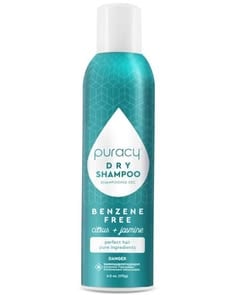
Instead, consider a lightweight, water-based scalp refresher designed for your needs. Check its ingredients and instructions before applying it, particularly if your scalp is sensitive. Some products contain fragrances or ingredients that can worsen irritation.
If your scalp feels dirty, washing may be a better solution than repeatedly applying refreshing sprays.
Your schedule should depend on your activity level, scalp condition, and the time your locs need to dry. A clean scalp matters more than making your hair smell strongly of perfume.
Best for: Occasional scalp refreshment between washes, when a suitable formula is available.
17. Scalp Massaging Brush
A soft scalp massaging brush can make shampooing easier by helping you distribute cleanser across your scalp.
It may be useful if your fingers struggle to reach certain areas, especially when you have dense or long locs. However, you should choose a gentle brush and avoid aggressive scrubbing.
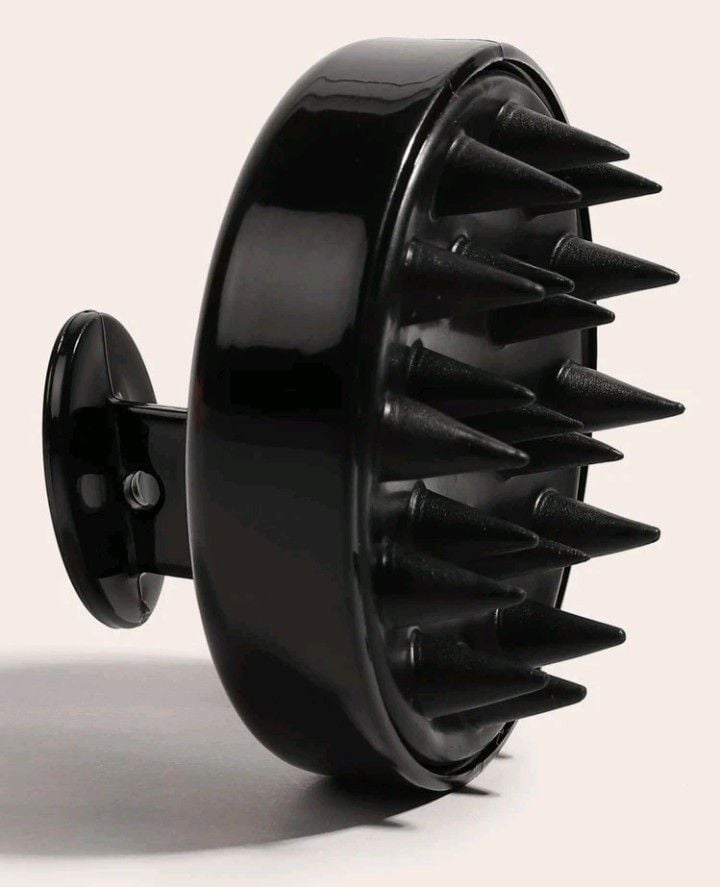
Use it with light pressure during wash day rather than dragging it through your roots. Avoid brushing directly over tender spots, irritated skin, or fragile starter locs. Your goal is to clean your scalp comfortably, not to scratch it or loosen your locs.
After using the brush, wash it thoroughly and let it dry before storing it. Regular cleaning helps prevent the tool from collecting unwanted residue.
If your scalp becomes sore or irritated, stop using the brush and return to gentle fingertip cleansing.
Best for: Helping distribute shampoo and making scalp cleansing more convenient.
18. Loc-Friendly Conditioner or Rinse-Out Treatment

Conditioners can help some women manage dryness, but they require extra care when you wear locs.
Thick formulas may cling to the inside of your hair, particularly when your locs are dense or tightly formed. Before buying a conditioner, check whether the product suits your loc type and whether your loctician recommends it.
If you choose to use one, apply it according to the instructions and rinse extremely well. Avoid leaving heavy conditioner inside your locs unless the product specifically supports that use. Some women find that a simple moisturizing spray works better for their routine.
Pay attention to how your locs feel after washing and drying. A persistent coated feeling may mean the product doesn’t suit your hair or that you haven’t rinsed thoroughly enough. Healthy-looking locs don’t require every product used in a conventional loose-hair routine.
Best for: Women whose locs need occasional conditioning and whose chosen formula rinses cleanly.
19. Clean Microfiber Scalp and Hair Towel

A second clean microfiber towel can be helpful if you wash your locs frequently. Keeping a separate towel for your hair makes it easier to maintain a consistent wash-day routine.
It also means you won’t need to reuse a damp towel that has been sitting in your bathroom.
Choose an absorbent towel that feels soft against your hair and scalp. Gently press it against your locs to remove excess water, then allow your hair to air-dry in a well-ventilated space. Thick locs may take several hours to dry, so plan your wash day accordingly.
Remember that drying your locs properly matters more than buying an expensive towel. Avoid tying your hair up while it remains wet for long periods.
If you frequently struggle with drying time, consider discussing a suitable drying routine with your loctician.
Best for: Keeping wash day organized and helping remove excess moisture gently.
20. A Wide-Tooth Pick for Gentle Root Separation

A wide-tooth pick can help you separate locs at the roots when they begin growing together. This is particularly useful for women who want to maintain clean sections between professional appointments.
However, the tool should never replace careful handling or encourage you to pull apart locs forcefully.
Use your fingers whenever possible, especially if your locs are young or your roots feel fragile.
If you use a pick, work slowly and focus on separating loose hairs rather than digging into the loc itself. Stop immediately if you experience pain or notice excessive shedding.
Proper root separation can help maintain your chosen parting pattern, but you don’t need to manipulate your hair constantly.
Excessive handling can cause unnecessary stress and weaken delicate roots over time. If you’re unsure how to maintain your sections, ask your loctician to demonstrate a gentle technique.
Best for: Occasional root separation and maintaining neat loc sections.
Final Thoughts
Finding the Best Loc Hair Products for Women doesn’t mean buying every product you see online. It means understanding what your hair needs and choosing products that help you maintain clean, comfortable, and healthy-looking locs.
A gentle shampoo, a lightweight moisturizer, a suitable scalp oil, and a satin bonnet can provide a good starting point for your routine.
Remember that every set of locs is different. Your starter locs may need different care from mature locs, while your scalp may respond differently to oils, gels, and moisturizing sprays.
Start with a few essentials, introduce new products gradually, and pay attention to how your hair feels after each wash day.
It’s also important to avoid heavy product buildup, excessive retwisting, and tight hairstyles that put unnecessary tension on your roots.
If you experience persistent itching, unusual flaking, or breakage, consider seeking professional advice instead of adding more products.
If you’re still building your routine, explore how to maintain your locs between retightening and learn how to prevent loc breakage for more practical ways to protect your hair.
Most importantly, give your locs time to grow and develop. You don’t need a complicated routine to enjoy beautiful hair.
With consistent care and products suited to your needs, you can make your loc journey easier, more comfortable, and more enjoyable.
Start with the essentials, listen to your hair, and remember that healthy locs matter more than having the biggest collection of hair products.