Why Your Locs Are Not Growing (And How to Fix It)
Disclosure: Some of the links in this post are affiliate links. This means if you click on the link and purchase an item, I will receive an affiliate commission at no extra cost to you. All opinions remain my own. I only recommend products or services I believe will add value to my readers.
If you’ve been wondering Why Your Locs Are Not Growing, you’re not alone. Many people start their loc journey expecting rapid growth, only to feel discouraged when their locs seem stuck at the same length for months. It can be frustrating to invest time and effort into your hair without seeing the progress you hoped for. However, in most cases, your locs are growing – you may simply be dealing with factors that slow visible growth, cause breakage, or make length retention more difficult.
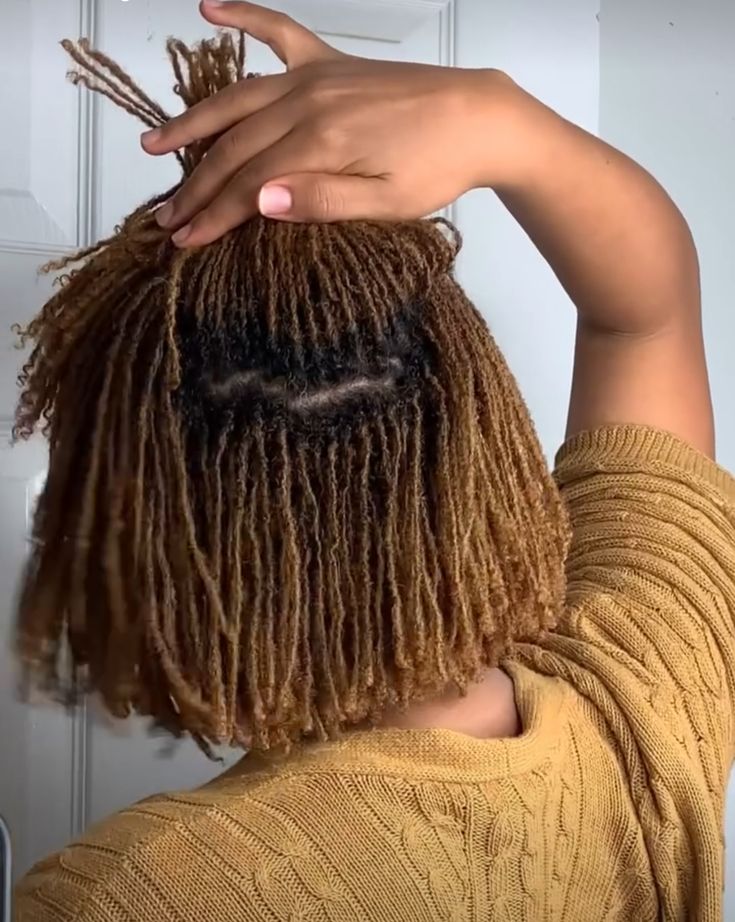
Understanding Why Your Locs Are Not Growing starts with recognizing that healthy loc growth depends on more than genetics alone. Your maintenance routine, moisture levels, diet, styling habits, and scalp health all play important roles in determining how well your locs thrive. For example, if your locs constantly feel dry or brittle, learning How Often Should You Moisturize Locs? can help you improve moisture retention and reduce breakage that may be preventing you from seeing length.
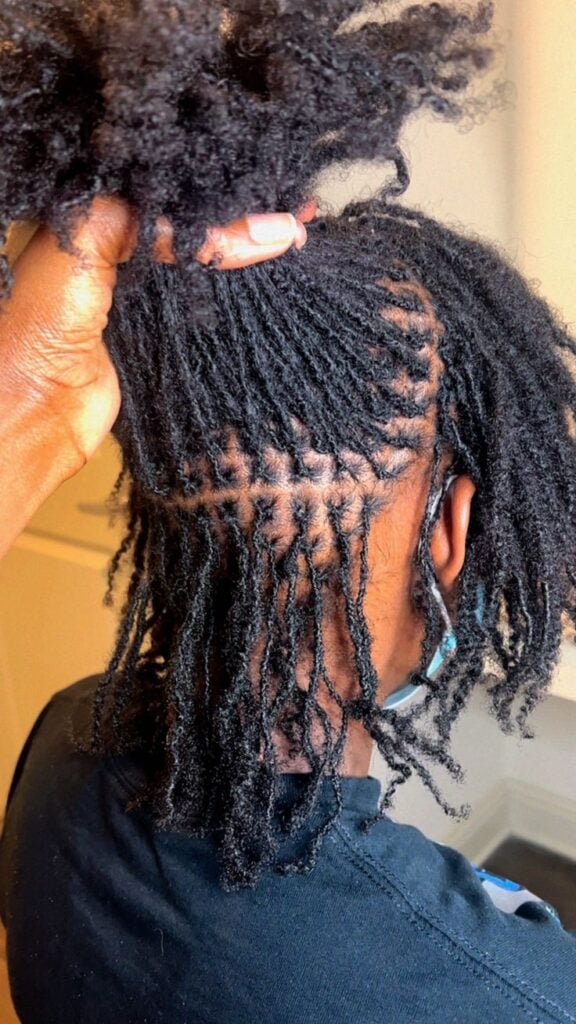
Another common issue is excessive manipulation. Many people unknowingly damage their roots through frequent maintenance sessions. If you’re unsure whether your retwist schedule is helping or hurting your progress, our guide on How Often Should You Retwist Starter Locs? can help you build a healthier routine.
Jallohka
The good news is that once you identify the reasons Why Your Locs Are Not Growing, you can make simple adjustments that support stronger, healthier locs and better length retention. In this guide, we’ll break down the most common causes of slow loc growth and what you can do to get your loc journey back on track.
1. Your Locs Are Growing, But You’re Not Retaining Length
One of the biggest misconceptions about locs is that if they don’t appear longer, they aren’t growing. In reality, many people searching for Why Your Locs Are Not Growing are actually experiencing poor length retention rather than slow growth.
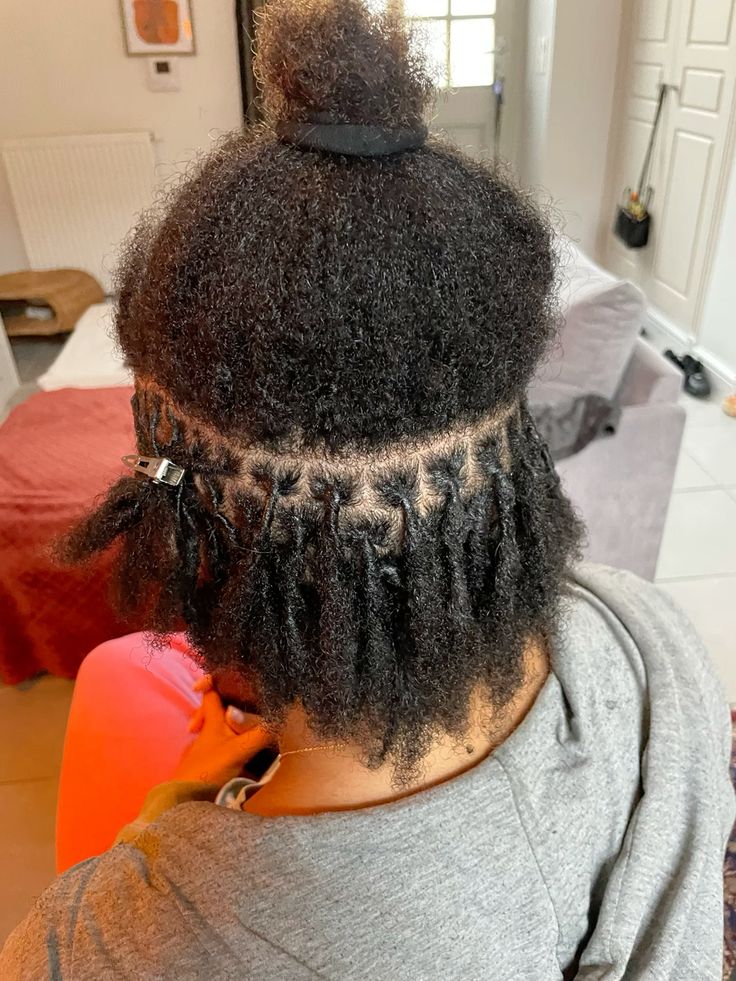
Hair grows from the scalp, but if the ends continuously break off, you may never see noticeable length. Dryness, excessive manipulation, heat damage, and tension can all contribute to breakage.
This can be especially frustrating when you see others reaching shoulder-length or waist-length locs while yours seem stuck in place. The truth is that retaining the growth you already have is just as important as encouraging new growth.
2. You’re Not Moisturizing Your Locs Enough
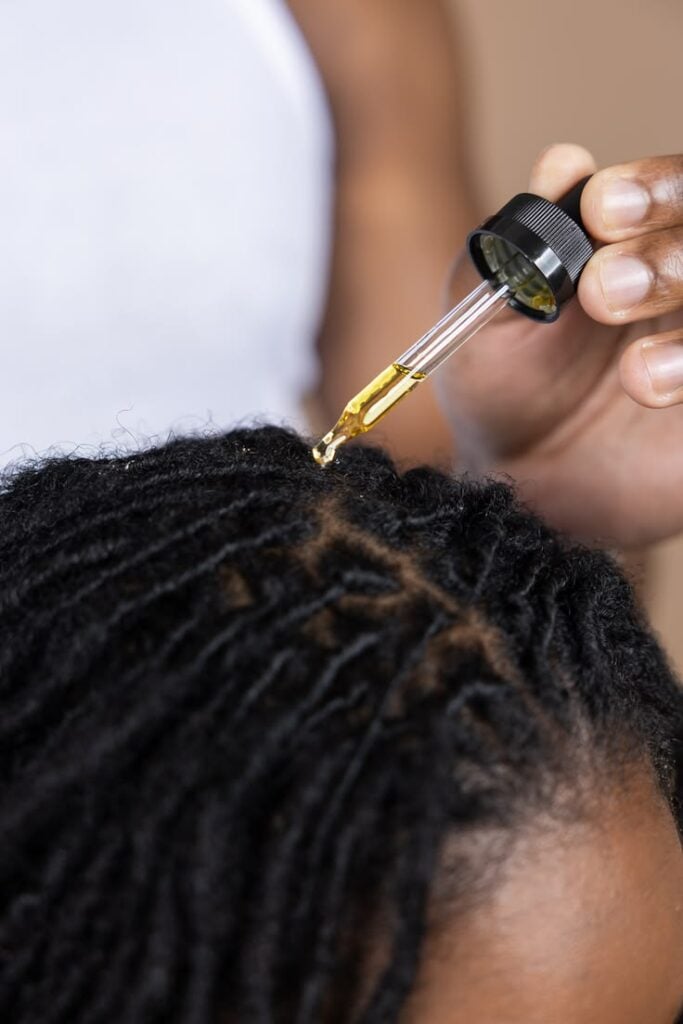
Dry locs are weak locs. Many people focus heavily on styling while neglecting moisture. Over time, dryness can lead to brittleness and breakage, making it seem like your locs aren’t growing at all.
Tammy
If your locs often feel rough, crunchy, or brittle, your moisture routine may need improvement. Learning How Often Should You Moisturize Locs? can help you develop a hydration schedule that supports healthier growth and better length retention.
One of the most common answers to Why Your Locs Are Not Growing is simply that your locs are breaking as fast as they grow.
3. You Retwist Too Often
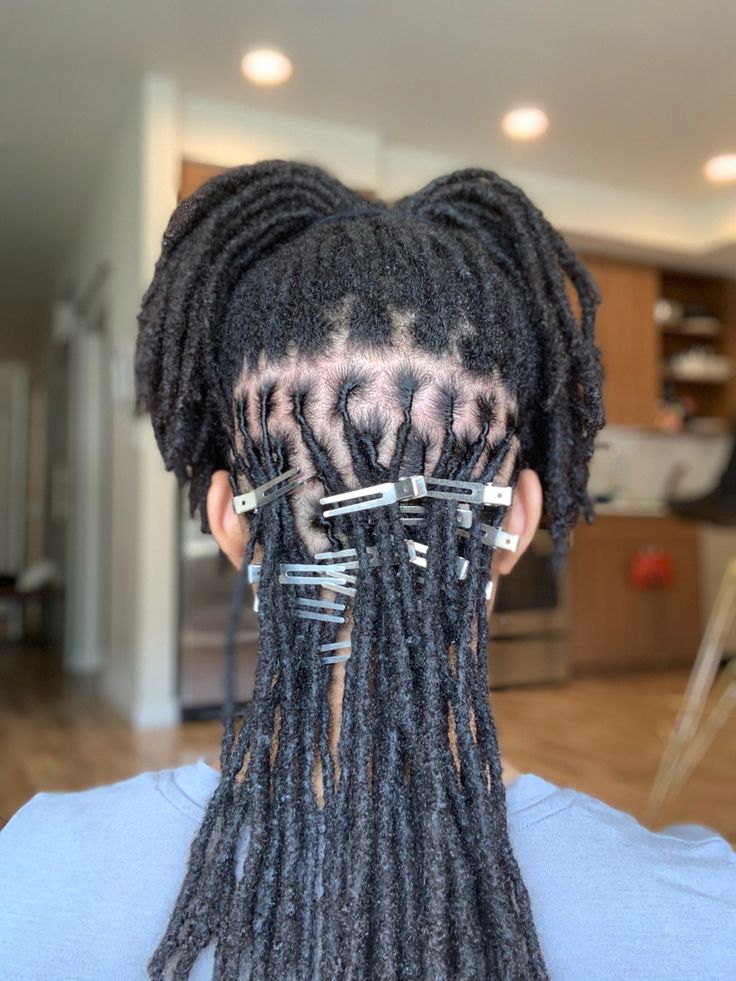
Fresh retwists look amazing, but excessive retwisting can do more harm than good.
Frequent retwisting puts stress on your roots and may weaken your hair follicles over time. Some people become so focused on keeping their parts neat that they unintentionally create thinning roots.
If you constantly feel the need to retwist, consider reviewing How Often Should You Retwist Starter Locs? to determine whether your current schedule is helping or hurting your loc journey.
4. Your Scalp Is Unhealthy
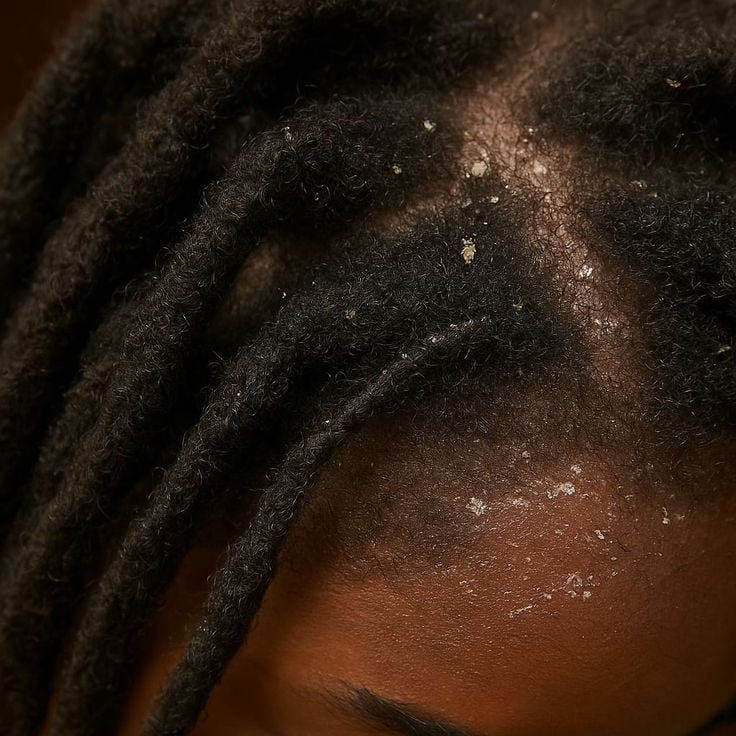
Healthy hair starts with a healthy scalp. When your scalp is inflamed, clogged with buildup, or excessively dry, it creates a poor environment for healthy growth. Many people overlook scalp care because they focus only on the locs themselves.
Warning signs include:
- Persistent itching
- Excessive flakes
- Product buildup
- Scalp irritation
- Slow growth
If you’re wondering Why Your Locs Are Not Growing, take a closer look at the condition of your scalp.
5. You’re Experiencing Breakage From Tight Styles
Many stylish loc hairstyles can become problematic when worn too tightly.
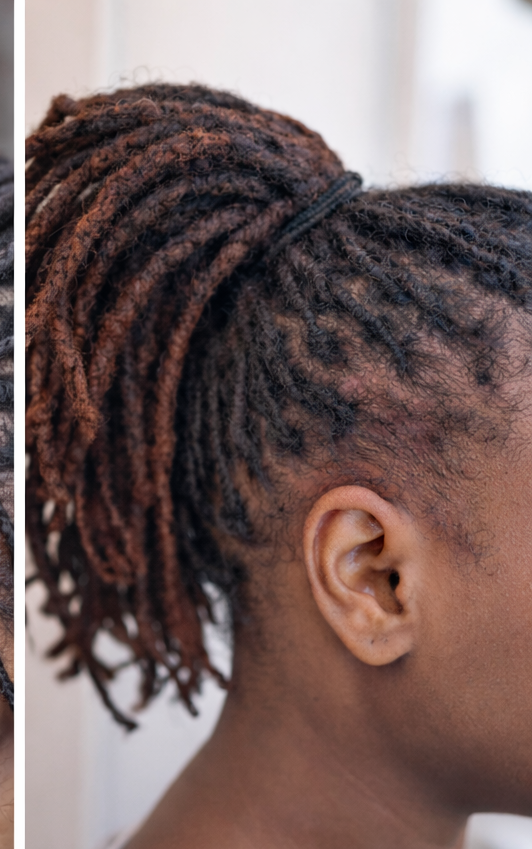
Tight buns, ponytails, and updos may create constant tension on the roots. Over time, this can lead to thinning and breakage, especially around the hairline.
If you frequently wear tight styles, consider switching to options featured in Low Tension Loc Styles That Protect Your Hairline. Protecting your roots is essential if your goal is longer, healthier locs.
6. You’re Comparing Starter Locs to Mature Locs
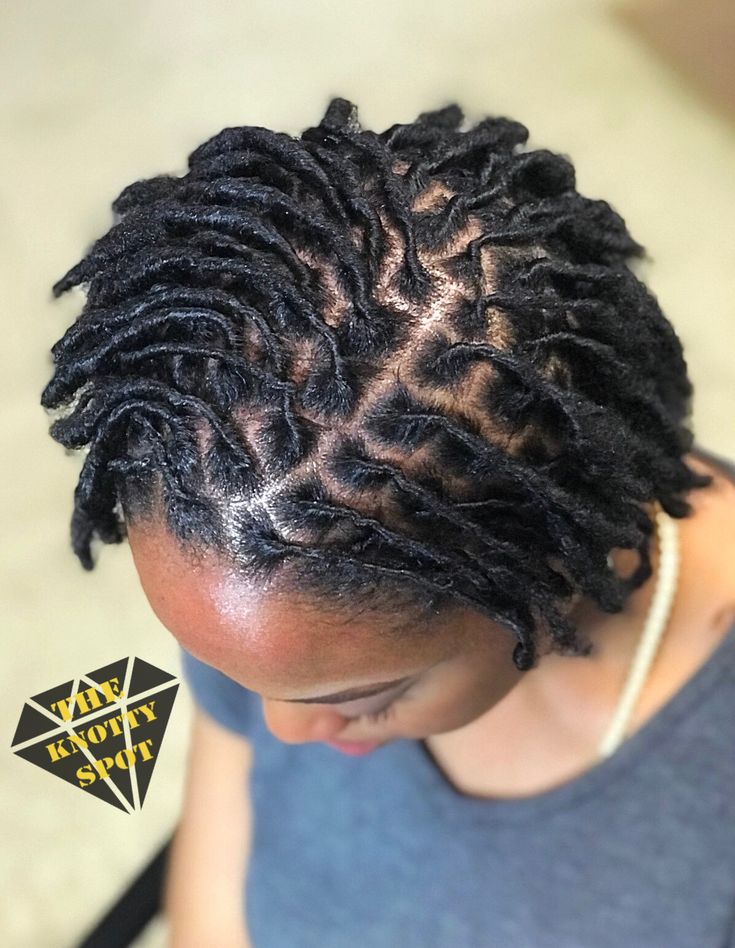
This is one of the most common frustrations among new loc wearers.
You may see someone with thick, long locs online and wonder why your starter locs aren’t growing as quickly. However, many of those beautiful locs took years to develop.
If you’re still in the early stages, remember that growth isn’t always immediately visible. Our guides on Starter Locs Method That Last the Longest and How Big Should Your Starter Locs Be? explain how the starter phase affects your long-term results.
7. Your Diet Is Affecting Hair Growth
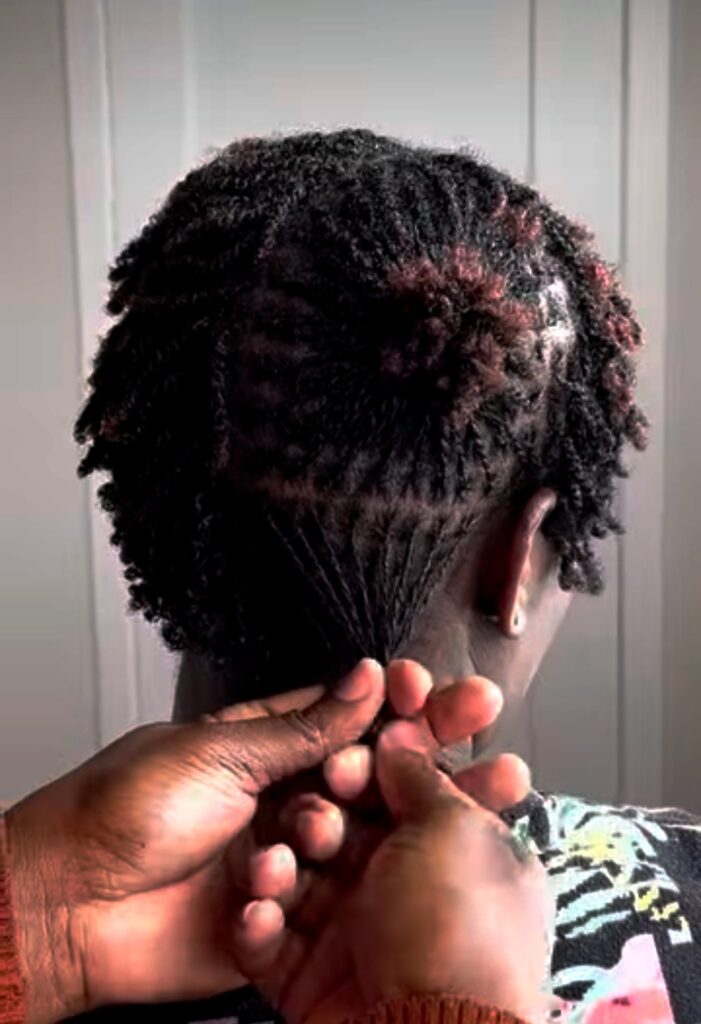
Your hair needs nutrients to thrive. Even the best loc products cannot replace a poor diet. Hair growth depends on your body receiving enough:
- Protein
- Iron
- Zinc
- Vitamin D
- Healthy fats
If your nutrition is lacking, your locs may struggle to reach their full growth potential.
Many people searching for Why Your Locs Are Not Growing are surprised to learn that their eating habits may be contributing to the problem.
8. You’re Not Drinking Enough Water
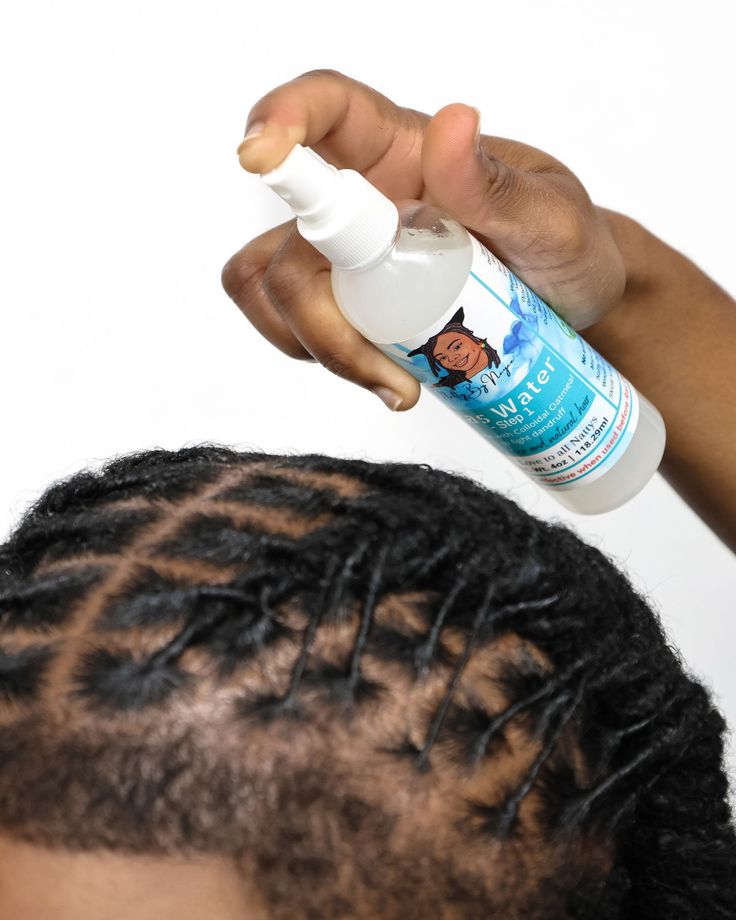
Hydration impacts more than just your skin. Water helps support healthy hair growth and scalp function. Chronic dehydration can contribute to dryness and weaker strands.
Although drinking more water won’t suddenly make your locs grow overnight, it supports the overall health of your hair and scalp.
9. Product Buildup Is Slowing You Down
Heavy products can accumulate inside locs and on the scalp.
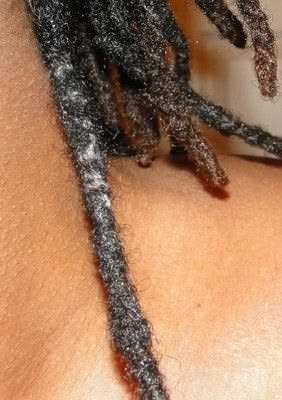
Excessive buildup may:
- Block moisture
- Irritate the scalp
- Weigh down your locs
- Make cleansing less effective
Choose lightweight products whenever possible and maintain a regular cleansing schedule.
10. You Started With Damaged Hair
Hair that has been weakened by heat, chemicals, or excessive styling often needs extra care.
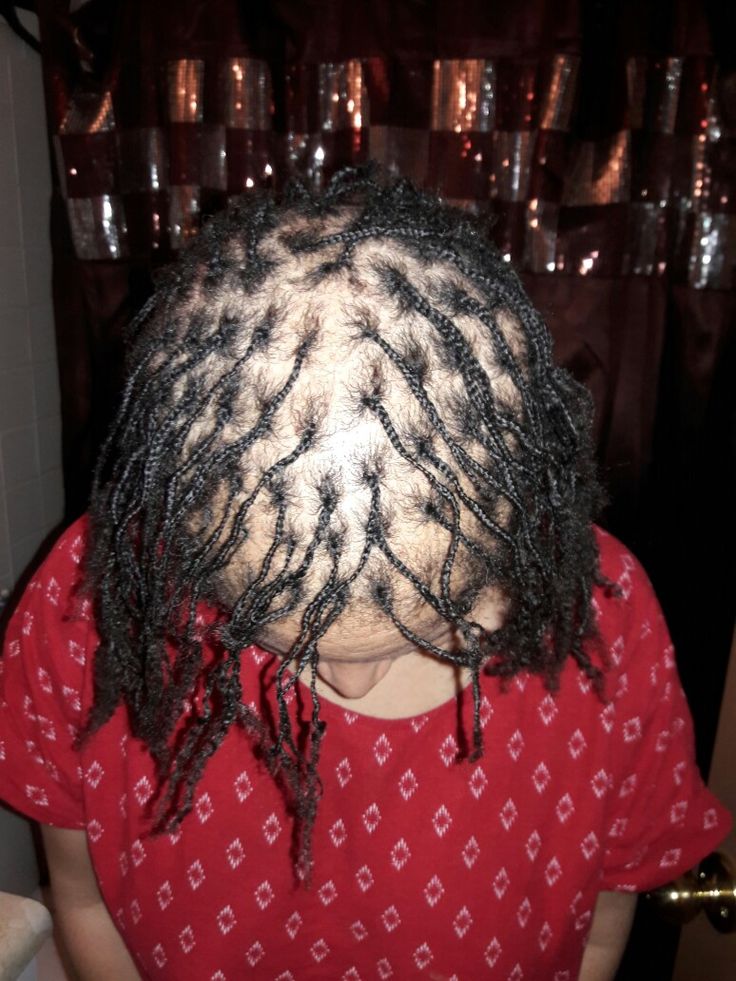
If you began your loc journey with damaged strands, growth may appear slower because your hair is recovering.
If this sounds familiar, read How To Start Locs On Damaged Hair Safely to learn how to support healthier growth from the beginning.
11. You’re Styling Your Locs Too Frequently
Constant styling can place stress on your locs.
Many people enjoy trying new hairstyles every week, but excessive manipulation can weaken the hair shaft and increase breakage.
Instead, give your locs time to rest between styles. If you need inspiration, browse Beginner-Friendly Loc Styles for Work and School or 15 Ways to Style Your Locs in Summer for lower-maintenance options.
12. You’re Expecting Results Too Quickly
One of the hardest parts of any loc journey is patience.
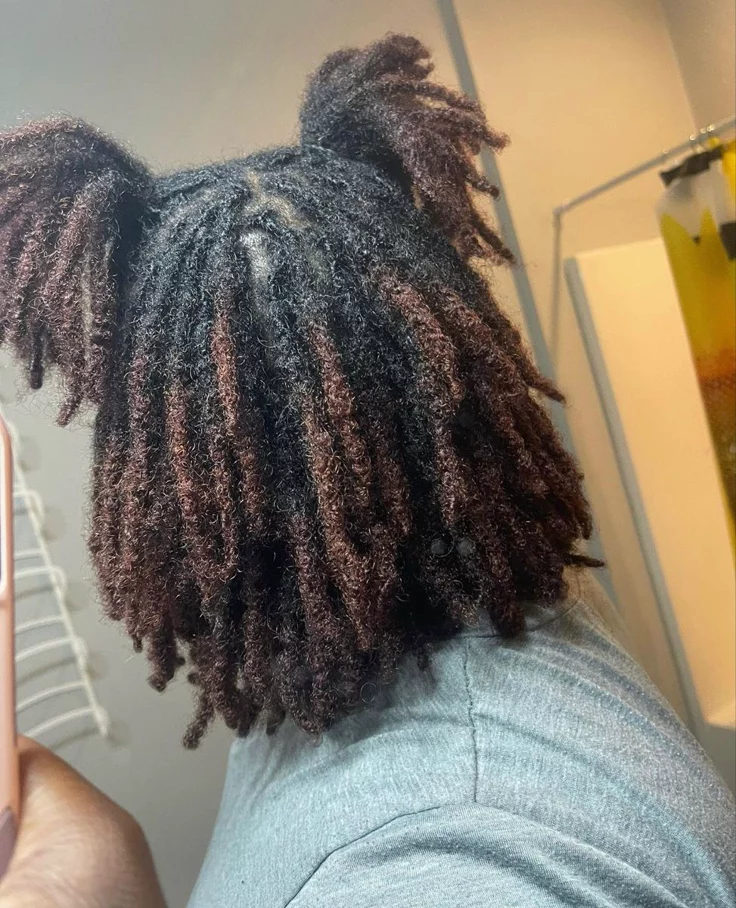
Many people searching for Why Your Locs Are Not Growing have only been locked for a few months. Unfortunately, locs don’t grow overnight.
Hair generally grows about half an inch per month on average, and growth rates vary from person to person. Visible progress often requires consistency and time.
13. Seasonal Changes Are Affecting Your Locs
Weather can impact the health of your locs more than you realize.
Summer heat can dry out your hair, while winter weather can increase brittleness and breakage.
To protect your locs throughout the year, check out 15 Ways to Protect Your Locs in Summer and 15 Ways to Maintain Your Locs in Winter.
14. You May Have Chosen a Smaller Loc Size
Smaller locs often appear to grow differently than larger locs.
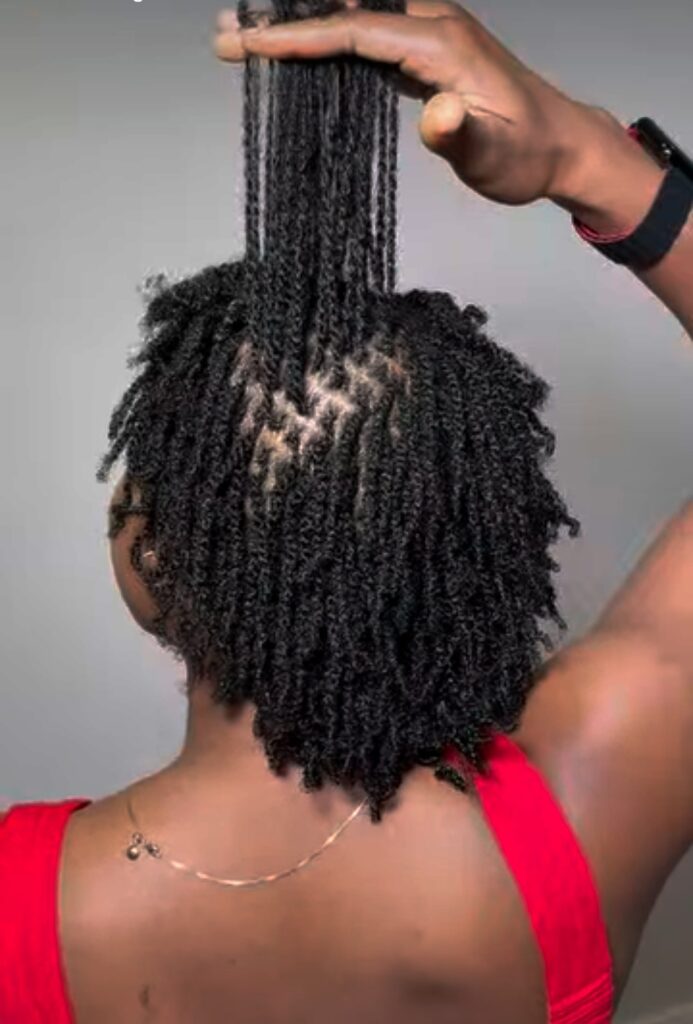
For example, microlocs and Sisterlocks can take on a very different appearance compared to traditional locs. If you’re comparing your journey to someone with larger locs, your expectations may not align with your chosen style.
You can learn more by reading Are Microlocs Worth It? Pros, Cons & Who Should Avoid Them and Sisterlocks for Older Women: Elegant, Timeless & Low-Maintenance Styles.
15. Stress May Be Affecting Your Hair
Chronic stress can impact overall hair health and growth.
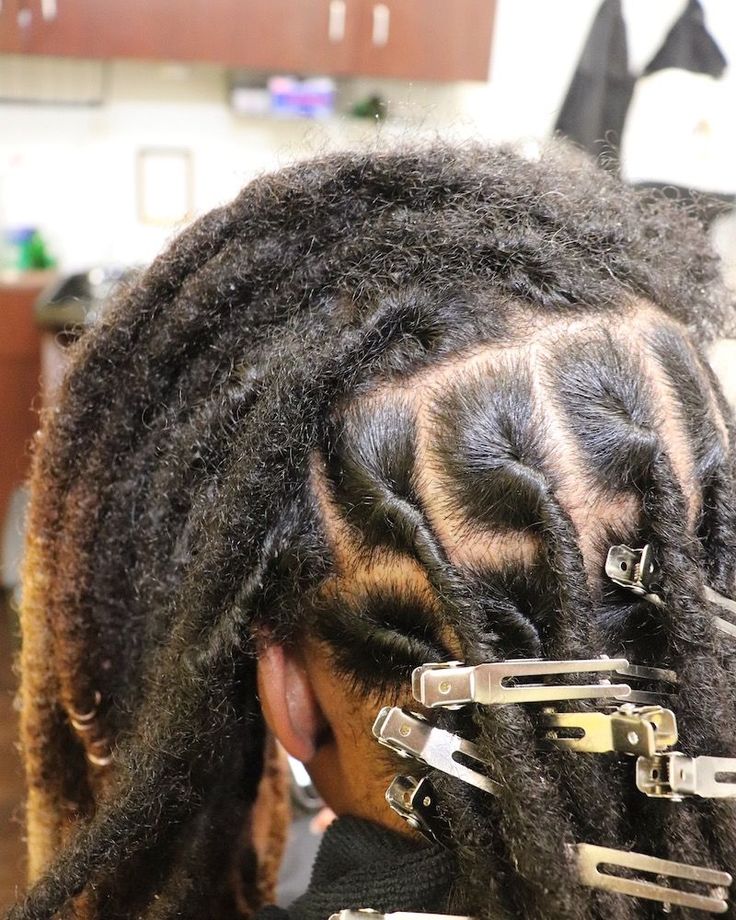
While occasional stress is normal, prolonged periods of emotional or physical stress may contribute to increased shedding and slower growth.
Managing stress, prioritizing sleep, and maintaining a healthy lifestyle can support stronger hair growth over time.
16. You’re Focusing Too Much on Length
Many people judge growth solely by length.
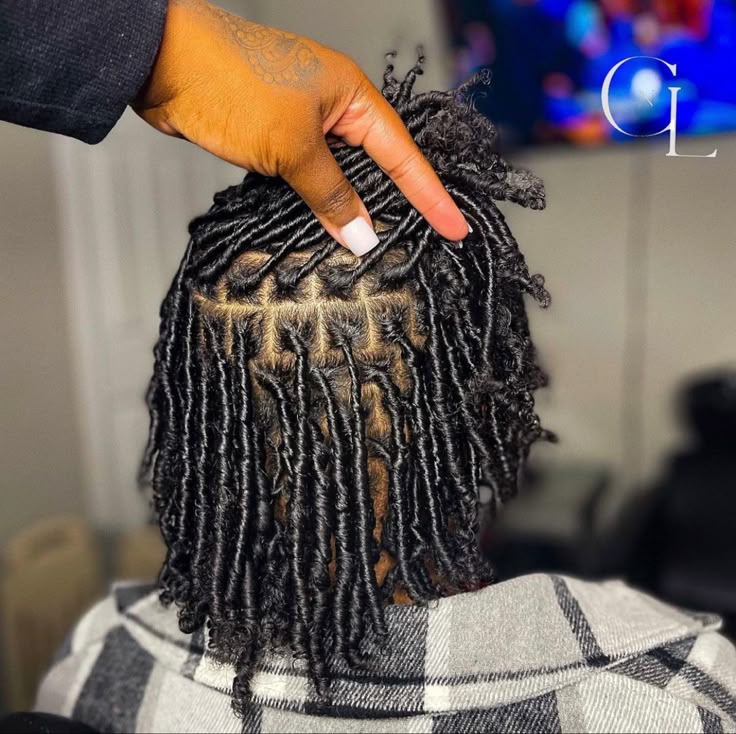
However, healthy locs are about more than just inches. Strong roots, healthy scalp conditions, moisture retention, and thickness are all signs of progress.
If your locs are becoming stronger and healthier, you’re moving in the right direction even if growth feels slow.
Conclusion
If you’ve been asking yourself Why Your Locs Are Not Growing, remember that growth and length retention are not always the same thing. In many cases, your hair is growing, but factors such as breakage, dryness, tight styling, poor moisture retention, or excessive manipulation are preventing you from seeing the results.
The good news is that most growth obstacles can be addressed with consistent care. By improving your moisture routine, protecting your scalp, reducing tension, and following healthy maintenance practices, you can create an environment where your locs can thrive.
Most importantly, be patient with your journey. Every set of locs develops at its own pace. Once you understand Why Your Locs Are Not Growing and address the underlying causes, you’ll be better equipped to retain length, improve hair health, and achieve the long, beautiful locs you’re working toward.


2 Comments