How to Transition From Relaxed Hair to Locs
Disclosure: Some of the links in this post are affiliate links. This means if you click on the link and purchase an item, I will receive an affiliate commission at no extra cost to you. All opinions remain my own. I only recommend products or services I believe will add value to my readers.
Transitioning from relaxed hair to locs can feel exciting but also a little overwhelming. It’s completely normal to have questions like, “Will my hair break?”, “Will it look messy?”, or even “Can I actually start locs with relaxed ends?” These concerns stop many people from starting their loc journey, even when they really want to.
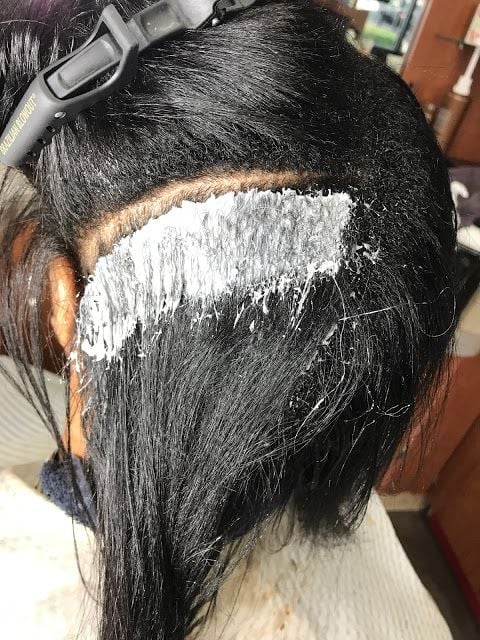
The truth is, you can successfully transition from relaxed hair to locs without damaging your hair or sacrificing your confidence. With the right approach, proper care, and realistic expectations, the process becomes much more manageable than it seems.
In this guide on How to Transition From Relaxed Hair to Locs, you’ll learn what to expect, the best starter methods for transitioning hair, how to care for your locs during each stage, and how to avoid common mistakes so you can start your loc journey with clarity and confidence.
Can You Start Locs With Relaxed Hair? (What You Need to Know First)
One of the biggest concerns people have is whether it’s even possible to start locs with relaxed hair. The simple answer is yes, you absolutely can. You don’t have to wait until your hair is fully natural before beginning your loc journey.

However, there’s an important difference between starting locs on fully natural hair and starting on transitioning hair. With fully natural hair, your texture is consistent from root to tip, which often makes the locking process more uniform. On the other hand, transitioning hair means you’ll be dealing with two different textures – your natural new growth and your relaxed ends, which can affect how your locs form in the early stages.

Realistically, you should expect some unevenness at the beginning. The natural roots may start to lock faster, while the relaxed ends can appear looser or straighter for a while. You may also notice more frizz as your hair adjusts and begins the locking process. This is completely normal and part of the journey.
The key is to go in with the right expectations. Your locs may not look perfectly uniform right away, but with time, patience, and proper care, they will begin to mature and take on a more consistent appearance.
What to Expect When Transitioning From Relaxed Hair to Locs
Starting locs while transitioning comes with a unique experience, and knowing what to expect can help you avoid unnecessary stress or disappointment.
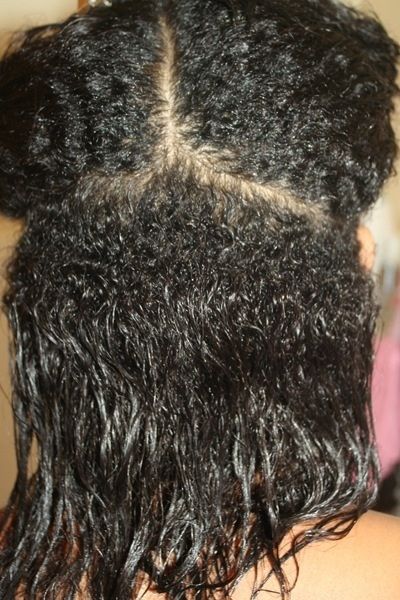
One of the first signs you’ll notice is the presence of two different textures. Your natural roots will begin to coil and lock, while your relaxed ends may remain straight or slightly wavy for some time. This contrast can make your locs look uneven in the early stages, but it’s a normal part of the process.
Save this guide: Do Locs Get Thicker or Thinner Over Time? (Explained Simply)
You should also be prepared for shrinkage and an uneven appearance. As your natural hair grows and begins to lock, it may shrink, making your locs appear shorter or inconsistent in length. This can feel frustrating, especially if you’re trying to maintain a neat look, but it’s a sign that your hair is progressing.
Frizz is another common experience, especially in the beginning. Since your hair is adjusting and forming into locs, it won’t look perfectly smooth right away. Additionally, the locking process may be slower compared to fully natural hair, particularly because the relaxed ends take longer to knot and hold structure.
When it comes to timing, there’s no one-size-fits-all answer. The timeline can vary from several months to over a year, depending on your hair type, the method you choose, and how well you maintain your locs. Patience is essential during this phase.
Understanding these expectations ahead of time helps you stay confident and committed, even when your locs are in their early, less-defined stages.
Best Methods to Start Locs on Relaxed or Transitioning Hair
Choosing the right starter method is one of the most important decisions you’ll make when transitioning from relaxed hair to locs. It’s also where many people feel stuck, wondering, “Which method is right for me?” The truth is, there are different methods, but the best method depends on your hair texture, how much new growth you have, and how much maintenance you’re willing to do.
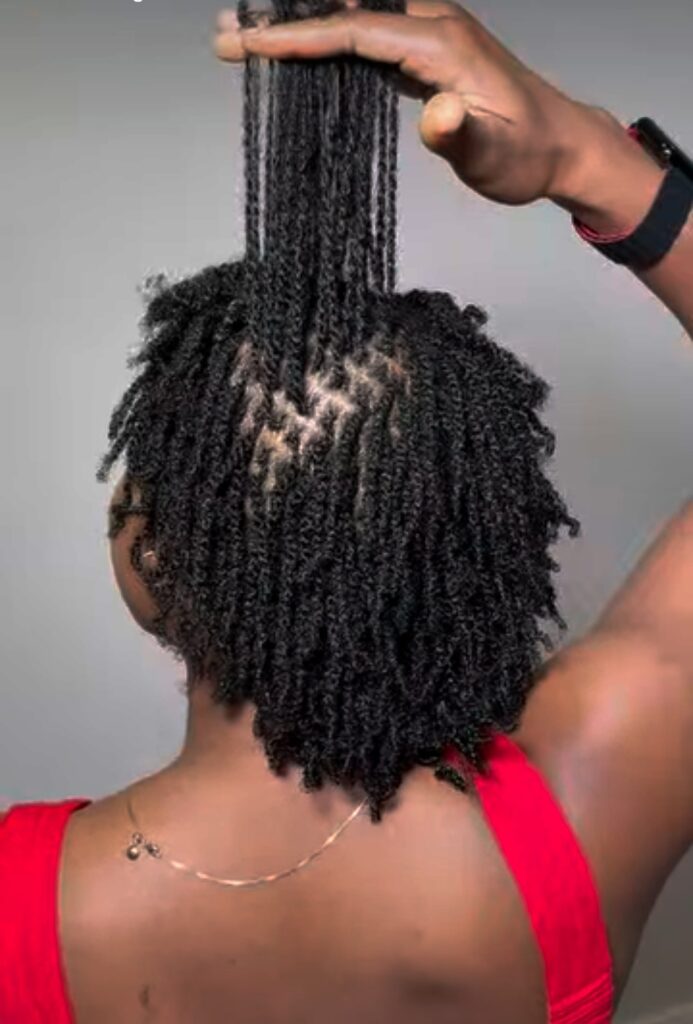
Since transitioning hair has two different textures, you’ll want a method that helps blend them while keeping your locs secure during the early stages.
Two-Strand Twists
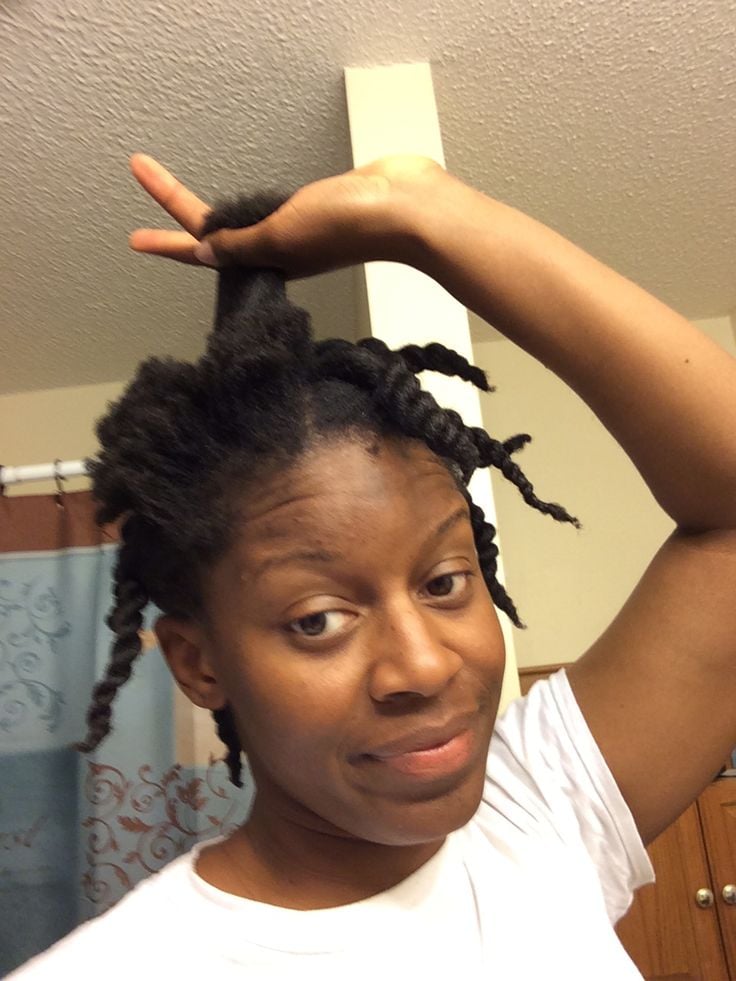
Two-strand twists are one of the most popular and beginner-friendly methods for starting locs on transitioning hair. They work especially well because they help blend your natural roots with your relaxed ends, creating a more uniform look from the start.

This method is easy to install, low tension, and versatile when it comes to styling. It also holds up better than some other methods, making it a great option if you’re just starting your loc journey and want something manageable and reliable.
Comb Coils
Comb coils are a classic starter method, particularly effective if you have shorter natural growth at the roots. They help define your natural curl pattern and can create neat, uniform sections early on.
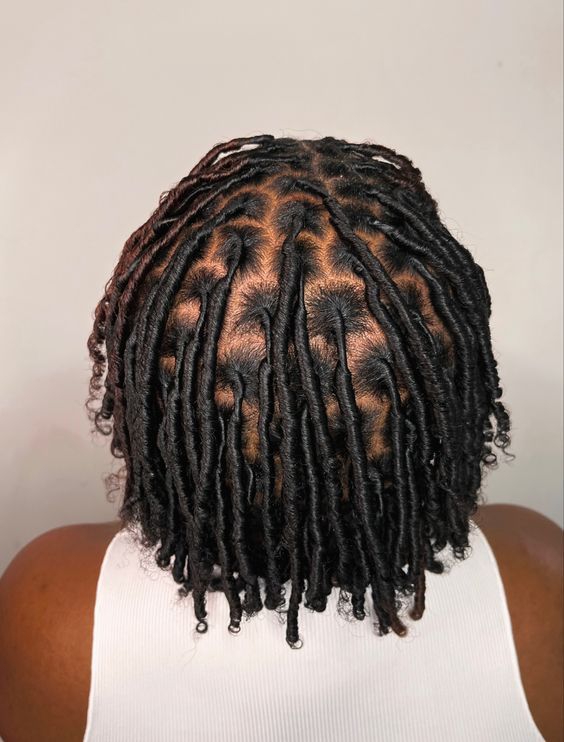
However, if you still have a significant amount of relaxed hair, this method can be a bit tricky. The relaxed ends may unravel more easily, especially after washing or daily handling. Because of this, comb coils may require more maintenance and patience when used on transitioning hair.
Braids (Plaits)
Braids, also known as plaits, are a strong and practical option for transitioning hair. They provide a firm hold from root to tip, which is especially helpful when dealing with mixed textures.
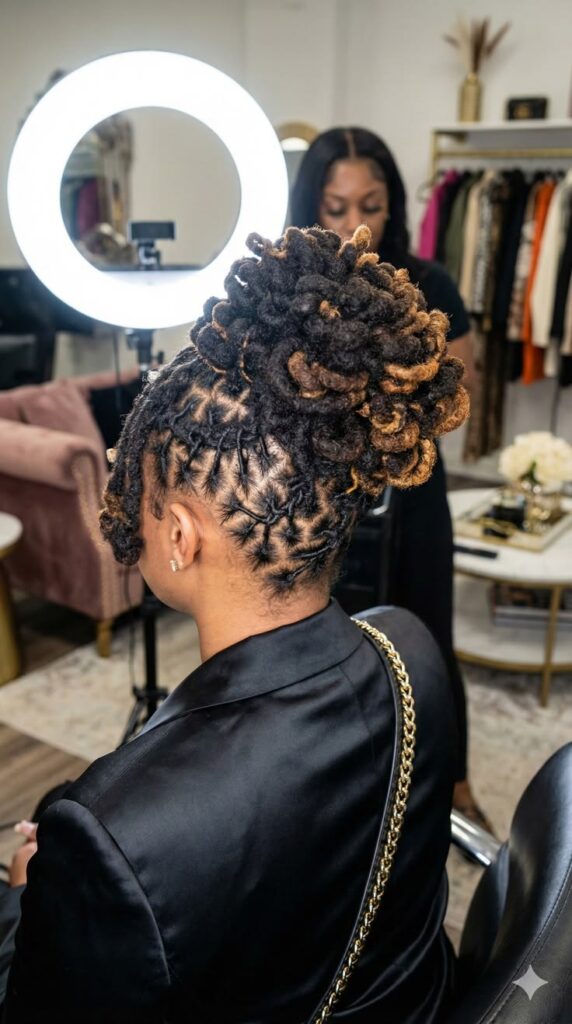
This method is great for minimizing unraveling, making it ideal if your relaxed ends are not holding other styles well. While braided starter locs may take a bit longer to lock and lose the braid pattern fully, they offer stability and are a solid choice for those who want a more secure start.
Check this guide: Worst Starter Loc Method for Beginners
Interlocking
Interlocking is a technique that involves threading the ends of your hair through the root to create a secure base. It’s particularly useful for keeping the roots tight and neat, even as your hair grows.
This method is perfect if you prefer a low-maintenance routine, as it holds well and doesn’t unravel easily. It’s also a great option if you’re active or don’t want to worry about frequent retwisting. However, it’s important to have it done correctly to avoid unnecessary tension or thinning at the roots.
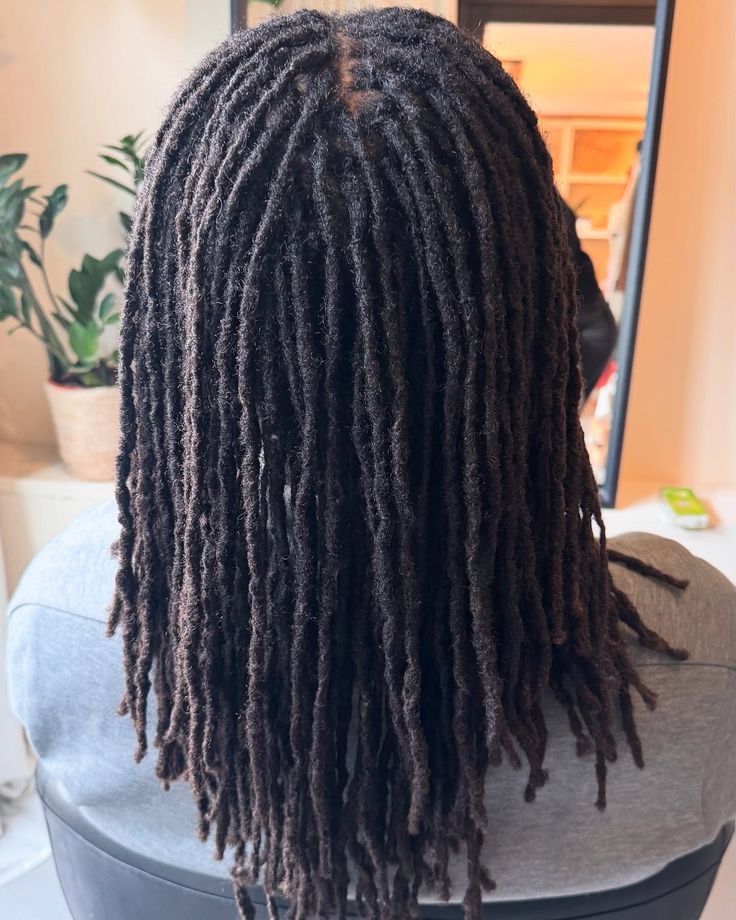
Ultimately, there’s no one-size-fits-all method. The best choice is the one that fits your hair’s current state and your lifestyle. No matter which method you choose, consistency and patience will play the biggest role in how well your locs form over time.
Should You Big Chop or Transition Slowly?
One of the toughest decisions when starting your loc journey is choosing between doing a big chop or transitioning slowly. For many people, this comes down to a real fear – “Am I ready to cut my hair, or should I hold on to my length a little longer?”
The big chop means cutting off all your relaxed ends and starting fresh with fully natural hair. One major advantage is that your locs will be more uniform from root to tip, which often leads to a neater appearance in the early stages. It can also help your locs lock faster, since there’s only one consistent texture to work with. If you want a clean slate and quicker results, this option can be very appealing.
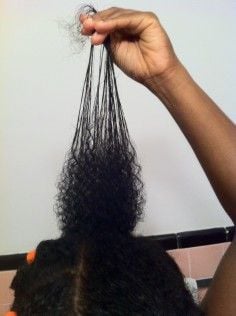
On the other hand, transitioning slowly allows you to keep your length while your natural hair grows in. This is ideal if you’re not emotionally ready to cut your hair or if you prefer a more gradual change. It gives you time to adjust to your new look while still holding onto some of your existing length.
You may need to see this: How to Prepare Your Hair Before Starting Locs
So, how do you decide? It really comes down to your lifestyle and confidence level. If you prefer simplicity, low maintenance, and a more uniform result, the big chop might be the better choice. But if keeping your length matters to you and you’re okay with a bit of unevenness in the beginning, transitioning slowly is just as valid. There’s no right or wrong option, just what works best for you.
How to Care for Your Locs During the Transition Phase
A major concern during this stage is how to keep your hair healthy without causing damage, especially when dealing with two different textures. The good news is that with the right routine, you can keep your locs strong, hydrated, and thriving.

Start by keeping your scalp clean. A consistent washing routine is essential, even in the early stages of locs. Clean hair locks better, and a healthy scalp supports proper growth. Be gentle when washing to avoid unraveling, especially if your ends are still relaxed.
When it comes to moisture, less is more. Focus on light moisturizing sprays or water-based products, followed by a small amount of oil to seal in hydration. This helps your locs stay soft and prevents dryness without causing buildup.
It’s also important to protect your relaxed ends, as they tend to be weaker than your natural roots. Be gentle when styling and avoid excessive pulling or tension that could lead to breakage.
Lastly, be mindful of product buildup. Heavy creams, waxes, and thick gels can sit on your locs and slow down the locking process. Stick to lightweight products that nourish your hair without weighing it down.
Common Mistakes to Avoid When Transitioning to Locs
When you’re new to locs, it’s easy to make mistakes that can slow down your progress or affect the health of your hair. Being aware of these common issues can save you a lot of frustration.
One of the biggest mistakes is using too much product. It might seem like more product equals better results, but in reality, it can lead to buildup and dull-looking locs. Keeping your routine simple is always better.
Another common issue is a lack of patience. Locs take time to form, especially when you’re transitioning from relaxed hair. Expecting instant results can lead to unnecessary stress or constant manipulation, which does more harm than good.
Speaking of that, over-manipulating your locs is something to avoid. Constantly retwisting, styling, or touching your hair can weaken it and slow down the locking process. Give your locs time to form naturally.
Finally, don’t ignore your relaxed ends. They are often the weakest part of your hair during this phase and need extra care. Neglecting them can lead to breakage, thinning, or uneven locs over time.
How Long Does It Take for Transitioning Hair to Fully Lock?
One of the most common frustrations is not knowing how long the process will take. It’s easy to become impatient, especially when your locs don’t look the way you expected right away.
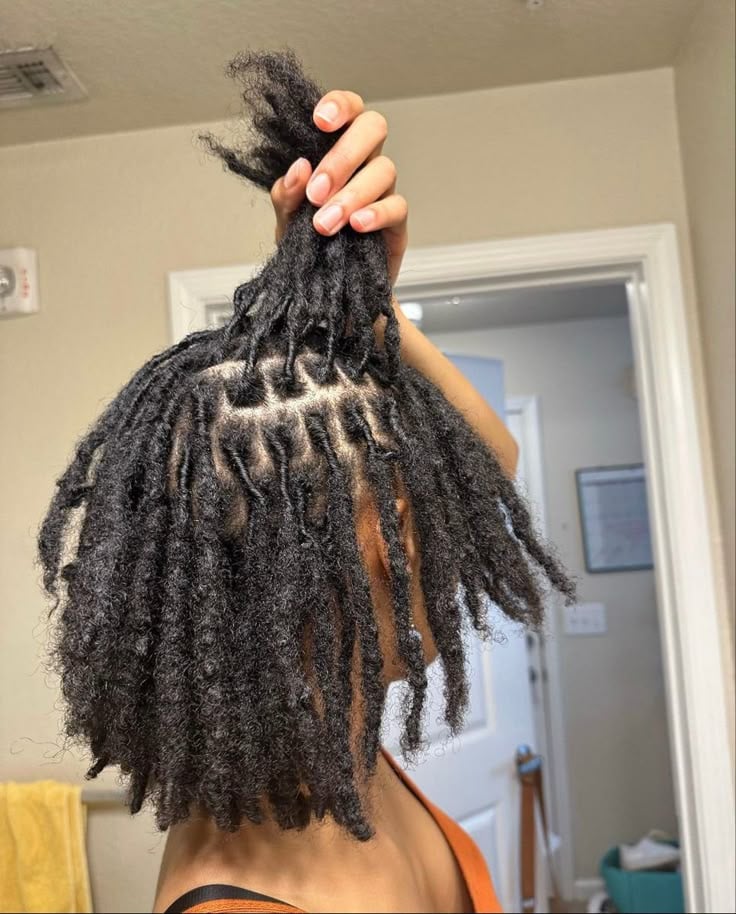
On average, it can take several months to over a year for transitioning hair to fully lock. Because you’re working with two textures, the process may be slower compared to starting on fully natural hair.
Pin this for reference: Do Comb Coils Lock Faster? Honest Truth from the First 90 Days
Several factors affect how quickly your locs form. Your hair type plays a big role, as coarser textures tend to lock faster than looser ones. The starter method you choose also matters – some methods hold better and encourage quicker locking. Your maintenance routine, including how often you wash, moisturize, and manipulate your hair, will also impact your progress.
The most important thing to understand is that patience is key. Locs develop in stages, and each phase is part of the journey. The more you allow your hair to naturally evolve without rushing the process, the better your final results will be.
How to Maintain a Neat Look While Your Locs Are Forming
One of the biggest concerns during the early stages is, “I don’t want to look unkempt.” This is completely valid, especially when your locs are still forming and may not look as polished as you’d like. The good news is that you can still maintain a neat, put-together appearance with a few simple strategies.
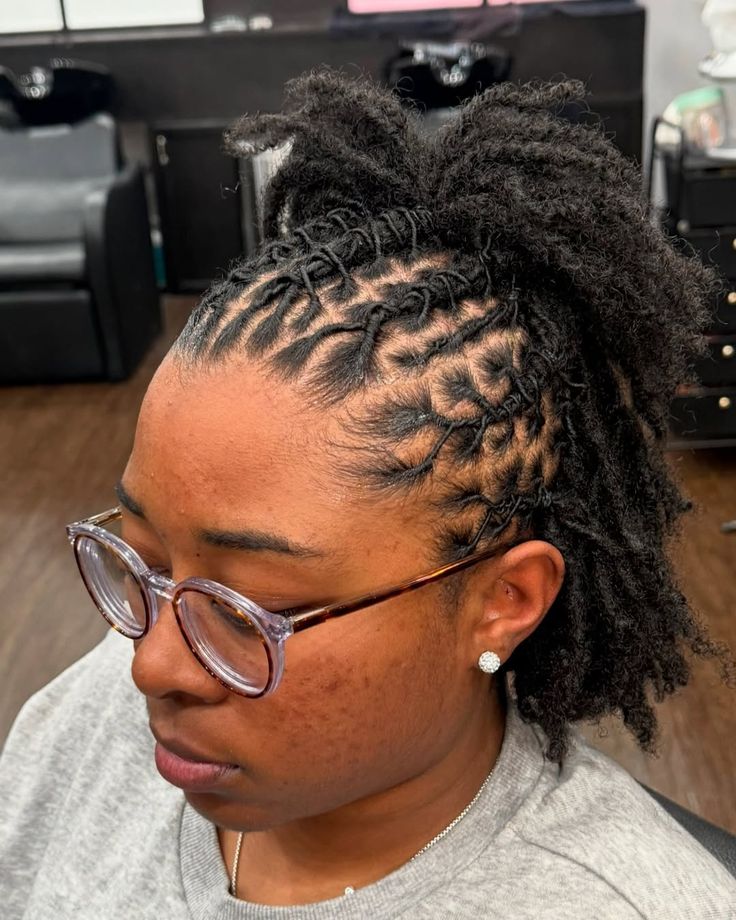
Start with simple, low-manipulation styles like buns, updos, or even wrapping your hair with scarves and headwraps. These styles help keep your locs in place while giving you a clean and intentional look without disturbing the locking process.
When it comes to maintenance, it’s important to find a balance between retwisting and over-styling. Retwisting can help your roots look neat, but doing it too often can cause tension and weaken your hair. Stick to a moderate schedule and avoid constantly restyling your locs just to “fix” how they look.
Most importantly, embrace what’s often called the “awkward stage.” This phase is temporary, and it’s a natural part of the journey. Keeping your locs clean, moisturized, and simply styled will help you maintain a polished appearance while they mature. Over time, your locs will settle and become more defined.
Check this guide: Beginner-Friendly Loc Styles for Work and School
When and How to Trim Off Relaxed Ends
Letting go of your relaxed ends can be one of the hardest parts of transitioning. Many people aren’t sure when to cut or whether they should do it all at once or gradually.
There are a few clear signs that it may be time to trim your relaxed ends. If you notice excessive breakage, thinning, or your ends refusing to hold the loc structure, it’s a good indication that they’re no longer serving your hair. Another sign is when your natural hair has grown enough that the difference in texture becomes more noticeable and harder to manage.
You have two main options: gradual trimming or a one-time cut. Gradual trimming allows you to slowly remove the relaxed ends over time, which can feel less drastic and helps you hold onto your length a bit longer. A one-time cut, on the other hand, removes all the relaxed hair at once, giving your locs a more uniform look immediately.
Trimming your relaxed ends ultimately helps improve loc uniformity and overall appearance. Once those ends are gone, your locs tend to look fuller, more consistent, and easier to maintain.
Check this out too: How to Tell If Your Starter Locs Are Healthy
Is Transitioning to Locs Worth It?
Transitioning from relaxed hair to locs is a journey that requires patience, care, and a bit of trust in the process. There may be moments of doubt, especially in the early stages, but staying consistent makes all the difference.
It’s important to remember that this journey is completely personal. Whether you choose to big chop or transition slowly, whether your locs form quickly or take time, your experience is unique to you.
In the end, healthy, well-formed locs don’t happen overnight but they are absolutely worth it. With the right mindset and proper care, you’ll not only grow beautiful locs but also build confidence in embracing your natural hair every step of the way.
FAQs (Answer Real Search Queries)
Can relaxed hair lock naturally?
Yes, relaxed hair can lock, but it usually takes longer compared to natural hair. Locs form through matting and tangling, and while all hair types can eventually do this, relaxed ends are smoother and less likely to knot quickly. That’s why you may notice your roots locking faster than your ends. With time and proper care, your hair will still form locs successfully.
Will my locs be uneven if I transition?
When learning how to transition from relaxed hair to locs, it’s normal to notice some unevenness at the beginning. This happens because your hair has two different textures, your natural roots will coil and form locs, while the relaxed ends stay straighter. As your locs move through the early budding stage, they may look fuzzy, loose, or slightly uneven, which is completely part of the process. Over time, as your locs mature and you gradually trim off the relaxed ends, they will become more consistent and uniform in appearance.
How do I stop my ends from unraveling?
Unraveling is very common, especially at the beginning. It happens because your hair naturally tries to return to its original pattern. To manage it:
- Braid or twist the ends for extra hold
- Retwist loose sections gently when needed
- Avoid over-manipulating your hair
- Be patient – unraveling is part of the process
Is transitioning better than doing a big chop?
Neither option is better; it depends on your preference. Transitioning allows you to keep your length, while a big chop gives you a more uniform look and faster locking. The best choice is the one that fits your comfort level, lifestyle, and confidence.
Can I color my hair while transitioning?
Yes, but it’s best to be cautious. Your hair is more fragile during this phase, especially with relaxed ends still present. If you choose to color, go for gentle methods and ensure your hair is well-moisturized to prevent dryness and breakage.
How often should I wash transitioning locs?
You should still wash your locs regularly to maintain a healthy scalp. Most experts recommend washing every 2–3 weeks for starter locs. Washing too often can cause unraveling, but not washing enough can lead to buildup and irritation. Clean hair actually supports the locking process.
What products should I avoid?
Avoid heavy products like thick creams, waxes, and greasy gels. These can cause buildup and make your locs look dull. Using too much product is a common mistake that can weaken your locs over time (Locs Life). Stick to lightweight oils and water-based sprays instead.
Will my locs be thinner because of relaxed ends?
Not necessarily. While relaxed ends may appear thinner or weaker at first, your locs can thicken over time as shed hair becomes trapped inside the loc structure, making them denser and stronger. Proper care plays a big role in maintaining fullness.
Can I retwist mixed textures easily?
Retwisting mixed textures can be a bit tricky, but it’s definitely manageable. Your natural roots will hold the twist better than your relaxed ends, so you may need to be gentle and consistent. Avoid retwisting too often, as excessive tension can lead to thinning or breakage.
How do I keep my locs from looking messy?
Keeping your locs neat during the early stages comes down to simple habits:
- Stick to low-manipulation styles like buns or updos
- Retwist occasionally (not too often)
- Keep your locs clean and moisturized
- Use scarves or wraps for a polished look
Also, remember that some frizz and looseness are part of the journey, locs don’t look perfect right away, and that’s completely normal.
Transitioning from relaxed hair to locs is a journey that comes with questions, doubts, and a learning curve but it’s also incredibly rewarding. Every stage, from the early frizz to the fully matured locs, plays a role in shaping your final look.
The most important thing is to stay patient and consistent. Your locs may not look perfect in the beginning, but with proper care, they will grow stronger, healthier, and more defined over time.
Remember, this journey is completely personal. Whether you choose to transition slowly or go for a big chop, what matters most is that it feels right for you. In the end, healthy, well-maintained locs are always worth the time, effort, and trust you put into the process.


2 Comments