
Sisterlocks on 4C Hair: What Works Best and What to Avoid for Healthy, Long-Lasting Locs
Disclosure: Some of the links in this post are affiliate links. This means if you click on the link and purchase an item, I will receive an affiliate commission at no extra cost to you. All opinions remain my own. I only recommend products or services I believe will add value to my readers.
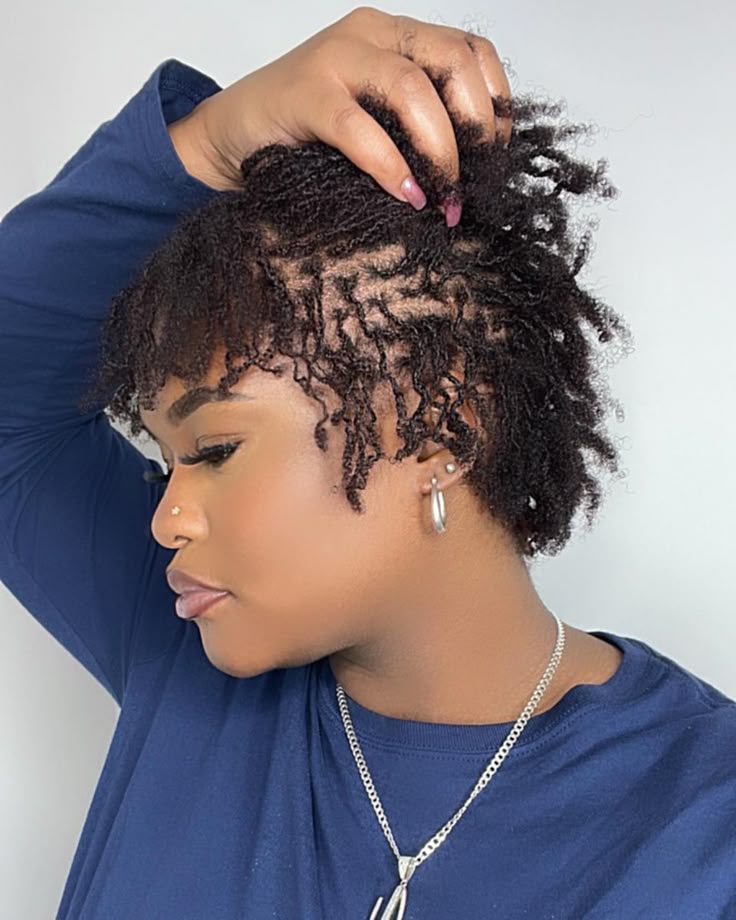
Sisterlocks on 4C hair are beautiful, versatile, and very strong, especially when they’re cared for the right way. However, they are also one of the most misunderstood types of hair in the natural hair and loc community. Many people approach Sisterlocks on 4C hair with fear, misinformation, or expectations that not real which often leads to unnecessary damage, frustration, or premature regret.
Read this: Common Mistakes To Avoid When Locking Your Hair
Some people believe 4C hair is too fragile for Sisterlocks, while others assume it will lock instantly and will require no maintenance. The truth lies somewhere in between. 4C hair is actually one of the best textures for Sisterlocks, but only when you understand what works for it and, more importantly, what to avoid
In this detailed guide, we’ll break down everything you need to know about Sisterlocks on 4C hair, including the best practices, common mistakes, product guidance, maintenance routines, and lifestyle habits that support strong, healthy locs over time
If you have 4C natural hair and you’re considering Sisterlocks or you already have them, this post will help you care for your locs the right way.
This sisterlocks guide is for you: How to Start Sisterlocks on Natural Hair (Beginner-Friendly Guide)
Understanding 4C Hair and Why It Matters for Sisterlocks

Before discussing hair care routines, it’s important to understand the nature of 4C hair and how it behaves in a Sisterlocks journey.
4C hair is characterised by:
Tight coils and zig-zag patterns
Significant shrinkage
High density but fine individual strands
A tendency toward dryness
These qualities directly influence how Sisterlocks form, mature, and respond to maintenance.
Bookmark this: Everything you need to know before starting your locs journey
Why 4C Hair Works Well for Sisterlocks
Despite popular myths, 4C hair actually interlocks more easily than other hair textures that are more loose. This is because of its natural coil pattern. This allows Sisterlocks to grip, compact, and mature efficiently when cared for properly.
Benefits of Sisterlocks on 4C hair include:
Faster locking compared to looser textures
Fuller appearance due to natural density
Stronger loc structure over time
Better root stability
However, these benefits only show when the right practices are followed.
Don’t skip this: What Are Sisterlocks? Everything Beginners Need to Know
What Works Best for Sisterlocks on 4C Hair

@Monique at An Unstoppable Journey
1. Prioritising Scalp Health from Day One
Healthy Sisterlocks start at the scalp, and this is especially important for 4C hair, which is naturally prone to dryness.
A neglected scalp can lead to:
Persistent itching
Flakes trapped inside locs
Come back to this: How to get rid of lints in your locs
Odour
Weak or thinning roots
Best Scalp Care Practices for Sisterlocks on 4C Hair
Wash regularly with a residue-free shampoo
Rinse thoroughly to prevent product buildup
Ensure locs dry completely after every wash
Clean hair locks better, grows better, and smells better. Skipping washes out of fear does more harm than good.
Recommended for you: How to Care for Your Locs the Right Way: A Complete Guide for Healthy, Long-Lasting Locs
2. Water-Based Moisture Is Non-Negotiable
One of the biggest mistakes people make with 4C Sisterlocks is relying on oil alone for moisture.
Here’s the truth: oil does not moisturize hair. Water does.
Proper Moisture Routine for 4C Sisterlocks
Lightly mist locs with water or a water-based spray
Seal lightly with oils such as:
Focus on consistency, not quantity
Your locs should feel soft and flexible, not greasy or coated.
3. Maintaining a Proper Retightening Schedule
Retightening plays a key role in Sisterlocks maintenance, but overdoing it is one of the fastest ways to damage 4C hair.
Recommended Retightening Frequency
Every 6–8 weeks, depending on growth rate and hair density
Signs You’re Retightening Too Often
Thinning roots
Scalp soreness
Weak or receding edges
4C hair may be dense, but the strands themselves are often fine. They need rest between retightenings to remain strong.
More on retightening: How to maintain your locs between retightening
4. Night Protection for Moisture Retention and Lint Prevention
4C hair loses moisture quickly, and friction worsens the problem.
What Works Best at Night
Loose styles to reduce tension
Night protection:
Preserves moisture
Prevents breakage
Reduces lint buildup
This habit alone can dramatically improve loc health over time.
5. Keeping Styling Simple and Low-Tension
Sisterlocks thrive when manipulation is minimal.
Low-tension styling options include:
Loose ponytails
Simple updos
Leaving locs down
Protective styling should never feel tight or painful. Tension weakens the root and compromises long-term density.
Common mistakes to Avoid with Sisterlocks on 4C Hair

Understanding what not to do is just as important as knowing what works.
1. Heavy Products and Thick Butters
This is one of the most damaging mistakes Sisterlocks wearers with 4C hair make.
Avoid:
Shea butter
Hair grease
Thick creams
Wax
Petroleum-based products
Why Heavy Products Are Harmful
They cause internal buildup
Check this out: How to get rid of dandruff in your locs
They attract lint
They lead to odour
They are difficult to remove once trapped
Once buildup gets inside Sisterlocks, especially microlocs, it often requires professional detoxing.
2. Over-Manipulation and Excessive Styling
Constant touching, twisting, or styling weakens 4C strands over time.
Avoid:
Tight updos
Frequent re-parting
Constant separating of locs
Sisterlocks grow best when left alone.
https://ohyealocs.com/easy-ways-to-style-your-locs/This guide will save you: 15 ways style your locs – no accessories needed
3. Skipping Washes Due to Fear of Unraveling
Many people avoid washing starter Sisterlocks because they fear unraveling.
The truth is:
Dirty hair delays locking
Buildup weakens roots
Odour becomes trapped
When washed correctly, Sisterlocks on 4C hair actually lock better.
4. Comparing Your Sisterlocks Journey to Others
4C Sisterlocks will not look like 3C or 4A Sisterlocks and they shouldn’t.
Comparison often leads to:
Over-manipulation
Unnecessary product use
Frustration and regret
Every head of hair locks differently. Your journey is valid.
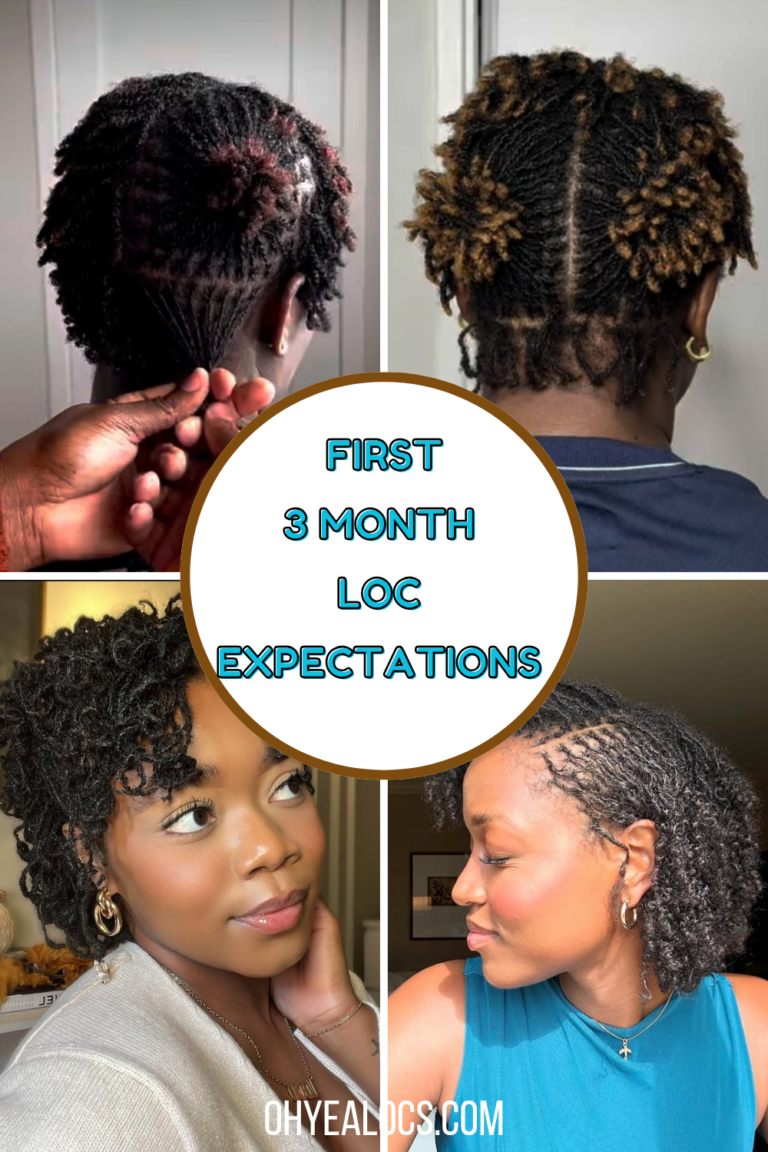
How Long Does It Take for Sisterlocks on 4C Hair to Mature?

On average, Sisterlocks on 4C hair take 12–24 months to fully mature.
Factors that affect maturity include:
Hair density
Installation technique
Maintenance routine
Product usage
Frizz, swelling, and unevenness during this period are completely normal.
Lifestyle Habits That Support Healthy Sisterlocks on 4C Hair
Hair health goes beyond products.
Key Lifestyle Factors
Adequate hydration
Balanced diet rich in protein and vitamins
Proper sleep
Stress management
Healthy habits support stronger roots and better growth.
See More: Starter Sisterlocks: What to Expect in the First 6 Months
Common Myths About Sisterlocks on 4C Hair
Myth: 4C hair is too fragile for Sisterlocks
Truth: With proper care, it’s one of the strongest textures for locs
Myth: Sisterlocks don’t need washing
Truth: Clean hair locks and grows better
Myth: More products equal healthier locs
Truth: Simplicity produces the best results
Final Thoughts
Sisterlocks on 4C hair are not difficult, they are intentional. When you prioritise scalp health, use lightweight moisture, avoid heavy products, and respect your hair’s natural process, your locs flourish.
4C hair does not need fixing.
It needs understanding.
When cared for properly, Sisterlocks on 4C hair reward you with fullness, strength, and longevity.
If you liked this, see this: How to Start Sisterlocks on Natural Hair (Beginner-Friendly Guide)
Frequently Asked Questions About Sisterlocks on 4C Hair
1. Are Sisterlocks suitable for 4C hair?
Yes. Sisterlocks are highly suitable for 4C hair. In fact, 4C hair’s tight coil pattern allows Sisterlocks to interlock and mature more efficiently than looser textures. When properly installed and maintained, Sisterlocks on 4C hair are strong, full, and long-lasting.
2. Do Sisterlocks lock faster on 4C hair?
Generally, yes. Sisterlocks tend to lock faster on 4C hair because of its natural coily structure. However, locking speed still depends on factors such as maintenance routine, washing habits, and how much manipulation the hair receives.
3. How often should I wash Sisterlocks on 4C hair?
You should wash Sisterlocks on 4C hair every 1–3 weeks, depending on your lifestyle and scalp condition. Regular washing keeps the scalp clean, prevents buildup, and supports healthy locking. Washing does not stop Sisterlocks from forming when done correctly.
4. What products are best for Sisterlocks on 4C hair?
The best products for Sisterlocks on 4C hair are lightweight and residue-free. These include:
Lightweight oils like jojoba, grapeseed, sweet almond, or argan oil
Avoid heavy creams, butters, waxes, and petroleum-based products, as they cause buildup inside the locs.
5. Can I oil my Sisterlocks every day?
Oiling daily is usually unnecessary. Oil should be used to seal in moisture, not replace it. If your locs feel dry, lightly mist with water first, then apply a small amount of oil. Over-oiling can lead to buildup and attract lint.
6. Why do my Sisterlocks feel dry even when I use oil?
If your Sisterlocks feel dry despite using oil, it likely means they are lacking water-based moisture. Oil alone does not hydrate hair. Always apply water or a water-based spray first, then seal with oil.
7. How often should Sisterlocks on 4C hair be retightened?
Most people with 4C hair retighten Sisterlocks every 6–8 weeks. Retightening too frequently can cause thinning, scalp soreness, and weakened roots. Allowing enough time between retightenings helps preserve loc strength.
8. Is frizz normal with Sisterlocks on 4C hair?
Yes. Frizz is completely normal, especially during the first 12–18 months. Frizz indicates that the hair is expanding and locking naturally. Trying to eliminate frizz too early often leads to over-manipulation and damage.
9. Can Sisterlocks on 4C hair become thin over time?
Sisterlocks only become thin when there is excessive tension, over-retightening, or poor maintenance. With proper care, minimal manipulation, and a healthy scalp routine, Sisterlocks on 4C hair remain strong and full.
10. How long does it take for Sisterlocks on 4C hair to fully mature?
Sisterlocks on 4C hair typically take 12–24 months to fully mature. During this period, frizz, swelling, and unevenness are normal and part of the locking process.
11. What causes buildup in Sisterlocks on 4C hair?
Buildup is usually caused by:
Heavy products (butters, creams, waxes)
Infrequent washing
Poor rinsing
Product layering
Keeping your routine simple and lightweight is the best way to prevent buildup.
12. Is lint in Sisterlocks normal?
Lint is common but preventable. It often comes from cotton fabrics, fuzzy clothing, dusty environments, or product residue. Using satin or silk coverings, limiting product use, and covering locs in dusty areas helps reduce lint over time.
13. Can I colour or dye my Sisterlocks on 4C hair?
Colouring Sisterlocks is possible, but it should be done cautiously and preferably by a professional. Chemical dyes can weaken the hair if not handled properly. Always prioritise the health of your locs over aesthetics






One Comment