
How to Stop Itchy Scalp With Locs
Disclosure: Some of the links in this post are affiliate links. This means if you click on the link and purchase an item, I will receive an affiliate commission at no extra cost to you. All opinions remain my own. I only recommend products or services I believe will add value to my readers.
There is nothing more frustrating than getting comfortable with your locs, only to feel that familiar itch spreading across your scalp.
At first, you may ignore it and hope it goes away, but constant scratching can quickly become annoying.
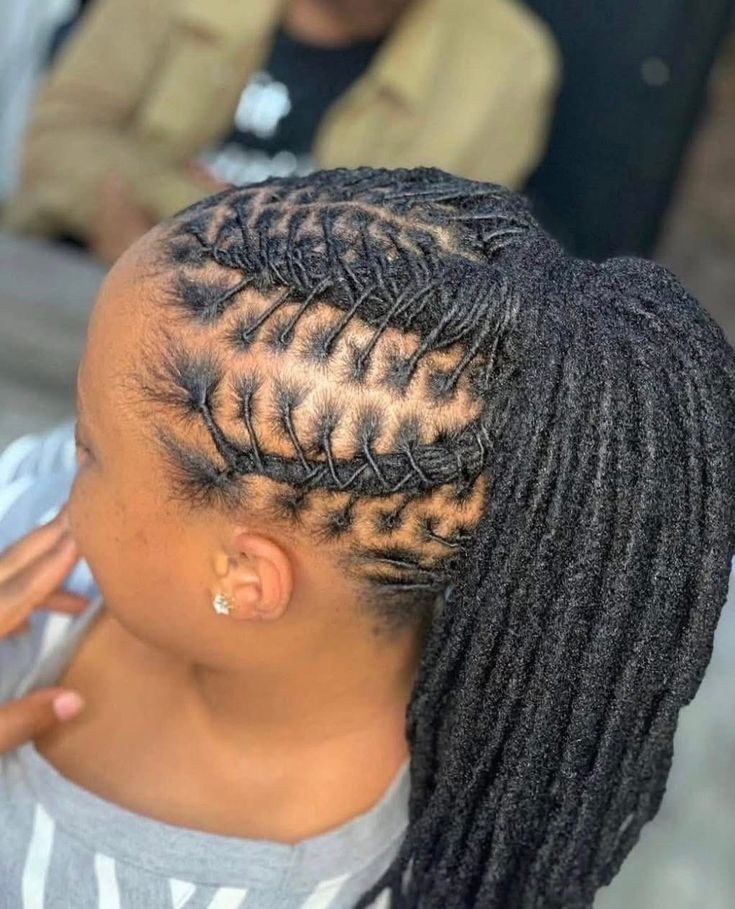
If you keep touching your scalp throughout the day or wake up wanting to scratch your head, you are probably wondering How to Stop Itchy Scalp With Locs without damaging your locs.
An itchy scalp does not always mean something is seriously wrong, but it can be a sign that your scalp needs more attention.
Several things can cause an itchy scalp when you have locs. Sweat, dryness, product buildup, dandruff, infrequent washing, and tight hairstyles can all leave your scalp feeling irritated.
That is why learning How to Keep Your Scalp Healthy With Locs can become an important part of your regular loc-care routine.
You may also find it helpful to learn How to Get Rid of Dandruff in Your Locs if flakes and persistent itching are happening together. Your goal should not be to cover the itch with more products.
Instead, you want to understand what your scalp needs and make simple changes that help it feel clean, comfortable, and balanced.
The good news is that you do not have to accept an itchy scalp as part of having locs. Small changes to how you wash, moisturize, style, and protect your scalp can make a noticeable difference.
You also do not need a complicated routine filled with expensive products. In this guide, we will walk through practical ways to calm an itchy scalp, prevent the problem from coming back, and keep your locs healthy at the same time.
If the itching becomes severe, painful, develops sores, or continues despite proper care, consider speaking with a dermatologist.
1. Start With a Clean Scalp
One of the first things to look at when dealing with an itchy scalp is your washing routine.
When you have locs, it can be tempting to avoid washing your hair too often because you worry about frizz, unraveling, or losing the neat appearance of your locs.
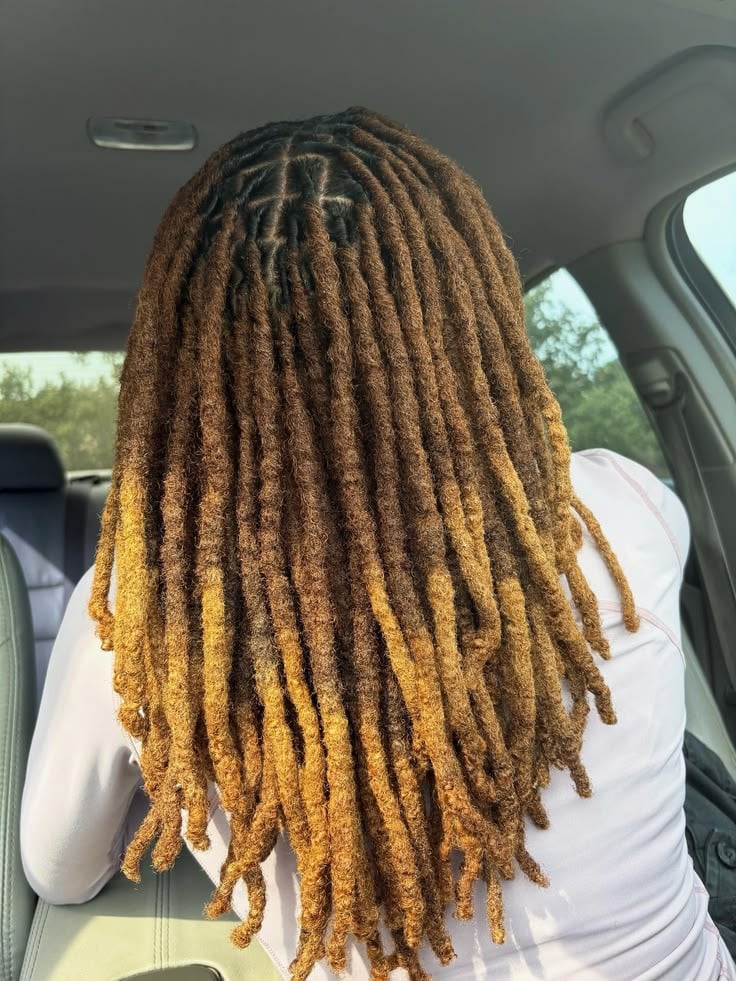
However, your scalp still needs regular cleansing. Sweat, natural oils, dust, dead skin, and hair products can collect around your roots and leave your scalp feeling uncomfortable.
If you constantly scratch your head but cannot remember the last time you properly cleansed your scalp, it may be time to rethink your routine. A clean scalp gives you a better starting point for managing irritation and keeping your locs fresh.
You do not need to scrub your scalp aggressively to make it clean. In fact, harsh scratching can make an already irritated scalp feel worse. Instead, gently massage your cleanser into the scalp using your fingertips.
Pay attention to the areas around your roots, hairline, crown, and the back of your head because these areas can collect sweat easily.
Allow the cleanser to reach the scalp instead of focusing all your attention on the length of your locs.
If you are still learning how to wash your hair without disturbing your locs, following a gentle routine like How to Wash Starter Locs Without Unravelling Them can give you a useful starting point.
The most important thing is consistency. Washing only after your scalp becomes extremely itchy may leave you constantly playing catch-up. Your scalp care should become part of your normal loc maintenance instead.
How often you need to wash can depend on your lifestyle, scalp, environment, and product use. Someone who exercises frequently may need a different routine from someone who spends most of the day indoors.
The goal is to keep your scalp reasonably clean without constantly stripping it. Once you find a routine that leaves your scalp comfortable instead of tight and irritated, stick with it and adjust when your needs change.
2. Do Not Cover Itchy Scalp With More Product
When your scalp starts itching, your first instinct might be to reach for oil, scalp spray, gel, or another product.
Sometimes that can make the problem feel better temporarily, but adding more product without understanding the cause can create another problem. Heavy layers can sit around the roots and contribute to buildup.

Then you may wash your hair, add more product, experience more itching, and find yourself stuck in the same cycle. If your scalp feels coated rather than refreshed, it may be time to simplify your routine.
Pay attention to what happens after you use a particular product. Does your scalp start itching within hours? Does it feel hot, tight, or uncomfortable? Do you notice more flakes after using it?
These observations can help you identify products that your scalp does not seem to tolerate well. You do not need a bathroom shelf full of products to maintain healthy locs.
Sometimes, a simpler routine is easier to manage because you can clearly see what is working and what is not.
If you want to explore products specifically designed for loc maintenance, you can also look through 15 Best Products for Locs That Actually Make Maintenance Easier.
The goal is not to buy everything on the list. Instead, think about what your scalp and locs actually need. A product should have a purpose in your routine rather than being added simply because someone online recommended it.
3. Be Careful With Oils
Oils can be useful in a loc-care routine, but more oil does not automatically mean a healthier scalp. One of the easiest mistakes to make is applying oil every time your scalp feels itchy.
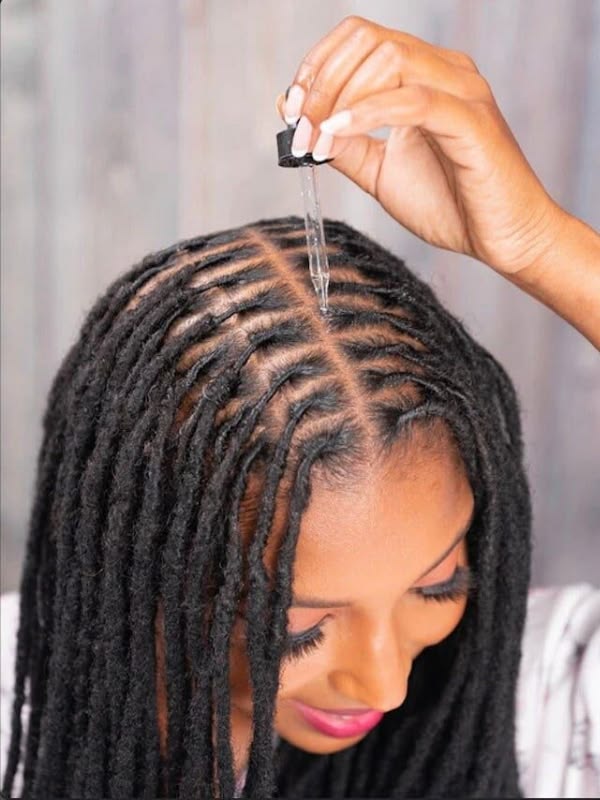
If dryness is actually causing the discomfort, a suitable lightweight product may help. But if buildup, irritation, or another issue is behind the itching, repeatedly adding oil may not solve the underlying problem.
Start by using a small amount rather than soaking your scalp. Apply it carefully to the areas that actually need attention instead of pouring oil throughout your hair.
Your scalp should not feel greasy immediately after application. If your locs and scalp remain heavily coated for days, reconsider how much you are using.
You can also learn more about choosing suitable options in Best Oils for Loc Scalp Health, especially if you are trying to create a simple scalp-care routine.
Remember that everyone’s scalp can react differently to oils. Something that feels wonderful on one person’s scalp may feel heavy or irritating on another person’s scalp.
If you notice that a particular oil consistently makes your itching worse, stop using it and observe how your scalp responds. You do not need to force a product into your routine simply because it is considered popular for locs.
4. Give Your Scalp Enough Moisture
Dryness is another issue that can make your scalp feel itchy. This can become especially noticeable when the weather is dry, when you spend lots of time in air-conditioned spaces, or when your hair routine leaves your scalp feeling stripped.
The answer is not necessarily to flood your scalp with water or heavy creams. Instead, focus on finding a manageable moisturizing routine that does not leave excessive residue behind.
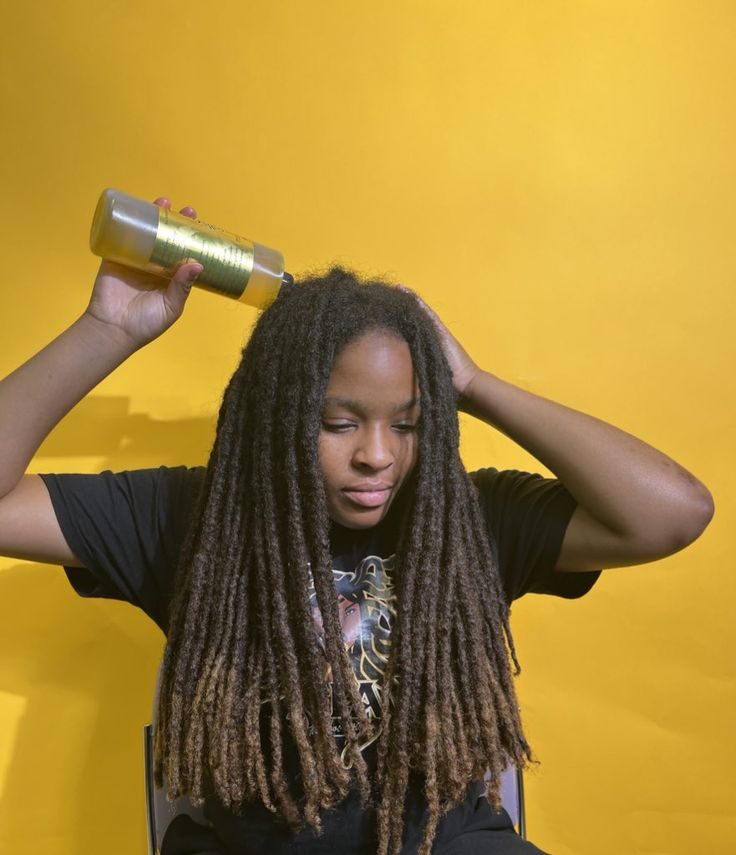
A light mist can sometimes feel more comfortable than thick products, especially when you have mature locs. Give your scalp and locs time to absorb moisture rather than immediately layering another product on top.
If you are unsure how often to moisturize, How Often Should You Moisturize Locs? can help you think about your routine more carefully.
Your scalp can tell you a lot. If it feels comfortable and your locs are not constantly coated with residue, you may already be close to the right balance.
You should also avoid confusing moisture with oil. Oil can help reduce dryness for some people, but it does not replace proper cleansing or automatically fix an irritated scalp. Think about your routine as a whole.
Cleanse when needed, moisturize appropriately, avoid unnecessary buildup, and observe how your scalp responds.
5. Look at Your Retwist Routine
Sometimes the problem is not what you are putting on your scalp. It may be what is happening to your roots during maintenance.
A retwist that feels extremely tight can leave your scalp feeling uncomfortable, tender, or irritated.
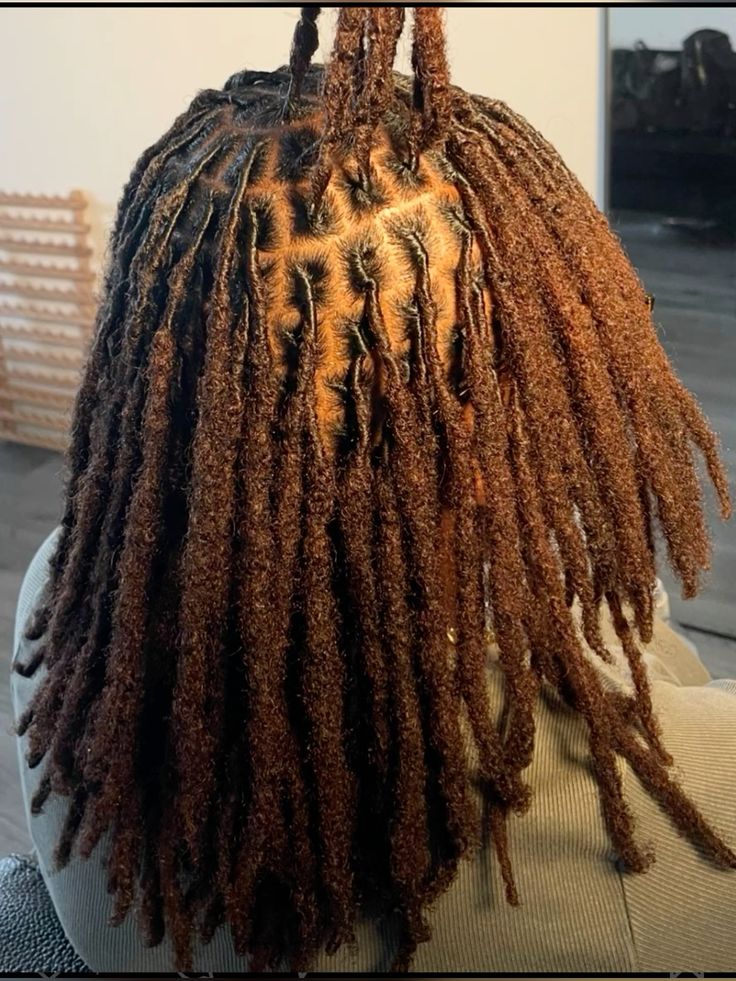
If you regularly experience itching immediately after a retwist, pay attention to the timing. Your scalp should not have to hurt simply because you wanted your locs to look neat.
Your maintenance schedule also matters. Constantly manipulating your roots can put unnecessary stress on your scalp.
If you notice that your scalp feels sensitive after frequent retwisting, consider giving it more time between sessions.
You can explore How to Retwist Locs Without Causing Breakage to learn more about keeping your maintenance routine gentler. A neat appearance should not come at the expense of your comfort.
You should also pay attention to the hairstyles you wear between retwists. Pulling your locs into the same tight style repeatedly can create tension around certain areas.
Give your roots opportunities to relax by choosing looser hairstyles when possible. Your locs can still look beautiful without being pulled tightly every day.
6. Avoid Constant Scratching
When your scalp itches, scratching feels like the quickest solution. Unfortunately, constantly scratching can turn into a frustrating cycle. The more irritated your scalp becomes, the more you want to scratch it.
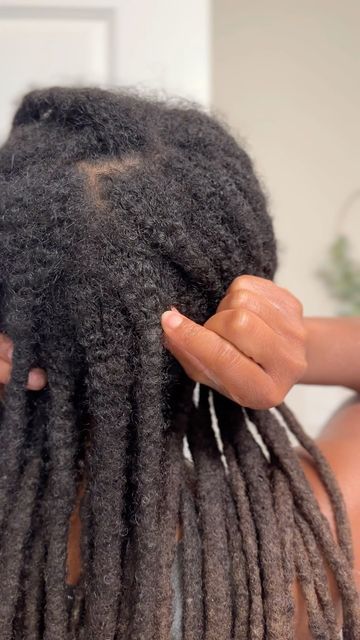
Scratching with your fingernails can also be rough on sensitive skin. Instead of digging into your scalp, try gently massaging it with your fingertips when you need relief.
Keep your nails clean and trimmed if you find yourself scratching frequently. You may also notice that you scratch more when you are stressed, tired, or simply thinking about the itch.
Becoming aware of this habit can help you stop touching your scalp automatically. If you feel an urge to scratch, gently press or massage the area instead.
If the itching is accompanied by sores, significant redness, swelling, bleeding, or persistent pain, do not keep experimenting with home remedies. Those symptoms deserve professional attention.
An itchy scalp can have several possible causes, and persistent symptoms may require a dermatologist to determine what is happening.
7. Keep Sweat From Sitting on Your Scalp
Sweat can be especially noticeable when you exercise regularly or live in a warm environment.
If you wear locs, moisture from sweat can remain around your scalp and roots for longer than you expect. This does not mean you should stop exercising. Instead, think about what happens after your workout.
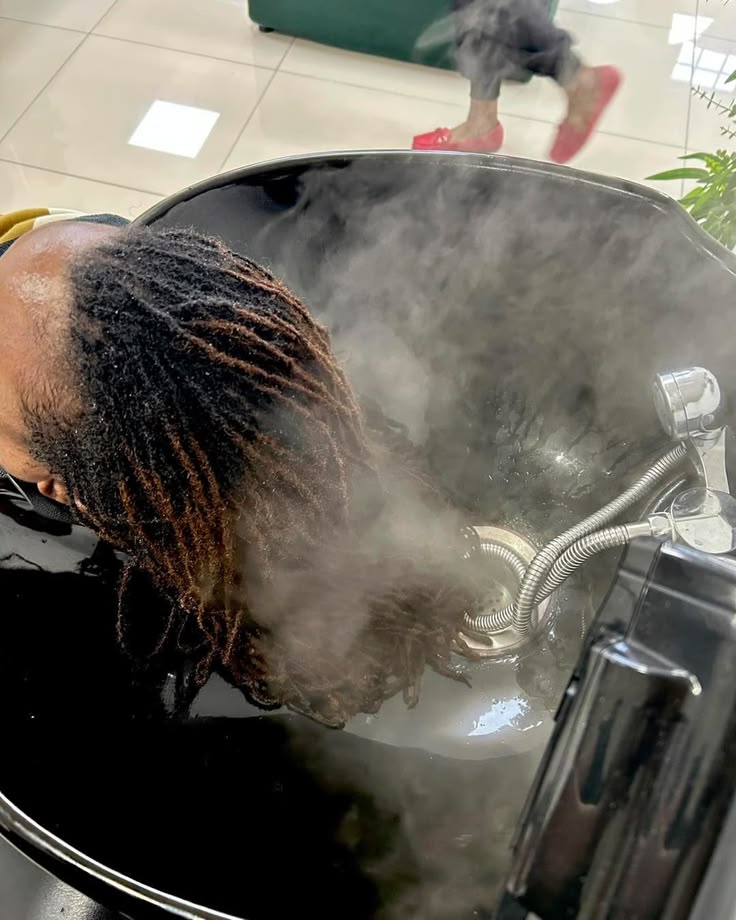
Allowing sweat to remain on your scalp for long periods can make you feel uncomfortable. If you exercise often, build scalp cleansing into your overall routine rather than waiting until your scalp becomes extremely itchy.
You can also look at Gym-Friendly Loc Styles for ways to keep your locs manageable while staying active. Choose styles that do not pull tightly on your hairline or create unnecessary pressure around your roots.
After exercising, give your scalp an opportunity to dry properly. Avoid immediately covering damp, sweaty locs for extended periods. Keeping your scalp comfortable after workouts can make your overall loc routine much easier to manage.
8. Protect Your Locs While Sleeping
Your nighttime routine can also affect how your scalp feels in the morning.
Sleeping with your locs loose against rough bedding can create friction, while tying them too tightly can create tension around your roots. Either situation may leave you waking up with discomfort.
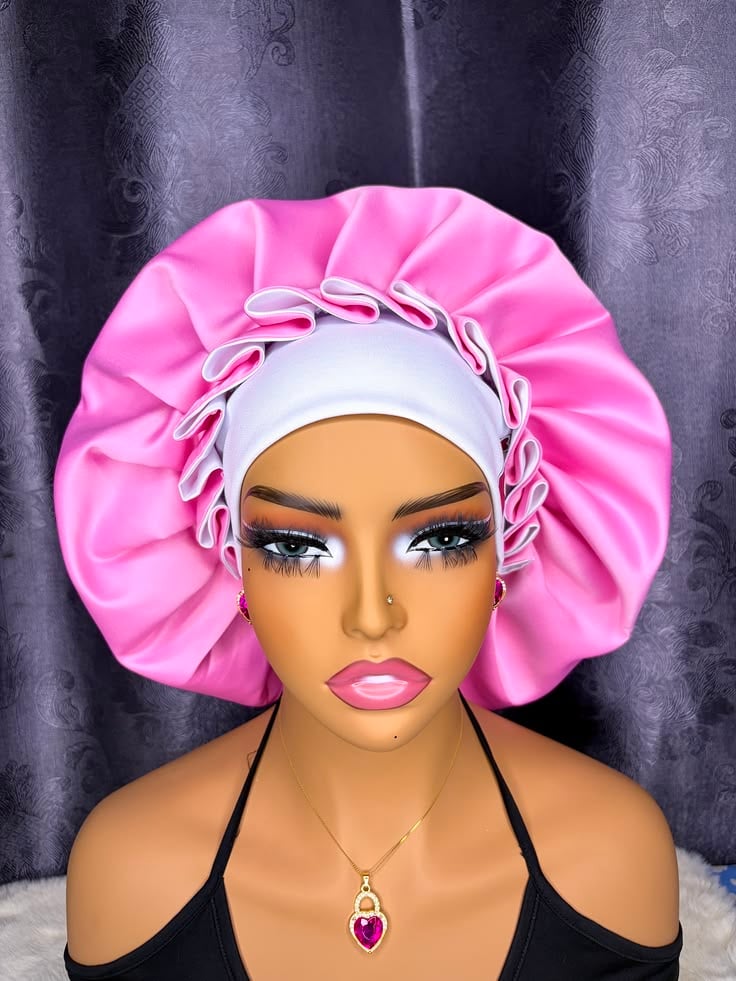
A satin or similar smooth covering can help reduce friction while you sleep. You can also choose a comfortable method of gathering your locs without pulling them tightly.
If you often wake up with flattened or uncomfortable locs, How to Sleep With Locs Without Damaging Them can help you create a more protective nighttime routine.
Your sleeping routine should feel comfortable rather than restrictive. If your scarf or bonnet leaves pressure marks around your hairline, loosen it or try another method.
The purpose of nighttime protection is to protect your locs, not create another source of scalp discomfort.
9. Pay Attention to Your Scalp in Different Seasons
Your scalp may not behave exactly the same throughout the year. Changes in temperature, humidity, sweating, and your daily routine can affect how your scalp feels.
You might experience more dryness during one period and more sweating during another.
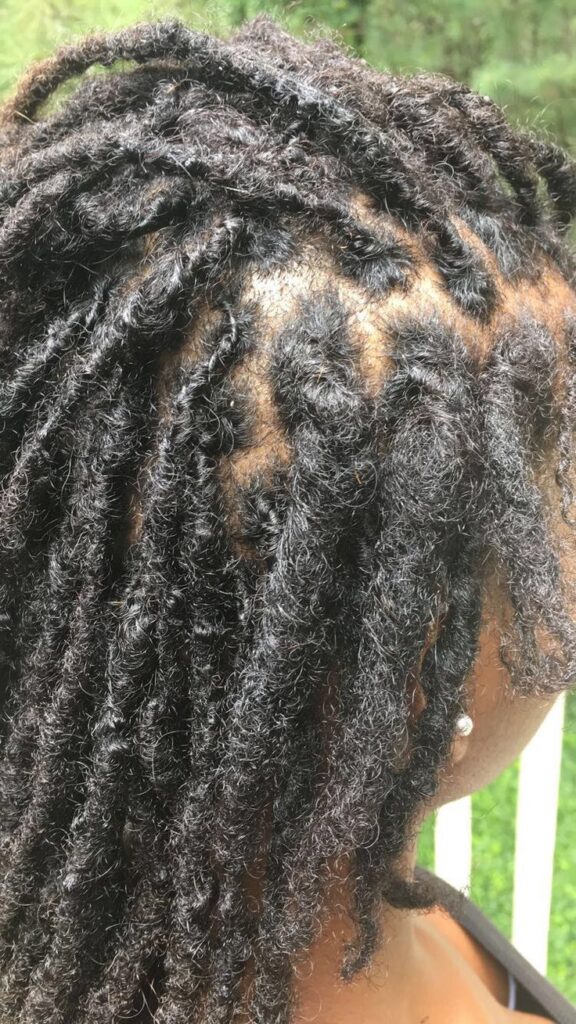
During colder or drier periods, your scalp may need more attention to moisture. During hotter months, cleansing and sweat management may become more important.
You can adapt your routine instead of using exactly the same approach throughout the year. 15 Ways to Protect Your Locs in Summer offers useful ideas for managing locs when heat and sweat become bigger concerns.
The key is to observe your scalp instead of following a rigid routine simply because it worked months ago. Your hair and scalp can change with your environment, lifestyle, and loc maturity.
10. Do Not Ignore Dandruff and Flaking
If your itchy scalp comes with visible flakes, you should pay closer attention. Dry scalp and dandruff are not necessarily the same thing, so simply adding oil may not address the actual cause.
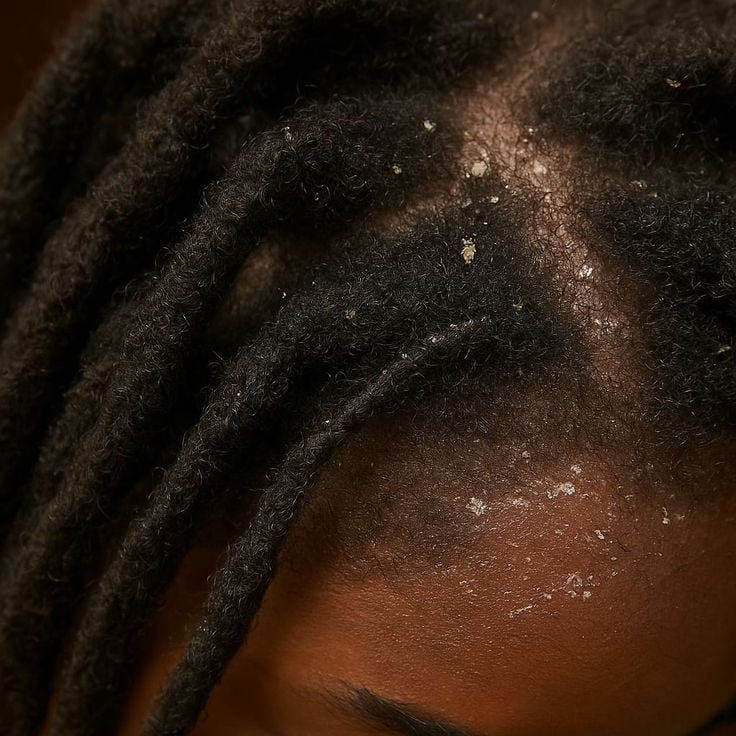
Heavy flaking that keeps returning deserves more attention than occasional dryness.
Keep your scalp clean and avoid piling products over visible flakes. Trying to hide the problem beneath oil or styling products can make it harder to understand what is happening.
Since your locs can make scalp care more challenging, be intentional about cleansing around the roots.
If you already struggle with persistent flakes, you can refer back to How to Get Rid of Dandruff in Your Locs for a more focused approach.
If your symptoms continue or become severe, professional advice is a better option than repeatedly changing products.
11. Be Careful With Protective Styles
Protective styling can make your locs look beautiful while saving you time during the week.
But a protective style should not leave your scalp feeling painful or constantly itchy. Tight styles can pull on your roots, especially when your locs are long or heavy.

Choose styles that allow your scalp to remain comfortable. Give your hair breaks between styles and avoid keeping the same tight arrangement for too long.
You can explore Protective Styles You Can Do With Locs when you want styling inspiration without automatically choosing something that puts excessive tension on your roots.
If your scalp starts hurting after a style, do not wait until the discomfort becomes severe before changing it. Your scalp is giving you useful information. Listen to it.
12. Keep Your Locs From Becoming Overloaded
Long locs can hold a surprising amount of product, especially when you regularly use gels, oils, sprays, creams, and styling products. Over time, this can make your locs feel heavy and your scalp less comfortable.
Take inventory of the products you use. Do you really need every one of them? Could you simplify your routine? Sometimes removing one or two unnecessary products can make maintenance much easier.
If you are building your collection from scratch, 15 Best Loc Products for Beginners can help you think about which types of products may actually have a purpose in your routine.
A good loc routine should be sustainable. If you need ten products every morning just to keep your scalp comfortable, something may need to change.
13. Give Your Scalp a Break From Manipulation
Your scalp does not need to be touched constantly. Repeated styling, retwisting, scratching, separating, and rearranging your locs can leave the roots feeling irritated. Try to give your scalp periods when you simply leave it alone.
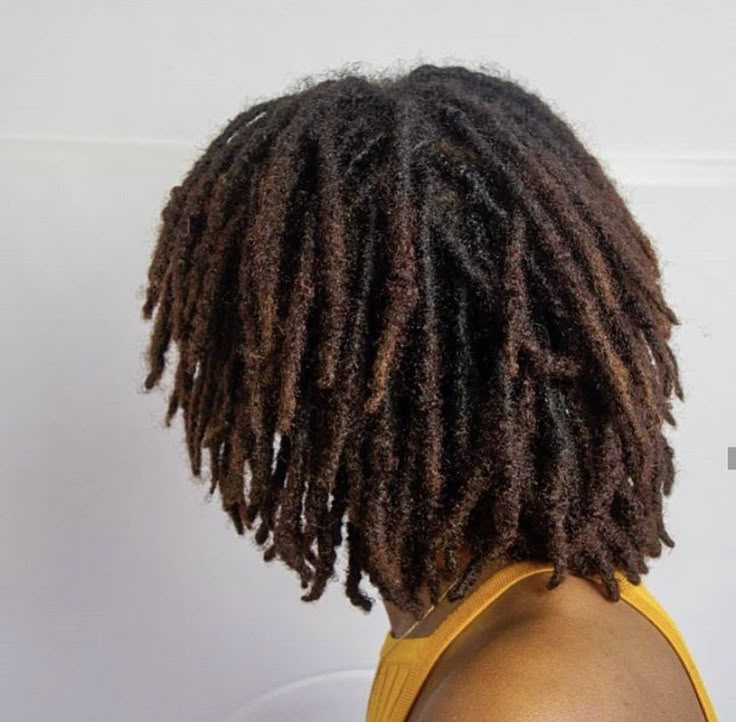
This is particularly important if you have noticed that your scalp becomes uncomfortable after maintenance appointments.
You can still care for your locs without constantly manipulating them. Gentle maintenance often works better than trying to make every root look perfectly controlled.
If you maintain your locs yourself, How to Maintain Locs Without a Loctician can also give you ideas for creating a routine that does not depend on constant manipulation.
14. Choose Comfortable Hairstyles
Sometimes you may notice that the itching gets worse whenever you wear a particular hairstyle. That is a useful clue. A style that puts pressure on your scalp may be contributing to your discomfort, especially if you wear it repeatedly.

Try switching between loose and low-tension hairstyles. Give your hairline particular attention because it can experience tension from ponytails, buns, and pulled-back styles.
Low Tension Loc Styles That Protect Your Hairline is another helpful resource when you want your locs styled without constantly stressing your edges.
You do not need to stop styling your locs altogether. Instead, rotate your styles and pay attention to how your scalp responds. Your most comfortable hairstyle may not always be the tightest or neatest one.
15. Know When Your Scalp Needs Professional Help
Natural remedies and better hair habits can be useful when your scalp is simply dry, mildly irritated, or affected by your routine. But there are situations where you should stop experimenting and seek professional advice.
Persistent itching, painful bumps, sores, significant redness, swelling, bleeding, unusual discharge, or severe flaking should not simply be covered with another product.
If your symptoms continue even after improving your cleansing and product routine, a dermatologist can help identify the underlying issue.
This is especially important because several scalp conditions can look similar at first. Treating the wrong problem may waste time and potentially make the irritation worse.
Getting professional guidance can help you understand what your scalp actually needs.
16. Create a Simple Scalp-Care Routine
The easiest way to maintain a comfortable scalp is to create a routine you can actually follow. You do not need something complicated.
Start with regular cleansing, appropriate moisture, minimal buildup, gentle styling, and protection while sleeping.

Keep track of what changes your scalp feels better or worse. If one product causes itching, remove it. If a particular hairstyle creates tenderness, wear it less often.
If your scalp feels better after cleansing, make sure you are not waiting too long between washes.
You can also compare your routine with What Makes Locs Healthy vs Unhealthy to identify habits that may need adjusting.
Healthy loc care is not about perfection. It is about consistency and paying attention to what your hair and scalp are telling you.
17. Give Your Scalp Time to Improve
Once you change your routine, give your scalp some time to respond. You may not solve every problem overnight. Constantly switching from one product to another can make it difficult to determine what is actually helping.
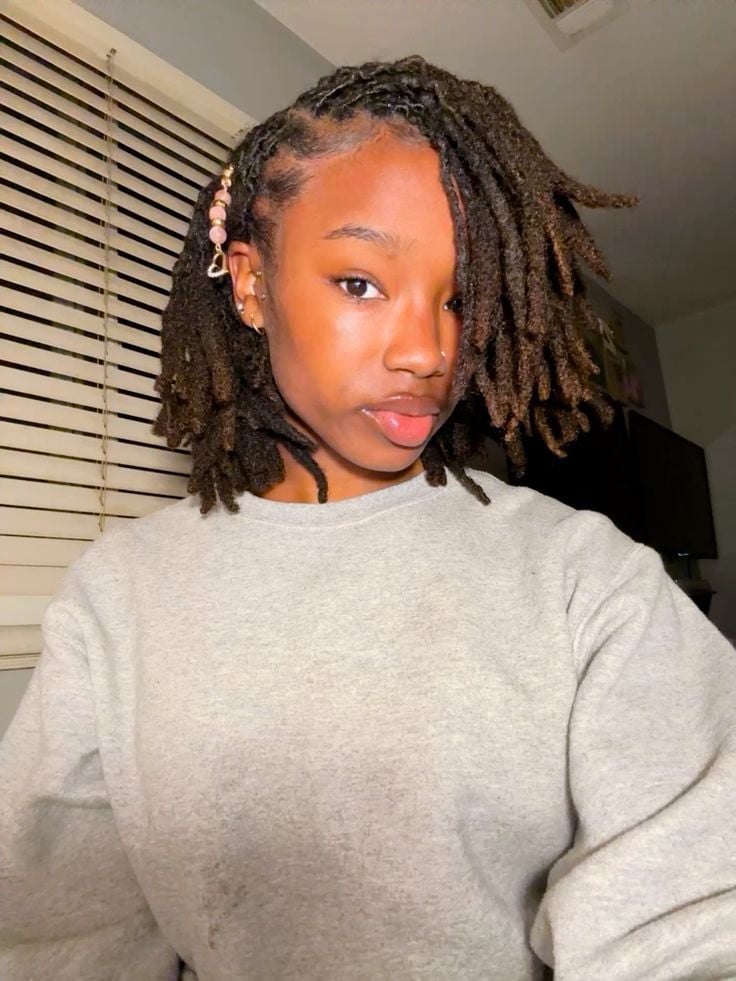
Choose a simple routine and observe your scalp. Keep your locs clean, avoid excessive product, reduce unnecessary manipulation, and protect your hair at night. If the itching improves, you have valuable information about what your scalp needed.
Most importantly, do not feel embarrassed about having an itchy scalp. It is a common concern among people with locs, and it does not mean you are failing at your hair journey. The goal is to understand your scalp rather than fight against it.
Final Thoughts
Learning How to Stop Itchy Scalp With Locs starts with understanding that the itch has a reason.
Your scalp may be reacting to dryness, sweat, buildup, frequent manipulation, tight styles, or another issue that needs attention. Instead of immediately reaching for another product, slow down and look at your entire routine.
Start with the basics. Keep your scalp clean, use products thoughtfully, avoid excessive oil and buildup, choose comfortable hairstyles, and protect your locs while sleeping.
If you exercise frequently, pay attention to sweat. If you retwist often, consider whether your scalp needs more time between sessions. Small changes can make your loc-care routine feel much easier.
Most importantly, listen to your scalp. If something consistently causes itching, discomfort, or tenderness, do not ignore it simply because the style looks good. Beautiful locs should also feel comfortable.
And if the itching is severe, persistent, painful, or accompanied by sores or other concerning symptoms, speak with a dermatologist instead of trying to treat the problem yourself.
Your loc journey should be about healthy, confident hair, and that starts with taking care of the scalp underneath it.

One Comment