Should You Cut Your Hair Before Starting Locs?
Starting locs is a decision that often takes a lot of consideration. For some people, it could take them several months or even years before making up their minds. One of the most common questions people ask before taking the leap is: Should I cut my hair before starting locs?
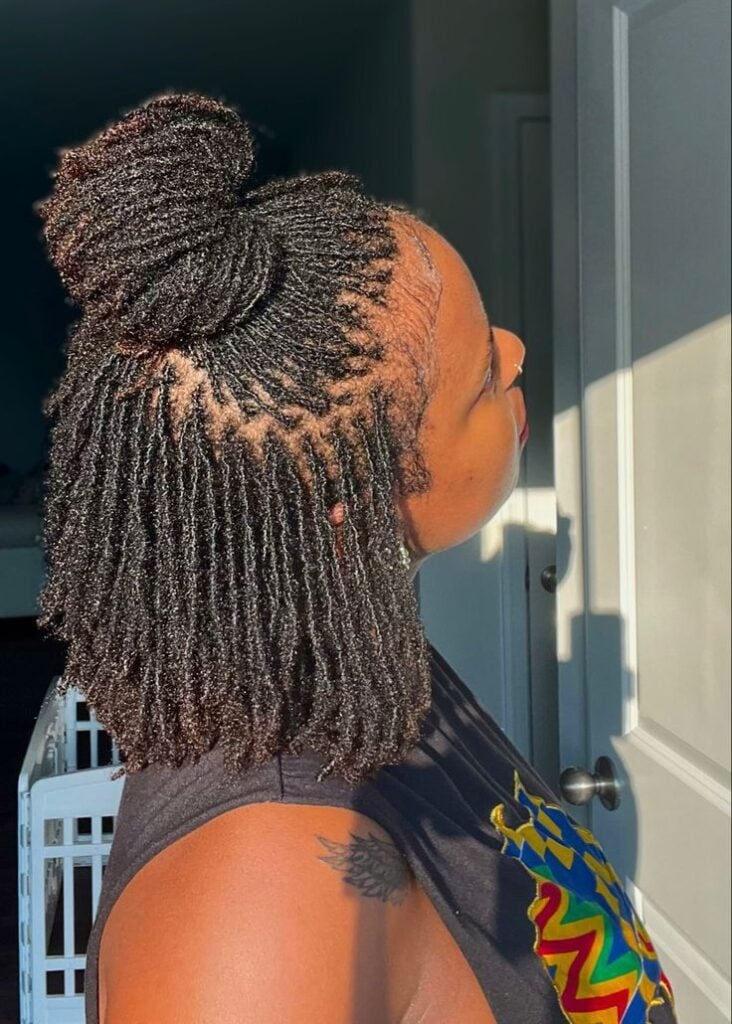
The answer is not as straightforward as a simple yes or no. It depends on your hair condition, your goals and how you want your loc journey to unfold. In this guide, we will walk through everything you need to know so you can make the best decision for yourself.
The Big Question Before Starting Your Loc Journey – Should You Cut Your Hair Before Starting Locs
For many people, the idea of cutting their hair before starting locs can feel overwhelming. You may have spent years growing your hair and the thought of losing that length can be discouraging… even heartbreaking.
On the other hand, you might have heard that cutting your hair gives you a “clean slate” and leads to healthier locs. So you are at a crossroad: should you cut your hair or should you start your loc journey with your hair the way it is?
See this: Best starter locs method for soft hair
The truth is this: cutting your hair is not a requirement, but in some cases, it can be beneficial. Understanding when and why to cut your hair will help you start your locs with confidence.
What Does “Starting Locs” Really Mean?
Before you decide whether to cut your hair, it is important to understand what starting locs actually entails.
Starting locs refers to the process of training your hair to form rope-like strands over time. This is usually done using methods like comb coils or two-strand twists, braids or freeform techniques.
Read this guide: Starter locs methods that last the longest
However, your hair does not become fully locked overnight. It has to go through these phases: starter, budding, teenage and maturity stages.
Each stage requires care, and the condition of your hair at the beginning can influence how smooth or challenging the process will be.
Save this for later: Do locs get thicker or thinner overtime?
Do You Have to Cut Your Hair Before Starting Locs?
The simple answer is: No, you do not have to cut your hair before starting locs. Many people begin their loc journey with: long natural hair, transitioning hair (natural roots with relaxed ends), previously styled or stretched hair.
However, there are certain situations where cutting your hair might be the better option. The key is to evaluate your hair honestly and do what is best for it.
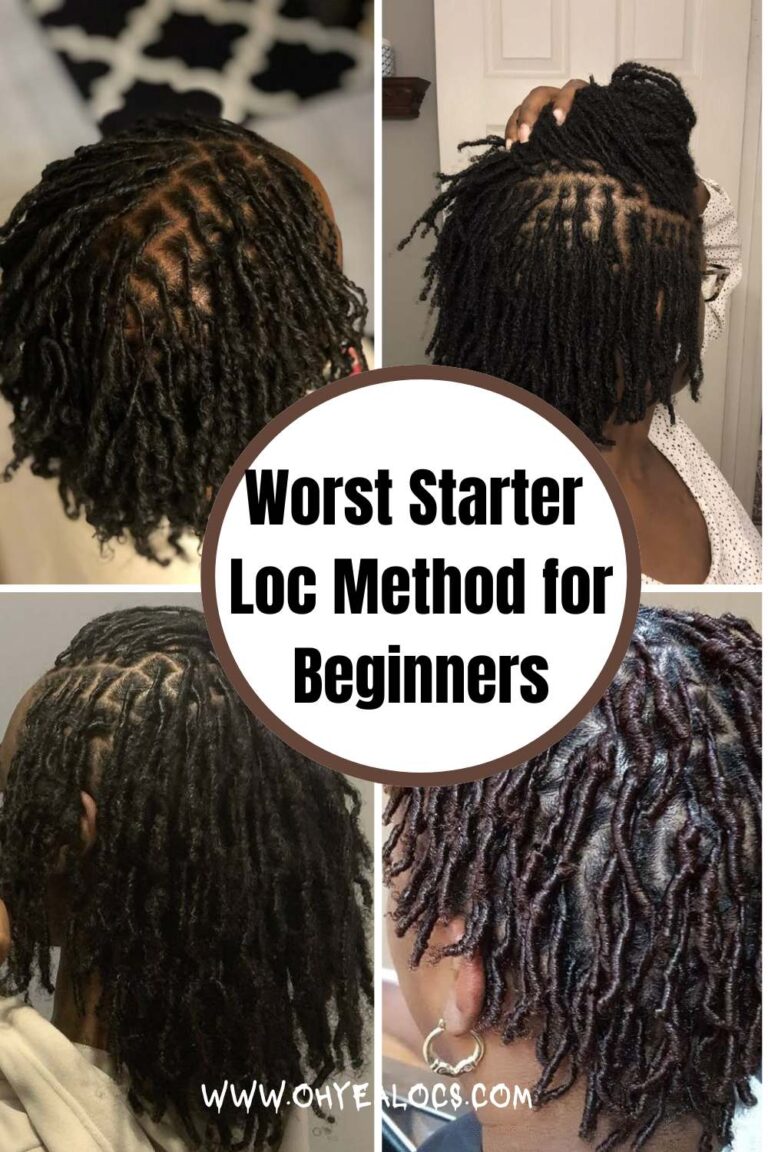
Avoid this: Worst starter locs method for beginners
Reasons You Might Want to Cut Your Hair Before Starting Locs
While it is not compulsory, there are valid reasons why some people might have to cut their hair before starting locs. Here are a few of such reasons:
– To Remove Damaged or Weak Ends
If your hair is severely damaged – due to heat, chemicals or breakage – those weak ends can affect how your locs form. Damaged hair may not lock properly and can lead to uneven or thinning locs.
Open this next: Signs your locs are locking properly
– To Get a Fresh, Even Foundation
Cutting your hair can help create a uniform length. This makes your starter locs look more even and neat from the beginning.
– To Eliminate Chemically Treated Hair
If your hair is relaxed or chemically processed, cutting it allows you to start with fully natural hair – which tends to lock more easily and consistently.
This guide will help you: How to tell if your starter locs are healthy
– For Easier Maintenance
Shorter hair can be easier to manage during the early stages of loc formation. You may find it simpler to wash, retwist and maintain.
When You Should NOT Cut Your Hair Before Starting Locs
Cutting your hair is a personal decision, and in many cases, it is perfectly fine to keep your length. Here are cases when you may not need to cut your hair:
– If Your Hair Is Healthy
If your hair is strong, moisturised and free from major damage, there is no real need to cut it.
Do not lose this guide: How to tell if your starter locs are healthy
– If You Want Longer Starter Locs
Starting with longer hair means your locs will also be longer from the beginning. If length matters to you, keeping your hair makes sense.
– If You Are Transitioning
You can start locs even if part of your hair is natural and part is relaxed. While the textures may behave differently, it is still possible.
– If You Are Emotionally Attached to Your Hair
Hair can carry emotional depth. If cutting it feels like too big a step, it is okay to start your locs without doing a big chop.
Starting Locs on Natural vs Relaxed or Transitioning Hair
Your hair type and condition play a big role in how your locs will develop. Let’s compare how different hair conditions behave when locked.
• Natural Hair
Natural hair is generally the easiest to lock. Its texture helps strands coil and hold together more effectively. That’s why it’s better to start your locs on healthy natural hair.
Keep this page open: Different methods of starting locs
• Relaxed Hair
Relaxed hair can still form locs, but it may take longer. The straighter texture does not lock as quickly as natural hair but they still lock.
•Transitioning Hair
This means you have both natural and relaxed textures. While you can start locs this way, you may notice: uneven locking patterns, different textures along the loc and possible weak points where textures meet.
Over time, many people gradually trim off the relaxed ends as their natural hair grows.
Learn from this: How to prepare your hair before locking
How Hair Length Affects Your Starter Locs
Hair length does not determine whether your locs will form, but it does play a significant role in how they look, feel, and behave in the early stages of your loc journey.
While the locking process will happen regardless of length, your starting point can influence your expectations, styling options, and overall experience in the first few months.
Let’s make a simple comparison between short and long hair:
Short hair takes less time to wash and maintain – a convenient option if you prefer a simple routine. It is also lighter on the scalp and often dries faster after washing.
However, short starter locs tend to shrink significantly, sometimes appearing much smaller or tighter than expected. This can be discouraging if you are anticipating visible length right away.
On the other hand, long hair provides immediate length and a fuller appearance from the start, which many people find appealing. It can be styled in several ways in the early stages, so you can experiment with different looks.
However, longer starter locs may take more time to fully lock, especially toward the ends where the hair is looser. They can also feel heavier, particularly when wet, and may require more time and effort during washing, drying, and maintenance.
Best Starter Loc Methods Based on Your Hair Type
The method you choose can influence whether cutting your hair is necessary or not. Here are some popular starter methods:
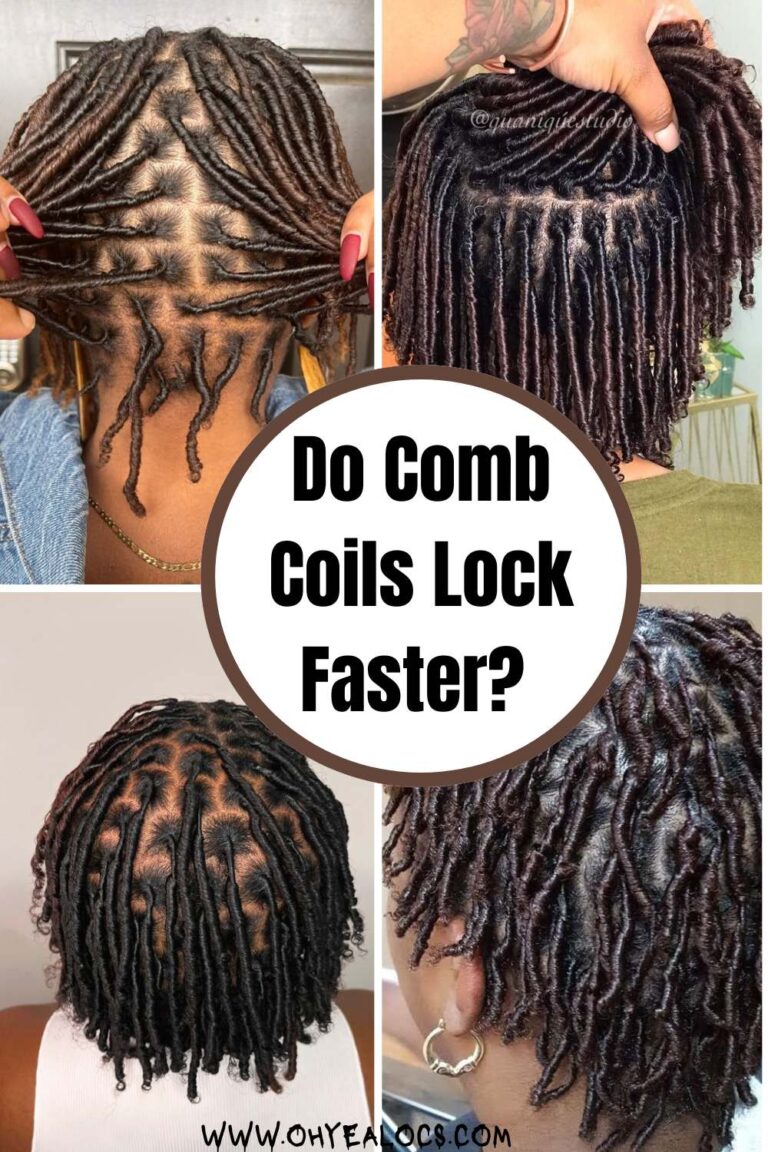
•Comb Coils

Starting locs with comb coils are best for shorter natural hair. They create a neat and uniform look.
•Two-Strand Twists

Two-strand twists are ideal for medium to long hair. They give a fuller appearance and are beginner-friendly.
•Braids
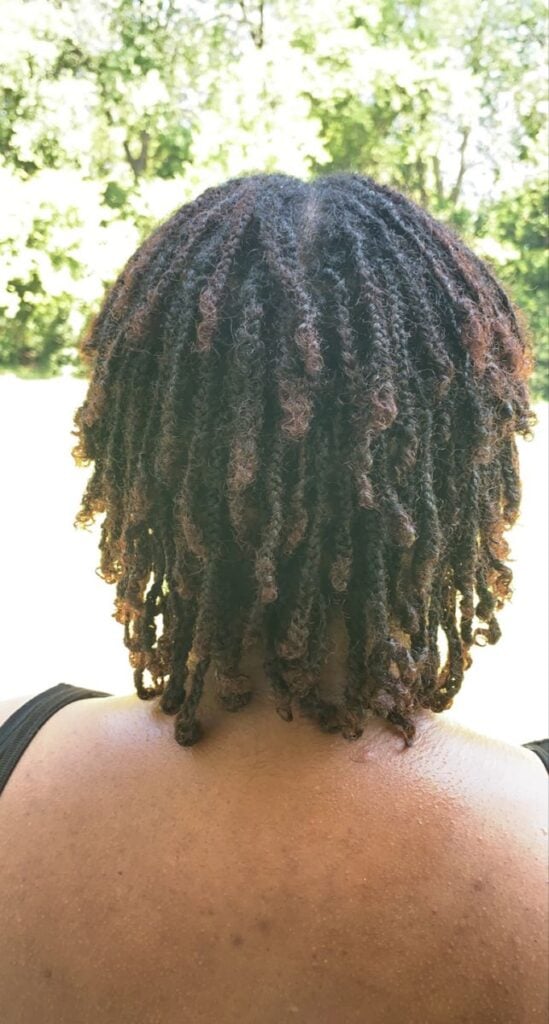
Braids are good for all lengths, especially if you want a more structured base.
•Freeform Locs
Freeform locs require minimal manipulation. They work with your natural hair pattern, regardless of length or whether you cut it.
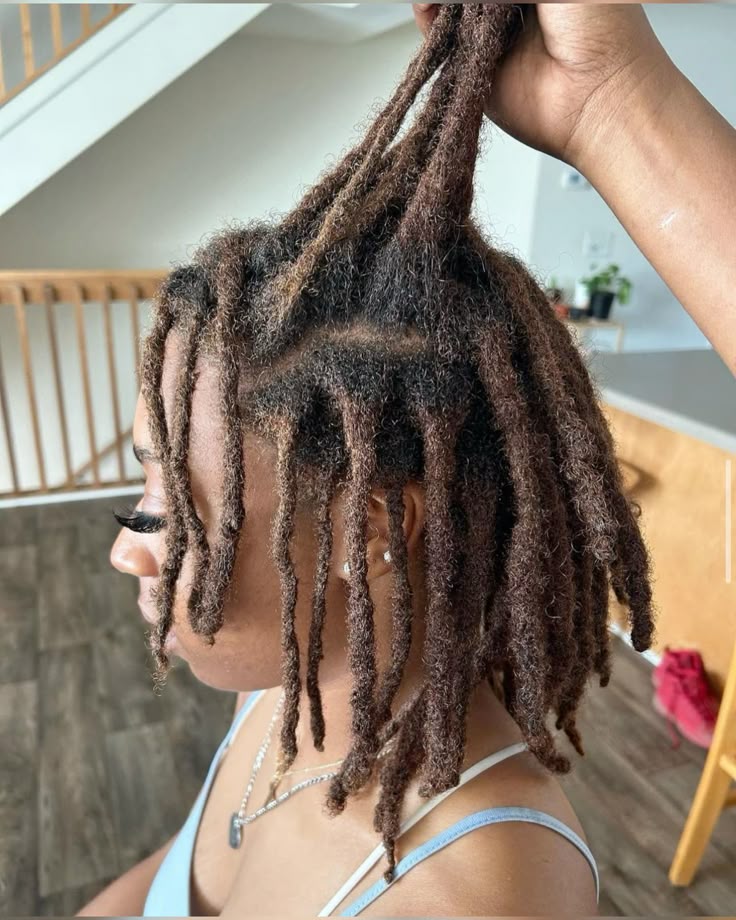
If your hair is uneven or damaged, some methods may reveal those inconsistencies more than others.
Advantages of Cutting Your Hair Before Locs
– Cutting your hair can help control damage
– It can also make your locs uniform
– It encourages healthier growth
– It can also simplify maintenance
Disadvantages of Cutting Your Hair Before Locs
– It reduces your hair length
– Taking that step could be difficult if you are emotionally attached to your hair.
– It could take a longer time to regain the lost length
Weighing the pros and cons can help you decide what aligns best with your goals.
Common Mistakes to Avoid Before Starting Locs
Starting locs is exciting, no doubt, but rushing the process can lead to regrets. That’s why it’s very important to weigh your options before taking any step.
Here are some mistakes you should avoid:
– Cutting Without a Plan: Do not cut your hair just because others say you should.
Find out if it’s the right step for you or not.
– Ignoring Hair Health: Healthy hair locks better. Focus on strengthening your hair before starting.
– Choosing the Wrong Method: Different methods suit different hair types. Do your research so you can make informed decisions on what works best for you.
– Comparing Your Journey: Everyone’s loc journey is unique. Avoid comparing your progress to others.
Tips for Preparing Your Hair for Locs (With or Without Cutting)
Whether you decide to cut your hair or not, preparation is key. Getting your hair ready first will make the process of locking easier.
Here are a few things you can do to prepare your hair for locking:
– Strengthen your hair by focusing on proper nourishment, not just what you apply to your hair, but what you feed on.
– Use deep conditioning treatments to improve moisture and elasticity.
– Focus on scalp health: a healthy scalp promotes better growth and stronger locs.
– Choose the right loctician: if possible, work with an experienced professional who understands your hair type and goals.
– Trim damaged ends: if your ends are slightly damaged, a trim may be enough instead of a full cut.
Wrapping Up
Deciding whether to cut your hair before starting locs boils down to one thing – what is best for your hair and your journey. There is no universal rule or a perfect starting point that fits everyone. What matters most is beginning in a way that gives you confidence, peace of mind and a healthy foundation.
If your hair is damaged or uneven, having a big chop may give you a fresh start and make your loc journey smoother. But if your hair is healthy and you value your length, you can absolutely begin without cutting. Both choices are valid, and both can lead to beautiful, thriving locs.
So, instead of focusing on whether you should cut your hair, pay attention to preparing your hair, understanding your needs and embracing the process ahead. With the right care and mindset, your locs will tell a story that is uniquely yours – one rooted in intentionality, growth and confidence.
Frequently Asked Questions
1. Can I start locs on coloured or dyed hair?
Yes, you can start locs on coloured hair. However, chemically dyed hair may be drier or weaker, so it is important to maintain proper moisture and protein balance to prevent breakage during the locking process.
2. Can I style my hair during the starter loc stage?
Yes, but it is best to keep styling minimal and gentle. Avoid tight styles that can cause tension or disrupt the locking process in the early stages.
3. How often should I retwist starter locs?
Retwisting is usually done every 4–6 weeks. Retwisting too frequently can cause tension and thinning, while retwisting too infrequently may lead to excessive frizz and unravelling.
4. Will my hair grow faster if I cut it before starting locs?
Cutting your hair does not affect the rate of hair growth. Hair growth happens from the scalp, not the ends. However, cutting damaged ends can prevent breakage, which helps retain length over time.
5. Can I start locs by myself at home?
Yes, you can start locs yourself if you understand the method you are using. However, working with a professional loctician can help ensure neat parting and a strong foundation.
6. Do starter locs itch or feel uncomfortable?
Some people experience mild itching or discomfort, especially in the early stages. This is often due to dryness or product sensitivity and can be managed with proper scalp care.
7. How long does it take for starter locs to fully lock?
The locking process varies from person to person, but it typically takes between 6 months and 2 years for locs to fully mature. Factors like hair texture, maintenance routine and chosen method all influence how quickly your locs form.
8. Can I add extensions instead of cutting my hair?
Yes, loc extensions are an option if you want immediate length without waiting for your hair to grow. They can be attached to your natural hair at the start of your journey, but it is important to have them installed by an experienced professional to avoid damage.
9. Do I need special products to start and maintain locs?
You do not need a large number of products. In fact, keeping your routine simple is best. Focus on a good shampoo, a light oil for your scalp and minimal styling products to avoid buildup, which can slow down the locking process.
10. What happens if I change my mind after starting locs?
If you decide locs are not for you, you can either comb them out (especially in the early stages) or cut them off. The earlier you decide, the easier it is to reverse the process.