Vitamins That Help Loc Growth
Disclosure: Some of the links in this post are affiliate links. This means if you click on the link and purchase an item, I will receive an affiliate commission at no extra cost to you. All opinions remain my own. I only recommend products or services I believe will add value to my readers.
Before you spend more money on another “miracle” growth oil, it’s worth understanding that healthy locs don’t just depend on what you put on your hair – they also depend on what you put into your body. That’s why learning about Vitamins That Help Loc Growth can completely change the way you care for your locs.
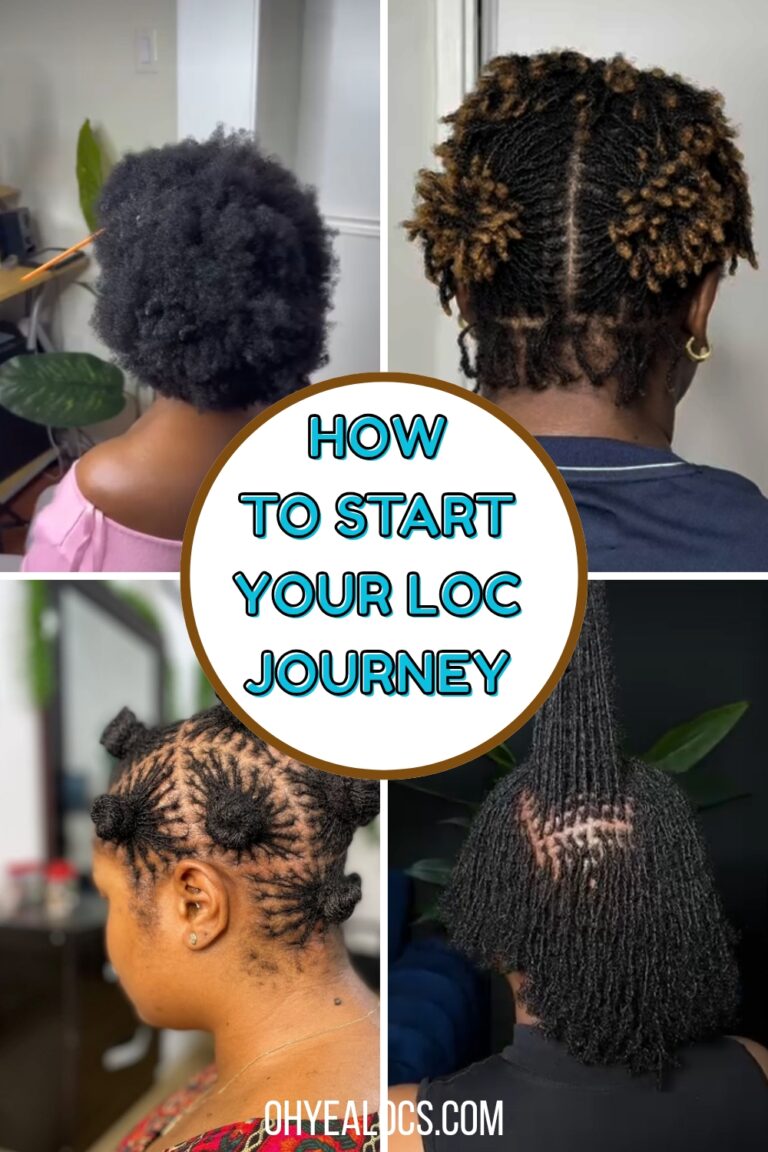
I remember talking to a friend who had almost given up on her loc journey. She had tried expensive oils, homemade hair masks, and countless viral hair-growth hacks, but nothing seemed to work. Then she visited a healthcare professional and discovered she wasn’t getting enough essential nutrients to support healthy hair growth. That conversation reminded me that our locs are often a reflection of our overall health. While building a consistent routine matters, starting with the right foundation matters even more. If you’re still new to locs, you’ll also love our guide on How to Start Your Locs Journey the Right Way, where we share the essential steps that can set your locs up for long-term success.
The truth is, there isn’t one magic vitamin that suddenly gives you waist-length locs overnight. Instead, healthy growth happens when your body has the nutrients it needs to nourish your scalp, strengthen your strands, and support your hair follicles from the inside out. Combined with proper hydration, gentle maintenance, and patience, the right vitamins can help your locs reach their full potential. And if you’ve been doing everything right but still aren’t seeing the progress you expected, don’t miss our detailed guide on Why Your Locs Are Not Growing (And How to Fix It) to uncover other hidden reasons your growth may have slowed. In this guide, we’ll explore the most important Vitamins That Help Loc Growth, how they work, the best food sources, and simple ways to support healthier, stronger, and longer locs naturally.
Why Vitamins Matter for Healthy Loc Growth
Think of your body like a garden. You can water the plants every day, but if the soil is missing essential nutrients, the plants will never reach their full potential. Your scalp works the same way. Moisturizing your locs is like watering the garden, but vitamins and minerals are the rich soil that allows healthy hair to grow. Without them, your locs may still grow, but they can become weaker, thinner, drier, or more prone to breakage.
One mistake many people make is believing that hair growth happens only because of the products they apply. In reality, your body creates hair using nutrients from the foods you eat. Hair is made mostly of keratin, a protein that your body produces with the help of several vitamins and minerals. If your diet lacks these nutrients, your body may struggle to create strong, healthy strands.
This also explains why two people can follow the exact same loc routine and experience completely different results. One person may have a balanced diet packed with vitamins, while the other survives on highly processed foods with very little nutritional value. Even if they use the same products, their locs may respond very differently because healthy growth starts from within.
If you’re trying to build the healthiest routine possible, you’ll also want to read How to Care for Your Locs the Right Way: A Complete Guide for Healthy, Long-Lasting Hair. It pairs perfectly with this article by showing you how proper maintenance works hand in hand with good nutrition.
The encouraging news is that you don’t need an expensive cabinet full of supplements to support healthy loc growth. In many cases, eating a balanced diet filled with nutrient-rich foods can provide your body with exactly what it needs. Supplements can be helpful for people with confirmed deficiencies, but they’re meant to support a healthy lifestyle not replace one.
Let’s look at the vitamins that play the biggest role in growing stronger, healthier, and more resilient locs.
1. Biotin (Vitamin B7)
If you’ve ever searched online for Vitamins That Help Loc Growth, chances are you’ve seen biotin recommended over and over again. It’s one of the most popular hair-growth vitamins because it helps your body produce keratin, the main protein that makes up your hair.
When your body has enough biotin, it can create stronger hair strands that are less likely to snap or break. While biotin doesn’t magically speed up your natural growth rate, it supports healthier hair by improving the quality of the strands your follicles produce. Over time, this can help your locs retain more length because you’re losing less hair to breakage.
Many people confuse hair growth with length retention. Your hair may actually be growing at a normal rate, but if the ends keep breaking, it never appears to get longer. Stronger strands mean you keep more of the growth you’ve worked so hard to achieve.
Biotin deficiency isn’t extremely common, but when it does occur, symptoms may include:
- Brittle hair
- Hair thinning
- Weak nails
- Dry skin
- Increased shedding
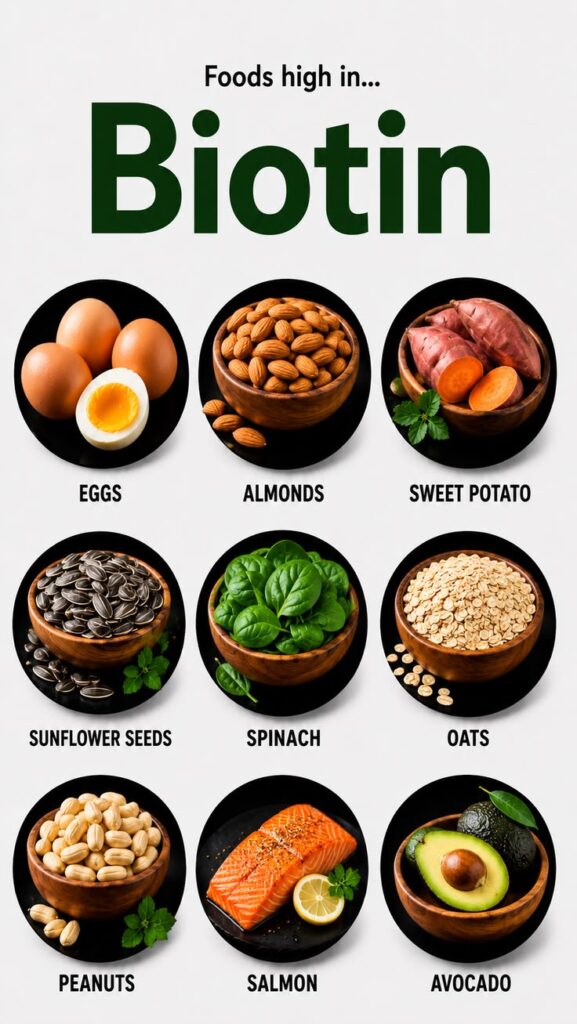
The good news is that biotin is naturally found in many everyday foods, including:
Before purchasing a high-dose biotin supplement, remember that more isn’t always better. Taking excessive amounts won’t suddenly double your hair growth, and some people even experience skin breakouts from large doses.
If you’re just beginning your journey, you’ll also enjoy Everything You Need Before Starting Your Locs Journey, which covers many of the healthy habits that support strong locs from day one.
2. Vitamin D
Vitamin D is one of the most overlooked nutrients for healthy loc growth, yet it’s one of the most important.
Research has shown that vitamin D helps support the normal cycling of hair follicles. Every hair follicle goes through phases of growth, rest, and shedding. When vitamin D levels are too low, this natural cycle may become disrupted, causing follicles to stay dormant for longer periods.
Many people don’t realize they’re deficient because vitamin D deficiency often develops gradually. You may simply notice that your locs seem slower to grow, your hair appears thinner than before, or you’re shedding more than usual.
Certain groups are more likely to have low vitamin D levels, including people who:
- Spend most of their time indoors
- Wear sunscreen every day
- Have darker skin tones
- Live in areas with limited sunlight
- Rarely eat vitamin D-rich foods
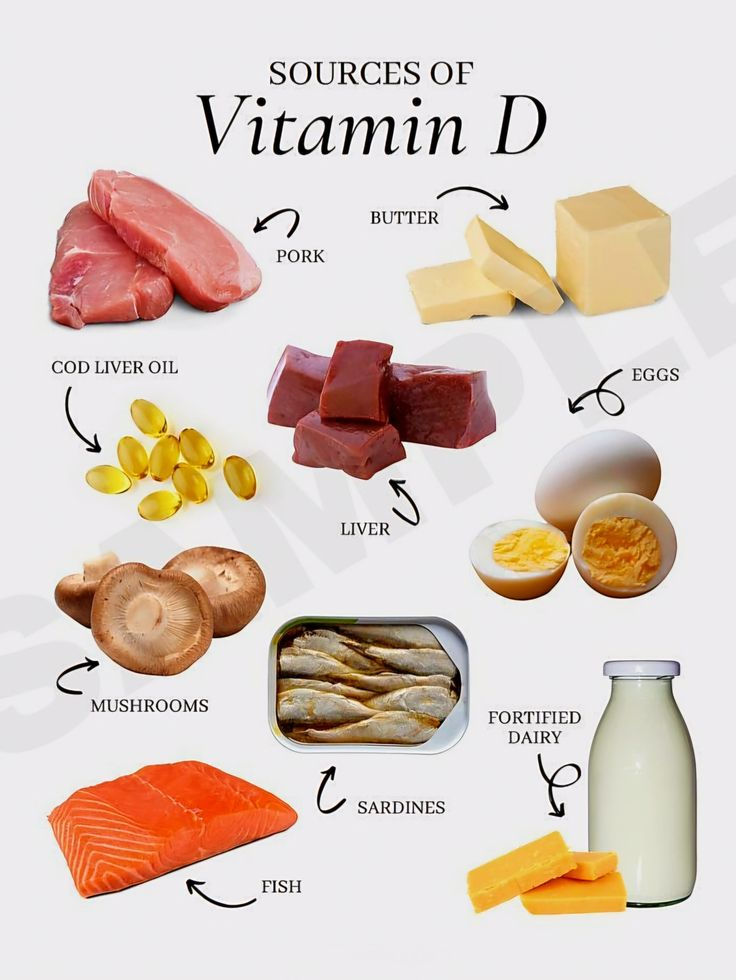
Natural sources include:
- Salmon
- Sardines
- Egg yolks
- Fortified milk
- Fortified cereals
- UV-exposed mushrooms
Your body also produces vitamin D when your skin is exposed to sunlight, making short periods of safe sun exposure another helpful source.
If you’re experiencing excessive shedding along with slow growth, you may also want to read Common Locs Problems and How to Fix Them, where we discuss several issues that can affect the health of your locs beyond nutrition.
3. Vitamin C
When people hear “vitamin C,” they usually think about boosting their immune system. However, this powerful vitamin also plays a major role in growing healthier, stronger locs. In fact, if you’re researching Vitamins That Help Loc Growth, vitamin C deserves just as much attention as biotin.
One of vitamin C’s biggest jobs is helping your body produce collagen. Collagen is a protein that supports healthy skin and strengthens the tissues surrounding your hair follicles. Strong follicles are better equipped to produce healthy strands that can withstand everyday wear and tear.
Vitamin C also helps your body absorb iron more effectively. This is especially important because iron deficiency is one of the leading nutritional causes of hair thinning and excessive shedding. Even if you’re eating iron-rich foods, your body may not absorb enough of the mineral without adequate vitamin C.
Another incredible benefit is its antioxidant power. Every day, your scalp is exposed to pollution, UV rays, dust, and environmental stressors that create harmful free radicals. Over time, these unstable molecules can damage healthy scalp cells and weaken hair follicles. Vitamin C helps protect those cells, creating a healthier environment for steady loc growth.
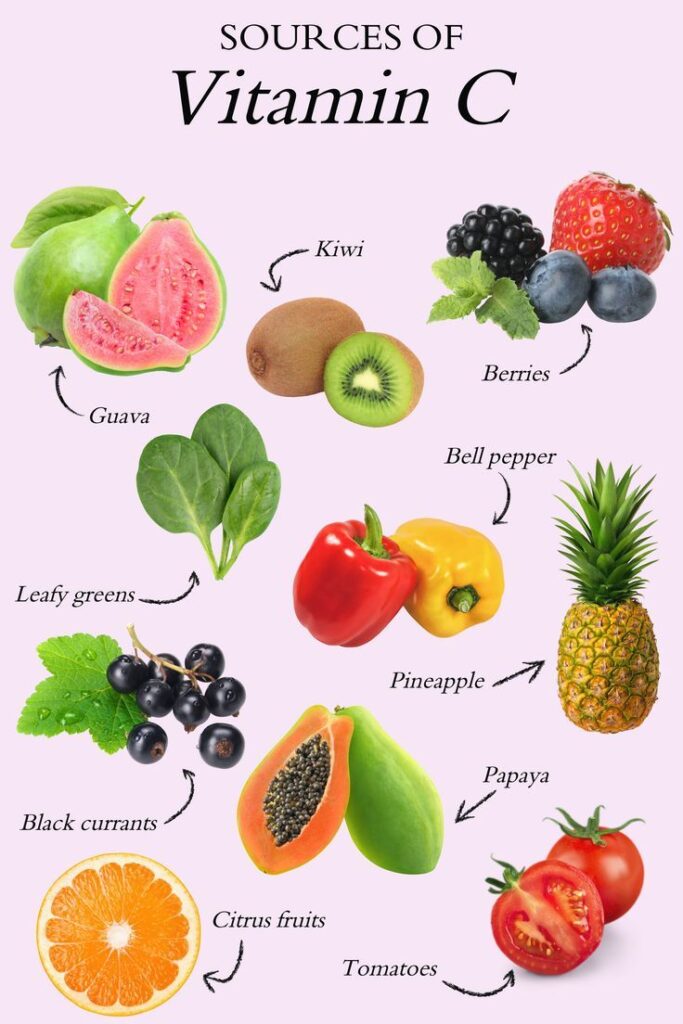
Excellent food sources include:
- Oranges
- Guava
- Strawberries
- Kiwi
- Bell peppers
- Tomatoes
- Broccoli
- Pineapple
Rather than relying solely on supplements, try including colorful fruits and vegetables in your daily meals. Your entire body, and not just your hair, will thank you.
If your goal is healthier hair overall, don’t miss Foods That Help Your Locs Grow Faster, where you’ll discover everyday foods that naturally nourish your locs from the inside out.
4. Vitamin E
Vitamin E is another nutrient that often flies under the radar, but it can make a noticeable difference in the health of your scalp and locs.
Like vitamin C, vitamin E is a powerful antioxidant. It helps protect your scalp from oxidative stress caused by environmental damage, allowing your follicles to function more efficiently. A healthier scalp often leads to healthier hair growth over time.
Vitamin E also supports healthy blood circulation. Good circulation ensures that oxygen and nutrients reach your hair follicles, giving them the resources they need to produce strong new hair.
Many people even apply vitamin E oil directly to their scalp. While topical oils can help moisturize dry skin, getting vitamin E through your diet provides benefits throughout your entire body.
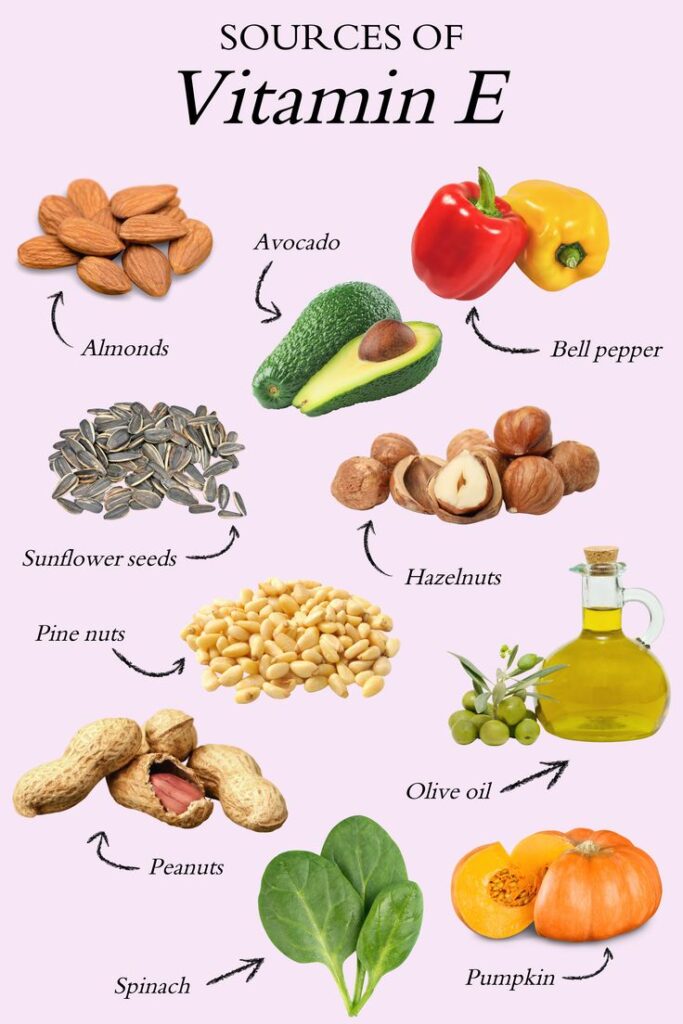
Foods rich in vitamin E include:
- Almonds
- Sunflower seeds
- Avocados
- Spinach
- Pumpkin seeds
- Hazelnuts
- Peanuts
As with every supplement, moderation matters. Taking excessive amounts of vitamin E isn’t necessary and may not provide additional hair-growth benefits.
5. Vitamin A
Vitamin A is one of those nutrients where balance is everything.
Your scalp naturally produces an oil called sebum, which helps keep your locs and scalp moisturized. Vitamin A supports this natural oil production, reducing excessive dryness that can make your locs feel brittle.
It also plays an important role in healthy cell growth, including the cells responsible for producing new hair.
However, there’s one important warning.
Too little vitamin A may contribute to poor hair health, but too much vitamin A can actually trigger hair loss. That’s why it’s usually best to get this nutrient from whole foods unless your healthcare provider recommends supplementation.
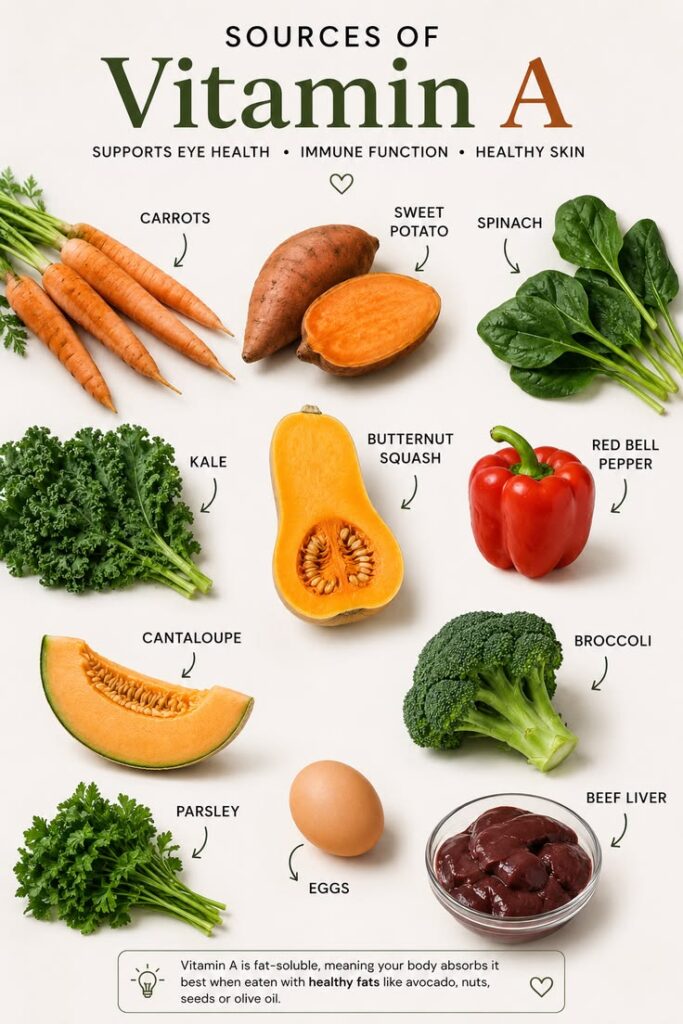
Healthy food sources include:
- Sweet potatoes
- Carrots
- Pumpkin
- Kale
- Spinach
- Mangoes
- Red bell peppers
Aim for balance rather than excess.
If you’re noticing that your locs feel weak or dry despite moisturizing regularly, you’ll find practical advice in How to Strengthen Weak Locs, where we cover additional ways to improve the strength and resilience of your hair.
6. Vitamin B12
Vitamin B12 is another essential nutrient that supports healthy hair growth by helping your body produce red blood cells.
Red blood cells carry oxygen throughout your body, including to your scalp and hair follicles. Without enough oxygen, follicles may struggle to produce healthy new strands consistently.
People following vegetarian or vegan diets are more likely to develop a B12 deficiency because this vitamin is naturally found in many animal-based foods.
Common symptoms of low B12 include:
- Fatigue
- Hair thinning
- Weakness
- Dizziness
- Tingling in the hands or feet
- Difficulty concentrating
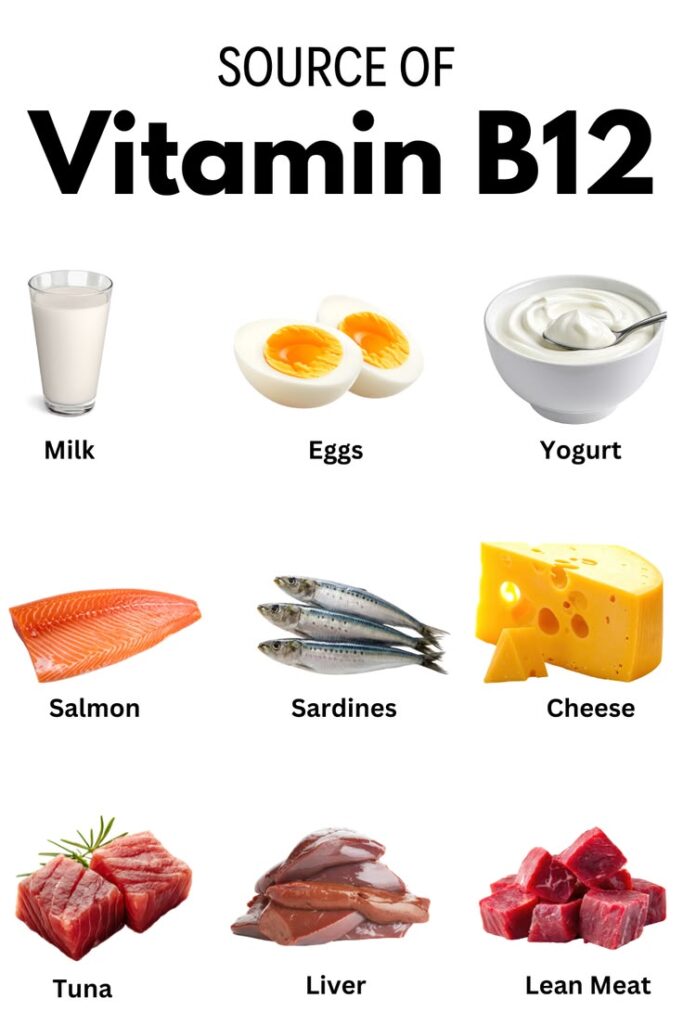
Foods high in vitamin B12 include:
- Fish
- Chicken
- Beef
- Eggs
- Milk
- Cheese
- Fortified cereals
If your doctor confirms a deficiency, supplementation may help restore healthy levels over time.
Healthy loc growth starts with a healthy body, and vitamin B12 is one more piece of that puzzle.
7. Folate (Vitamin B9)
Folate helps your body create brand-new cells every day, including the cells that produce hair. Since your hair follicles are constantly generating new growth, they require a steady supply of folate to perform their job effectively.
Without enough folate, healthy cell production slows down. While this doesn’t necessarily stop hair growth completely, it may contribute to weaker strands and slower progress over time.
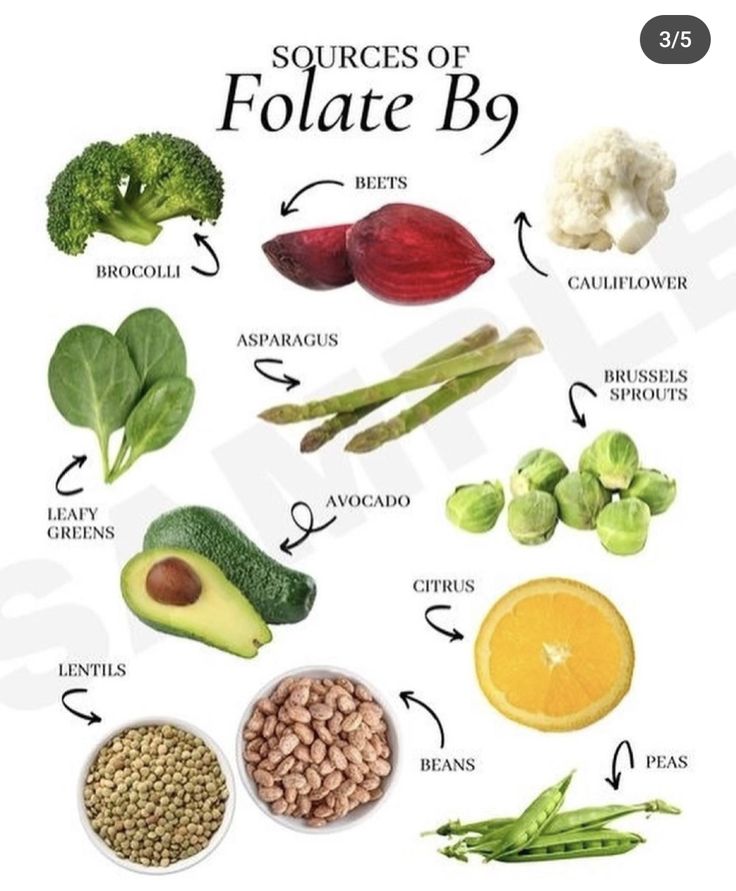
Natural sources of folate include:
- Spinach
- Kale
- Lentils
- Black beans
- Asparagus
- Avocados
- Broccoli
- Oranges
One of the easiest ways to support your loc journey is by eating a colorful, balanced diet rather than focusing on one “superfood.”
If you’ve recently started your loc journey, you may also enjoy reading What to Expect in the First 3 Months of Your Loc Journey so you’ll know which changes are completely normal during the early stages.
8. Iron (A Mineral That Deserves a Spot on This List)
Although iron isn’t technically a vitamin, it’s impossible to discuss Vitamins That Help Loc Growth without mentioning it.
Iron helps carry oxygen through your bloodstream. Healthy follicles rely on that oxygen to produce strong hair. When iron levels become too low, the follicles don’t receive enough oxygen, which may contribute to excessive shedding and slower growth.
Low iron is especially common among women, making it one of the first things many healthcare providers check when someone experiences unusual hair loss.
Symptoms may include:
- Constant fatigue
- Hair shedding
- Pale skin
- Headaches
- Weakness
- Cold hands and feet
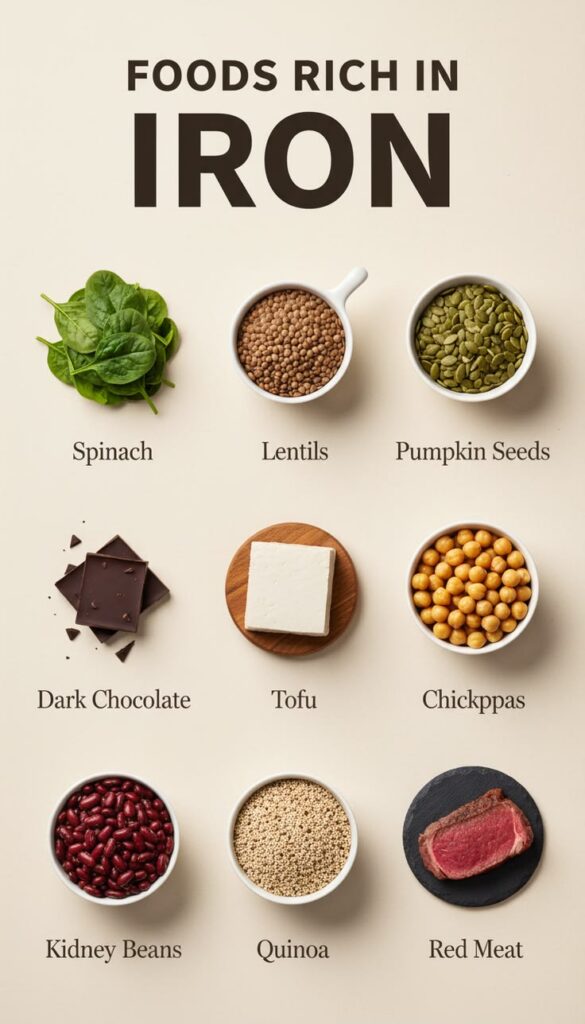
Iron-rich foods include:
- Lean beef
- Spinach
- Lentils
- Kidney beans
- Pumpkin seeds
- Tofu
For better absorption, pair these foods with vitamin C-rich fruits and vegetables.
If your locs seem thinner than they used to be, don’t overlook our guide on How to Fix Thin Locs Naturally, where we share additional tips for improving fullness and strength.
9. Zinc
Zinc is another important mineral that supports healthy tissue repair and normal hair growth.
Your scalp constantly renews itself, and zinc helps with that repair process. It also supports the oil glands around your follicles, helping maintain a healthier scalp environment.
Low zinc levels may contribute to:
- Hair thinning
- Increased shedding
- Dry scalp
- Slow healing
- Brittle hair
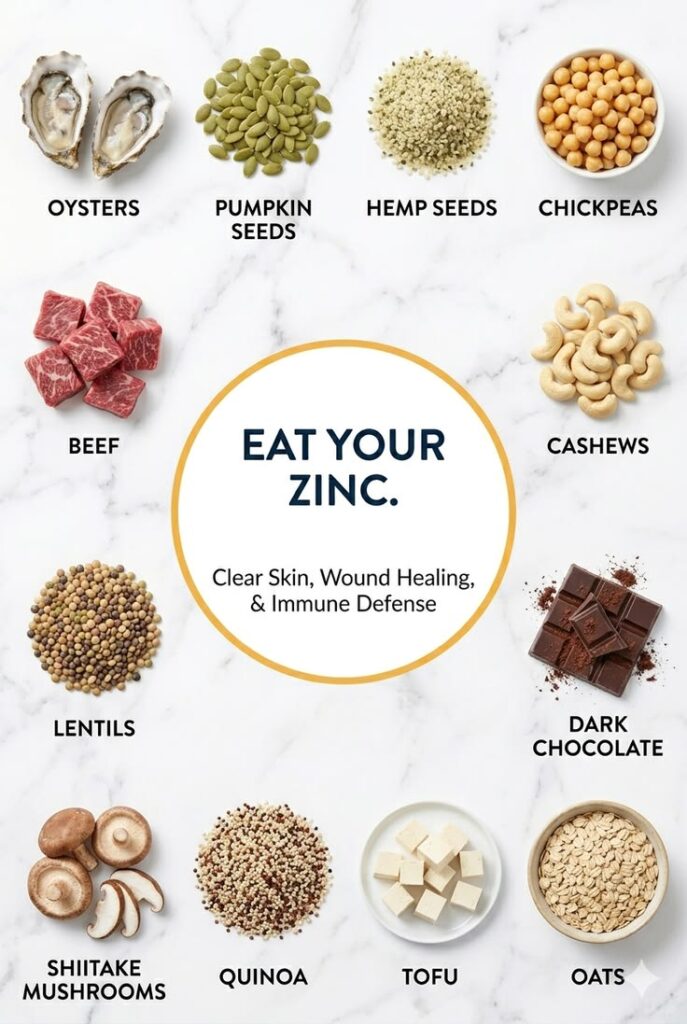
Foods rich in zinc include:
- Oysters
- Beef
- Pumpkin seeds
- Chickpeas
- Cashews
- Yogurt
As always, supplements should only be used when necessary because taking too much zinc over long periods can interfere with the absorption of other essential minerals.
10. Omega-3 Fatty Acids
While omega-3 fatty acids aren’t technically vitamins, they play such an important role in hair health that they deserve a place in this guide. If your scalp is constantly dry, flaky, or irritated, increasing your intake of healthy fats may help create a better environment for healthy loc growth.
Omega-3s help reduce inflammation throughout the body, including the scalp. They also support the skin barrier, which helps your scalp retain moisture naturally. A healthy, hydrated scalp is less likely to become itchy or irritated, allowing your hair follicles to focus on producing healthy strands.
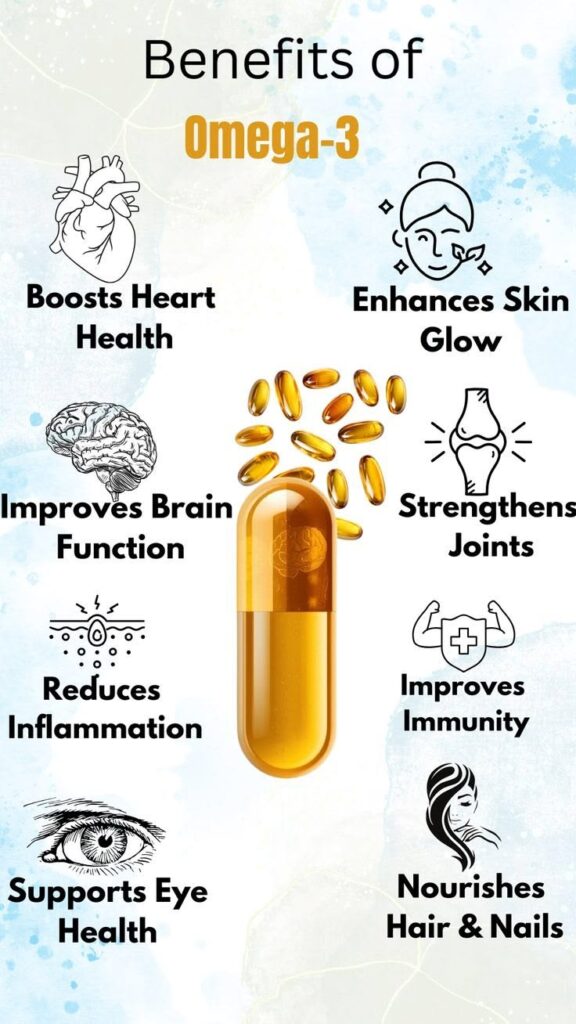
Another benefit of omega-3 fatty acids is that they may improve the shine and flexibility of your locs. While they won’t transform your hair overnight, they contribute to overall hair health from the inside out.
Foods rich in omega-3s include:
- Salmon
- Sardines
- Mackerel
- Chia seeds
- Flaxseeds
- Walnuts
Instead of thinking of omega-3s as another supplement to buy, try incorporating more of these foods into your weekly meals.
If your locs feel dry despite moisturizing regularly, you’ll love our guide on How Often Should You Moisturize Locs? It explains how to maintain the right moisture balance without causing product buildup.
Should You Take Hair Growth Supplements?
After learning about the different Vitamins That Help Loc Growth, it’s natural to wonder whether you should buy a hair-growth supplement.
The answer isn’t the same for everyone.
If you eat a balanced diet filled with lean proteins, fruits, vegetables, healthy fats, and whole grains, your body may already be receiving many of the nutrients it needs. In that case, spending money on expensive hair-growth gummies or supplements may not make much difference.
However, if you have a vitamin deficiency confirmed by a healthcare professional, supplements can help restore healthy nutrient levels. Once your body has the nutrients it needs, your hair follicles can function more effectively.
One mistake many people make is assuming that if one vitamin is good, taking twice as much must be even better. Unfortunately, that’s not how the body works. Excessive amounts of certain vitamins, especially vitamin A, may actually contribute to hair loss.
Instead of guessing, it’s always better to identify whether you’re actually deficient before starting multiple supplements.
Other Habits That Work Alongside Vitamins
Even the best vitamins can’t overcome unhealthy hair care habits. To give your locs the best chance of thriving, combine proper nutrition with a consistent maintenance routine.
Drink More Water
Your body needs water to transport nutrients to every cell, including your hair follicles. Dehydration can leave your scalp dry and your hair more prone to breakage.
Aim to drink enough water each day so your body can function at its best. Healthy hydration supports not only your locs but also your skin, digestion, and overall well-being.
Eat Enough Protein
Hair is made primarily of keratin, which is a protein. Without enough protein in your diet, your body may struggle to produce strong hair, no matter how many vitamins you take.
Great protein sources include:
- Eggs
- Chicken
- Fish
- Greek yogurt
- Lentils
- Beans
- Tofu
- Cottage cheese
Think of protein as the building blocks of your locs, while vitamins help your body use those building blocks efficiently.
Keep Your Scalp Clean
Some people avoid washing their locs because they worry they’ll unravel or become frizzy. In reality, a clean scalp creates a healthier environment for growth.
Sweat, oil, dead skin, and product buildup can clog follicles over time, making scalp health more difficult to maintain.
If you’re still in the starter phase, you’ll definitely want to read How to Wash Starter Locs Without Unravelling Them (Step-by-Step Guide). It walks you through the safest way to keep your locs clean while protecting your budding pattern.
Avoid Hairstyles That Create Too Much Tension
Constant pulling can weaken your roots and even contribute to traction alopecia over time.
If your hairstyle feels painful, it’s probably too tight.
Instead, choose protective styles that place less stress on your scalp.
Need inspiration? Take a look at Low Tension Loc Styles That Protect Your Hairline for beautiful hairstyles that are both stylish and gentle on your roots.
Don’t Retwist Too Often
A fresh retwist looks neat, but retwisting too frequently won’t make your locs grow faster.
In fact, excessive retwisting may weaken your roots and increase breakage.
Many beginners unknowingly damage their locs because they believe more frequent maintenance equals faster growth.
Before scheduling your next retwist, check out Signs You Are Retwisting Your Locs Too Often to learn the warning signs of over-manipulation.
Manage Stress
Stress affects much more than your mood; it can also affect your hair.
Long-term stress may disrupt your body’s normal hair growth cycle, leading to increased shedding in some people.
While it’s impossible to eliminate stress completely, finding healthy ways to manage it can benefit both your mental well-being and your locs.
Simple habits like:
- Walking
- Prayer or meditation
- Exercise
- Journaling
- Getting enough sleep
can all contribute to a healthier body and healthier hair.
Be Patient With Your Journey
Perhaps the hardest lesson every person with locs eventually learns is that healthy growth takes time.
Most people’s hair grows about half an inch each month, although genetics, nutrition, hormones, and overall health all influence that rate.
Instead of measuring your locs every week, take photos every month. Looking back after six months or a year often reveals incredible progress that you didn’t notice day by day.
By focusing on consistency rather than quick results, you’ll build healthier locs that continue to thrive for years to come.
Frequently Asked Questions About Vitamins That Help Loc Growth
Can vitamins really make my locs grow faster?
This is one of the most common questions people ask. The truth is that Vitamins That Help Loc Growth don’t change your natural genetic growth rate. Instead, they help your body produce healthier hair by giving your follicles the nutrients they need. If you’ve been deficient in certain vitamins or minerals, correcting that deficiency may improve growth, reduce breakage, and help you retain more length over time.
If you’re looking for even more natural ways to encourage growth, be sure to read Proven Ways to Make Your Locs Thicker. Many of the tips work hand in hand with proper nutrition.
Should I take biotin every day?
Not necessarily.
Many people already get enough biotin through the foods they eat. Taking a supplement without knowing whether you’re deficient may not provide noticeable benefits. In some people, high-dose biotin supplements can even cause skin breakouts.
A balanced diet should always be your first step. If you suspect a deficiency, speak with a healthcare professional before adding supplements to your daily routine.
Which vitamin deficiency causes the most hair loss?
Several nutrient deficiencies have been linked to hair shedding, including:
- Vitamin D
- Iron
- Vitamin B12
- Zinc
- Folate
- Biotin
The only way to know for sure is through proper medical testing. Instead of guessing, ask your healthcare provider if blood work is appropriate for your situation.
Can food alone improve my loc growth?
For many people, yes.
Eating a balanced diet filled with protein, fruits, vegetables, healthy fats, and whole grains provides many of the nutrients your follicles need to produce healthy hair.
Supplements are most helpful when they’re filling a genuine nutritional gap rather than replacing healthy eating habits.
If you’re wondering exactly what foods to prioritize, don’t miss Foods That Help Your Locs Grow Faster, where we dive deeper into nutrition for healthier locs.
How long does it take to notice healthier loc growth?
Hair growth requires patience.
Even when you improve your nutrition, it may take several months before you notice visible changes. Remember that your body must first correct any deficiencies before healthier hair becomes noticeable.
Consistency will always outperform quick fixes.
Final Thoughts
It’s easy to believe that longer locs come from expensive oils or the latest viral hair-growth trend, but the truth is much simpler. Healthy locs begin with a healthy body. Understanding Vitamins That Help Loc Growth gives you the knowledge to nourish your hair from the inside out instead of relying only on products that promise overnight results. Every healthy meal, every glass of water, and every good hair-care habit becomes another investment in the future of your locs.
Remember that no single vitamin can transform your locs overnight. Real progress comes from combining proper nutrition with gentle maintenance, regular cleansing, hydration, and patience. Avoid comparing your journey to someone else’s because every head of locs grows at its own pace. If you’re questioning whether your locs are progressing normally, take a few minutes to read How to Tell If Your Starter Locs Are Healthy. It can give you peace of mind and help you recognize the signs of healthy development.
Finally, enjoy the journey as much as the destination. Every inch of growth tells the story of your consistency, and every healthy loc reflects the care you’ve given yourself along the way. Stay committed to nourishing your body, protecting your hair, and trusting the process. Over time, those small daily choices will add up to stronger, fuller, and longer locs that you’re proud of.
One Comment