
How to Prepare Your Hair Before Starting Locs
Disclosure: Some of the links in this post are affiliate links. This means if you click on the link and purchase an item, I will receive an affiliate commission at no extra cost to you. All opinions remain my own. I only recommend products or services I believe will add value to my readers.
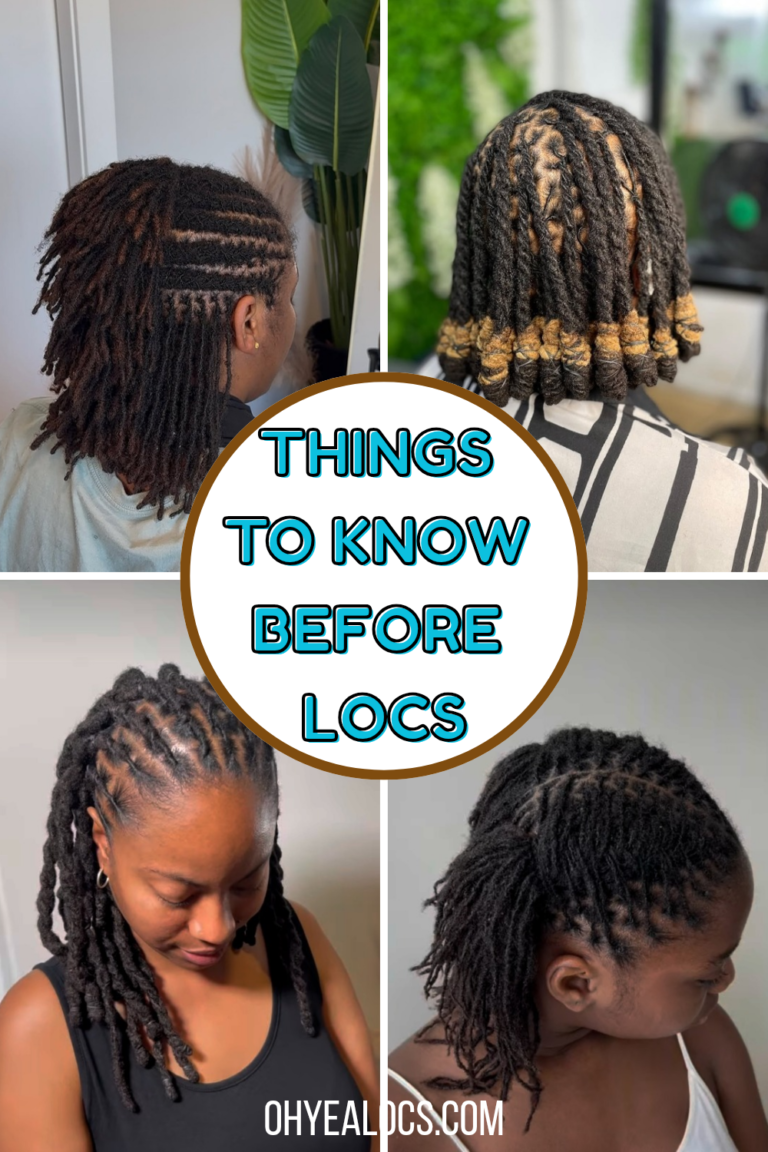
This post walks you through the exact steps on how to prepare your hair before starting locs.
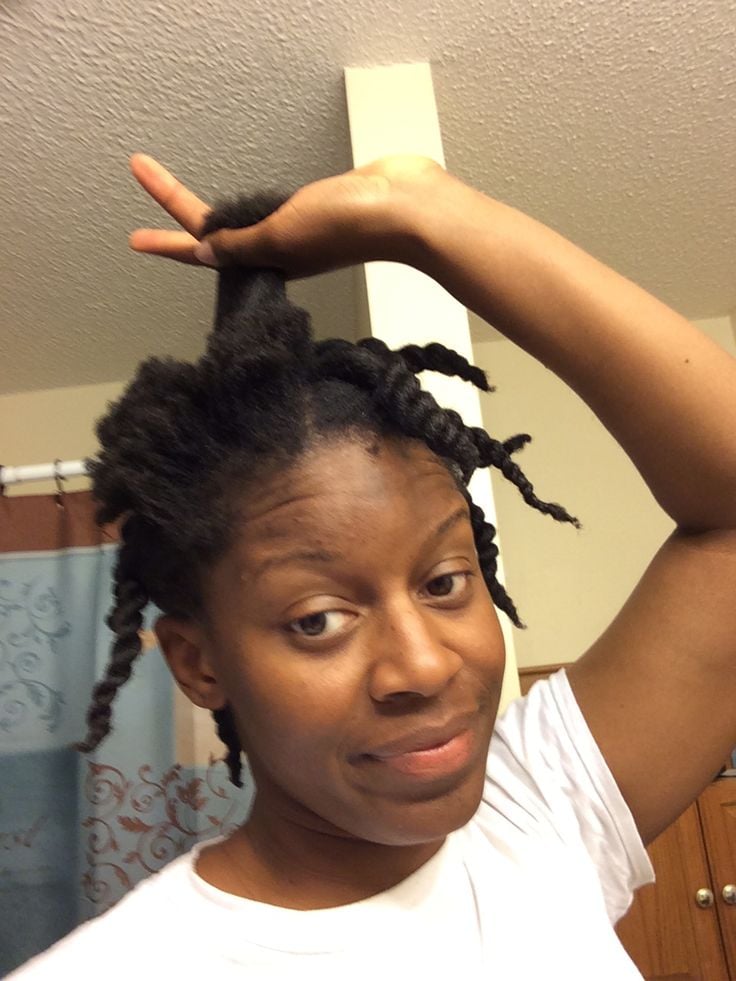
Starting your loc journey is exciting, but it can also feel a little overwhelming, especially if you’re not sure what to do before you begin. Many people rush into getting starter locs without properly preparing their hair, and that can lead to problems like slow locking, dryness, buildup, or even breakage. You might be wondering: Should you cut your hair before starting locs? I need to cut my hair? Should I wash it first? What products should I use or avoid? These are all valid questions, and the truth is, how you prepare your hair plays a huge role in how healthy and neat your locs will look in the long run.
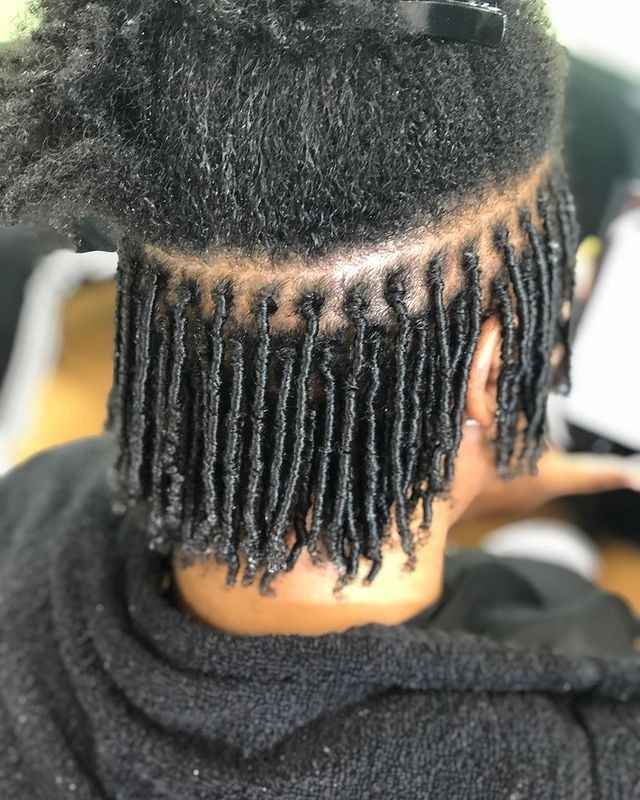
The good news is that preparing your hair for locs doesn’t have to be complicated. With the right steps, you can set a strong foundation for a smooth and successful loc journey. In this guide, you’ll learn exactly how to prepare your hair before starting locs so you can avoid common mistakes and feel confident from day one.
Why Preparing Your Hair Before Starting Locs Matters
Preparing your hair before starting locs is not just an extra step; it’s the foundation of your entire loc journey. Skipping this stage or doing it incorrectly can affect how your locs form, how they look, and how healthy they remain over time.
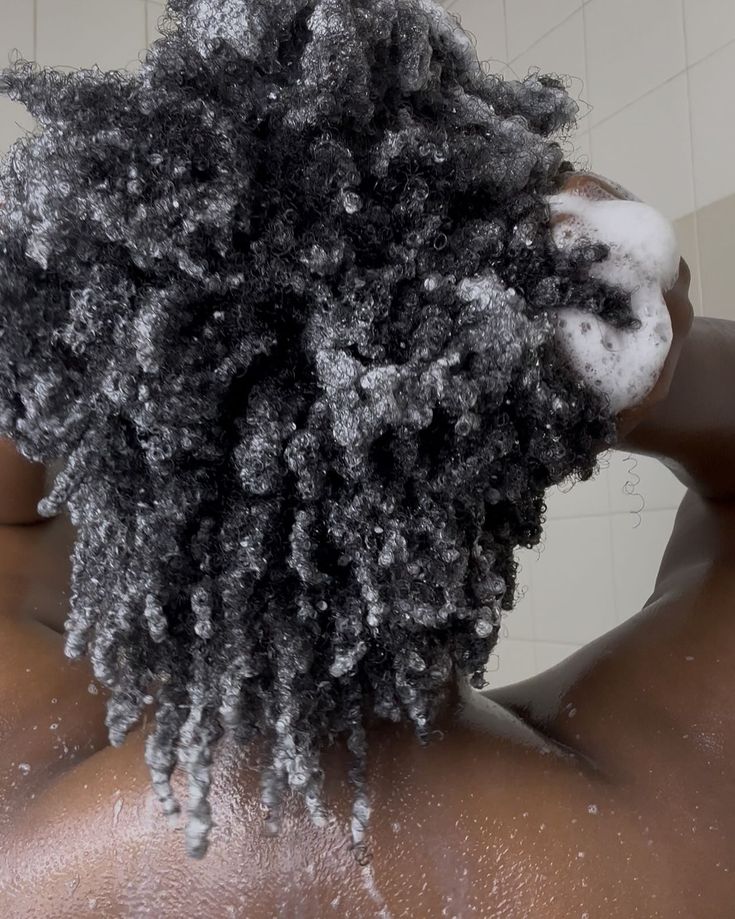
Firstly, proper preparation helps prevent breakage and thinning. If your hair is already weak, dry, or damaged before you start, those issues can get worse once your hair begins to lock. Locs hold onto whatever condition your hair is in at the beginning, so starting with healthy strands is very important.
Secondly, well-prepared hair locks faster and more evenly. Clean, detangled hair allows your chosen starter method, whether it’s twists, coils, or braids, to form properly. When your hair is not properly prepared, you may notice uneven loc sizes or sections that refuse to lock.
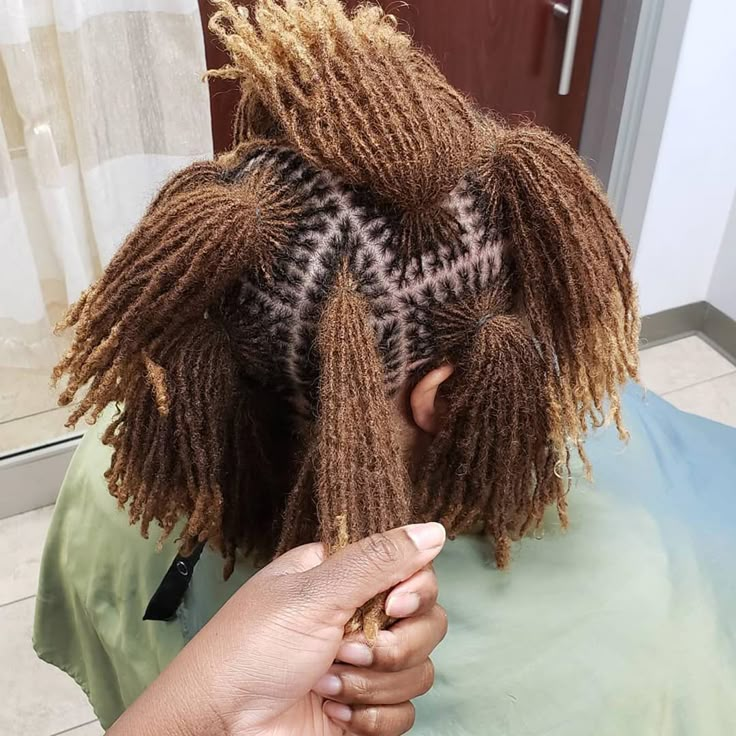
Another important reason is scalp health. A clean and balanced scalp reduces issues like itching, dandruff, and product buildup. Since you won’t be manipulating your hair as often once your locs start forming, any scalp problem you ignore at the beginning can become harder to manage later.
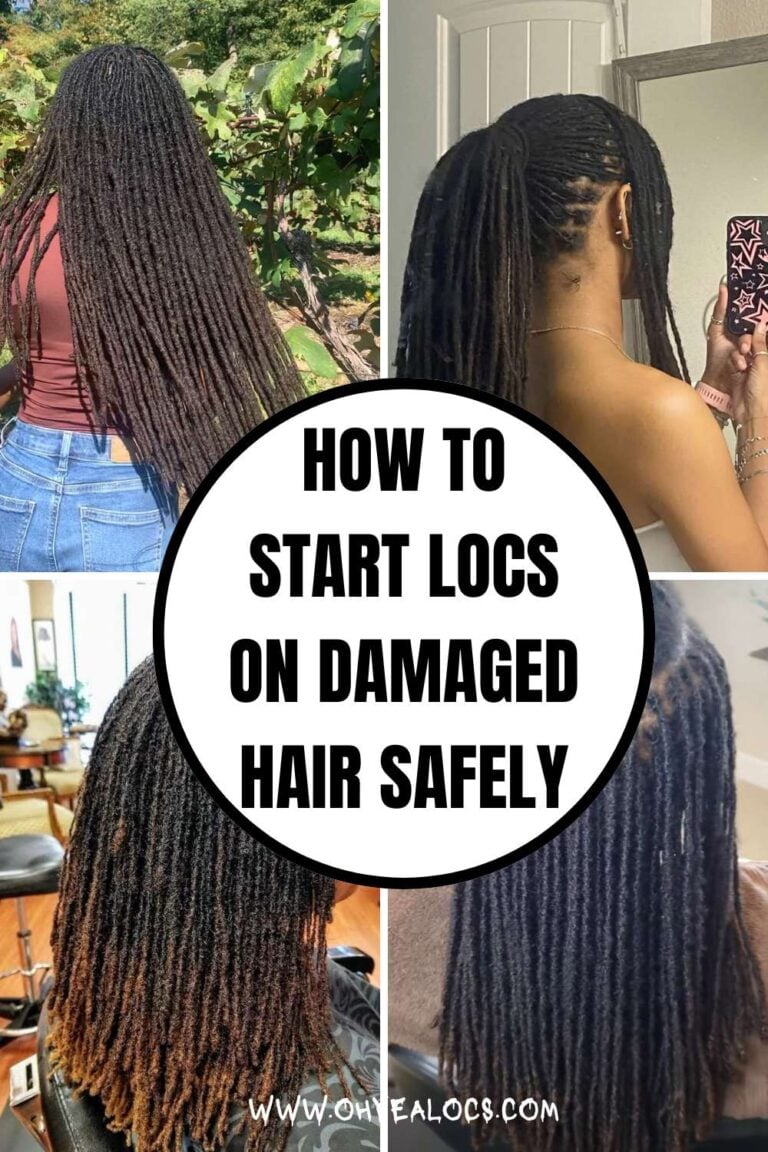
You should see this: How to get rid of dandruff in your locs
Lastly, preparation simply makes your loc journey easier. When you understand how to prepare your hair before starting locs, you spend less time fixing problems and more time enjoying the growth and transformation of your locs. In short, taking the time to prepare your hair properly sets you up for healthy, strong, and beautiful locs from the very beginning.
Understand Your Hair Type and Condition First
Before you start your locs, it’s important to understand your hair – how it behaves, its current condition, and what it needs. This step is often overlooked, but it can make a big difference in how your locs turn out.
Everyone’s hair is different, and there is no one-size-fits-all approach to starting locs. Knowing your hair type and condition helps you choose the right method, avoid unnecessary damage, and set realistic expectations for your loc journey.
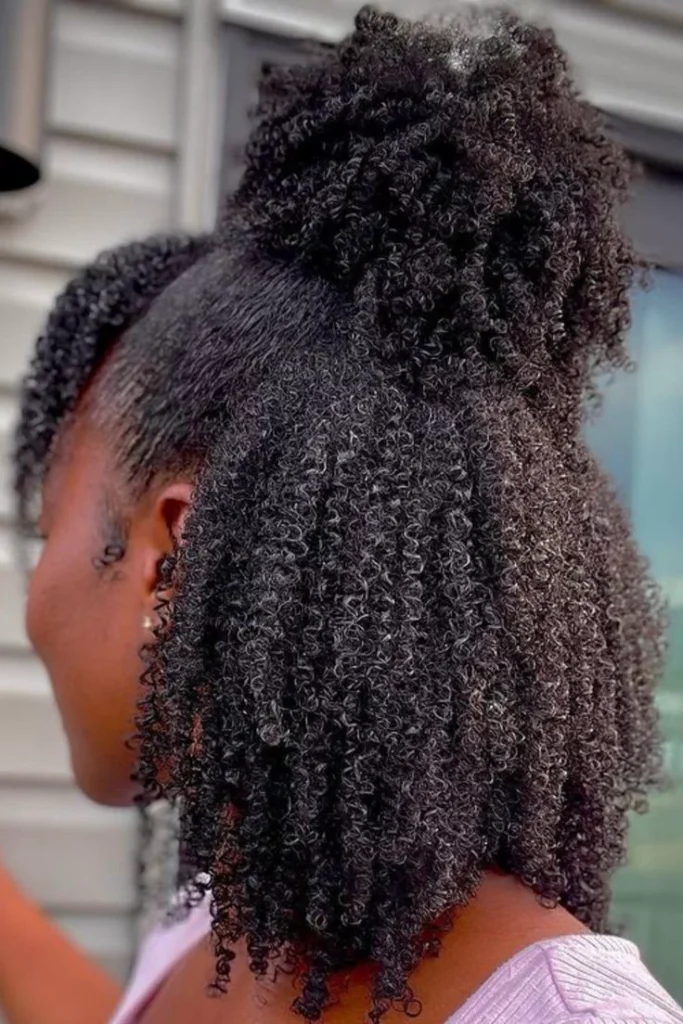
If you’ve ever wondered, “Is my hair even suitable for locs?” the simple answer is yes – most hair types can form locs. The key is understanding how your specific hair works so you can care for it the right way from the beginning.
Read this before you go: How Big Should Your Starter Locs Be?
Know Your Hair Texture
Your hair texture plays a big role in how quickly and easily your hair will lock. Whether your hair is coily, kinky, wavy, or straight, each type behaves differently during the locking process.
Coily and kinky hair types tend to lock faster because the strands naturally curl and wrap around each other. This makes it easier for the hair to form and hold locs over time. On the other hand, wavy or straight hair can still form locs, but it usually takes longer and may require more maintenance in the early stages.
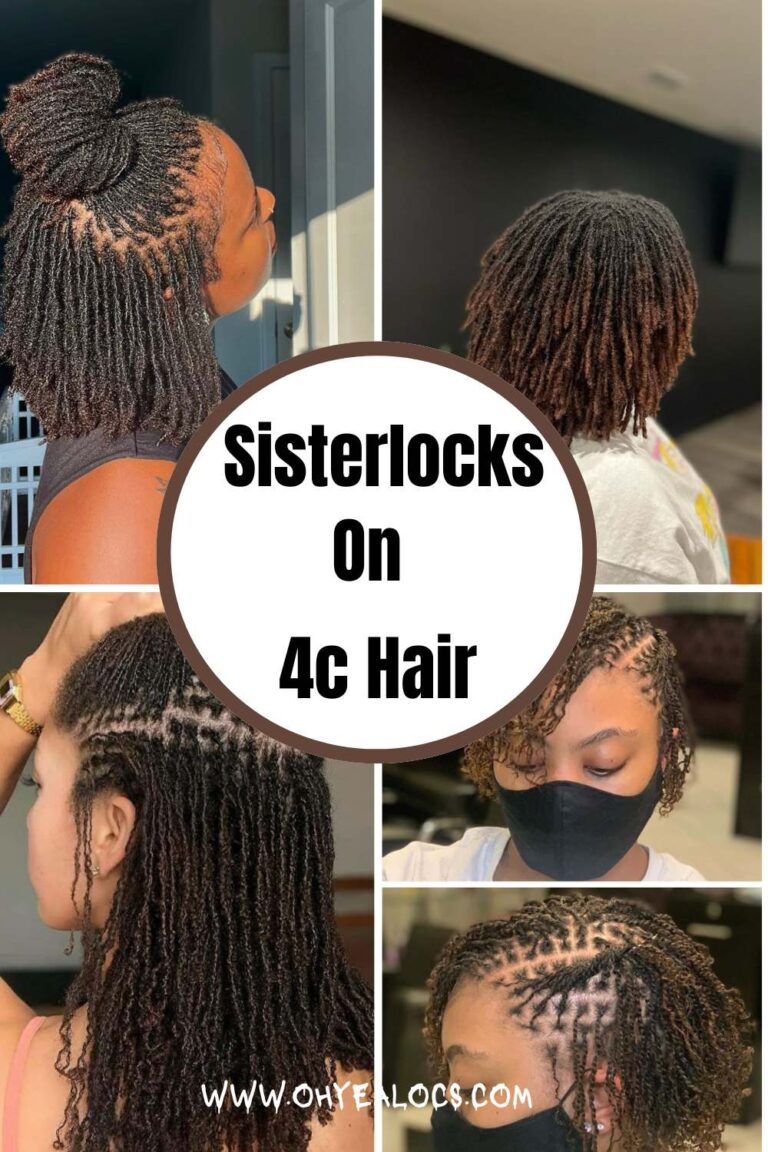
You may need to see this too: How to Start Sisterlocks on Short 4C Hair
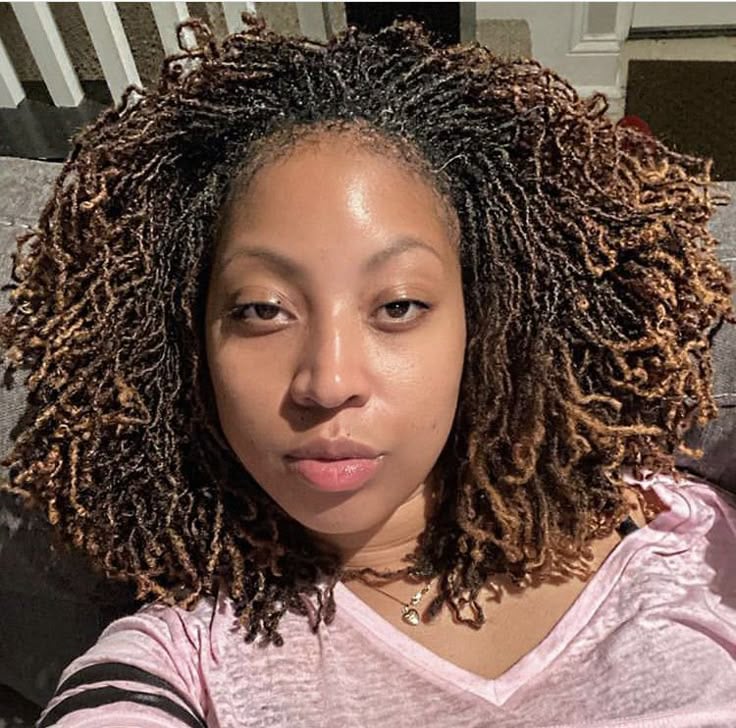
Understanding your texture helps you avoid frustration. For example, if your hair takes longer to lock, it doesn’t mean something is wrong; it just means your hair needs more time and patience.
You’ll love this too: Micro Locs vs Traditional Locs: Which Is Right for You?
Check Your Hair Health
Beyond texture, the condition of your hair is just as important. Starting locs on unhealthy hair can lead to problems like breakage, thinning, or weak locs later on.
Take a close look at your hair and watch out for common signs of damage, such as split ends, excessive dryness, or constant breakage. If your hair feels weak or brittle, it’s a good idea to address those issues before starting your locs.
Discover more here: How to Tell If Your Starter Locs Are Healthy
Another thing to consider is the balance between protein and moisture. Hair that lacks moisture can feel dry and rough, while too much protein can make it stiff and prone to snapping. Your goal is to have hair that feels soft, strong, and well-balanced. Please make sure you know the best oils and moisturizers for starter locs.
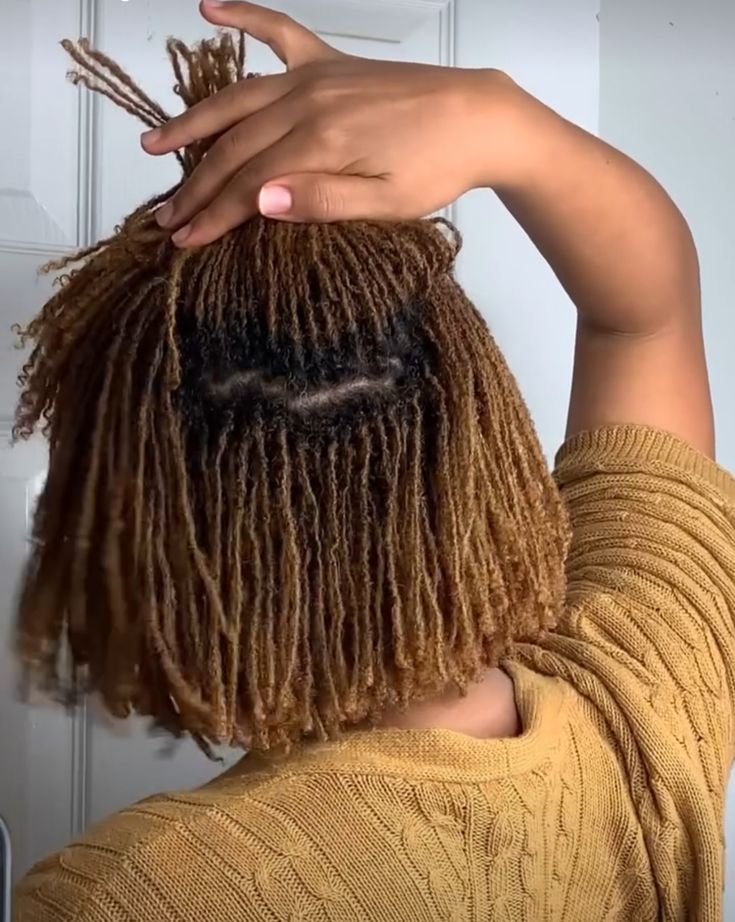
When your hair is in good condition before you start, your locs will form better, look healthier, and last longer. By taking the time to understand your hair type and condition, you’re already setting yourself up for a smoother and more successful loc journey.
You may find this helpful: How to Care for Your Locs the Right Way: A Complete Guide for Healthy, Long-Lasting Locs
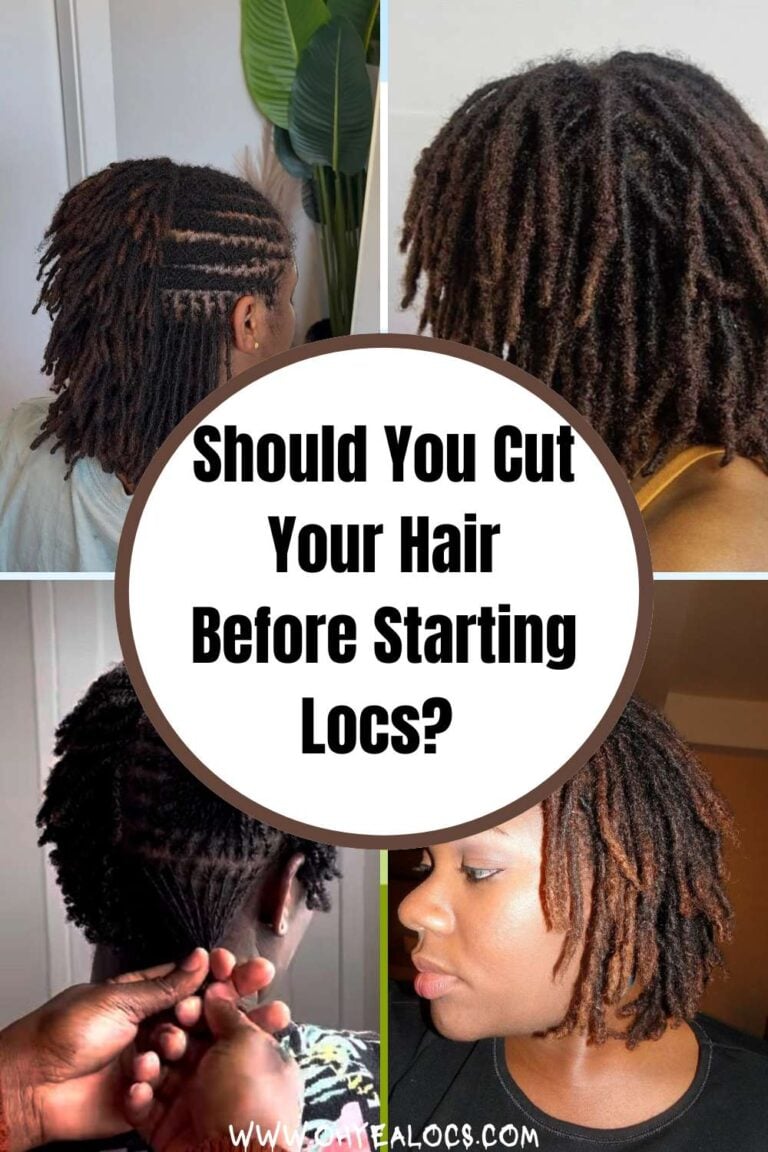
Do You Need to Cut or Trim Your Hair Before Starting Locs?
One of the biggest fears people have before starting locs is whether they need to cut their hair. The idea of losing length can feel scary, especially if you’ve spent years growing it out. The truth is, you don’t always have to cut your hair completely, but trimming when necessary is very important.
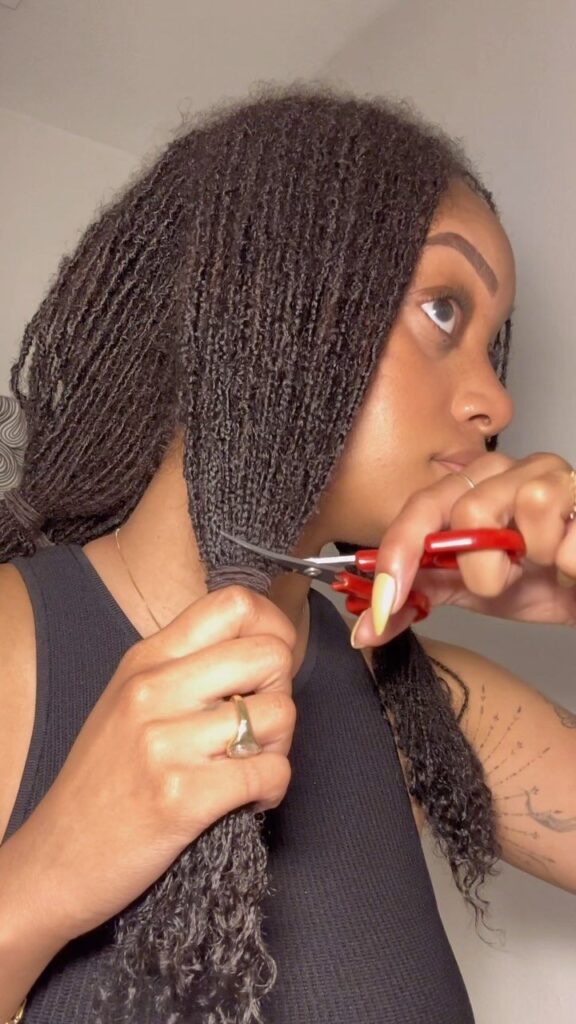
Trimming is necessary if your hair has a lot of split ends, uneven growth, or damaged sections. These weak ends can cause your locs to look thin, frizzy, or break easily over time. Removing them helps your locs form more neatly and stay strong.
On the other hand, cutting your hair is optional in many cases. If your hair is generally healthy, you can keep your length and simply trim the damaged parts.
If you have relaxed or chemically treated hair, you can still start locs without cutting everything off. Just keep in mind that your natural texture and the relaxed ends will behave differently, which may affect how your locs form. Some people choose to cut the relaxed ends later, while others transition slowly.
So no, you don’t have to cut all your hair off to start locs. The goal is not to lose length, but to start with healthy, ready-to-journey hair.
Deep Clean Your Hair (Clarifying is a Must!)
Before you install your starter locs, your hair needs to be as clean as possible. This step is very important, yet many people overlook it. Over time, hair builds up residue from oils, creams, conditioners, and styling products. Even if your hair looks clean, there may still be invisible buildup sitting on your strands and scalp.
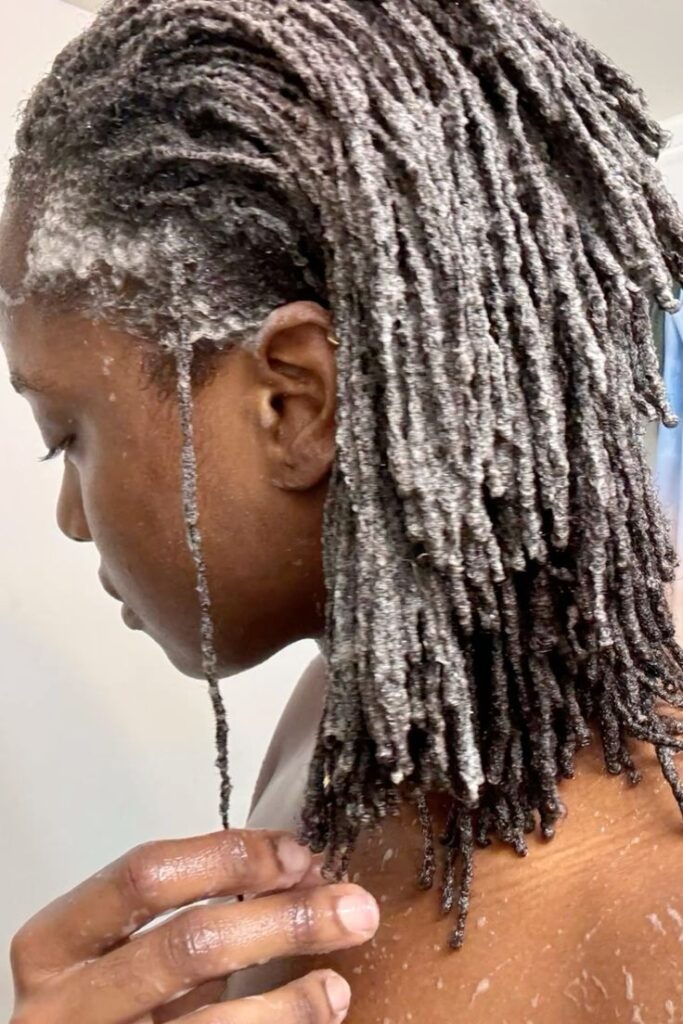
Starting locs on hair that has buildup can cause serious problems. It can make your locs look dull, feel heavy, and slow down the locking process. In some cases, buildup can even get trapped inside your locs, making them harder to clean later on.
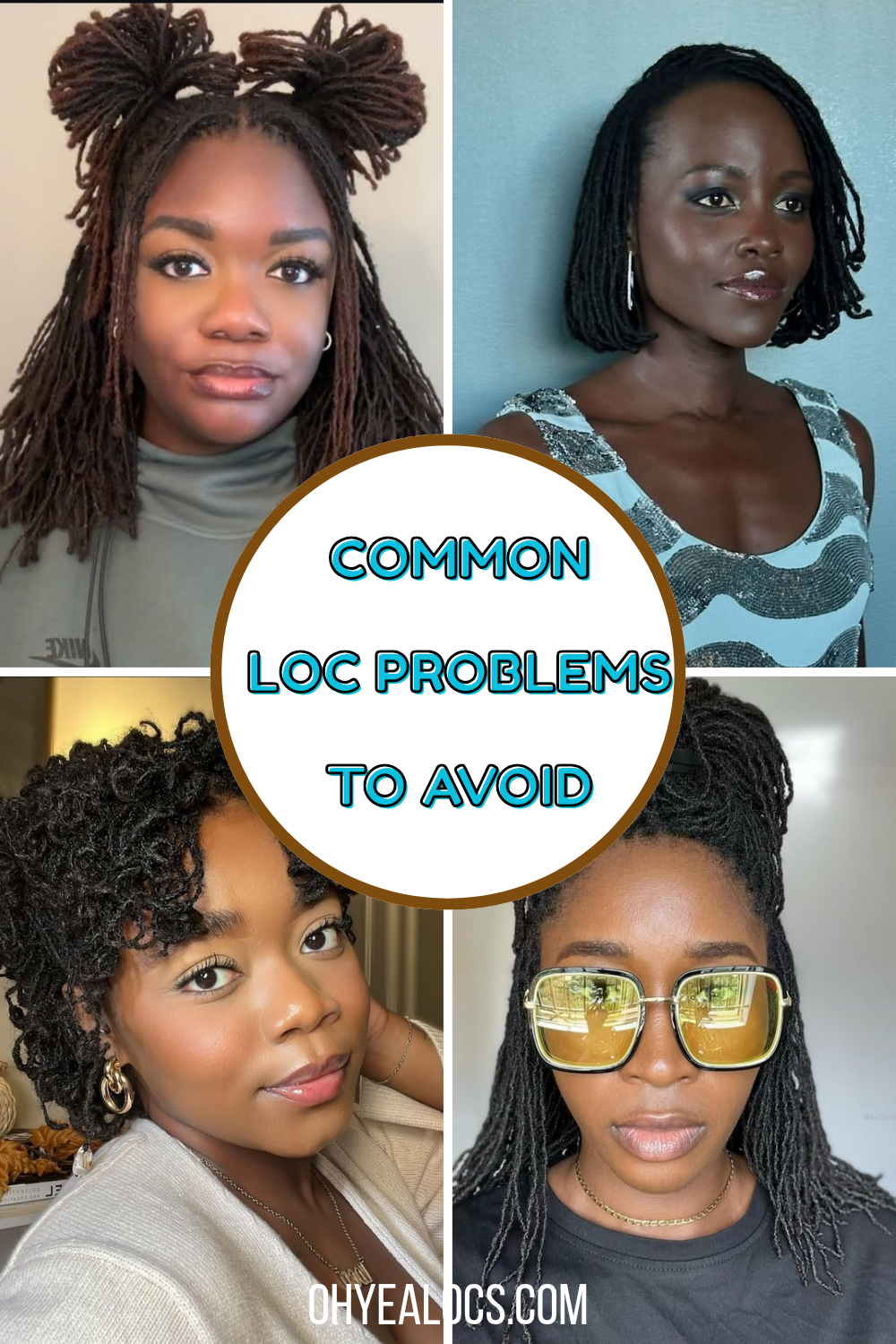
You might also enjoy this: Common loc problems and how to fix them
That’s why clarifying your hair before starting locs is a must. It gives your hair a fresh, clean base so your locs can form properly from the very beginning.
Why Regular Shampoo Isn’t Enough
Regular shampoos are great for everyday washing, but they are not strong enough to remove deep buildup. Many of them are designed to be gentle, which means they can leave behind residues from products you’ve been using.
If you start your locs without removing this buildup, it can get locked into your hair as your locs begin to form. This can lead to dull-looking locs, itchiness, and even odor over time.
How to Properly Clarify Your Hair
To properly prepare your hair, use a clarifying or sulfate-based shampoo to deeply cleanse your strands and scalp. This helps remove all the oils, dirt, and product residue that regular shampoos may leave behind.
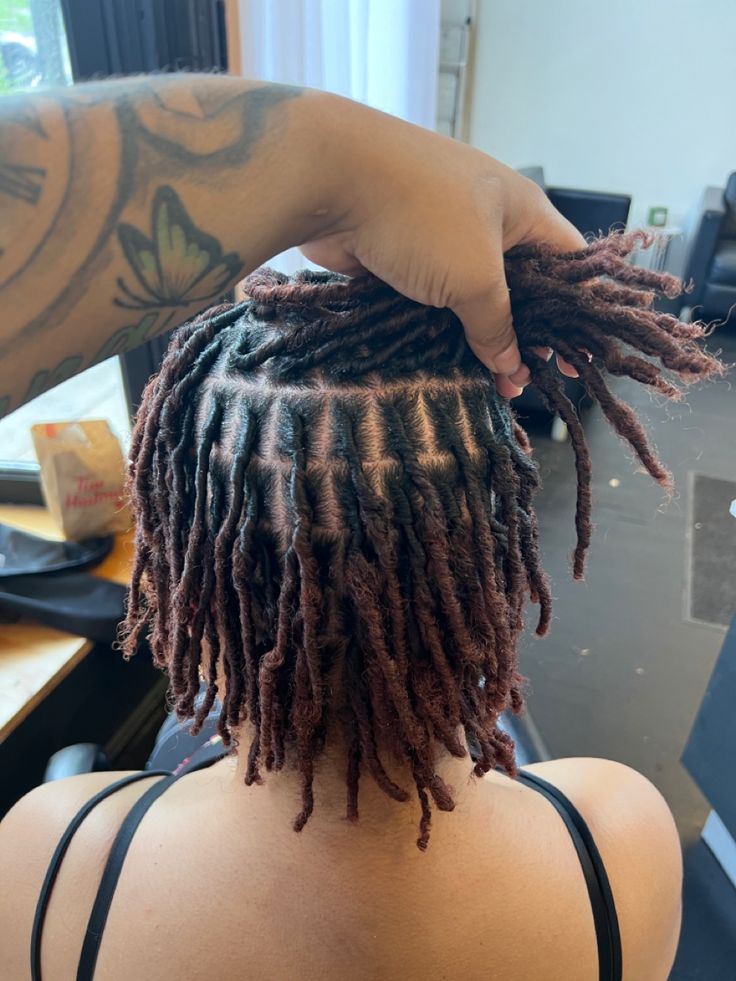
You can also do an apple cider vinegar rinse if you want an extra deep clean. This step is optional, but it can help break down stubborn buildup and leave your hair feeling fresh. After clarifying, your hair should feel clean, light, and free from residue. This is the perfect starting point for your loc journey.
Moisture vs. Product: What Should You Apply Before Starting Locs?
When preparing your hair for locs, it’s easy to think you need a lot of products but in reality, less is more. One of the biggest mistakes people make is applying heavy creams, butters, and oils before starting locs. While these products may make your hair feel soft at first, they can create buildup that gets trapped inside your locs.
Instead, keep things simple. If needed, you can use a light leave-in conditioner, but avoid layering multiple products. Your hair should feel clean and lightly moisturized, not greasy or weighed down.
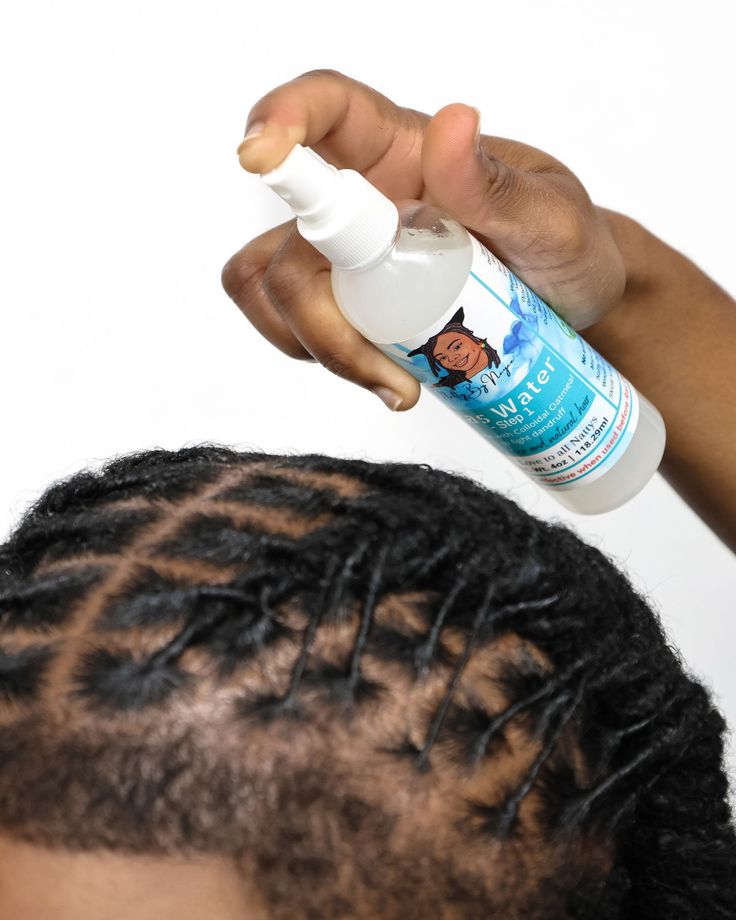
Buildup is one of the biggest enemies of starter locs. Once your hair begins to lock, anything sitting on your strands can get trapped inside, making your locs look dull and harder to maintain. The goal is to start with clean, breathable hair so your locs can form naturally without interference from heavy products.
Stretch or Not? Preparing Your Hair for Installation
Before starting your locs, you might wonder if you need to stretch your hair. The answer depends on the look you want, but in many cases, stretching your hair can make the process easier.
Stretched hair helps create cleaner parts and more uniform sections. This is especially helpful if you want neat, well-defined locs from the beginning. There are different ways to stretch your hair without causing damage. You can gently blow-dry your hair using low heat, or use no-heat methods like banding or African threading. These options help elongate your hair while keeping it healthy.
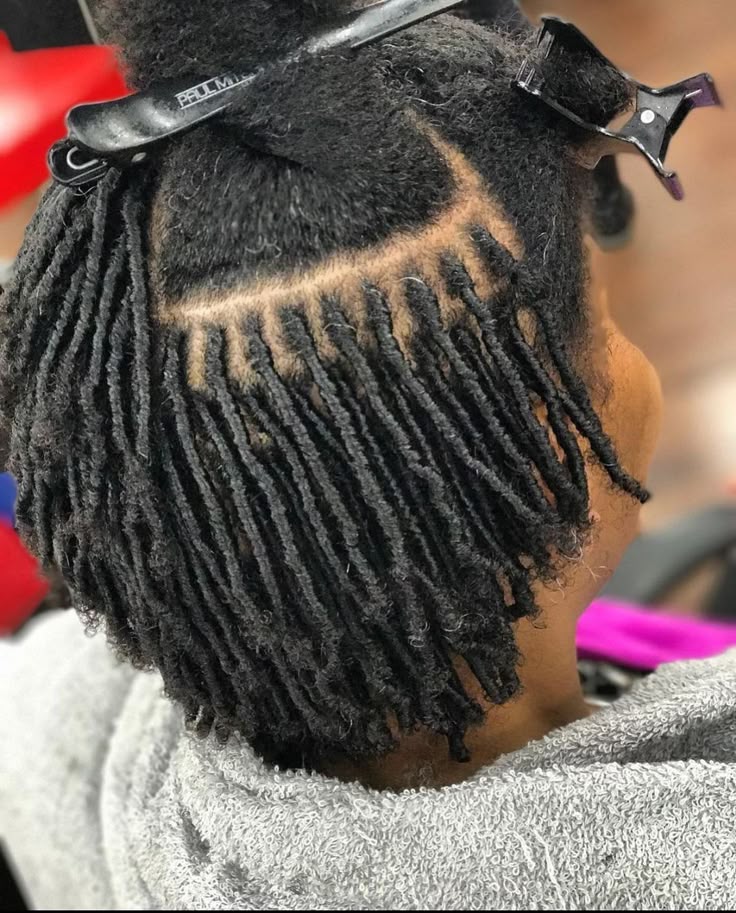
That said, stretching is not compulsory. Some people prefer to start locs on their natural, unstretched hair for a fuller look. Both options work; it all comes down to your preference. So, if you’ve been asking, “Do I need to stretch my hair before starting locs?” the answer is no, but it can help you achieve a neater and more controlled result.
Choose the Right Starter Loc Method for Your Hair
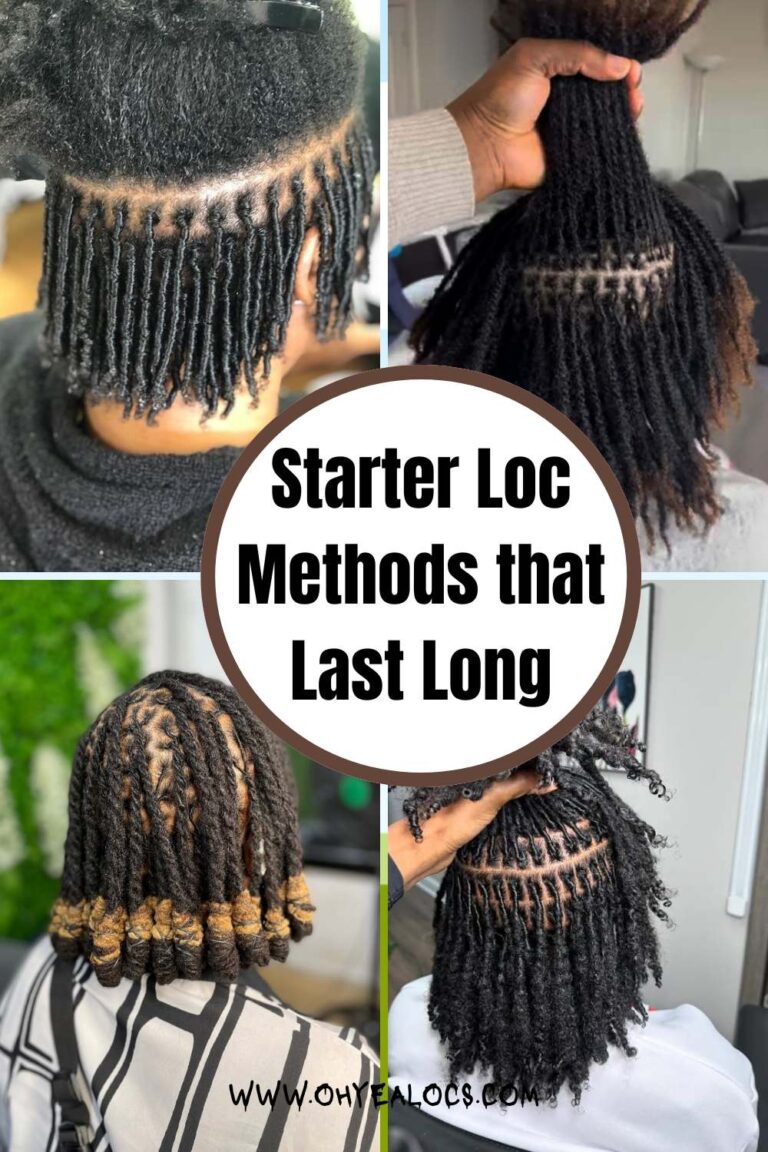
There are different methods of starting locs; choosing the right method to start your locs is just as important as preparing your hair. The method you choose affects how your locs will look, how fast they will form, and how much maintenance they will need. There are several common starter methods, and each one works differently depending on your hair type.
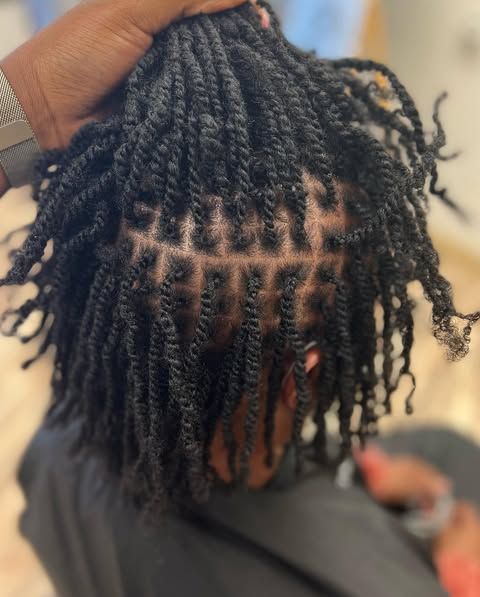
Two-strand twists are one of the most popular options. They are easy to install and work well for most hair types, especially thicker textures. They also give a fuller look from the start.
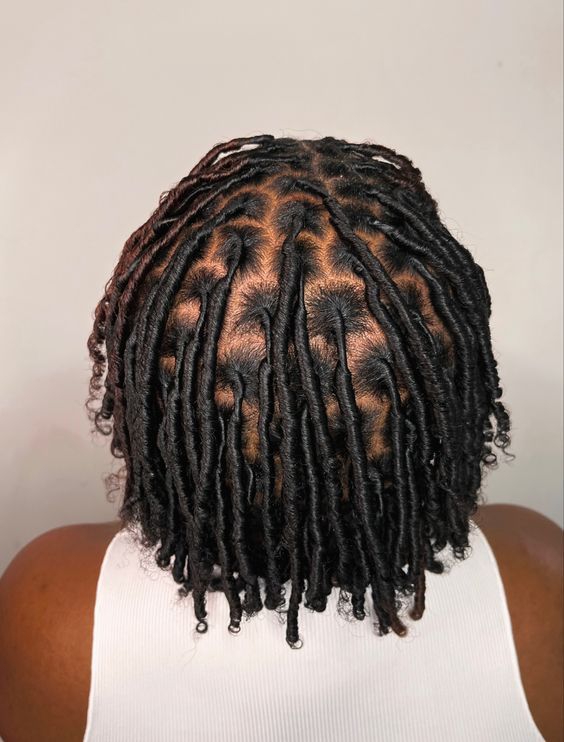
Comb coils are another option, often used for shorter or softer hair textures. They create a more uniform look but may unravel more easily in the early stages.
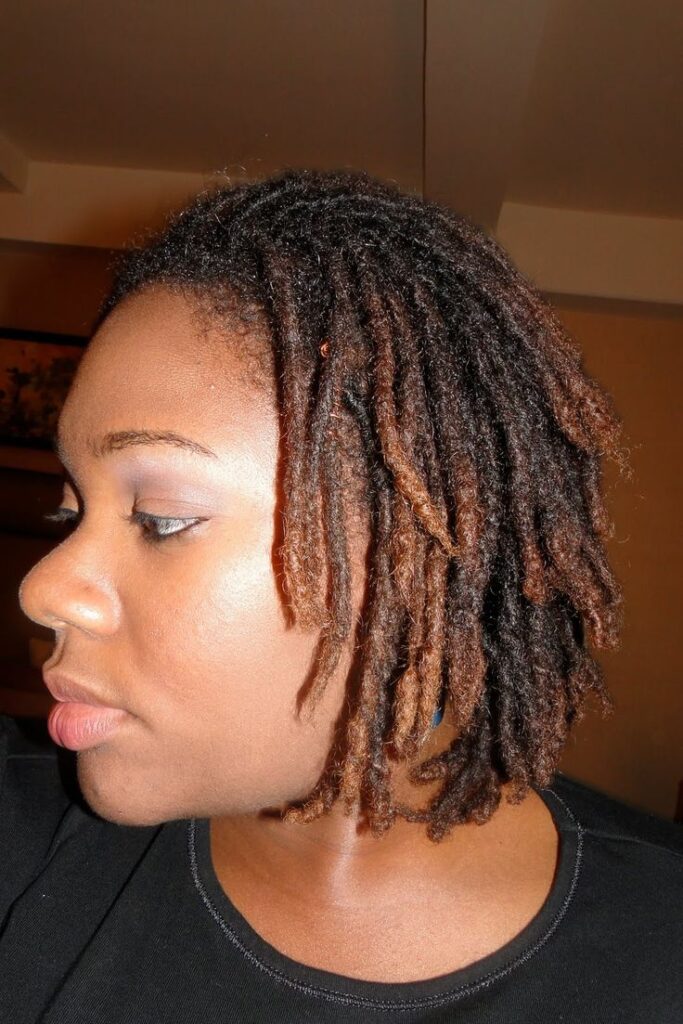
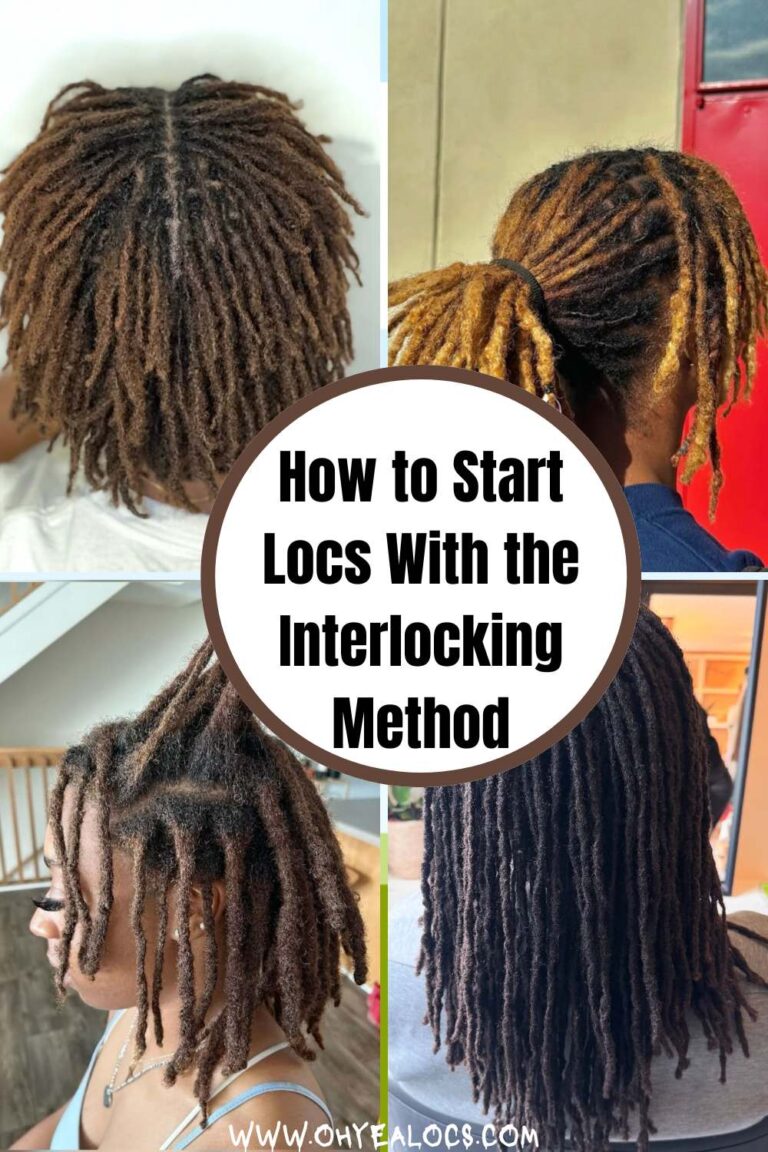
Instant locs or interlocking methods are faster and give a more mature look right away. However, they may require more skill to install properly and can feel tighter at the beginning.
The best method for you depends on your hair texture, length, and personal preference. There is no single “perfect” method, just the one that works best for your hair and lifestyle.
Prepare Your Scalp for a Healthy Loc Journey
Your scalp health is just as important as your hair when starting locs. If your scalp is not in good condition, it can affect how comfortable and healthy your loc journey will be.
If you have dandruff, itchiness, or any scalp issues, it’s best to treat them before starting your locs. Once your hair begins to lock, it becomes harder to access your scalp, so it’s important to address these problems early.
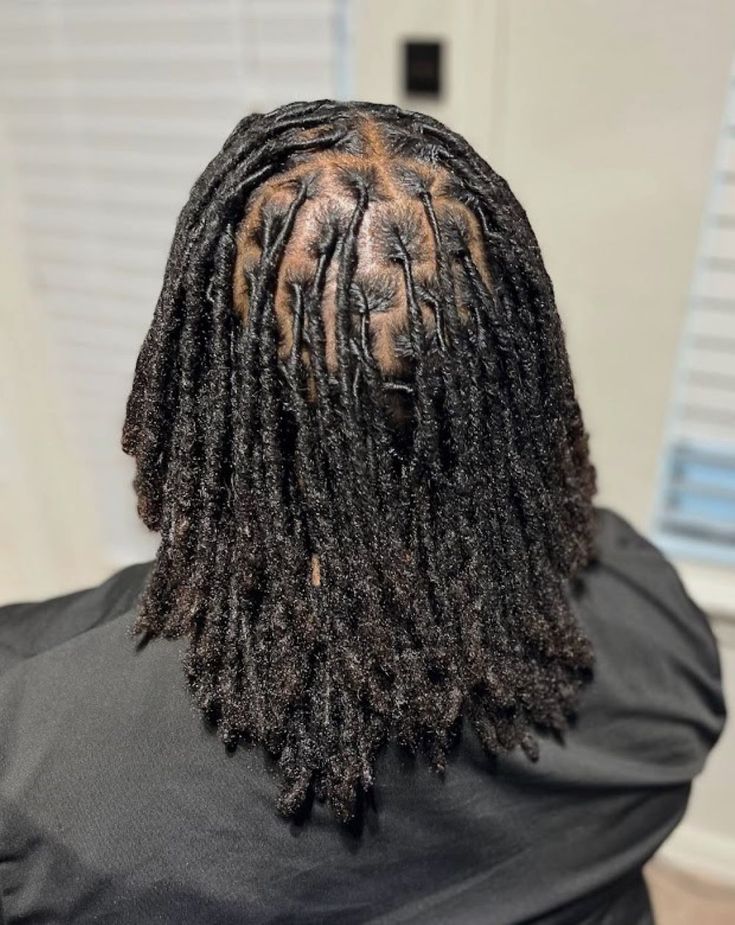
A clean, balanced scalp helps reduce itching and buildup as your locs form. You can use light oils to keep your scalp moisturized, but if you have serious issues like dandruff, medicated treatments may be more effective. Starting with a healthy scalp makes the entire process smoother and more enjoyable.
Mentally Prepare for the Loc Journey (Underrated but Important)
Starting locs is not just a physical process; it’s also a mental journey. One thing many people don’t talk about is the “ugly stage,” where your locs may not look as neat or defined as you expected. This stage is completely normal. Your hair is going through a transformation, and it takes time for locs to fully form and settle.
Patience is key. Locs don’t happen overnight, and comparing your journey to others can lead to unnecessary frustration. It’s also important to avoid constantly manipulating your hair. Touching, redoing, or styling too often can slow down the locking process and cause damage. If you prepare yourself mentally, you’ll be more confident and relaxed as your locs grow and evolve.
What NOT to Do Before Starting Locs
Knowing what to avoid is just as important as knowing what to do. Do not start your locs on dirty hair, as buildup can get trapped and cause long-term issues. Avoid using heavy styling products that can weigh your hair down and interfere with the locking process.
Don’t skip trimming damaged ends, as this can lead to weak or uneven locs. Also, avoid over-conditioning your hair, as overly soft hair may take longer to lock. Keeping things simple and clean is the best approach.
What to Do Before Your Loc Appointment
Before starting your locs, here’s a quick checklist to make sure you’re fully prepared:
- Clean hair ✔
- Detangled hair ✔
- Scalp checked and healthy ✔
- Hair stretched (optional) ✔
- Starter method chosen ✔
In conclusion, starting locs doesn’t require perfection just proper preparation. Taking the time to care for your hair before you begin can make a huge difference in how your locs turn out. When you start with clean, healthy hair and the right approach, your locs are more likely to grow strong, neat, and beautiful over time. Remember, healthy locs don’t happen by chance; they start with informed decisions. If you’re ready to take the next step, check out our guide on the best starter loc methods to find the perfect option for your hair.
You just read a post on how to prepare your hair before starting locs.

I really enjoyed reading the information for the journey to locs..I am currently considering taking that step I have been natural for 8yrs. now and graying for about 4-5yrs. I like the twist styles which I do myself sometimes, The micro locs sounds like the look and style I’d like to achieve.