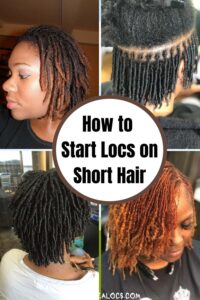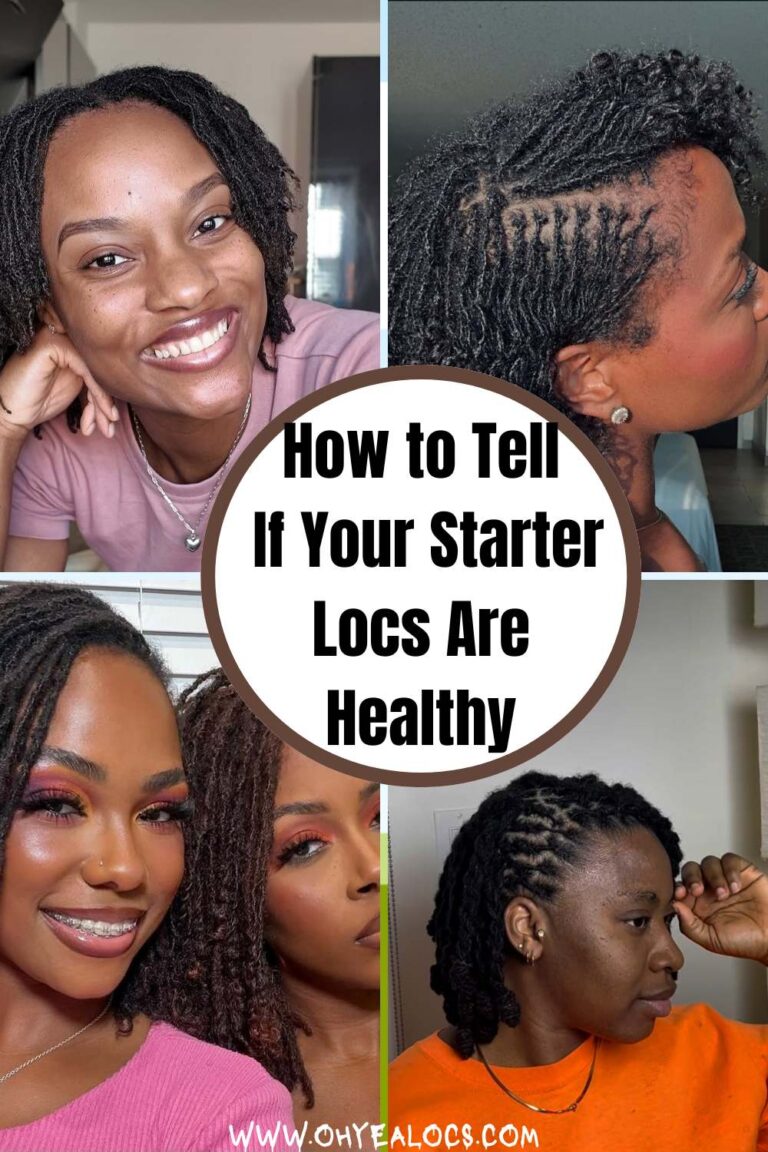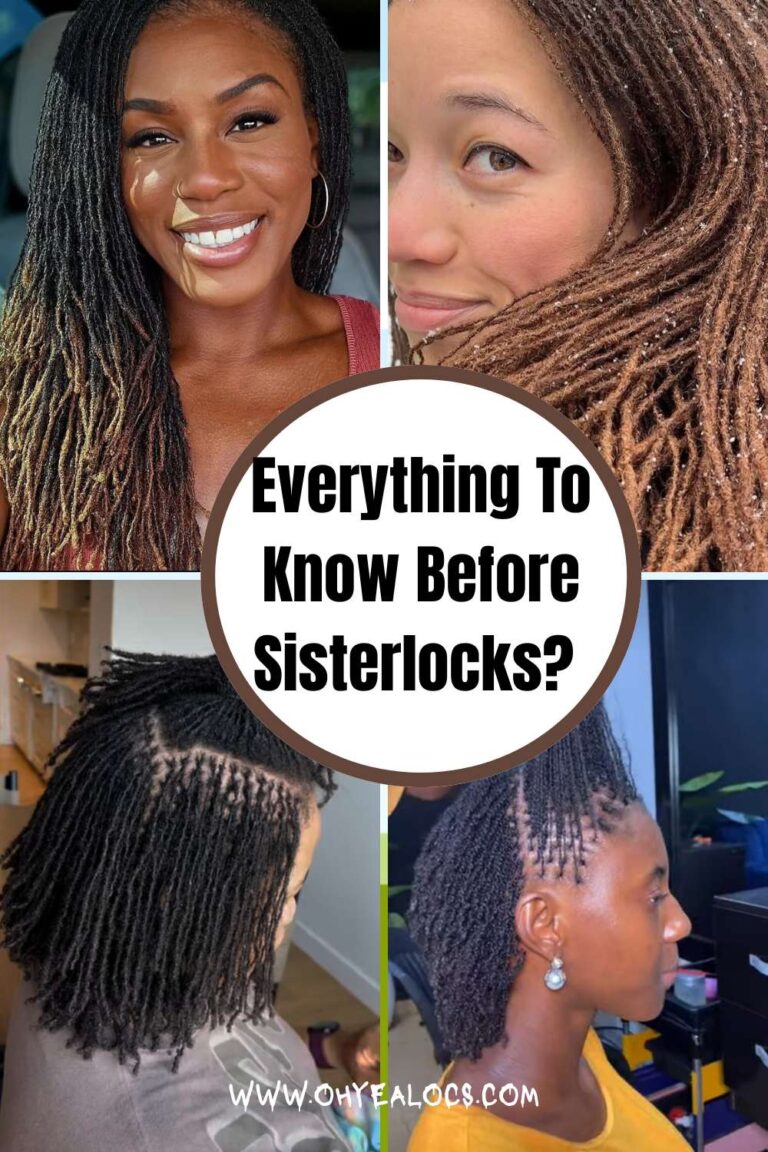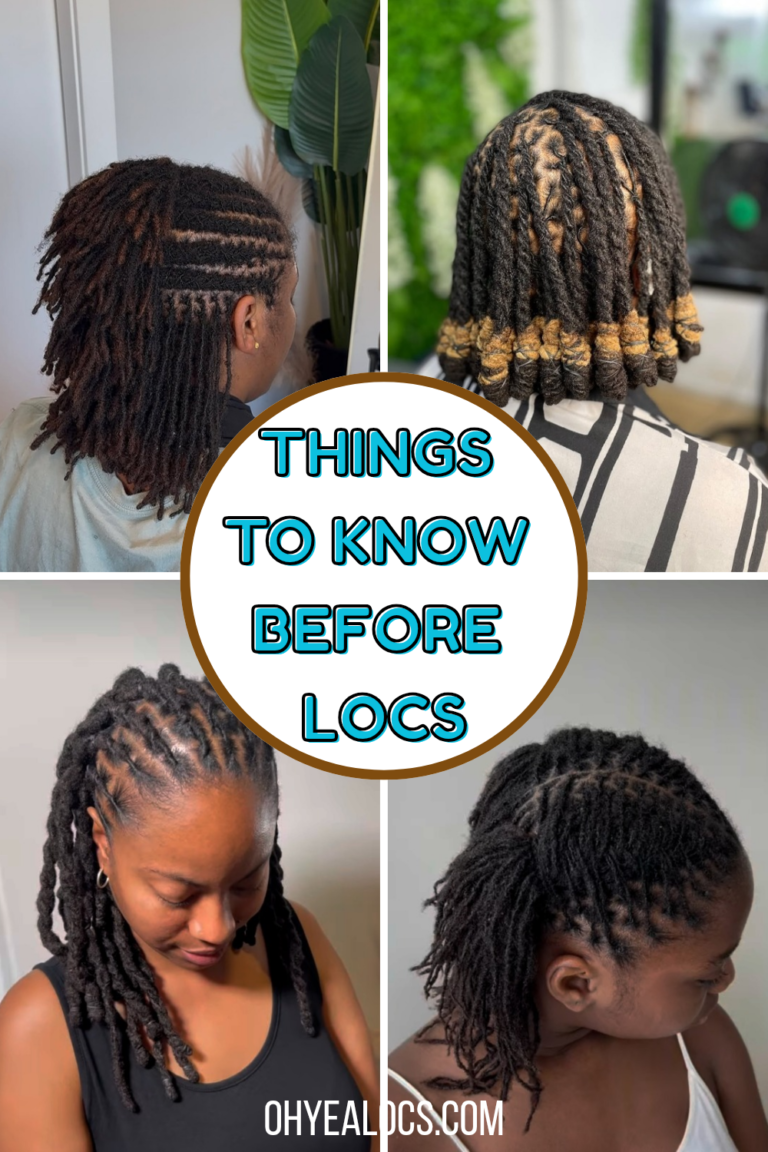
How to Start Locs Yourself at Home Without a Loctician
Disclosure: Some of the links in this post are affiliate links. This means if you click on the link and purchase an item, I will receive an affiliate commission at no extra cost to you. All opinions remain my own. I only recommend products or services I believe will add value to my readers.
Starting locs is an exciting step in a natural hair journey. Surprisingly, many people assume they must visit a professional loctician to begin. The truth is that you can successfully start locs yourself at home with the right techniques and some patience.
Whether you want to save money, enjoy the flexibility of doing your own hair, or simply prefer a more personal approach to your loc journey, starting locs at home is completely possible. With a few basic tools and a clear process, you can create neat starter locs and care for them as they grow into mature locs.
In this guide, you will learn how to start locs yourself at home without a loctician, including the preparation, methods, and maintenance tips that will help your locs thrive.
Let’s jump right in!
Can You Really Start Locs Yourself at Home?
Yes, you can absolutely start locs yourself at home. Many people successfully begin their loc journey without ever visiting a loctician.
Starting locs yourself mainly requires patience, attention to detail, and a willingness to learn. While professional locticians are skilled at creating perfectly uniform parts and styling locs neatly, the process of forming locs is natural.
Once your hair is properly sectioned and twisted or coiled, it will gradually lock over time. Locticians don’t perform any magic.

DIY locs are especially appealing to people who want to save money or prefer maintaining their hair themselves. As long as you follow the right steps and take proper care of your hair, starting locs at home can lead to beautiful results.
Things to Know Before Starting Locs Yourself
Before you begin your loc journey, it is helpful to understand a few important things about how locs form and what to expect during the process. They include:
•Hair Length Requirements
Your hair does not need to be extremely long to start locs. In most cases, hair that is at least 3 to 5 inches long can be used to start locs.
Shorter hair may unravel more easily in the beginning, but it will still eventually lock as the hair tangles and forms knots over time. If your hair is longer, it may hold twists and coils more easily, which can make the starter phase smoother.
•Your Hair Type Matters
Hair texture can influence how quickly locs form. Tightly coiled hair tends to lock faster because the strands naturally wrap around each other. Looser textures may take longer to fully lock and may require more patience during the early stages.
Regardless of hair type, locs will form as long as the hair is properly sectioned and maintained.
•The Stages of Locs
Understanding the stages of loc development can help you stay patient throughout the process. Here are the stages:
–Starter Stage:
This is the beginning phase where the hair is twisted, braided, or coiled into sections. Locs may look neat initially but can loosen or become frizzy.
-Budding StagE:
At this point, hair begins to swell and tangle internally. Small knots start forming within the loc.
-Teen Stage:
Locs become fuller and thicker. Frizz is common during this stage as the hair continues to mat together.
-Mature Stage:
The locs become firm, smooth, and fully formed. At this point, they require less frequent maintenance.
Tools You Need to Start Locs at Home
One beautiful thing about starting locs yourself is that you do not need many tools. Most of the items you need are simple and affordable.
Basic tools include:
-Rat-tail comb for parting hair
-Hair clips for holding sections
-Spray bottle filled with water
-Mirror for viewing the back of your head
-Natural oils such as coconut oil or castor oil
-Light styling gel or aloe vera gel
-Satin bonnet or scarf for nighttime protection
-Optional tools include a loc sponge for short hair and a crochet hook for maintenance.
Having these tools ready before you begin will make the process much smoother.
How to Start Locs Yourself at Home (Step-by-Step Guide)
Starting locs yourself may take several hours (depending on the thickness and length of your hair). Taking your time during this process helps ensure your locs are neat and evenly sized.
Here are the steps to follow:
Step 1 – Wash and Prepare Your Hair
Begin by washing your hair with a residue-free shampoo. Clean hair helps locs form more easily because there is less oil or product buildup on the strands.
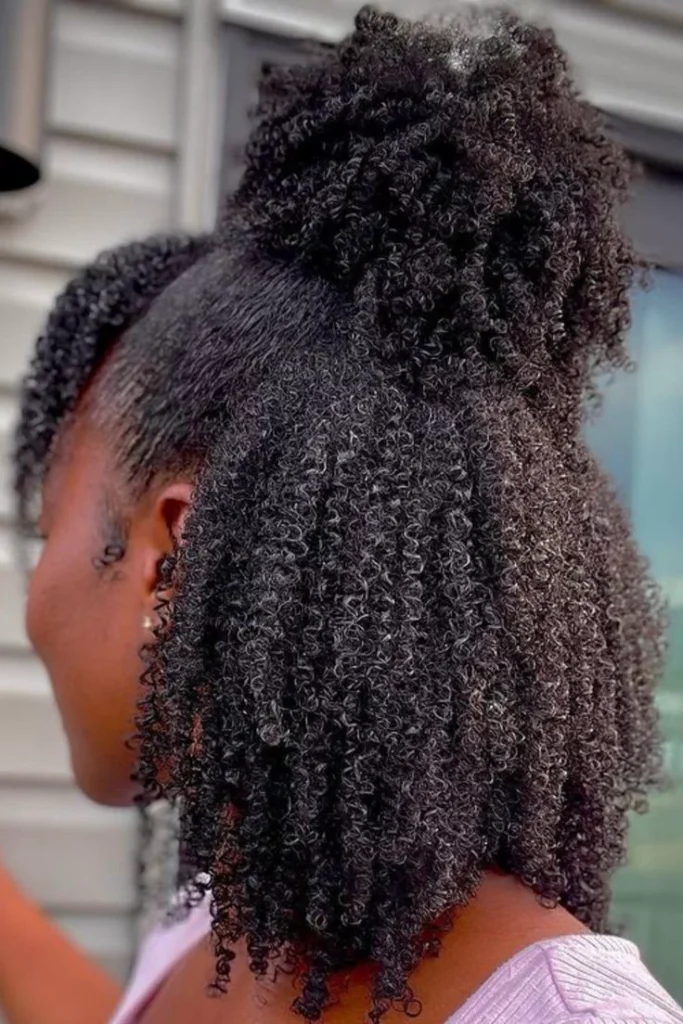
Avoid using heavy conditioners because overly soft hair may struggle to hold twists or coils.
After washing, gently dry your hair with a towel until it is slightly damp.
Step 2 – Create Your Parts
Parting your hair determines the size and pattern of your locs. Using a rat-tail comb, divide your hair into sections.
Common parting patterns include:
-Square parts
-Brick pattern parts
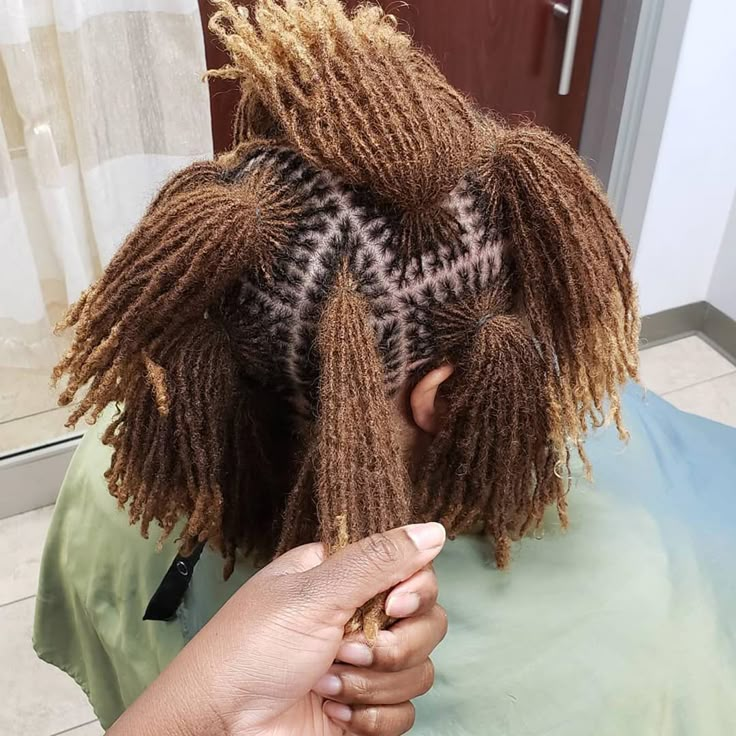
-Diamond parts
Use clips to hold each section so your parts stay neat while you work.
Bear in mind that smaller parts create thinner locs, while larger parts create thicker locs.
Step 3 – Choose Your Starter Method
There are several methods you can use to start locs at home. The best option depends on your hair texture and personal preference. Common starter methods include:
-Two-Strand Twists
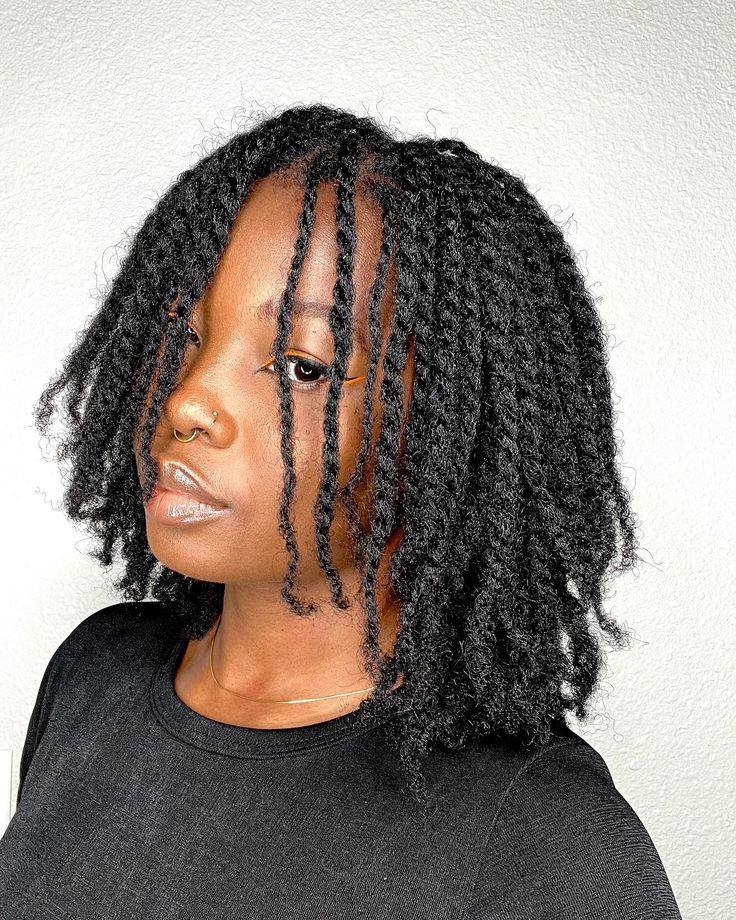
Two-strand twists involve dividing a section of hair into two parts and twisting them around each other. This is one of the easiest methods for beginners.
-Comb Coils
Comb coils are created by wrapping small sections of hair around a comb to form a tight coil. This method works best for tightly coiled hair textures.

-Finger Coils
Finger coils are formed by twisting small sections of hair around your fingers. This technique is simple and beginner-friendly.
-Braids or Plaits
Some people start their locs with braids. The braid gradually loosens as the hair begins to lock.
-Sponge Method
For very short hair, a loc sponge can help create small twists that develop into locs over time.
Step 4 – Secure the Locs
After twisting or coiling each section, apply a small amount of gel to help hold the shape.
Be careful not to use too much product, as excessive buildup can slow down the locking process and make locs feel heavy.
Step 5 – Allow the Loc Process to Begin
Once your starter locs are installed, the most important thing is to give your hair time to lock naturally.
Avoid constantly manipulating or redoing your locs. Too much handling can slow down the locking process.
Patience is key during the early stages of your loc journey.
How to Maintain Starter Locs at Home
Proper maintenance helps your locs stay healthy while they develop. Here are some maintenance tips:
•Retwist When Necessary
Retwisting helps keep new growth neat and maintains the parting pattern. Many people retwist their locs every 4 to 6 weeks.
•Wash Your Locs Regularly
Clean hair is important for healthy locs. So use a gentle shampoo and focus on your scalp.
See this: How to wash starter locs without unravelling them
•Moisturize Your Locs
Locs need moisture just like loose natural hair. Light oils or water-based sprays can help keep them hydrated.
Save this: How often should you moisturize locs
•Protect Your Hair While Sleeping
Sleeping with a satin bonnet or scarf helps prevent friction and keeps locs from drying out.
Do not lose this guide: 15 ways to protect your locs in summer
•Avoid Product Buildup
Using too many styling products can lead to buildup inside the locs. Keep products minimal.
Bookmark this: How to get rid of dandruff in your locs
Common Mistakes to Avoid When Starting Locs Yourself
Many beginners make simple mistakes that can affect their loc journey. One common mistake is using too much gel or heavy products. This can cause buildup and slow the locking process.
Another mistake is making parts that are too small or inconsistent. Uneven sections can lead to locs that vary greatly in size.
Retwisting too frequently is also a problem. Excessive retwisting can weaken the hair and cause breakage.
Come back to this: How to maintain your locs between retightening
Finally, comparing your loc journey to someone else’s can lead to unnecessary frustration. Every head of hair locks at its own pace.
How Long Does It Take for Locs to Form?
Locs do not form overnight. On average, it can take anywhere from 3 to 12 months for locs to fully develop.
Several factors influence how quickly locs form, including hair texture, maintenance routine, and the starter method used.
During the first few months, your hair may appear frizzy or uneven. This stage is completely normal and part of the natural process.
With patience and proper care, your locs will gradually mature.
Keep this page open: Do locs get thicker or thinner over time?
Pros and Cons of Starting Locs Without a Loctician
Starting locs yourself has several advantages. One major benefit is that it helps you save money. Professional loc installation and maintenance can be expensive.
Another advantage is flexibility. When you start your locs yourself, you can maintain them whenever it is convenient for you.
You also learn more about your hair and develop confidence in caring for it.
Learn more here: 23 things you should never do to your locs
However, there are some challenges. Parting your hair evenly can be difficult without practice. The process may also take longer when you do it yourself.
Despite these challenges, many people enjoy the independence that comes with managing their own loc journey.
Final Thoughts
Starting locs yourself at home without a loctician is completely achievable with the right preparation, patience, and consistency. While the process may feel a little intimidating at first, it becomes easier once you understand the basics of parting, twisting, and maintaining your hair.
Remember that this is a journey, not an overnight transformation. In the early months, your hair may look frizzy, uneven, or slightly messy. This is a normal part of the locking process and does not mean you are doing anything wrong.
With time, care, and minimal manipulation, your starter locs will gradually mature into well-formed, beautiful locs.
If you stay patient, keep your hair clean and moisturized, and avoid over-styling or product buildup, your DIY locs can turn out just as healthy and beautiful as those started in a salon.
Check this guide: How to care for your locs the right way
Most importantly, enjoy the process. Locs are more than a hairstyle – they are a long-term commitment to natural hair growth, self-expression, and embracing your unique beauty.
Frequently Asked Questions
1. Can I start locs on relaxed or chemically treated hair?
Yes, it is possible to start locs on relaxed or chemically treated hair, but it is generally not recommended. Chemically processed hair is often weaker and may break more easily during the locking process. Many people choose to grow out their natural hair first and start locs after transitioning.
2. How do I make sure my parts stay straight when starting locs by myself?
Use a rat-tail comb and two mirrors – one in front and one behind you – so you can clearly see the back of your head. Some people also use a parting grid pattern drawn lightly with hair clips or small rubber bands to help keep sections consistent.
3. Should I blow-dry my hair before starting locs?
Blow-drying is optional. Some people prefer starting locs on stretched hair because it makes parting easier and helps create neater sections. However, many people successfully start locs on damp or air-dried hair without heat.
4. Can I exercise or sweat after starting locs?
Yes, you can continue exercising normally. If you sweat frequently, consider wearing a breathable headband or scarf to absorb moisture. After workouts, allow your scalp to dry properly to prevent odor or buildup.
5. What should I do if my starter locs unravel?
Unraveling is common in the early stages, especially with softer hair textures. If a loc loosens, you can simply retwist the section with a small amount of gel or aloe vera.
Over time, the hair will begin to hold the shape more easily.
6. Can I color my hair after starting locs?
Yes, but it is best to wait until your locs are more mature and stable before applying hair dye. Coloring very new starter locs can weaken the strands and slow the locking process.
7. Will my locs shrink after I start them?
Yes, shrinkage is very common during the early stages of loc development. As the hair begins to tangle and compress internally, locs may appear shorter and thicker before they begin to lengthen again.
8. How do I prevent lint from getting trapped in my locs?
Lint can easily become trapped in locs, especially during the early stages. Sleeping with a satin or silk bonnet, avoiding fuzzy fabrics, and keeping your locs covered when necessary can help prevent lint buildup.
9. Can I swim with starter locs?
Yes, but it is important to rinse your hair thoroughly afterward, especially if you swim in chlorinated pools or saltwater. Following up with a gentle shampoo can help keep your scalp and locs clean.
10. What should I do if some of my locs become too thick or too thin?
Locs can be adjusted over time. If a loc is too thick, it can sometimes be split into two smaller locs. If a loc is too thin, it may be combined with a neighboring loc to strengthen it. These adjustments are usually easier to make in the early stages.