Do Locs Get Thicker or Thinner Over Time? (Explained Simply)
Disclosure: Some of the links in this post are affiliate links. This means if you click on the link and purchase an item, I will receive an affiliate commission at no extra cost to you. All opinions remain my own. I only recommend products or services I believe will add value to my readers.

If you’ve ever stared at your locs in the mirror wondering, “Are they getting thicker… or thinner?” you’re not alone. Locs can sometimes be unpredictable: one month they look swollen and full. The next, they seem slimmer – especially after a fresh retwist. It can feel confusing, even a little worrying.
But here’s the truth: loc thickness is not random. It’s part of a natural process your hair goes through as it locks, matures, and settles.
Maybe you just started your starter locs and they look slim. Or perhaps your mature locs feel denser than they used to. You might even be worried because some of your locs look thinner at the roots.
The honest answer is this: locs can get thicker or thinner over time, depending on your hair type, parting size, maintenance routine, and overall hair health.
Read this guide on starter locs: Starter Loc Methods that Last the Longest
Let’s simplify this further.
What Really Happens to Locs Over Time? Do Locs Get Thicker or Thinner Over Time?
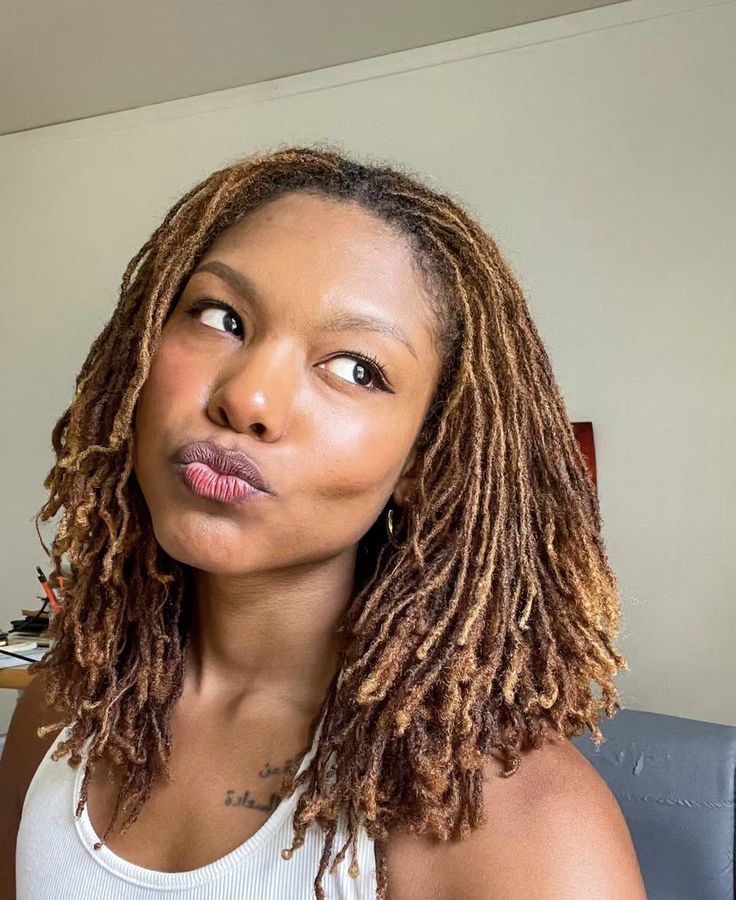
In most cases, locs get thicker before they settle into their final size. During the early stages, your hair begins to mat and tangle internally. This creates swelling, also known as budding.
As the loc matures, it compacts and tightens, sometimes appearing slightly smaller but denser. However, locs can become thinner due to:
-Frequent tight retwisting
Pin this: How to maintain your locs between retightening
-Breakage or weak spots
-Small parting sizes
-Hair thinning or traction alopecia
-Over-manipulation
Understanding the loc maturation process will help you know what’s normal and what’s not.
Learn more here: What to expect in the first 3 months of your loc journey
Understanding the Loc Maturation Process
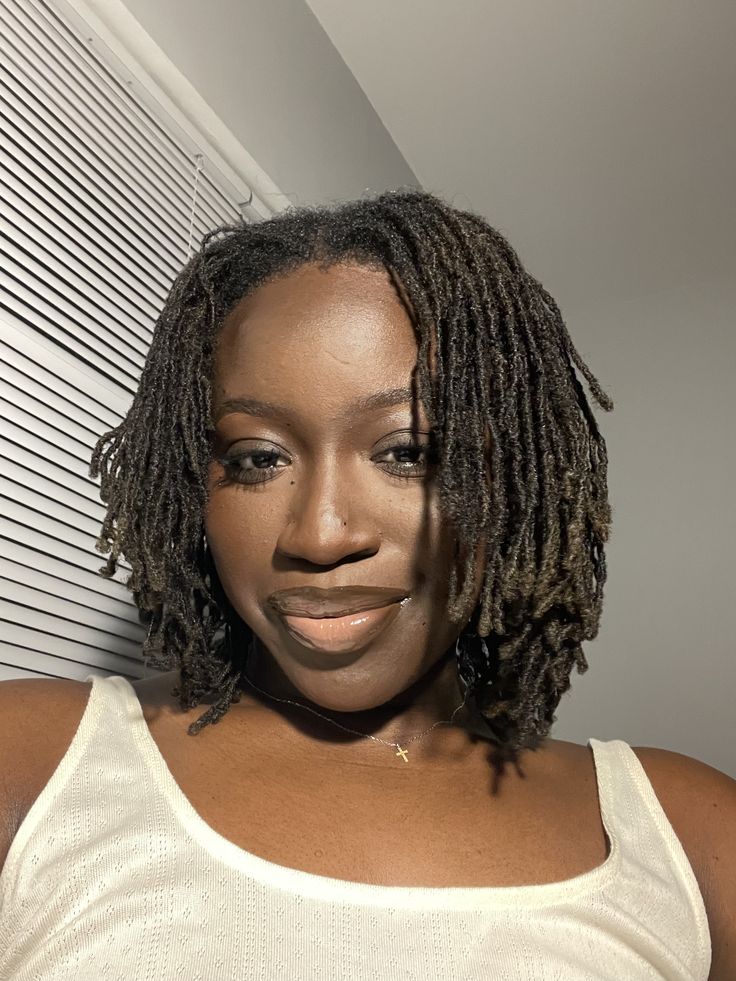
Your locs go through clear stages and each stage affects thickness differently. Let’s quickly run through the different loc stages and how they affect locs volume:
1. Starter Stage – Slim and Defined
When you first install locs (whether coils, twists, or braids), they usually look neat and relatively thin. At this stage, the hair hasn’t fully locked, the strands are still separate inside, and the locs may unravel when washed. It’s completely normal for starter locs to look small at this phase.
Save this guide: Best Oils and Moisturizers for Starter Locs (What Actually Works)
2. Budding Stage – Swelling Begins
After a few months, your locs enter the budding phase. This is when the hair inside begins to tangle and knot, locs appear swollen and the locs size temporarily increases.
Many people panic here, thinking their locs are becoming “too thick.” But budding is healthy. It’s proof that your locs are forming properly.
3. Teenage Stage – Shrinkage and Density
At this stage, locs shrink in length and feel firmer. Thickness may look uneven as some locs may appear thicker while others seem thinner. This is normal. Hair doesn’t lock at the same rate across your head.
4. Maturity Stage – Compact and Settled
Once fully mature, locs become dense and firm. They compact internally and settle into their permanent thickness. At this point, they may look slightly smaller than during budding, but they are stronger and more stable.
That takes us to the next question:
Why Do Some Locs Appear Thicker Over Time?
There are several reasons locs can look fuller as they age. These include:
•Internal Matting and Budding
As strands intertwine inside the loc, they create volume. The more your hair tangles, the thicker the loc becomes.
•Frizz Integration
Loose hairs and frizz eventually wrap into the loc. Over time, this adds body and width.
Read this: Two-Strand Twists vs Comb Coils – Which Loc Method Is Better
•Product Buildup
Sometimes thickness isn’t true growth. It could also be caused by buildup. Heavy creams and oils can coat the locs, making them look bulky. Proper cleansing helps avoid false thickness.
Pin this guide: How to get rid of dandruff in your locs
•Combining Locs
If you merge two smaller locs, the new loc will naturally be thicker.
Why Do Some Locs Become Thinner Over Time?
Not all locs become thicker at the maturity stage. Thinning can happen too and it’s important to know why.
Here are some of the reasons your locs could appear thin:
•Small Parting Size
Your parting size determines your loc’s maximum thickness. Smaller parts produce smaller locs. They won’t magically grow thicker than the hair assigned to them.

•Frequent Retwisting
Tight, frequent retwisting can weaken roots, cause breakage, and create thinning at the base. Retwisting too often stresses your scalp.
•Over-Manipulation
Constant styling, pulling, or playing with your locs weakens them over time.
Come back to this: 10 Things You Should Never Do to Your Starter Locs
•Breakage and Weak Spots
Chemical damage, dryness, or tension can create thin areas along the shaft.
•Traction Alopecia
Tight styles (especially on edges) can cause permanent thinning if not addressed early.
Now, let’s tackle yet another common question:
Does Hair Type Affect Loc Thickness?
The answer is yes. Here is how thickness relates to different hair types:
•Fine vs. Coarse Hair
Fine hair produces slimmer locs while coarse hair on the other hand creates fuller locs.
•Low-Density vs. High-Density Hair
Density refers to how much hair grows on your scalp. High-density hair supports thicker locs while low-density hair creates lighter, slimmer locs.
•Curl Pattern Matters
Tighter coils tangle faster and often form thicker locs. Looser curl patterns may take longer to swell.
Does Retwisting Make Locs Thinner?

This is a common fear among loc wearers. But there’s nothing to panic about. Even though your locs may look thinner at the roots, that’s temporary. Your hair is already tightened and aligned.
However, excessive retwisting can cause long-term thinning. A healthy retwist schedule is usually every 4–8 weeks, depending on your hair growth rate. Give your roots time to grow and breathe.
Keep this page open: Common locs problems and how to fix them
Can You Make Thin Locs Thicker?
Ye. It depends on the cause of the thinning. Here are some safe ways to thicken thin locs:
•Combine Locs
You can merge two smaller locs to create a thicker one.
•Crochet Repair
Weak spots can be reinforced using a crochet tool. This improves hair health.
Best done by a professional.
To retain thickness, focus on:
-Gentle washing
-Reducing tension
Check this out: Common mistakes to avoid when starting locs
-Eating nutrient-rich foods
Don’t forget that healthy hair produces stronger locs.
Can You Make Thick Locs Smaller?
Inasmuch as overly thin locs are problematic, excessively thick locs are also an issue.
One way to reduce your locs’ thickness is through resizing. Resizing is effective but risky. To resize your locs you can split them. This must be done carefully (by a loctician) otherwise it can cause breakage.
A loctician will assess whether splitting is safe based on density and maturity. DIY splitting is not recommended without experience.
Now, let’s burst a few common myths.
Common Myths About Loc Thickness
Myth 1: Locs Always Get Thicker Over Time
Not always. Some locs settle into a smaller, denser form.
Myth 2: Retwisting Automatically Causes Thinning
This happens only when done too frequently or too tightly.
Myth 3: Thick Locs Are Healthier
Health depends on strength and scalp care, not size.
How to Maintain Healthy, Full Locs Over Time
If you want strong locs that maintain good thickness, do theses:
-Use lightweight oils
-Avoid heavy creams
-Protect your edges
This guide will help you: How to care for your locs the right way
-Avoid tight hairstyles n
-Sleep with a satin or silk bonnet
-Wash regularly to prevent buildup
Bookmark this: How to Wash Starter Locs Without Unraveling Them
Final Thoughts
So do locs get thicker or thinner over time?
The real answer is this: locs evolve.They swell, compact, shrink, settle, and eventually, they become what your hair type, parting size, and care routine allow them to be.
Thickness isn’t a straight line. It’s a process. If your locs are swelling in the budding stage, that’s normal. If they look slimmer after a retwist, that’s temporary. If you notice consistent thinning at the roots, then that’s a sign to adjust your maintenance routine.
The key is understanding what stage you’re in and responding with patience rather than panic.
Focus on gentle maintenance, realistic retwist schedule, proper cleansing, protecting your roots, and supporting overall hair health.
Over time, your locs will settle into their natural, permanent size. And when they do, you’ll realize something important: the goal was never “thicker” or “thinner.” The goal was always to grow healthy locs.
Frequently Asked Questions
1. Do locs get thicker at the ends over time?
Yes, sometimes. If your hair grows faster than it sheds, or if loose hairs wrap around the ends, the tips may appear thicker. However, in mature locs, the ends are usually compact and become denser rather than puffier.
2. Why are my locs thicker in the middle but thinner at the roots?
This often happens due to budding in the shaft while the roots are freshly retwisted. If thinning persists even after new growth appears, it may be caused by tension, breakage, or frequent styling.
3. Does washing your locs make them thinner?
No. Proper washing does not thin locs. As a matter of fact, regular cleansing prevents buildup, which can falsely make locs look bulky. Clean locs are healthier and maintain more natural density.
4. Can postpartum hair shedding affect loc thickness?
Yes. Postpartum shedding can cause temporary thinning, especially around the hairline. The good news is that this type of shedding is usually temporary and regrowth often follows.
5. Do interlocking and palm rolling affect thickness differently?
Yes. Interlocking can create a tighter, more compact loc that may appear slimmer. Palm rolling on the other hand helps maintain a softer, more cylindrical shape.
The method you choose can slightly influence how thick your locs appear over time.
6. Does coloring or bleaching locs make them thinner?
Chemical processing can weaken hair strands. If not properly maintained, colored or bleached locs may experience dryness and breakage, which can lead to thinning.
7. Can trimming locs change their thickness?
Trimming doesn’t change the thickness of the shaft, but cutting off thin or damaged ends can make locs look fuller and healthier overall.
8. Why do my locs look thinner after they mature?
As locs mature, they compact internally. This compression can make them look slightly slimmer than they did during the budding stage, even though they are stronger.
9. Does climate affect loc thickness?
Yes. Humid environments can cause locs to swell temporarily due to moisture absorption. Dry climates may make locs shrink and feel lighter.
10. At what point can you truly tell your loc’s permanent thickness?
Most people can see their locs settled in size after 12–24 months, depending on hair type and maintenance routine. Before full maturity, thickness may fluctuate.

2 Comments